
Confessions for the End of the World cover image

Confessions for the End of the World

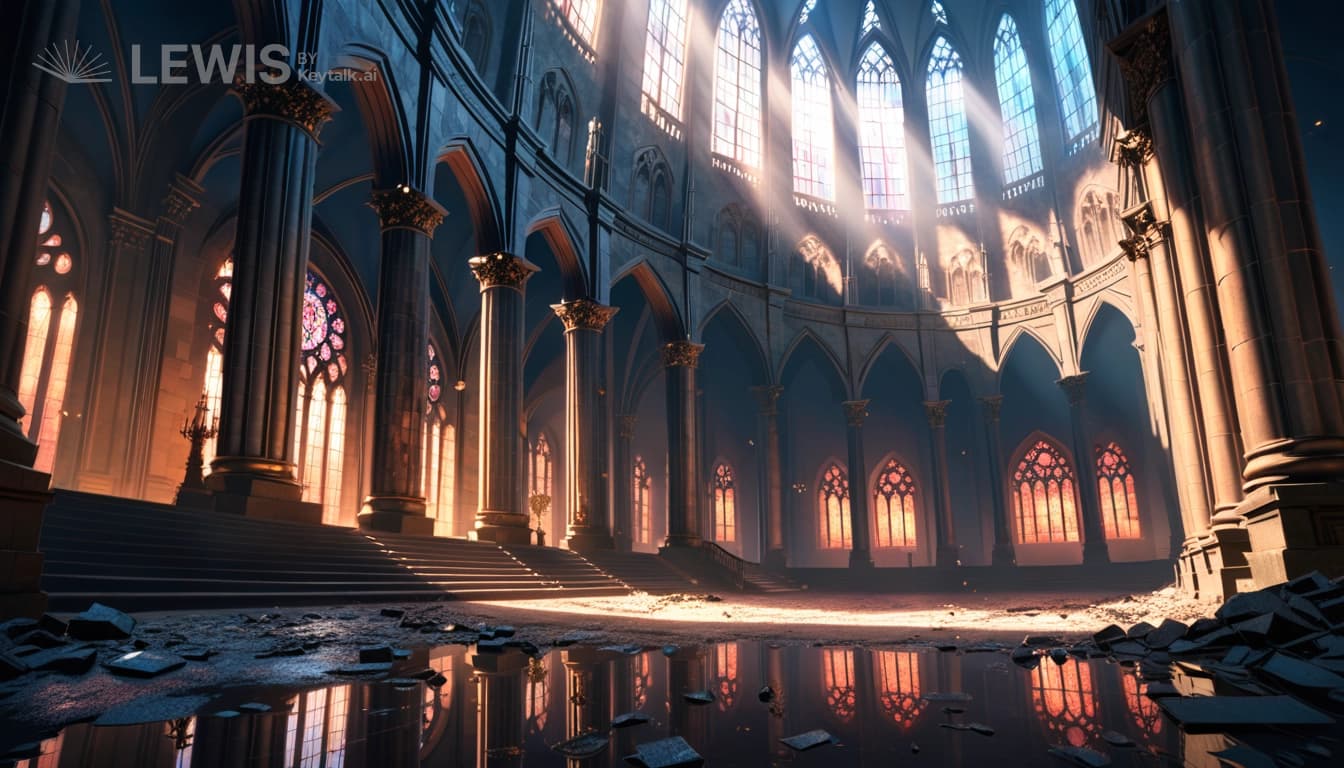
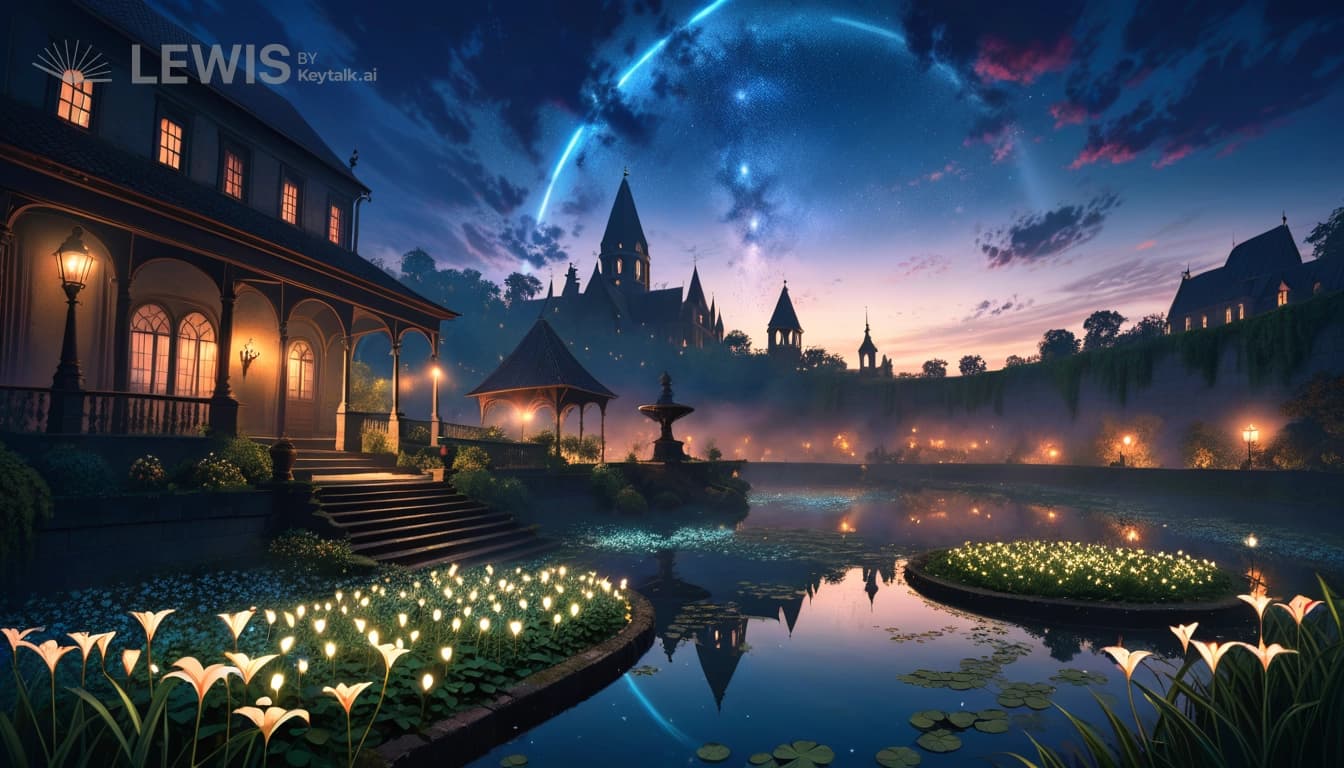
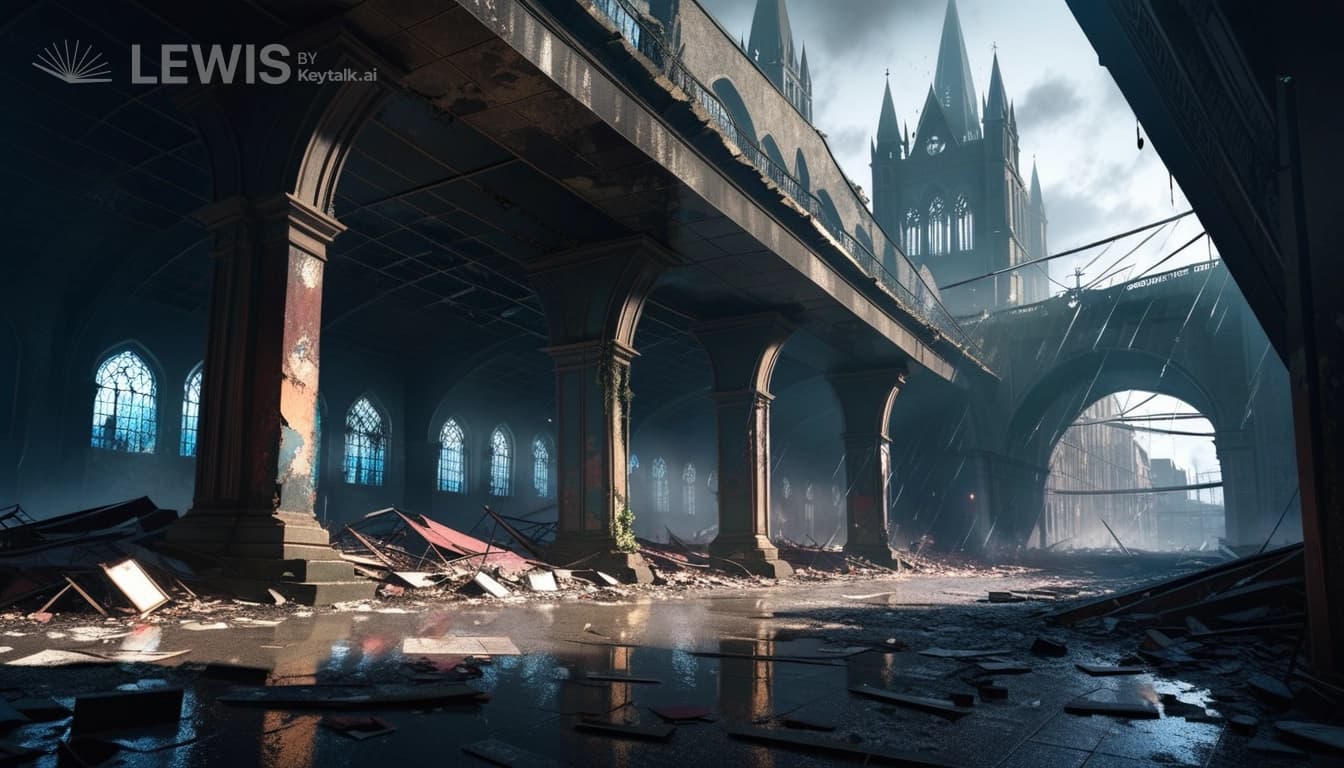
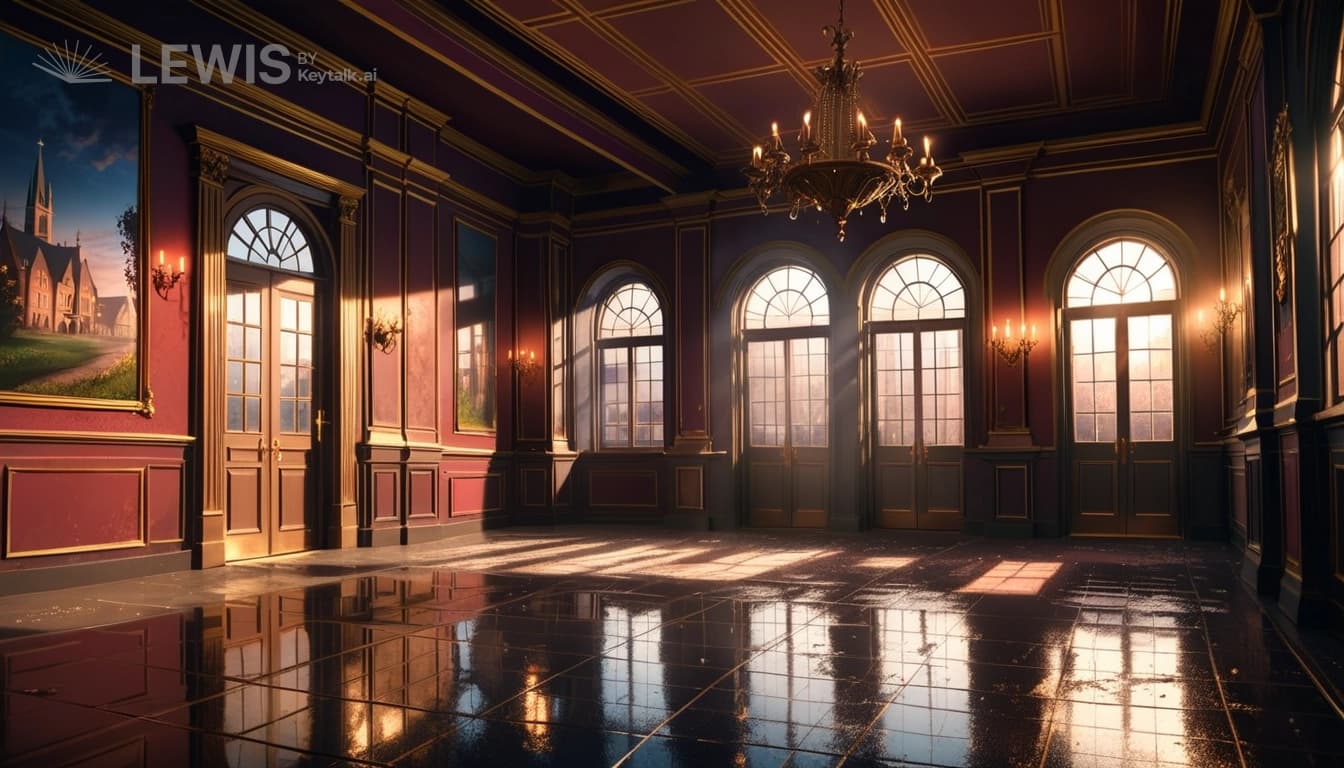
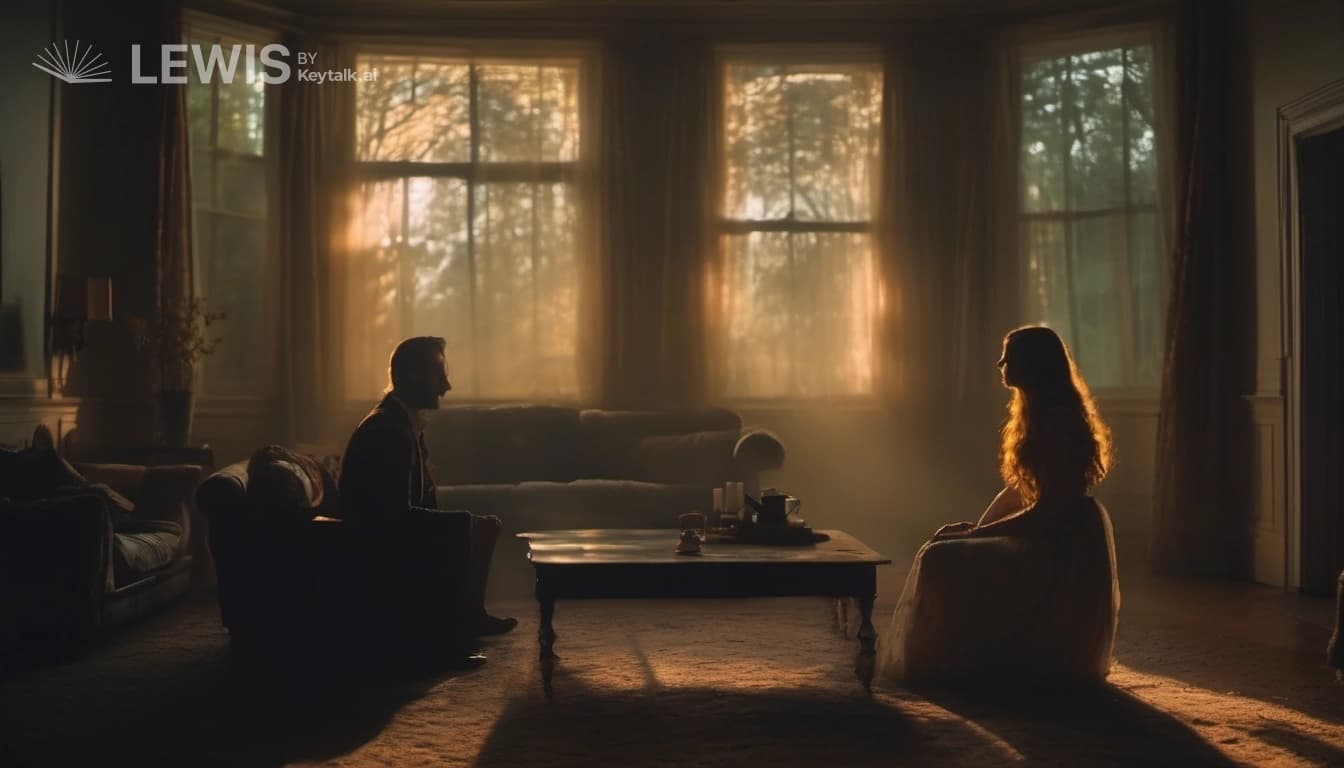
Beneath a simmering sky on the verge of collapse, a visionary street artist is lured by whispers of a midnight confession emporium said to grant glimpses of long-buried fatherly truths—at a devastating price. Run by three cursed, intuitive fairies bound to the city’s seedy ruins, each confession warps the patrons’ desires, igniting a fever-dream mania that sweeps through the population. As the disaster outside intensifies—buildings buckling, order unraveling—the artist’s grand vision threatens to tip him from muse to monster, forcing him to expose the fairies’ cruel bargain and gamble everything to redeem a world teetering between destruction and self-knowledge.

Weekly ranking

rank icon image
#1 inGenre
rank icon image
#1 inConcept
rank icon image
#1 inTheme
Scroll

Character

Protagonist Character

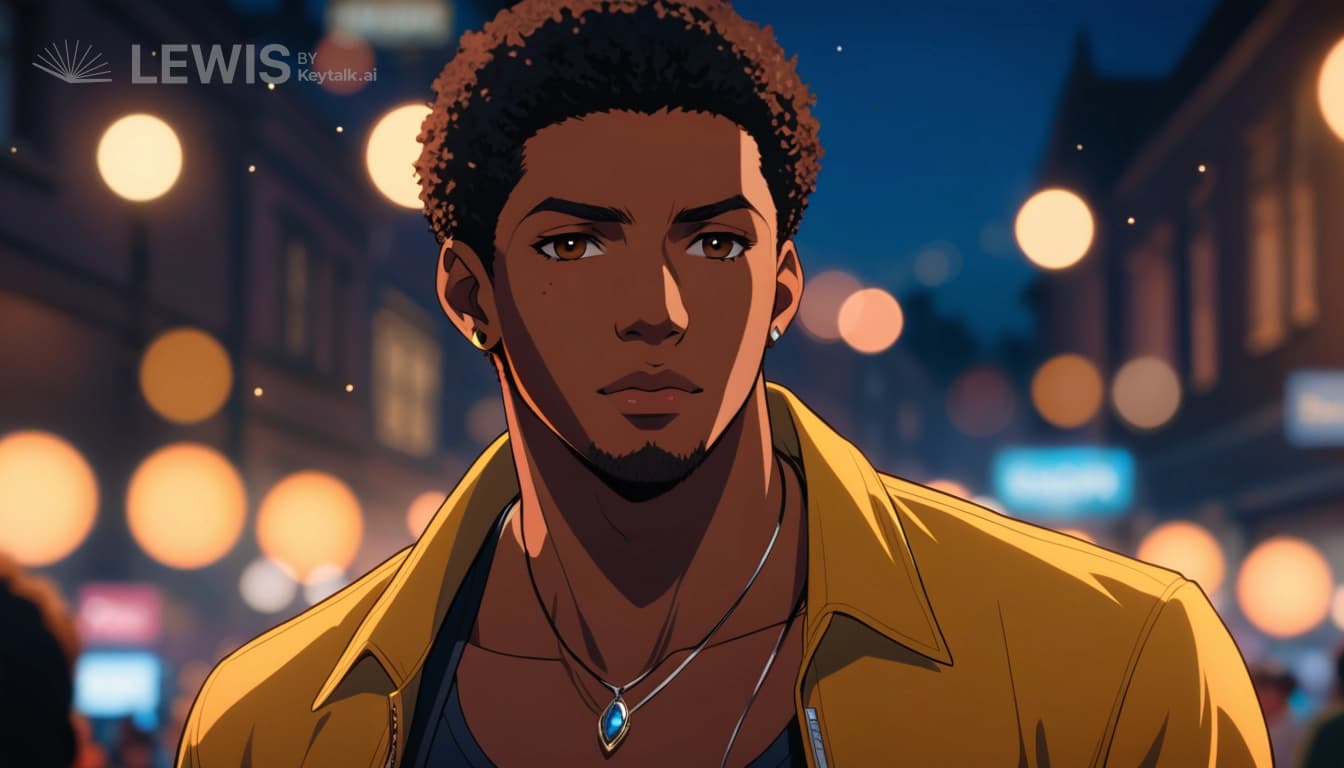
Micah Kingsley

GenderMale
OccupationVisionary Street Artist / Muralist

Profile

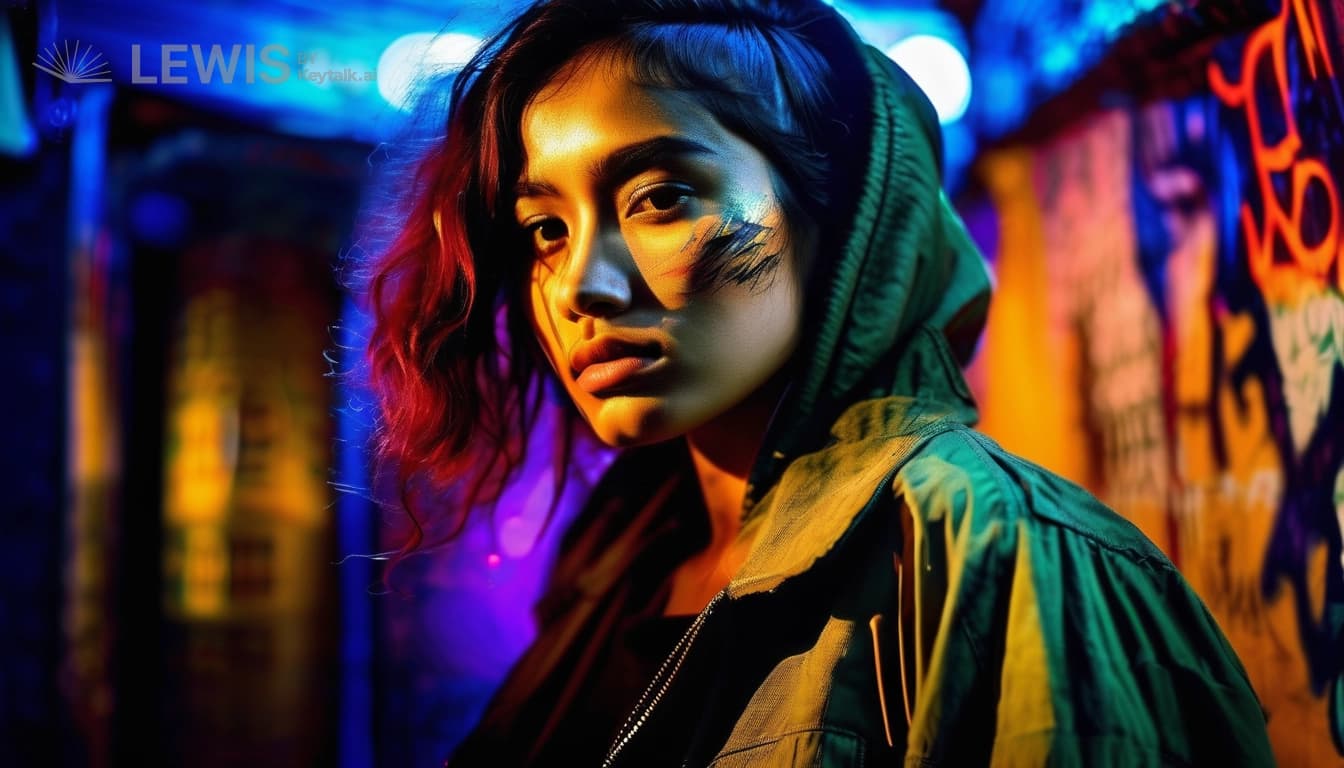
Micah Kingsley, a 29-year-old British-Jamaican street artist, stands at six feet even with an angular, wiry build shaped by years scaling crumbling scaffolds and ducking city patrols. His skin, a rich, golden-brown canvas of faint scars and errant flecks of paint, hints at a life lived between light and shadow. Tight coils of charcoal-black hair spill haphazardly from beneath a battered, paint-stained beanie, framing a face marked by sharp cheekbones, an aquiline nose bent subtly from an old brawl, and watchful, mismatched eyes—one deep brown, the other a pale, arresting gray, a trait inherited from the father he barely remembers. Micah’s hands are perpetually smudged with pigment, his nails rimmed with the rainbow detritus of his craft. Favoring layered, oversized utility jackets patched with graffiti tags, battered jeans, and sturdy boots, he moves with the restless energy of someone who cannot afford to stay still—a man both at home in the city’s derelict underbelly and set apart by his uncompromising vision. Haunted by the silence of a vanished father and shaped by a mother’s cryptic stories of Caribbean spirits, Micah’s worldview is both fiercely skeptical and secretly superstitious; he seeks meaning in the overlooked, the broken, and the beautiful decay of urban life. Though fiercely independent and driven by a relentless need to leave indelible marks on a world he believes is teetering on the brink, Micah can be abrasive, impatient with compromise, and prone to manic bursts of inspiration that border on obsession. His voice, lightly tinged with London street vernacular and the faint lilt of Jamaican patois, is quick, sardonic, and unguarded, peppered with biting humor and sudden, disarming sincerity. At the cusp of the story, Micah is eking out a precarious existence—revered by underground art circles yet dismissed by the mainstream, living out of an abandoned subway station he’s transformed into a riotous, ever-shifting gallery. His closest ties are to a ragtag crew of fellow outcasts, though he keeps them at arm’s length, wary of betrayal or intimacy. Micah is driven by a singular aspiration: to create a mural so visionary it will outlast the city’s imminent collapse and, perhaps, draw out the truth of his own origins. Yet beneath this bravado simmers a gnawing fear of irrelevance and a dangerous susceptibility to the city’s feverish, apocalyptic undercurrents—a combination that makes him uniquely vulnerable to the temptations of the midnight confession emporium and sets him on a collision course with the fairies’ cruel machinations.
Antagonist Character

Lysandra Veil

GenderFemale
OccupationProprietor of the Midnight Confession Emporium (Cursed Fairy in Human Guise)

Profile

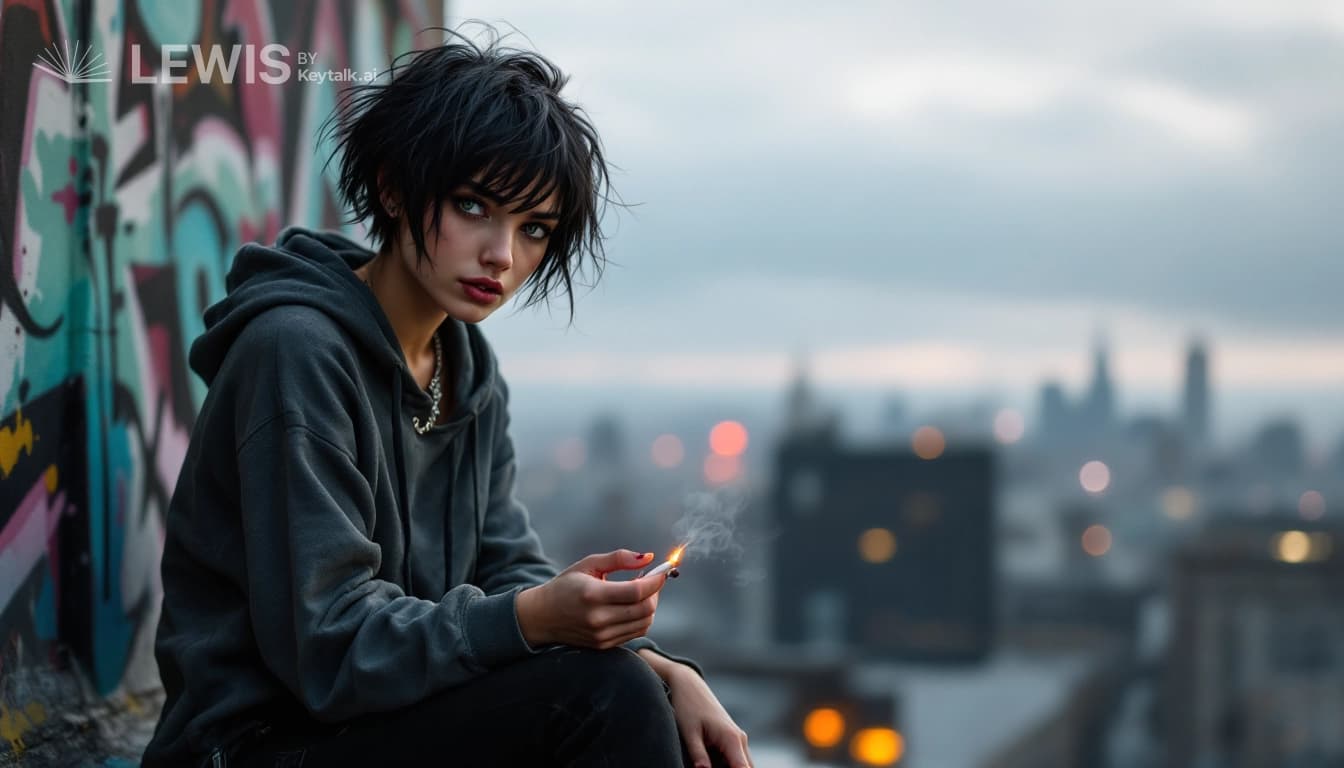
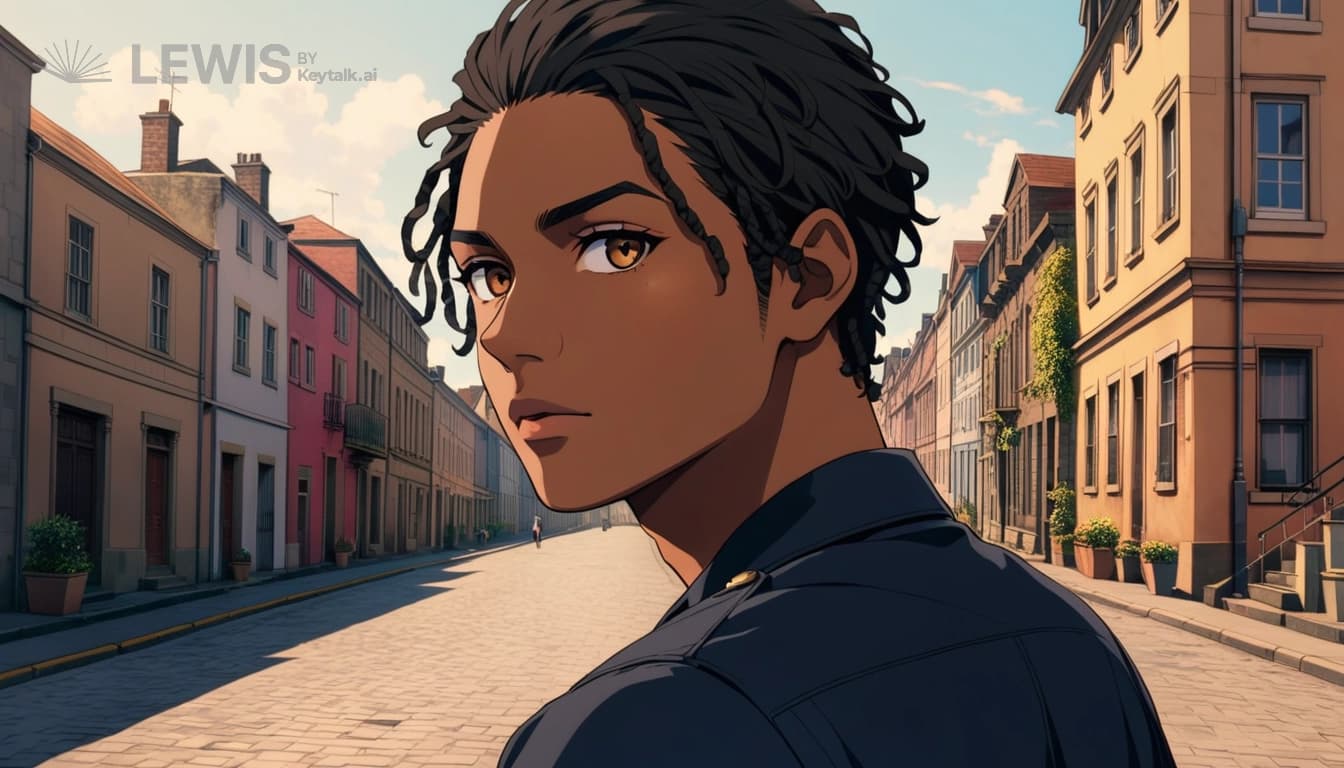
Lysandra Veil, a 47-year-old woman of Romani and Irish descent, stands at an imposing six feet, her willowy frame draped in layered midnight silks that shimmer with iridescent undertones—a nod to her otherworldly origins as one of the three cursed fairies bound to the city’s crumbling heart. Her face is sharply angular, with high cheekbones and a narrow jaw, accentuated by a cascade of silver-black hair that falls in wild, tangled waves to her waist. Piercing heterochromatic eyes—one glacial blue, the other a molten gold—reflect both uncanny perception and centuries of haunted memories. A jagged, pearlescent scar arcs from her left temple to the hollow of her cheek, a relic of the ancient binding that keeps her tethered to mortal form. Lysandra’s presence is magnetic but unsettling: her movements are fluid, almost too graceful, and her voice, rich with a dusky, lilting cadence tinged by Dublin’s lilt and Romani inflections, can soothe or slice with equal ease. Once a protector of secrets and dreams, Lysandra has become a master manipulator, wielding the emporium’s confessional rites with a calculated elegance that borders on cruelty; she prizes authenticity yet is quick to exploit human frailty, believing suffering is the crucible of revelation. Her worldview is shaped by centuries of betrayal and longing for lost freedom—she regards mortals with a mixture of envy and disdain, but is fascinated by their reckless hope. Lysandra’s greatest strength lies in her intuitive grasp of unspoken desires, yet she is haunted by a growing resentment toward her own compulsions and the bargains she’s forced to broker. She keeps her distance from the city’s denizens, save for her two fairy siblings, with whom she shares a fraught, co-dependent alliance, and she obsesses over cryptic omens—etching them into her skin with inkless needles as a form of prophecy. Lysandra aspires, above all, to break her curse, yet her methods—ruthlessly precise, cloaked in poetic riddles—reflect a conflicted morality: she upholds the emporium’s rules not out of principle, but as the only means of survival in a world spiraling toward oblivion. Restless and restless, Lysandra is both architect and prisoner of the fever-dream mania that now engulfs the city, her every calculated move a bid for agency against the entropy she’s bound to serve.
Sidekick Character

Amara Ndiaye

GenderFemale
OccupationDisaster Relief Paramedic

Profile

Amara Ndiaye, a Senegalese-British disaster relief paramedic of 38, stands as a striking presence amid the city’s chaos—tall (nearly six feet), broad-shouldered, with a sinewy, athletic frame honed by years in crisis zones. Her skin is a deep bronze, often streaked with soot or dried blood, and her oval face is defined by severe cheekbones, an aquiline nose, and steady, dark eyes quick to flicker with suspicion or wry amusement. A shock of tightly coiled, jet-black hair is cropped close on the sides, but left wild atop her head, often tucked under a battered navy cap emblazoned with faded medical insignia. Her utilitarian clothing—cargo trousers patched at the knees, scuffed boots, the reflective vest always half-zipped—bears the grime of sleepless nights and a readiness for catastrophe. Amara’s voice, low and resonant with a faint Dakar lilt, rarely rises above a measured cadence; she prefers clipped, pragmatic speech, her British upbringing occasionally surfacing in sardonic asides, while her French curses slip out under duress. Raised by a single mother—a union organizer who vanished during a political crackdown—Amara’s worldview is fiercely practical and deeply skeptical of authority, forged through years of navigating bureaucratic indifference and the broken machinery of disaster response. She operates with relentless competence, improvising triage under fire, but her instinct to protect often clashes with a simmering impatience for poetic souls like Micah, whom she alternately shields and chides. Though loyal to a fault, Amara’s motivations run deeper than camaraderie: she seeks proof that resilience is more than endurance—that healing is possible even in worlds bent on self-destruction. This conviction drives her to confront danger head-on, yet she harbors a gnawing restlessness—a hunger to understand the line between mercy and complicity in a city where every life saved may be another cycle of ruin prolonged. Quick to challenge dogma, she questions the fairies’ bargains but remains wary of easy redemption, her hands deft as she stitches wounds or scrawls coded warnings on walls. Haunted by a compulsion to bear witness, Amara’s pragmatic skepticism and hard-won empathy anchor the narrative, providing a moral and emotional counterweight to Micah’s feverish idealism and Lysandra’s seductive fatalism, while her restless vigilance and unorthodox problem-solving become indispensable as disaster deepens and the cost of truth grows ever more dire.

Plot Synopsis

Micah Kingsley’s story begins beneath a bruised, thunderous sky that feels ready to split open. The city—never named, but unmistakably vast and crumbling—simmers with a tension that seeps into every cracked pavement and shadowy alley. Micah, whose murals riot across forgotten walls, is chasing the ghost of a father lost to silence and rumor. His obsession is as much about transcending obscurity as it is about piecing together an origin story he’s only glimpsed in his own mismatched eyes. He’s driven by a need to create something that endures, a mural that can outlast the city’s imminent collapse, but also by a private hunger: to know if his father’s absence was abandonment or sacrifice. Every brushstroke is a negotiation with memory, every color a plea for meaning, but as the city unravels—buildings groaning, air shimmering with unnatural heat—Micah’s art becomes a fevered prayer against oblivion.

The rumors of a “midnight confession emporium” drift to him from the city’s underbelly, whispered by scavengers and dreamers who claim it warps reality for those desperate enough to enter. Micah, skeptical but desperate, finds himself drawn to its promise: a chance to finally unearth the truth about his father, a man who vanished into the city’s ruins decades ago. He’s warned that the cost is steep, that the fairies who run the emporium—Lysandra Veil chief among them—trade in desires and secrets, twisting both into nightmares. But Micah, stubborn and half-mad with longing, ignores the warnings. His decision is the first domino: the moment he steps inside, exchanging a memory of his father’s laughter for a glimpse of the past, he sets in motion a chain reaction that will ignite the city’s hidden fever.

Lysandra, ancient and scarred by the binding that keeps her trapped in mortal form, watches Micah with a predator’s fascination. She recognizes in him a kindred restlessness, a mortal who might—just might—change the calculus of suffering and revelation that has ruled her existence for centuries. She orchestrates his confession, extracting a vision: Micah’s father, battered and desperate, fleeing not from indifference but from a pact with the fairies themselves—a failed attempt to buy protection for his son at the cost of his own soul. The truth is both gift and curse, and as Micah reels from the revelation, the emporium’s magic takes root in him. His next mural, painted in a manic trance, infects the city with a hallucinatory mania: strangers see their own secrets writ large, and the line between memory and madness begins to blur.

Amara Ndiaye, Micah’s reluctant friend and occasional savior, becomes his tether as disaster accelerates. She’s seen too many cities crack under pressure, too many desperate bargains made in the name of survival. When the fever-dream mania spreads—people confessing wild truths in the street, riots erupting as old grievances are laid bare—Amara realizes the emporium’s influence is no longer contained. She tries to pull Micah back, to ground him in the practical reality of triage and rescue, but he’s lost in the spiral of his own revelations, convinced that only by exposing the fairies’ bargain can the city be saved. Amara’s skepticism is both armor and weapon, but even she is forced to confront the allure of confession when her own buried grief—her mother’s disappearance, her own complicity in cycles of pain—threatens to surface.

As the city teeters on the brink, Lysandra’s siblings—one cruelly pragmatic, the other maddened by centuries of longing—push for escalation. The fever must reach its crescendo, they argue, if they are ever to break free of their curse. Lysandra, torn between the rules that bind her and a growing empathy for Micah’s desperation, tries to steer the mania toward revelation rather than ruin. But the magic has become volatile, unpredictable; every confession now feeds a storm that warps reality itself. The city’s infrastructure buckles, skyscrapers weep black water, and the sky churns with iridescent fire. Micah’s murals become portals—windows into other lives, other regrets. Crowds gather, drawn like moths to the feverish glow, and the city’s last shreds of order dissolve.

In the chaos, Micah faces a terrible choice. He can complete his masterpiece—a mural that will immortalize not just his father’s truth, but every secret the city has tried to bury. To do so will unleash the final wave of mania, breaking the fairies’ curse but condemning the city to madness and possible destruction. Or he can destroy the emporium, severing the magic at its root, but at the cost of

Scenes

Scene 1
scene 1 image
Murals on Borrowed Time

Place
A crumbling alley in the heart of the unnamed city, walls layered with fading graffiti and Micah’s fresh mural-in-progress. The alley is flanked by broken streetlights, pooling rainwater, and the distant hum of unrest.

Time
Late afternoon, just before the storm breaks—a sky thick with bruise-colored clouds, thunder threatening, the air sticky and restless.

Action
Micah is finishing a mural under the imminent threat of rain, painting with a frantic urgency that borders on mania. He’s haunted by thoughts of his missing father, channeling the ache into every color and line. Passersby linger, some sneering, others silently moved, but Micah is oblivious—lost in the act, desperate to leave a mark that will outlast the city’s decay. As he paints, memories of his father’s laughter and abrupt disappearance blur with rumors he’s picked up about a place that can answer impossible questions. The city’s atmosphere is palpably tense: distant sirens, the scent of ozone, a sense that everything familiar is about to break. Amara appears briefly, urging him to take shelter and questioning why he obsesses over a legacy no one else cares to remember. Their exchange is tense, layered with care and exasperation—Amara’s pragmatism clashing with Micah’s fevered hope. The scene ends as the first heavy drops of rain hit the mural, threatening to wash away his work, and Micah, defiant, refuses to leave. He resolves to seek out the rumored confession emporium, convinced it holds the truth about his father, even if the cost is steep.

Impact on the story
This scene establishes Micah’s core motivation—his desperate need for legacy and answers about his father. The alley, the mural, and the coming storm set the tone for a city on the edge, mirroring Micah’s internal chaos. Amara’s presence introduces the tension between practical survival and obsession, hinting at her future role as Micah’s anchor. The decision to seek the confession emporium is the scene’s turning point, setting the plot’s chain reaction in motion and foreshadowing the supernatural elements to come.

Description
Micah paints a mural as a storm looms, wrestling with loss and the city’s decay. Urged by Amara to abandon his obsession, he instead commits to finding the confession emporium, setting the story’s main quest in motion. The scene establishes the central conflict—art and memory versus oblivion—while hinting at the city’s supernatural undercurrents.
Scene 2
scene 2 image
A Storm in the Alley, a Whisper in the Dark

Place
A maze of backstreets leading from Micah’s mural-stained alley toward the city’s underbelly—damp stairwells, flickering neon signs, and the labyrinthine market where rumor and desperation mingle. The rain has begun in earnest, turning gutters into rivers and drawing the desperate and the dangerous out of hiding.

Time
Twilight, as the storm finally breaks—rain drumming against metal, sky split with lightning, darkness thickening around every corner.

Action
Micah pushes through rain-slicked streets, clutching his soaked sketchbook under his jacket, searching for the legendary confession emporium. The city’s pulse is feverish; everyone he passes seems on edge, their faces pinched with suspicion or wild hope. He follows half-remembered directions and cryptic graffiti sigils, piecing together a breadcrumb trail left by those who have sought impossible answers before. Along the way, Micah has a tense encounter with a pair of scavengers who recognize him as the “ghost muralist,” pressing him for news of the city’s unrest and bartering for scraps of art or information. Their interaction hints at the city’s growing instability and the way Micah’s reputation precedes him—equal parts legend and cautionary tale.

As Micah delves deeper, he glimpses flashes of the city’s supernatural undercurrent: a shadow that lingers too long, a voice that seems to echo inside his head, a flicker of movement in the corner of his eye that vanishes when he looks straight on. He’s both unnerved and drawn onward, his obsession intensifying as the storm grows wilder. At a crossroads, Micah hesitates, nearly turning back as fear and doubt surge, but a memory of his father—fragmented, warm, and impossible—pushes him forward.

Finally, Micah discovers a hidden door: ornate, silver, and incongruously pristine amid the city’s decay, pulsing faintly with eldritch light. His hand trembles as he reaches for it, knowing that crossing this threshold will mean surrendering more than he can imagine. The scene ends with Micah poised outside the door, rain cascading down his face, the city’s chaos at his back and the unknown whispering ahead.

Impact on the story
This scene deepens Micah’s desperation and highlights the city’s dual nature—mundane ruin laced with supernatural threat. It introduces the confession emporium as a physical and psychological threshold, sharpening the stakes of Micah’s quest and reinforcing the cost of obsession. The encounter with scavengers expands the city’s world, showing how Micah’s legend and the city’s fever are intertwined. Micah’s determination to press forward despite mounting fear cements his resolve and sets up his fateful meeting with Lysandra.

Description
Micah braves the storm-choked city, following cryptic clues and facing the city’s dangers as he hunts for the confession emporium. On the edge of turning back, he’s driven forward by memory and obsession, ultimately arriving at the emporium’s mysterious silver door. The scene intensifies the story’s atmosphere and stakes, bringing Micah to the precipice of the supernatural.
Scene 3
scene 3 image
Amara’s Bargain: What We Save, What We Lose

[Place]
A cramped, candle-lit room in Amara’s cluttered apartment above a shuttered laundromat. The rain’s relentless percussion filters through warped windows, casting the space in shifting shadows. The city’s chaos bleeds in through the thin walls—distant sirens, muffled shouts, the hum of tension.

[Time]
Night, an hour after Micah’s approach to the confession emporium’s door. The city is restless and raw, the storm now a steady, exhausting presence.

[Action]
Amara sits hunched at her small kitchen table, surrounded by evidence of a life lived in constant defense—stacked first-aid kits, city maps marked in red, half-packed bags for quick escape. She tries to focus on patching a tear in her jacket, but her mind keeps returning to Micah. His obsession has become a knot in her chest: she remembers his haunted look earlier, the way he brushed off her warnings, and the unspoken plea in his eyes that she’s never been able to refuse. Amara’s phone buzzes with urgent messages from neighborhood contacts—rumors of unrest, people acting strange, someone claiming to have seen the ghost muralist heading toward the forbidden market.

Driven by a mixture of worry, guilt, and stubborn affection, Amara debates whether to chase after Micah or keep her promise to look after the block’s younger scavengers, who rely on her for protection. She’s forced to weigh her own traumas against her loyalty: flashbacks to her mother’s disappearance flicker through her mind, fueling both her suspicion of magical solutions and her determination to shield others from making desperate bargains.

Amara finally decides to leave her sanctuary and follow Micah into the city’s underbelly, grabbing supplies and steeling herself for whatever bargains or dangers lie ahead. Before leaving, she confides in one of the younger scavengers, warning them to stay inside and promising she’ll return. The scene ends with Amara locking the door behind her, heart pounding, stepping into the storm with the weight of responsibility and fear pressing down—but also a spark of hope that she might still save someone, even if she couldn’t save her mother.

[Impact on the story]
This scene anchors Amara’s role as both Micah’s protector and her neighborhood’s reluctant guardian. It deepens her internal conflict between self-preservation and self-sacrifice, highlighting the emotional cost of loyalty in a city on the brink. Amara’s decision to chase after Micah propels her into the supernatural narrative, intertwining her personal loss with the city’s unraveling fate and setting up her eventual confrontation with the emporium’s temptations.

[Description]
Alone in her cramped apartment, Amara wrestles with memories and responsibility before choosing to brave the city’s storm in search of Micah. Her choice to leave safety for loyalty not only pushes the plot forward, but also deepens her character’s emotional stakes as she steps into the chaos that will test everything she believes about saving others.
Scene 4
scene 4 image
[Title]
The Confession Emporium’s Silver Door

[Place]
A labyrinthine alley in the city’s oldest quarter, choked with trash fires and walls scrawled over with fading sigils; the entrance to the confession emporium is an ornate, tarnished silver door set into a wall that seems to pulse with its own heartbeat.

[Time]
Late at night, moments after Amara steps into the storm—Micah is already ahead, standing alone before the emporium’s threshold, rain slicking his hair and nerves, the city’s feverish energy vibrating all around.

[Action]
Micah arrives at the alley, drawn by rumors and his own desperate hope, heart pounding with equal parts fear and longing. He hesitates before the silver door, replaying Amara’s warnings and the memory he holds of his father’s laughter—the very thing he’s prepared to trade. The door seems to anticipate him, glimmering with unnatural light, whispering promises he can almost hear. As Micah finally pushes the door open, he’s enveloped by a sensory onslaught—incense, candlelight, the shifting presence of the fairies’ world bleeding into the city’s rot. Inside, Lysandra Veil waits, her gaze hungry and inscrutable, flanked by her enigmatic siblings. The emporium hums with the confessions of lost souls—fragments of memory swirling in the air, echoing against marble and velvet.

Micah is asked to give up his most precious memory of his father’s laughter in exchange for the truth about his disappearance. The act is both ritual and violation: Lysandra’s touch slices through his recollection, leaving him suddenly emptier, but granting him a vision—his father bargaining with the fairies, sacrificing himself in a doomed attempt to protect Micah. The vision is overwhelming, shattering the myth of abandonment and replacing it with a legacy of impossible choices. The emporium’s magic seeps into Micah, branding him with the fever that will soon spread.

Meanwhile, outside, Amara arrives just in time to see Micah vanish through the door. She hesitates, torn between storming in after him or waiting, fearing the emporium’s reputation for turning hope into ruin. She resolves to watch, steeling herself, desperate to intervene but uncertain how. The scene closes with the silver door pulsing, the city’s storm intensifying, and Amara’s resolve hardening—her fate now tethered to whatever bargain Micah has struck.

[Impact on the story]
This scene is the critical turning point where Micah’s personal obsession collides with the supernatural machinery of the city. His sacrifice sets the stage for the fever-dream mania that will soon engulf everyone. Lysandra’s interest in Micah is solidified, as is the fairies’ agenda. Amara’s arrival outside the emporium signals her deepening involvement—her loyalty drawing her into the coming storm, setting up her own entanglement with the emporium’s magic and the city’s unraveling fate.

[Description]
Micah crosses the threshold of the confession emporium, trading his most cherished memory for a devastating revelation about his father. The bargain brands him with volatile magic, while Amara, arriving moments too late, must decide how far she’s willing to go to save him—binding their fates to the emporium’s dangerous secrets.
Scene 5
scene 5 image
[Title]
Lysandra Veil and the Price of Memory

[Place]
The confession emporium’s inner sanctum—a candlelit chamber lined with mirrors that refuse to reflect, velvet draped over crumbling stone, and a ceiling painted with shifting memories that bleed into one another. Lysandra’s private domain, equal parts sanctuary and prison.

[Time]
Moments after Micah’s bargain, deep in the dead of night, while the storm outside builds to a fever pitch.

[Action]
Micah, dazed and hollowed by the loss of his father’s laughter, stumbles after Lysandra as she leads him deeper into the emporium. The magic clings to him, every heartbeat echoing with new, feverish energy. Lysandra, sensing both his vulnerability and the power now leaking from him, studies Micah not as a customer but as a catalyst. She presses him for more—what will he do with the truth he’s been given? Will he seek vengeance, or redemption? Her siblings, lurking in the shadows, argue about the next move: one urges Lysandra to push Micah further, to incite him to spread the mania; the other, haunted and hesitant, warns of consequences if mortals unravel too fast.

Micah, reeling between gratitude and anger, demands answers about the pact his father made. Lysandra reveals only fragments—enough to torment him, not enough to satisfy. She hints at her own suffering, bound to the emporium and to the city’s unraveling fate, her freedom contingent on the fever reaching its climax. In this tense negotiation, a dangerous intimacy emerges: Lysandra sees in Micah a means of escape, while Micah begins to see her not just as a monster, but as another victim of impossible bargains.

The emporium’s magic starts to spill over. Sensing the fever in Micah, Lysandra encourages him to paint again, promising that only by creating can he find the closure he seeks—but she withholds the true cost. Outside, the city’s storm intensifies, and the emporium’s walls flicker with images of strangers confessing wild, impossible truths. Micah’s resolve hardens: he will use his art to reveal the fairies’ influence and his father’s sacrifice, no matter the consequence.

Meanwhile, Lysandra’s siblings set their own plans in motion, ensuring the fever will not be contained. The balance of power inside the emporium shifts—Lysandra, for the first time, considers betraying her siblings if it means freeing herself, even if it means risking the city’s destruction.

[Impact on the story]
This scene deepens the bond and tension between Micah and Lysandra, shifting them from adversaries to uneasy allies. Micah’s trauma is now laced with volatile magic, pushing him toward reckless action. Lysandra’s conflicted motives become clear—she’s not just a tormentor, but a prisoner seeking her own release. The fever’s spread accelerates, and the city’s fate becomes inseparable from both Micah’s art and Lysandra’s choices. The seeds of betrayal, alliance, and inevitable catastrophe are all sown here.

[Description]
In the emporium’s heart, Micah and Lysandra negotiate the aftermath of his bargain, each testing the limits of trust and desperation. Magic and motives entwine, pushing both toward decisions that will shape the city’s unraveling fate. The fever’s first true wave begins, and the cost of memory—and freedom—becomes terrifyingly clear.
Scene 6
scene 6 image
[Title]
Fathers, Fables, and the Pact that Broke the City

[Place]
A rain-lashed rooftop overlooking the fractured city, streaked with the neon ghosts of Micah’s earliest murals—now flickering and alive, infected by the emporium’s spreading fever. The skyline is a palette of bruised clouds, distant fires, and shimmering hallucinations bleeding from wall to wall.

[Time]
Late the same storm-choked night, immediately after Micah leaves the emporium—magic thrumming in his veins, the city’s fever barely contained.

[Action]
Micah, desperate and electrified by what he’s learned, flees to his rooftop sanctuary to process the shattering vision of his father’s sacrifice. The storm is a living thing around him, mirroring his emotional chaos. As he paces and sketches frantically, the fever inside him spills out—his murals, old and new, begin to shift and pulse, revealing glimpses of the city’s darkest secrets and the truth about his father’s pact with the fairies. Passersby below are drawn to the glow and become transfixed, each seeing their own regrets and confessions blazing in color, some breaking into wailing confession or wild laughter.

Amara arrives, soaked to the bone, having tracked Micah through the chaos erupting in the streets. She tries to snap him back to reality, confronting him about the dangers of unleashing the emporium’s magic on the city. Their confrontation is raw: Micah insists that the city deserves the truth, whatever the cost, while Amara demands he consider the collateral damage. She reveals the first cracks in her own armor, hinting at her mother’s disappearance and how confession can be both healing and destructive.

Amidst the storm and rising mania, visions of Micah’s father—half-memory, half-magic—surface in the murals, forcing Micah to confront the possibility that his father’s bargain was both an act of love and a curse. The rooftop becomes a battleground between hope and despair, with Amara acting as Micah’s last tether to the world outside his fever dream.

Meanwhile, from afar, Lysandra and her siblings watch the chaos unfold through magical means, each reacting differently: Lysandra is conflicted, her empathy for Micah growing; her siblings are hungry for escalation, urging the fever toward catastrophe. The rooftop scene ends with the city below writhing in confession and chaos, and Micah making a fateful decision—to complete a mural that will reveal everything, even if it breaks the city.

[Impact on the story]
This scene catalyzes the fever's spread, showing the magic's impact on both the city and Micah’s psyche. The emotional chasm between Micah and Amara grows, as their conflicting philosophies clash in the open. The truth about the father’s pact gains new depth and pain, pushing Micah toward a point of no return. The fairies’ influence becomes visibly entwined with the city’s unraveling, and the stakes—personal and collective—are set for irreversible consequences.

[Description]
On a storm-lashed rooftop, Micah’s fevered art infects the city’s soul, while Amara confronts him with the cost of truth and confession. The city and its secrets begin to unravel, setting the stage for either revelation or ruin.
Scene 7
scene 7 image
[Title]
Mural Fever: When Secrets Bleed into Stone

[Place]
The city’s central plaza—once a blank, neglected expanse—now transformed overnight by Micah’s latest mural, painted in a sleepless, half-possessed trance. The mural stretches impossibly across the cracked concrete and battered walls, pulsing with unnatural color, its images shifting with every confession that ripples through the air.

[Time]
Early dawn, as the storm finally breaks, leaving the city raw and trembling in the aftermath. The fever’s grip is tightening, and the boundary between hallucination and reality is nearly gone.

[Action]
Micah’s mural has become a living thing, drawing crowds from every corner of the city. People gather in the plaza, some weeping, others laughing uncontrollably, each one confronting a memory or regret conjured by the mural’s shifting images. As the fever intensifies, strangers confess their deepest secrets aloud—sometimes to the crowd, sometimes to no one, as if compelled by an invisible hand. The plaza becomes a theater of raw humanity: lovers admit betrayals, rivals collapse into embraces, old wounds rip open and bleed into the dawn.
Micah watches from the mural’s edge, exhausted and hollowed out by the magic still burning in his blood. He’s both creator and captive, unable to look away as his art warps the world. Amara fights her way through the crowd, overwhelmed by the mania but refusing to abandon Micah. She witnesses the mural’s effect on the people—some find catharsis, but others fall into despair or violence. The fever is no longer just a metaphor; it’s a contagion, spreading through every confession that spills into the open air.
Lysandra arrives, slipping through the chaos with the eerie calm of someone who’s seen centuries of disaster. She confronts Micah at the mural’s heart, warning him that the fever is on the verge of becoming irreversible—that the fairies’ curse is feeding on the city’s secrets, and soon, reality itself may break. A tense, wordless standoff ensues between Lysandra, Micah, and Amara: Lysandra offers a way to contain the fever if Micah will trust her, but Amara’s skepticism is sharper than ever.
As the sun rises, the mural shifts again, revealing—against Micah’s will—a secret Amara has fought to bury. The crowd’s attention snaps to her, and the fever turns hungry. Amara is forced to confront her grief in public, her mother’s disappearance laid bare. Micah, horrified by what his creation has become, realizes that the fever is beyond his control. The scene ends with the crowd on the verge of riot, the mural writhing with confessions, and the three protagonists divided by guilt, fear, and the impossible choice looming ahead.

[Impact on the story]
This scene escalates the fever from private affliction to public crisis, showing the mural’s power to both heal and destroy. It tests the bonds between Micah, Amara, and Lysandra, exposing vulnerabilities and deepening mistrust. Amara’s secret coming to light raises the personal stakes, while the city itself teeters on the edge of collapse. The fairies’ curse is now a visible, imminent threat, forcing all three characters toward a desperate reckoning.

[Description]
Micah’s mural infects the city’s heart, drawing confessions and chaos into the open. As secrets bleed into stone and the fever crests, Amara’s own hidden pain is exposed, driving a wedge between her, Micah, and Lysandra and pushing the city toward the brink of madness.
Scene 8
scene 8 image
[Title]
Riot Songs and Revelations in the Firelight

[Place]
The city’s oldest market street, now barricaded with overturned carts and burning refuse. Makeshift banners hang from shattered windows, and crowds pulse with restless, feverish energy. The mural’s glow is visible even here, flickering like an omen across the smoke-choked sky.

[Time]
Nightfall, as the fever pitches into chaos. The city’s curfew sirens are swallowed by the roar of voices and the crackle of distant fires.

[Action]
The city erupts. Riots spill down the market street, where once-familiar neighbors are now strangers, their secrets made public by the mural’s contagion. Groups gather around smoldering barrels, some singing old protest songs, others chanting confessions that cut deeper than any blade. The line between confession and accusation blurs; old grudges ignite, and violence flares in the shadows. Amara weaves through the chaos, searching for Micah—her face haunted, still reeling from her secret’s exposure. She’s drawn into the heart of the unrest, forced to navigate both the riot’s physical danger and the emotional fallout of her grief made spectacle.
Micah, half-maddened by guilt and the mural’s magic, is pursued by a group desperate for answers—some beg him to “heal” them, others blame him for their unraveling. He’s trapped between responsibility and self-preservation, his every attempt to reason with the crowd twisted by their mania. Lysandra prowls the periphery, watching as her siblings—her pragmatic brother and the unhinged sister—fan the flames, urging the fever to its breaking point. She tries to intervene, urging Micah and Amara to flee with her to the emporium, but neither trusts her motives.
Amara is forced to confront her own complicity—she’s become a symbol in the riot, her pain fueling the crowd’s frenzy. Torn between helping Micah and reclaiming her own agency, she takes a reckless risk: grabbing a bullhorn, she confesses her secret fully, trying to break the fever’s hold by owning her pain. The crowd’s reaction is unpredictable—some are calmed, others spiral further. In the confusion, Lysandra reveals the fairies’ true aim: the fever must reach its climax to shatter their curse, even if it destroys the city.
As firelight flickers over broken glass and raised fists, Micah, Amara, and Lysandra are forced together by circumstance, each battered by guilt and desperation. The scene ends with them cornered in a ruined storefront, the riot swelling outside, and the realization that their next move will decide the city’s fate.

[Impact on the story]
This scene marks the fever’s peak, transforming private crisis into open rebellion and binding the characters’ fates to the city’s survival. Amara’s public confession shifts her from victim to catalyst, complicating her relationship with Micah and Lysandra. The fairies’ endgame is revealed, raising the stakes and clarifying that personal redemption is now inseparable from collective catastrophe.

[Description]
As riots rage through the city, Amara, Micah, and Lysandra are forced into a fragile alliance amid chaos and fire. With confessions fueling both destruction and hope, each character is driven to a breaking point—and the city to the edge of ruin.
Scene 9
scene 9 image
[Title]
The Fair Folk’s Ultimatum, Amara’s Undoing

[Place]
The heart of the Confession Emporium—its true form revealed at last: a labyrinthine, shape-shifting chamber stitched together from memory and longing, walls flickering with half-remembered faces, the city’s secrets pulsing like veins beneath the floor.

[Time]
Minutes after the riot’s crescendo, deep into the night; the city outside is breaking apart, but here time feels stretched, every heartbeat echoing with magical tension.

[Action]
Micah, Amara, and Lysandra stagger into the emporium’s core, battered and raw from the riot. The emporium’s glamour peels away, exposing the fairies’ true natures and the raw machinery of their curse. Lysandra’s siblings manifest fully—her brother cold and imperious, her sister wild-eyed and nearly feral—confronting the trio with an ultimatum: either Micah finishes his masterpiece and releases the final wave of confession-mania, breaking the fairies’ chains but dooming the city, or they all remain trapped in this purgatory of madness and secrecy.

Micah is torn, the mural’s vision burning in his mind, tempted by the promise of enduring art and his father’s redemption, yet horrified at the cost. Amara, already destabilized by her public confession, is targeted by the fairies, who exploit her grief and guilt, offering her a cruel bargain: erase her pain forever in exchange for betraying Micah’s trust. She’s tempted, desperate for relief, but also fiercely protective of Micah—her loyalty and self-doubt at war. Lysandra, meanwhile, tries to mediate, torn between her siblings’ ruthlessness and her own growing empathy for the mortals. She makes a risky, personal confession of her own, revealing the true price she has paid for centuries of manipulating human desire.

Tension ratchets as the emporium’s magic grows volatile—visions of the city’s collapse bleed through the walls, and the outside world’s chaos threatens to breach the sanctuary. The fairies’ ultimatum is relentless: someone must choose, and the cost will be irreversible. Amara faces her undoing—her faith in her own strength shaken as she realizes that saving the city may demand a sacrifice far greater than she imagined. The scene climaxes with Micah and Amara forced to make their most impossible decisions yet, Lysandra caught between them, and the emporium itself beginning to unravel as the boundary between confession and catastrophe disintegrates.

[Impact on the story]
This scene is the emotional and narrative crucible: every character is pushed to their breaking point, forced to confront not only external threats but their own deepest motivations and limits. Alliances shift under the weight of impossible choices, and the true cost of revelation—personal and collective—becomes inescapable. The fairies’ ultimatum reframes the entire narrative, making clear that no one will leave unchanged, and that sacrifice is now inevitable.

[Description]
Inside the Confession Emporium’s heart, Micah, Amara, and Lysandra are given a devastating choice by the fair folk—set the city free by completing the mural and unleashing chaos, or doom it to stagnation and secrecy. As the emporium’s magic fractures, each character is stripped bare, their bonds and betrayals laid open, setting the stage for the final, irreversible decision.
Scene 10
scene 10 image
[Title]
Masterpiece or Ruin: Micah’s Final Choice

[Place]
The shattered rooftop above the Confession Emporium, overlooking the burning, unraveling city; the remnants of Micah’s unfinished mural sprawl across broken brick, aglow with erratic, supernatural light.

[Time]
Dawn, or what’s left of it—the sky flickering between storm and fire, the city’s last hour teetering on the edge.

[Action]
Micah stands alone before his mural, battered by sleeplessness and the psychic weight of every secret the city has poured into him. Amara, shaken but defiant, emerges onto the rooftop, her presence a lifeline and a challenge—she’s here to stop him, or to stand by him, depending on what he chooses. Below, the city is dissolving into confession: riots flare, old enemies embrace or destroy one another, and the world seems to buckle under the pressure of truth set loose.

Lysandra and her siblings ascend in their true, inhuman forms, hovering at the periphery—spectators, manipulators, casualties of their own ancient bargains. The air vibrates with magic and the promise of irreversible change. Micah faces the mural, hands trembling, haunted by visions of his father’s sacrifice and the city’s collective pain. He’s torn between the urge to finish his masterpiece—to immortalize not just his father but the city’s hidden heart, to give meaning to all its suffering—and the horror of what that will unleash.

Amara pleads with him to consider another way, her voice raw with the knowledge of what sacrifice truly costs. She confesses her own truth, offering vulnerability in place of persuasion, laying bare the pain she’s carried and the hope she still has for something worth saving. Lysandra, for the first time, admits the depth of her longing for freedom—and her fear of what freedom at any cost truly means.

As the mural pulses, threatening to burst into uncontrollable magic, Micah hesitates—caught between creation and destruction. The fairies press him, the city’s chaos crescendos, and Amara steps forward, offering to share the burden: she proposes they destroy the emporium together, knowing it may erase Micah’s last connection to his father but might save what remains of the city. The final decision hangs, breathless, between them.

Micah—after a moment of excruciating silence—makes his choice. Whether he finishes the mural or destroys the emporium (left for the writer to decide or hint at), the magic erupts: either in a cataclysmic wave of revelation that redefines the city forever, or in a shuddering collapse that severs the fairies’ hold and leaves the survivors to rebuild from the ruins. Lysandra’s fate is inextricably tied to the outcome: either freed, shattered, or left haunting the city’s bones.

[Impact on the story]
This scene is the culmination of every character’s arc, forcing them to confront the cost of truth, the meaning of legacy, and the limits of redemption. Micah’s choice irrevocably alters the city and everyone in it, determining whether revelation brings salvation or ruin. Amara’s vulnerability and loyalty are tested and transformed, and Lysandra’s centuries-old struggle with consequence and empathy comes to a close. The city’s fate—whether it collapses or is reborn—hinges on a single, agonizing decision, leaving readers breathless and forever changed.

[Description]
On a rooftop above a city tearing itself apart, Micah must choose between immortalizing the truth in art or destroying the source of magic that’s driven everything toward disaster. Surrounded by allies and adversaries whose fates are knotted with his own, he faces a final, impossible decision—one that will define not only his story, but the city’s future.
'Confessions for the End of the World'Story Chat

Want to chat with the characters from this story?

'Confessions for the End of the World'Story Chat

Want to chat with the characters from this story?

story image
story image
story image

You might also like

Comments0

theme music