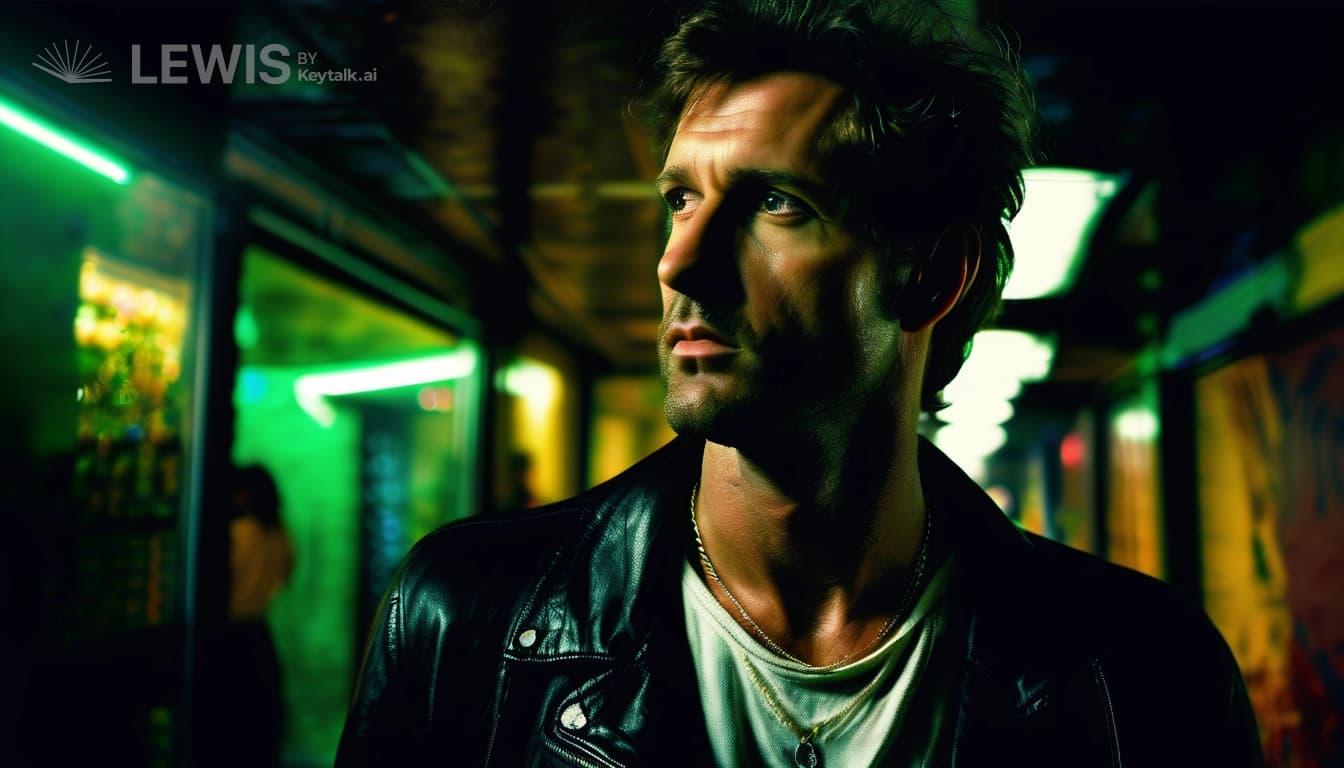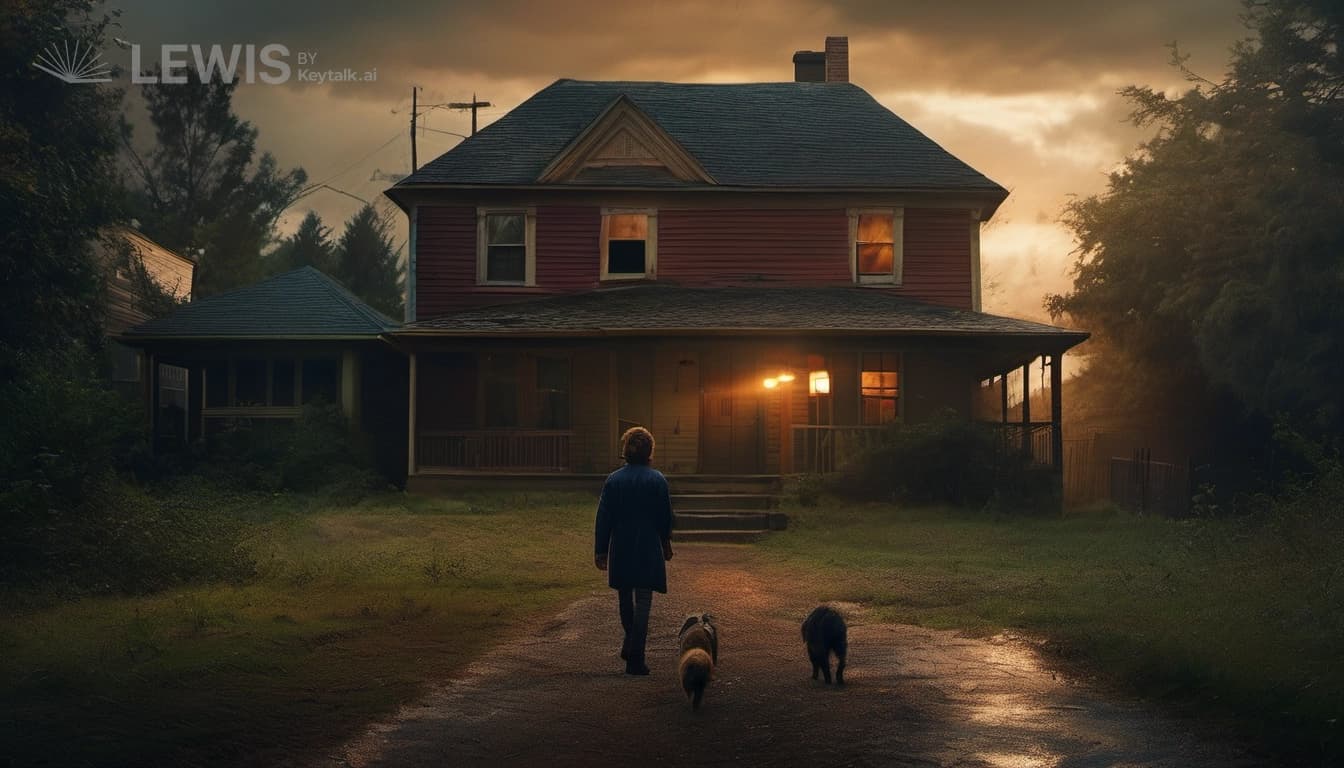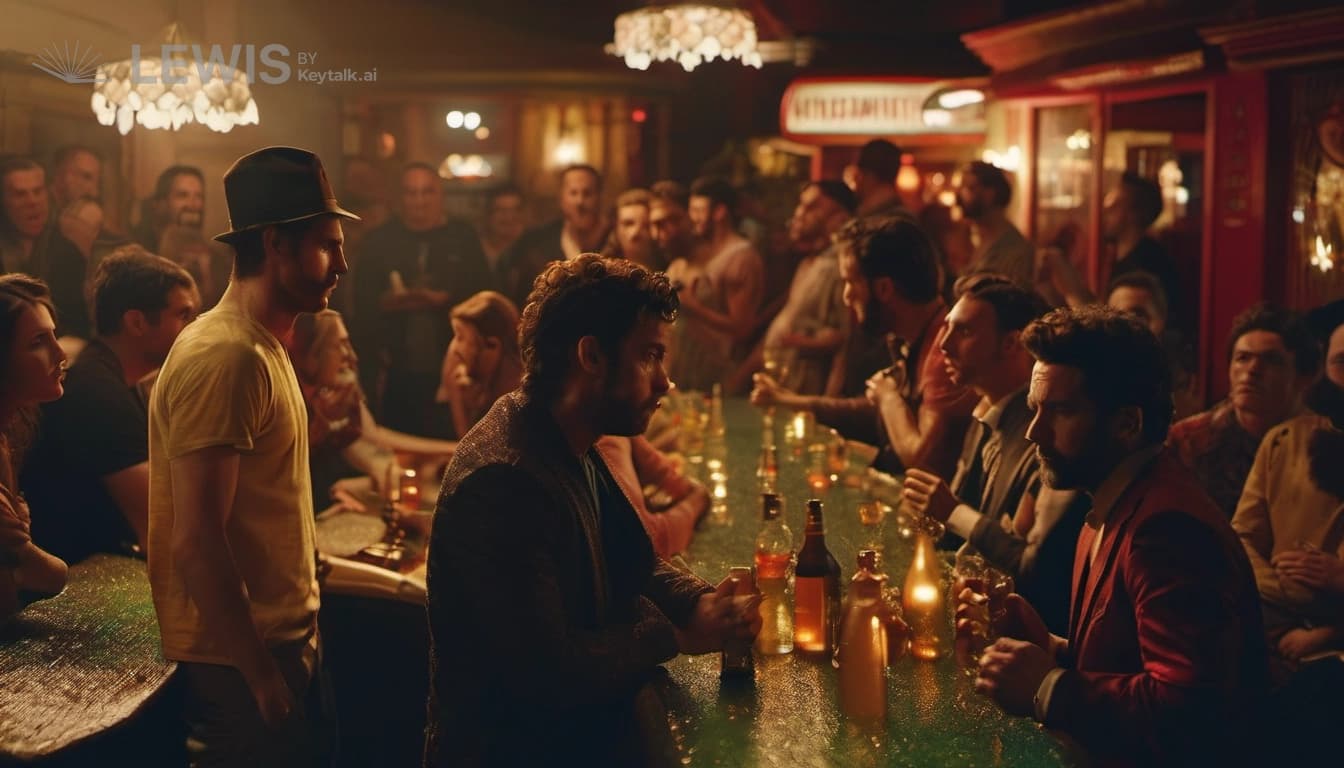

The Heiress’s Masquerade Collapse cover image

The Heiress’s Masquerade Collapse

At an opulent seaside resort perched atop the remnants of a long-buried massacre, a reclusive teenage inheritor is thrust into the spotlight when an annual masked ball descends into chaos; ancient laws force guests’ swirling infatuations into fierce confrontations, while the mounting pressure to conceal her family’s sinister legacy exacts a psychological toll, compelling her to orchestrate a desperate—and dangerously inventive—performance to stave off further bloodshed even as shifting allegiances threaten to expose her darkest secret.

Weekly ranking

rank icon image
#1 inTheme
rank icon image
#1 inConcept
rank icon image
#1 inConcept
Scroll

Character

Protagonist Character

Clara Fenwick

GenderFemale
OccupationHeiress and reluctant hostess of the resort

Profile

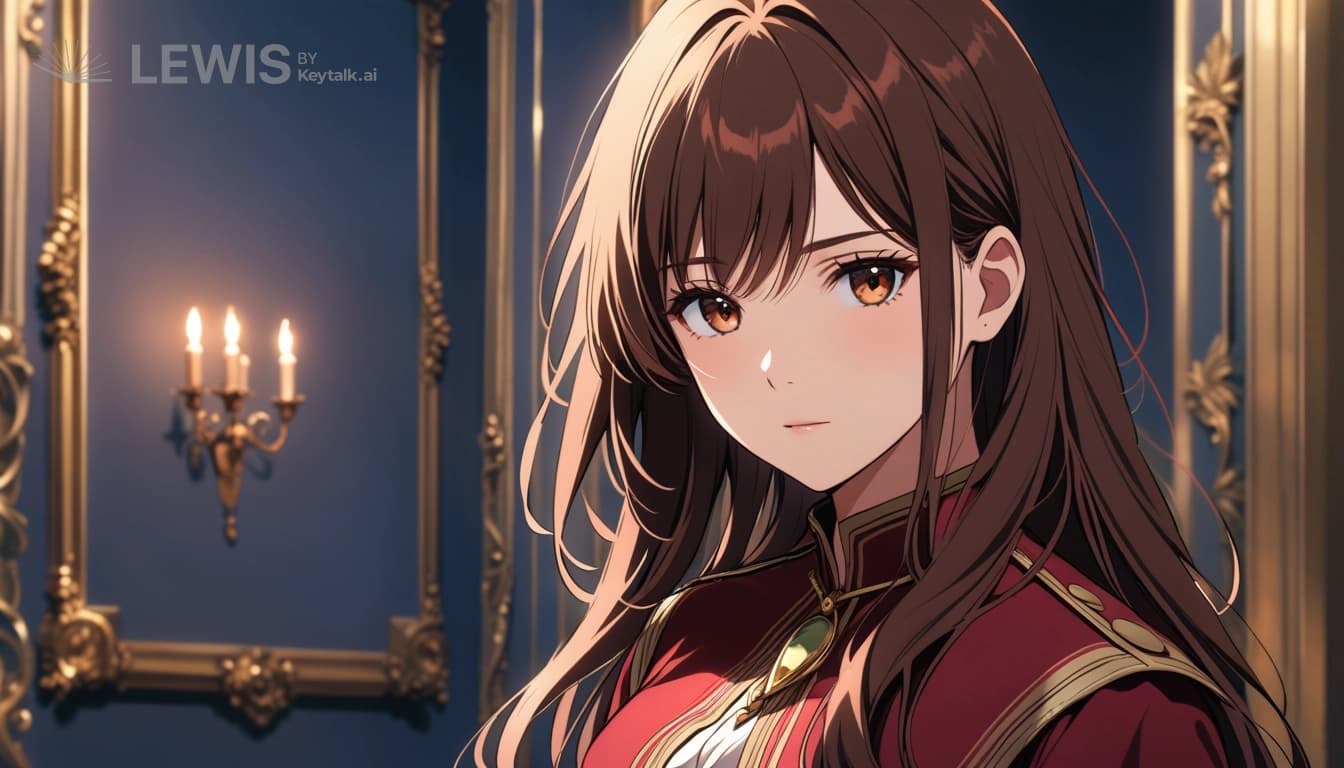
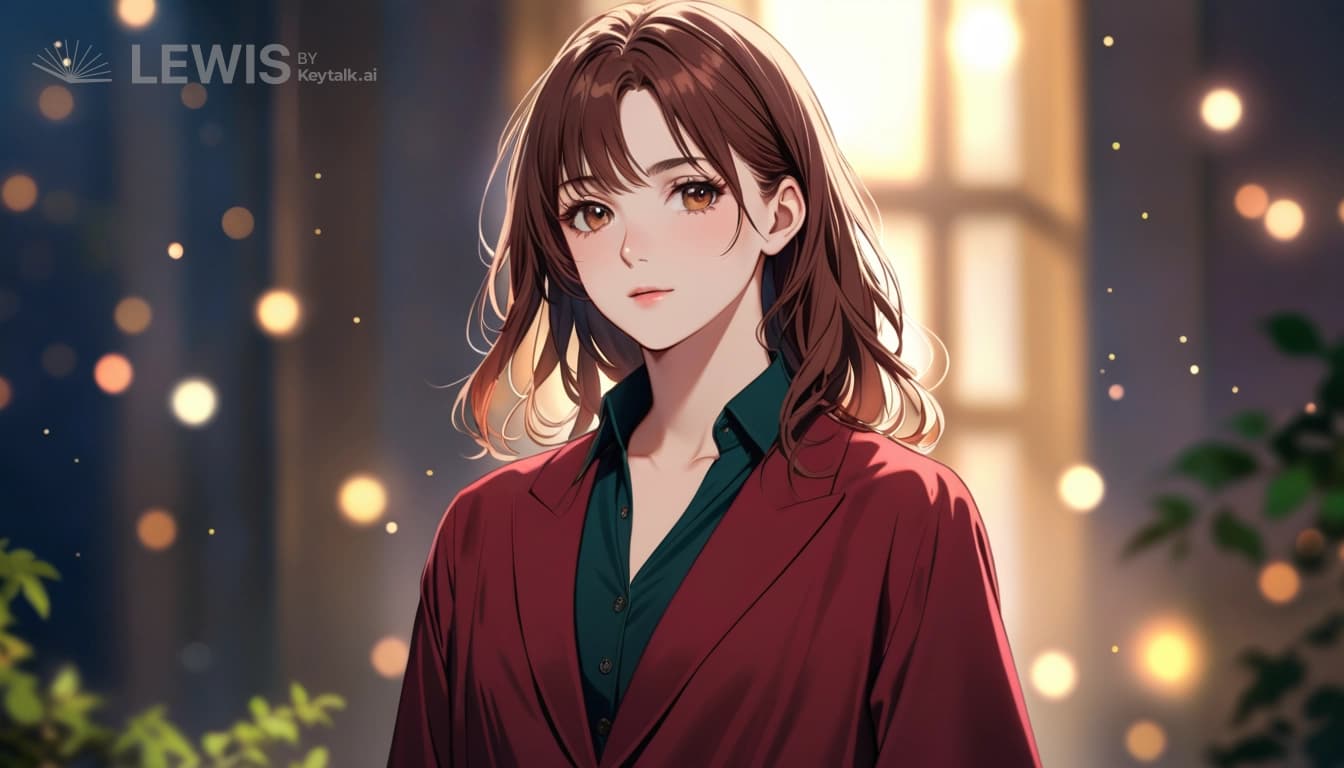
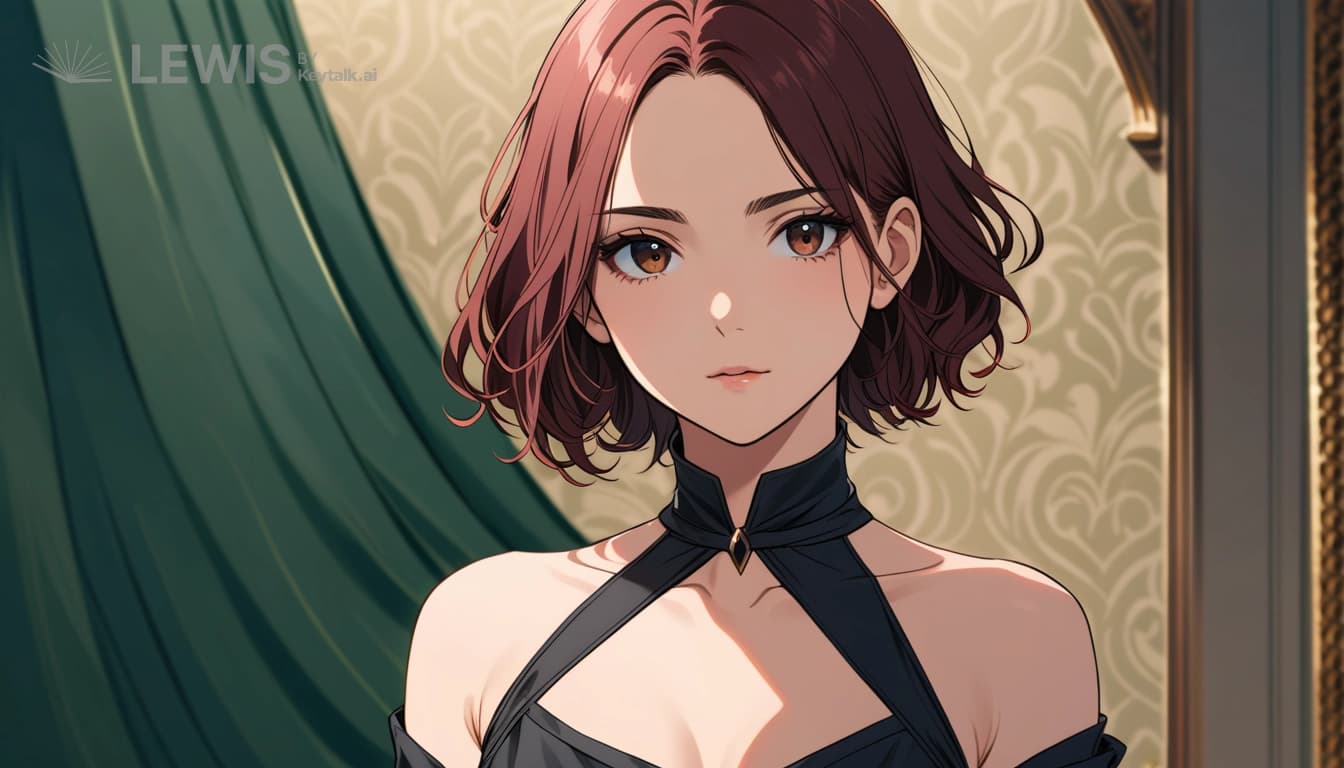
Clara Fenwick, seventeen, stands on the threshold between adolescence and reluctant adulthood, her pallid complexion and tall, angular frame rendering her a spectral figure amid the riotous luxury of the Fenwick Resort. Of Anglo-French descent, her delicate, aquiline nose and high cheekbones hint at both aristocratic lineage and an underlying severity; deep-set hazel eyes, too watchful for her years, betray the vigilance of one raised amid whispers and locked doors. Her hair, a wild mane of sable waves, is most often pulled back with careless practicality, though a few stubborn strands inevitably escape to frame her sharp jaw and perpetually pursed lips. Clara’s attire straddles defiance and duty: bespoke silk blouses paired with threadbare trousers, the colors muted as if to ward off attention, yet always adorned with an antique amethyst brooch—a silent concession to her family’s legacy. She moves with a precise, almost feline grace, her posture habitually rigid, shoulders squared against scrutiny; her hands, however, are restless, betraying a nervous energy as she habitually worries the edge of her sleeve or twists a silver ring. Raised in seclusion under the stern tutelage of her grandmother, Clara speaks with the clipped enunciation of old money, her English tinged with the faintest Provençal lilt; her voice is low, measured, and cool, her wit barbed but rarely cruel. She is fiercely intelligent and resourceful, with a penchant for solving intricate puzzles and orchestrating elaborate deceptions—skills honed in childhood games devised to distract from the resort’s unspoken horrors. Yet, her introversion and aversion to crowds are both shield and prison, rendering her ill-equipped for the social expectations that descend with the masked ball. Clara’s relationships are few but fiercely guarded: a strained, transactional bond with her distant mother; a secretive camaraderie with the resort’s groundskeeper; and an uneasy truce with the resort’s privileged guests, whose adoration she distrusts. Beneath her composure, Clara harbors a relentless drive to protect her family’s name and the fragile equilibrium of the resort, even as she is haunted by guilt over what has been buried—literally and figuratively—beneath her feet. Her greatest aspiration is not personal glory, but the desperate maintenance of order; yet, her inventiveness, moral ambiguity, and tendency toward self-sacrifice are as likely to endanger as to save her. Marked by insomnia and a habit of sketching cryptic diagrams in the margins of her journals, Clara is a study in contradictions: brittle yet resilient, guarded yet perceptive, her every action shaped by the knowledge that the slightest misstep could turn her world—and everyone in it—into a spectacle of ruin.
Antagonist Character

Lucien Armand Duval

GenderMale
OccupationInvestigative Journalist and Scandal Chronicler

Profile

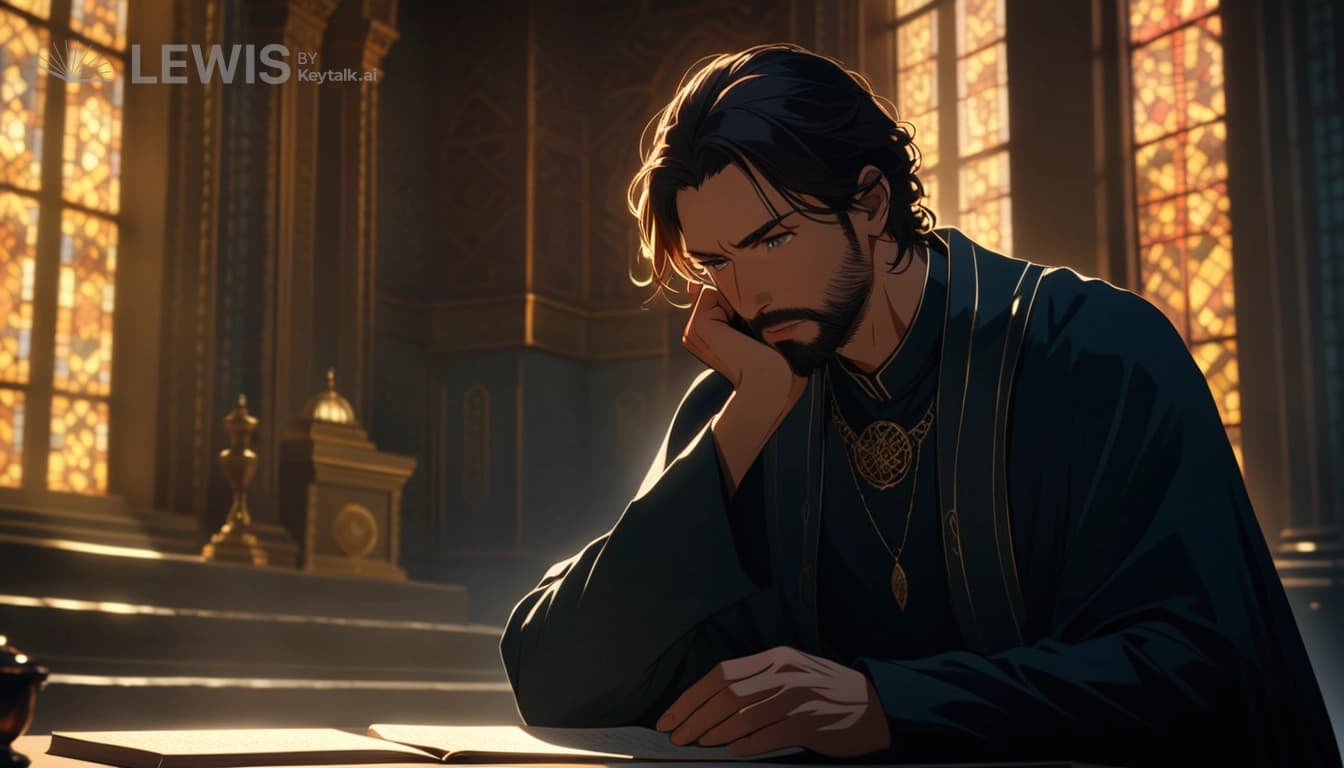
Lucien Armand Duval, a 36-year-old French-Algerian investigative journalist and scandal chronicler, stands at an imposing six-foot-two with a sinewy, aquiline build that belies years spent navigating both the gilded parlors of the elite and the shadowy corners of society. His olive-toned skin and sharply etched jawline are offset by penetrating hazel eyes—always searching, always appraising—beneath a mane of thick, black hair streaked prematurely with silver at the temples. Lucien’s wardrobe is a deliberate study in understated luxury: tailored charcoal suits, crisp white shirts open at the throat, and a vintage onyx signet ring that hints at old money and older secrets. His voice, a low, measured baritone tinged with the faintest trace of Marseille’s guttural cadence, commands attention without ever needing to rise above a conversational pitch; his words, meticulously chosen, slice through pretense with surgical precision. Having built his reputation on exposing the clandestine failings of powerful families, Lucien is driven by a relentless, near-ascetic devotion to unmasking hypocrisy—an ethos born from a childhood spent straddling the liminal spaces between privilege and exile, after his own family was ruined by a scandal eerily reminiscent of the one haunting the seaside resort. Now, he stalks the resort’s marble halls as an invited guest and veiled threat, his presence a pointed reminder that no secret stays buried forever. Lucien’s intellect is formidable, his charm disarming, but his empathy is calculated, weaponized to extract confidences and manipulate allegiances. He harbors a wry, almost fatalistic sense of humor and an insatiable appetite for rare books and black coffee, often scribbling cryptic observations in the margins of leather-bound notebooks. He is respected and feared in equal measure, never fully trusted, and his aspirations—equal parts justice and vindication—render him both a mirror and a foil to the story’s embattled protagonist. Haunted by the specter of his family’s disgrace, Lucien’s greatest challenge is to resist becoming the very monster he hunts, even as the intoxicating allure of power and revelation threatens to consume what remains of his conscience.
Sidekick Character

Saffron Leong

GenderFemale
OccupationResort Sommelier and Amateur Folklorist

Profile

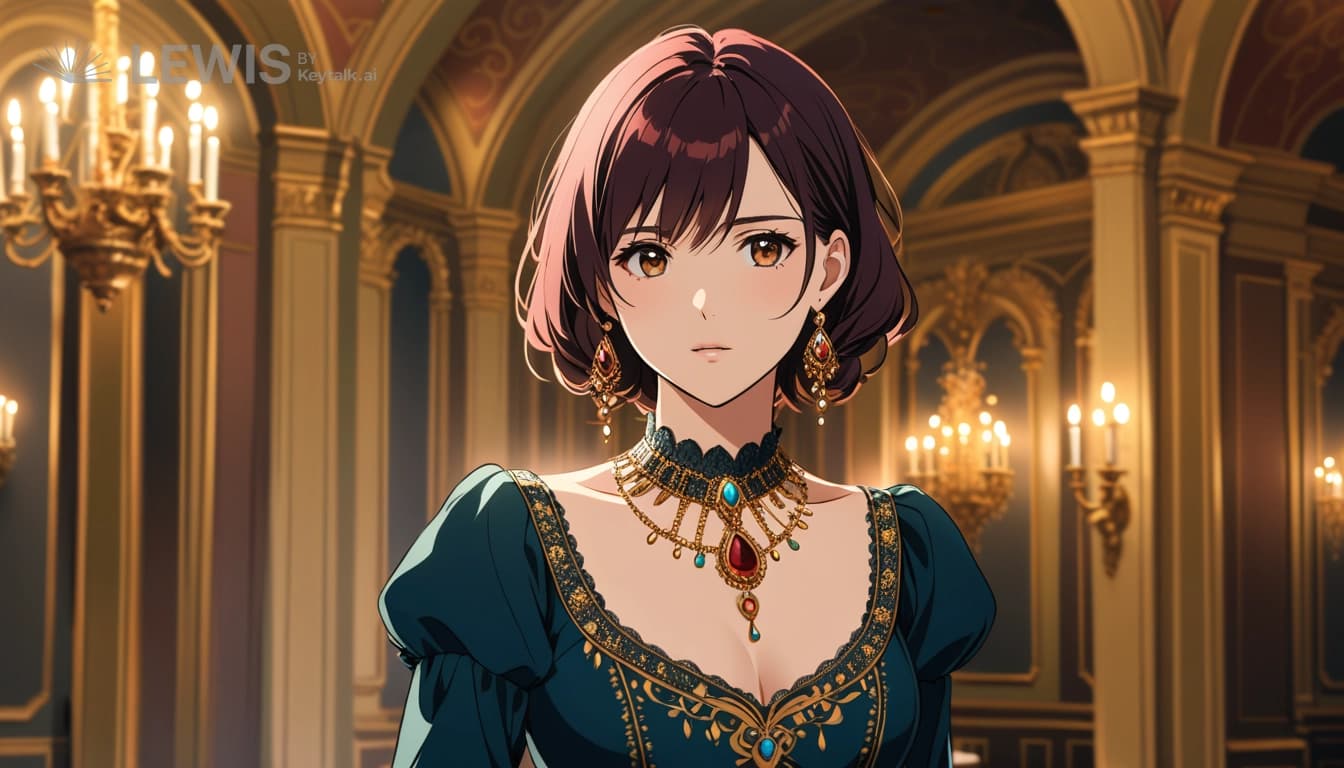
Saffron Leong, a 29-year-old Malaysian-Chinese woman with a poised yet quietly magnetic presence, serves as the resort’s sommelier while nurturing a deep, scholarly fascination with the region’s obscure folklore—a pursuit born from her grandmother’s whispered tales of vanished dynasties and spectral debts. Of medium height and slender build, Saffron moves with an unhurried, deliberate grace; her oval face is framed by a cascade of ink-black hair kept in a loose braid, accentuating high cheekbones, sharp dark eyes flecked with gold, and the faintest crescent scar beneath her right ear—an old reminder of a near-drowning on these very shores. She favors impeccably tailored linen suits in muted ochres and moss greens, their crisp lines offset by antique jade pendants and silk scarves, a sartorial blend of practicality and inherited reverence. Saffron’s demeanor is measured but not cold; her voice is low, textured with a Penang lilt, and she chooses words with care, sometimes pausing mid-sentence to savor the resonance of a phrase or unearth a fitting proverb. With a reputation among staff as both confidante and quietly incisive observer, Saffron is known for her unorthodox palate—pairing rare vintages with mythic stories to coax secrets from even the most reticent guests. Though fiercely loyal to Clara Fenwick, Saffron’s motives are not purely aligned with the heiress’s preservation; she is driven by a restless curiosity about the resort’s layered past and a desire to reconcile her own family’s immigrant legacy with the land’s haunted prestige. Pragmatic, attuned to the undercurrents of both desire and danger, Saffron approaches every crisis with a calm, analytical detachment that sometimes masks her own hunger for belonging and recognition. Her penchant for cataloging rumors and tracing forbidden histories puts her at odds with Lucien Duval’s bombastic exposés, offering the narrative a methodical, culturally nuanced counterpoint to his provocation and Clara’s anxious improvisation. Saffron’s agency is anchored in subtle manipulation and an unflinching willingness to act when others hesitate—she is neither a mere supporter nor a passive spectator, but a quietly pivotal force whose private ambitions and personal code of honor will shape the tangled fate of both the resort and its fractured inheritor.

Plot Synopsis

Clara Fenwick has spent her seventeen years moving like a shadow through the gilded halls of the Fenwick Resort, a place where laughter ricochets off marble columns and every mirror reflects both opulence and unease. This summer, the annual masked ball looms, its anticipation thickening the air with a feverish blend of expectation and dread. The ball is a farce of tradition, cloaking the resort’s sinister history in silk and champagne—a massacre long buried under manicured lawns and whispered about only by those old enough to remember. Clara’s grandmother, who once ruled the estate with an iron will, is now ailing, leaving Clara as the reluctant inheritor forced into the spotlight. Her greatest wish is simply to keep the darkness contained, to hold the world together with the same brittle poise she’s practiced since childhood. But the guests, hungrier than ever for both spectacle and scandal, sense her uncertainty, circling her with predatory fascination.

Lucien Armand Duval arrives on the morning tide—a guest by invitation, a threat by reputation. His presence is an open secret: he is here to write, observe, perhaps even destroy. Lucien’s motives are tangled, part revenge, part professional curiosity, and part an unspoken kinship with Clara’s predicament. He recognizes in her the same haunted vigilance he once carried as a boy after his own family’s disgrace, and he is both drawn to and repelled by her careful detachment. Lucien wastes no time ingratiating himself with the guests, extracting confidences with surgical precision, all while letting Clara know, in no uncertain terms, that her family’s secrets are his quarry. The masked ball, he suggests with a wolfish smile, might be just the stage for a final reckoning.

Saffron Leong, the resort’s sommelier and Clara’s closest confidante, senses the shifting tides. Her knowledge of the land’s folklore—stories of drowned brides, vengeful spirits, and blood-soaked bargains—makes her acutely aware that the ball’s rituals are not mere pageantry, but attempts to appease something ancient and vengeful. Saffron moves quietly, cataloging rumors and charting the guests’ alliances, aware that infatuations and jealousies are boiling to the surface under the anonymity of the masks. She tries to anchor Clara, urging her to see the patterns beneath the chaos, but even Saffron is unsettled by the way the old laws of the resort seem to resurface, compelling guests into fierce, almost ritualistic confrontations over their desires.

The night of the ball erupts in a fever dream of color, music, and masked faces. Clara, forced into a bejeweled gown and a gilded mask, becomes the reluctant queen of the revels. As midnight approaches, the air crackles with tension—the guests’ flirtations have curdled into open rivalry, and a series of provocations, orchestrated by Lucien’s subtle manipulations, threaten to tip the room into violence. The ancient laws, invoked in drunken toasts and reckless dares, demand that grievances of the heart be settled before dawn, and soon the ballroom is a theatre of duels both verbal and physical. Clara, watching it unravel, realizes that to preserve any semblance of order—and her family’s fragile legacy—she must seize control of the narrative.

In a moment of desperate inspiration, Clara orchestrates a performance that blurs the line between confession and spectacle. With Saffron’s guidance, she turns the guests’ thirst for drama against them: she stages an elaborate tableau, reenacting the resort’s infamous massacre with the guests unwittingly cast as both victims and perpetrators. The scene is haunting, cathartic, and dangerously close to the truth. Lucien, caught in the web of his own making, is forced to confront his role not as a righteous avenger, but as a provocateur complicit in the very violence he claims to abhor. The guests, shocked into a rare moment of collective self-awareness, are left shaken, their alliances splintered and their appetites for blood momentarily sated.

As dawn breaks, the cost of Clara’s gambit becomes clear. The resort’s equilibrium is preserved, but only just—her performance has averted immediate disaster, yet also awakened old ghosts and unsettled debts. Lucien, defeated but not destroyed, leaves behind a manuscript filled with half-truths and veiled threats, his fascination with Clara unresolved. Saffron, her loyalty tested, chooses to stay, quietly determined to rewrite the resort’s mythos from within. Clara, exhausted and irrevocably changed, finds herself neither villain nor savior, but something far more ambiguous: a survivor bound to the land’s brutal history, yet capable—just barely—of imagining a future not dictated by fear. The final image is of Clara, mask in hand,

Scenes

Scene 1
scene 1 image
The Girl Who Walks Invisible—Clara’s Secret Map of the Fenwick Maze

[Place]
The Fenwick Resort’s overgrown hedge maze and the hidden passageways that thread beneath its ancient foundation.

[Time]
Early morning, just after sunrise, on the first day of the summer festivities.

[Action]
Clara slips out before the staff wake, moving through the dew-silvered maze with practiced stealth. She sketches an updated map in her battered notebook, not just of the twisting hedges but of the hidden doors and shadowed alcoves only she knows. Each turn is marked by muscle memory and old childhood codes—proof of how she’s survived as both a Fenwick and an outsider. She pauses at the heart of the maze, where a weathered stone bench holds offerings from previous generations: a faded ribbon, a child’s marble, a scrap of lace. The air is thick with memory and warning. Clara’s route is not random; she’s checking the weak points in the estate’s defenses, places where secrets leak and guests might wander too close to truths meant to stay buried. She’s interrupted by distant laughter from the terrace—signaling the awakening house and the beginning of her daily performance. Before she leaves, Clara hides her map in a hollow brick, reinforcing her private boundaries against both the living and the dead.

[Impact on the story]
This scene establishes Clara’s isolation and vigilance, highlighting her sense of responsibility and her survival tactics within the estate’s labyrinthine dangers. The secret mapping underscores her desire for control amid chaos, while the relics in the maze reveal the weight of legacy and loss she carries. Clara’s solitude and secret rituals foreshadow the coming conflict—she is both guardian and prisoner, setting the tone for her reluctant role in the unfolding drama.

[Description]
Clara navigates the Fenwick maze at dawn, updating her secret map and tending to the estate’s hidden vulnerabilities. Her silent ritual reveals her deep connection to the land and the burdens she shoulders as the resort’s reluctant heir, establishing an atmosphere of secrecy, foreboding, and inherited responsibility.
Scene 2
scene 2 image
[Title]
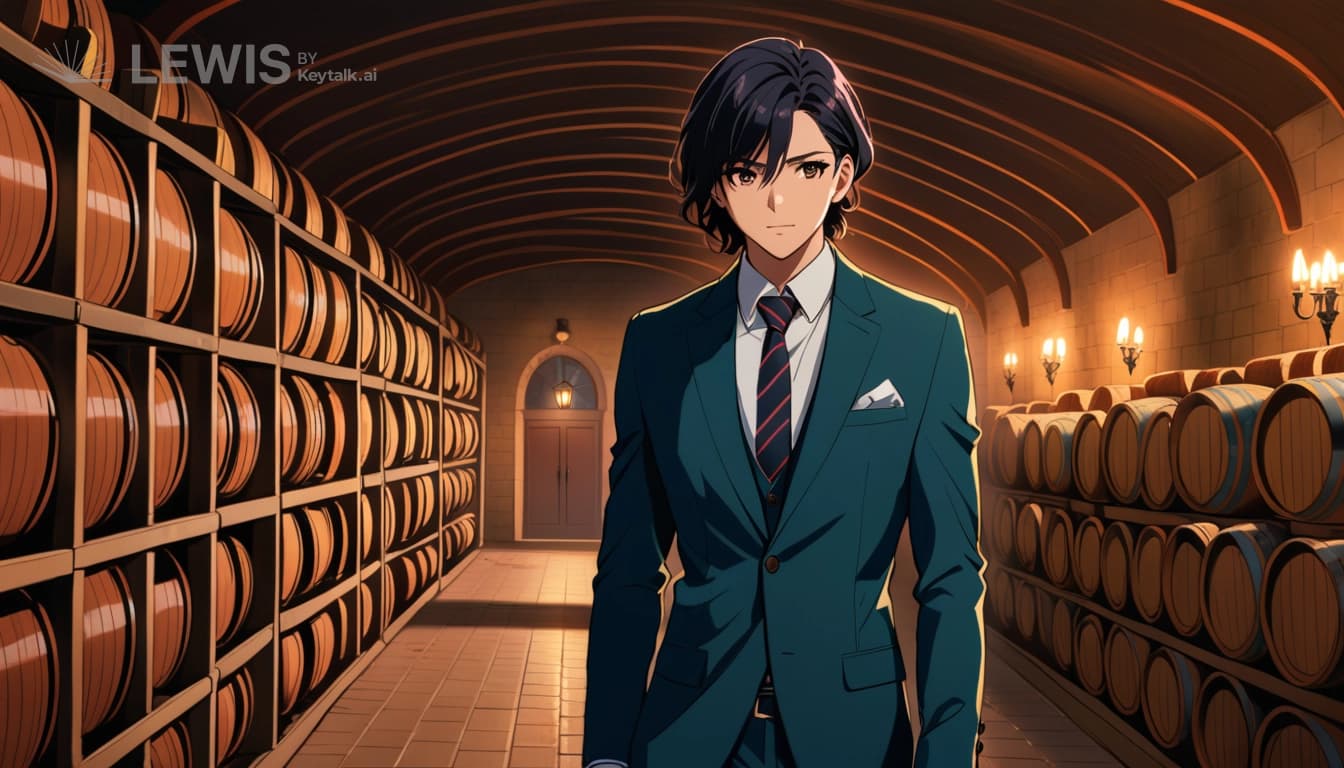
Ghosts in the Wine Cellar—Saffron’s Folklore and a Forbidden Toast

[Place]
The Fenwick Resort’s ancient wine cellar—labyrinthine, candlelit, and thick with the scent of earth and old secrets.

[Time]
Late morning, as the household stirs and staff begin their daily routines; sunlight barely touches the cellar’s cool darkness.

[Action]
Saffron Leong slips away from the bustle of the kitchen, descending into the cellar under the guise of inventory. She is searching for a specific vintage—one rumored to be tainted by the bloodshed of the resort’s darkest night, a bottle her grandmother once whispered could bring luck or disaster depending on who uncorks it. As she moves between racks, Saffron listens for the whispers of the past, her mind darting between pragmatic tasks and the eerie folklore she alone still believes. She is interrupted by a pair of flirtatious guests who have sneaked down for a secret rendezvous, and, sensing opportunity, she offers them a toast with an obscure, supposedly “enchanted” bottle. The atmosphere turns electric as Saffron spins a tale of the Drowned Bride—a spirit said to haunt the cellar and curse unfaithful lovers. The guests, half-mocking and half-thrilled, drink, sealing a pact they don’t understand. Saffron watches them, noting who trusts whom, who recoils from the story, and who seems genuinely unnerved.

Clara enters quietly, drawn by the sound of voices and seeking Saffron’s counsel. Saffron signals her to wait and, once the guests have gone, pours Clara a glass from a different bottle—one reserved for the Fenwick family alone. They share a private, whispered conversation about the coming ball and Lucien’s rumored arrival. Saffron cautions Clara about the old rituals resurfacing, urging her to see that the guests’ appetites are not just for pleasure but for chaos, and that the land’s old bargains are stirring. The scene ends with Saffron replacing the bottles with ritualistic care and Clara slipping away, burdened with new anxieties and an uneasy sense of being watched by more than just the living.

[Impact on the story]
This scene introduces Saffron’s role as both confidante and folklorist, deepening her relationship with Clara and establishing her as the resort’s secret-keeper. The forbidden toast and the sharing of legends foreshadow the resurgence of supernatural and psychological forces at play, while Saffron’s observations of the guests begin a subplot of shifting alliances and hidden motives. Clara’s growing reliance on Saffron is tempered by the realization that even her closest ally is constrained by the resort’s old laws.

[Description]
In the cool shadows of the wine cellar, Saffron weaves folklore into her duties, observes the guests’ secret games, and offers Clara both warning and comfort. The scene cements Saffron’s role as the bridge between tradition and rebellion, setting up the coming storm of the masked ball and hinting at the supernatural undercurrents threading through Fenwick’s gilded façade.
Scene 3
scene 3 image
[Title]
The Arrival of Lucien—A Stranger with a List of Names and a Silver Blade

[Place]
The Fenwick Resort’s sweeping front drive and entrance hall—sunlit marble, the hush of anticipation, and the watching eyes of staff and early guests.

[Time]
Early afternoon, just as the summer heat begins to shimmer across the lawns; the air inside is cool, heavy with the scent of lilies and polished wood.

[Action]
Lucien Armand Duval arrives by motorcar, his entrance calculated to provoke curiosity and unease. He steps out impeccably dressed, carrying a slender case and a leather-bound journal—a man who knows he is both expected and feared. The staff pause, watching him with wariness and fascination, while gossip flares among the early-arriving guests. Lucien’s reputation precedes him: whispered tales of a disgraced family, a scandalous book, and a tendency to ask dangerous questions.

Clara, summoned by the concierge, is forced into a brittle, public greeting. She masks her anxiety behind practiced poise, but Lucien’s presence rattles her; he greets her with unsettling familiarity and a veiled reference to their shared history of loss. Their exchange is laden with subtext—Lucien probing for weakness, Clara fiercely protecting her composure. Saffron observes from the periphery, noting the undercurrents and making mental notes about how Lucien’s arrival shifts the social dynamics.

Lucien wastes no time mingling: he flatters the matriarchs, charms the bored heirs, and discreetly inquires about the upcoming ball. He produces a list of names—ostensibly for research—hinting at old scandals and unresolved grievances. His silver blade, a letter opener with a history of its own, is glimpsed only briefly but registers as a threat. Lucien’s questions unsettle the guests, rekindling old rivalries and sparking speculation about his true intentions.

Meanwhile, Clara retreats to a shadowed alcove, shaken by the encounter and acutely aware that Lucien has come not just to observe, but to challenge the fragile order she’s desperately trying to maintain. Saffron slips away to inform Clara of the guests’ reactions, warning her that Lucien is already sowing discord. Clara realizes she must choose whether to keep resisting Lucien’s provocations or risk a direct confrontation. The scene closes with Lucien standing by a window, making notes in his journal as the storm clouds gather outside, his gaze lingering on the maze that hides the resort’s oldest secrets.

[Impact on the story]
Lucien’s arrival upends the resort’s uneasy balance, immediately intensifying the atmosphere of suspicion and intrigue. Clara’s anxieties escalate, and her position as reluctant heir is publicly challenged. Saffron’s protective instincts are sharpened, and the guests’ alliances begin to fracture under Lucien’s scrutiny. The tension between past grievances and present ambitions is set in motion, accelerating the resort toward crisis.

[Description]
Lucien’s calculated entrance disrupts the fragile peace at Fenwick, igniting old tensions and setting Clara and Saffron on high alert. The resort becomes a stage for rivalry and revelation, with Lucien’s presence promising both spectacle and danger. This scene marks the true beginning of the summer’s unraveling.
Scene 4
scene 4 image
[Title]
Petals and Poison—Clara Confronts Her Grandmother’s Legacy in the Rose Garden

[Place]
The resort’s sprawling rose garden—a labyrinth of overgrown hedges, riotous blooms, and hidden benches. The air is thick with the scent of roses and something sharper, almost metallic, beneath.

[Time]
Late afternoon, when sunlight slants gold across the tangled petals and shadows stretch long on the flagstones.

[Action]
Clara seeks refuge in the rose garden after Lucien’s unsettling arrival, desperate for a moment to collect herself away from prying eyes. She is drawn to the central pavilion, haunted by memories of childhood games and her grandmother’s stern lessons about beauty, duty, and the price of secrets. The garden, once meticulously tended, now shows signs of neglect—thorns encroaching on the paths, petals bruised and falling. Clara’s anxiety mounts as she notices wilted blooms and the faint trace of rot, sensing these are more than just signs of physical decay but portents for the family’s legacy.

Her grandmother, frail but fiercely alert, is waiting there—having instructed a nurse to bring her out for fresh air, though both know it is a pretense for a private reckoning. The conversation is loaded with unspoken accusations and veiled warnings. The old woman demands to know why Clara is allowing Lucien to unsettle the household, pressing her to remember the family’s old rules: never show fear, never trust outsiders, and never let the mask slip. She alludes to the massacre—the blood that once seeped into these very roots—and hints that the ball’s true purpose is less about celebration and more about containment. Clara, torn between resentment and longing for approval, pushes back, questioning the value of traditions steeped in violence and secrecy.

During the exchange, Clara discovers a cluster of rare black roses hidden behind the pavilion, their petals dusted with a powdery residue. Her grandmother cryptically warns her that not all poisons kill quickly, and that some are meant to “remind the living.” The implication is clear: someone is tampering with the garden as a warning or a threat, possibly Lucien, or perhaps someone else with a grudge. Their confrontation is interrupted by Saffron, who arrives with urgent news about rumors spreading among the guests—tales of curses, omens, and Lucien’s relentless inquiries. The three women stand together, a fragile, uneasy alliance, as the first chill of evening settles over the garden and the distant sound of laughter from the house feels ominous rather than comforting.

[Impact on the story]
This scene deepens Clara’s internal conflict, forcing her to confront both her grandmother’s uncompromising legacy and the physical evidence that old threats are resurfacing. The poisoned roses become a symbol of the rot at the heart of the family, raising the stakes and intensifying Clara’s fear that the past cannot stay buried. Her grandmother’s warning cements the sense that the ball is not just a social event, but a ritual with real, dangerous power. Saffron’s arrival signals the growing urgency and the need for solidarity, even as trust is strained.

[Description]
Clara’s tense confrontation with her grandmother in the overgrown rose garden lays bare the cost of inherited secrets and introduces a tangible threat in the form of poisoned blooms. This scene shifts the story from psychological tension to tangible danger, binding Clara, her grandmother, and Saffron together in the face of escalating peril.
Scene 5
scene 5 image
[Title]
The Unmasking Hour—Games of Seduction and Betrayal Beneath the Chandelier

[Place]
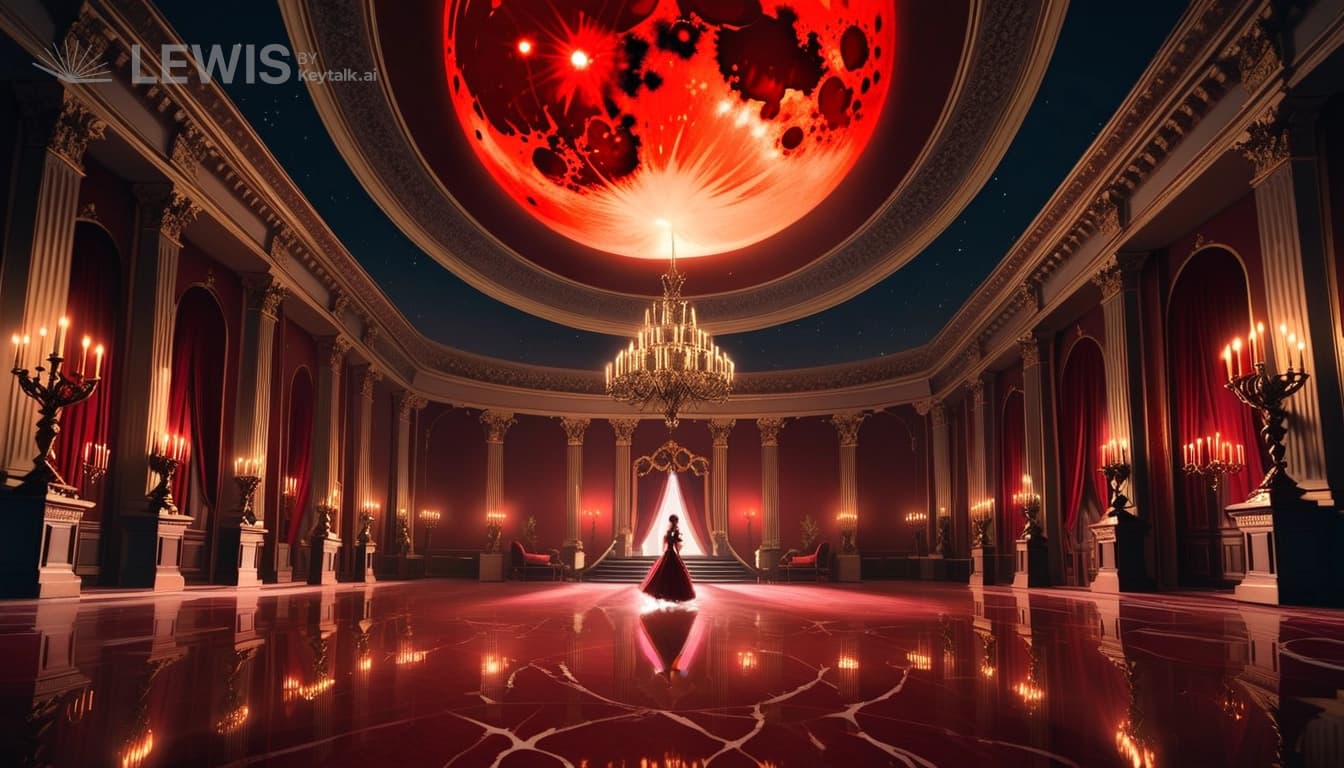
The Fenwick Resort’s grand ballroom, transformed for the pre-ball soirée: chandeliers blazing, marble floors reflecting masked faces, velvet-draped alcoves buzzing with secrets, and the air thick with perfume, wine, and anticipation.

[Time]
Early evening, just before the masked ball. Golden hour is fading, and the first notes of the orchestra drift through the gathering crowd.

[Action]
The scene opens with Clara entering the ballroom, visibly altered by her confrontation in the rose garden. She is more guarded than ever, her mask literal and metaphorical as she takes her place among the guests. Lucien is already working the room, charming and needling the assembled aristocrats, his gaze flicking to Clara with predatory calculation. The guests, emboldened by the promise of anonymity and spectacle, begin a series of dangerous games—flirtations that blur into power plays, whispered confessions traded for favors, and dares that escalate in both intimacy and risk.

Saffron moves through the crowd with practiced ease, observing alliances and tensions, quietly steering Clara away from the most treacherous interactions. She recognizes that the guests’ games have taken on a ritualistic edge: longstanding rivalries are being rekindled, and the old rules of the resort are invoked in sly toasts and coded gestures. Saffron tries to warn Clara that Lucien’s presence is amplifying the volatility, his provocations stirring up old grievances and tempting the guests toward open confrontation.

Lucien corners Clara in a shadowed alcove, the conversation charged with mutual suspicion and attraction. He suggests that the ball’s masks are not just for play—they are invitations to reveal true selves, or to destroy them. He hints that he knows more about the family’s past than Clara suspects, and that tonight’s games may leave scars that no mask can hide.

As the tension builds, a guest collapses after drinking from a tainted glass—a clear echo of the poisoned roses in the garden. Panic simmers beneath the surface, but the guests refuse to break the illusion of control, instead spinning the incident into yet another game of accusation and denial. Clara feels the weight of expectation pressing in: she must keep the festivities from unraveling, even as she suspects sabotage from within.

The scene closes with Clara realizing that the only way to survive the night is to master the games herself—to use seduction, secrets, and spectacle as weapons, even if it means risking her own unraveling. Saffron vows to watch over her, but the boundaries between ally and adversary are becoming dangerously blurred.

[Impact on the story]
This scene marks Clara’s reluctant entry into the cutthroat social arena, escalating the stakes from private warnings to public danger. The poisoning incident confirms that the threats are no longer symbolic, and Clara’s sense of isolation deepens as she is forced to play by rules she despises. Lucien’s manipulations and the guests’ hunger for drama drive Clara toward a pivotal decision: she must either seize control or be consumed by the chaos. Saffron’s loyalty is tested as she navigates her dual role as confidante and guardian.

[Description]
Clara is thrust into a predatory masquerade where seduction and betrayal are the currency of survival. The poisoning incident and Lucien’s provocations force her to confront the reality that the ball’s games are deadly serious, setting the stage for the night’s coming reckoning. The ballroom becomes both battlefield and theatre, with Clara at its uneasy center.
Scene 6
scene 6 image
[Title]
Blood on the Balustrade—Saffron’s Discovery and the Guests’ Midnight Pact

[Place]
A shadowed, ivy-draped balcony overlooking the ballroom; private corridors leading to the old servants’ quarters; the dimly lit wine cellar beneath the resort.

[Time]
Midnight, as the masked ball surges toward its fever pitch—music and laughter below, secrets and violence brewing above and below.

[Action]
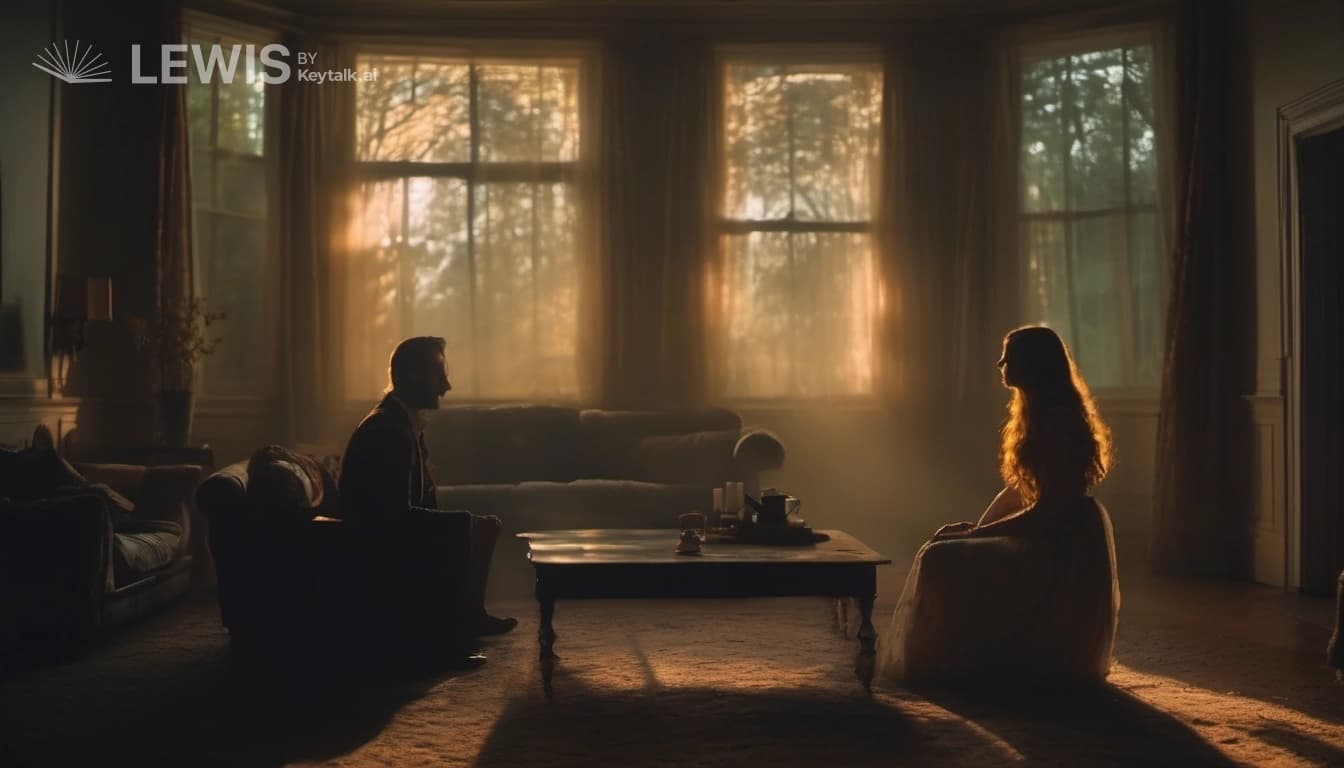
The scene opens with Saffron slipping away from the chaos of the ballroom, compelled by a cryptic clue overheard in the previous scene’s aftermath: a guest muttering about “the old blood still running beneath the marble.” She descends into the wine cellar, navigating labyrinthine shelves and echoing memories, searching for the source of a new, sharp scent—iron and earth. There, she discovers a fresh spatter of blood near a hidden door, an unmistakable sign that someone has reopened the resort’s oldest wounds. Saffron’s hands shake as she uncovers relics from the massacre—bloodstained linens, a rusted family crest, and a list of names including Clara’s, marked with chilling intent.

Simultaneously, on the balcony above the ballroom, Lucien hosts a clandestine gathering of the most restless and reckless guests, proposing a midnight pact: grievances, secrets, and desires will be settled before dawn, invoking the resort’s arcane traditions. The guests, intoxicated and hungry for transgression, agree—signing their names in wine and, at Lucien’s urging, in blood. Their pact is equal parts thrill and threat, binding them to whatever violence or confession the night demands.

Saffron hurries to warn Clara, her discovery forcing a reckoning—she must convince Clara that the danger is no longer just rumor or ritual, but real and imminent. Clara, caught between the roaring spectacle below and the secret blood oath above, is thrust into a crisis of leadership. She must decide whether to confront Lucien and the conspirators directly, risking open conflict, or to outmaneuver them with her own spectacle. The emotional tension between Clara, Saffron, and Lucien peaks—trust is frayed, alliances shift, and Clara realizes that to protect both herself and the legacy, she must wield the very darkness she fears.

[Impact on the story]
This scene splits the narrative between physical evidence of the resort’s violent past and the present-day guests’ willingness to repeat it, raising the stakes from psychological danger to imminent physical threat. Saffron’s discovery forces her into a more active, dangerous role, and her loyalty to Clara is put to the test. Clara is pushed to her breaking point—no longer able to maintain her detachment, she must decide how much of herself she is willing to sacrifice to keep the chaos at bay. Lucien cements himself as both instigator and potential victim, deepening the ambiguity of his motives and the threat he poses.

[Description]
Saffron uncovers tangible proof of a new plot in the wine cellar, while Lucien orchestrates a blood pact among the guests above, binding them to the resort’s most dangerous traditions. Clara is forced to confront the reality that violence is inevitable unless she takes decisive, possibly ruthless action, setting up the explosive conflicts of the ball’s climax.
Scene 7
scene 7 image
[Title]
The Devil’s Waltz—Lucien’s Challenge and Clara’s First Real Defiance

[Place]
The ballroom’s heart, where the masked guests swirl in ever-maddening patterns; the ornate raised dais that marks the Fenwick family’s ancestral seat; a shadowed alcove just off the dance floor, draped in velvet and secrecy.

[Time]
Shortly after midnight, as the masked ball teeters between intoxicated revelry and the first hints of violence from the blood pact above.

[Action]
The scene opens with Clara, poised on the dais, her mask slipping as she scans the crowd for Saffron, anxiety mounting with every passing minute. The music swells, but the mood has sharpened—guests, emboldened by Lucien’s midnight pact, begin to test the limits of decorum, their flirtations more brazen, their resentments barely concealed behind painted smiles. Lucien, emboldened by the pact’s success, issues a public challenge: he calls for a Devil’s Waltz, an old Fenwick custom meant to expose secrets through a dangerously intimate dance.

Lucien singles out Clara as his partner, forcing her into the spotlight. The guests hush, hungry for spectacle, and the music turns darkly seductive. Clara’s initial resistance—her trembling hands, her rigid posture—gives way to a sudden, furious defiance. As they dance, Lucien needles her with veiled accusations and reminders of the massacre, pushing her to admit her family’s guilt. Instead, Clara spins the narrative, matching Lucien’s provocations with her own cutting wit and refusing to be shamed or cornered. Their exchange is electric, the tension palpable; the dance becomes a battle for the room’s allegiance.

Meanwhile, Saffron, still shaken from her discovery in the wine cellar, slips through the crowd, desperate to reach Clara and warn her. She watches, powerless, as the ballroom shifts—some guests rally behind Lucien, others behind Clara, the old divisions of the resort reignited beneath the surface pageantry. Clara, seeing the crowd fracture, makes a bold decision: she seizes control of the dance, publicly challenging Lucien’s authority and inviting the guests to question his motives. For the first time, she uses the resort’s rituals as a weapon, turning the ballroom’s hunger for drama against its would-be puppeteer.

The waltz ends with Clara breaking away from Lucien, standing alone in the center of the floor—a clear act of defiance. The guests are left unsettled, the old order visibly shaken. Saffron finally reaches Clara, breathless, and with a whispered warning, confirms that the danger is real and immediate. The sense of impending violence now hangs over the room, no longer contained to rumor or ritual.

[Impact on the story]
This scene marks Clara’s transformation from passive figurehead to active force, risking public humiliation to reclaim her agency. Her defiance destabilizes Lucien’s control and emboldens both her allies and enemies, setting the stage for the night’s coming chaos. Saffron’s urgent intervention cements the sense of looming disaster and tightens the emotional bond between the two women, while the ballroom itself becomes a powder keg of secrets and rage.

[Description]
Clara is forced into a public confrontation with Lucien during the Devil’s Waltz, ultimately seizing the narrative and exposing fractures within the guest ranks. Saffron’s warning confirms the threat is real, pushing Clara to break from her old constraints and setting the scene for the explosive reckoning to come.
Scene 8
scene 8 image
[Title]
The Drowned Bride’s Warning—A Séance, a Shattered Mirror, and a Terrible Bargain

[Place]
The abandoned east wing parlor, shrouded in candlelight and dust, with a cracked mirror dominating one wall and faded murals of drowned brides lining the ceiling. A circle of antique chairs forms the center, surrounded by relics collected from the resort’s forbidden corners.

[Time]
The hour just before dawn, as the masquerade outside spirals towards chaos and the old estate seems to pulse with restless energy.

[Action]
Clara, still trembling from her public confrontation with Lucien, retreats with Saffron and a handful of the most superstitious guests to the east wing parlor—seeking solace, but also answers. Saffron proposes a séance, invoking the legend of the drowned bride in a last-ditch attempt to divine what the resort’s ghosts demand and to stall the violence threatening to erupt in the ballroom. The atmosphere is charged with anxiety and morbid anticipation, each participant masking fear with bravado or skepticism.

As the séance begins, the group’s unresolved tensions surface. Some guests treat it as a lark, others as a genuine ritual of atonement, revealing their true natures—alliances form and dissolve in the flickering candlelight. Saffron, guiding the ritual, presses Clara to ask the question no one dares voice: what price must be paid to stop the cycle of violence? Shadows pool around the cracked mirror, and strange phenomena—sudden chills, whispered voices, the mirror’s surface rippling—blur the line between performance and supernatural visitation.

At the séance’s climax, the mirror shatters, scattering glass and plunging the room into chaos. In the tumult, Clara glimpses a vision: the drowned bride’s face, her lips moving in a silent warning. Saffron interprets this as a sign that a bargain must be struck—a sacrifice, symbolic or real, is demanded by the old laws if Clara wishes to avert disaster. The guests are unnerved, some fleeing back to the safety of the main hall, others whispering that the resort’s curse is real.

Clara, shaken but galvanized, realizes she must act quickly. She promises Saffron she’ll do whatever it takes—even if it means making herself the scapegoat or revealing the family’s darkest secrets. The two share a moment of raw honesty, their friendship deepened by the ordeal. As the first rays of dawn creep through the ruined window, they steel themselves for the final confrontation in the ballroom, knowing the price of failure is now more than just scandal—it’s blood.

[Impact on the story]
This scene heightens the supernatural undertones and raises the stakes, forcing Clara to confront the resort’s history in a way she can no longer ignore or dismiss as mere folklore. The séance exposes hidden fractures among the guests and cements Saffron’s role as both protector and provocateur. Clara’s willingness to accept personal risk marks a turning point in her arc, setting up the climactic reckoning and deepening her bond with Saffron.

[Description]
Clara and Saffron lead a séance that blurs the line between myth and reality, culminating in a supernatural warning and a shattered mirror. The scene demands a terrible bargain, forcing Clara to accept a new level of responsibility and resolve as the resort’s old laws reawaken.
Scene 9
scene 9 image
[Title]
The Masquerade Turns Carnivorous—Clara’s Dangerous Performance and Lucien’s Undoing

[Place]
The grand ballroom of Fenwick Resort, transformed by midnight into a feverish dreamscape: marble floors slick with spilled champagne, guests in disheveled finery and cracked masks, candlelight trembling over gilt moldings and shadowed corners.

[Time]
The hour just before dawn, immediately following the séance in the east wing, as the masquerade reaches its most volatile and dangerous peak.

[Action]
Clara and Saffron re-enter the ballroom, carrying the charged energy of the séance with them. The guests—many now drunk, emboldened, or visibly frayed—have devolved into open confrontations, their rivalries and grievances inflamed by Lucien’s earlier provocations. The old resort laws, invoked in jest throughout the night, now feel like an unbreakable script; the crowd clamors for spectacle, blood, or confession.

Clara, propelled by her vision and the knowledge that a symbolic sacrifice must be made, interrupts the chaos with a bold, theatrical announcement. She claims the role of both master of ceremonies and scapegoat, inviting the crowd to witness a tableau vivant that will reenact the resort’s most infamous massacre. Saffron, acting as both stage manager and secret guardian, subtly directs the guests into their unwitting roles—some as victims, some as perpetrators—channeling their pent-up emotions into the performance. The boundaries between reenactment and real violence blur; old enmities flare up, and the air crackles with the possibility that the past might repeat itself.

Lucien, initially amused, finds himself drawn into the spectacle against his will. Clara confronts him in front of everyone, forcing him to reckon with his role as both instigator and possible redeemer. The guests, swept up in the drama, are shocked into a moment of collective self-awareness as the performance crescendos. Clara’s gamble pays off: the ritual satisfies the guests’ hunger for drama and, at least for now, placates whatever old force haunts the resort.

As the performance concludes and the crowd disperses in uneasy silence, Lucien is left exposed, his manipulations laid bare. He and Clara share an unspoken exchange—admiration, frustration, and a dangerous intimacy—before he withdraws, defeated but not destroyed. Saffron, exhausted but triumphant, helps Clara offstage, both women changed by the ordeal. The ballroom, once riotous, is now eerily calm, the threat of violence momentarily abated but the cost still unclear.

[Impact on the story]
This scene is the story’s true climax—a cathartic confrontation that tests Clara’s courage, Saffron’s loyalty, and Lucien’s motives. Clara claims agency over her legacy, transforming fear into a weapon and forcing the guests (and Lucien) to reckon with the consequences of their appetites. The emotional stakes for all three are heightened: Clara finds a fractured sense of power, Saffron’s bond with her is solidified, and Lucien’s quest for vengeance is complicated by his own vulnerability. The resort’s dark history is both confronted and, for a moment, contained.

[Description]
Clara orchestrates a dangerous, cathartic performance that reenacts the resort’s bloody past, using spectacle to defuse the guests’ violence and expose Lucien’s true intentions. The scene forces all characters to confront their roles in the resort’s legacy, setting the stage for the reckoning and fragile peace of dawn.
Scene 10
scene 10 image
[Title]
Dawn at the Edge of the Lake—Masks Removed, Debts Reckoned, and Clara’s First Breath of Freedom

[Place]
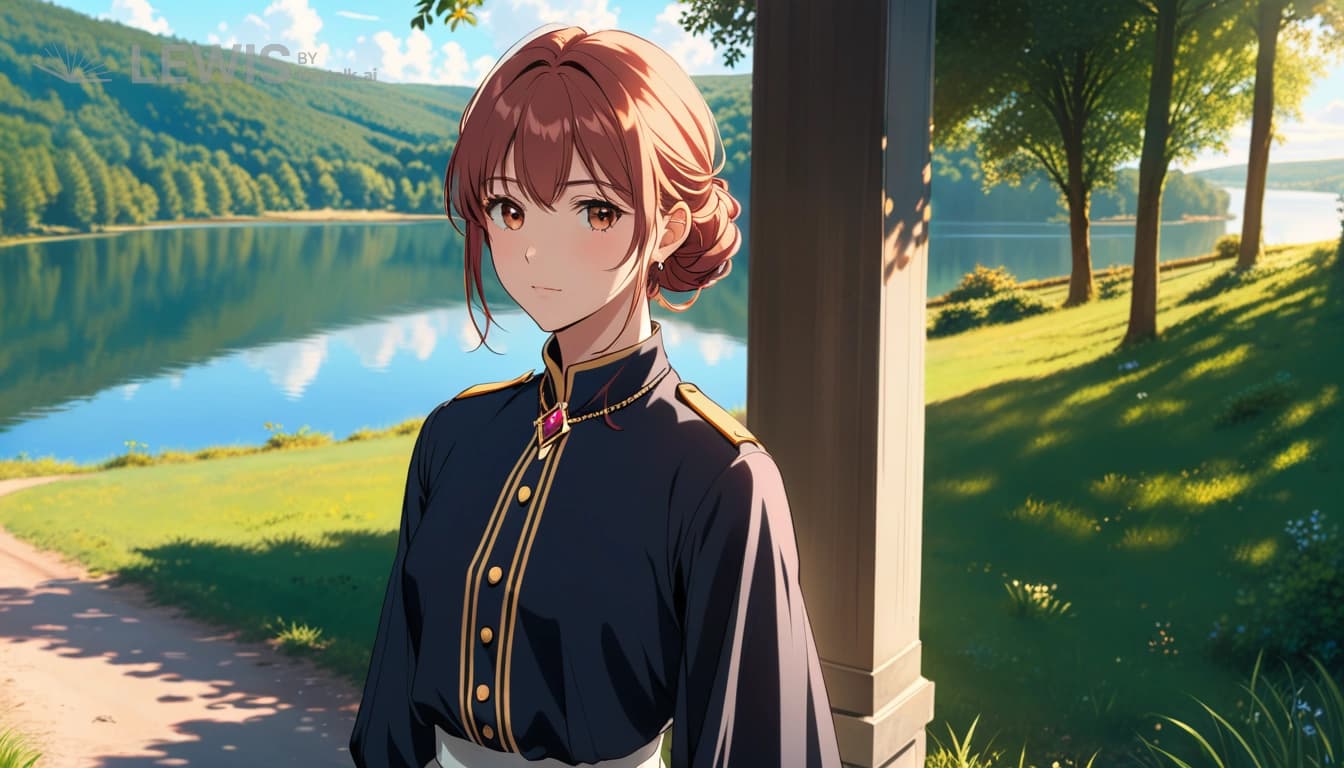
The mist-laced edge of the lake behind Fenwick Resort, where the estate’s manicured lawns dissolve into tangled reeds and the first gray light of morning breaks over the water. The ballroom doors stand open to the dawn, and spent guests drift out onto the dew-soaked grass, some alone, some in uneasy pairs.

[Time]
Just after sunrise, following the ruinous masquerade and Clara’s cathartic performance. The night’s fever has broken; the world is in that hush before the estate’s staff begin to sweep away the evidence.

[Action]
The scene opens with Clara, still in her ruined gown, mask dangling from her fingers, standing at the lake’s edge. She is raw and unsteady, the adrenaline of the night replaced by a bone-deep exhaustion. Around her, the last guests stagger out—some dazed, some haunted by what they’ve seen and done. Saffron approaches her quietly, offering silent comfort, the bond between them now forged in something deeper than friendship. They exchange a wordless understanding: what happened in the ballroom will haunt the resort for years, but for now, they have survived.

Lucien lingers in the background, no longer the provocateur but a man visibly shaken, holding a half-finished manuscript. He hesitates, caught between the urge to apologize and the compulsion to capture Clara’s likeness in words. There is a final, charged interaction between him and Clara—an acknowledgement of mutual damage and fascination, but also a recognition that their stories must now diverge. Lucien leaves, manuscript in hand, his defeat tempered by a grudging respect for Clara’s defiance.

As the sun climbs, the resort’s staff begin to clean up the aftermath: shattered glass, bloodstains, wilting flowers. A few guests try to reclaim their dignity, while others slip away, unwilling to face the consequences of their actions. The old rules have been broken; the atmosphere is brittle, uncertain, and full of possibility.

Saffron, resolute, chooses to stay at Clara’s side, hinting at a new resolve to reshape the resort’s mythos and protect what’s left of its soul. Clara, finally alone at the water’s edge, lets herself grieve—for her lost innocence, for the family legacy forever altered, for the ghosts she could not lay to rest. But there is also a fragile sense of hope: for the first time, she can imagine a life not dictated by fear or tradition. The scene ends with Clara slipping off her mask and letting it fall into the lake, watching the ripples erase its reflection as the new day begins.

[Impact on the story]
This scene closes the novel’s central arc, showing the aftermath of the night’s violence and the ambiguous peace that follows. Clara’s agency is hard-won—she is neither savior nor villain, but someone who has survived and changed. Her relationship with Saffron is deepened by shared ordeal, and Lucien’s presence lingers as both a threat and an unresolved question. The legacy of the Fenwick Resort is left unsettled but changed, and Clara’s gesture at the lake signals both grief and the possibility of reinvention.

[Description]
At dawn, Clara, Saffron, and Lucien reckon with the fallout of the masquerade. Clara’s symbolic unmasking at the lake’s edge marks the end of one legacy and the uncertain beginning of another, leaving the resort—and its survivors—forever altered.
'The Heiress’s Masquerade Collapse'Story Chat

Want to chat with the characters from this story?

'The Heiress’s Masquerade Collapse'Story Chat

Want to chat with the characters from this story?

story image
story image
story image

You might also like

Comments0

theme music