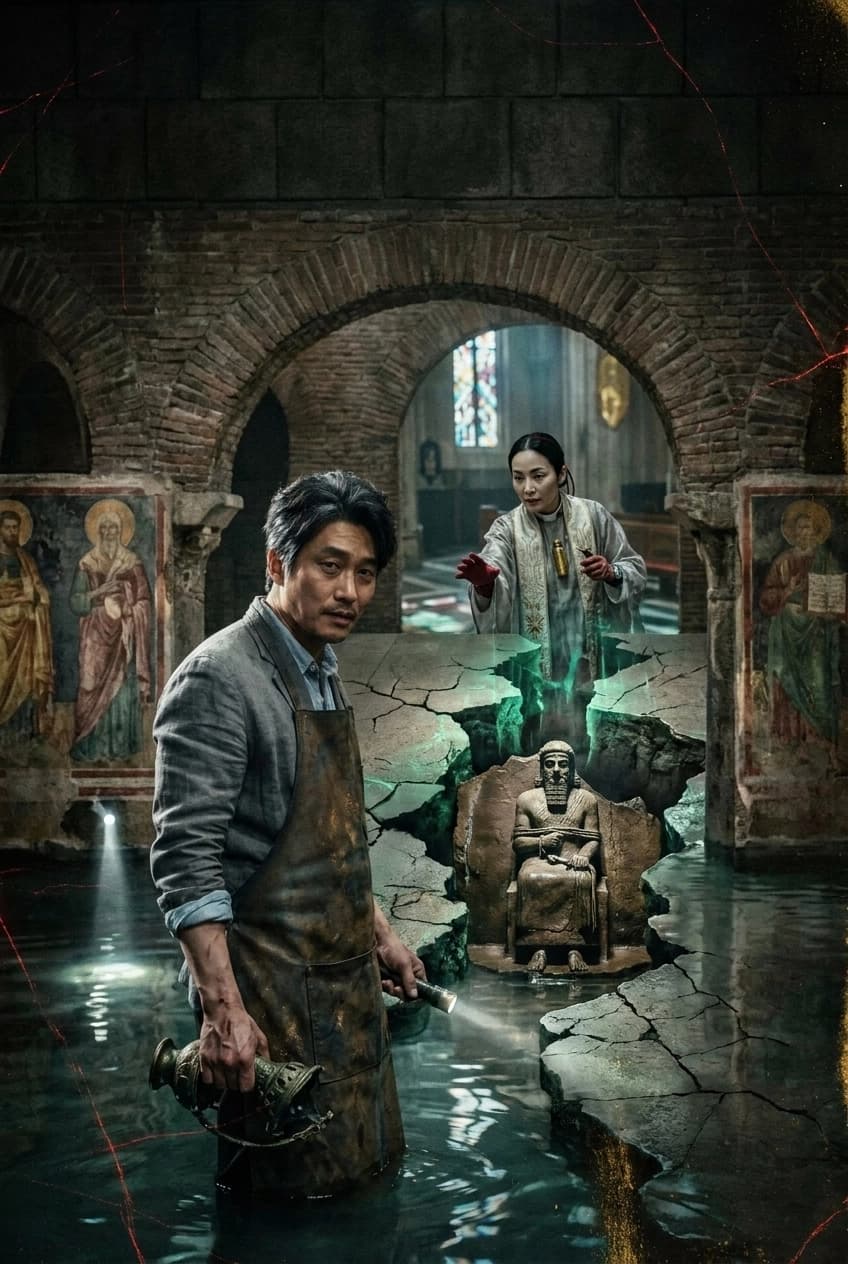
Confessions Rewrite the World cover image

Confessions Rewrite the World

In the fractured wasteland of post-invasion Earth, history is rewritten nightly at a ramshackle confession booth run by three cursed and cynical fairies, whose manipulations seed chaos among the desperate souls of humanity’s criminal underbelly. When a bright but deeply skeptical teenage girl—a black-market historian with a penchant for Western folklore—trades her story for the intoxicating urge to rebel, she sparks an existential uprising. As the boundaries between reality, myth, and desire dissolve, the city spirals toward an apocalypse not wrought by alien death-rays, but by the contagious fever of longing, disillusionment, and the search for an elusive new purpose.

Weekly ranking

rank icon image
#1 inGenre
rank icon image
#1 inConcept
rank icon image
#1 inConcept
Scroll

Character

Protagonist Character

Cassidy Hawthorne

GenderFemale
OccupationBlack-market historian and folklore smuggler

Profile

Cassidy Hawthorne, a wiry, sharp-eyed seventeen-year-old of mixed Choctaw and Irish descent, is a black-market historian and folklore smuggler whose sun-browned skin and perpetual layer of dust betray her tireless scavenging through the ruined corridors of post-invasion Earth. Standing at a lean five-foot-eight, she moves with the wary grace of someone accustomed to evading both human predators and the unpredictable remnants of alien patrols. Her face is striking, angular—high cheekbones and a hawkish nose set beneath a tumble of coarse, coal-black hair often braided with scavenged bits of copper wire and faded ribbon, both a nod to her heritage and a subtle badge of defiance. Her eyes, an uncanny shade of storm-grey, flicker with restless intelligence and a skepticism honed by betrayal and the nightly distortions of history itself. Cassidy dresses in patched denim, battered boots, and a threadbare duster stitched with old Western motifs, her belt festooned with scavenged trinkets and forbidden texts carefully camouflaged as junk. Known in the city’s criminal underbelly for her razor wit and clandestine knowledge, she is fiercely independent, disinclined to trust, yet irresistibly drawn to the mythic and the outlaw—qualities that make her both invaluable and dangerous. Her speech is an odd, compelling mix of clipped academic precision and laconic, dustbowl slang, peppered with wry humor and sudden, disarming candor. Orphaned young and raised by a rotating cast of outlaws, storytellers, and grifters, Cassidy’s worldview is irreverent and unromantic, yet she harbors a secret longing for authenticity—a hunger to uncover fragments of truth beneath the fairies’ nightly fabrications. Her core motivation is not glory but reclamation: of history, of selfhood, of some flicker of meaning within the city’s entropy. Prone to stubbornness, she struggles with impulsivity and a tendency to sabotage her own alliances, yet her resourcefulness and ability to read the motives of others make her a natural catalyst for disruption. Her hands are always in motion—tapping, fidgeting, cataloging objects of the past—while her mind churns ceaselessly, seeking patterns and stories that might, against all odds, outlast the latest rewritten night.
Antagonist Character

Father Armand Voss

GenderMale
OccupationExcommunicated priest turned confession broker and fairy handler

Profile

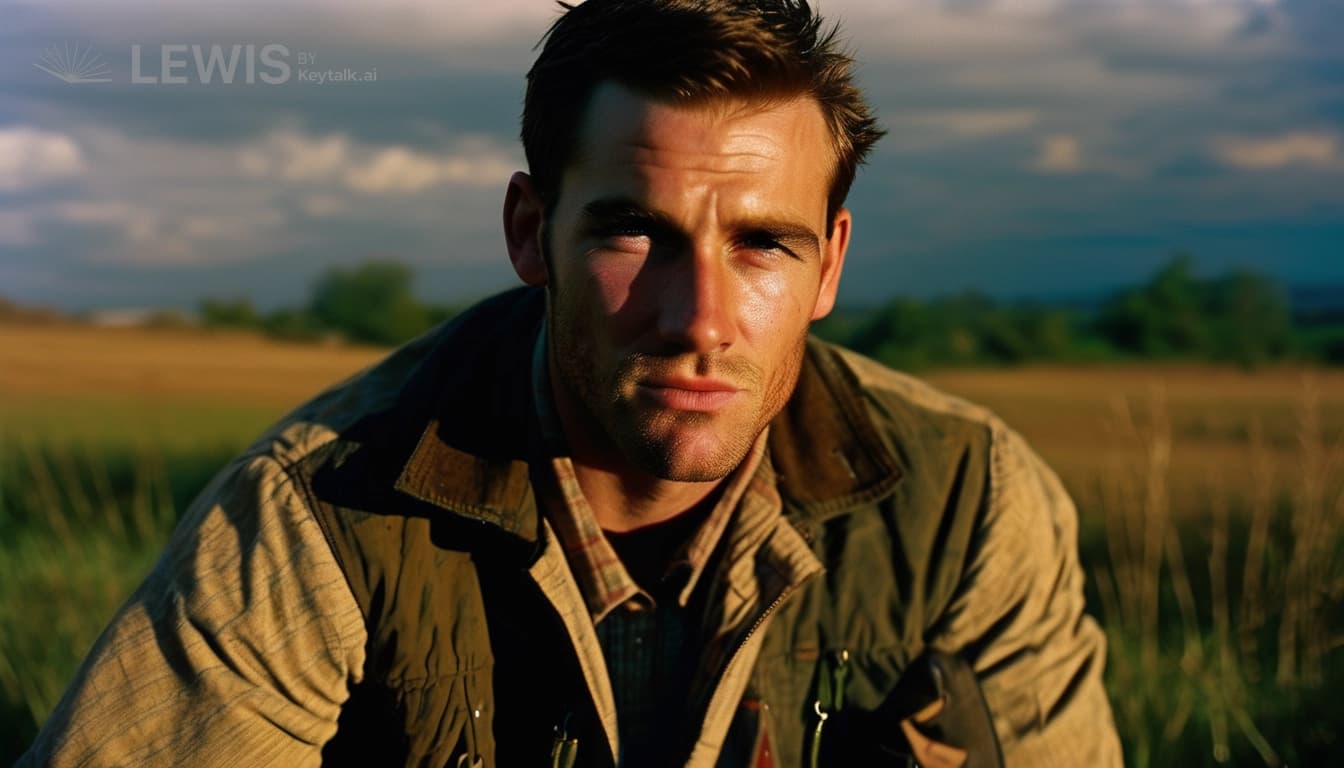
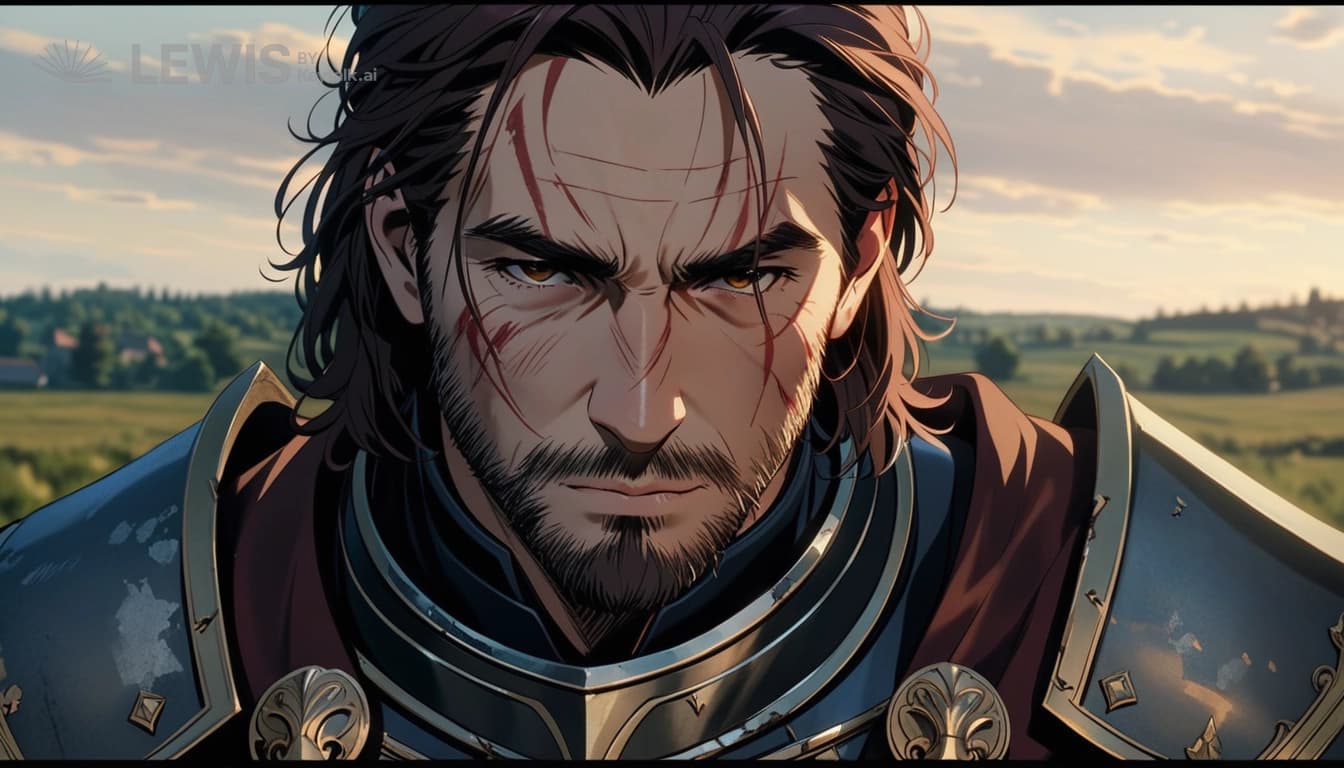
Father Armand Voss stands at an imposing six foot three, his gaunt frame draped in the remnants of clerical garb—threadbare cassock stitched with scavenged alien alloys, a battered rosary entwined around one calloused hand like a relic of lost faith. Born to a German-French Catholic enclave in the charred outskirts of what was once Lyon, Armand’s early years were shaped by war, hunger, and the dogged certainties of ritual. Now fifty-four, his once-handsome face is shadowed by a hawk-like nose, high cheekbones, and deep-set blue eyes that flicker with both intelligence and unyielding suspicion. A shock of wiry salt-and-pepper hair, streaked with the faint iridescence of fairy magic, frames a countenance marked by a deep scar running from temple to jaw—a memento of his excommunication and the night he forged his pact with the three fairies. As the city’s enigmatic confession broker, Armand wields language like a scalpel, his speech a blend of old-world formality and guttural street slang, slipping between Latin benedictions and gutted French invective, always calculated, never careless. Driven by a fiercely rational mind honed on theology and survival, he views myth as both weapon and contagion, trading in secrets not for penance but for leverage. Though outwardly cold and unsentimental, his relentless need to impose order—and his secret longing for absolution—bleed through in private rituals of self-flagellation and his obsession with cataloguing the shifting “truths” confessed nightly in the booth. Armand’s greatest strength lies in his ability to orchestrate chaos with surgical precision, manipulating both fairy mischief and human desperation to maintain his precarious authority in the city’s criminal underbelly. Yet, his cynicism masks an ongoing struggle: the gnawing fear that his own story may one day be rewritten, erasing what little remains of his identity. Haunted by a complicated loyalty to his supernatural wards and a bitter nostalgia for lost certainties, Armand is a man suspended between faith and nihilism, his every action a negotiation between the demands of survival and the ghostly residue of belief.
Sidekick Character

Lien Truong

GenderFemale
OccupationScavenger-Engineer and Amateur Cartographer

Profile

Lien Truong, a 32-year-old Vietnamese-American scavenger-engineer and amateur cartographer, stands at a compact 5’2” with a wiry, sun-leathered frame that speaks to years of survival in the scorched debris fields ringing the city’s derelict heart. Her angular, foxlike face is marked by a jagged scar that cuts through her left eyebrow—a remnant of a childhood spent navigating both human and alien ruins after losing her family in the early invasion years. Lien’s hair, once jet-black, is now streaked with copper from exposure to chemical storms, kept shorn on one side for practicality and twisted into a utilitarian braid on the other. Her hands are callused and deft, stained with grease and ink, as likely to wield a soldering iron as a hand-forged blade. She dresses in scavenged military fatigues layered with patchwork insulation, utility belts brimming with handmade gadgets, and always wears a battered satchel overflowing with half-finished maps, scribbled in a swirling blend of Vietnamese, English, and coded glyphs—a visual testament to her obsession with orientation and order in a world that resists both. Lien’s personality is a study in pragmatic resilience and wary generosity; fiercely independent yet quietly protective of those she deems worthy, she’s slow to trust, often masking her empathy behind curt words and dry humor. She is fundamentally skeptical of all forms of authority—alien, human, or supernatural—yet cannot resist the pull of the unknown, and is secretly haunted by a longing for connection and meaning that she outwardly mocks. Her speech is clipped but vivid, laced with mechanical metaphors and the odd Vietnamese proverb, revealing a mind that approaches chaos with methodical curiosity. Lien’s deep-rooted need to map and repair the shattered world drives her into uneasy alliances, especially with Cassidy Hawthorne, whose rebellious idealism both unsettles and inspires her. Unlike Cassidy’s impulsive myth-chasing, Lien’s approach is grounded in hard-earned knowledge and a relentless drive to chart what others fear to name, making her both a foil and a pillar to the younger girl. Her personal code—never rewrite a map for anyone, and never let fear dictate her path—brings her into natural opposition with the manipulative confession broker, Father Armand Voss. Lien’s presence injects a stabilizing skepticism into the city’s fevered descent, her technical ingenuity and hard-won wisdom offering the desperate a blueprint for resistance, even as her own dreams threaten to entangle her in the very myths she tries to outpace.

Plot Synopsis

Every night in the twisted heart of New Galveston, where the alien sky pulses with unholy constellations and the streets crawl with both scavengers and the haunted, a rumor spreads like wildfire: salvation, or at least a good story, can be bought at Father Armand Voss’s confession booth. The booth squats beneath the rusted bones of an old cathedral, lit by scavenged neon and guarded by three fairies—each more jaded than the last, their wings tarnished and their eyes flecked with the iron of old curses. Tonight, as always, the desperate queue for absolution or advantage. Cassidy Hawthorne, seventeen and already infamous in the city’s underbelly, slips through the crowd with the easy arrogance of someone who knows the value of secrets. She’s here to trade—not for forgiveness, but for leverage. Cassidy’s motivation is simple and impossible: to reclaim the fragments of truth stolen each night when the fairies rewrite history. She is restless, driven by a hunger not just to survive, but to make meaning out of the chaos that has replaced the world.

Father Armand, gaunt and imposing, presides over the booth with the cool detachment of a man who has seen too many confessions and believes none of them. His nightly duty is to orchestrate the flow of stories—each confession is a bargain, every narrative twisted for his advantage and the fairies’ dark amusement. Armand’s cynicism is armor, but every manipulation costs him a sliver of his own fading certainty. His only solace is in his private rituals: cataloguing the shifting “truths” whispered through the confessional’s mesh, flagellating himself in the shadowed vestry, and clinging to the illusion of control. But as the fairies grow bolder, their magic more capricious, even Armand begins to suspect that the stories he trades may soon consume him.

Cassidy’s entrance into the booth is a calculated risk. She offers her own story—a tale of scavenging in the dust-choked ruins, of outlaw codes and the mythic West, of betrayals both petty and grand—in exchange for a single thing: the irresistible urge to rebel. The fairies, sensing the potential for chaos, twist her wish, imbuing her with a contagious restlessness. It’s not just Cassidy who feels it; soon, the city’s outcasts begin to act on sudden, inexplicable impulses—breaking old compacts, sabotaging the fragile order, dreaming of impossible futures. Cassidy’s longing for authenticity, once a private ache, becomes a wildfire. Her every choice—her refusal to let the fairies’ lies stand, her challenge to Armand’s authority, her clandestine gatherings with other black-market historians and outlaw dreamers—ripples outward, destabilizing the uneasy truce that keeps New Galveston from tearing itself apart.

Lien Truong, Cassidy’s reluctant ally, is drawn into the maelstrom not by choice, but by necessity. Her maps—the only reliable guides through the ever-shifting city—become sought-after artifacts, coveted by rebels and loyalists alike. Lien’s motivation is pragmatic: to chart and repair what she can, to carve out a small space of order in a world that resists it. But Cassidy’s fever infects her too, awakening a dangerous hope that the city might be remade, not just survived. Together, they form an uneasy partnership—Cassidy driven by myth and rebellion, Lien by logic and necessity. Their alliance is tested as the city’s factions begin to fracture, each group desperate to control the narrative magic that now surges through New Galveston.

As the boundaries between reality and myth blur, the fairies escalate their nightly rewriting. History becomes a weapon; old heroes and villains flicker into existence, then vanish without warning. Cassidy’s own memories are threatened—her identity slipping as the fairies attempt to erase her uprising before it can take root. Armand, seeing his carefully maintained order dissolve, makes a desperate gambit: he bargains with the fairies to rewrite his own past, hoping to regain the authority slipping from his grasp. But the fairies, amused by human desperation, twist his wish as well—casting him as both confessor and confessed, forcing him to confront the lies at the heart of his own survival.

In the end, it is neither brute force nor alien technology that decides the fate of New Galveston, but story itself. Cassidy, her mind fraying under the pressure of memory and myth, makes one final, reckless decision: she trades away her last, most precious story—the memory of her mother—for a single, unalterable truth. The fairies, bound by the old rules of bargains, are forced to anchor the city’s reality to Cassidy’s sacrifice. History stabilizes, but at a terrible cost: Cassidy is forgotten by all but Lien

Scenes

Scene 1
scene 1 image
Neon Bones and Alien Skies: Cassidy’s Arrival at the Cathedral
[Place]
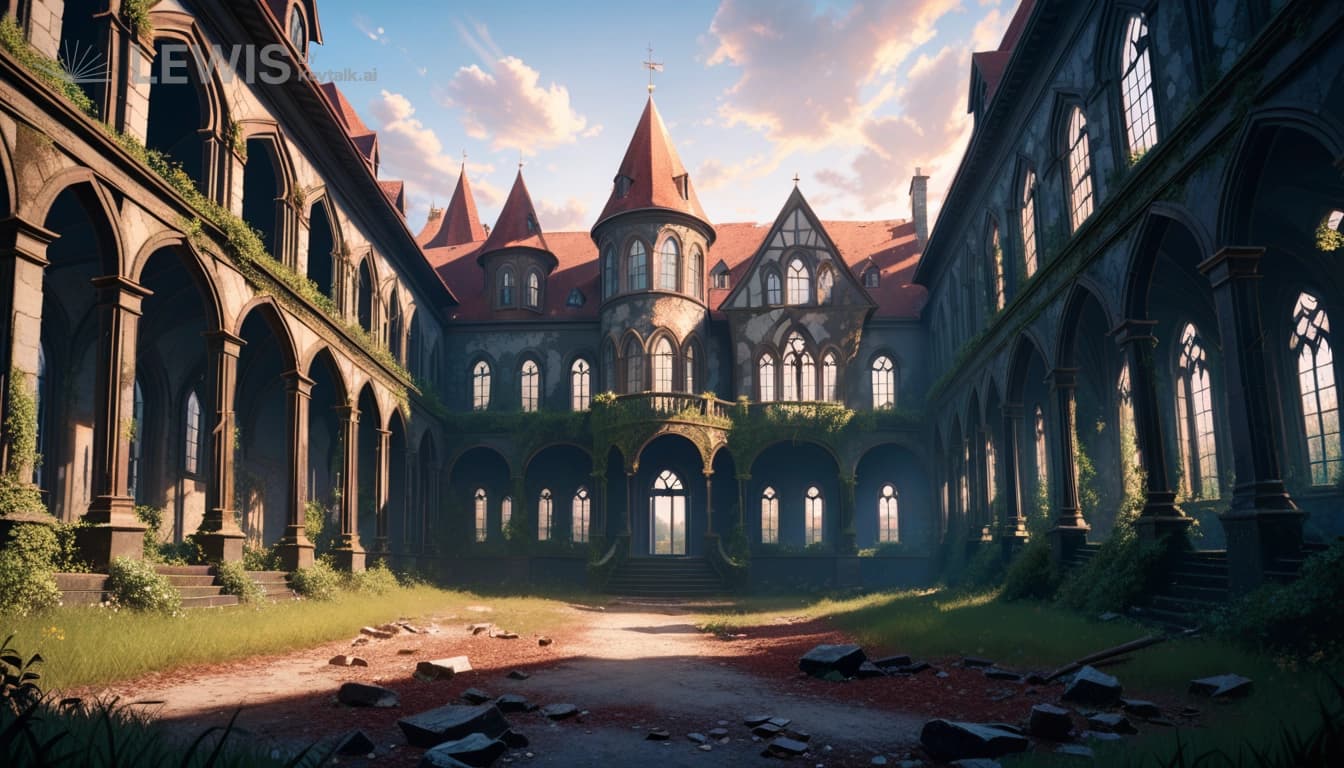
The derelict steps of the old cathedral, now crowned with flickering neon, beneath the alien-lit night sky of New Galveston.

[Time]
Late evening, just as the city’s underbelly stirs and the confession queue lengthens with shadows.

[Action]
Cassidy Hawthorne emerges from a maze of ruined streets, weaving through the ragged line of supplicants and opportunists clustered around the cathedral’s rusted entrance. She moves with a confidence sharpened by desperation—her infamy both shield and burden. The fairies, perched atop scavenged relics, watch her with a mix of wariness and hunger; their wings twitch in the neon light, signaling silent bets on what she’ll offer tonight. Cassidy’s internal monologue is restless, calculating: she’s not here for forgiveness, but for ammunition—stories to weaponize, secrets to barter, and the faint hope of reclaiming some lost piece of herself from the city’s shifting memory.

The crowd’s energy is tense, a stew of envy, suspicion, and longing. Cassidy’s presence draws murmurs—her reputation precedes her, and every eye gauges whether to fear, follow, or betray her. She exchanges coded glances with Lien Truong, who lingers at the periphery, clutching a battered map and radiating quiet anxiety. The fairies taunt the waiting crowd, their cruel laughter barely masking their own uneasy anticipation. Over it all, Father Armand’s silhouette flickers behind the mesh of the confession booth, both judge and prisoner of the nightly ritual.
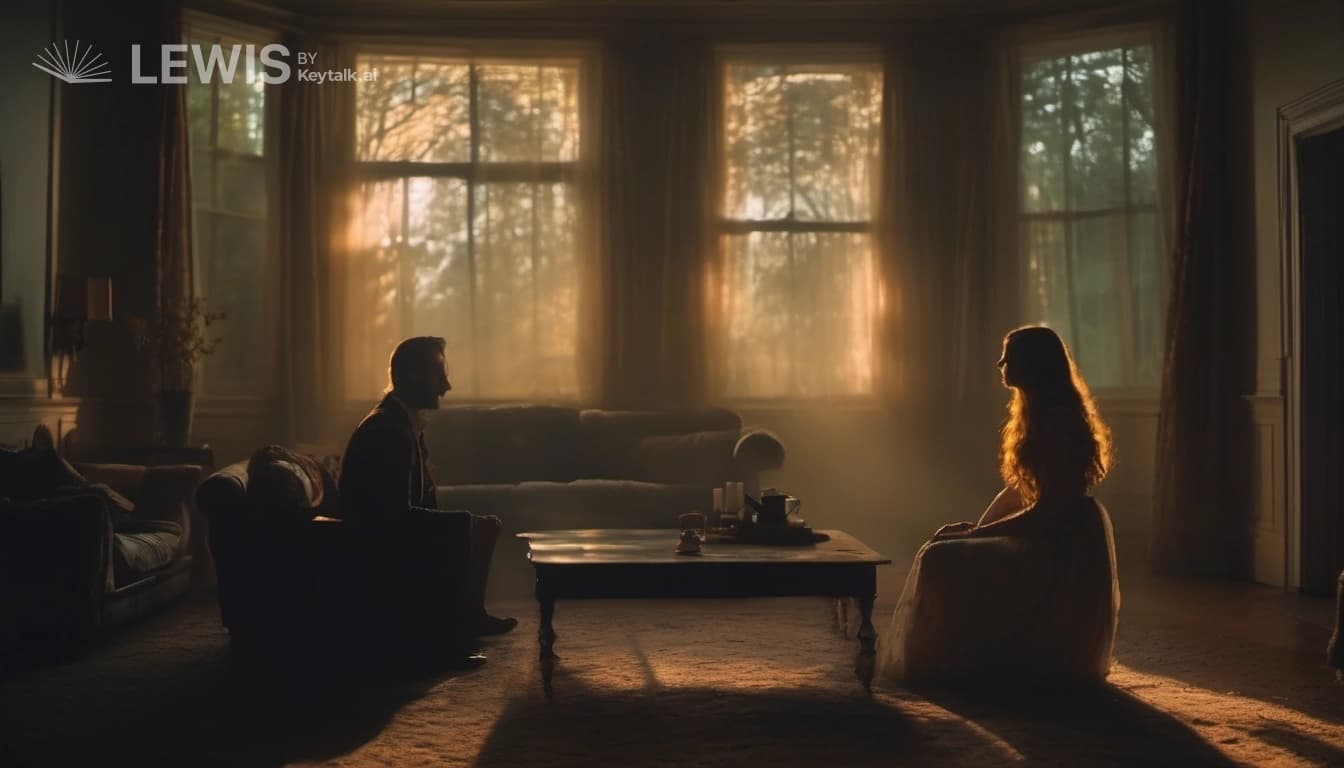
Cassidy pauses before entering, steeling herself. The stakes are higher than ever: tonight’s bargain might ignite the city’s fragile peace or doom it forever. Her motivations—revenge, rebellion, the pursuit of meaning—collide in her chest. As she pushes past the fairies and slips into the neon-lit darkness of the booth, the scene crackles with the sense that something irreversible is about to be set in motion.

[Impact on the story]
This scene sets the emotional and thematic foundation for the novel. Cassidy’s arrival reestablishes her as a force of disruption, hinting at her complicated relationship with both the fairies and Father Armand. The tension in the crowd and the city’s volatile atmosphere foreshadow the chaos her actions will unleash. Cassidy’s hunger for authenticity and meaning is made visceral, aligning readers with her cause and ensuring that every subsequent upheaval feels personal and inevitable.

[Description]
Cassidy Hawthorne arrives at the cathedral, threading through a desperate crowd and facing the watchful fairies and Father Armand’s inscrutable gaze. Her entrance is a catalyst, signaling a night where bargains will twist fates and where Cassidy’s restless defiance will threaten to upend New Galveston’s fragile order.
Scene 2
scene 2 image
Wings of Iron: The Fairies’ Bargain and the Price of Rebellion

[Place]
Inside the confession booth at the base of the cathedral—the cramped, neon-lit chamber where Father Armand presides. The mesh window divides Cassidy from Armand, while the three fairies hover close, their presence felt in every flicker of shadow and hum of magic.

[Time]
Minutes after Cassidy enters the booth, as the restless city pulses outside and the queue grows impatient.

[Action]
Cassidy sits opposite Father Armand, the air thick with anticipation. She’s tense but defiant, determined to use the confession booth for leverage rather than absolution. Cassidy offers up a story from her past—not a plea for forgiveness, but a calculated tale of survival and betrayal in the ruins, woven with hints of outlaw myth. The fairies, drawn by her raw intent, press closer, eager to twist her narrative. They sense her hunger for meaning and rebellion, and propose a bargain: in exchange for the irresistible urge to rebel, she must give up a memory or a truth she holds dear. Cassidy hesitates—this is more than she’d bargained for—but her desperation to reclaim stolen truths outweighs her fear. She accepts, and the fairies’ magic seethes through the booth, imbuing her with a contagious restlessness.

Father Armand watches the exchange with a mixture of calculation and unease, aware that the fairies’ bargain threatens the fragile equilibrium he’s fought to maintain. His own authority feels precarious as he realizes Cassidy’s rebellion might spiral beyond his control. The fairies, their wings glinting with iron, revel in the chaos they’ve sown, already plotting how to manipulate the city’s outcasts through Cassidy’s new power.

Outside the booth, the mood of the crowd subtly shifts—petty arguments flare, old compacts fray, and a dangerous energy ripples outward, sparked by Cassidy’s newly infectious defiance. Lien Truong, waiting nearby, feels the first tremors and senses that Cassidy’s actions will soon pull her deeper into the city’s unraveling story.

[Impact on the story]
This scene marks the turning point where Cassidy’s private longing for authenticity becomes a catalyst for collective unrest. The fairies’ twisted magic transforms her rebellion into something viral, setting the stage for citywide upheaval. Father Armand’s doubts deepen, and Lien is drawn closer to Cassidy’s orbit, hinting at the alliances and betrayals to come. The stakes are raised—Cassidy’s sacrifice is real, and the consequences immediate.

[Description]
Inside the confession booth, Cassidy bargains with the fairies and pays a personal price for the power to incite rebellion, unleashing a wave of unrest that begins to fracture New Galveston’s uneasy peace. The fairies’ manipulation, Armand’s shaken authority, and Lien’s growing involvement entwine, propelling the story into open conflict and transformation.
Scene 3
scene 3 image
[Title]
Ghost Maps and Forgotten Alleys: Lien Truong’s Reluctant Partnership

[Place]
A labyrinthine alley behind the cathedral—half-choked with neon fog and the detritus of the night market, lit by flickering signs and haunted by the distant pulse of the alien sky. Lien’s makeshift workspace is marked by a battered folding table, paper maps weighted with scavenged metal, and a battered satchel of tools.

[Time]
Shortly after Cassidy’s bargain in the confession booth, as the first tremors of unrest begin to ripple through the streets.

[Action]
Lien Truong sorts through her maps, recalibrating routes that will be obsolete by sunrise. She’s tense, watching as the city’s atmosphere shifts—petty skirmishes spark in the shadows, and the usual hush of the alleys is replaced by a restless, crackling energy. Cassidy finds Lien, drawn by the shared knowledge that the city’s fabric is changing. Cassidy, emboldened and unsettled by her new power, approaches Lien not as a supplicant but as a co-conspirator, urging her to help chart safe passage for those now swept up in the fever of rebellion. Lien resists at first; she’s pragmatic, wary of Cassidy’s reckless hope and the dangers of aligning herself with someone so marked by the fairies’ magic. But as Cassidy reveals the cost of her bargain—and the price she’s already paid—Lien’s resolve falters. She recognizes in Cassidy’s desperation a mirror of her own longing for meaning and order, and a reluctant partnership forms.

Their negotiation is laced with mutual suspicion and buried admiration; Cassidy pushes for action, while Lien insists on caution. Subtly, Lien’s maps begin to change—routes once safe now pulse with unpredictable magic, and landmarks flicker between myth and reality. As they work, the fairies’ influence creeps in, distorting the city’s geography and forcing the two to confront the possibility that even their alliance may be manipulated by unseen hands. The scene ends with Lien agreeing—on her own terms—to help Cassidy, binding them together as the city slides toward chaos.

[Impact on the story]
This scene forges the critical alliance between Cassidy and Lien, blending Cassidy’s mythic rebellion with Lien’s pragmatic drive for order. Both characters are forced to confront the costs of involvement: Cassidy’s loneliness is tempered by trust, while Lien risks her carefully guarded neutrality. Their partnership sets the stage for the coming conflict, intertwining their fates and ensuring that neither can turn back as New Galveston’s reality warps around them.

[Description]
Lien and Cassidy’s uneasy alliance is born amid the city’s shifting streets, their motivations clashing and converging as the fairies’ magic warps reality. The partnership is fraught but necessary, propelling both deeper into the heart of New Galveston’s unraveling narrative.
Scene 4
scene 4 image
[Title]
The Confessional Game: Father Armand’s Private Rituals and Secret Doubts

[Place]
The shadowed vestry and confession booth within the ruined cathedral, lit by pulsing neon spill from the city outside and the cold shimmer of fairy glamour.

[Time]
The same restless night, just after Lien and Cassidy’s alliance is sealed in the alleys, as the city’s atmosphere grows more fevered and unpredictable.

[Action]
Father Armand isolates himself in the vestry, methodically performing his nightly rituals—cataloguing the confessions recorded on scavenged tapes, flagellating himself in penance, and carefully updating his ledger of narrative bargains. He is unsettled by the tremors of unrest now rippling through the cathedral’s walls, sensing that the equilibrium he’s maintained is unraveling. The fairies, increasingly capricious, linger at the edge of the vestry, taunting him with whispers and veiled threats, their presence a constant test of his authority. Armand privately grapples with doubt: he replays Cassidy’s confession in his mind, disturbed by the magnitude of what she has unleashed and the way the fairies seem to revel in the spreading chaos. He struggles to convince himself that he remains in control of the confessional game, but his certainty is eroded by flashes of memory—moments when the fairies’ magic rewrote his own past, muddling what is real and what is invention.

As the night deepens, Armand is forced to confront the limits of his power. A desperate petitioner slips into the booth, confessing a crime that Armand cannot parse, the details shifting even as they’re spoken—evidence that the fairies’ magic is now bending reality faster than he can record it. For the first time, Armand hesitates to offer absolution, feeling the ground shift beneath his feet. The fairies press in, suggesting bargains that would require Armand to trade his own memories or rewrite his own story, tempting him with the promise of restored control. He resists, but the cracks in his resolve widen. The scene closes with Armand retreating deeper into ritual, clinging to his routines as the city—and his own identity—begin to slip beyond his grasp.

[Impact on the story]
This scene exposes Father Armand’s vulnerability and loss of control, setting up his eventual desperation and morally fraught decisions. It establishes the fairies’ growing dominance and their willingness to target Armand directly, raising the stakes for both the confessor and the city at large. Armand’s internal struggle parallels the city’s chaos, deepening the sense that all established authority is under threat.

[Description]
Armand’s private rituals unravel as the fairies press their advantage, pushing him toward doubt and desperation. The confessor’s weakening grip on power mirrors the city’s descent into chaos, foreshadowing the personal and political crises to come.
Scene 5
scene 5 image
[Title]
Echoes in the Ruins: A Night Market Conspiracy

[Place]
The labyrinthine sprawl of New Galveston’s night market—a chaotic patchwork of scavenged stalls, flickering neon, and shadowed alcoves nestled in the ruins beneath the cathedral’s looming skeleton.

[Time]
Later the same night, as the fevered energy unleashed in the cathedral spills into the streets and the city’s unrest simmers just beneath the surface.

[Action]
Cassidy and Lien navigate the tangled alleyways of the night market, their uneasy alliance tested by the city’s charged atmosphere. The market is alive with rumors—stories of sudden rebellions, broken compacts, and the strange restlessness infecting even the most careful outcasts. Cassidy, emboldened by her contagious urge to rebel, pushes Lien toward a clandestine meeting with the black-market historians and outlaw dreamers who gather in the shadows. Their goal: to piece together fragments of “true” history before the fairies can rewrite them again.

As Cassidy and Lien attempt to broker a pact with these secretive figures, tensions flare—paranoia runs high, and not everyone trusts Cassidy’s motives or Lien’s maps. A rival group, aligned with the fairies, attempts to sabotage their efforts by sowing doubt and chaos within the crowd. Cassidy must step into a leadership role she never sought, risking exposure by revealing a personal memory only she could know, using it as both proof and rallying cry.

Meanwhile, Lien’s own doubts and fears surface; she struggles with the danger of becoming too invested in Cassidy’s cause, weighed down by the knowledge that her maps may be coveted for darker reasons. As the confrontation escalates, the fairies’ influence bleeds into the market—memories flicker, objects shift, and the boundary between past and present blurs. Cassidy and Lien barely escape an ambush orchestrated by the fairies’ loyalists, but not before securing a tenuous agreement with the historians: a fragile alliance that could turn the tide, if they can hold it together.

[Impact on the story]
This scene expands the rebellion from private longing to collective action, pushing Cassidy and Lien into the heart of the city’s fractured resistance. Cassidy’s willingness to risk herself for the cause deepens her character and cements her as a reluctant leader, while Lien’s internal conflict is sharpened. The fairies’ reach is shown to be pervasive and insidious, raising the stakes for any who dare challenge their narrative control.

[Description]
Cassidy and Lien plunge into the night market’s chaos, forging a dangerous alliance among the city’s would-be historians and rebels. Their efforts spark open conflict with the fairies’ loyalists, escalating the battle over New Galveston’s history and foreshadowing the personal sacrifices ahead.
Scene 6
scene 6 image
[Title]
The City That Eats Itself: Outlaws, Dreamers, and the Fever of Defiance

[Place]
A crumbling rooftop overlooking the fractured city center—halfway between the night market’s neon sprawl and the cathedral’s haunted silhouette. The city below pulses with unrest: shouts, sirens, the flicker of spontaneous fires, and the distant sound of glass breaking.

[Time]
Just before dawn, as the artificial stars begin to fade and the city’s fever reaches its peak.

[Action]
Cassidy and Lien, breathless from their escape, gather with a handful of rebel historians and outlaw dreamers atop the rooftop. The city is visibly unraveling—groups of outcasts roam the streets, driven by Cassidy’s contagious rebelliousness, tearing down the symbols of old compacts and rewriting territory lines with stolen neon and graffiti. The alliance brokered in the market is strained already; paranoia and exhaustion simmer among the group, and the threat of betrayal is ever-present. Cassidy, feeling both the responsibility and the weight of what she’s unleashed, tries to rally the group with plans for a citywide signal—a story broadcast that could anchor the rebellion against the fairies’ nightly revisions.

Lien, observing the chaos below, is torn between hope and dread. Her maps are spread out on the rooftop, but the city’s geography is shifting faster than she can chart it. She privately confronts Cassidy about the cost of their uprising, voicing fears that the fever of defiance could consume everything—including the fragments of history they’re fighting to preserve. Their conversation is interrupted by a sudden pulse of fairy magic: a memory storm sweeps through the rooftop, causing the rebels to relive moments of betrayal, regret, and lost futures. Cassidy herself is nearly overwhelmed by a vision of her mother’s disappearance, a memory the fairies seem determined to erase.

As the storm passes, the group is left shaken but more tightly bound by shared vulnerability. Against the backdrop of a city that seems to be devouring itself, Cassidy and Lien recommit to their cause, each for their own reasons—Cassidy out of stubborn defiance, Lien out of pragmatic loyalty. They agree to lead a coordinated effort at sunrise: a strike at the cathedral, meant to disrupt the fairies’ control and force a reckoning over New Galveston’s future.

[Impact on the story]
This scene marks a critical turning point: Cassidy’s rebellion is no longer theoretical—it’s a wildfire reshaping the city and its people. The emotional cost of leadership weighs on Cassidy, while Lien’s fears about the movement’s destructive potential come to the forefront. The memory storm raises the stakes, underscoring what is at risk if the fairies are not stopped. Their decision to strike at the cathedral sets the stage for the climax, binding the rebels together through shared pain and purpose.

[Description]
On a rooftop overlooking a city in chaos, Cassidy and Lien face the consequences of their rebellion—confronting memory, loss, and the cost of defiance. The group’s resolve hardens, and plans are set for a final assault on the fairies’ stronghold, even as the threat of erasure looms.
Scene 7
scene 7 image
[Title]
Memory for Sale: Cassidy’s Forgotten Childhood and the Fairies’ Threat

[Place]
The undercroft of the old cathedral—an ancient, labyrinthine space beneath the confession booth, honeycombed with forgotten reliquaries, half-collapsed crypts, and the soft, flickering glow of fairy-lit runes etched into the stone.

[Time]
Dawn, as the city outside teeters on the edge of riot and the rebels’ planned strike is imminent.

[Action]
Cassidy descends alone into the cathedral’s undercroft, carrying the weight of the rooftop’s promises and the memory storm’s lingering ache. She’s drawn by rumors that the fairies are stockpiling stolen memories in the deep vaults—using them as bargaining chips and weapons. Driven by desperation and a need to protect what little remains of her true self, Cassidy hunts for tangible proof of the fairies’ manipulations: fragments of her own childhood, echoes of her mother’s voice, maybe even the lost stories of other rebels. As she searches, the undercroft warps around her—corridors shifting, relics whispering, the fairy magic growing thicker and more threatening. Cassidy’s sense of self is repeatedly challenged by visions: alternate versions of her past flicker before her eyes, some loving, some cruel, all tinged with the sense that none are entirely true.

The fairies, aware of her intrusion, manifest to confront her—not as the jaded guardians from above, but as monstrous, shifting specters made of all the stories they have consumed. They taunt Cassidy with glimpses of what she could become if she lets go of her rebellion, offering her a bargain: surrender her most painful memory (her mother’s disappearance) in exchange for safety and the chance to rewrite her childhood in a kinder light. Cassidy is tempted, especially as the fairies force her to relive the memory in excruciating detail, but ultimately she resists—realizing that her pain is what anchors her to herself and to the city’s struggle.

Instead of bargaining, Cassidy steals a relic—a crystalline “memory seed” containing the essence of her forgotten childhood—and escapes, barely ahead of the fairies’ wrath. As she emerges into the half-light above, she is changed: the memory seed pulses with dangerous potential, and the fairies’ threat hangs over her more directly than ever. The scene ends with Cassidy clutching the seed, breathless, her resolve hardened even as she knows the cost of what she carries.

[Impact on the story]
This scene is pivotal for Cassidy’s arc, deepening her vulnerability and courage in the face of the fairies’ psychological warfare. The fairies’ threat becomes personal and immediate, raising the stakes for the coming assault. Cassidy’s refusal to bargain away her pain affirms her commitment to authenticity and sets up the ultimate sacrifice she’ll make. The recovered memory seed becomes a crucial plot device, representing both hope and risk for the rebels.

[Description]
In the cathedral’s haunted undercroft, Cassidy risks everything to salvage fragments of her stolen past, resisting the fairies’ seductive bargains. The confrontation tests her identity and resolve, while the memory seed she claims will shape the final battle for the city’s truth.
Scene 8
scene 8 image
[Title]
Cartographers of Chaos: Lien’s Betrayal and the Map That Changes

[Place]
Lien Truong’s hidden workshop—a narrow, cluttered attic above a derelict apothecary, papered with shifting maps, magical compasses, and coded notes. The space is thick with the scent of ink, metal, and desperation, its only window overlooking the fevered city below.

[Time]
Late afternoon, as the city edges toward full-blown insurrection. The light is harsh and uncertain, flickering through the cracked glass like a warning.

[Action]
Cassidy, raw and shaken from her ordeal in the undercroft, arrives at Lien’s workshop, clutching the pulsing memory seed. She expects an ally—someone to help her decipher its secrets and plan the rebels’ next move. Instead, she finds Lien surrounded by rival factions, tense and exhausted, torn between her loyalty to Cassidy and the mounting pressure from desperate outlaws, opportunists, and an emissary of Armand. Lien’s maps—long considered reliable—are now warping, shifting before her eyes, reflecting the chaos Cassidy has unleashed and the fairies’ escalating interventions.

Lien, driven by fear that the city will spiral beyond repair, makes a snap decision: she betrays Cassidy’s location to Armand’s emissary in exchange for a promise of safety for her family and a chance to stabilize her maps. This act fractures their uneasy alliance, and Cassidy realizes she’s been cornered. As Lien’s betrayal is revealed, Cassidy narrowly escapes through a secret crawlspace, leaving behind the memory seed—accidentally, or out of calculated trust, it’s unclear even to her. Lien is left with the seed, wracked by guilt, her workshop now a battleground as the city’s factions close in, each desperate to possess the artifact and control the city’s destiny.

The scene is fraught with tense, rapid-fire exchanges, moments of pleading and accusation, and the ever-present threat of violence as factions smash through the attic’s defenses. Lien’s internal conflict—her longing to repair the city versus her fear of losing everything—climaxes in her betrayal, which is neither neat nor villainous but heartbreakingly human. Cassidy’s response is wounded but defiant; she refuses to let the betrayal break her spirit, even as she’s forced to leave Lien behind.

[Impact on the story]
This scene is essential for driving a wedge between Cassidy and Lien, escalating the sense of paranoia and desperation. Lien’s betrayal complicates the rebels’ plans and puts the memory seed—the key to the city’s fate—into unstable hands. It pushes Cassidy into isolation, heightening her resolve and vulnerability, while Lien’s guilt and the volatile power now in her possession set the stage for further chaos. The shifting maps reinforce the city’s instability and the fairies’ tightening grip on reality.

[Description]
In a cramped attic above the city, Lien betrays Cassidy to save what she can, handing the memory seed to fate. The fracture between them deepens the city’s chaos and sets both women on paths that will shape New Galveston’s future.
Scene 9
scene 9 image
[Title]
The Confessor Unmasked: Armand’s Bargain and the Collapse of Authority

[Place]
Father Armand’s confession booth and the surrounding nave—once a sanctuary, now a fractured, neon-lit warzone. The cathedral’s bones creak under the pressure of rioting crowds and the fairies’ unruly magic. Shadows flicker and twist, history rewriting itself with every heartbeat.

[Time]
Night, just after the city’s first true riot. The air outside is thick with the smoke of burning barricades, distant sirens, and the chant of rebels. Inside, the confessional glows sickly, as if lit from within by something barely contained.

[Action]
Father Armand, reeling from the city’s rapid unraveling and haunted by his role in the chaos, makes his way into the confessional alone. The fairies—emboldened, wild, almost feral—press in, their wings crackling with residual power from Cassidy’s unleashed rebellion. Armand is desperate: his authority is slipping, his rituals meaningless, his own memories beginning to warp under the fairies’ magic. Driven by fear and a last shred of pride, he bargains with the fairies to rewrite his past, hoping to reclaim the certainty and power that once anchored his role as confessor. The fairies, amused and vaguely pitying, accept—twisting the bargain so Armand is forced to relive the confessions he has stolen and reshaped, seeing himself in every sinner and every lie.

As the bargain takes hold, Armand’s sense of self fractures. He becomes both confessor and penitent, cycling through a montage of rewritten memories and alternate histories where he is victim, betrayer, savior, and lost child. The fairies play with his past like a deck of marked cards, exposing the rot at the heart of his authority. Meanwhile, the rebellion surges through the cathedral: outcasts storm the nave, sacred relics are looted, and rumors spread that Armand has lost the power to grant absolution. Lien, hunted and desperate, slips into the cathedral’s shadows, clutching the memory seed, uncertain whether to seek Armand’s help or to destroy the confessional altogether.

Throughout the scene, the boundaries between the physical and the mythic blur—snatches of old confessions and forgotten sins echo through the stone, the fairies’ laughter warping reality itself. Armand’s unraveling is mirrored by the city’s; the confessional, once the epicenter of power, becomes a site of public spectacle and private reckoning. As his authority collapses, Armand is left exposed: a man stripped of myth, forced to confront the truth he has spent years burying.

[Impact on the story]
This scene marks the irreversible collapse of the old order. Armand’s attempt to regain control backfires, leaving him psychologically shattered and powerless, while the fairies’ ascendancy signals the end of human dominion over narrative truth. Cassidy’s absence is felt acutely—her spark of rebellion now a city-wide blaze. Lien’s presence with the memory seed hints at a possible new path, but the fate of both the artifact and the city hangs in the balance. Emotionally, the scene is devastating: Armand is undone by his own manipulations, and the city’s hope for stability evaporates.

[Description]
In the heart of the cathedral, Armand’s desperate bargain with the fairies unravels both his mind and his authority. The confessional becomes a crucible where past sins and rewritten truths collide, setting the stage for New Galveston’s final reckoning.
Scene 10
scene 10 image
[Title]
The Anchor Sacrifice: Cassidy’s Last Story and the Price of a New Reality

[Place]
The ruins of the cathedral’s nave, now open to the alien sky—its stained glass shattered, neon flickering in broken halos. The confession booth stands alone amid the debris, warped by the fairies’ magic. Lien and Cassidy stand at its threshold, the last quiet space in a city on the verge of unraveling.

[Time]
The deepest hour before dawn, as reality itself teeters—after the riots, after Armand’s fall, with the city’s future hanging by a thread. The fairies hover at the edge of vision, their wings guttering in the cold starlight.

[Action]
Cassidy enters the nave with Lien at her side, both exhausted and half-ghosted by the fairies’ rewriting. The city outside is in chaos: the rebellion has fractured into desperate factions, and people’s memories flicker, their sense of self dissolving. Lien clutches the memory seed, torn between using it to stabilize the city or preserving her own dwindling identity. Cassidy, battered by the fairies’ attempts to erase her uprising, realizes that the only way to halt the magic is to anchor reality with a story that cannot be rewritten. She and Lien confront the fairies, who are both amused and wary—hungry for a final, exquisite bargain.

Cassidy offers her most precious story: the memory of her mother—a tale that has always been her touchstone, the root of her rebellion and longing for meaning. The fairies accept, binding the city’s reality to her sacrifice. In the process, the fairies’ magic surges and the memory seed shatters, releasing a shockwave that stabilizes history but erases Cassidy from all but the most stubborn memories. Lien, shielded by her cartographer’s stubbornness, remains the only one who remembers Cassidy’s true self. The city quiets—stories settle, the riots subside, and the fairies withdraw, sated and strangely diminished. Cassidy slips away, her presence already fading even as Lien tries desperately to hold onto her.

Lien is left with a choice: to bear witness to the forgotten, or to let her own memories fade for the sake of peace. The scene closes on Lien alone in the nave, holding the fragments of Cassidy’s last story, resolved to remember even when the city insists on forgetting. The fairies’ magic is now bound by Cassidy’s sacrifice, and the city’s reality is anchored—but the cost is irreversible.

[Impact on the story]
This scene resolves the central conflict: the city’s chaos is halted, but only through a personal and irreversible sacrifice. Cassidy’s disappearance is deeply felt—her rebellion becomes legend, but her identity is lost to all but Lien, who is left with the burden of memory. The fairies’ power is limited, but not destroyed, and the new order is built atop the foundation of loss. The emotional resonance is bittersweet: hope is restored, but the cost is personal oblivion for the story’s driving force.

[Description]
Cassidy trades her last, most treasured memory to anchor the city’s reality, sacrificing herself to stabilize New Galveston. The fairies’ magic is contained, but Cassidy is forgotten by all except Lien, who is left to carry her story alone.
'Confessions Rewrite the World'Story Chat

Want to chat with the characters from this story?

'Confessions Rewrite the World'Story Chat

Want to chat with the characters from this story?

story image
story image
story image

You might also like

Comments0

theme music