Plot Synopsis
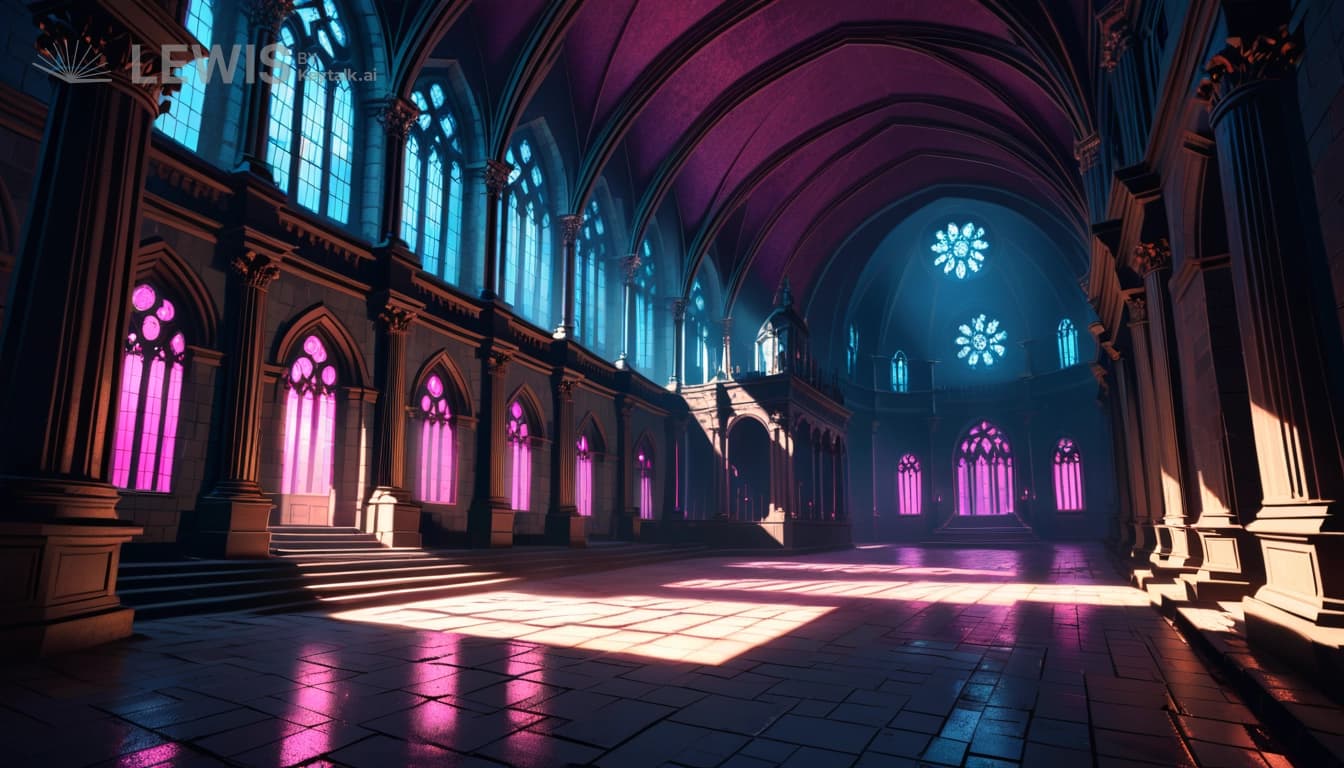
Riley Ashwood inherits the Ashwood Hotel on a night when the city’s neon reflections bleed into the rain-soaked streets, blurring the line between longing and hallucination. The will is perfunctory, almost an afterthought—Riley’s late father, a man of severity and secrets, bequeaths not just the crumbling hotel but its burden: “Guard the confessions. Heed the bargains.” The first night as owner, Riley prowls the labyrinthine halls, notebook in hand, documenting the strange requests and half-heard secrets of guests whose desires seem to warp the very wallpaper. It’s Kaz, the hotel’s cryptic concierge and Riley’s only confidante, who warns of a deeper inheritance—a legacy of listening, where every confession can twist reality, and each longing heard shapes the world in unforeseen ways. Riley, pragmatic yet quietly aching for meaning, sees restoration as both duty and shield: if they can resurrect the Ashwood’s faded grandeur, perhaps they can repair what’s broken in themselves.
The hotel’s strange pulse quickens with the arrival of Helena Kuroda, the city’s infamous curator of sensation and clandestine cult leader. Helena books the penthouse for an “immersive confession ritual,” drawing a coterie of artists, criminals, and desperate romantics. Her presence is a storm: she stalks the lobby draped in shimmering vinyl, her eyes drinking in the hotel’s decay and promise, her voice a deliberate performance that unsettles even the most jaded regulars. Helena takes an immediate, unsettling interest in Riley, dangling the possibility of collaboration—a “living tableau” where guests’ confessed longings are shaped into tangible flesh and spectacle. Riley, wary but fascinated, senses that Helena’s attention is both opportunity and threat; her seductive bargain promises the chance to transcend mere restoration, to make the Ashwood a legend again, but at a cost that remains veiled in rain and neon.
As Helena’s rituals escalate, the hotel shifts from an eccentric landmark to something uncanny: desires confessed in the midnight parlor blossom into physical forms—obsessions that stalk the halls, lovers conjured from memory, nightmares seeping through keyholes. Riley, insomnia sharpening their senses to a knife’s edge, documents the daily surreality in their cryptic notebooks, torn between awe and dread. Kaz, ever the folklorist, recognizes echoes of old city legends—dangerous bargains struck at crossroads, wishes made flesh at the price of one’s truest self. He grows increasingly suspicious of Helena’s motives and the seductive logic of her cult, warning Riley that the line between art and predation is razor-thin. But Riley, caught between their father’s severe legacy and Helena’s intoxicating vision, is drawn deeper into the game, each decision tightening the hotel’s noose around their heart.
The city outside begins to fracture under the weight of the hotel’s new reality. Guests who once came to escape now find their secrets stalking them; the hotel’s reputation swells, drawing in the desperate, the powerful, and the dangerous. Helena orchestrates a grand confession gala—a pop-art hallucination that promises transcendence, attracting the city’s elite and underworld alike. Riley, exhausted and haunted by visions of their vanished mother, is forced to confront the true nature of the bargain: the hotel’s power is fed by longing, but each confession heard, each secret made flesh, brings the city closer to collapse. The guests’ desires twist into monstrous forms, beauty and terror inseparable, and the line between performance and reality disintegrates. Riley must decide: protect the world outside by silencing the confessions—or embrace the chaos and remake the city in the image of longing.
The climax explodes on the night of the gala. Helena unveils her ultimate performance—inviting Riley to confess before the gathered masses, to shape the final reality. Kaz, having uncovered the original covenant binding the hotel, confronts Helena and Riley, arguing that true connection cannot be forged through spectacle or manipulation. Riley, torn between the seductive promise of love (Helena’s whispered offer: become co-creator, rewrite their own pain) and the weight of their inheritance, makes a desperate choice. Rather than confess their own longing, they turn the ritual outward, forcing every guest to confront the true nature of their desires—not as spectacle, but as raw, unvarnished truth. The hotel convulses, reality shuddering as the city’s collective longing is laid bare, monstrous yet achingly beautiful.
In the aftermath, the Ashwood stands transformed—neither restored nor ruined, but something new, a threshold where longing is acknowledged but not indulged. Helena, her power broken but her curiosity undimmed, vanishes into the night, leaving behind a single crimson serpent drawn on the lobby mirror. Kaz remains at Riley’s side, his cynicism tempered by hard-won hope, helping document the new stories now