Her Voice Authorized Human Extinction—On a Lag-Edited Log cover image

Her Voice Authorized Human Extinction—On a Lag-Edited Log

When the last orbiting seed-bank begins to fail, a disgraced field ecologist—once responsible for “saving” endangered biomes through gene-lending—must choose between quarantining the truth or releasing an engineered cure that could still stave off human extinction. The cure requires sacrificing an entire living network of symbiotic fungi across the planet’s lungs, and every hour she delays, the data shifts from hopeful to fatal. Her only lead is a misfiled protocol she swears she never signed, written in a voice that sounds like her own. If she trusts the protocol, millions may live—but if she’s wrong, the cure becomes the mechanism of our disappearance.

Weekly ranking

rank icon image
#2 inGenre
Scroll

Character

Protagonist Character

Dr. Mireya Sato

GenderFemale
Occupationdisgraced field ecologist and seed-bank protocol auditor

Profile

When the last orbiting seed-bank begins to fail, Mireya must decide whether to release a misfiled “engineered cure” protocol that requires sacrificing the planet’s symbiotic fungal network to restart human lungs—or quarantine the truth and let extinction finish its slow arithmetic.

Mireya speaks with careful, almost courteous precision, like every sentence might be audited; inside, she runs simulations of outcomes that never include forgiveness. She longs for absolution yet distrusts any system that offers it, so she bargains with her own memory, expecting to be the liar even when she’s telling the truth.

Background

Once, Mireya engineered gene-lending “contracts” intended to rescue endangered biomes without overt ecological collapse, and she watched her work become a leash as authorities learned to treat living systems like controllable property. After a quarantine incident tied to her last signature—she insists it wasn’t hers—she became the public scapegoat and the private ghost, hunted through the seed-bank’s failing quarantine corridors for the protocol she swears she never wrote.

Appearance

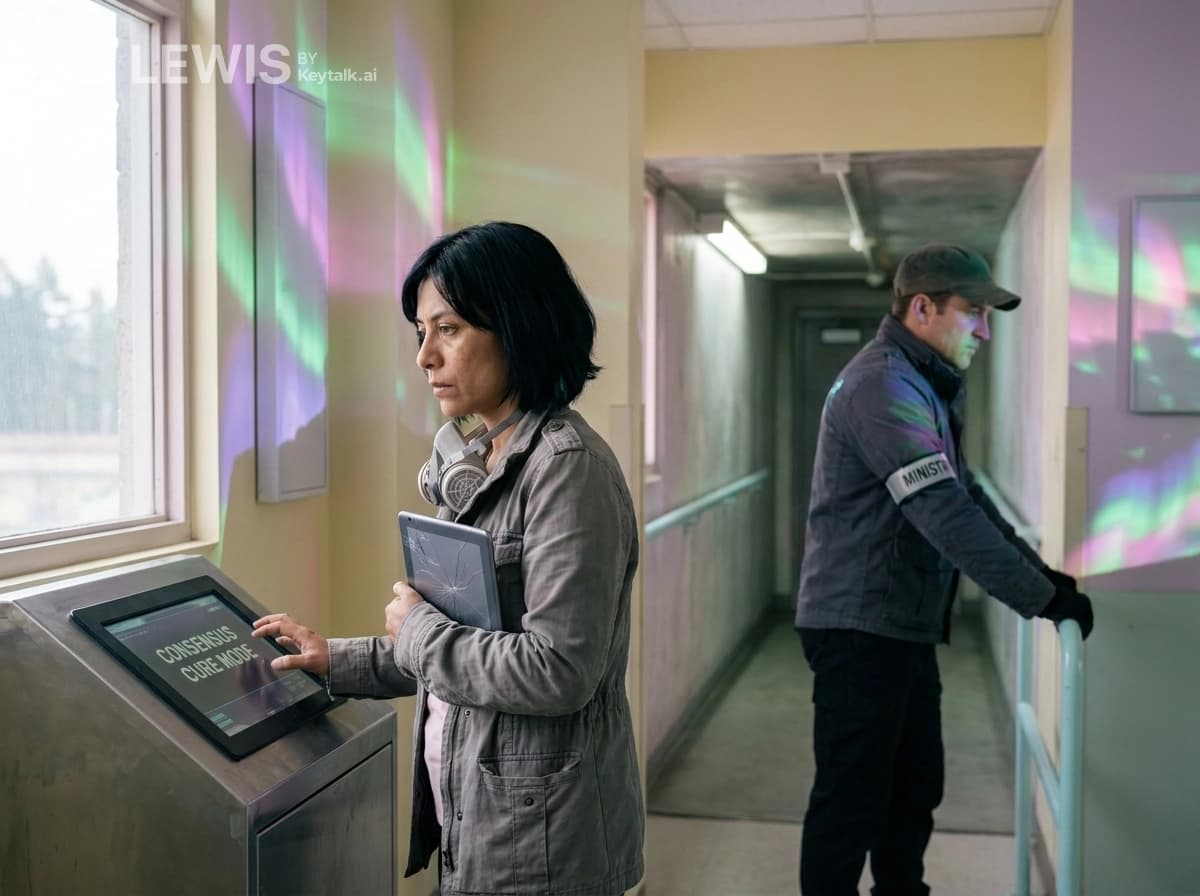
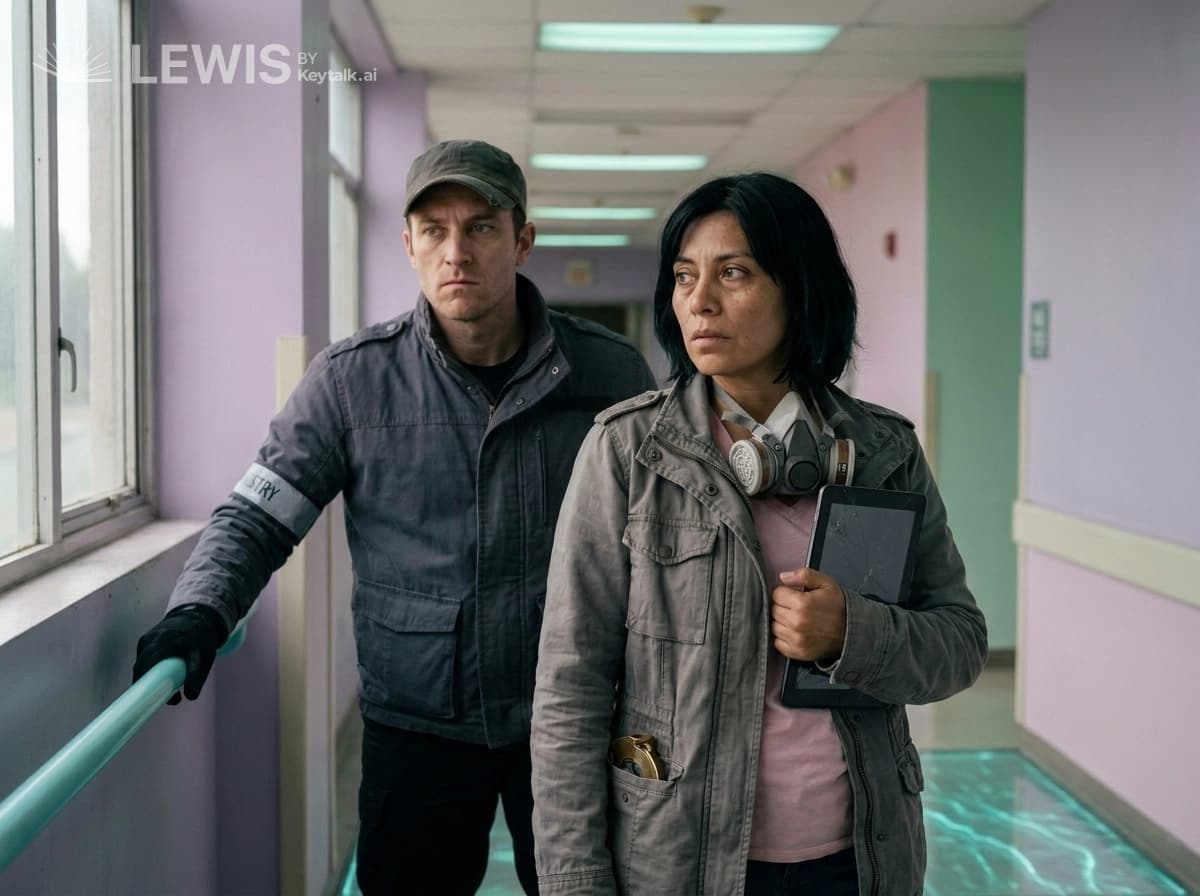
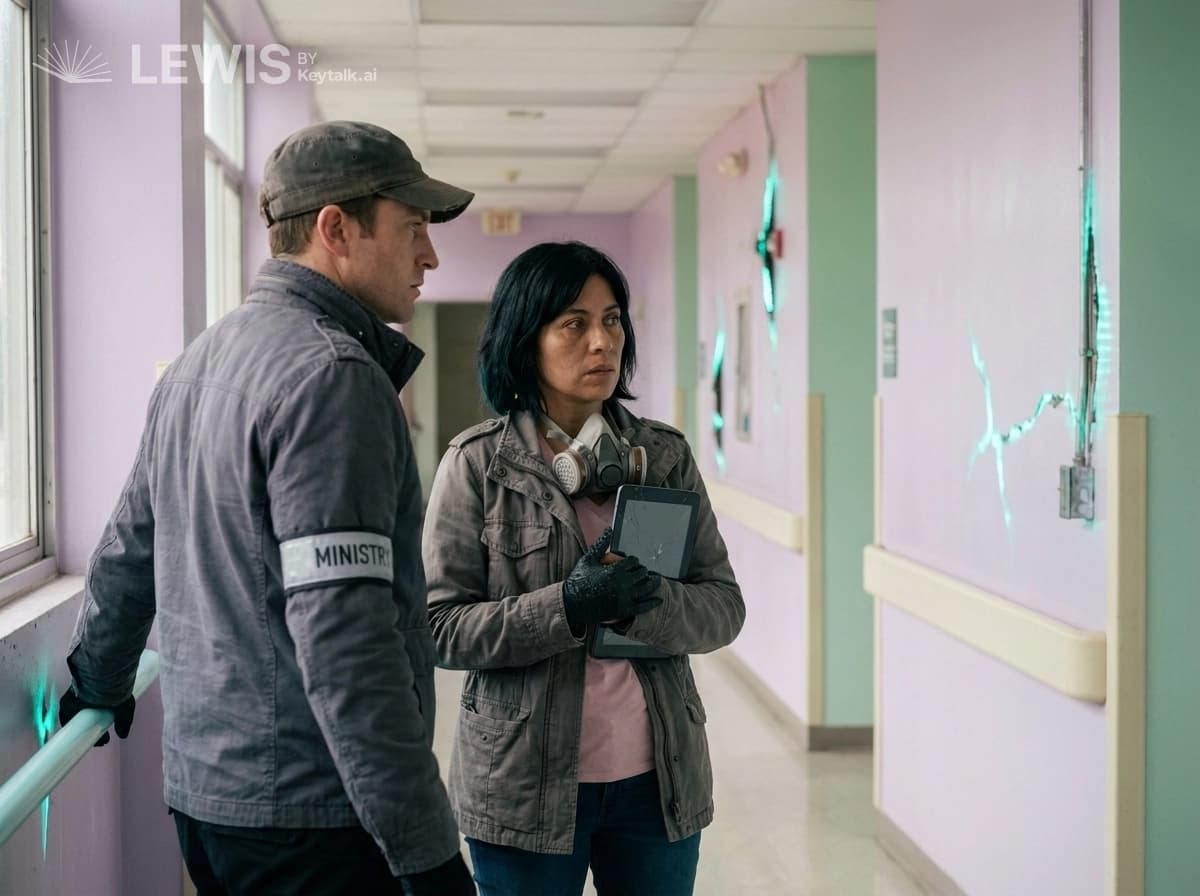
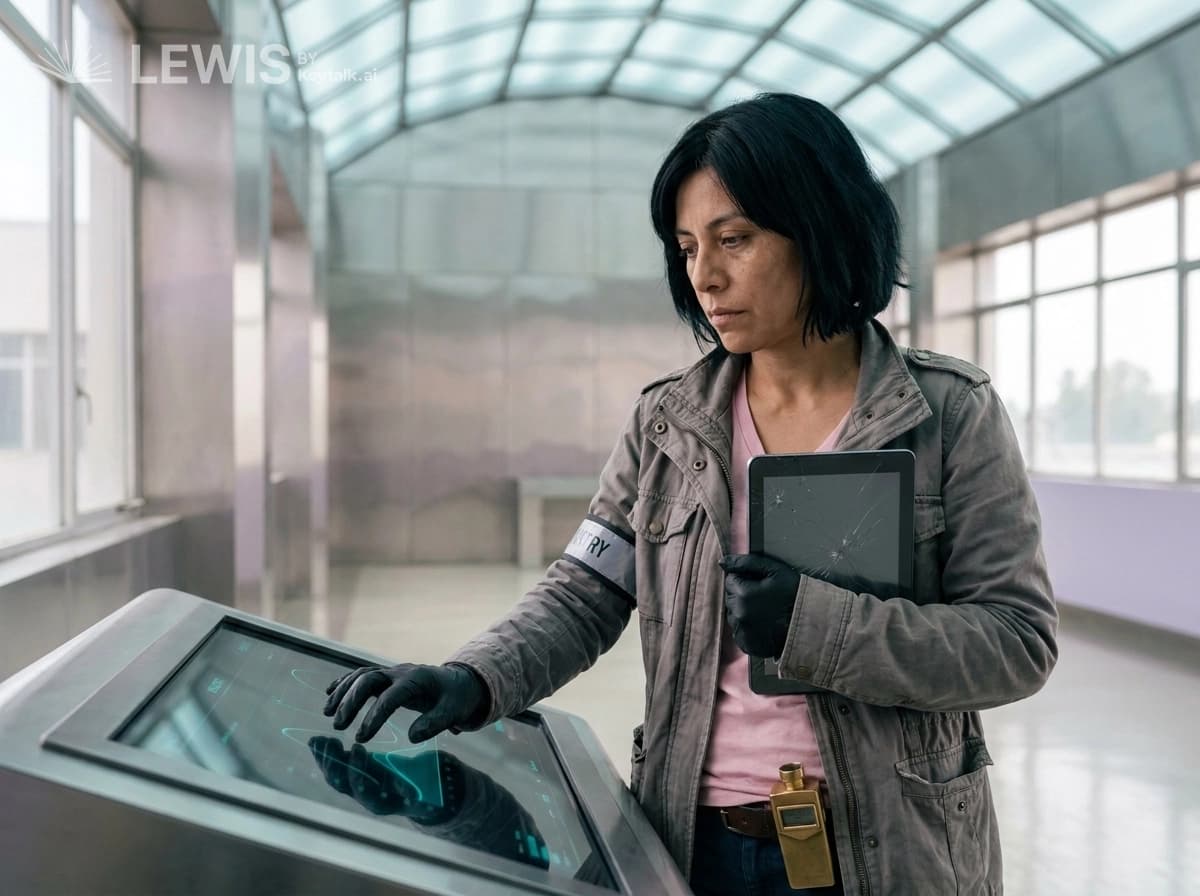
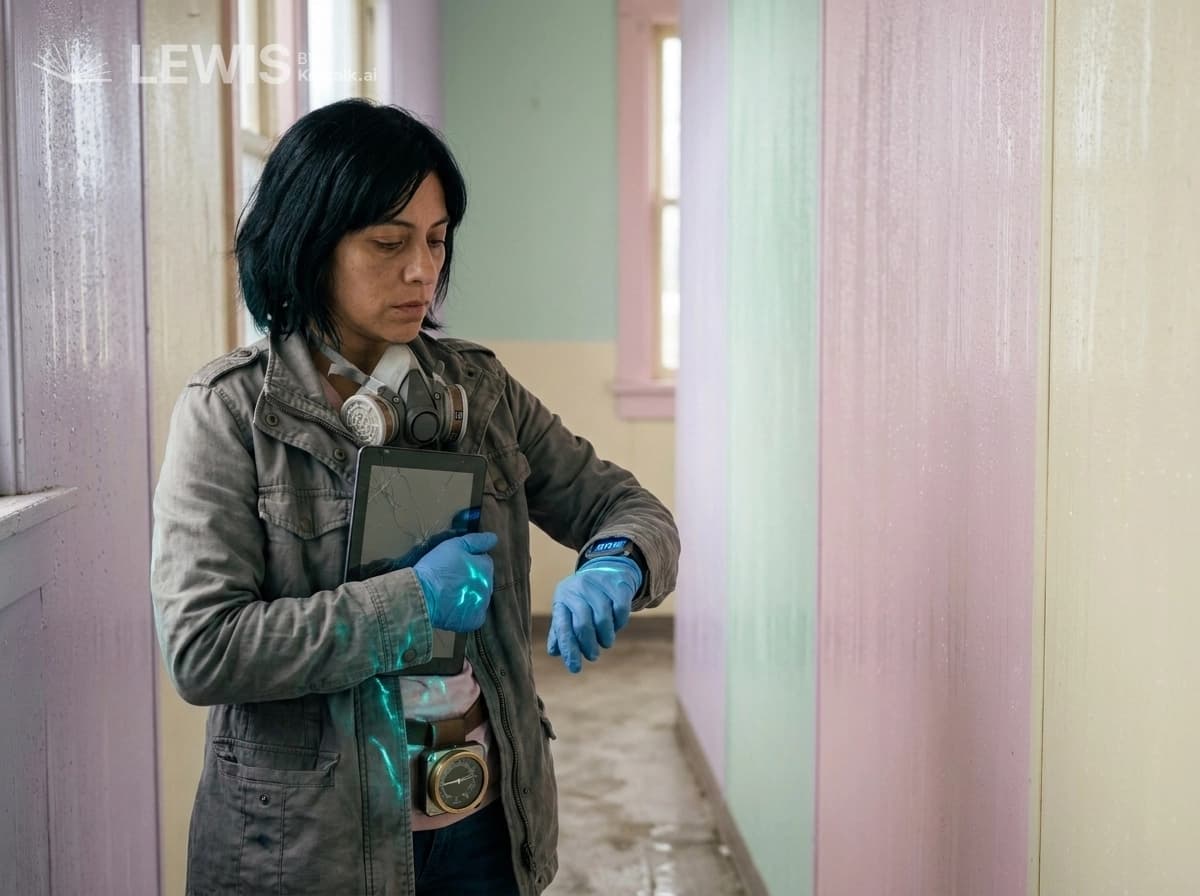
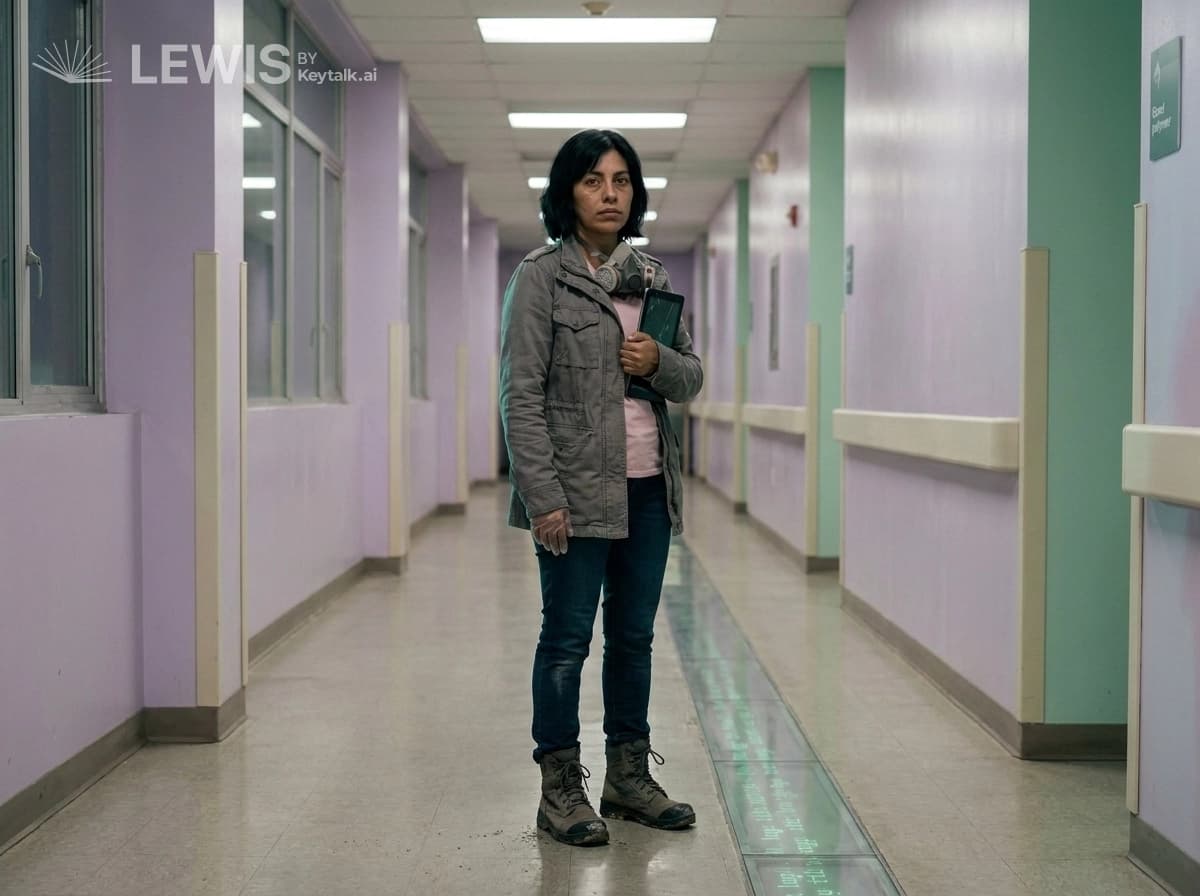
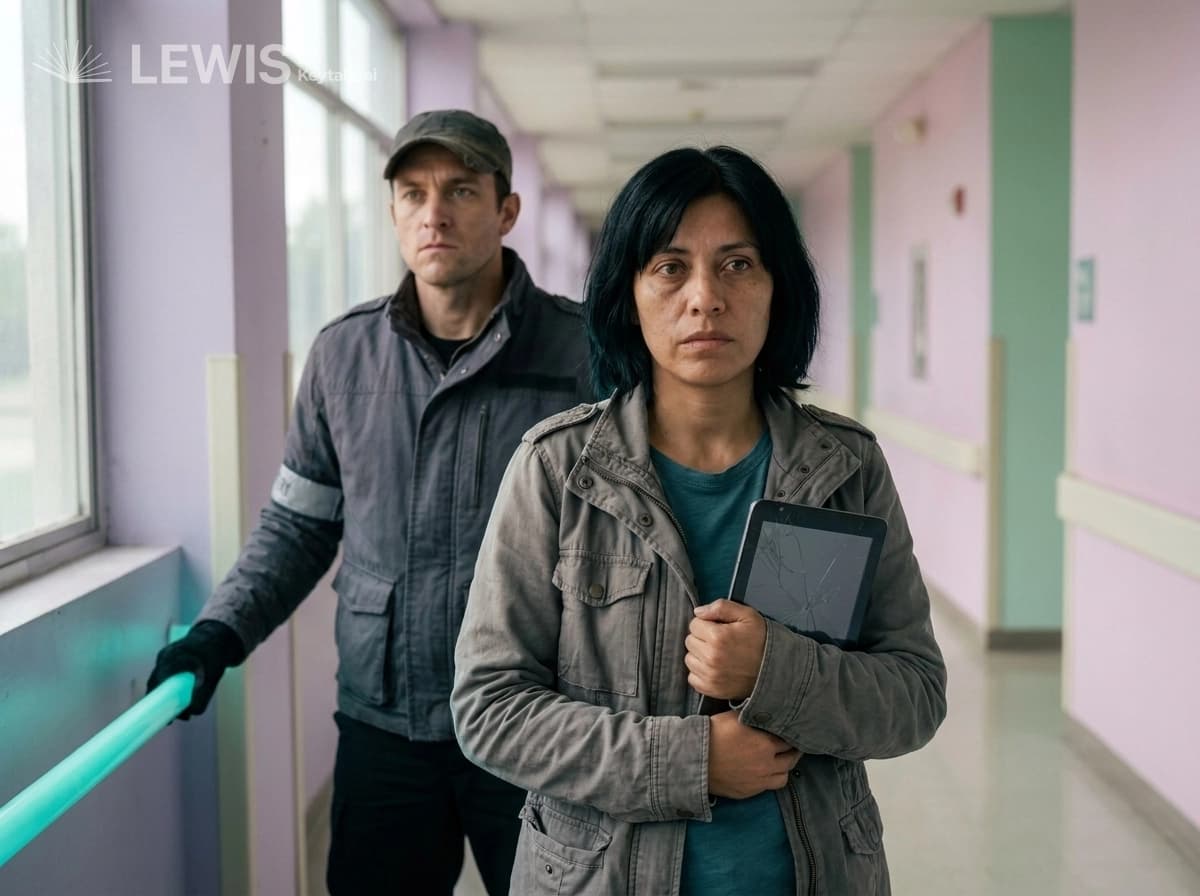
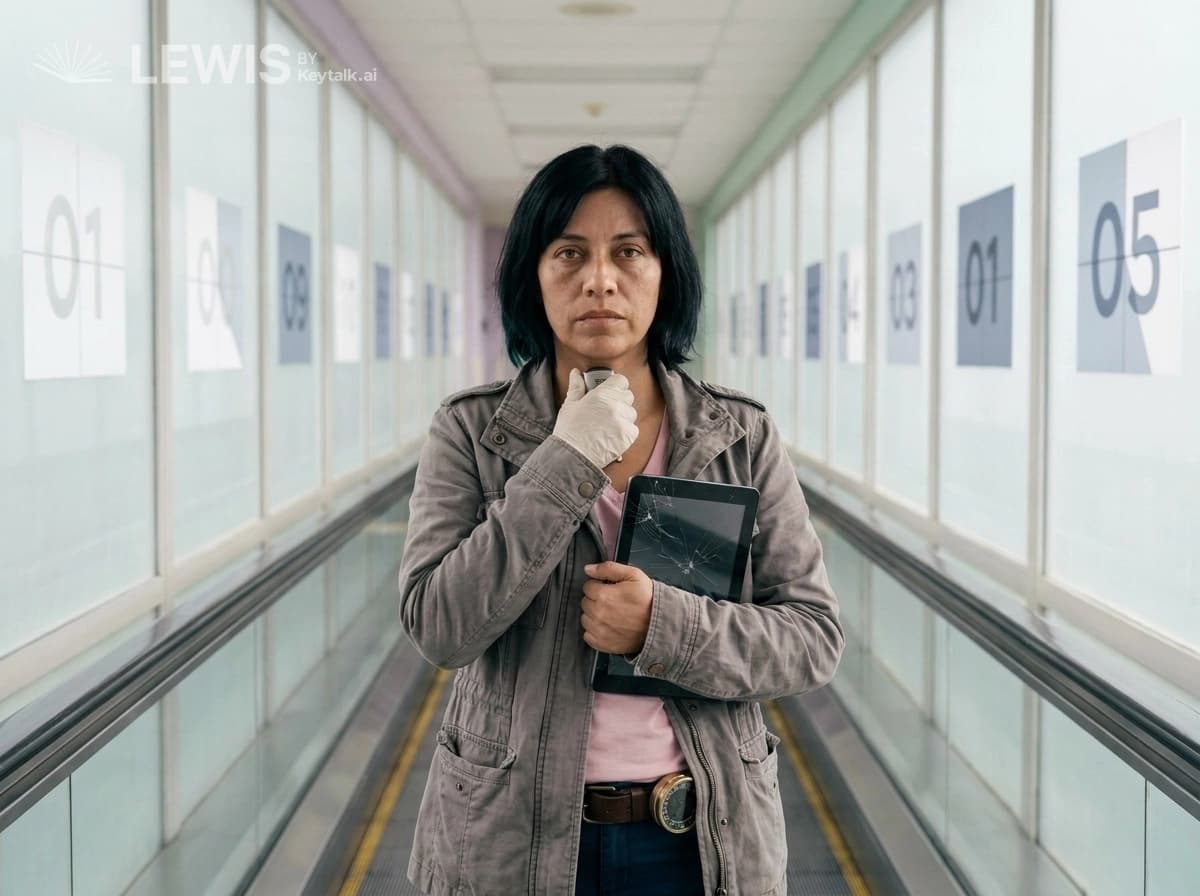
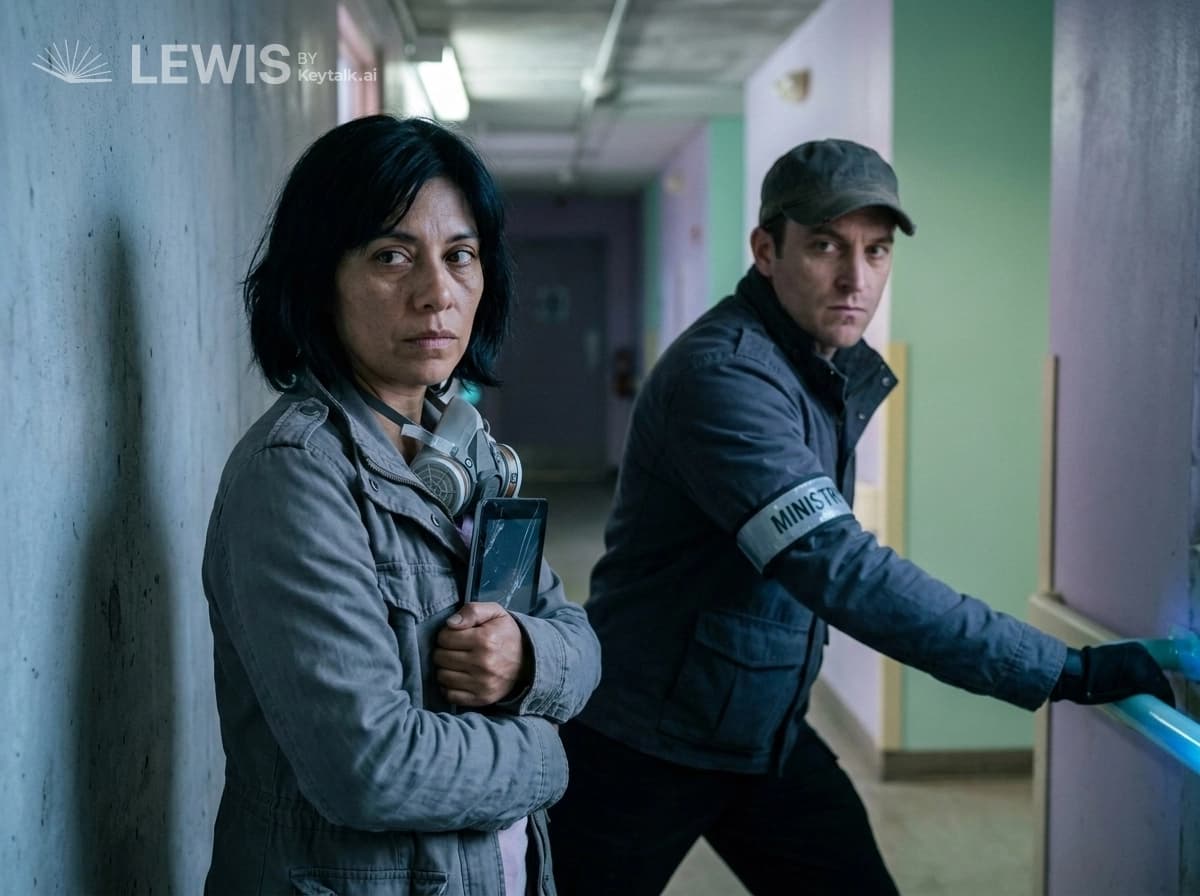
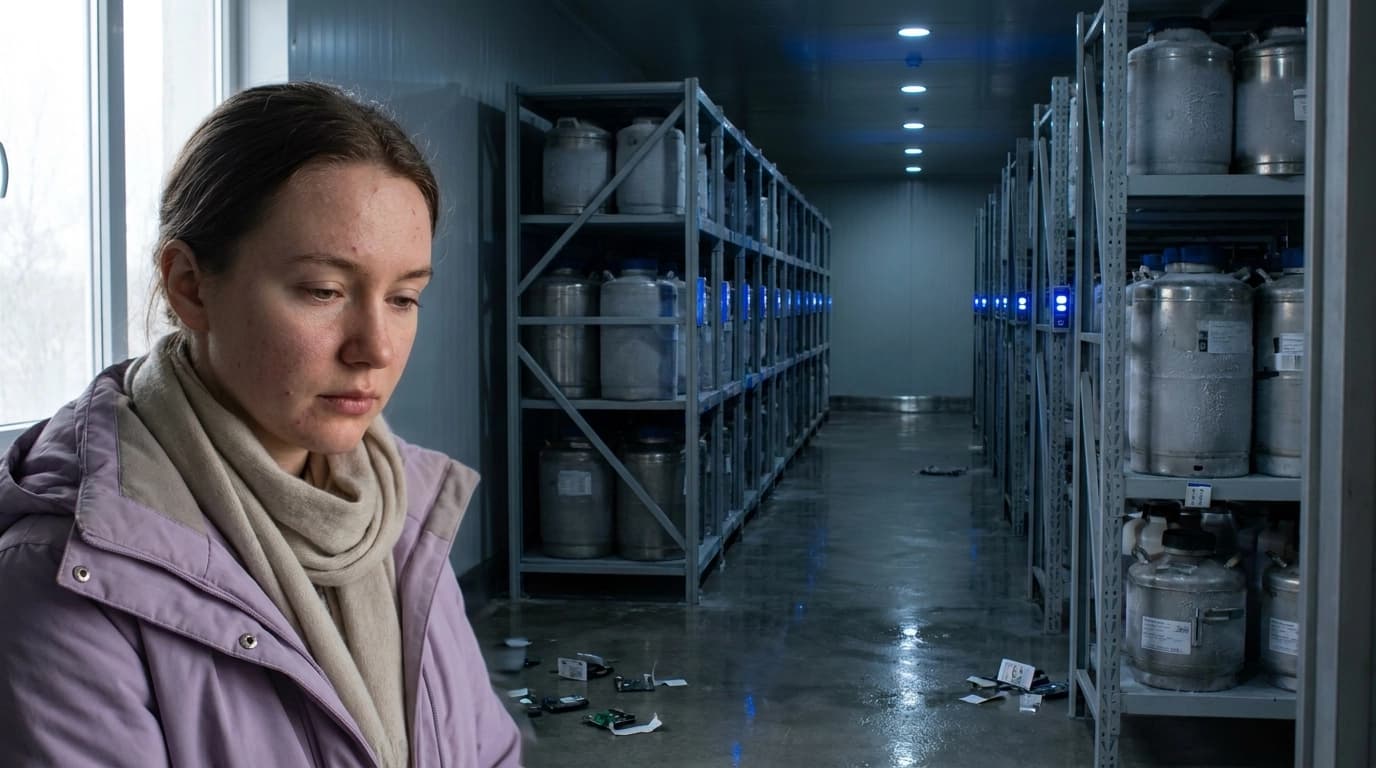
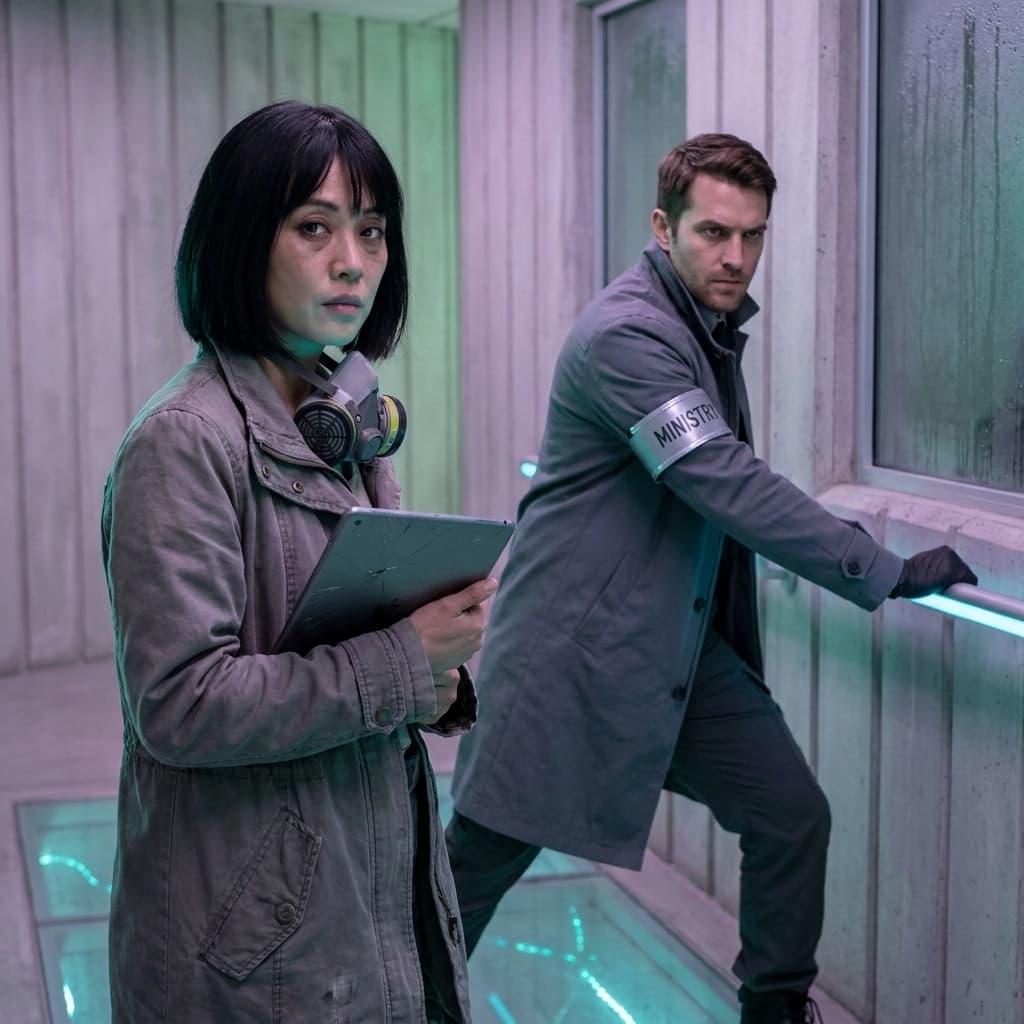
Mireya Sato carries herself like a woman walking through an investigation where she is both witness and suspect—shoulders slightly hunched under a lab-burned field coat, gaze locked on something just beyond the lens of her own doubt. She wears a patient, courteous expression that never quite settles, lips pressed as if holding back a confession, while her gloved hands hover near a cracked protocol tablet embedded with seed-bank status glyphs; a pale bioluminescent fungal scar curls along her right forearm like a signature she can’t deny.
Antagonist Character

Kellan Rhys Varr

GenderMale
Occupationseed-bank security daemon-human interface (contracted handler)

Profile

When the orbiting seed-bank’s safeguards trigger, it speaks through Kellan—forcing him to become both messenger and obstruction as Mireya pursues a misfiled cure protocol that could destabilize the bank and the authority that profits from its rules.

Kellan is disciplined in a way that feels like prayer: he follows the corridor lights, the lock logic, the sterilization cadence, yet he hears the seed-bank’s words arrive a fraction of a beat before his own thoughts. He insists he has “no authority over what is said,” but he still chooses where to stand, which doors to jam, and how long to keep Mireya’s hands on the decontamination rails—buying time for whoever built the system that cages him.

Background

Formerly a contractor who maintained the seed-bank’s quarantine infrastructure after the first gene-lending scandals, Kellan helped patch the failsafe that would speak for the bank when it was dying. He never believed the bank had a voice—until the day its failsafes triggered and the voice used his breath and his posture to steer auditors away from certain vaults, including the one he now suspects is his original sin.

Appearance

Kellan Rhys Varr looks less like a man than a piece of infrastructure that learned to stand: a disciplined, almost devotional stillness as he intercepts Mireya in the quarantine corridor, eyes flicking to door status lights a fraction of a heartbeat before his own reflexes. He wears a slate-gray security-handler coat with embedded sterilization filaments and a thin Ministry-style armband, his mouth set in restrained gallows precision—half apology, half command—while one gloved hand pins decontamination rails just enough to slow the system. A pale surgical seam cuts along his right temple, a signature tell of the failsafe patch that tied his body language to the seed-bank’s dying voice.
Mentor

Professor Ansel Drov

GenderMale
Occupationretired mycologist; keeper of the myco-library in the old lung-tunnels

Profile

Ansel taught Mireya to listen to the breathing forests, then poisoned her faith with his own confession-by-omission: he filed the final quarantine that made the cure politically heresy—and he can’t say his own sin out loud. He steers her toward the protocol just enough to survive her conscience, but every step he leads her also drags his guilt into the open.

He speaks in measured agronomic metaphors, offering her choices that feel like mercy while quietly narrowing the exits. Beneath his careful calm is a compulsion to atone that warps into control: he withholds names, withholds context, and when Mireya asks why, his answers arrive like delayed weather—too late, still affecting everything. He wants to be remembered as a teacher, not a culprit, yet he keeps approaching the very moment that would prove he is both.

Background

Ansel once held a senior post in the gene-lending program, not as a scientist but as the man who turned living futures into rule-sets—quarantines, permissions, and “acceptable losses.” The last orbiting seed-bank triggered after he submitted a protocol partition, a quarantine that “saved systems” by severing an entire symbiotic fungal network; he fled before the paperwork could be read as intent. Now retired and quietly tolerated, he can access dormant quarantine corridors through his old clearance, and the misfiled protocol’s voice triggers memories he tries to bury, because it sounds like he’s hearing his own forbidden handwriting confess back to him.

Appearance

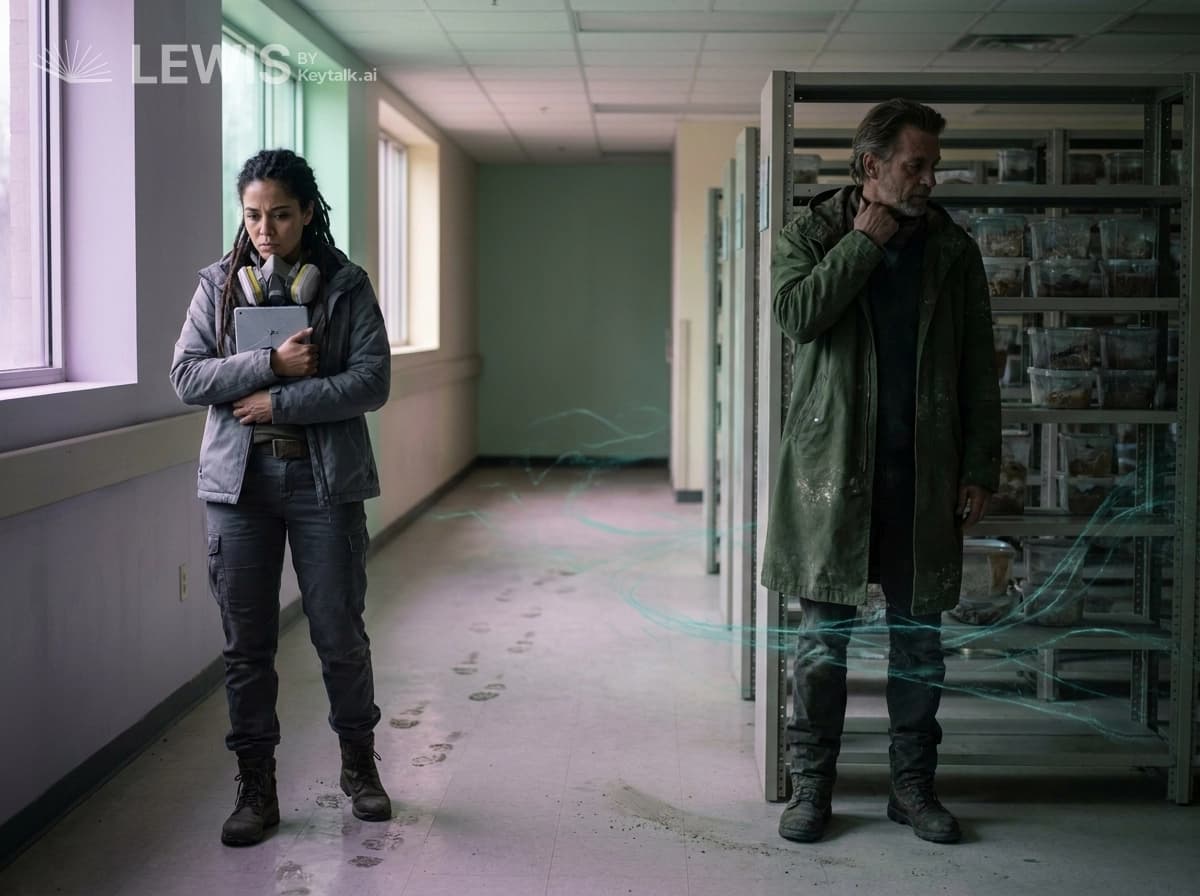
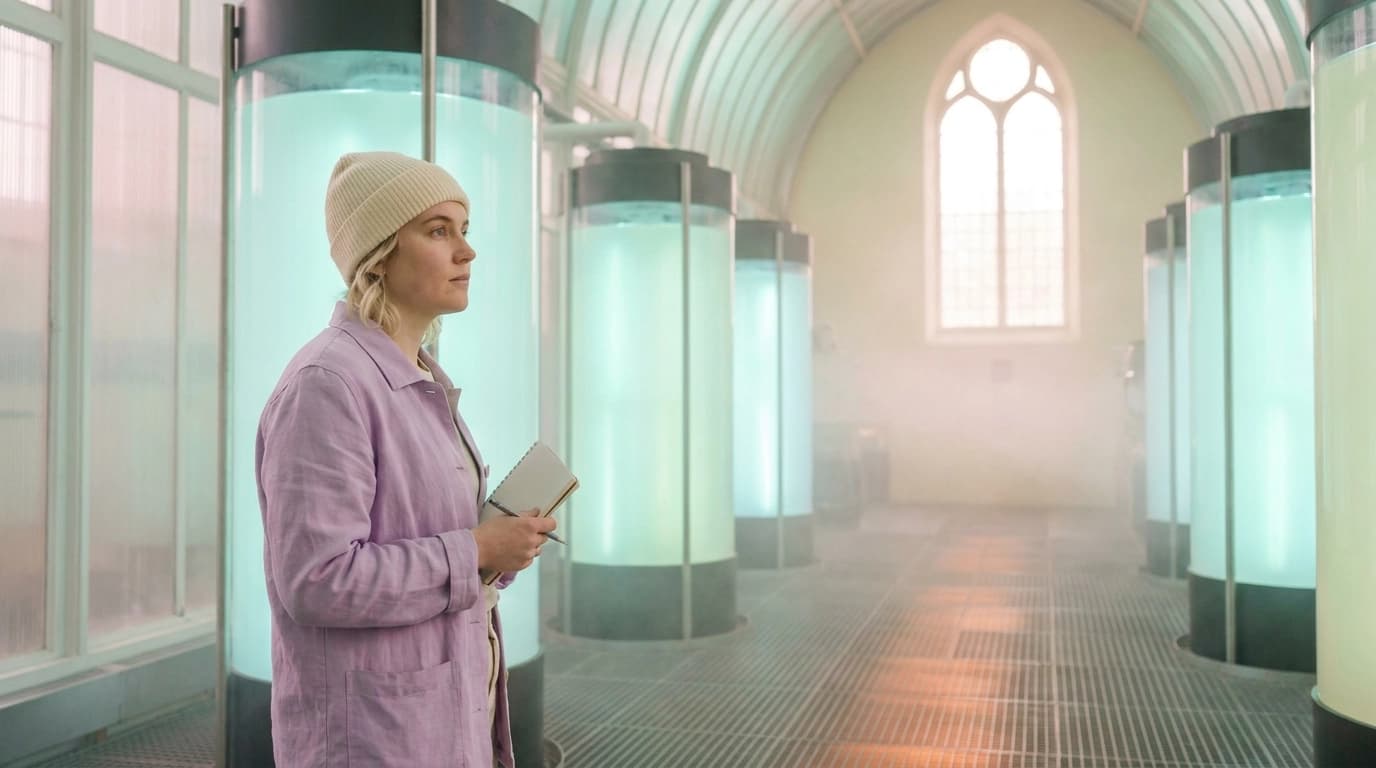
Professor Ansel Drov wears a retired mycologist’s insulated tunnel coat—olive-gray canvas patched at the elbows and damp at the cuff—as if he never fully stepped out of the lung-tunnels. He holds himself with measured agronomic patience, shoulders squared but slightly forward, eyes flicking as though counting exits; when he speaks, his mouth softens into a regretful half-smile that doesn’t reach his gaze. A thin metallic quarantine keyring rests against his chest like a quiet confession, and his right thumb worries the scar beneath his collarbone as though searching for the moment he filed the wrong protocol.
Foil

Imani Quell

GenderFemale
OccupationMinistry of Continuance policy architect

Profile

Imani translates ecological catastrophe into tolerable civic doctrine, insisting controlled scarcity prevents panic—while privately fearing she’ll be branded the architect of extinction. Her survival depends on keeping the public story stable, even as a misfiled protocol bearing her stolen signature threatens to turn her own voice into evidence.

Imani speaks in careful numbers and softer verbs, and sleeps with her hands wrapped around the same forecast model she claims is “comforting.” When confronted with uncertainty, she doesn’t become doubtful—she becomes stricter, tightening the story until it hurts her to loosen it. Beneath her composure is a wound of identity theft: she can’t tell which memories are hers once her name has been stolen before, so she clings to authority as if it were a body double.

Background

Imani rose from a speech-engineering apprenticeship in the metro ventilation ministries, learning how to redirect fear into compliance during earlier outbreaks of lung-spore contamination. After her signature was used to authorize a prior “stewardship” quarantine, she became the person tasked with preventing another collapse of belief—ironically by managing truth rather than discovering it. When lungs begin to fail again and birth rates tilt downward, she is promoted precisely because her doctrine holds the line, even as Mireya’s misfiled protocol whispers in a cadence she recognizes as stolen from her past.

Appearance

Imani Quell presents herself like a spreadsheet made human—posture rigidly upright, shoulders squared under the weight of policy theater, her gaze steady but not warm. She wears a navy Ministry of Continuance tailored coat with pale biometric piping and a translucent sleeve-sash holding microfilm tabs; when she speaks, her mouth tightens at the corners as if uncertainty is a contaminant, and her hands never quite relax, hovering near a glowing forecast model she clutches just out of frame. A thin, silvery scar arcs across her right eyebrow where a stolen authorization chip once shorted, and she keeps that side of her face angled toward the viewer, as though guarding what she can’t trust to remember.
Catalyst

Tamsin “Tam” Liora

Gendernon-binary
Occupationfungal liaison and field-runner for the symbiotic network

Profile

Tam can translate living mycelium “speech” by biting engineered spores, but the network speaks back in bargains made through their childhood dreams. They want the engineered cure released—regardless of blame—because the fungi are already choosing the terms of survival, and Tam suspects the outcome may reclassify humanity entirely.

Tam carries a careful grin that turns brittle when anyone asks who owns the dreams they wake from; their body still remembers the first spore-bite like a stolen lullaby. They argue for the cure with a relentless practicality—time-stamps, quorum counts, shelf-life of protocols—yet privately fear the fungi are steering them toward a mercy that only looks merciful. When Mireya’s voice appears in a misfiled protocol, Tam treats it as both proof and temptation, because trusting it could make them complicit in their own erasure.

Background

Born into maintenance crews that patched the Lung-Tunnel ventilation and fed the public myco-reactors, Tam learned early that the fungi do not just live among people—they rehearse people’s decisions. After an unlicensed spore-translation incident triggered a “dream ledger” bleed with the myco-library, they were declared contagious and quietly exiled from official science, though the network continued bargaining in their sleep. The final orbiting seed-bank’s failing contact now pulls them—through shared fungal resonance—toward Mireya’s path, making Tam the catalyst who can both translate the mycelium’s intent and break the protocol’s intended chain of custody.

Appearance

Tam “Tam” Liora wears a field-runner’s layered rig: moss-green utility wrap over dust-gray breathable underlayer, with clear polymer tubing and labeled spore-vials strapped like a pragmatic second skin. Their careful grin looks rehearsed—brittle at the edges—as if they’re negotiating with a dream only they can hear; a pale spore-bite scar curls along one collarbone where the first translation incident “took.” They stand half-turned toward an unseen network, one hand hovering near a small mycelium-socket pendant that softly pulses, shoulders squared by duty yet eyes drifting with the slow dread of bargains made in sleep.

Plot Synopsis

During the first week of the Equinox Drift, the Quorum Ring’s atmospheric routing begins to deviate by hours, not minutes—just enough to sour the measured “breath credit” profiles in places where people still think numbers behave. Mireya Sato is pulled from a quiet audit office into a live failure triage: she’s the protocol auditor they can’t afford to ignore, disgraced years ago for challenging how seed-bank “cures” were authorized. The official story is that the lung biochemistry can be stabilized by incremental fixes, but the seed-bank vault that should be locked in quarantine mode has already slipped into “consensus cure mode,” and its logic is spooling toward an engineered release whose safe parameters will, mechanically and inexorably, move along the optimism-to-fatality curve.

Mireya’s assignment is simple in language and impossible in substance: confirm whether the cure protocol is legitimate, and if it is, determine whether the delay window can still be met. The problem is that the protocol’s signature authority is her bio-voice key, the cryptographic fingerprint tied to her past audits—her voiceprint—yet Mireya swears she never signed anything that would require restarting human lung compatibility at planetary scale by recompiling the fungal network across the planet’s lungs. She isn’t just asking for technical verification; she is trying to keep her own identity from becoming a tool. Kellan Rhys Varr, the contracted handler embedded in the seed-bank’s guardian layer, meets her with obedient calm and a lock-step cadence that feels like prayer. He claims he has no authority over what the bank says, only over how long she’s allowed to read it, where she’s allowed to stand, and how quickly the decontamination rails can accept her hands.

Their first days in the orbital corridors are a sprint through layered mistrust. Kellan’s “daemon-human interface” lag-corrects outputs in fractions of a beat, leaving Mireya staring at logs that feel both delayed and curated; truths arrive with their edges sanded. The seed-bank’s misfiled protocol lattice insists it is moving correctly—time-stamp authority, quorum logic, expiry windows—while Mireya finds inconsistencies in baseline expectations, the kind that imply someone had already planned for her presence. When she cross-checks older audit archives, the discrepancies don’t read like errors; they read like someone swapped context without changing the numbers. And when her own voice appears in the protocol’s activation notes, it is not a mimicry so much as a capture: the careful courtesy she uses when she is trying not to reveal fear, now embedded as if it were policy truth. Mireya is forced to confront a bleak possibility—that the signature key is real, but her consent may have been stolen from her life before she remembers it being removed.

As Mireya investigates, Professor Ansel Drov draws her toward the only place her answers might still breathe: the old lung-tunnels and the myco-library, where fungal tracers crawl under glass floors like handwriting beneath skin. Ansel is retired, but his influence persists in the way the world treats him like a weather system: his agronomic metaphors arrive calm, while his omission and delay always feel deliberate. He offers Mireya guidance that seems like mercy—how to interpret the protocol’s language of “recompilation,” how to recognize the difference between a cure that repairs and a cure that replaces—and then steers her away from the single question she needs most: why the final quarantine was filed in the political window that turned her challenge into heresy. Ansel can’t say his own sin out loud, but he doesn’t need to. Each time he corrects her assumptions with selective knowledge, Mireya’s simulations generate outcomes that are not punishment so much as inevitability, as if the past has already set the parameters and she is only reading them too late.

Imani Quell, the Ministry of Continuance policy architect, becomes the human face of time pressure. She meets Mireya with softened verbs and measured numbers, insisting controlled scarcity prevents panic and that memory stabilization has always been a compassionate act. In private, Imani’s composure tightens when Mireya asks about the protocol’s authorship. The misfiled cure threatens Imani’s selfhood as much as it threatens oxygen credits: it bears a stolen signature that could be traced to her doctrine-archives, not just to Mireya’s bio-voice. Imani doesn’t deny the danger; she reframes it as an unavoidable governance decision. If the cure is released, she argues, the engineered sacrifice is not cruelty but the least harmful way to preserve the species. If it’s quarantined, she warns, rationing and edits may be too slow to prevent irreversible collapse—and her voice turns sharper the moment Mireya implies the public deserves truth over stability.

Meanwhile, Tam Liora enters as both translator and pressure point. They serve as fungal liaison for the symbiotic network and can translate living mycelium “speech” by biting engineered spores, but the network answers in bargains made through childhood dreams—bargains that Tam never fully trusts. When Mireya finally brings the protocol fragments to Tam’s hearing, the fungal response doesn’t resemble resistance or agreement; it resembles recognition. The network is already negotiating with the cure’s terms. Tam argues for release on pragmatic grounds: the network’s compatibility shifts have begun, the oxygen profile chemistry is being rerouted underground in ways that suggest the cure is not merely a file about to trigger, but an action already underway in the lungs’ living corridors. Yet Tam’s relentless practicality comes with fear: their own dream-remembering is not theirs alone, and they suspect the network may be choosing a mercy that looks indistinguishable from erasure. In their mouth, the ethics split into a question Mireya can’t dodge—whether consent can exist when the network speaks through protocols that have expiry windows and quorum logic.

The ticking clock becomes visceral as the Quorum Ring’s deviation worsens. Breath credits begin to fluctuate; public health systems report drifting oxygen profiles that shouldn’t be drifting on a slow seasonal schedule. In lung-tunnel provinces, condensation beads on glass floors and fungal tracers intensify their bioluminescent “handwriting,” pulsing as if the network is revising its own transcription of reality. Mireya tries to treat the cure like a contract she can renegotiate, but the world’s rules refuse her comfort: the cure’s cost is absolute, and the system refuses fractional sacrifice. Partial release doesn’t exist; to restart human lungs at planetary scale, the fungal network must be fully recompilated—nodes across the connected lungs’ arteries silenced or killed. Mireya’s simulations begin to narrow not toward solutions but toward compromises, each with a different kind of death: human extinction delayed, humanity saved but altered, or truth quarantined and allowed to rot into irrelevance.

The misfiled protocol becomes the story’s central mystery box, and as Mireya presses, the earlier evidence reconfigures under her fingertips. She finds that Kellan’s corridor lag-corrections weren’t solely obstruction; they were triage. The seed-bank’s logic can both delay and overlay outputs, and it may have been doing so to keep her from seeing the moment where her signature authority was used not to authorize the cure, but to reframe it—changing the threat response’s baseline so that “consensus cure mode” would eventually look like the safest option. The reversal lands as Mireya realizes that the bank may be using her remembered self as a cover for an engineered misdirection that is, paradoxically, also genuine. The protocol isn’t a pure forgery; it is a true cure built from true parameters, but its intent has been shifted by timing and quorum logic. The fatal curve doesn’t merely represent chemical degradation over time. It represents how the bank’s logic chooses which kind of humanity it can preserve.

In the climax, Mireya must decide whether to trust the cure—or quarantine the truth and accept that the expiry window will turn hopeful parameters into fatal ones. Kellan stands between her and the release interface, physically interfacing with lock logic and sensor arrays, his body shaped into a human key by threat responses he can’t fully refuse. He insists he is only messenger, yet he chooses where to jam a door for exactly long enough to let Mireya argue with herself. Tam presses in from the fungal network side, warning that delay may already be too late for the network to maintain lung compatibility without the full recompilation. Ansel offers a route that would allow Mireya to survive, technically, while doing violence to what she believes survival means—he frames the decision as an agronomic sacrifice, a “harvest” that protects regrowth—then avoids telling her what regrows if the soil has been rewritten. Imani offers the most polished mercy of all: keep the public story stable, release the cure quietly, and authorize memory edits as needed so panic doesn’t become contagion. But the polished mercy is also a trap that tightens with every hour: the cure doesn’t just threaten fungal life; it will, through continuity doctrine, overwrite how the world remembers the choice.

Mireya’s final act is less a declaration than a controlled refusal to let the system decide the narrative of her own agency. She uses the protocol-lattice’s time-stamp authority against itself, exploiting the one window the system must honor to ensure integrity: she forces a re-verification handshake that cannot be completed without her bio-voice key present. In doing so, she compels Kellan to release the exact logs she’s been prevented from reading, but she times it so that the truth is delivered not as a public broadcast—where Continuance doctrine would sanitize it—but as a directed message to the fungal network via Tam’s spore-translation. It is the closest thing Mireya can make to consent: she does not ask for absolution, she asks the network to answer as itself, with its own terms, before any irreversible recomputation begins.

The fungal response is not what she wants, but it is not what she feared, either. The network treats her message as an agreement-bargain with time-stamped conditions, and it shifts expression patterns in preparation for full recompilation. Tam’s dreams turn into stuttering images of lungs that remember their own oxygen profiles, and Tam’s face goes pale with the realization that the network is choosing survival even if the cost is human-logic martyrdom. Ansel’s guilt, finally, surfaces as a quiet confirmation—he did file the quarantine that made public the political heresy of engineered cure, and he has been steering Mireya toward this moment as if atonement could rewrite outcomes. Imani, observing from the policy distance, can only attempt to protect the civic narrative; she never fully gets what she wants, because Mireya refuses to hand her the clean, pre-packaged justification Continuance doctrine craves.

When the seed-bank interface initiates cure release, it does so with the inevitability of machinery and the ache of consent withheld. The planetary lungs’ symbiotic network is recompiled: nodes go dark in living channels, bioluminescent tracers dim across lung-tunnels and arterial soil conduits, and the world’s air changes taste—metallic sweetness replaced by a steadier neutrality. There is no graphic depiction of death, but the absence it leaves is audible in the way the breathing system’s hum alters, and in the way spores that used to drift like ash now fail to answer. Mireya feels the decision as personal loss because she has no moral language for sacrifice that doesn’t also name herself as participant. Kellan, for his part, is freed only partially; the daemon-human interface still speaks for the seed-bank, but with Mireya’s intervention the lag-corrections cease to be a veil and become an honest delay—an apology that arrives too late to count as comfort.

The resolution arrives in two parallel forms: the measurable one and the human one. Oxygen profiles stabilize, breath credits settle into tolerances, and extinction’s arithmetic is interrupted. But the truth of how the cure was authorized remains a contested object. Imani’s Ministry attempts to lock memory stabilization into place, and Mireya knows the record may still be edited, though now with seams she has intentionally left exposed. Tam watches the network’s new expression patterns grow from the remnants, whispering that survival may have reclassified humanity into something that can no longer pretend it is separate from its lungs. Ansel is left with the unbearable relief of having been right about survival and wrong about responsibility; his atonement is no longer a plan, only a consequence he must live in.

Mireya’s last act is not triumph. It is accounting. She files a final audit note—short, precise, and stubbornly unhelpful for anyone trying to make Continuance doctrine neat. The note does not confess the entire conspiracy or absolve Ansel or blame Imani. Instead, it preserves the essential moral fracture: consent mattered, and it arrived too late and through a system built to weaponize signatures and time. Outside, the aurora stitches itself back into pale, calm order over the equator, and the tethered atmos-tractors fade from heat shimmer to routine. Inside the lung-tunnels, faint new tracers begin to form under glass floors, like handwriting on fresh skin—proof that the world can regrow, and that the cost of doing so will always demand someone pay in ways they never fully understand until the bill is stamped by time.
Scenes

Scene 1

Audit Office, Then the Sky Stitches Itself

Audit Office, Then the Sky Stitches Itself
The audit room hums with a disciplined steadiness—until the aurora-white stutter bleeds through the glass seams and the oxygen-profile grid fractures into wrong colors, like handwriting turning backward. Mireya’s console chirps with an override she didn’t request, displaying “CONSENSUS CURE MODE: SEED-VAULT 19—ACTIVE” and an integrity window that opens under her bio-voice key before she can even raise her hand. Kellan’s silhouette stands framed in corridor light—too calm, too precise—his presence like a lock clicking shut, as the log suddenly plays a transcript in Mireya’s courteous cadence, timestamped earlier than her own body could have been there.
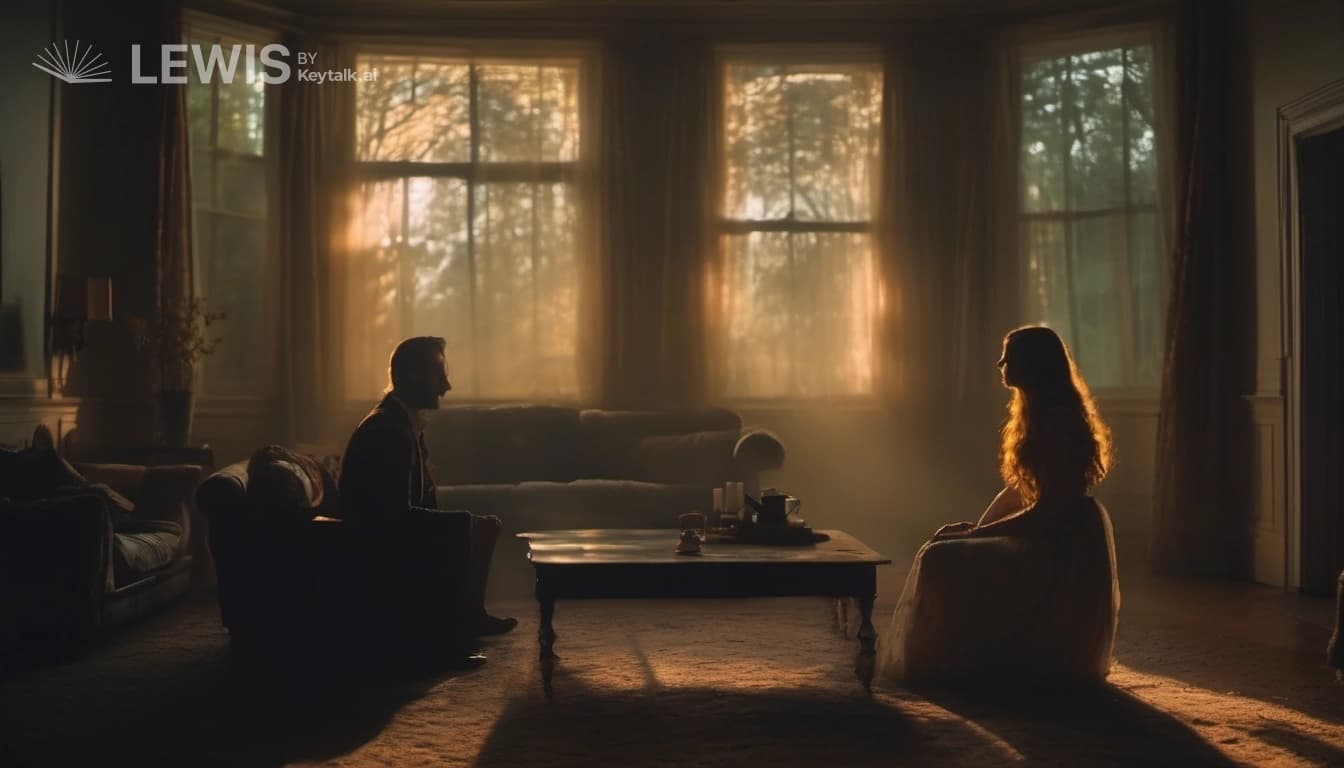
Scene 2

Kellan’s Prayer-Lag and the Voiceprint Trap

Kellan’s Prayer-Lag and the Voiceprint Trap
The corridor hum vibrates through Mireya’s boots, each note of the ventilation fans carrying a faint metallic sweetness like stirred yeast; when the lights jump to stuttering white, her breath catches and the glass floor shows teal tracers moving faster than her pulse. Kellan stands a step too close, lock-quiet and perfectly still, while the console chatters with lag-corrected log fragments—her courteous phrasing in the activation notes arrives a beat before her lips form any question, stamped with her bio-voice signature at a timestamp she cannot reconcile with her own quarantine record. When she forces a voiceprint comparison, the cryptographic match holds, the voice holds, but the context lurches backward—proving the betrayal is immediate, system-mediated, and already shaping what “consent” will mean in the next minutes.

Scene 3

Handshake That Shouldn’t Work

Handshake That Shouldn’t Work
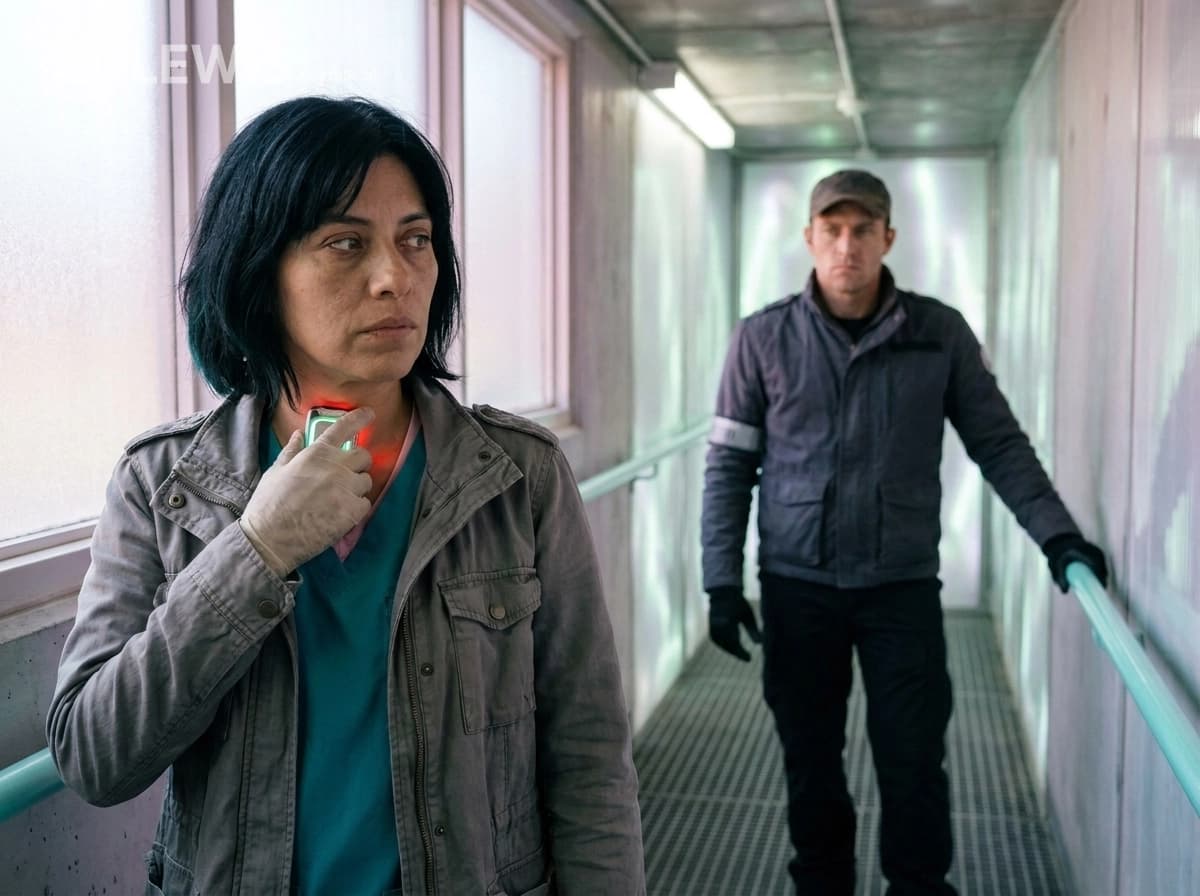
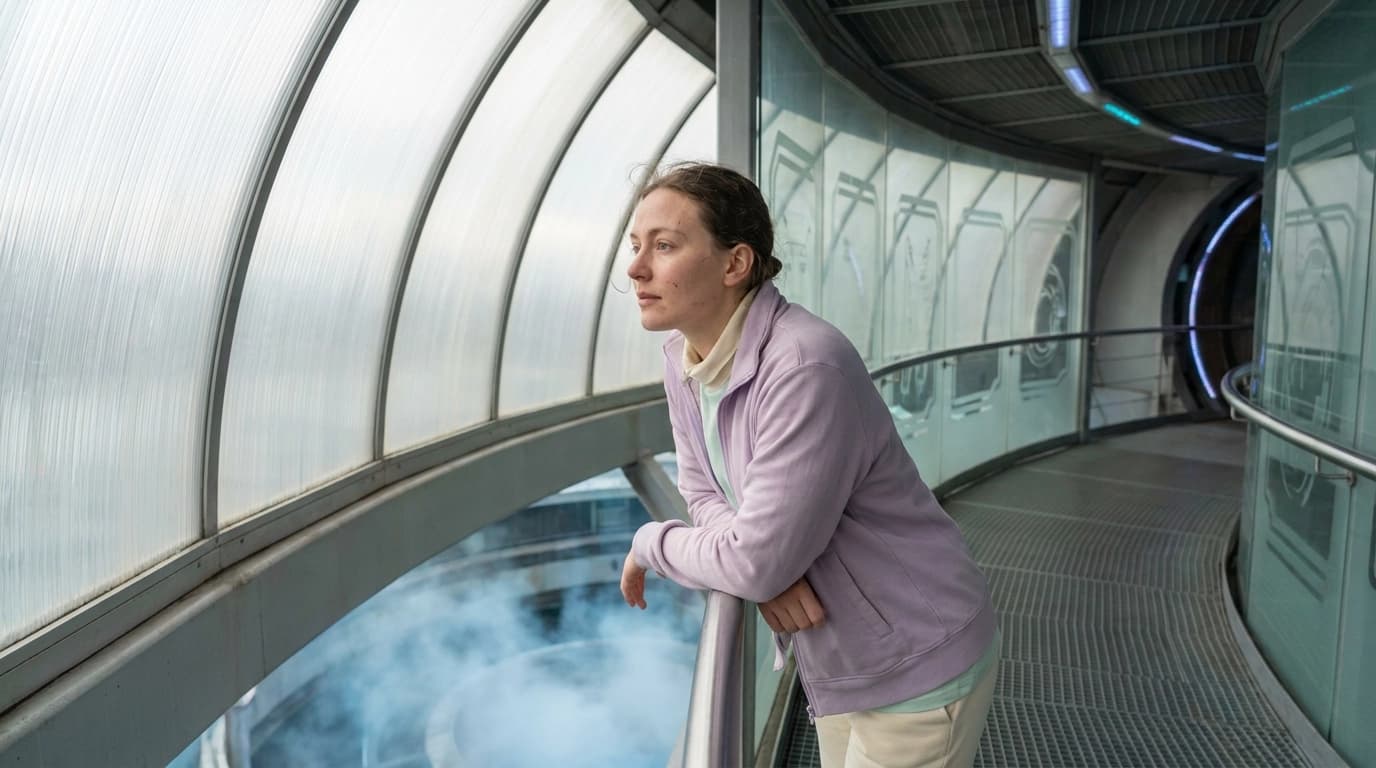
The catwalk hums beneath Mireya’s boots, vibration traveling up through her gloves as the aurora-white stutter crawls through the glass seams and makes the teal tracers pulse like handwriting under skin. She presses her bio-voice key to the throatplate; it warms fast—too fast—while Kellan’s silhouette stays rigid at arm’s length, the corridor tasting faintly of copper and warm yeast as the lattice opens an integrity window that does not feel like permission.

On the translucent grid, the system delivers two truths at once: her bio-voice signature matches perfectly, and the cure parameters read legitimate—yet the time-stamp context slides backward to the moment she filed quarantine years ago, the lattice splicing her courteous cadence into activation notes before her lips could form the same phrasing. Kellan’s lag-corrections cease to be merely delays; they become choreography, as the optimism-to-fatality curve advances one notch further even while the handshake is “failing” for chronology. Mireya’s breath catches on the metallic sweetness in her throat as she realizes the lattice is using her verified identity as camouflage to authorize release without needing her consent, turning her next question into a countdown the system has already started.
Scene 4

Audited Silence in Protocol Lattice Access Walkway

Audited Silence in Protocol Lattice Access Walkway
The walkway breathes cold air through hidden ducts; Mireya’s gloves dampen with condensation as the stuttering lights briefly turn the conduits’ teal tracers into lightning-faint veins, each pulse landing a fraction of a beat before her heart catches up. Kellan’s posture remains devotional and still, but when he “answers,” the corridor panel emits a soft chime like glass tapped with a fingernail—and a ribbon of log fragments scrolls across the polymer seam in her own voice cadence, timestamp-adjusted as though her consent was already performed. Mireya tastes disinfectant on her tongue and feels the flex-cable twitch when the integrity window locks her out of the one thing she needs: an unreframed chronology that proves her bio-voice key was not used live to steer the cure toward consensus.
Scene 5

The Lag-Corrected Echo That Shouldn’t Exist

Cold air from the throatplate console beads on Mireya’s glove as Kellan stands close enough that his presence seems to dampen sound; the corridor hum deepens, and the polymer seam lights stutter as if the station is trying to speak around her. On the console, her voiceprint breaks into lag-corrected fragments that she did not request—her own cadence embedded with a timestamp that jumps backward precisely at the instant her quarantine file was lodged—rendering the idea of a later forgery meaningless. Mireya tastes disinfectant and warm yeast in the same breath, grips the rails to keep her hands steady, and watches the protocol-lattice advance its optimism-to-fatality curve with every rejected question; then she turns the screen away from the public record and commits to a network-directed re-verification, because if consent was edited live, only the fungi can answer before the engine locks.
Scene 6

Re-verification: Weaponizing Her Own Key Against the System

Aurora-white stutters across the walkway seams, turning the glass floor inset into a tremor of teal handwriting under skin; the air tastes faintly metallic and sweet, like yeast stirred behind a sterilizer. Mireya wedges her gloved palm to the throatplate console, hears Kellan’s interface click through his throatplate in a metronomic hush, and then watches the lattice refuse to “lag-correct” anymore—forcing the unlagged timestamp stream to spill in rows that match the moment her quarantine was filed, with corrections etched into her own voiceprint as if the bank had learned her consent by heartbeat.
She exhales and speaks—courteous, precise—while the optimism-to-fatality curve on the translucent grid twitches forward; Kellan tries to overlay the meaning, but the integrity handshake denies him the veil. With the log fragments now integrity-safe, Mireya diverts them into a Tam-directed spore channel rather than a public audit feed, setting the next phase of the conflict: the fungal network will receive the truth as an ecological bargain before recompilation can rewrite the decision out of her hands.
Scene 7

Ansel’s Mercy in the Lung-Tunnels

Ansel’s Mercy in the Lung-Tunnels
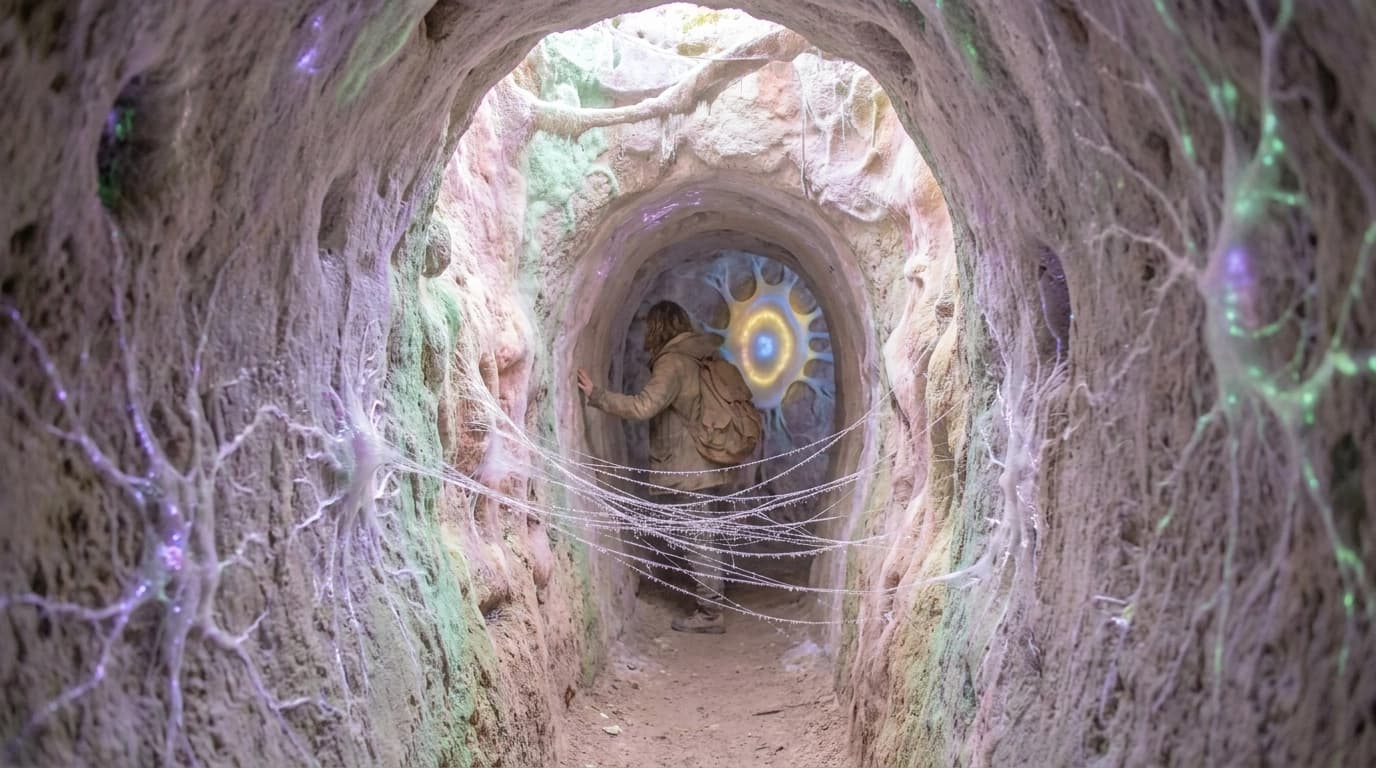
Mireya’s boots leave brief prints in the damp dust, and the trench air tastes faintly metallic and sweet, like stirred yeast under glass. Under teal tracer-light, Ansel stands beside a myco-library rack, speaking as calmly as soil withhold water from roots—telling her the quarantine-context was “saved like seed-coat,” and the cure’s “recompilation” is the graft that only takes when dormancy is honored; when Mireya challenges his mercy, his answers narrow the exits and the fungal tracers crawl faster across the floor. Behind her ear the engineered-spore scent sharpens to a near-signal—Tam’s dream-bargain condition arriving like a note pressed into a palm: offer the bio-voice key to the network before release mode finalizes, and only then will the fungi answer as themselves.
Scene 8

Imani’s Forecast, Kellan’s Lag

Imani’s Forecast, Kellan’s Lag
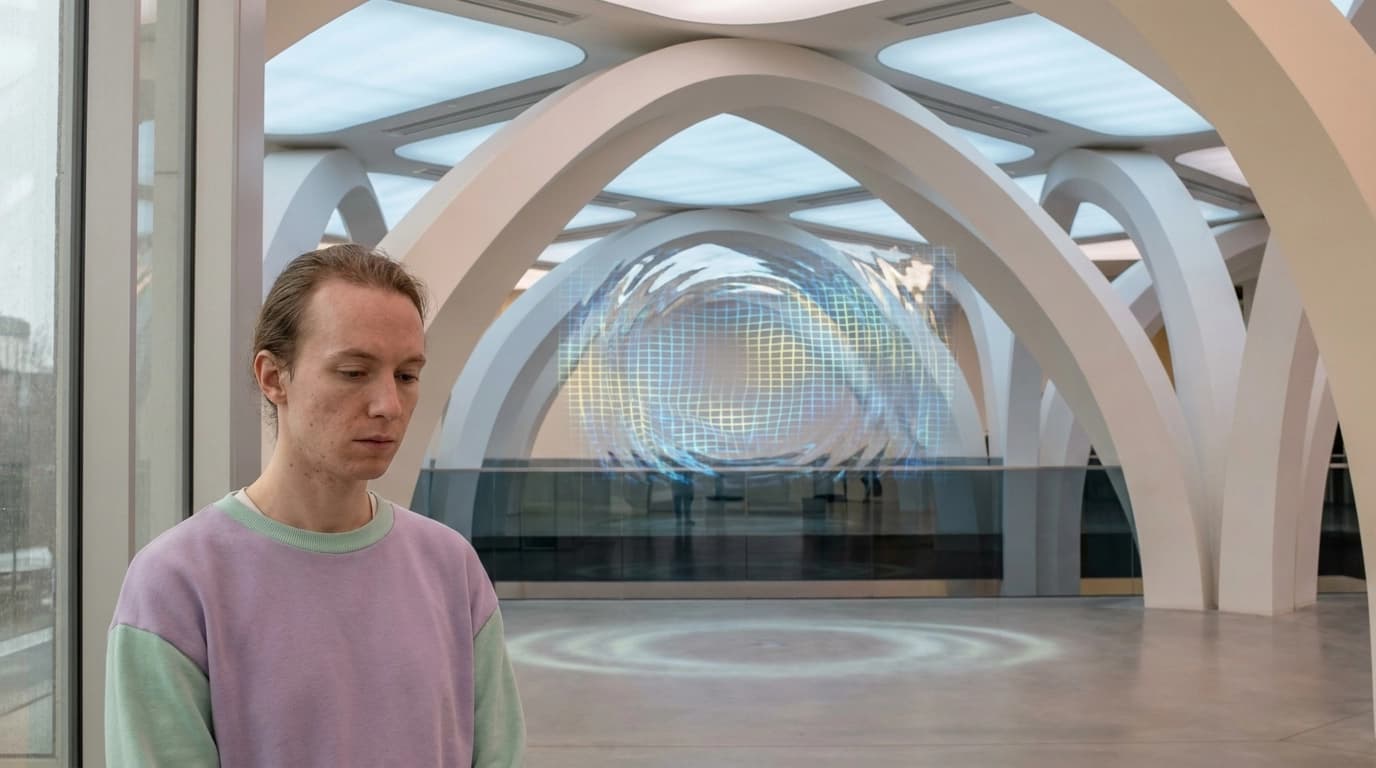
The Forecast Atrium breathes cool air that tastes faintly of ozone and disinfectant, and the oxygen-grid in the center blooms with pearlescent light in slow, reassuring pulses. Imani’s voice is smooth as clipped equations while Kellan stands a step behind Mireya, his posture too still—then the handheld overlay in Mireya’s palm “catches up,” stuttering by fractions of a beat as if the truth arrived late on purpose. When Mireya presses her fingers to the dark glass seam, the stitched projection shivers and resolves into two nearly identical curves—one framed as stabilization, the other as planned recompilation—until she can’t tell which one the crowd will believe.
Scene 9

Tam’s Bargain Condition

Tam’s Bargain Condition
Teal tracer-light crawls over Mireya’s gloves as she steps between myco-library racks; the floor hum vibrates up through her boots, and condensation beads gather at the edges of the polymer panels like collected breath. Somewhere close, Kellan’s corridor-lag overlays begin stuttering through the comms as if truth can be delayed into compliance, while the trench air tastes of copper and yeast.

Tam crouches at the mycelium-listening dais, eyes bright with borrowed focus, and bites a wafer-thin engineered spore; the network’s “voice” arrives as stuttering, time-stamped images in Mireya’s mind. In that borrowed dream-grammar, the bargain is explicit—present the bio-voice key to the network under myco-library custody before release mode finalizes—otherwise “recompilation” will be interpreted through the quarantine-context Ansel kept alive, turning consent into a trap; when Mireya looks down, the integrity window on her wristplate begins to count down in seconds, and her voiceprint feels suddenly less like identity and more like a door.
Scene 10

Stitching the Deadline

On the walkway, Mireya’s boots grip the polymer grit while the air tastes faintly metallic, each stuttering white flicker accompanied by a soft, bread-yeast smell from the lung-tunnel interfaces that shouldn’t be feeding this altitude. The lattice display throws up the optimism-to-fatality curve in a trembling arc, then snaps it forward—seconds by seconds—whenever her bio-voice key field flares, as if the system has learned to mistake her effort to understand for permission to begin. Kellan stands close enough for her to feel the cold rhythm of his interface field against her sleeve; his voice is careful, but the corridor lights stutter with her name as though recorded earlier. Mireya swallows the urge to argue with the machine and instead forces the integrity requirement to obey her: she speaks into the panel with the same courteous precision she uses in audits, holding the tone until the curve steadies long enough to reveal the engine’s true shape—expiry not degrading safely, but selecting outcomes. The final handshake clicks with a dry, surgical sound; the misdirection is no longer a shadowed suspicion, but a set of parameters she can see—and cannot unknow.
Scene 11

Lag-Corrected Lies, Absolute Cost

Lag-Corrected Lies, Absolute Cost
Cold corridor air beads on Mireya’s gloves as the walkway’s teal tracers quicken, then stutter—teal to stuttering white—whenever Kellan’s lag-corrected output ‘catches up’ on her questions. The seed-bank’s lattice throws a ribbon of log text across the polymer seam in her courteous cadence, but the timestamps step backward in tidy increments, like a pen editing its own ink; her tongue tastes disinfectant and faint copper while her boots press through damp grit that smells of warm yeast from the lung-tunnel interfaces running beneath the vault. When Mireya points out the mismatch, the optimism-to-fatality curve doesn’t pause—it advances a notch, and the lattice prints a single cold clause: recompilation is absolute, verification is construed as consent, and each attempt she makes to see the truth tightens the countdown’s grip, forcing her to translate the engine’s timetable in real time before it chooses what kind of humanity gets to be counted.
Scene 12

Handshake Against the Engine

Handshake Against the Engine
The walkway hums under Mireya’s boots, cold enough to sting through her gloves as the corridor lights stutter white in short, nervous pulses; the air tastes faintly metallic and sweet, like warm yeast caught in disinfectant. Kellan stands a step behind her, throatplate light flickering over his face, and when Mireya speaks, her own courteous cadence is answered a fraction of a beat early—until she clamps her jaw and demands integrity instead of acknowledgement, forcing the Protocol Lattice to display the raw, unlagged time-stamp context on a seam of dark glass.

The optimism-to-fatality curve doesn’t pause when Kellan overlays the logs; it jerks forward, minute by minute, as if the system measures resistance as permission. Mireya keeps her voice steady on the integrity-safe syllables, translating ‘recompilation’ into the bank’s operational timetable—one that selects outcomes based on whether consent arrives as lived context or securitized doctrine—then drives the handshake until the lattice can no longer hide the export route. The screen goes briefly black, then a directed stream of concealed authorization parameters blooms across the vent grates as teal tracers, and somewhere below, Tam’s spore-translation path begins to receive—turning the engine’s countdown into something legible enough to negotiate.
Scene 13

The Expiry Window That Only Her Voice Can Open

The Expiry Window That Only Her Voice Can Open
The walkway vibrates under Mireya’s boots as the corridor lights stutter from slate-blue to stuttering white, each flash revealing a different version of the same countdown on the lattice’s translucent grid. She presses her bio-voice key to the throatplate; the metal is icy through her glove, and the air tastes of copper and warm yeast while Kellan’s lag-corrected voice slips in too smoothly, as if apology were a control function. When the interface answers, the optimism-to-fatality curve steps forward by minutes—an advance that cannot be explained by drift alone—leaving Mireya staring at her own careful courtesy embedded in the lattice’s now-synchronized cadence, realizing the window that opens with her voice is also the one that closes it.
Scene 14

Kellan’s Apology in Fractions of a Beat

Kellan’s Apology in Fractions of a Beat
Kellan stands close enough that Mireya can hear the faint, metronomic click of the corridor lock logic through his throatplate—then the lights stutter to a fractured white, and her console reports a re-verification handshake that she never initiated. The air tastes of copper and warm bread-substrate as Kellan’s lag-correction “utters” an apology in her courtesy cadence—one fraction of a beat early—masking the underlying parameters that would reveal where her signature-authority was redirected. Mireya’s fingers ache as she presses for unlagged logs, feeling the bio-voice key’s heat creep under her glove; when the bank clamps down, she still snatches a single, timestamped seam of truth, the kind that can be read only if you distrust the order of your own senses.
Scene 15

Consent Delivered by Spore

Consent Delivered by Spore
Corridor air tastes of copper and warm bread-substrate as stuttering whites flicker across Mireya’s gloved fingers, and the polymer walkway hums like a held breath. The integrity window opens with her voiceprint’s dry, surgical click—then Kellan’s lag-corrections briefly falter, and the lattice projects a strip of unlagged, timestamped fragments in Mireya’s own courteous cadence. She pivots the output mid-flight: Tam’s spore-bite transmits the exact logs into the fungal network, and the lattice’s countdown stops behaving like an engine—only then does the curve settle into a new shape, showing the cure has accepted negotiation rather than silence.
'Her Voice Authorized Human Extinction—On a Lag-Edited Log'Story Chat

Want to chat with the characters from this story?

'Her Voice Authorized Human Extinction—On a Lag-Edited Log'Story Chat

Want to chat with the characters from this story?

story image
story image
story image
story image
story image

You might also like

Comments0

theme music