Plot Synopsis
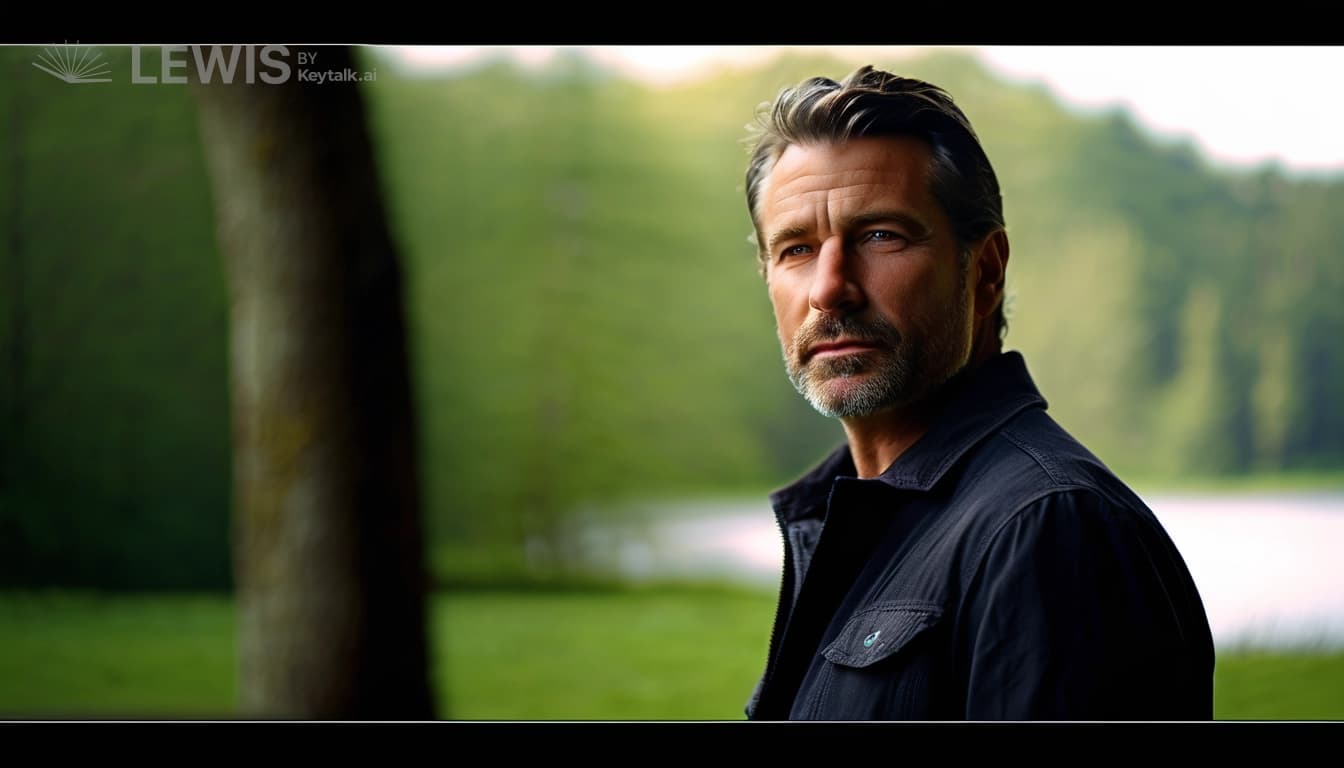
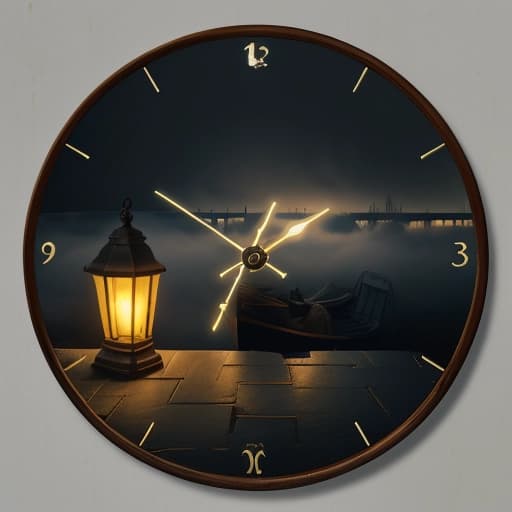
At dawn on the day after the foghorn begins to misbehave—blasting a second longer than its calibration—Elias Rooke climbs the spiral of Rookery Spire with the same careful dread he uses to measure tide pressure, fingertips hovering over bolts as if touch alone might keep the mechanism honest. He has records from the first anomalies, scraps of ledger-fiber and iron gall notes that he keeps wrapped in oilcloth, because if the foghorn edits memories, then proof is the only anchor that doesn’t drift. The second-long blast reaches Larkharrow and, by midmorning, a fisherman named Bram Helt stands in Drina Holt’s clinic with tears already drying on his face, blinking as if he has just woken from someone else’s dream—his grief for a missing brother replaced by a memory of being rescued by a stranger in a lantern-lit boat. The village, hungry for coherence, begins to treat the foghorn keeper as a kind of oracle, though Elias knows what they want is not prophecy but permission to believe.
Elias reports the discrepancy to Maera Vell, the guild archivist who claims the wreck-lore charts can anticipate where the fog will “loosen.” Maera arrives with salt-stiff papers that smell of iron and smoke, her certainty expressed as a soothing cadence. She frames the new “dream-rescue” as an old incident misremembered, then offers Elias a trimmed document whose margins look ink-normal until he blinks—when the writing seems to rearrange itself into obedience. Elias’s own records contradict her, and rather than forcing a confrontation that could make the whole village panic, he doubles down on routine, insisting—quietly, fiercely—that the lighthouse can be persuaded to keep editing without widening into identity-collapse. He tells himself he is choosing mercy: he is choosing what version of truth can stand without tearing Larkharrow apart.
But the foghorn’s rule-bound cruelty doesn’t care how gently Elias wants to hold the needle. With each next dawn, the one-day lag becomes a drumbeat: first fragments drift into kitchens and clinics as sea-glass dreams, then consolidate by midday into what everyone now swears happened. After the third blast, Drina Holt begins to notice a pattern in the way the rewritten memories land—always on emotionally anchored “loose threads,” always in proximity to the kind of story that makes scapegoats easy. When she comforts a mother whose grief has been rewritten into anger toward a neighbor, her own jokes turn thin at the edges, and her compassion becomes a liability she resents: Oren Lask taught her once that mercy can loosen the wrong thread, and Elias has been so careful with reassurance that it starts to feel like he’s giving the fog a handle.
As the weeks draw closer to the guild’s annual ledger-audit—when collective records will lock into their new version—Maera pushes the argument she has practiced like a hymn. The guild needs a usable history, she says, and usable histories keep people from starving on questions. She wants Elias to maintain the mechanism rather than silence it, and she hints that stopping the foghorn even temporarily will force the lighthouse to draw the missing sound from dreams and shared recollection, accelerating identity collapse in those closest to the shore. Elias’s hands tighten around the manual latch he’s licensed to use; he imagines the soundless air, the sudden tearing of what people think they remember about their own names. He cannot bear that outcome, not even when his own ledger begins to contradict itself—ink shifting in the margins unless he reads it through candle smoke, as if the foghorn is teaching him that even his method of seeing is part of the trap.
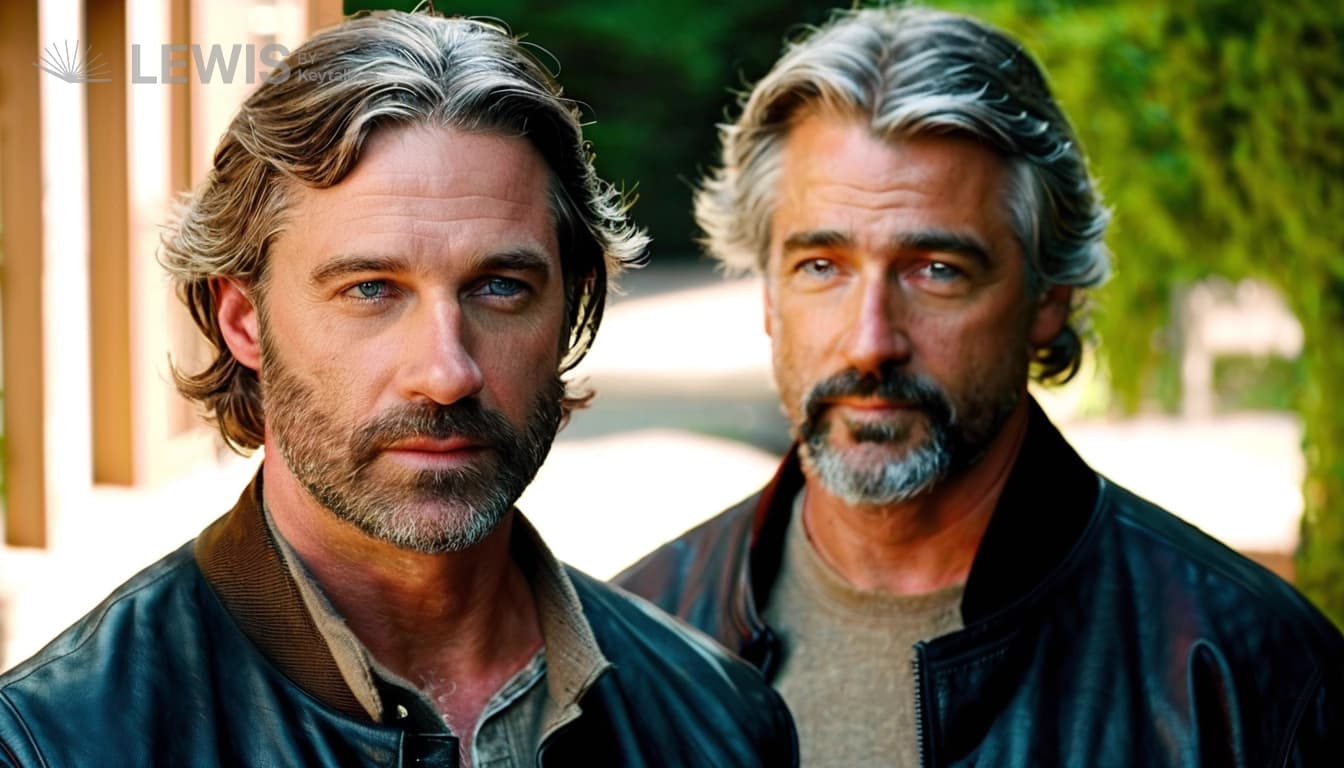
Oren, the former assistant who taught Elias to listen for harmonics, enters the story as both witness and warning. He appears at the lighthouse under the pretense of checking the tidal nets, speaking with that metronome tenderness that makes Elias remember the first time he learned to tune by ear. Oren’s lesson about structure of consequence, about mercy being a volume knob, is offered again—this time with a private edge, as if he wants Elias to choose rules over heart. Yet Elias notices something unsettling: Oren smiles when a rewritten memory provides clarity, because it saves the village from discomfort at the cost of someone else’s innocence. When Elias confronts him with evidence that the new histories exonerate people the old records implicated, Oren doesn’t deny it; instead he tells Elias that the sea edits “what can survive,” and that survival always demands sacrifice. His guidance becomes sabotage disguised as counsel—quietly nudging Elias away from attempts to preserve particular truths and toward compromises that feel humane until they settle like mildew.
Elias’s sense of agency narrows, but it never disappears. It narrows into the one place he still believes he can steer: what counts as proof, and what kind of truth can exist outside pure recollection. That is where Sable Quill slips into the story like an overdue conscience. A night fisherman and contraband courier, Sable trades in small truths that aren’t tied to paper—thread counts sewn into hems, pantry jar markings, wax seals mixed with proprietary shell dust, hymn verses that can be recited from memory without becoming a loose thread. She bristles at Elias’s assumption that he can gatekeep what Larkharrow is allowed to remember, and she insists she doesn’t care which truths the fog erases. Yet every time the foghorn rewrites someone’s identity, she is the first to show up with a coded receipt tucked into a stove seam or a token wrapped in rope fiber, quietly planting competing anchors that might resist being edited. When Elias finally admits that his ledger scraps are being overwritten in ways he can’t fully explain, Sable’s indifference curdles into furious, meticulous intervention, because the fog is starting to erase accountability as easily as it erases names—and she knows too well what it means to live in a town that cannot agree on why a wound happened.
Their alliance is uneasy, built from mutual utility and hard-earned grudges. Sable wants Elias to stop pretending his choices are neutral; Elias wants Sable to stop planting anchors that attract attention, because the foghorn’s mechanism “tests” proofs and—if they contradict the new rewrite—it doesn’t simply erase them. It edits nearby memories until the world feels self-consistent, which means that any token can become the seed of a harsher narrative. Every competing anchor becomes a new target: the fog prefers the most recently planted falsity, and it escalates when falsity is introduced with confidence. So Elias and Sable begin to operate in the gray space between proof and provocation, choosing which truths to carry and which to let drown, deciding that resistance itself can be a form of violence.
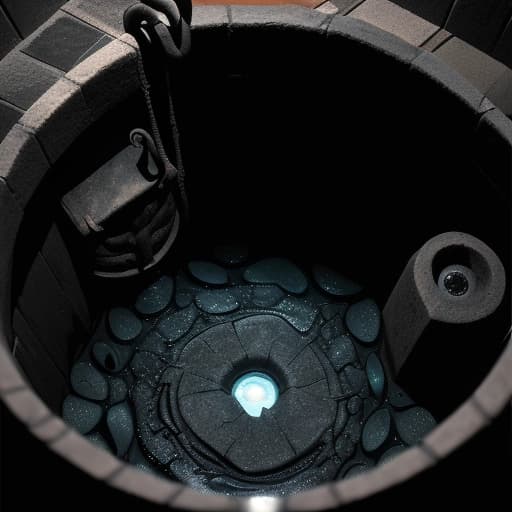
The conflict tightens when the foghorn’s anomalies start to point toward a specific, long-buried bargain Maera has fought to keep alive. People begin to remember a wreck that never should have been survivable—an oath sealed with guild wax and a promise to offer a certain kind of sacrifice to the origin well in exchange for safe tides. Under the new versions, the person blamed for betraying the bargain vanishes from the stories entirely, replaced by someone else’s courage or someone else’s cowardice. Elias finds that one of his original ledger scraps, the oldest surviving token of the bargain, now bears shifting margin script—altered not in form but in implication—making it appear that the “traitor” had been guilty all along. In clinics and kitchens, the village’s certainty becomes a weapon pointed at the wrong throat. Drina’s “memory reading” sessions turn into quiet interrogations the community didn’t mean to perform; parents arrive seeking comfort and leave asking questions that hurt, because the fog has taught them how to make anger feel like evidence.
Drina Holt, initially a sympathetic bridge between Elias’s fear and the village’s need, becomes the story’s most volatile conscience. She tries to push Elias toward clarity, insisting that the pattern in the rewritten dreams suggests targeting rather than randomness—foghorn edits are landing near the emotional loops that would redirect blame. But when she speaks too forcefully about “why,” the village begins to redirect its own anger into a consensus she doesn’t control. There is an elegant, wrong execution of memory: a man is publicly confronted with a rewritten confession and treated as if he has always been the betrayer, and Drina’s attempts to soften the community’s certainty only loosen the emotional anchor that the fogwormed narrative can grab. She starts to joke about the fog’s “bad manners,” but the humor is gallows-thin, because she understands that every comfort she offers risks giving the foghorn the adjacent harsher memory it wants.
Meanwhile, Maera’s archival authority becomes increasingly theatrical. She hosts private “verification” nights in her ledger room, where wreck-lore charts are consulted and certain details—always the details that matter—are quietly omitted. Elias presses for the untrimmed version of where the fog-origin rewrites begin, but Maera only offers documents that feel genuine while arriving already edited, as if the brass plates beneath the lighthouse have decided that Maera’s version of truth must be the one that survives. When Elias discovers that the guild audit day is not merely when records lock, but when the fog intends to end the cycle by stabilizing a final narrative, he realizes the ticking clock isn’t only about time; it is about who will be allowed to keep their identity after the mechanism’s mercy runs out.
The climax forms from the collision of three plans that each contain its own kind of harm. Maera pushes Elias to maintain the foghorn’s steady rhythm so the village’s locked ledger will preserve the bargain Maera needs, condemning someone convenient into permanent historical guilt. Oren encourages Elias to accept it, arguing that structure of consequence is the only protection against chaos, and that mercy, too often, is a volume knob turned until it shatters. Sable urges Elias to sabotage the lighthouse’s harmony—planting counter-anchors with enough precision to force the fog to misedit the origin narrative rather than the village’s scapegoats. Elias, caught between these pressures, decides—reluctantly, painfully—to use the manual latch not to stop the foghorn entirely, but to interrupt the mechanism’s cadence at the moment of maximum emotional anchoring. He believes he can redirect the missing sound’s draw toward truths he chooses rather than truths Maera has curated.
He is wrong in the way only rules can be wrong. When Elias engages the latch on the day of the audit approach, the lighthouse doesn’t simply fall silent; it steals the missing sound from dreams and shared recollection in a localized radius, accelerating identity collapse faster among those closest to the shore—the very consequence Elias has feared most. The village reels: memories scramble, names become unstable syllables, and the glass-grain residue appears in patterns that feel less like weather and more like handwriting. Yet amid the panic, Elias and Sable find an opening. The foghorn’s “test” behavior with proof means that if they can introduce a token that contradicts Maera’s curated narrative strongly enough, the fog will not erase it; it will rewrite nearby memory to make the contradiction feel consistent. So they prepare a carefully distributed set of competing anchors—tokens tied to the bargain’s original ink, wax seals with a mixture that survives rewriting, and coded receipts meant to travel through households before the final consolidation. They coordinate not just what to preserve, but when: the dream-fragment drift is their clock, the clinic and kitchen their battleground.
During the final foghorn blast implied to coincide with the guild’s ledger-audit day, the air vibrates with that prismatic flecking of mist in lanternlight, and the sea carries harmonics that make Elias’s teeth ache. In Drina’s clinic, patients receive dreams that do not simply change outcomes; they change the emotional anchors themselves, swapping grief and relief in ways that terrify Elias because it means the fog is learning how to steer compassion. Maera attempts to seize control of the narrative by producing her own trimmed “verification” documents at the audit table, certain that she will outlast the chaos with bureaucratic calm. Oren, standing beside her with a smile that looks like relief, tries to steer Elias into acceptance—until Elias realizes Oren’s own private joy has been fear dressed as certainty, and that Oren has been feeding the fog with structural choices as surely as Maera has been trimming paper.
When the counter-anchors finally land, Larkharrow’s shared history fractures and then re-forms into a version no one fully expects: the bargain Maera has fought to keep is still present, but it is twisted by the competing proofs into a different interpretation of who chose betrayal and who was coerced. The scapegoat Maera planned to cement into permanence becomes a victim of mislaid blame, and the “traitor” she needed erased is returned—alive in everyone’s mind but with an accusation redirected toward the guild and the lighthouse keeper’s own earlier mercy. Elias watches, sick with recognition, as his past becomes the new loose thread the fog attaches to. The final rewrite does not absolve everyone; it makes a self-consistent story by condemning someone else: it chooses Elias’s compulsion to control as the justification for the bargain’s survival.
In the aftermath, identity does not snap back like a snapped rope; it settles, knotted. Elias is left with enough ledger scrap and token-residue proof to know what truly happened, but fewer people around him can remember the same truth without feeling like they are lying. Sable receives the relief of a letter finally delivered—only to realize the letter’s contents now function as evidence against someone she thought she was saving, because the fog has edited its meaning to fit. Drina survives the cycle with her compassion intact but chastened: she can no longer pretend comfort is harmless, because she has seen mercy turn into a lever. Maera’s archival authority fractures under the weight of contradictions she can’t fully trim—her documents still look plausible, but now the village’s lived certainty can’t be managed into obedience.
Elias confronts the question that began the story, but with the answer now soaked in consequence: which truths deserve to survive when survival itself can harm others. He considers silencing the foghorn permanently, but remembers the mechanism’s rule—stop it and the lighthouse will draw missing sound from the nearest available narratives, and the town will collapse into grief without structure. Instead, he chooses a harder act of agency. He opens the sealed corridor to the origin well without touching the brass plates directly, using sensory-safe distance and pre-made recording devices that he trusts only because Sable helped him calibrate their tokens. He does not read the plates; he listens to what the lighthouse sings around them, seeking the harmonics that imply where the fog’s narrative substitution originates. Then, in a carefully orchestrated public reckoning, he and Drina present enough surviving proof-tokens to force the village to admit uncertainty as a civic principle rather than a private weakness—burning prayers like the tradition requires, but also refusing to let Maera’s trimmed histories be the only sanctioned version.
The resolution is bittersweet and myth-heavy in its cost. The foghorn does not stop; it continues to enforce the rules of editing, but Elias has created a new social anchor strong enough to make the next cycle less efficiently cruel. The village cannot return to the “unedited” past, because that past has already been sacrificed to the mechanism’s mercy. Yet people begin, slowly, to remember themselves with a different kind of truth: not the exact chronology, but the understanding that any story preserved at someone else’s expense will eventually be rewritten into justice—or into scapegoat. Elias keeps the foghorn, not as an oracle but as a watcher, and he learns to speak to the machine without treating it like it can overhear salvation. Somewhere between salt-white fog and iron-gray stone, the sea’s editor keeps working, but the village, for the first time, fights back—not by trying to freeze memory, but by choosing which consequences they will no longer accept as inevitable.