Spectacle of Justice: The Last Idealist cover image

Spectacle of Justice: The Last Idealist

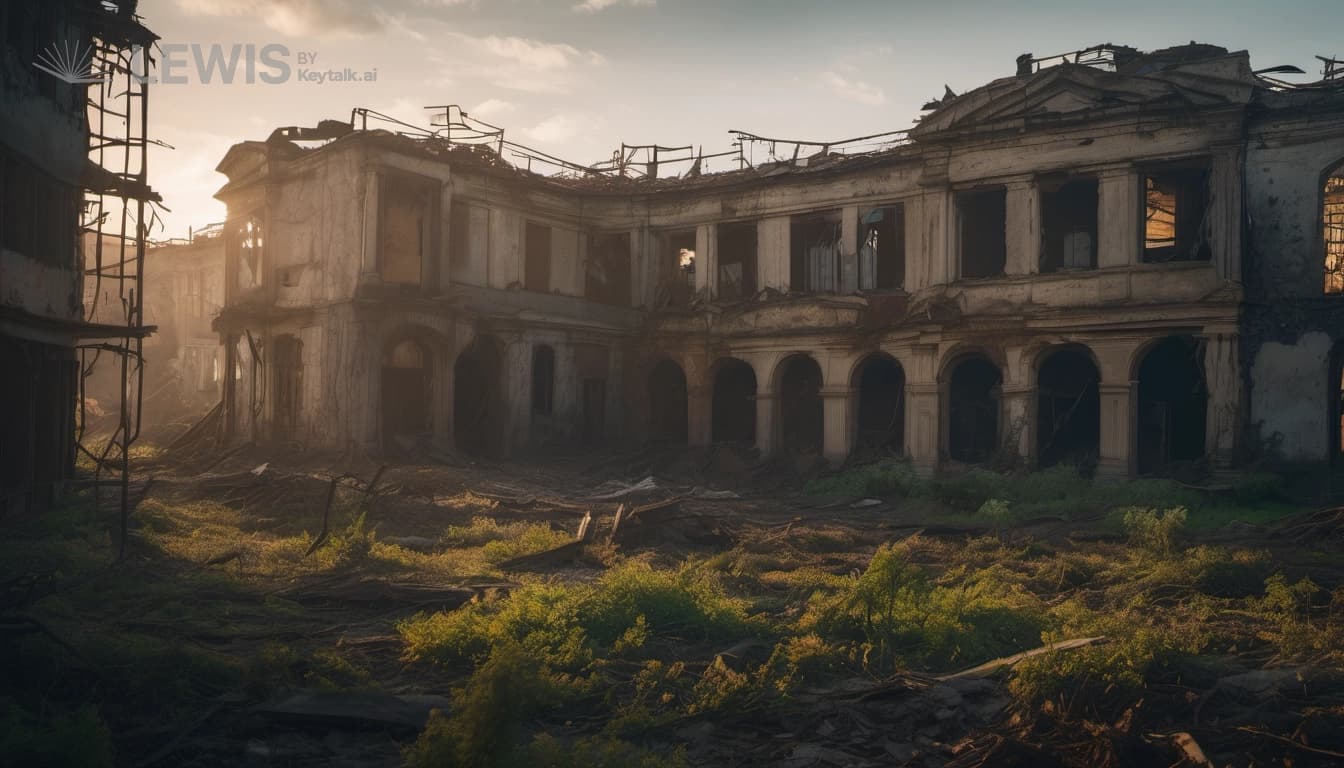
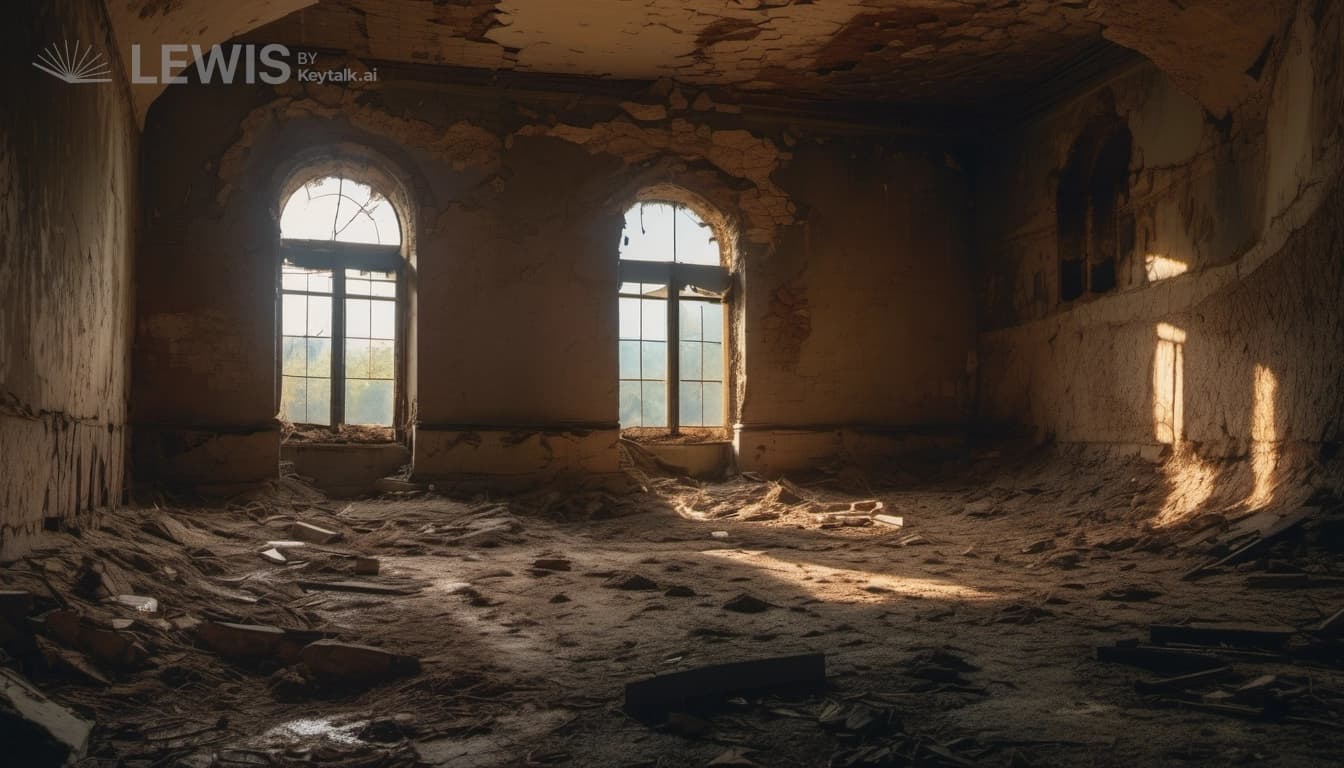
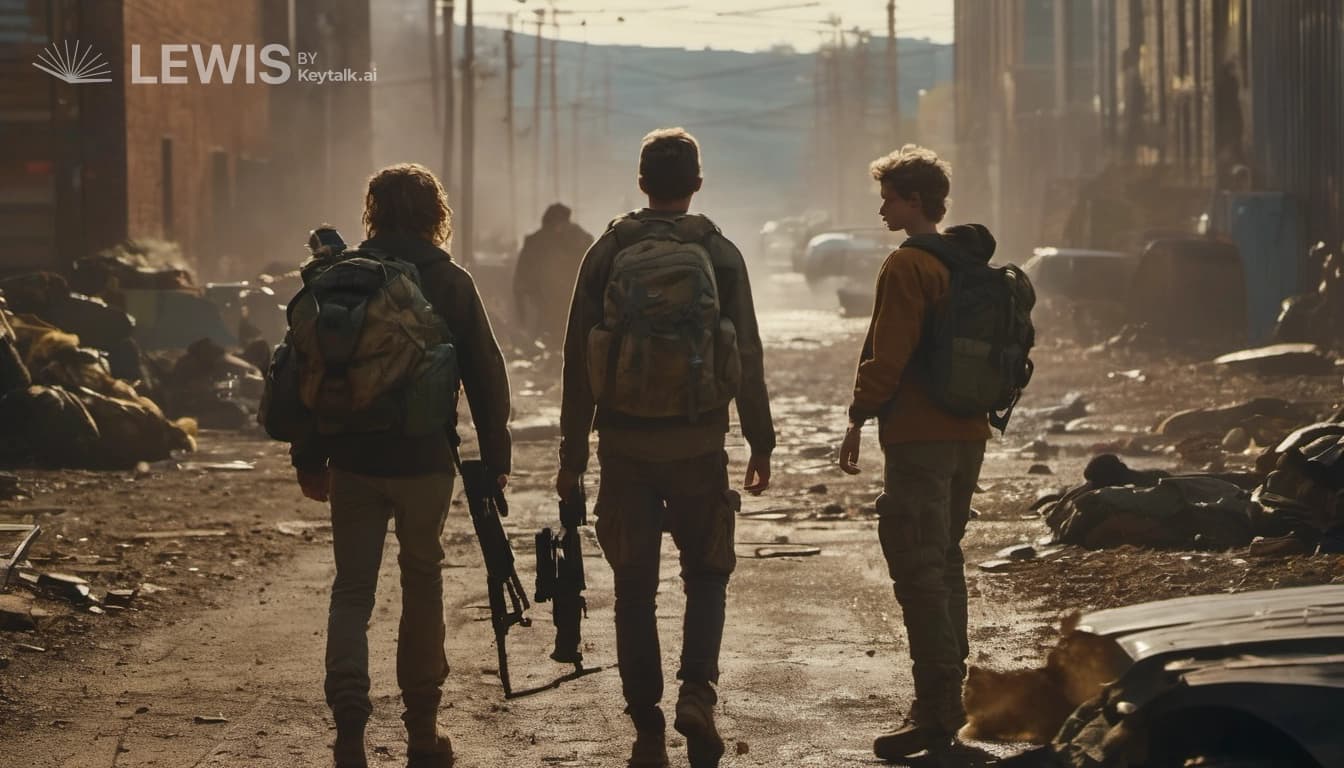
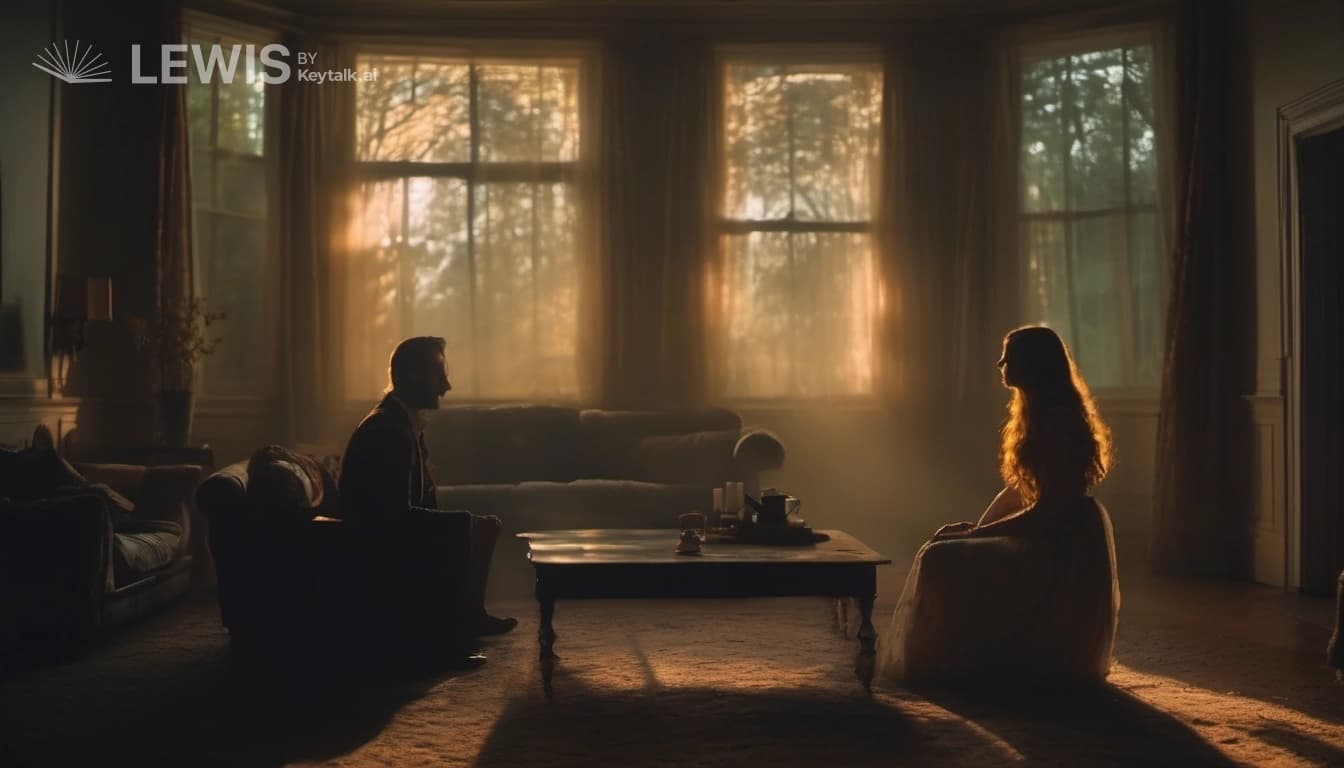
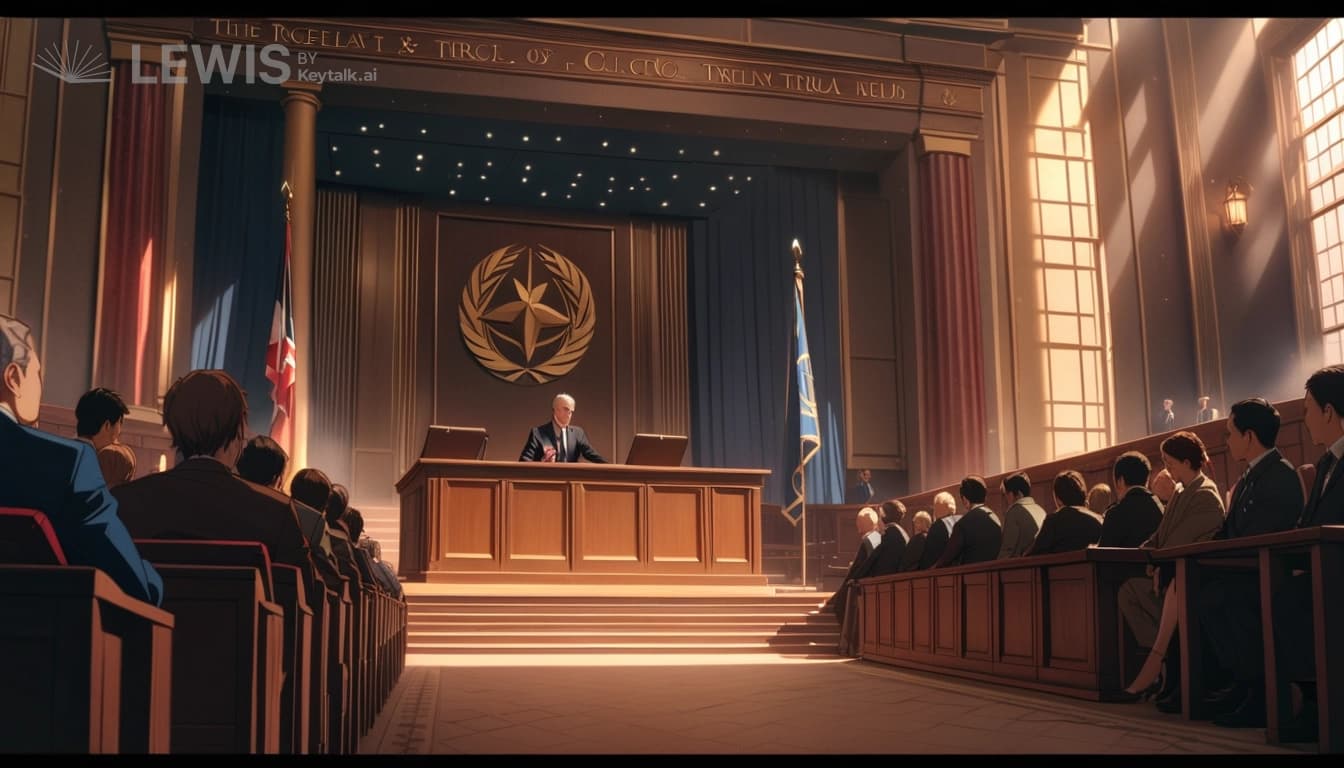
Set against the backdrop of a dystopian future, where courtroom dramas are broadcasted for the world's remaining population, an idealistic lawyer faces the trial of the century, challenging the very fabric of post-apocalyptic justice.

Weekly ranking

rank icon image
#1 inGenre
rank icon image
#1 inTheme
rank icon image
#2 inGenre
Scroll

Character

Protagonist Character

Cassian Vale

GenderMale
OccupationLawyer

Profile

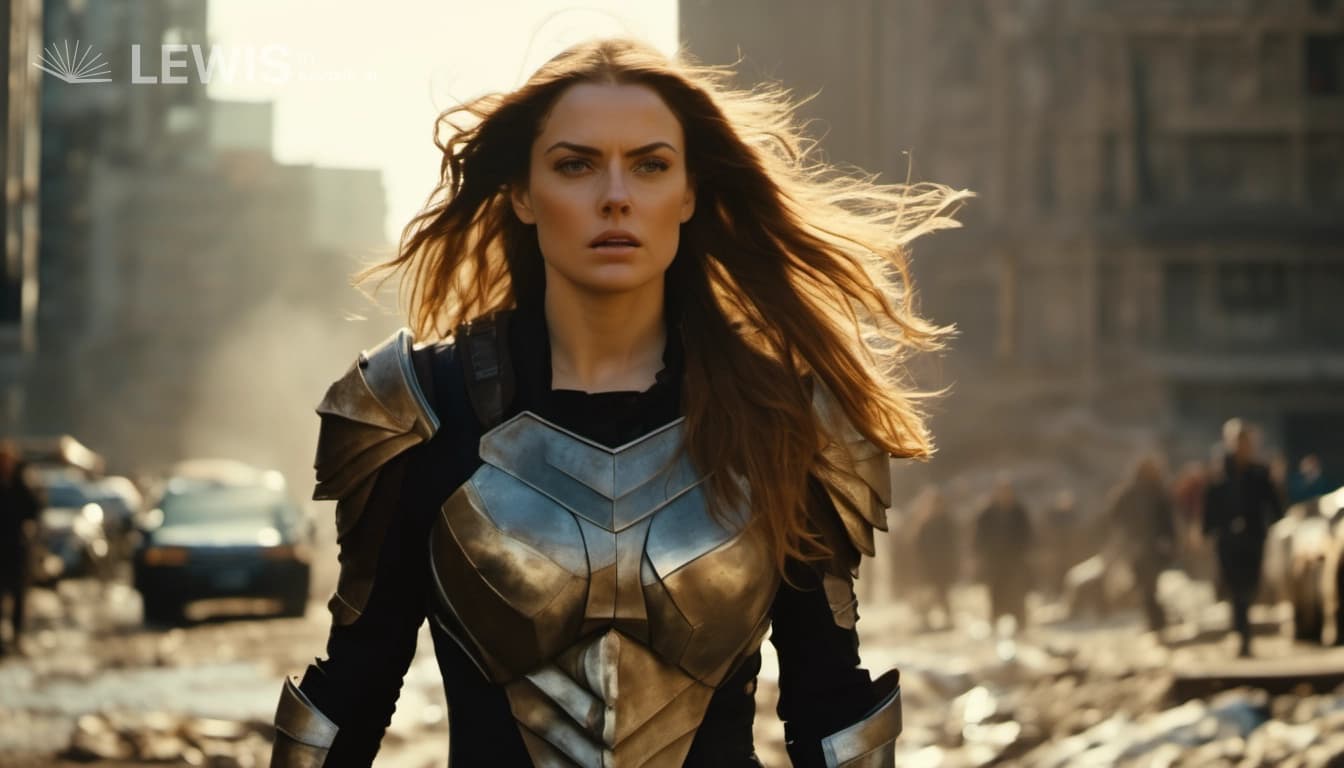
- Profile: At 34, Cassian Vale is a beacon of determination and justice in a world that has nearly forgotten the meaning of both. Of mixed ethnic background, Vale's heritage is a tapestry that mirrors the diverse, crumbling society around him. As a lawyer, his role is pivotal in a dystopian future where courtroom dramas unfold not in the hushed reverence of justice, but under the glaring spotlights of global broadcast, feeding a population starved for entertainment. Within this twisted reality, Vale stands as an idealistic figure, challenging the corrupted threads of post-apocalyptic justice. Internally, he grapples with the cynicism creeping into his own beliefs about justice and morality, questioning if true justice is attainable in a world so fundamentally altered. Externally, his battles are against a system intent on using him as a pawn in its entertainment-driven facade, pushing him to navigate the trials and tribulations of a courtroom spectacle that's far removed from the sanctity of the law he holds dear. Cassian's journey is one of resilience, as he seeks to illuminate the dark corners of this new world order, all while wrestling with the shadows within.
Antagonist Character

Armand Stratos

GenderMale
OccupationChief Justice & Show Producer

Profile

- Profile: At the age of 52, Armand Stratos stands at the pinnacle of post-apocalyptic society as both the Chief Justice and the ruthless Show Producer of the most gripping courtroom dramas broadcasted to the world's sparse population. Of mixed heritage, with a lineage tracing back to both ancient Greek legalists and digital-age media moguls, Stratos embodies a blend of old-world authoritarianism and new-age spectacle. His role in the story unfolds as the formidable antagonist to the idealistic lawyer, believing firmly that the survival of human civilization hinges on the strict enforcement of the law, paired with the unyielding entertainment of the masses. Internally, Stratos battles with the remnants of his moral compass, questioning the cost of humanity’s survival at the expense of justice and equity. Externally, his iron grip on the televised courtroom faces threats from growing public discourse around the true meaning of justice in a crumbling world. Torn between maintaining order in a society on the brink of chaos and his fading belief in the sanctity of the law, Armand Stratos drives the narrative forward, symbolizing the clash between despotism and hope.
Sidekick Character

Virgil Knox

GenderMale
OccupationCybernetic Analyst

Profile

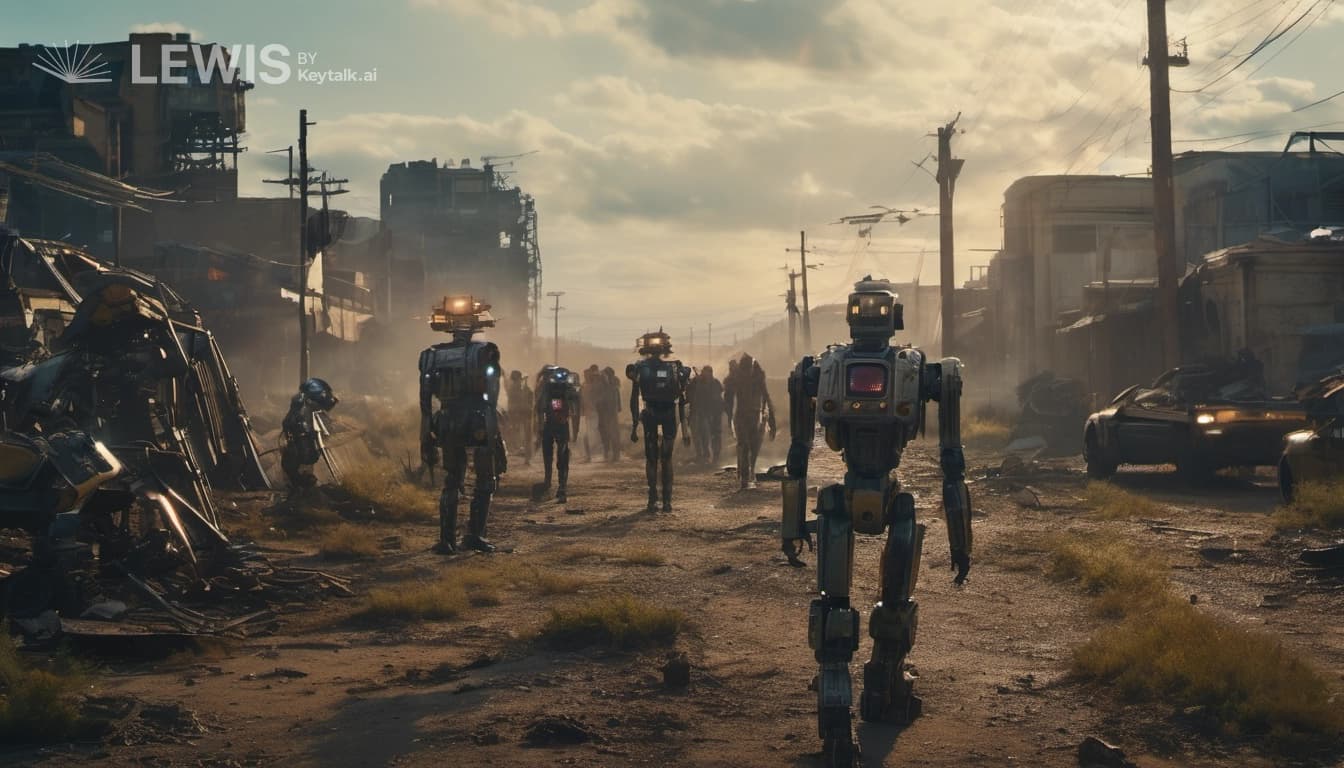
- Profile: Virgil Knox, a 35-year-old cybernetic analyst, emerges from the shadows of a dystopian future where technology intertwines deeply with the remnants of humanity. With a background that blends diverse cultural elements from the old world, Virgil's expertise lies in dissecting and understanding the cybernetic enhancements that have become a staple in post-apocalyptic society. As the idealistic lawyer's sidekick, Virgil plays a crucial role in unraveling the digital evidence and navigating the technologically complex landscape that underpins the trial of the century. His internal conflict revolves around a deep-seated skepticism of the justice system's integrity, fueled by personal losses to the flawed system, while externally, he battles against a society that views his skills with suspicion and fear. Virgil's journey is one of redemption, seeking to restore a semblance of true justice to a world overshadowed by surveillance and artificial adjudication.

Plot Synopsis

In a future where the world has been reshaped by catastrophe and society clings to the remnants of civilization, courtroom dramas have evolved into high-stakes entertainment, broadcast globally to a population desensitized to justice and morality. At the heart of this dystopian world stands Cassian Vale, a 34-year-old lawyer of mixed heritage, who embodies the dying flame of idealism in a society that conflates justice with spectacle. Cassian is thrust into the limelight as he takes on the trial of the century, challenging the corrupted foundations of post-apocalyptic justice and inadvertently positioning himself against the formidable Armand Stratos, Chief Justice and the mastermind behind the judicial entertainment empire.

As the trial commences, Cassian's idealism is put to the test. He navigates a legal maze that is as much about performing for the global audience as it is about presenting evidence and legal arguments. His resolve is further shaken by the cynical views of his sidekick, Virgil Knox, a cybernetic analyst whose expertise and skepticism about the justice system's integrity become crucial to Cassian's strategy. Together, they uncover digital evidence that could not only sway the trial in their favor but also expose the rot at the heart of the post-apocalyptic legal system.

However, Chief Justice Armand Stratos, a veteran of both the old world's legal rigidity and the new world's spectacle-driven justice, perceives Cassian's pursuit as a direct threat to the delicate balance he believes is necessary for humanity's survival. Stratos, grappling with his dwindling faith in the sanctity of law and order, uses his influence to manipulate the trial's trajectory, casting Cassian and Virgil into a web of legal and moral dilemmas.

The climactic moment of the trial arrives when Cassian, having been pushed to his limits, decides to leak the evidence they've discovered to the public, bypassing the controlled environment of the courtroom. This act of defiance sparks a public outcry, challenging the spectacle-driven justice system and, more importantly, stirring the forgotten sense of morality in the populace. Stratos, confronted with the unanticipated uproar, begins to question the legitimacy of his methods and the true cost of maintaining order through entertainment and oppression.

In the story's denouement, the trial concludes unexpectedly—not with a clear victory for Cassian but with a societal shift. The broadcast of the trial and the leaked evidence initiate widespread debates about justice, ethics, and the future of humanity in a post-apocalyptic world. Stratos, facing internal and external pressures, makes the unprecedented decision to step down, signaling a potential change in the direction of post-apocalyptic justice.

The narrative concludes with Cassian and Virgil standing at a crossroads, reflecting on their journey. Cassian's once unwavering idealism has been tempered by the realities of the world he lives in, but he is also left with a renewed sense of purpose. Virgil, on the other hand, finds a semblance of redemption in their efforts to instigate change. Together, they have not only challenged the existing state of post-apocalyptic justice but have also planted the seeds for its evolution, suggesting that even in a world devastated by catastrophe, the pursuit of true justice can illuminate the path toward rebuilding society.
'Spectacle of Justice: The Last Idealist'Story Chat

Want to chat with the characters from this story?

'Spectacle of Justice: The Last Idealist'Story Chat

Want to chat with the characters from this story?

story image
story image
story image

You might also like

Comments0

theme music