Santa’s Last Will cover image

Santa’s Last Will

Amid an icebound Norwegian village where the sun barely rises in December, a disillusioned ex-archeologist stumbles upon a cryptic letter from 1914—rumored to be the first Santa’s will—launching her on a perilous chase across snow-locked valleys and derelict churches, battling both ruthless treasure seekers and her own faltering cynicism as she races to unearth a relic said to bestow a miracle on Christmas Eve, or unleash a centuries-old curse if found by the unworthy.

Weekly ranking

rank icon image
#1 inCharacter
rank icon image
#1 inTheme
rank icon image
#8 inGenre
Scroll

Character

Protagonist Character

Ingrid Sorensen

GenderFemale
OccupationFormer Archeologist, now Village Librarian

Profile

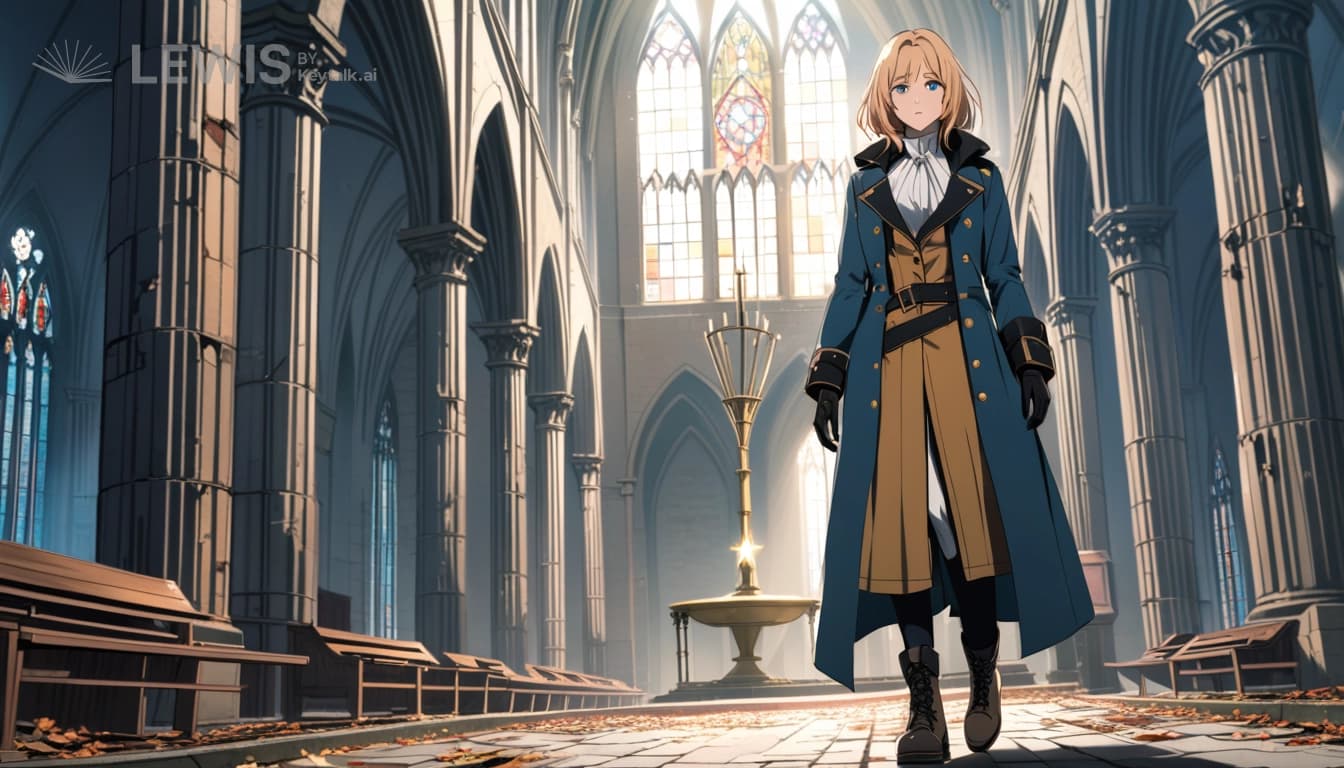
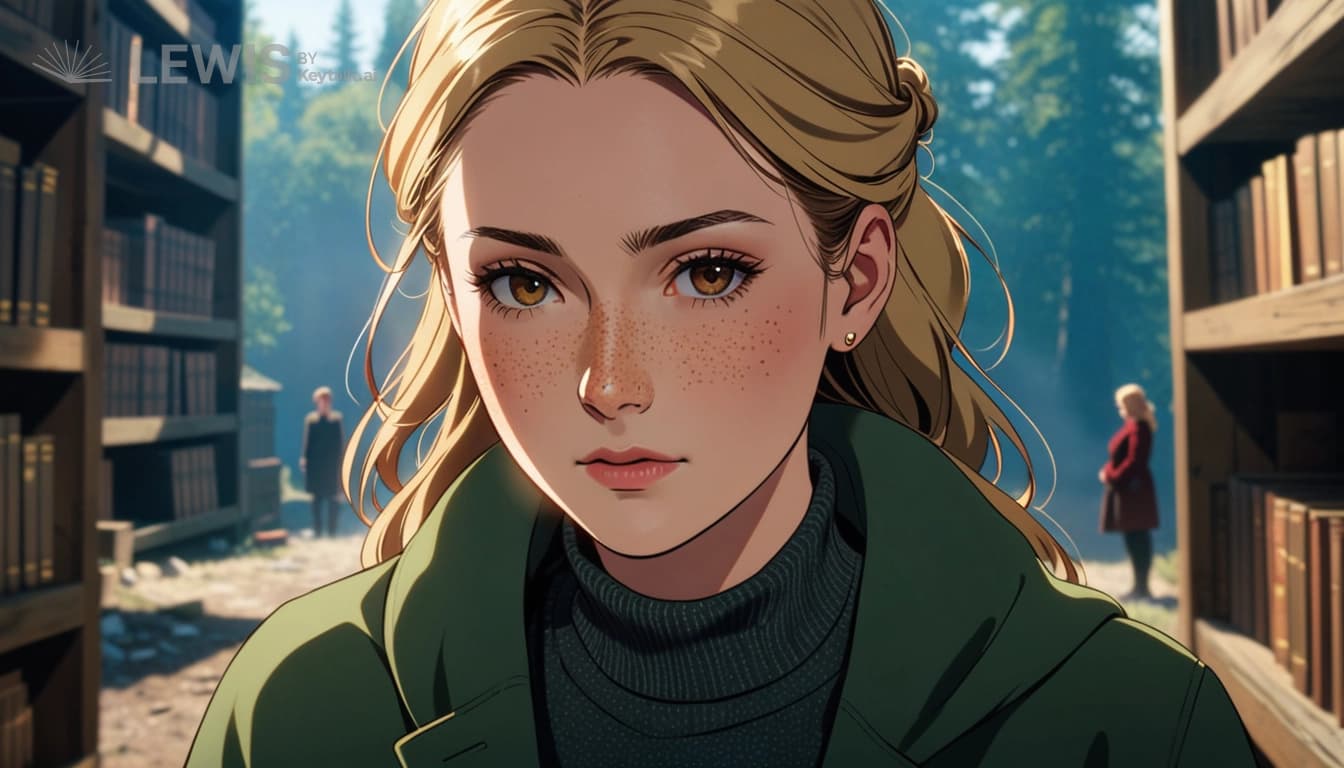
Ingrid Sorensen radiates a striking, almost magnetic presence that turns heads even in the somber chill of her Norwegian village—a tall, statuesque woman with sculpted cheekbones, clear blue eyes that glint with sharp intelligence, and a mane of ash-blonde hair usually twisted into a practical knot beneath her knitted hats. Once a renowned archeologist, she now haunts the quiet stacks of the village library, her beauty undiminished by the world-weariness that shadows her features. Ingrid’s poise is both armor and invitation; she’s meticulously composed, favoring woolen coats, sturdy boots, and gloves even indoors, as if to keep herself insulated from disappointment. Beneath her gorgeous exterior, there’s a mind honed by ancient mysteries and a tongue laced with dry wit—her speech is crisp, nearly accentless Norwegian-English, with a fondness for biting irony but little patience for small talk. Her past is littered with abandoned digs and academic betrayals, leaving her fiercely independent, skeptical of grand narratives, and quietly aching for meaning. Though she keeps neighbors at arm’s length and maintains a solitary existence in a creaky, book-crammed cottage on the village edge, Ingrid is haunted by an unspoken longing to believe in something wondrous again. Her hands are deft, stained with ink and old parchment, and she’s prone to pacing, lips pursed, when wrestling with a new puzzle. Driven by restless curiosity and a hunger for answers, she is at once formidable and deeply vulnerable, shaped by the cold beauty of her homeland and the ghosts of lost ambitions—a protagonist whose grace is rivaled only by the shadows she refuses to name.
Antagonist Character

Viktor Kaskinen

GenderMale
OccupationPrivate Antiquities Broker (with rumored ties to black market artifact dealers)

Profile

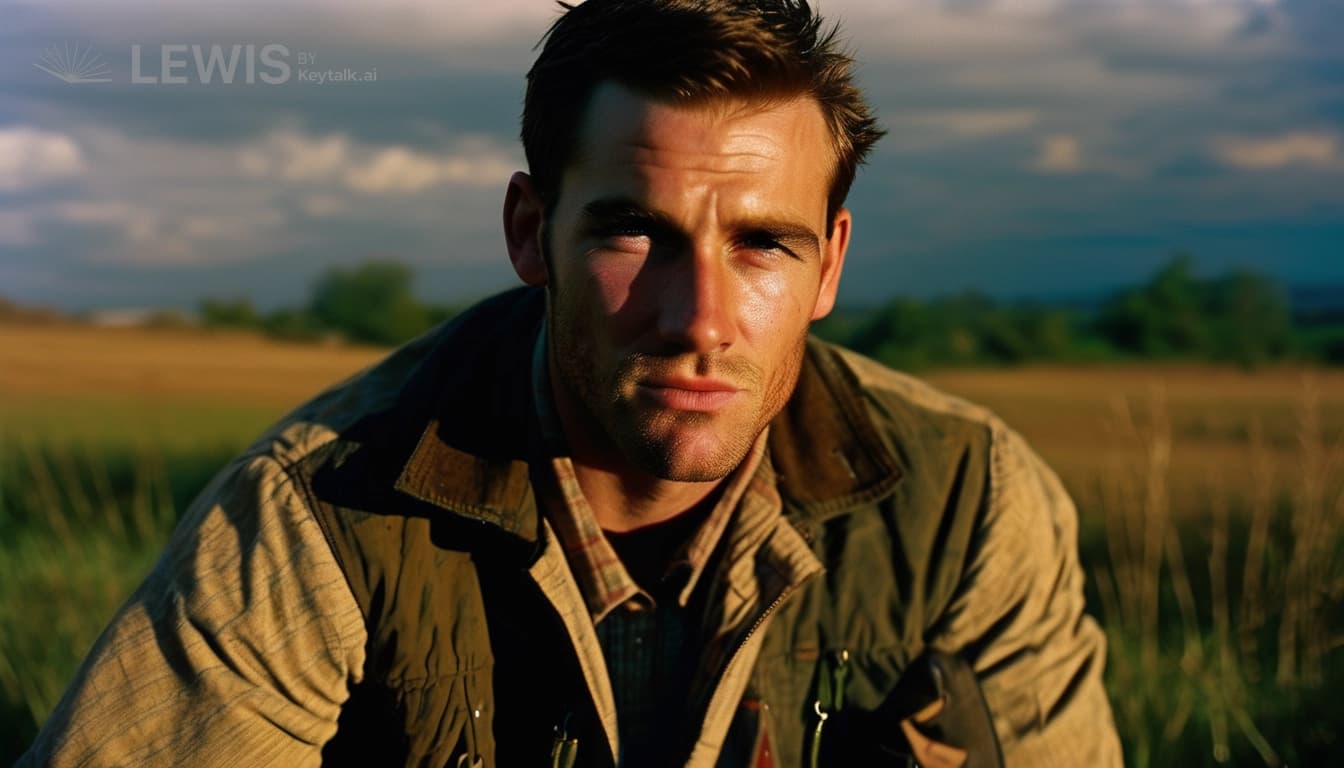
Viktor Kaskinen, a tall, broad-shouldered Finnish man of 54, wears his age like an expensive but battered overcoat—unapologetically, with an air of practiced indifference. His weathered face is marked by deep-set blue eyes that squint with suspicion and calculation, a hawkish nose, and a jaw perpetually shadowed by a silvery stubble. His thinning, ashen-blonde hair is kept neatly slicked back, and a scar runs along his left temple, a souvenir from a failed expedition in his early thirties. Viktor dresses with deliberate inconspicuousness: tailored wool coats in drab greys and forest greens, sturdy boots caked with old salt, and gloves that never quite hide his nicotine-stained fingers. Born in Helsinki to a family of dockworkers, Viktor learned early that survival is earned, not granted. After a stint studying art history and Scandinavian folklore, he built a reputation as a shrewd private antiquities broker—his accent still laced with a clipped Helsinki lilt, his speech precise, direct, and free of superfluous pleasantries. Though whispered to have ties to underground artifact dealers, he maintains a veneer of legitimacy that lets him slide between wealthy collectors and desperate grave robbers alike. Viktor’s worldview is anchored in a cold pragmatism: history is a commodity, and sentiment is for the weak. He is fiercely intelligent, resourceful, and unflinching in pursuit of a prize, yet beneath his steely exterior, moments of old-fashioned superstition and a private longing for legacy flicker, betraying a man haunted by the things he’s traded away. His relationships are transactional, though his loyalty to a select few—particularly his estranged daughter—complicates his otherwise ruthless calculus. Viktor’s methods are meticulous, bordering on obsessive, and he prefers manipulation over violence, wielding words as deftly as any blade. Despite his cynicism, he clings to a ritual: every December, he lights a single candle for his late wife, a gesture at odds with his otherwise mercenary existence. As the Arctic night settles over the Norwegian village, Viktor stands on the cusp of a hunt that will test whether his heart is truly frozen, or merely buried beneath layers of ice.
Sidekick Character

Tuuli Lehtinen

GenderNonbinary
OccupationLocal Weather Station Technician and Amateur Radio Operator

Profile

Tuuli Lehtinen is the kind of presence that lingers at the edge of your awareness: a slim figure wrapped in oversized, weather-stained parkas, boots perpetually dusted with frost, their short, ice-blond hair poking out from beneath a battered woolen cap. Twenty-four and irreverently sharp, Tuuli moves through the perpetual blue twilight of the Norwegian winter with a blend of restless curiosity and wry detachment, shoulders hunched against both the cold and the expectations of a village that’s never quite known what to make of them. As the local weather station technician, Tuuli’s days are filled with the hum of machines and the static-laced solace of amateur radio—one foot in the world, the other out in the ether. Their hands are never still, always twisting copper wire or scribbling weather codes in the margins of battered notebooks, and they speak with a clipped, practical cadence peppered with sardonic asides and the occasional, well-placed profanity. Years spent navigating the biting winds and harsher silences of the north have left Tuuli fiercely independent, but also wary of deeper connections, haunted by the quiet ache of abandonment that’s colored their youth. Beneath the brittle humor lies a simmering frustration: a yearning to be truly seen, to prove their worth beyond the confines of their technical skills, and to carve out meaning in a world that so often feels impenetrably cold. Yet, despite their cynicism, Tuuli harbors a stubborn hope—one that flickers in the dark like a distant radio signal, defiant and enduring. As a supporting character in the Korean archetype tradition, Tuuli is the reluctant confidante and wildcard—resourceful, unpredictable, and poised to challenge every easy answer the protagonist thinks they’ve found.

Keytalk Prompts Used

Protagonist Character

Plot Synopsis

Ingrid Sorensen’s world has shrunk to the muted hush of the village library, where the Arctic wind rattles the windows and the sun is a rumor—an absence that stains the December sky. She spends her days cataloguing crumbling tomes and her nights wrestling insomnia, haunted by the ghosts of discoveries lost and colleagues who betrayed her for fleeting glory. When a local eccentric dies and his effects are donated to the library, Ingrid finds herself drawn to a battered leather folio wedged between gardening manuals. Inside: a letter dated Christmas Eve, 1914, scrawled in an archaic Norwegian hand, stamped with an odd wax sigil—a reindeer’s head crowned with holly. The text is maddeningly cryptic, hinting at a "final gift" hidden for the worthy, its location encoded in riddles and a map that seems to shift beneath her gaze. Rumor, whispered in the village for generations, claims it’s Santa’s last will—a folk tale, Ingrid scoffs. Yet something in the careful penmanship, the subtle desperation between the lines, kindles a forgotten hunger in her: the yearning to believe, just once more, that the world holds wonders.

Driven by restless curiosity, Ingrid begins to decipher the letter’s clues, her skepticism warring with a mounting sense of anticipation. She enlists the reluctant help of Tuuli Lehtinen, the local weather station technician, whose knack for cryptography and surreptitious radio eavesdropping proves invaluable. Tuuli, prickly and sardonic, is eager for distraction from the suffocating insularity of village life and the ache of old abandonment. Their partnership is uneasy—Ingrid’s brusque precision clashing with Tuuli’s irreverence—but necessity forges a wary camaraderie as they chase the trail of riddles. Each answer reveals another question: a passage in a derelict church’s bell tower, a symbol etched into the ice at a frozen tarn, a phrase only revealed when spoken aloud at the hour of the solstice. The hunt draws them out into the snowbound wilds, forcing Ingrid to confront her own cynicism as the evidence for the legend’s truth mounts. But the journey is not theirs alone.

Viktor Kaskinen arrives in the village under the pretext of appraising antiques for a distant client, but Ingrid recognizes him instantly—a notorious antiquities broker, infamous for turning legends into lucrative transactions. Viktor’s presence is a cold wind at her back, his motives as mercenary as ever. Yet there’s something different in his gaze this time: a flicker of doubt, the shadow of a personal stake. His estranged daughter, a folklorist obsessed with the same legend, vanished in the north the previous winter, chasing rumors of the relic. Viktor’s calculated interest is tinged with something rawer, a need to reclaim what he’s lost. He shadows Ingrid and Tuuli, sometimes aiding, more often obstructing, pushing Ingrid to question the price of pursuing truth versus the comfort of ignorance. Their cat-and-mouse dynamic escalates as Viktor manipulates locals for information, bribes his way into sacred sites, and outpaces them at every turn—yet never quite delivers a killing blow. He’s playing a longer game, one that Ingrid can’t yet see.

As Christmas Eve approaches, the trio’s fates intertwine. Ingrid’s relentless pursuit is fueled now not just by the thrill of discovery but by a growing fear: the letter’s warnings speak of a curse, a darkness that will befall the village if the relic is claimed by the unworthy. Tuuli, whose skepticism masks a secret hope for something magical, begins to see patterns in the weather—unnatural storms gathering, compasses spinning wild. The village itself seems to turn inward: old rivalries flare, animals disappear, the air grows thick with dread. Viktor, usually unflappable, lights a candle for his late wife and confides—almost unwillingly—his suspicion that the curse is real, that his daughter’s disappearance might be linked to it. The emotional stakes ratchet higher: Ingrid is forced to confront the possibility that some mysteries are not meant to be solved, that belief itself can become a double-edged sword.

The final confrontation unfolds in the ruins of a centuries-old stave church, buried beneath ice and snow. Ingrid deciphers the last of the riddles: the relic—a carved wooden box adorned with ancient runes, warm to the touch despite the cold—lies beneath the altar, guarded by a puzzle only a true believer can solve. Viktor, desperate and unmoored, tries to claim it by force, but the mechanism rejects him, unleashing a pulse of freezing wind that nearly kills him. Tuuli, who has come to see themselves as the perennial outsider, hesitates on the threshold—until Ingrid, trembling but resolute, steps forward and speaks the final words from

Scenes

Scene 1
scene 1 image
The Library in the Bleak Midwinter: Ingrid’s Quiet Exile and the Arrival of the Reindeer Sigil
[Place] - The village library, a cramped, drafty building on the edge of the Arctic settlement
[Time] - Late afternoon, mid-December, pale blue dusk settling; the sun hasn’t risen in days

[Action]
Ingrid Sorensen moves through the silent library like a ghost, organizing brittle books, her world reduced to the scent of old paper and the ceaseless rattle of wind against frosted glass. Her mind is restless, replaying memories of academic betrayals and the icy isolation of her current life. The village outside is a distant murmur; she’s cut herself off, nursing old wounds and refusing offers of company from neighbors who treat her with wary respect. The day’s monotony is broken by the arrival of two village men, awkward and half-frozen, hauling in a box of belongings from the recently deceased eccentric, Olav Haugli. Ingrid suppresses her irritation at the disruption, but curiosity flickers as she unpacks the items—mostly junk and faded notebooks—until her hand brushes a battered leather folio, strangely out of place amid the gardening manuals. The folio feels oddly warm, its clasp stamped with an unfamiliar wax sigil: a reindeer’s head wreathed in holly. Ingrid, always dismissive of folklore, is nonetheless unsettled by the object’s weight and aura. She hesitates, then opens it, discovering a yellowed letter written in archaic Norwegian—a script she recognizes but hasn’t read in years. The letter’s cryptic language and shifting map spark a cascade of emotions: irritation, skepticism, and—against her better judgment—a pulse of hope. Alone in the library’s gathering gloom, Ingrid debates whether to dismiss it as another village myth or to let herself be drawn into its mystery. The scene closes with Ingrid sitting by the window, the folio spread open, the storm outside rising as if in answer to her decision.

[Impact on the story]
This scene establishes Ingrid’s emotional exile and her longing for meaning, grounding her motivation for what’s to come. The arrival of the folio and letter plants the first seed of curiosity and reawakens her dormant belief in wonder, setting her on the path of the central mystery. The oppressive atmosphere and Ingrid’s internal conflict are foregrounded, making her emotional journey feel urgent and relatable.

[Description]
Ingrid, isolated in the winterbound library, receives a mysterious folio from a deceased villager’s estate. The cryptic letter and its shifting map challenge her skepticism, forcing her to choose between dismissing the legend or embracing the call to adventure. This scene ignites the story’s central mystery and reawakens Ingrid’s yearning for lost wonder.
Scene 2
scene 2 image
[Title] - Midnight Cartography: Tuuli’s Reluctant Alliance and the Map That Refuses to Hold Still

[Place] - Ingrid’s cramped apartment above the library, cluttered with books, half-melted candles, and a borrowed radio static in the background

[Time] - Midnight, the same evening as the folio’s arrival; the wind howls louder, pressing in against the thin walls

[Action]
Haunted by the cryptic letter and unable to sleep, Ingrid paces her apartment, the folio open on her desk and the shifting map taunting her every time she looks away. Driven by a mix of frustration and fascination, she calls Tuuli Lehtinen, the weather station technician known for late-night broadcasts and an offhand genius with codes. Tuuli arrives, reluctant but intrigued, her sarcasm masking the flicker of excitement she feels at being needed for something beyond broken satellite dishes. The two women circle each other warily—Ingrid prickly and precise, Tuuli irreverent and sharp—but necessity keeps them in the same cramped room. As Tuuli works to decode the letter, she teases out hidden ciphers and notes that the map’s lines seem to rearrange themselves according to the room’s temperature and the time on Ingrid’s clock. Ingrid’s skepticism falters as they uncover a pattern: the map reveals a location only at the stroke of midnight, when the wind outside shifts direction—a detail Tuuli verifies with her weather instruments. Their uneasy partnership is punctuated by awkward silences, flashes of mutual respect, and the beginnings of trust. The folio’s riddle leads to an old church bell tower, and as the hour passes, Ingrid and Tuuli realize the legend might hold more truth than either wants to admit.

[Impact on the story]
This scene forges the story’s central alliance, pushing Ingrid out of isolation and forcing her to rely on someone she barely knows. Tuuli’s involvement adds technical expertise, irreverent humor, and emotional complexity, while the supernatural elements of the folio deepen the central mystery. The shifting map and cryptic clues escalate the stakes, setting the tone for an uneasy, reluctant camaraderie and the first real step into the unknown.

[Description]
Ingrid enlists Tuuli’s cryptographic talents to decipher the folio’s letter and map, forging a wary partnership in the dead of night. Their investigation reveals the map’s supernatural qualities and points toward the next clue, forcing both women to reconsider their skepticism as they’re drawn deeper into the unfolding mystery.
Scene 3
scene 3 image
[Title] - Riddles in the Bell Tower, Sins in the Snow: Secrets Unearthed and Old Betrayals Revisited

[Place] - The derelict church at the edge of the village, its bell tower creaking in the wind, stone steps rimed with frost and shadow

[Time] - Early morning, just before dawn, the sky bruised and heavy with snow

[Action]
Ingrid and Tuuli arrive at the abandoned church, tension simmering in the brittle cold between them. The journey there—trudging through knee-high drifts, breath frosting in the air—serves as an uneasy bonding ritual, forcing them to share fragments of their pasts as the landscape grows more forbidding. The church itself is half-swallowed by snow, its doors warped and the bell tower looming above like a warning. Inside, their breath echoes off stone, and they’re met with the scent of old incense and rot. They follow the folio’s riddle, searching for a hidden symbol or phrase, their nerves stretched taut by the silence and the knowledge that someone else might be watching.

As they climb the spiral staircase to the bell tower, Tuuli’s technical know-how and Ingrid’s methodical logic combine—one deciphering a carved cipher beneath a broken pew, the other noticing strange frost patterns on the bell’s rope that match the sigil from the folio. The answer is revealed in a moment of collaboration: a hidden compartment in the bell tower floor, containing a fragment of an older map and a cryptic phrase burned into a wooden plaque. Alongside the discovery, Ingrid stumbles upon old papers that dredge up painful memories of her academic betrayal—evidence that her former colleague, now a minor local celebrity, once searched for the same legend and may have sabotaged her years ago.

The scene is interrupted by the distant crunch of footsteps outside—someone is circling the church. The threat of being followed turns their victory bitter, and they’re forced to flee before fully exploring, the plaque and map fragment hastily stuffed away. As they escape into the dawn-tinged snow, Ingrid’s initial skepticism is shaken further, Tuuli’s wariness gives way to a flicker of excitement, and the first seeds of trust—born of shared danger and discovery—begin to take root.

[Impact on the story]
This scene pushes Ingrid and Tuuli from theoretical puzzle-solving into real-world risk, deepening their partnership through adversity and shared vulnerability. The discovery in the bell tower provides a concrete step forward in the mystery, while the revelation of past betrayals gives Ingrid’s quest a sharper, more personal edge. The looming presence of a third party (Viktor or another threat) raises the stakes, instilling urgency and paranoia as the hunt intensifies.

[Description]
Ingrid and Tuuli brave the ruined church’s bell tower, deciphering the next clue and uncovering evidence of Ingrid’s past betrayal. Their partnership is tested and strengthened as danger looms close, propelling them—and the story—into a higher-stakes pursuit.
Scene 4
scene 4 image
[Title] - The Man with Frozen Eyes: Viktor’s Return, a Missing Daughter, and the First Real Threat

[Place] - Village café (warm, crowded, windows fogged by breath and snow), then outside on the icy main street as night falls

[Time] - Late afternoon into early evening, the day after Ingrid and Tuuli’s bell tower discovery

[Action]
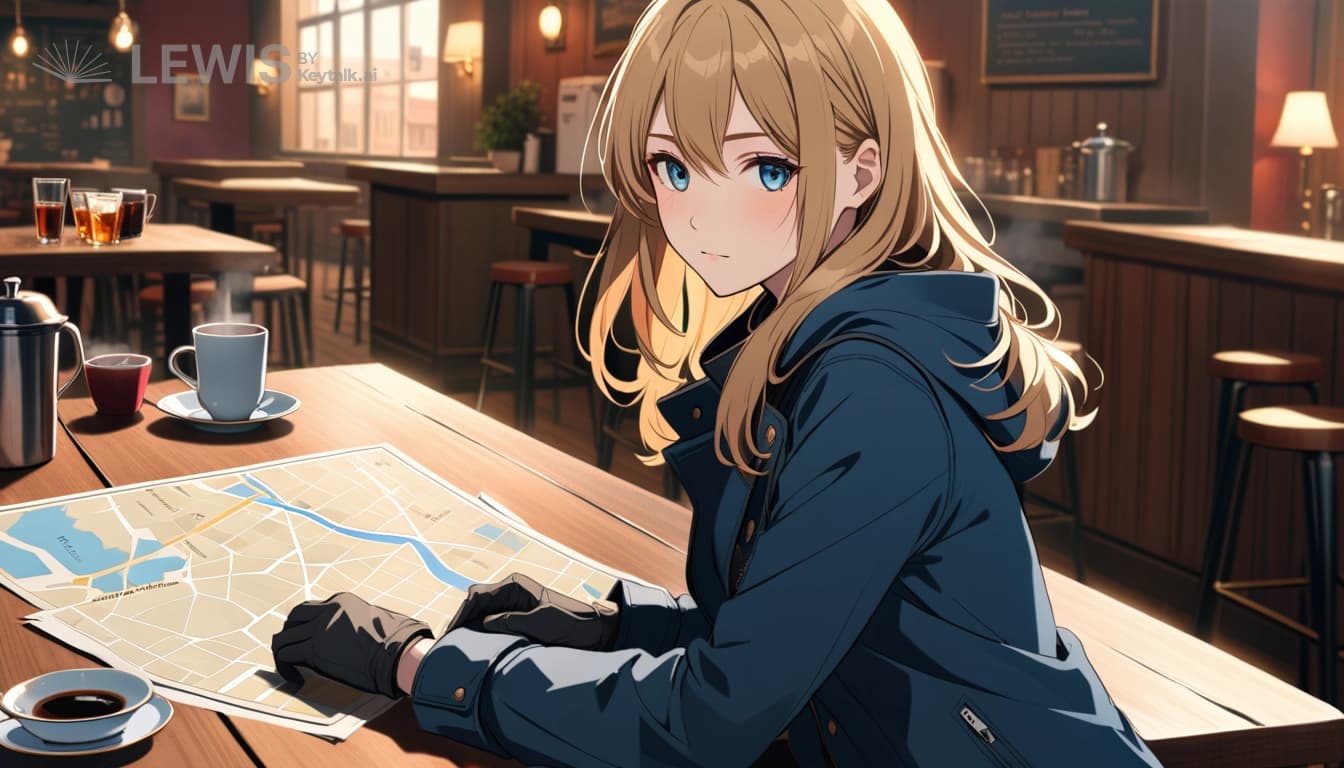
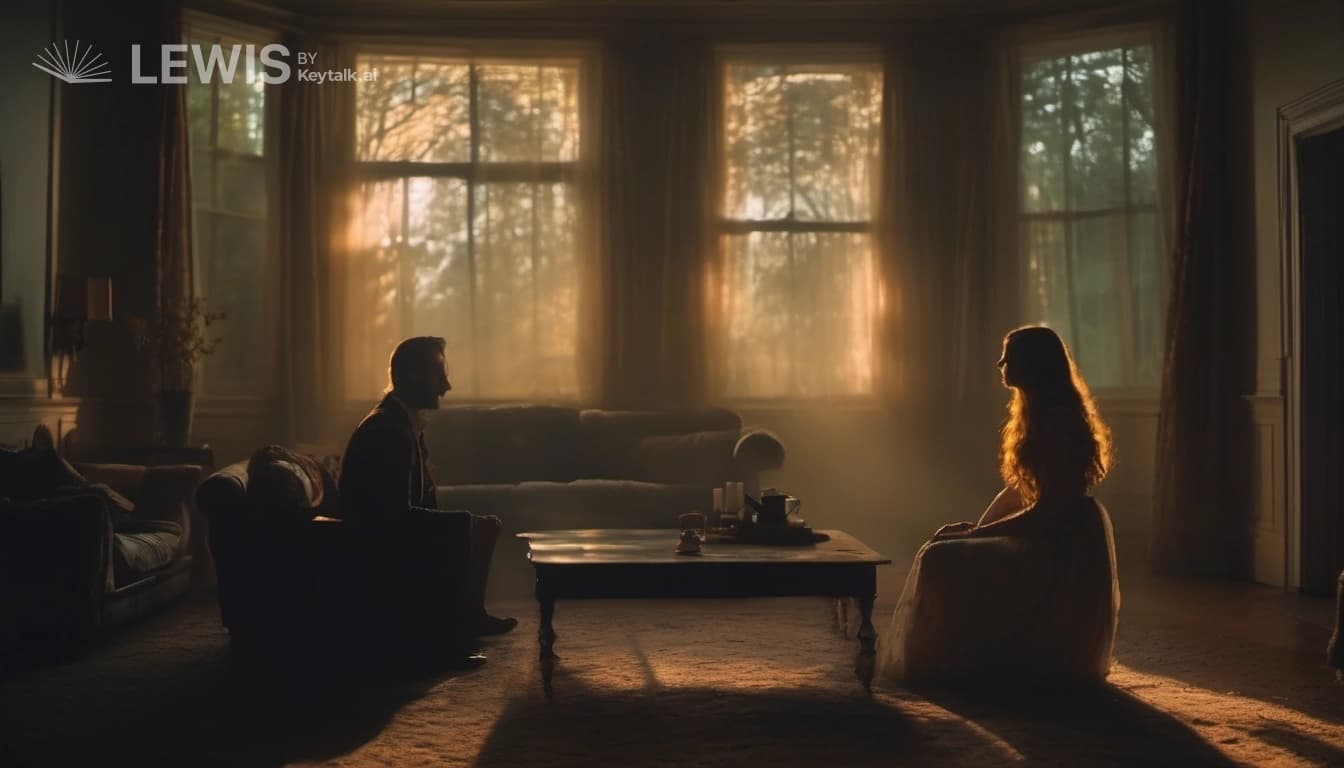
The scene opens with Ingrid and Tuuli ducking into the village café, hands raw from the cold and nerves still frayed from their narrow escape at the church. They’re desperate to regroup, spreading the newly found map fragment and plaque between steaming cups of coffee. Ingrid’s mind races through possible connections, her fingers tracing the burned phrase, while Tuuli scans the café’s faces for any sign of pursuit. The tension is broken by the arrival of Viktor Kaskinen, whose presence draws a collective hush. He’s the outsider everyone recognizes but nobody trusts—his tailored coat and calculating gaze marking him as a man with old secrets and deeper motives.

Viktor approaches Ingrid directly, feigning casual interest in the “library’s latest curiosities,” but his questions are too pointed, his knowledge already a step ahead. He drops hints—references to the folio, the reindeer sigil, even the recent activity at the church—making it clear he’s been watching them and knows more than he should. The conversation is a veiled interrogation: Viktor probes for information about the legend, Ingrid tries to deflect, Tuuli bristles at the intrusion. The emotional undercurrent shifts as Viktor reveals, almost offhandedly, that he’s searching for someone—his daughter, who vanished the year before while chasing the same myth. This vulnerability is fleeting, quickly masked by his usual bravado, but it unsettles Ingrid and catches Tuuli off guard.

As the café grows noisier, Viktor’s questions grow bolder, and it becomes clear that he has leverage—he’s bribed a local to keep tabs on them, and he’s already gained access to places they haven’t reached yet. The threat is no longer abstract; Viktor is a real and dangerous competitor. The encounter ends with Viktor issuing a thinly veiled warning about “the dangers of chasing fairy tales in the Arctic night,” his meaning unmistakable.

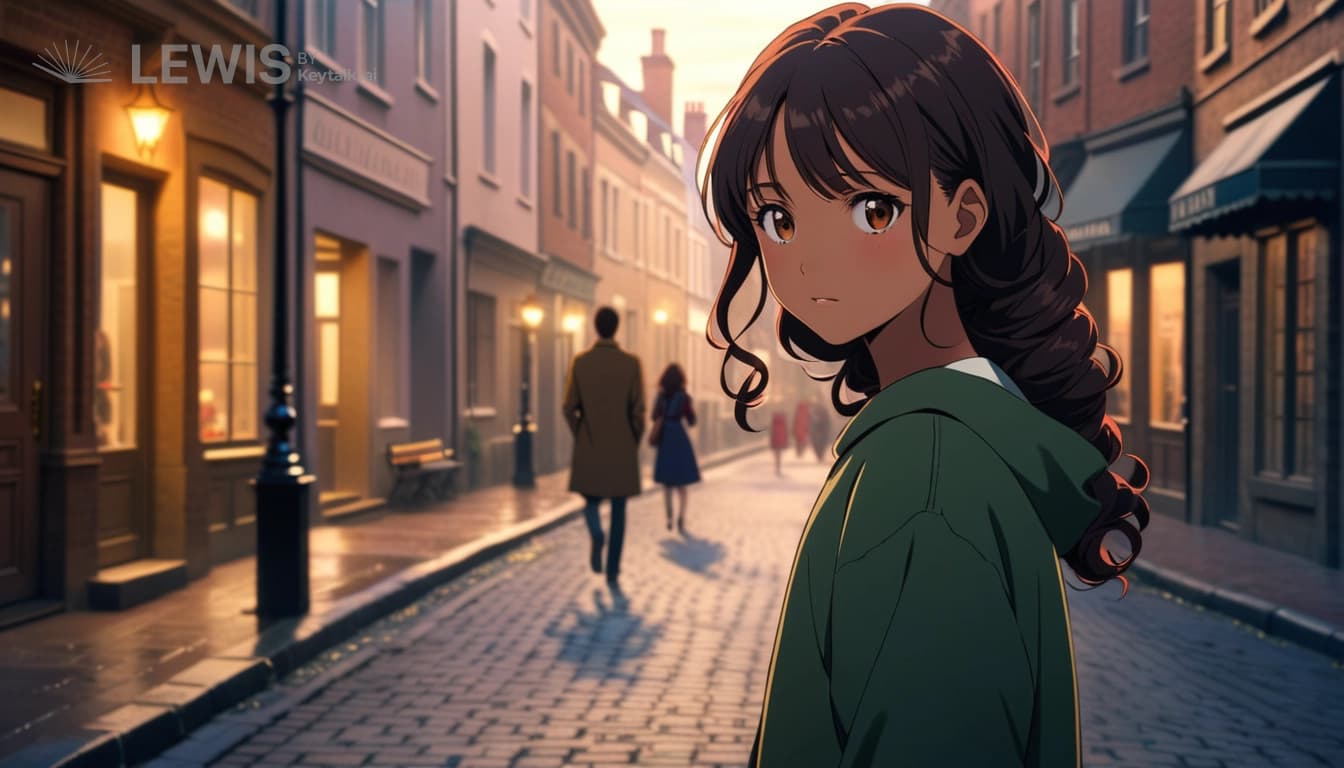
Outside, as night falls and the temperature drops, Ingrid and Tuuli step into the blue darkness, shaken. Their dynamic shifts—Ingrid is rattled by Viktor’s knowledge and haunted by the possibility that the search cost Viktor his daughter, while Tuuli’s skepticism is pierced by the realization that they’re up against a ruthless, highly motivated rival. The two reaffirm their uneasy alliance, aware now that the hunt is not just about solving riddles, but about outmaneuvering someone who knows how to weaponize secrets and desperation.

[Impact on the story]
This scene marks a turning point: Viktor’s direct involvement transforms the quest from an intellectual game into a high-stakes race. Ingrid’s emotional investment deepens as Viktor’s personal loss mirrors her own fears, while Tuuli’s defensive humor gives way to genuine concern. The sense of threat and urgency escalates, forcing both protagonists to question their trust in each other and their own motivations.

[Description]
Ingrid and Tuuli’s investigation is disrupted by the arrival of Viktor, whose knowledge and ambition introduce real danger to the hunt. The revelation of Viktor’s missing daughter and his willingness to use any means necessary raises the emotional and narrative stakes, propelling the trio into open conflict and setting the tone for the coming confrontation.
Scene 5
scene 5 image
[Title] - When the Wind Speaks: Solstice Storms, Village Shadows, and the Price of Belief

[Place] - Ingrid’s apartment above the library (dimly lit, battered by the wind), then the village streets and the edge of the forest

[Time] - Night of the winter solstice, just before midnight

[Action]
The scene opens with Ingrid and Tuuli barricaded inside Ingrid’s cramped apartment, maps and cryptic notes sprawled across the kitchen table. The wind howls outside, rattling the old windowpanes and carrying with it a sense of something ancient and restless. Tension is thick: Ingrid pores over the folio, desperate to crack the final riddle before Viktor does, while Tuuli paces, radio in hand, distracted by erratic weather reports—barometric pressure falling, unseasonal lightning flickering at the horizon. The room flickers between lamplight and shadow as the power sputters, mirroring Ingrid’s wavering certainty.

They argue over what the clues mean, the stress of Viktor’s looming threat driving old insecurities to the surface. Ingrid’s obsession edges toward self-destruction; Tuuli’s skepticism is fraying, replaced by a gnawing fear that the legend’s curse might be more than folklore. An unexpected visitor arrives: the village priest, pale and shaken, warns of animals fleeing into the woods and strange figures seen moving by the frozen tarn. His words confirm what Tuuli has suspected—the weather and the village itself are changing, as if stirred by their search.

The solstice hour approaches. Ingrid finally deciphers the last riddle, realizing the answer isn’t a location but an invocation to be spoken at the ancient stave church. As realization dawns, Viktor appears outside in the street, silhouetted against blowing snow, signaling that he knows what they do. A confrontation brews: should they risk the curse and seek the relic, or turn back for the village’s sake? Driven by mingled fear and wonder, Ingrid and Tuuli decide they must go on—the cost of stopping now feels greater than the risk of what lies ahead.

The two steal into the storm-lashed night, nerves jangling, chased by Viktor’s shadow and the gathering dread that the world is tipping toward something irretrievable. The scene ends with Ingrid clutching the letter, Tuuli casting a last, worried glance at the village lights, and the three adversaries converging on the snowbound ruins, the wind rising to a scream.

[Impact on the story]
This scene pivots the story from rivalry and pursuit to existential threat and shared destiny. Ingrid’s intellectual quest becomes a personal reckoning with belief, responsibility, and fear of the unknown. Tuuli’s transformation from skeptic to reluctant believer is catalyzed by signs that the legend is real—and dangerous. The village’s unraveling atmosphere raises the stakes beyond personal ambition, making the quest a matter of survival and moral choice. Viktor’s relentless presence compresses time, forcing the protagonists into a decisive, irreversible march toward the climax.

[Description]
As the solstice storm descends, Ingrid and Tuuli race to solve the final riddle, wrestling with the village’s unraveling and their own doubts. The supernatural threat becomes tangible, driving them—and Viktor—toward the stave church for a final confrontation that will test belief, loyalty, and the boundaries of what they’re willing to risk.
Scene 6
scene 6 image
[Title] - Sanctuary Beneath the Ice: The Last Gift, the Unworthy, and the Choice That Changes Everything

[Place] - Ruined stave church, half-buried under snow and ice at the forest’s edge, midnight

[Time] - Christmas Eve, just after midnight, in the aftermath of the solstice storm

[Action]
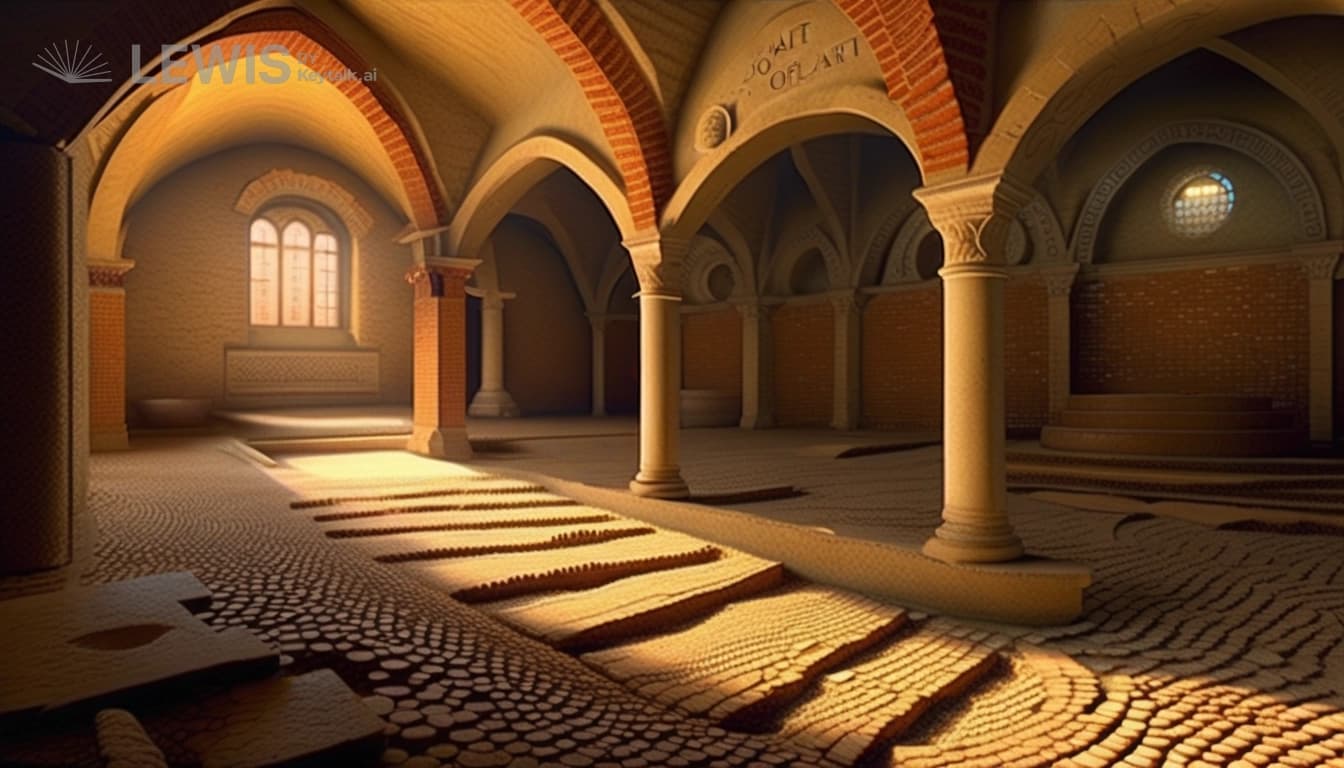
The scene begins with Ingrid, Tuuli, and Viktor arriving separately at the shattered remains of the stave church. The air is electric and unsettling—wind hissing through broken timbers, drifts of snow piling against ancient carvings, the moon a pale bruise behind racing clouds. Ingrid, exhausted but determined, leads Tuuli inside, clutching the letter and map; Viktor circles the perimeter, searching for another way in, desperate and reckless. Inside, the church is colder than the night outside, but something in the air hums with hidden energy. The altar, warped by centuries and half-swallowed by ice, draws them with the certainty of gravity.

The tension crackles: Viktor bursts in, gun drawn but trembling, demanding the relic for himself, his desperation barely masked by bravado. Tuuli, torn between self-preservation and loyalty, tries to calm him, but Viktor’s grief for his missing daughter sharpens his anger and fear. Ingrid, heart pounding, deciphers the final riddle—realizing it isn’t brute force but belief and sacrifice that will unlock the altar’s secret. She steps forward, reciting the invocation with a voice steadied by conviction rather than certainty. The altar groans, a hidden mechanism shifting; a carved box rises from the ice, warm to Ingrid’s touch.

Viktor lunges, attempting to seize the box, but the church itself seems to resist him—a rush of freezing wind knocks him back, leaving him gasping and broken, forced to confront the truth that he is not the worthy one. Tuuli, on the threshold, hesitates—this is the moment to choose between cynicism and faith. Ingrid, trembling, offers Tuuli the chance to open the box with her, insisting that the final gift is not meant for one alone. Together, they open it: inside, not gold or power, but a simple, beautifully carved reindeer figurine and a letter addressed “To those who still believe.” The letter reveals the true gift—hope, forgiveness, a promise that wonder survives so long as someone dares to look for it.

Outside, the storm lifts. Viktor, devastated but changed, finds a scrap of his daughter’s handwriting tucked in the altar—proof she passed this way, her quest unfinished but not lost. Ingrid and Tuuli, holding the box between them, step out into the new snow, their bond deepened by what they chose to risk and what they refused to claim for themselves.

[Impact on the story]
This scene resolves the central mysteries and tests each character at their core: Ingrid must finally embrace belief and vulnerability, Tuuli must choose hope over detachment, Viktor faces the cost of his ambition and the reality of loss. The relic’s true nature subverts expectations—rewarding compassion and shared faith rather than greed or intellect. The village’s fate is restored, the curse lifted not by conquest but by humility and connection. The three leave changed, their relationships and sense of self profoundly altered.

[Description]
In the ruins of the stave church, Ingrid, Tuuli, and Viktor confront the relic’s final test—one that demands belief and selflessness over ambition. The gift they uncover is not material but transformative, offering healing and hope. As they emerge into the post-storm dawn, each carries a new understanding of what it means to seek, to lose, and to believe.

'Santa’s Last Will'Story Chat

Want to chat with the characters from this story?

'Santa’s Last Will'Story Chat

Want to chat with the characters from this story?

story image
story image
story image

You might also like

Comments0

rank icon image
#5 inTheme
rank icon image
#6 inCharacter
rank icon image
#26 inGenre
theme music