Plot Synopsis
In a war-torn village nestled between newly drawn borders, Kenshiro Takeda, a stoic soldier, harbors Zora Kuznetsova, a fugitive fearing a local superstition about the deadly consequences of eating crab and persimmon together. Their alliance begins under the shadow of encroaching enemy troops, and as their trust deepens, they must confront their cultural prejudices and survive the imminent besiege.
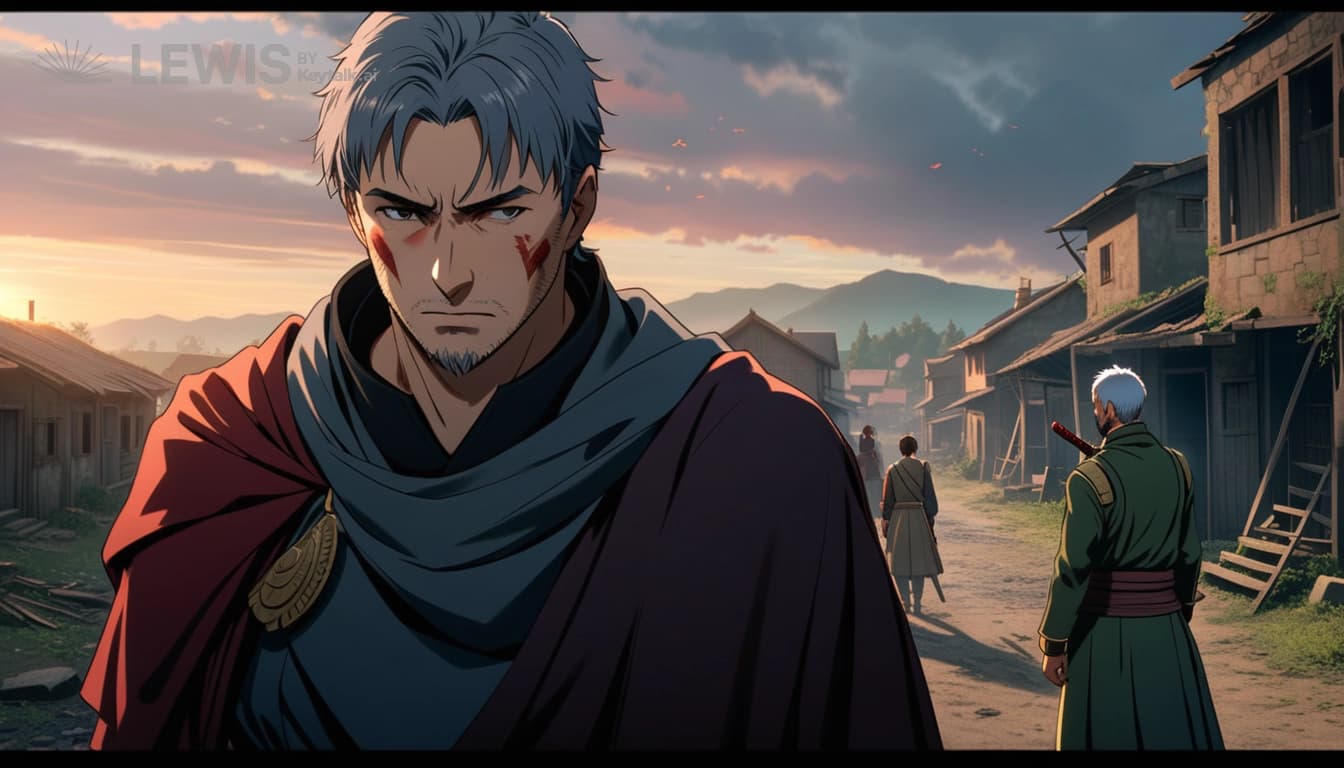
Kenshiro Takeda stands as a sentinel amidst the crumbling remains of his village, his steely gaze reflecting a resilience forged through countless battles. Raised in a family of rice farmers, his transition from the tranquility of the fields to the brutality of the frontlines has left him with a profound respect for life's fragility. Amidst the chaos of war, Kenshiro's existence is a precarious balance of military vigilance and haunting memories of a simpler past. His solitary moments, spent meticulously maintaining his katana, reveal a man of few words but deep conviction, driven by an unspoken desire for peace.
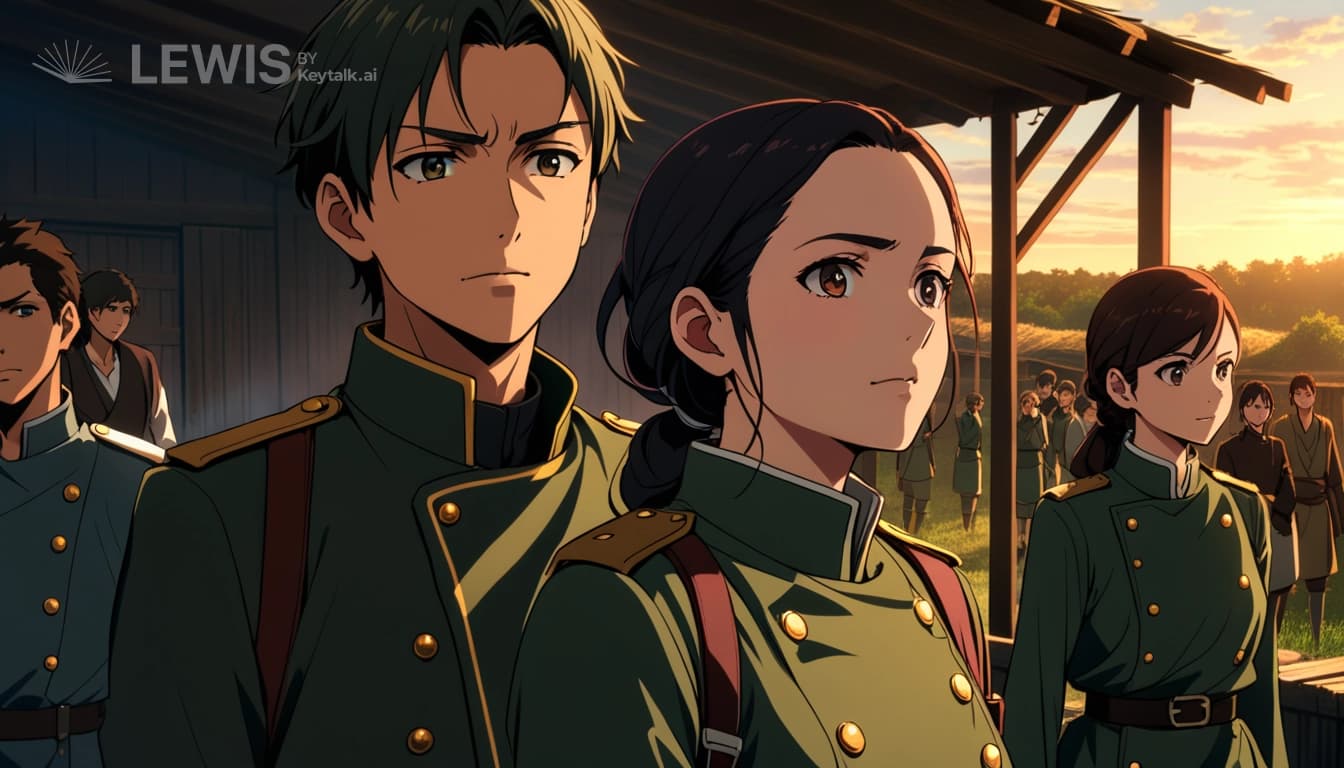
Zora Kuznetsova, a resilient and compassionate medic, finds herself in Kenshiro's care. Her upbringing in a remote village, steeped in folklore and superstitions, now clashes with her pragmatic mind as she navigates the brutal realities of war. Despite her calm demeanor, Zora grapples with inner turmoil, her soul haunted by the suffering she has witnessed. Her relationship with Kenshiro, initially strained by their disparate backgrounds, evolves into a complex dance of mutual respect and unspoken fears. Zora's intrinsic empathy and unwavering moral compass begin to influence Kenshiro, challenging him to confront his deepest biases.
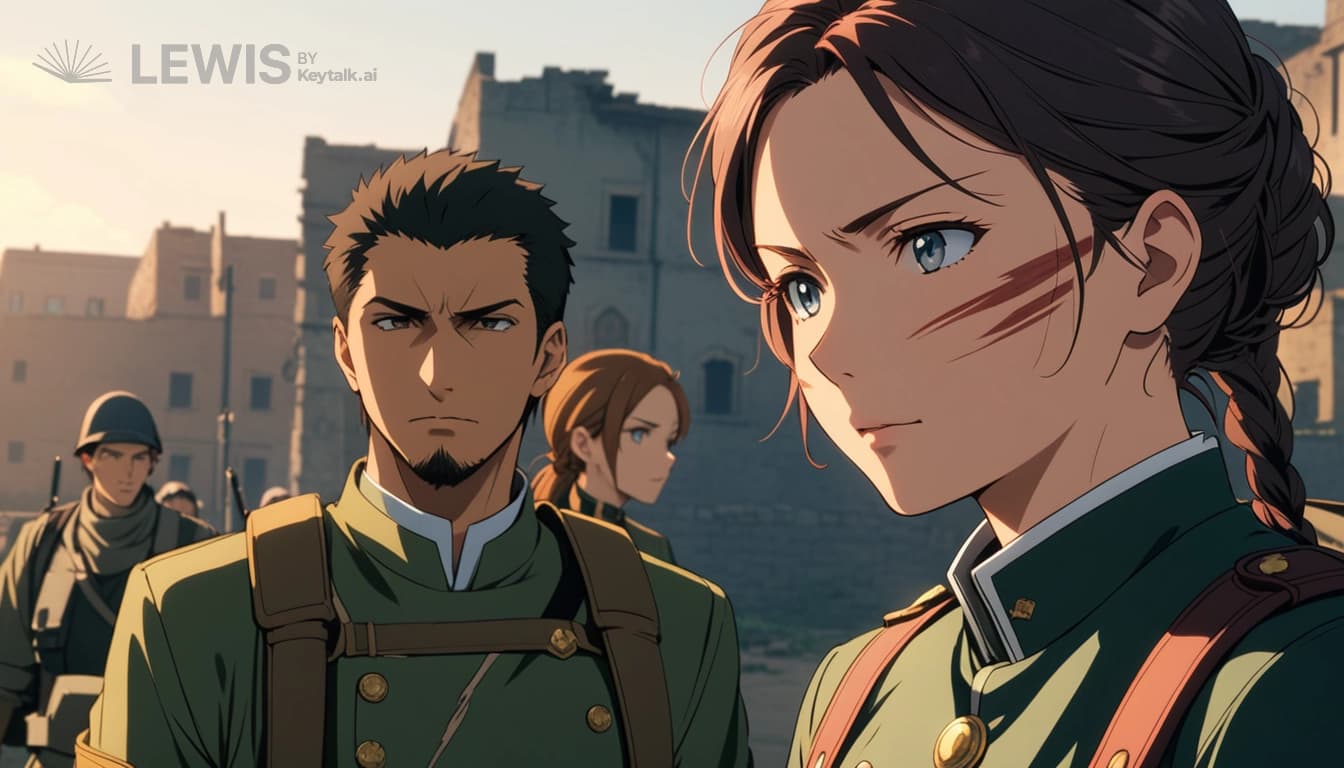
As the enemy troops draw nearer, Irina Volkova, a fierce and resolute guerrilla fighter, joins their fragile alliance. Irina's past is a tapestry of fractured memories, her motivations driven by a complex amalgamation of duty and a deeply buried desire for redemption. Her icy blue eyes, having seen more than their fair share of suffering, reveal a tumultuous sea of rage, grief, and an almost desperate hope. Despite her clipped speech and biting sarcasm, Irina's presence profoundly influences the narrative's trajectory, her trust hard-won and easily shattered.
The trio's bond is tested as they face the encroaching enemy troops. Kenshiro's unwavering commitment to his principles, Zora's intrinsic empathy, and Irina's fierce resilience form a formidable defense. Yet, their cultural prejudices threaten to unravel their alliance. Zora's fear of the superstition concerning crab and persimmon becomes a point of contention, symbolizing the deeper prejudices they must overcome. As tensions rise, the trio must confront their biases and find common ground to survive the besiege.
In the climactic battle, their unity is put to the ultimate test. Kenshiro's steely resolve, Zora's compassionate healing, and Irina's fierce combat skills converge in a desperate struggle against the enemy. Their combined strengths and newfound understanding of each other's fears and motivations enable them to hold their ground. The battle's aftermath leaves them scarred but united, their alliance forged through shared hardship and mutual respect.
As the dust settles, the trio's journey continues amidst the war-torn landscape. Kenshiro, Zora, and Irina, now bound by their experiences, strive to protect their village and find a semblance of peace. Their story is one of survival, trust, and the overcoming of cultural prejudices, a testament to the resilience of the human spirit in the face of imminent peril.