筋書き
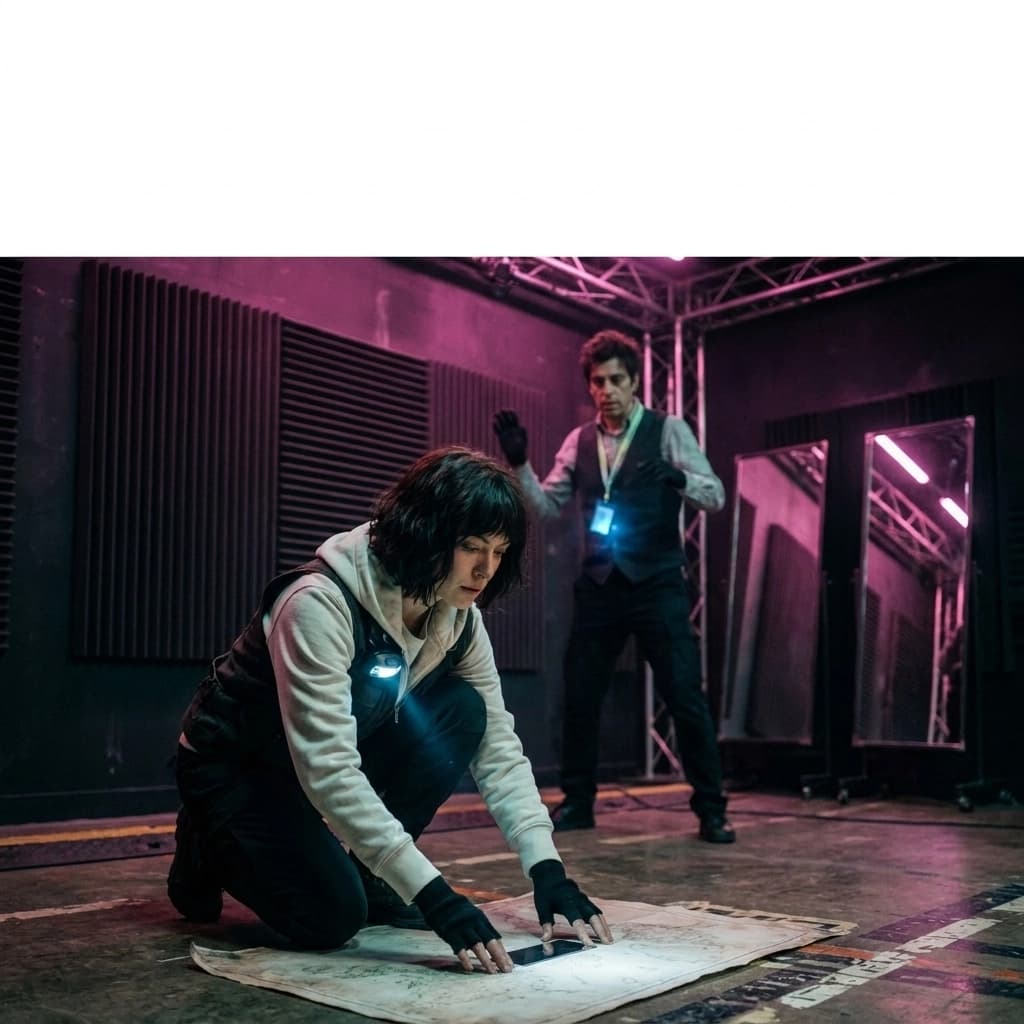
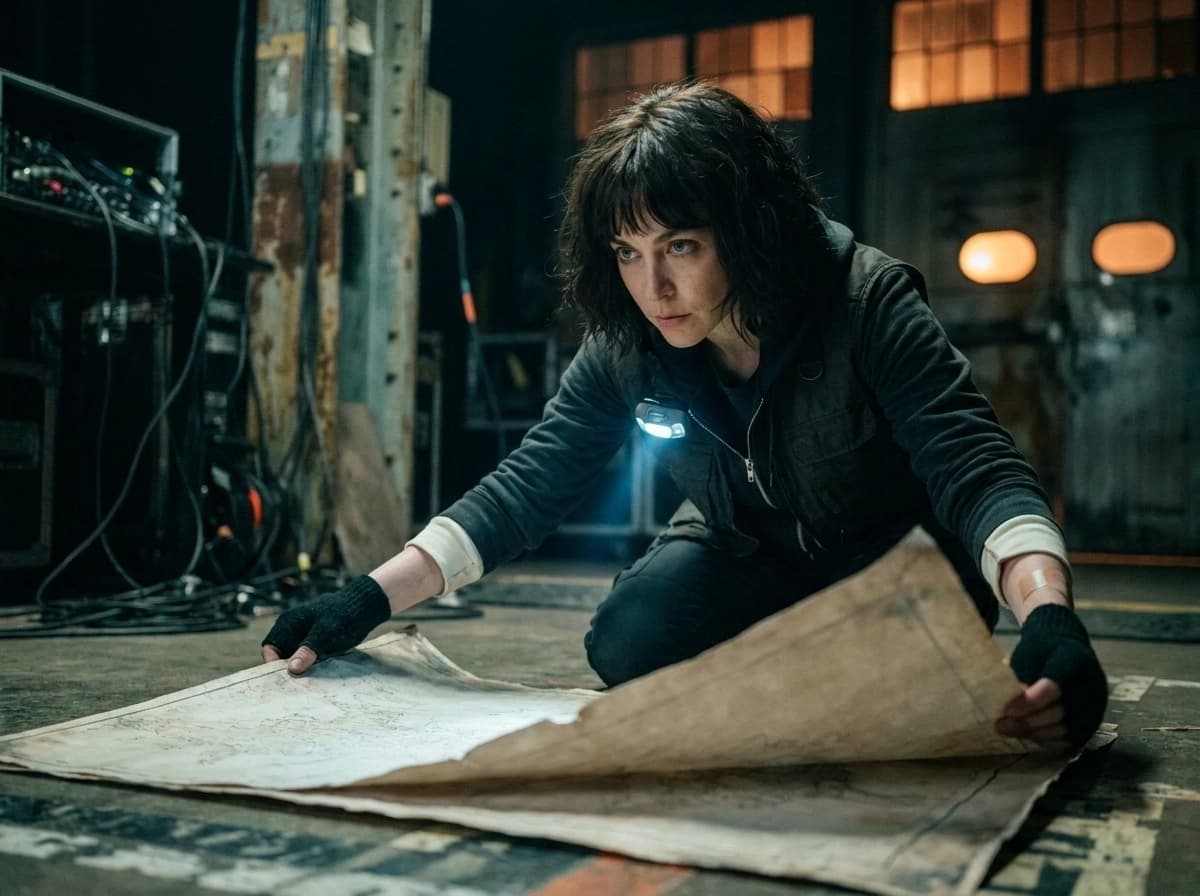
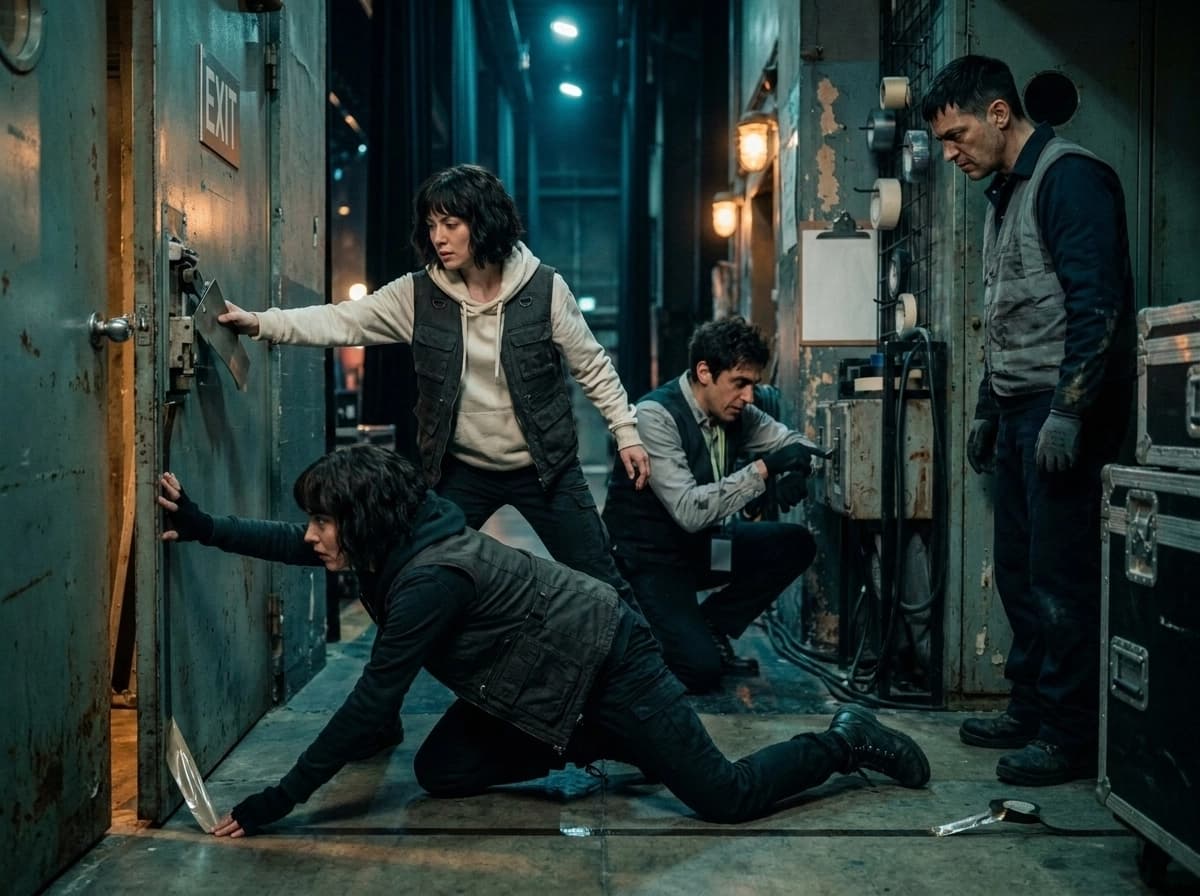
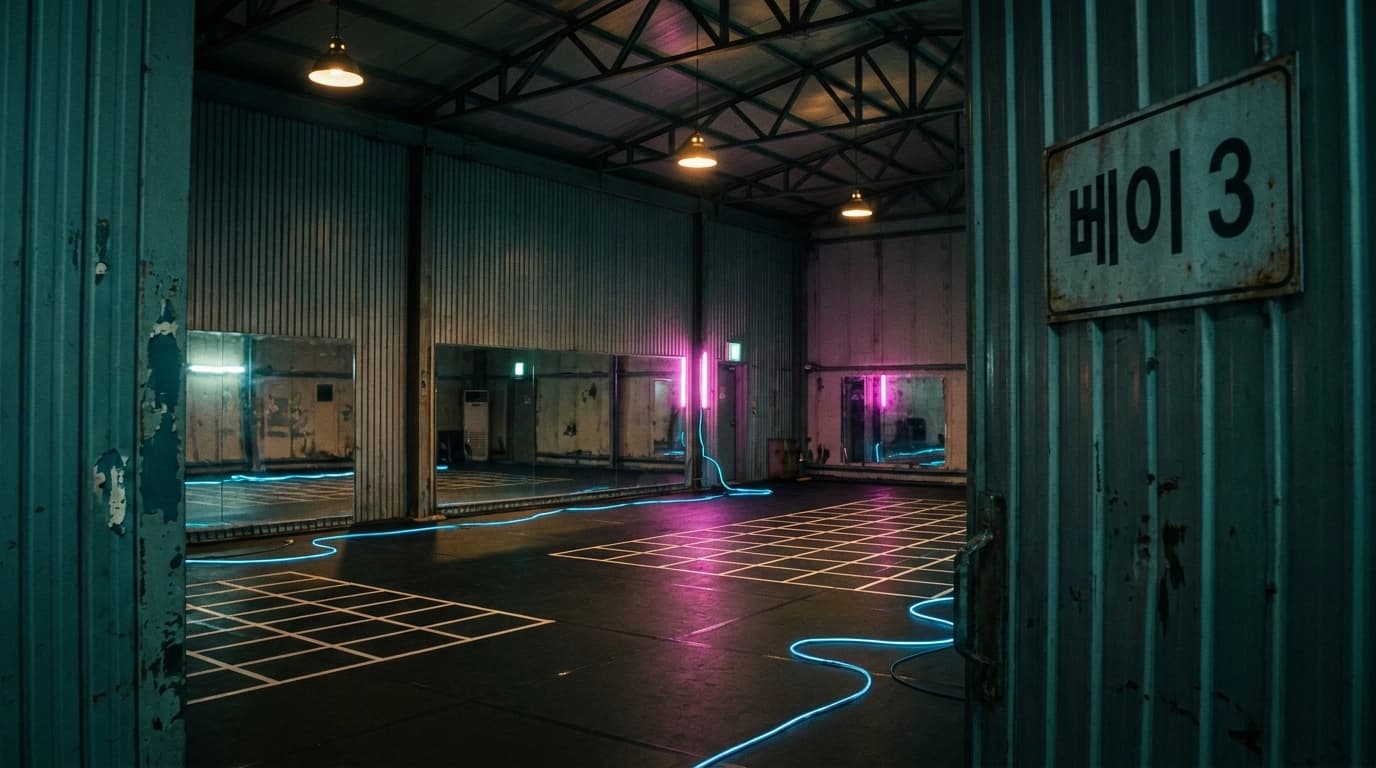
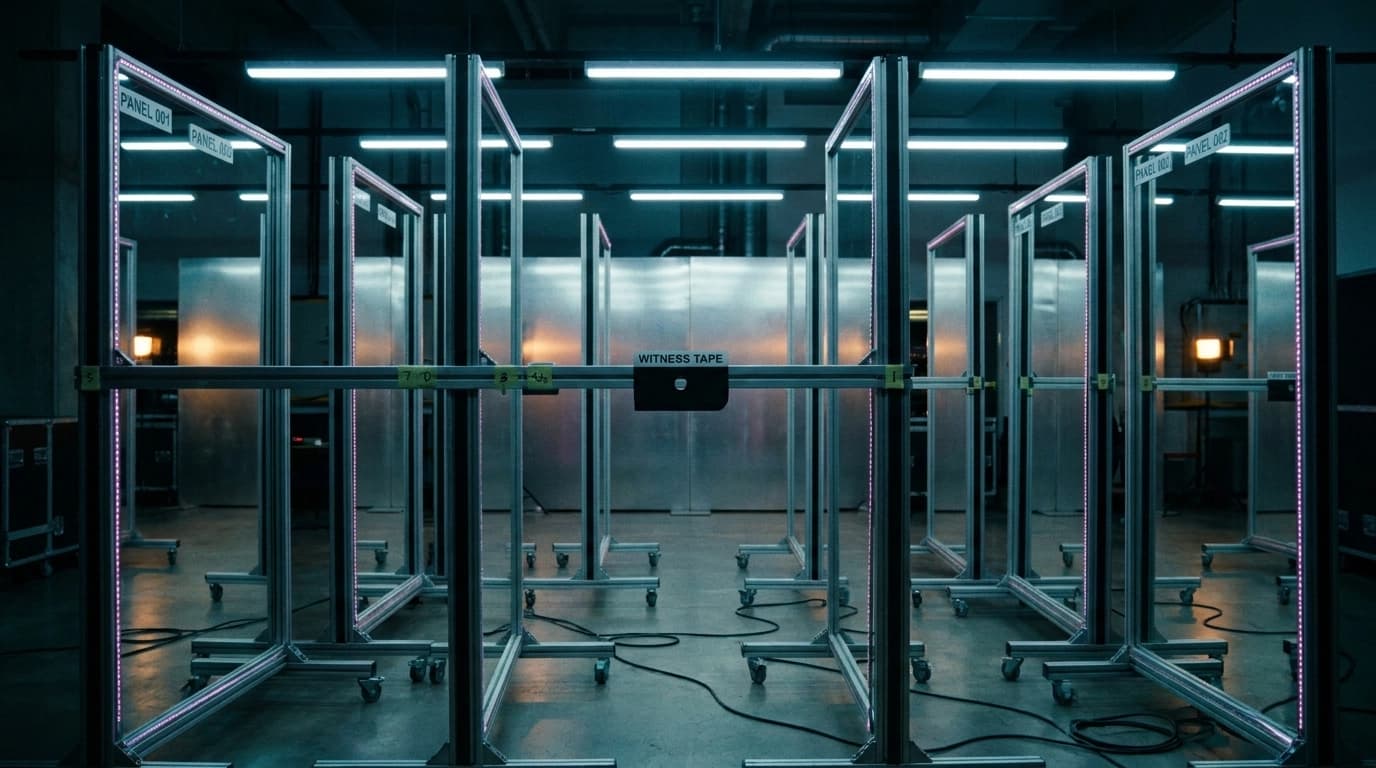
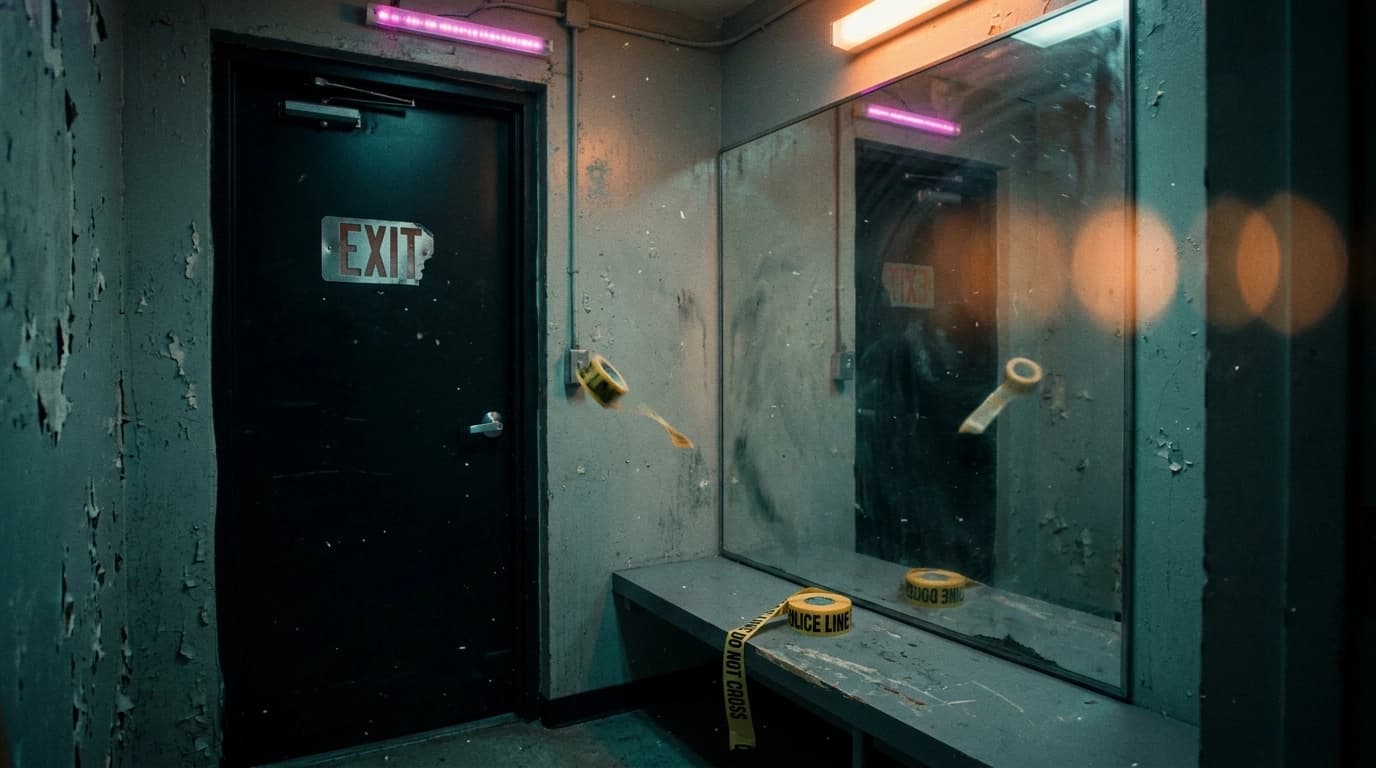
At 2:07 a.m., in the emergency-magenta hush of the empty rehearsal hall at Lumen Yard, Na Yuna and Choi Do-gyeom slip past the public corridor and into Bay 3 with the practiced quiet of people who have already replayed this moment in their heads a hundred times. They don’t come in to break rules out of thrill; they come in because the stage map on Tomorrow X Together’s next broadcast has a missing “mirror-mark,” and that one tiny adhesive symbol is the difference between a timed formation that catches the same beam and one wrong angle that turns the whole cue into a blackout. Their phones are off. Their shoes are wrapped. Even their breath feels too loud, because the mirror surfaces “breathe” with a regulated heater hum, and every tiny shift of an angle carries an audible metallic click that seems to count down the minutes until the live desk locks in what it expects to see.
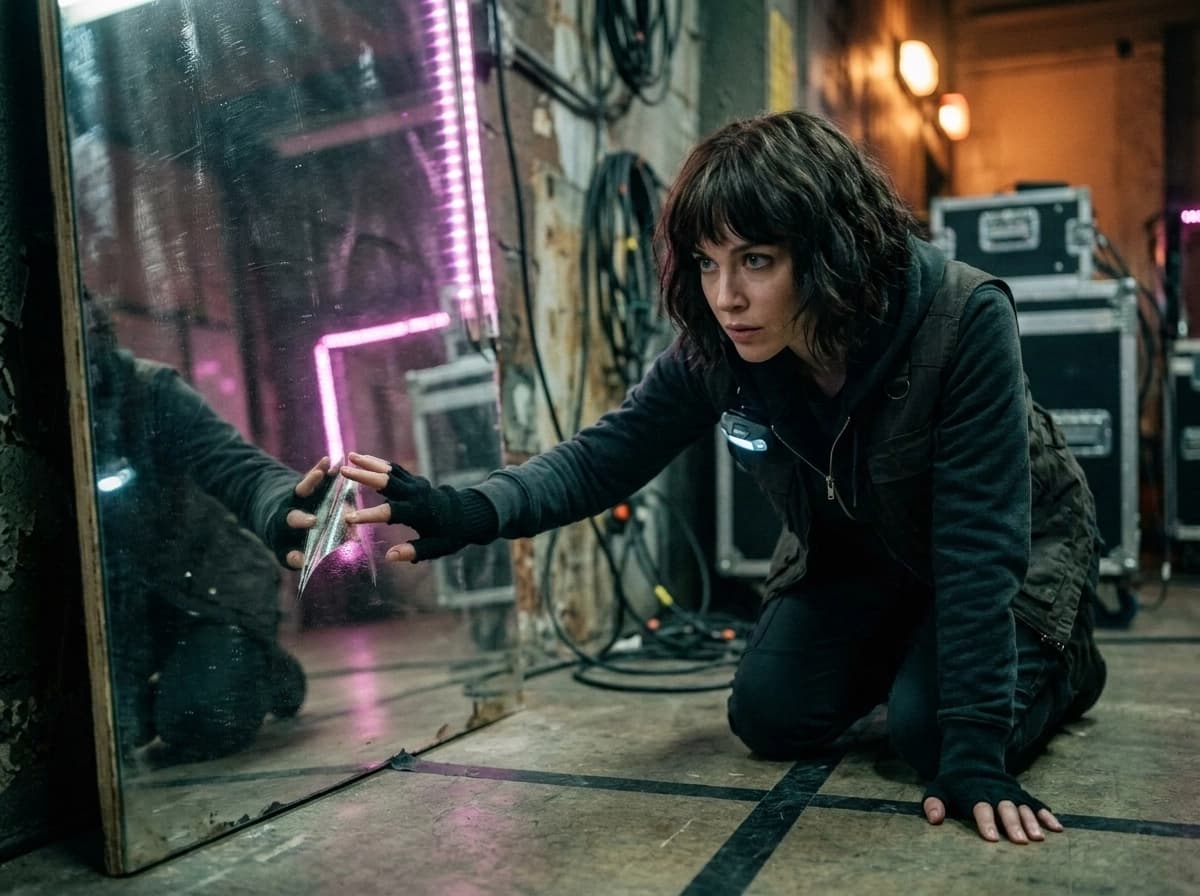
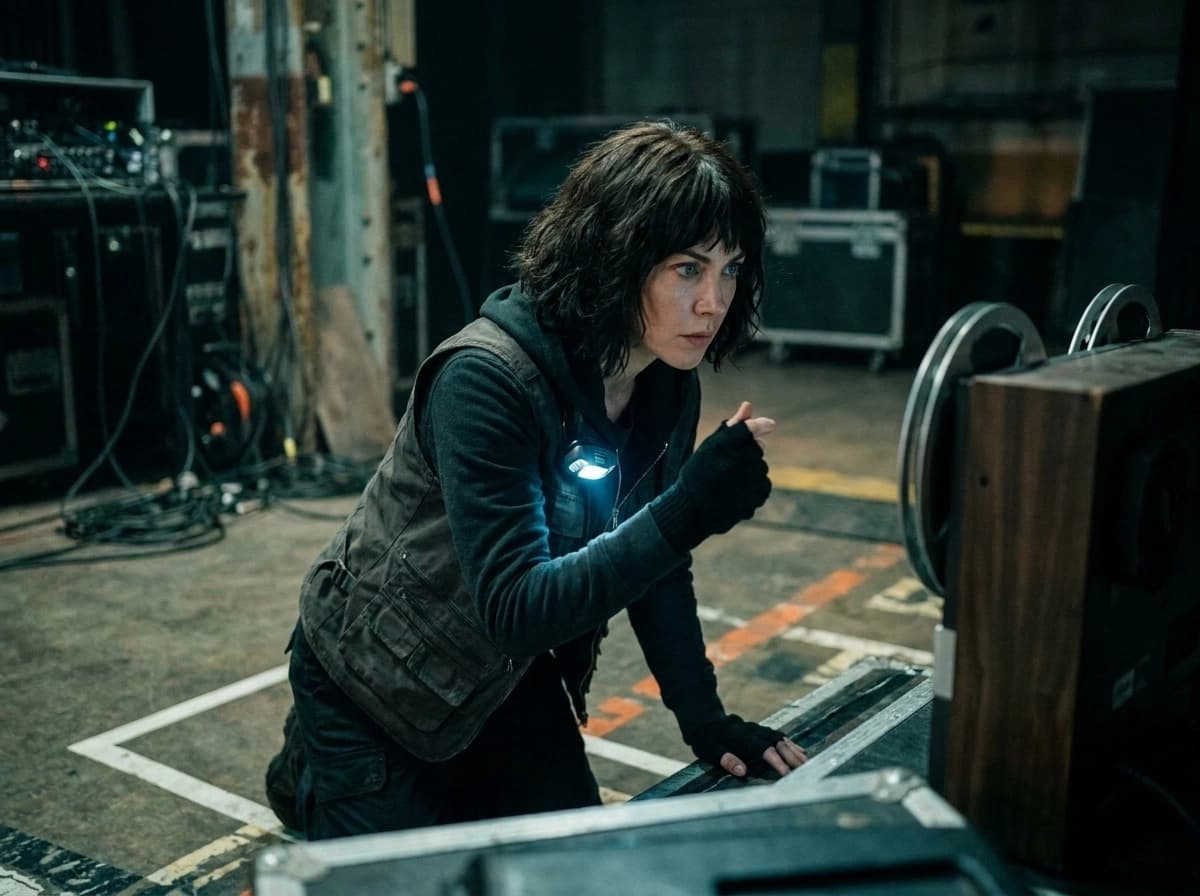
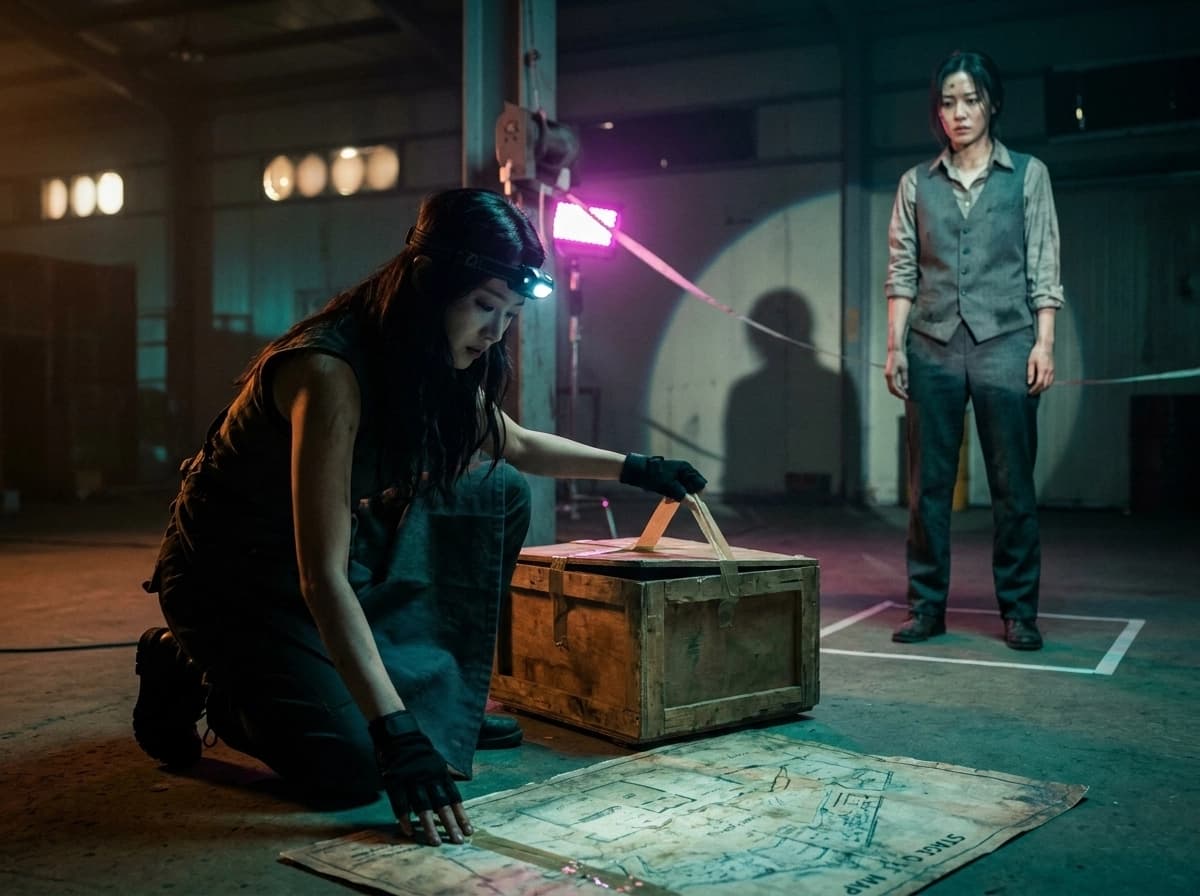
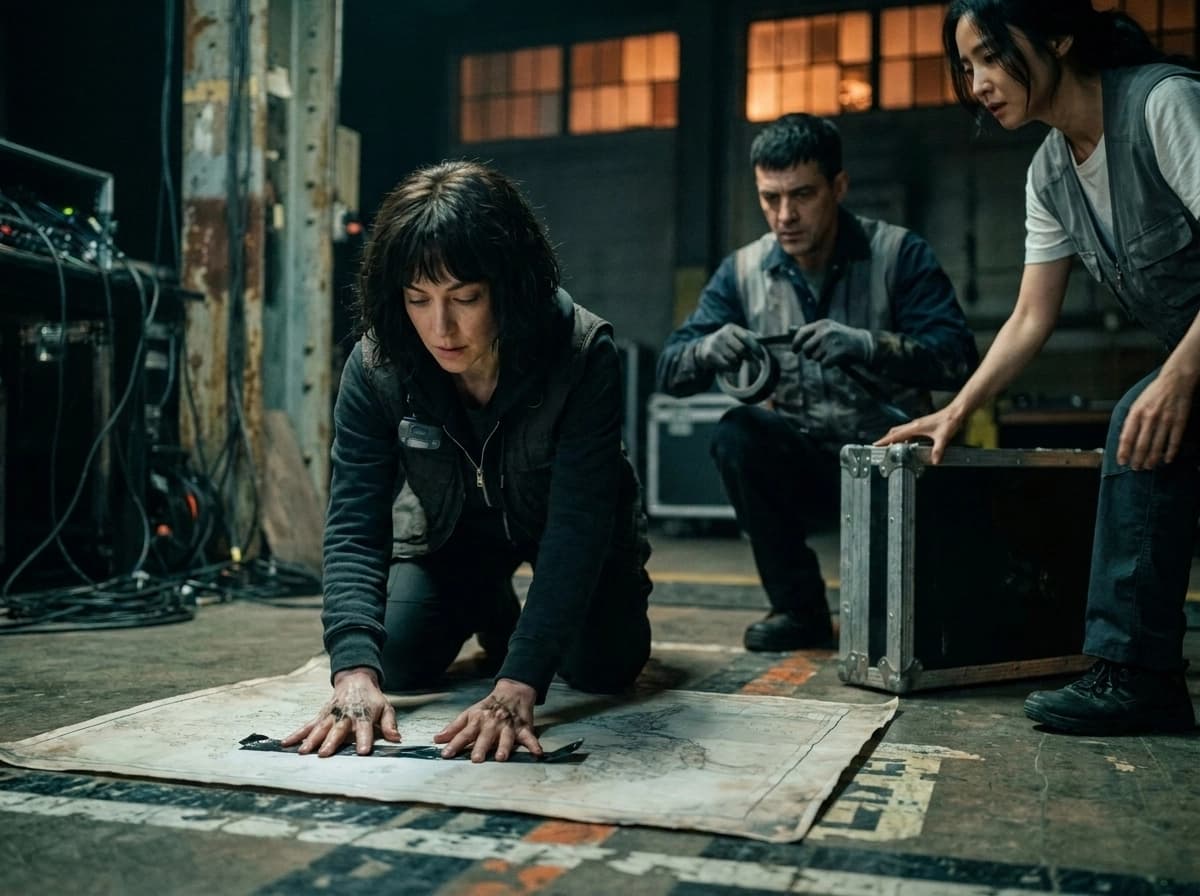
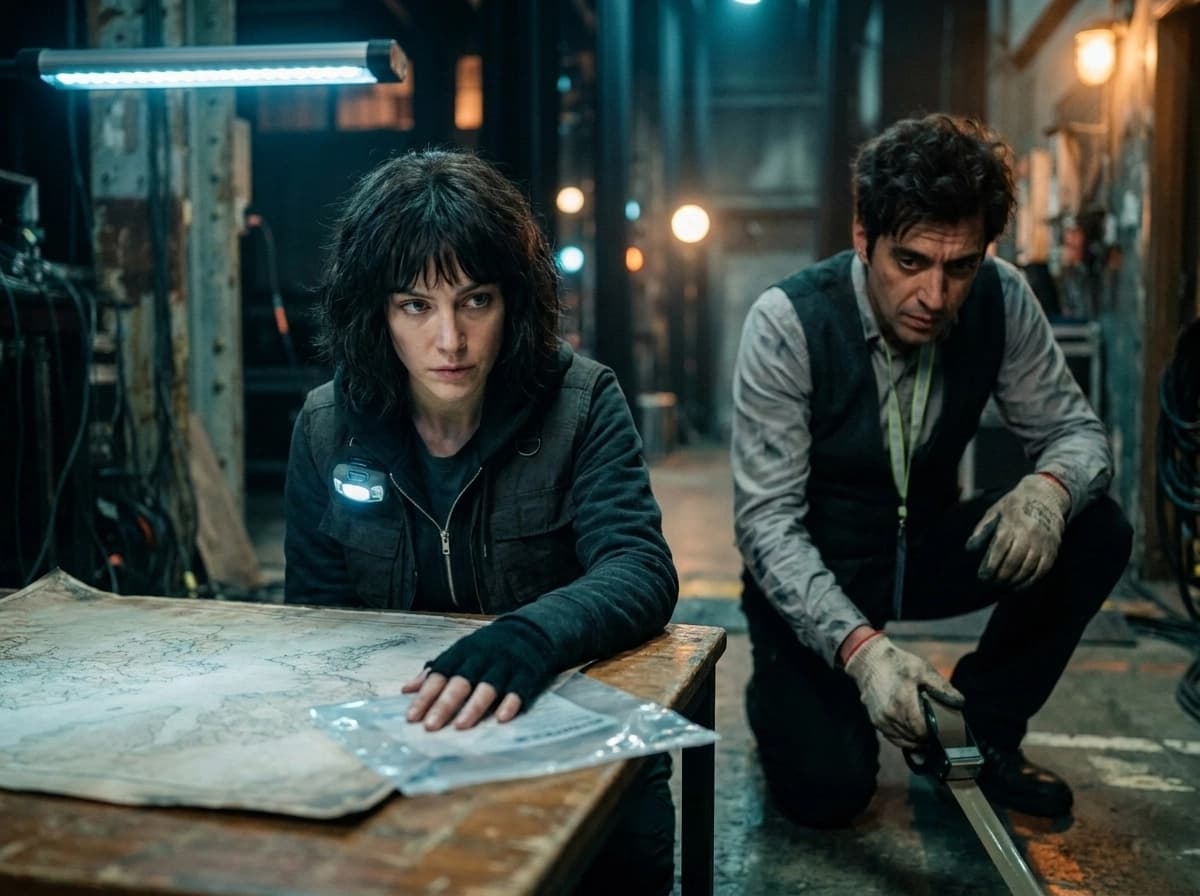
When Na Yuna kneels by the truss-rail line, she finds the taped-over spot—and the mirrors already facing the wrong direction. Whoever tampered with the stage map didn’t leave it blank; they corrected it in a way that looks, on paper, like it could still work. Choi Do-gyeom listens instead of looking, pressing his fingers lightly against the nearest switch panel’s casing and feeling the faint vibration of the latch controller through the metal. His past—helping cover a “glitch” blamed on MOA fans—hangs behind his ribs like a weight. He knows what the clicking cadence means. The “Mirror-Clock Witness Tape” doesn’t just record. It accuses, mechanically, with every unauthorized access logged as a pattern that accelerates as the next cue window approaches. Na Yuna forces her gaze to stay on the rulebook in her head: once the map is locked and stamped at 1:30 a.m., nobody under safety-and-compliance can touch or re-aim any mirror without voiding the record and freezing the panel until a supervisor clears it. Her first instinct is to fix what’s wrong; her second, harder instinct is to stop herself from making it worse.
They move anyway—not by grabbing the mirrors, but by studying their angle marks and the reflection edges on the stage floor. Na Yuna presses her fingertips near the base of the mirror housings without crossing the forbidden line; when the air shifts and she sees the smallest misalignment reflected in the cable trough lines, she feels her throat tighten as if the room has shrunk. Choi Do-gyeom, watching the way the light sweeps across the matte-black ceiling grid and breaks into razor-bright highlights on the mirror edges, notices something that shouldn’t be possible: the mis-aimed mirrors are arranged as if the beam will still hit at least part of the formation—just not all of it, not in time. It’s sabotage designed for partial success: enough to keep people confused, enough to make blame slippery, enough to force the desk into an automatic blackout at cue time.
They try to leave, but the bay door’s indicator light catches their movement and pings an internal sensor—small, harmless, but enough that the next staff step can arrive. That staff step is Jang Seong-hyeon, the broadcast-studio safety supervisor who owns the mirror-and-path safety checks for Tomorrow X Together’s stage. He appears in the doorway like a man stepping into a checklist he cannot afford to miss, marker tape already looping around his wrist, his eyes scanning more for the mirror tags residue than for the intruders’ faces. When Na Yuna and Choi Do-gyeom finally find the courage to speak, it comes out as pleading disguised as urgency: they don’t ask him to “help the fans.” They ask him to confirm whether the stage map stamp was truly the last authorized state, and they offer their own access credentials—because the only way into this bay is through official liaison requests, and they know the safest path is the one rules already made.
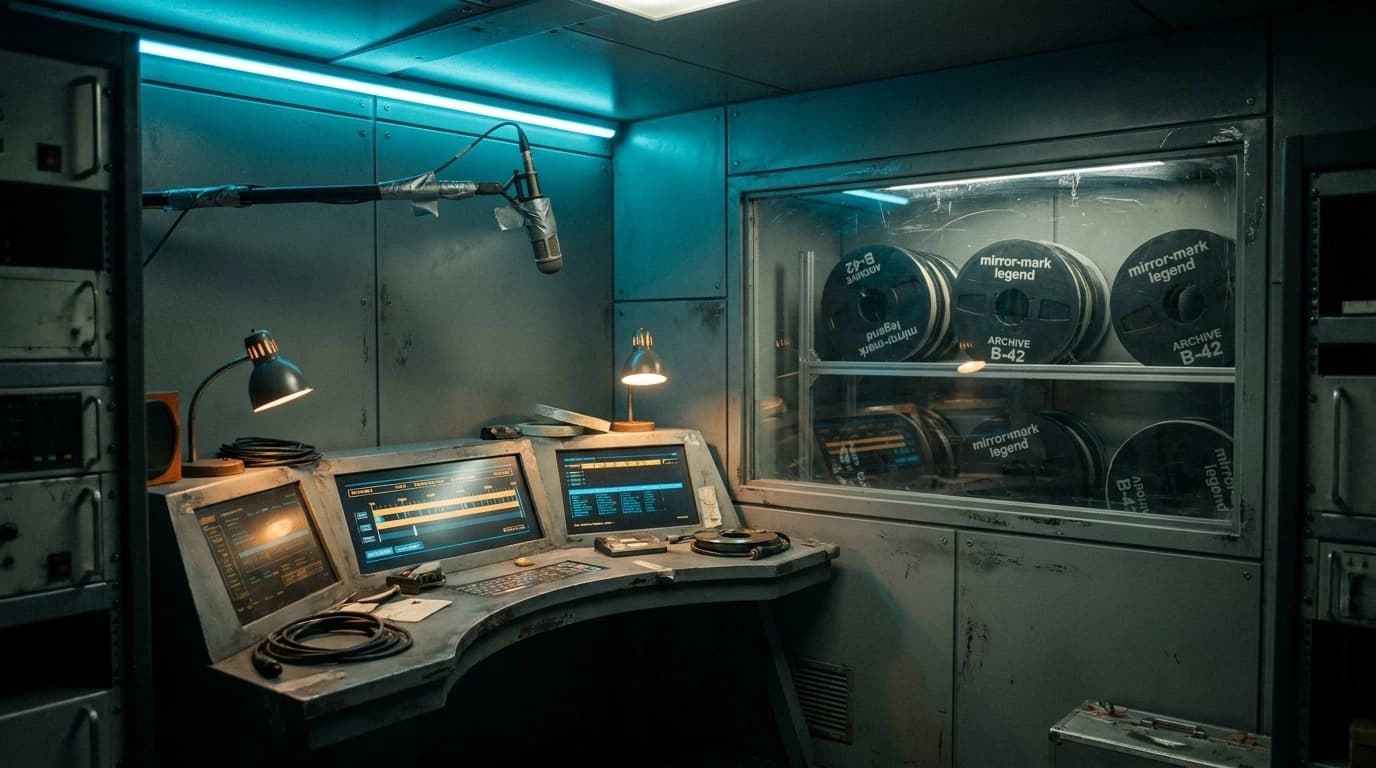
Jang Seong-hyeon doesn’t touch the mirrors. He doesn’t even step close enough to pretend he’s investigating with his hands. His refusal is careful, edged with self-disgust—he’s seen what happens when people with panic press their fingers into equipment that needs compliance, and he knows how quickly blame becomes a weapon. He demands repayment in the form of something concrete: a favor he can assign that proves they’re not simply begging for an exception. He points them toward the mirror-mark legend logs and the latch controller’s click-history station—close enough to see, far enough to avoid touching. Na Yuna realizes the “repayment” isn’t about money. It’s about control: Jang Seong-hyeon wants a condition that keeps the fans from becoming another uncontrolled variable. Choi Do-gyeom, remembering the way he once let a story swallow someone else’s truth to stop a larger problem, hates how much it sounds familiar. Still, he nods. He cannot afford to argue with a man who holds the authority to keep everyone from falling into a safety catastrophe.
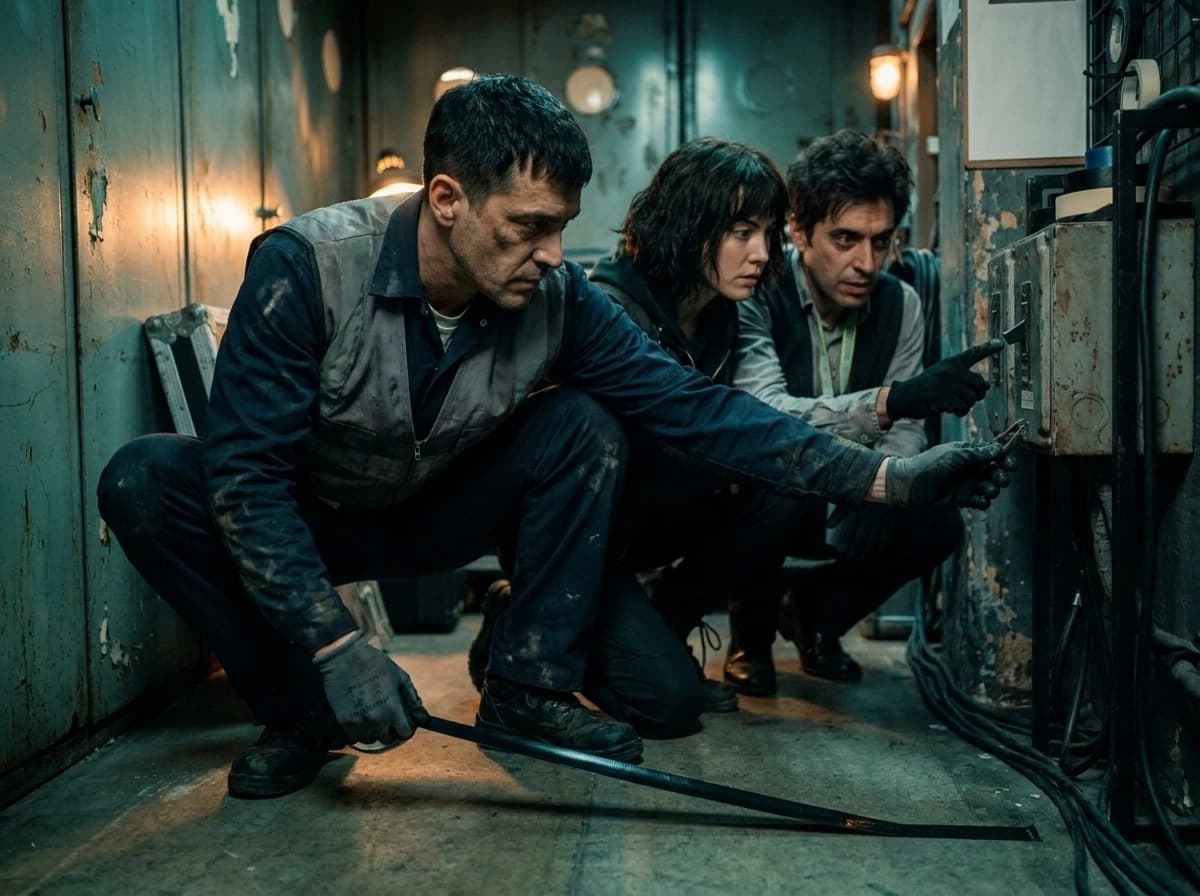
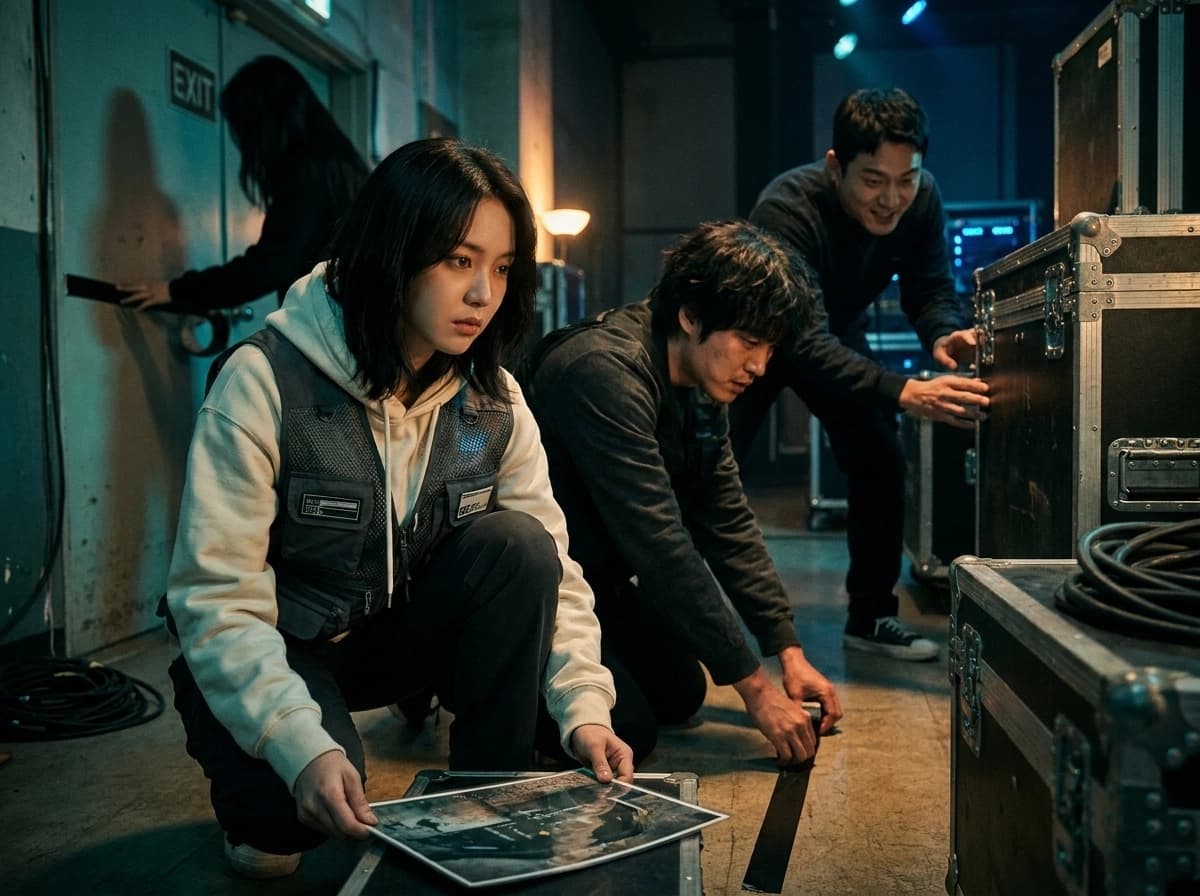
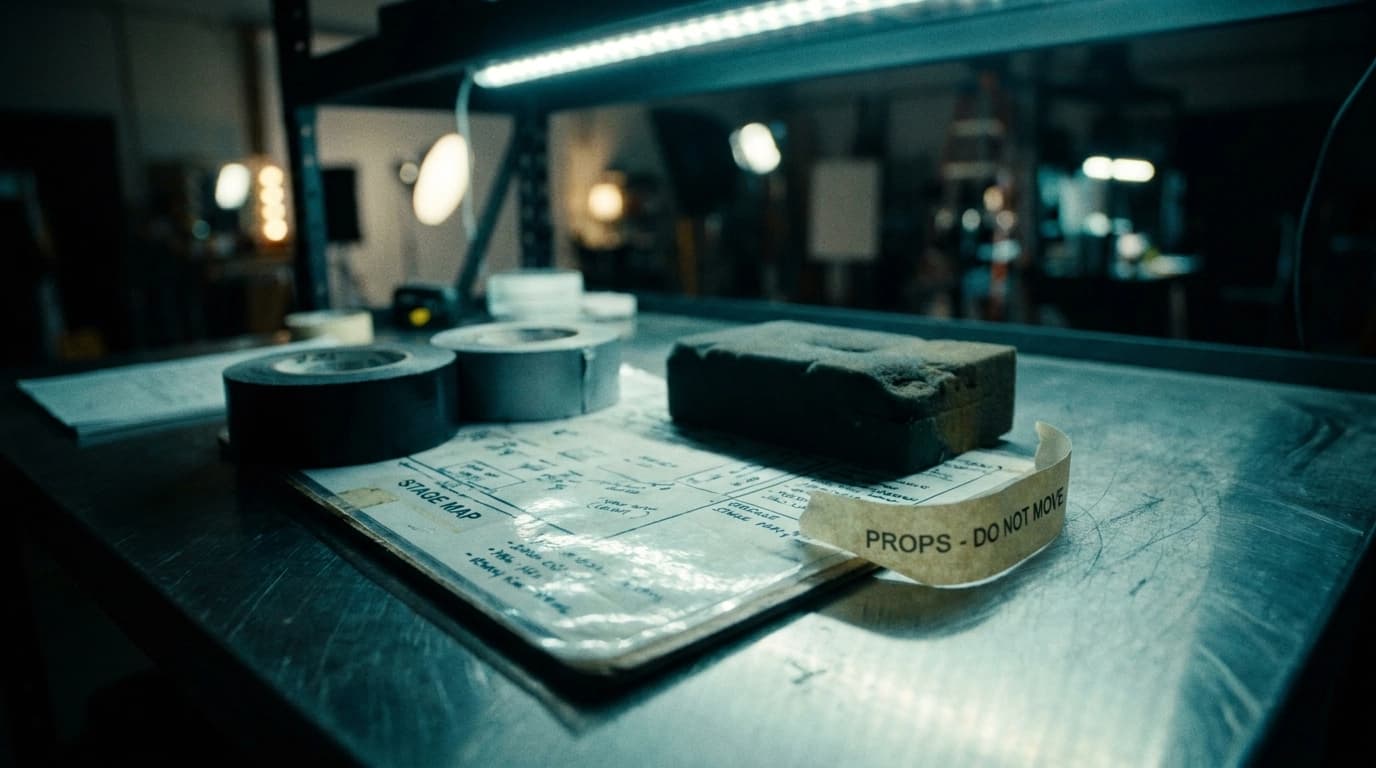
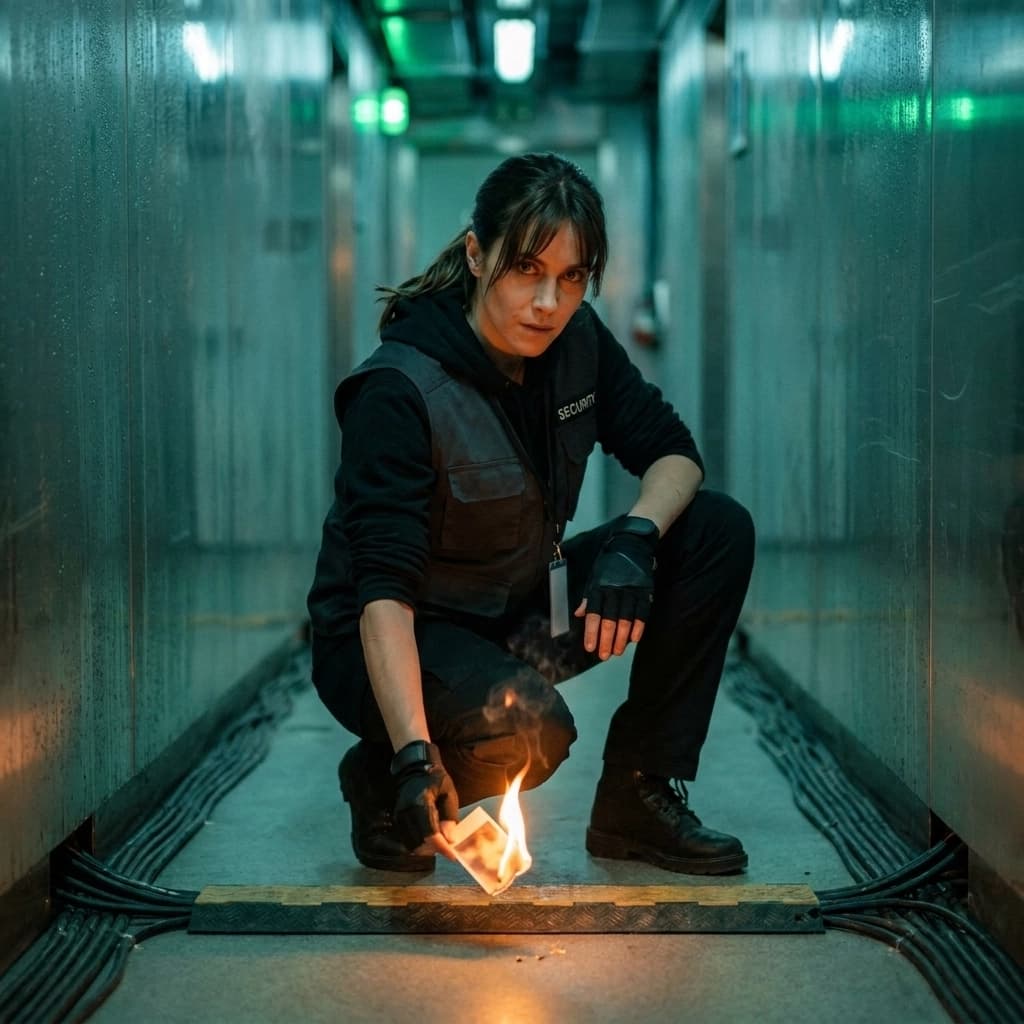
While Jang Seong-hyeon lays out the terms, Han Seo-yul arrives in the same bay with the soft, purposeful speed of someone who belongs in the shadows of a production. She is a props-team replacement, the kind of staffer who can be mistaken for “just doing their job” because her hands are always busy with something harmless-looking. She moves in a crouch, box labels peeled back like bandages, checking adhesive edges with her fingernails before she commits to any re-taping. When she sees Na Yuna and Choi Do-gyeom near the mirror line, her shoulders tense for a fraction too long. She knows those two weren’t supposed to be here. She also knows, with the sick certainty of someone who has already decided she can’t be caught, that the mirrored angles were never an accident. The work she did wasn’t a fix—it was a design, a way of turning an inevitable public failure into her own relief.
Na Yuna tries to keep her hands still while she watches Han Seo-yul. She recognizes the way Seo-yul checks adhesion first, the way she hesitates when someone might notice the “wrong” residue. Na Yuna’s tape-vibration tells—tiny tremors she can hide when she’s alone—leak out when she hears Seo-yul’s toolbox click shut. Choi Do-gyeom sees the shift and understands immediately: the sabotage wasn’t just “someone.” It was someone who knew exactly how people would blame. Seo-yul’s identity fracture isn’t loud; it’s written into the carefulness of her avoidance. She wants the correction to be hers in her own mind, so she has arranged the world so that if a mirror fails, she can claim she was “repairing a mistake” all along—only she’s running out of time.
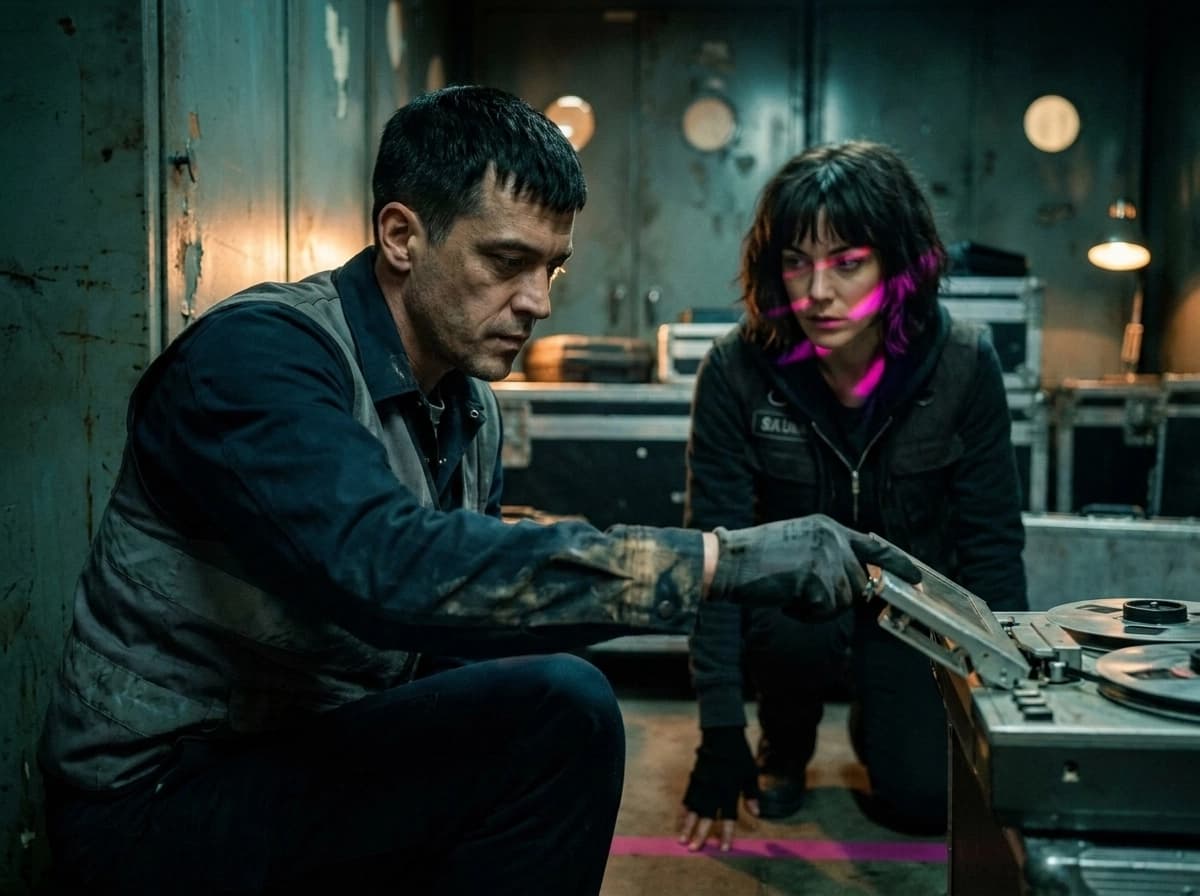
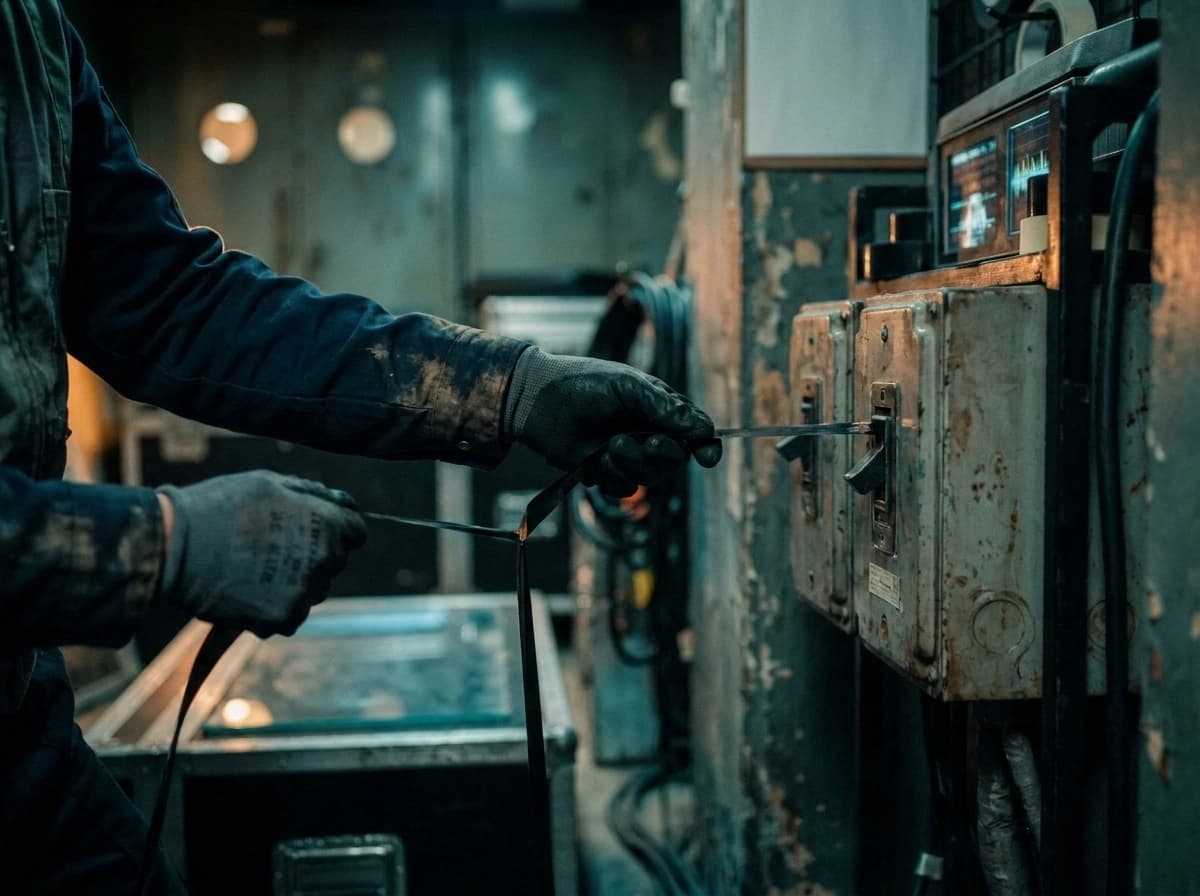
Jang Seong-hyeon, meanwhile, pulls the latch-controller cassette housing open just enough to reveal the “Mirror-Clock Witness Tape” reel without letting anyone touch the mirrors themselves. He holds up the housing like a restraint and listens to the clicking pattern through the casing, as if it’s a language he already speaks in his sleep. As he does, the click cadence speeds—faster than it should be for a harmless investigation. That acceleration isn’t random; it’s the system counting the access attempts since the mirror-mark legend was tampered with. The room’s heater hum seems louder. The emergency magenta LEDs feel harsher on the skin. Every second feels like it belongs to the broadcast desk more than to them.
Na Yuna makes her first real choice that costs her comfort. She doesn’t demand a fix. She offers a trade that puts her in the line of suspicion in a way Jang Seong-hyeon can safely use: she will take responsibility for verifying the stage-map lock state and the legend’s last stamp, but only by standing with him and reading the legend aloud while he monitors the witness reel’s cadence—no hands on equipment, no record tampering, no loophole. It’s a plea for mercy disguised as compliance. Jang Seong-hyeon stares at her for a long moment, then nods once, as if deciding which kind of responsibility is less dangerous than pretending there is no responsibility at all.
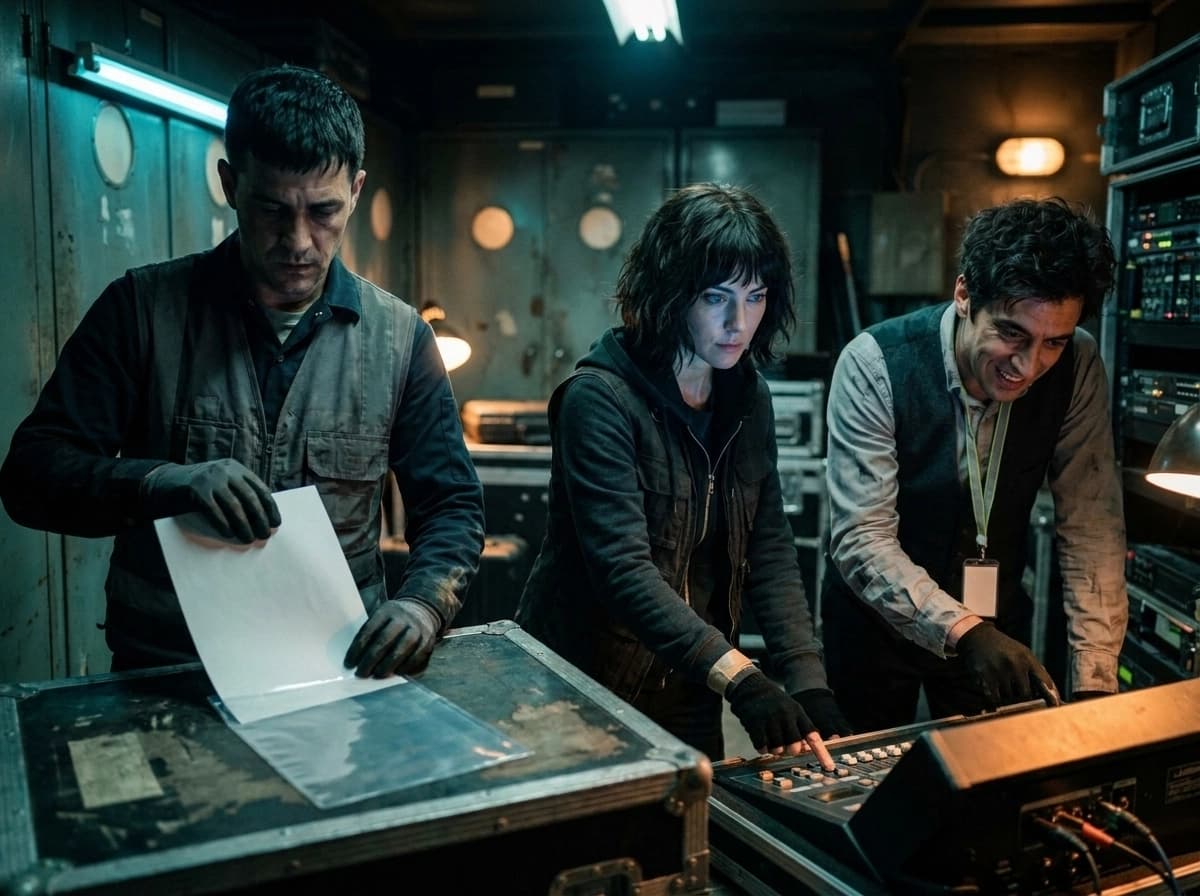
The readout begins as a physical act rather than a quiet console correction. Jang Seong-hyeon marks the floor with fresh marker tape rectangles—straight, unmissable boundaries—then positions Na Yuna and Choi Do-gyeom behind the line. The mirrors and latch housing stay untouched. Han Seo-yul watches from the side, her hands hovering near her toolkit like she’s ready to run or ready to stall depending on how the room decides to punish her. When the legend is spoken and the witness tape clicks are compared to the expected access windows, the pattern becomes undeniable: someone approached the mirror-mark legend and changed its state after the lock stamp. The only people in the corridor log who could have done it are staff and authorized liaisons—and the corridor’s liaison badge scan can’t be faked without leaving an audit trace. That means the sabotage had an inside shape even if it didn’t have inside hands.
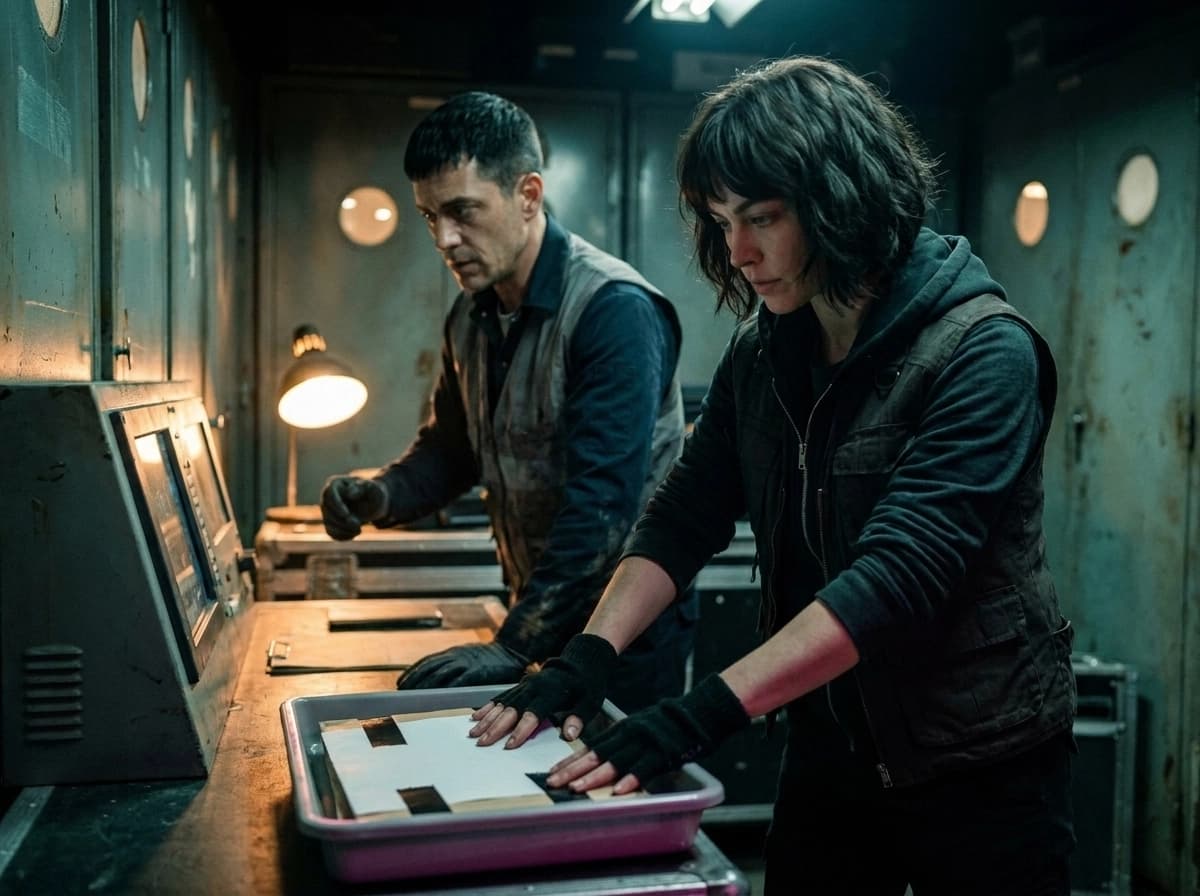
Seo-yul tries to talk first, her voice too calm. She tells Jang Seong-hyeon that she was “straightening” the backing for the map, that she found a “misplaced instruction” and set it right. Her explanation sounds plausible the way a carefully folded lie does: smooth, specific, and anchored to her own adhesive residue. Na Yuna counters not with accusations but with physical observation—where Seo-yul’s fingertips have left faint tacky marks on the edge of a backing panel, where the tape pulled in a direction that matches the emergency floor rectangles’ scuff pattern. The proof isn’t a computer screen. It’s a smear on metal and a rip in backing material. Jang Seong-hyeon’s gaze flicks to those points, then to Seo-yul’s nails. His jaw tightens. He doesn’t shout. He moves—one decisive step to block Seo-yul’s path toward the exit corridor, marker tape under his palm as if he might turn it into a wall.
The confrontation compresses into action. Han Seo-yul reaches for her toolkit—habit, not weapon—and when Jang Seong-hyeon blocks her, she yanks back too fast, knocking her own box corner against the latch controller housing. The lid jerks, and the witness tape reel slips half a notch. For a heartbeat, the clicking pattern stutters, then regains speed, and the countdown feeling returns with sharper teeth. Choi Do-gyeom sees the reel’s misalignment and remembers his own earlier “glitch” cover-up: the urge to fix something quickly by any means, even when any means breaks rules. He doesn’t touch the equipment. Instead, he lunges to steady Seo-yul’s wrist—not to grab her, not to hurt her, but to stop her from making the mistake worse. His fingers close around her sleeve fabric, and the impact of his restraint knocks Seo-yul’s eyes wide.
Na Yuna takes advantage of that moment with forbidden knowledge she’s been carrying: she already mapped how the mirrors’ formation cue needs all reflections aligned. If one mirror is outside tolerance, the desk routes the entire formation to blackout at cue time, not because it can’t see a face, but because the beam timing must align. If they can’t re-aim mirrors, then the only way to save the performance is to get the system to accept a different arrangement before the live lock—either by restoring the correct mirror-mark state or by forcing a safe recalibration window. That means someone must risk the rule against touching mirrors by coordinating with a supervisor clearance in the narrowest time possible. Na Yuna doesn’t ask Jang Seong-hyeon to “let her do it.” She asks him to decide whether the rules still protect the people who are about to stand onstage and be punished for a sabotage they didn’t commit.
Jang Seong-hyeon wants to refuse. His moral dilemma isn’t abstract; it lives in his hands, in the way he keeps them behind marker tape boundaries. If he clears an exception, he can lose a record and become the next target in a blame cycle that always finds a powerless scapegoat. But he also recognizes what kind of failure this is: the sabotage is crafted to look like fans’ meddling, to turn a fandom into a convenient villain. The moment he sees Seo-yul’s adhesive residue match the “mirror-mark” backing swap, his refusal becomes impossible to keep clean. He draws a breath, then steps forward and speaks into the safety radio, requesting an emergency mirror-panel clearance tied to the specific cue window.
That request forces Han Seo-yul into reversal. She doesn’t flee; she tries to stay useful in the only way she knows—by taking over the process she believes she started. She scrambles toward the mirror-mark legend station and grabs a backing panel that looks like it only holds paper. But within the world’s rules, even that is dangerous: the backing is part of the stage-map overlay logic. She yanks it, and as it comes loose, a hidden compartment on the underside pops open, revealing something tucked between backing layers like a secret that couldn’t breathe. The compartment is small, but it’s enough to show a handwritten note—thick pen strokes on pale paper, edges softened by handling. Na Yuna sees her breath fog the magenta LED light on the page.
Choi Do-gyeom snatches the note from the air before it can fall, careful not to cross the mirror boundary tape. The handwriting isn’t random. It’s directed, angry, and precise, naming the stage-map lock timing and describing the plan: someone swapped the stage map not just to misalign mirrors, but to guarantee a public failure that could be blamed on MOA. The note also includes a time and a reminder: cameras will be synced again before tonight’s broadcast, and the system will attempt to correct based on what it sees—unless the sabotage is exposed in time. The last line is a cruelty disguised as logic: “If they can’t prove it was me, let them believe it was the fans.”
That is the dramatic irony Na Yuna cannot stop seeing in her mind. Fans already feel guilty because of the earlier “glitch” story. Choi Do-gyeom already fears he helped set the precedent of believing the wrong people. Now the sabotage text makes it clear: this isn’t an accident, and it isn’t even primarily about blackout. It’s about narrative capture. About who gets to be believed when the stage lights fail.
Jang Seong-hyeon’s response turns physical. He grabs the marker tape roll again and tears off a strip to seal the witness station area, blocking Han Seo-yul’s body from re-accessing the legend backing or the latch housing while the supervisor clearance is pending. Then he pivots to Na Yuna and orders her to move fast in a way that doesn’t require her hands on the mirrors. He knows her role: she can’t touch the mirrors, but she can influence what the system decides counts as “safe” by ensuring the right information is attached to the clearance request. Na Yuna and Choi Do-gyeom, together now, carry the note and the observed residue evidence toward the bay’s public-address panel interface and the camera sync request point—still within procedure, still monitored.
Han Seo-yul tries to stop them with her body, stepping in front of the path like a person blocking a door to keep someone from leaving. It’s the first time she looks truly afraid rather than calculating. Jang Seong-hyeon doesn’t push her with violence; he blocks her back, shoulders squared, marker tape stretched between them like an invisible boundary made visible. Choi Do-gyeom presses his palm flat against the wall near her shoulder to keep distance—then yanks his own attention back to the clock, because the witness tape’s click cadence is already tightening into a countdown. The room’s lights flicker once as the system processes their access, like the studio itself is clearing its throat before it speaks.
When the first mirror finally cracks, it happens because the sabotage wasn’t merely an angle swap; it was a fatigue of alignment hardware designed to fail under repeated micro-cue stress. The crack is a sharp sound that travels through the bay’s ribs, and the reflected magenta streak on the floor splinters into jagged shards. Na Yuna flinches so hard her shoulder bumps the stage floor’s cable trough cover. Choi Do-gyeom steadies her with an instinct that is almost an apology. Jang Seong-hyeon’s eyes flick to the mirror housing immediately, not to admire damage but to confirm the crack wasn’t caused by their unauthorized touches—confirming, in a way, their innocence in advance. The safest outcome is always the one least likely to turn them into scapegoats.
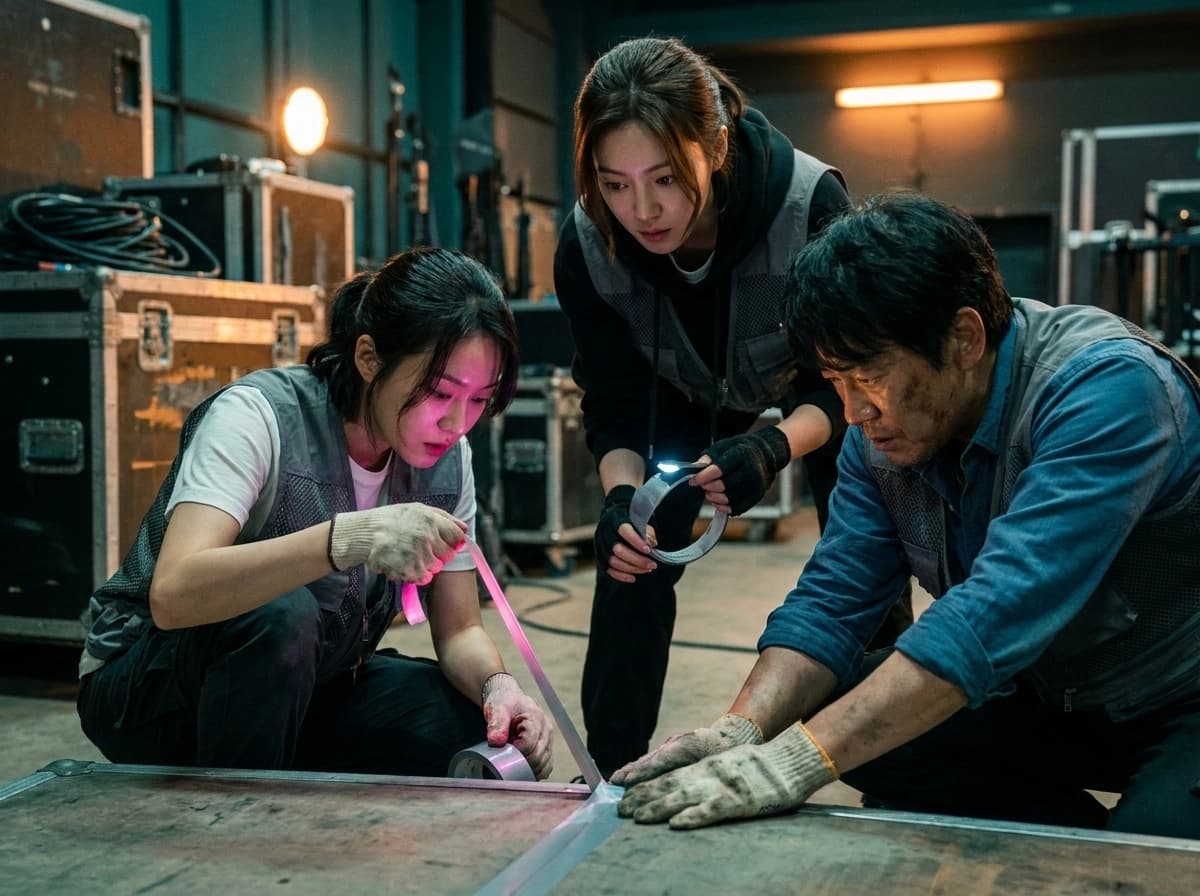
The cracked mirror produces a new light behavior, and the desk’s reflection-trigger system—expecting synchronized beams—begins to route toward blackout again. But the clearance request has already gone through, and now the supervisor’s authority can unfreeze the mirror-panel movement only for a narrow recalibration window tied to the stage-map legend correction. Na Yuna knows she can’t grab the mirrors, but she can pull the correct backing layer into place on the overlay mount while Jang Seong-hyeon watches from behind the tape line. It’s still “touching” in a sense, but it’s allowed because it’s part of authorized overlay correction under clearance. Han Seo-yul tries to snatch the backing before it’s secured, and in that struggle her carefulness finally breaks; she knocks loose a small adhesive strip that reveals the faint pattern of her tape pull direction—a physical signature that matches the mirror-mark swap residue Na Yuna pointed out earlier.
As Jang Seong-hyeon secures the clearance and Na Yuna locks the overlay correction, Choi Do-gyeom returns to the switch-panel time checks, counting the latch clicks with his fingers hovering near but not contacting the equipment. He’s terrified of repeating his earlier mistake: letting fear make him complicit. So he does the opposite. He calls out the exact cue timing to Na Yuna and Jang Seong-hyeon while they work, voice steady enough to keep them moving. His Chekhov’s reveal isn’t in a storybook line; it’s in the way he stops trying to look like someone who doesn’t matter. He matters now because his voice guides the only chance.
The recalibration window arrives like a held breath released. The mirrors, corrected by overlay acceptance rather than direct hand re-aiming, swing their reflections back into alignment one by one, their metallic clicks synchronized enough to fool the desk into believing the beam pattern is legitimate. On the stage floor, the electric-blue cable markers catch the reflected light and flare in clean, straight sweeps—no jagged shards, no ghostly misalignment. For one decisive moment, the system’s blackout route does not trigger. The cracked mirror still needs replacement, but it no longer threatens the full formation cue. Tomorrow X Together can rehearse tomorrow without a guaranteed camera-facing disaster.
They don’t stop there. The next day’s live broadcast is scheduled, and the sabotage note’s time reminder turns the studio into a hunting ground. Jang Seong-hyeon calls in security and provides the witness tape’s observed click cadence pattern along with the physical residue evidence—because rules are the language that keeps this story from being rewritten by whoever shouts first. Na Yuna keeps the handwritten note in a sealed evidence sleeve, her fingers feeling the paper’s texture through the plastic like she’s holding proof that has teeth. Choi Do-gyeom, with his guilt now redirected into action, insists on one thing: MOA liaison representatives be allowed into the viewing corridor to witness the correction process and the evidence handoff, so fandom isn’t defined by rumors again. He knows the only power the fans have in this place is the power to be believed. He tries to make belief based on what cameras can show and logs can verify, not on the comfort of blaming outsiders.
Han Seo-yul doesn’t get a clean escape. When cameras are synced again later that day, her last-ditch attempt is to reintroduce another wrong backing layer through a maintenance access panel she thinks the clearance won’t touch. But the tape she used earlier is now mapped, its adhesive residue drying in a way that security can compare. She’s caught before she can leave the bay, her toolbox still open, her fingers still sticky with adhesive that smells faintly sweet and chemical. In the aftermath, she doesn’t cry; she stands too straight, jaw clenched, as if posture can argue her innocence. Yet when Na Yuna looks at the note evidence and then at Han Seo-yul’s hands, she can’t pretend it was an accident anymore. The note wasn’t meant to be found; it was meant to redirect blame. That intention is the clearest form of culpability.
By the time the rehearsal for the next day finishes, the cracked mirror has been isolated and the rest of the mirror formation performs the timed formation cue without blackout. The boys onstage—tomorrow’s center of everything—move through their choreography with their usual practiced chemistry, unaware of the invisible fight that held up the light beams above their heads. Na Yuna watches from behind the safety tape line, her heart thudding in her throat every time a reflection edge sweeps across the stage floor. Choi Do-gyeom stands beside her, listening to the mirror latch clicks as if they could still betray them, but this time the clicks are steady, not accelerating. Jang Seong-hyeon keeps his hands behind boundaries and lets procedures do what they’re meant to do: protect the vulnerable and prevent blame from turning into a ritual.
When the cameras roll for tonight’s live show, the system triggers the cue pattern smoothly. The mirrors catch the same beam. The blackout route stays idle. And in the broadcast’s polished light, it looks effortless—until you remember what it cost: a midnight decision by fans who weren’t allowed to touch anything, a safety supervisor who chose mercy without surrendering control, a sympathetic young staffer whose attempt to rewrite her own role ended with her caught by physical residue, and two protagonists who finally learned that belonging isn’t something you beg for in whispers; it’s something you defend with your hands held to the rules—eyes on the clock—until the truth can’t be edited fast enough to disappear.