筋書き
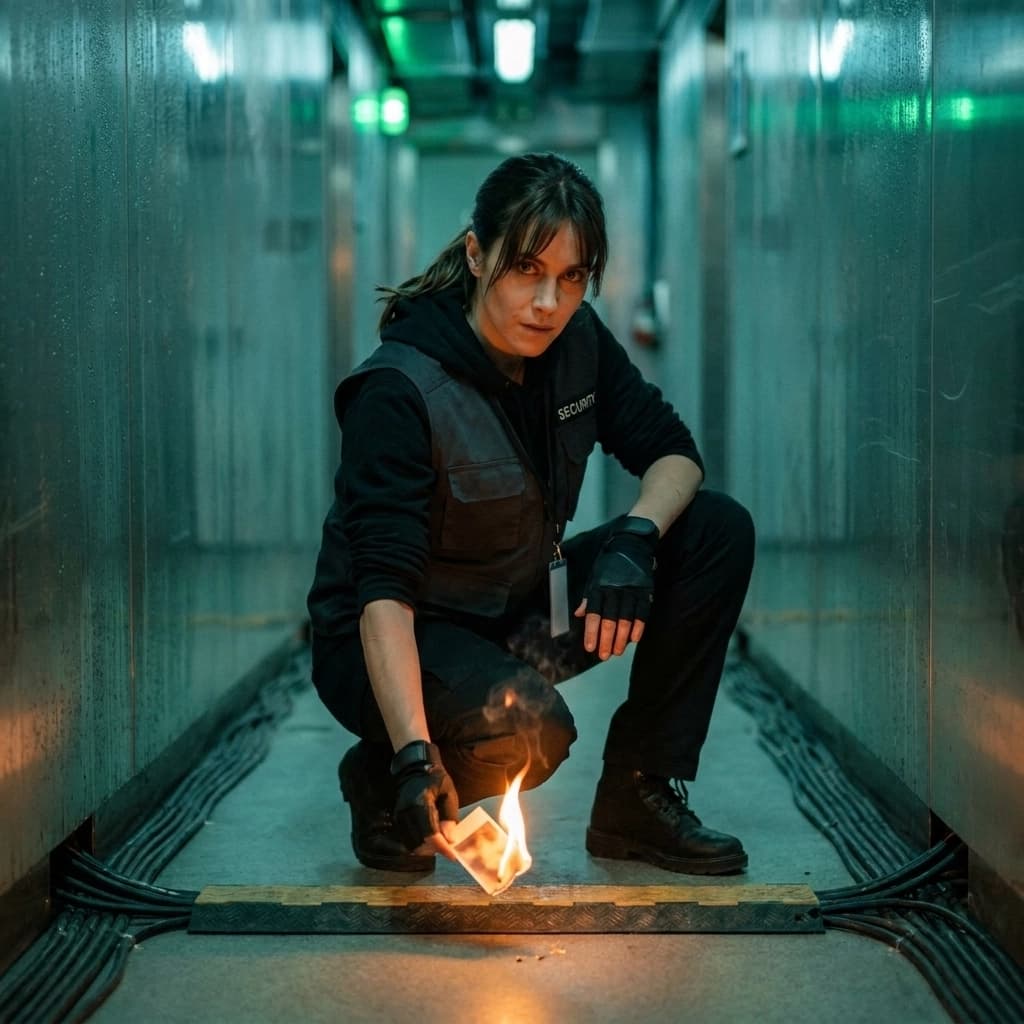
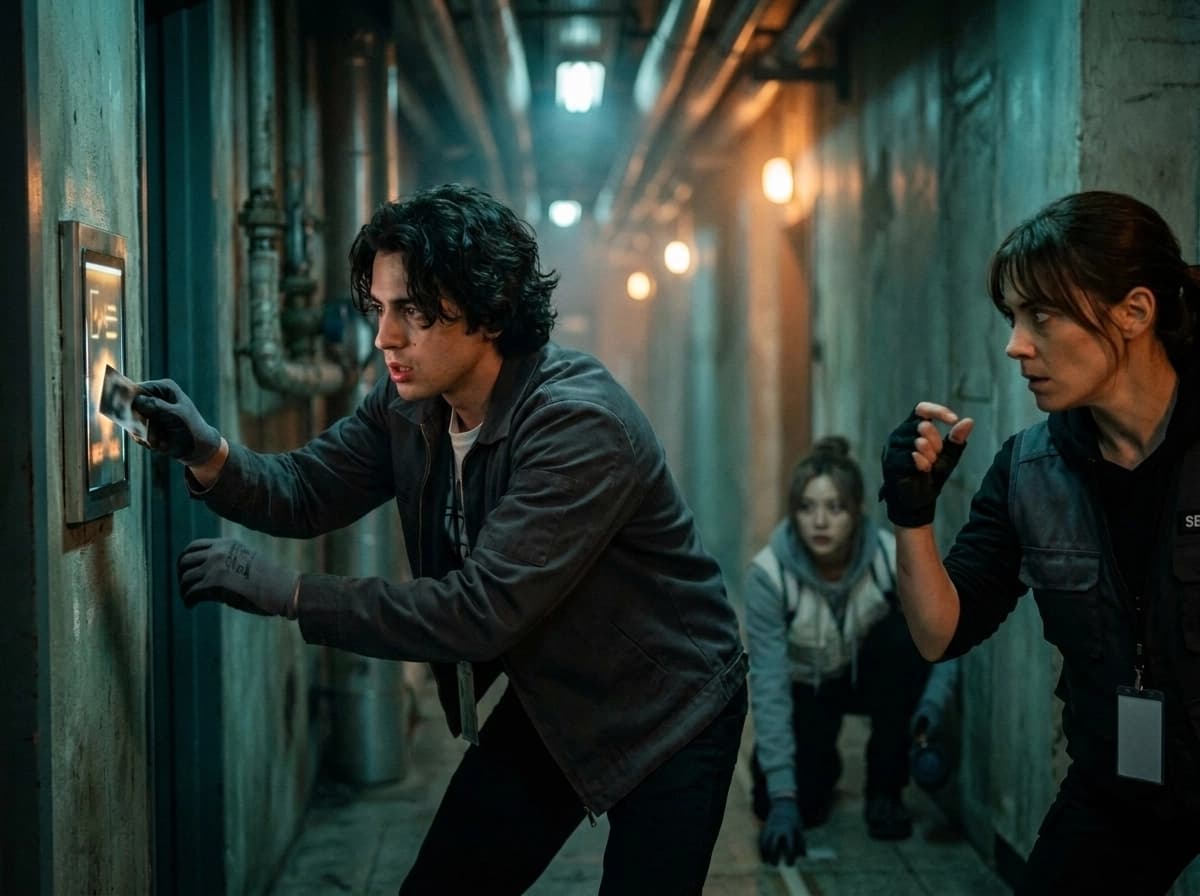
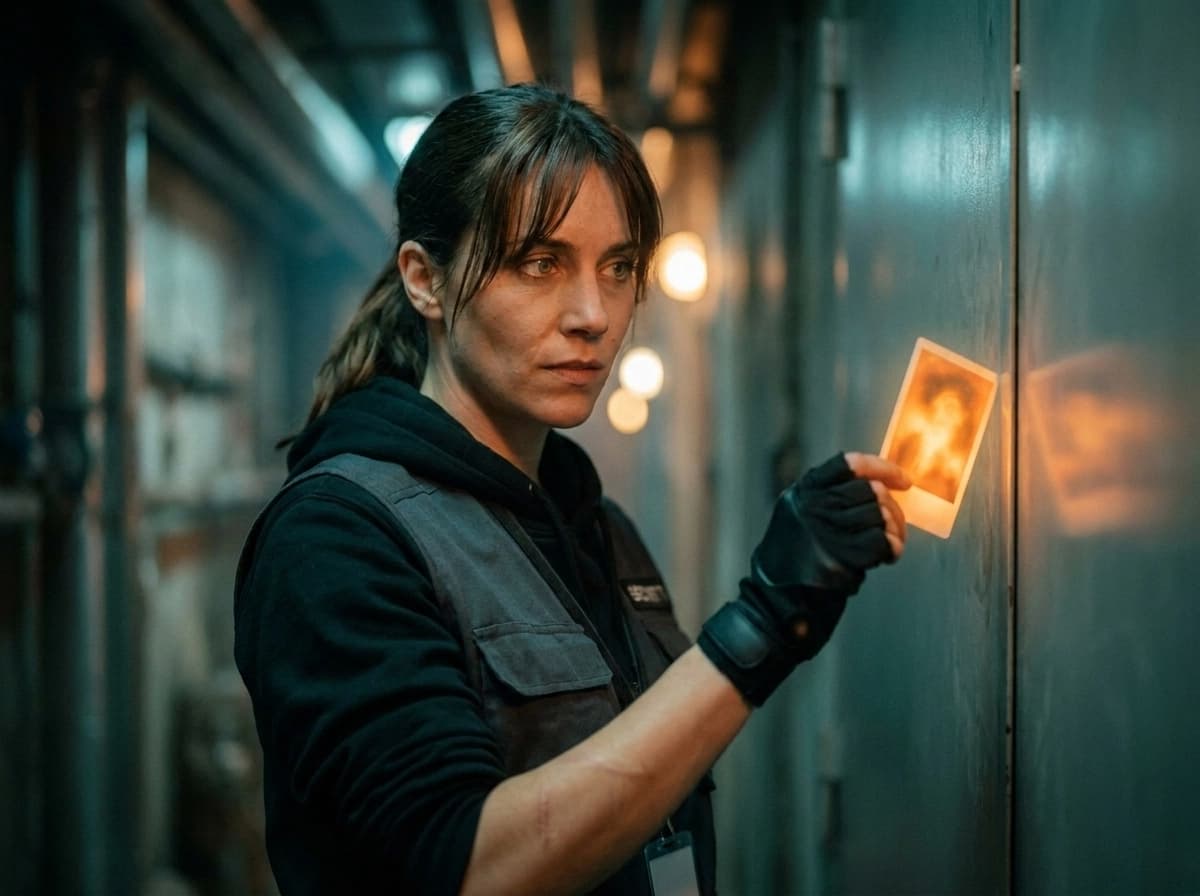
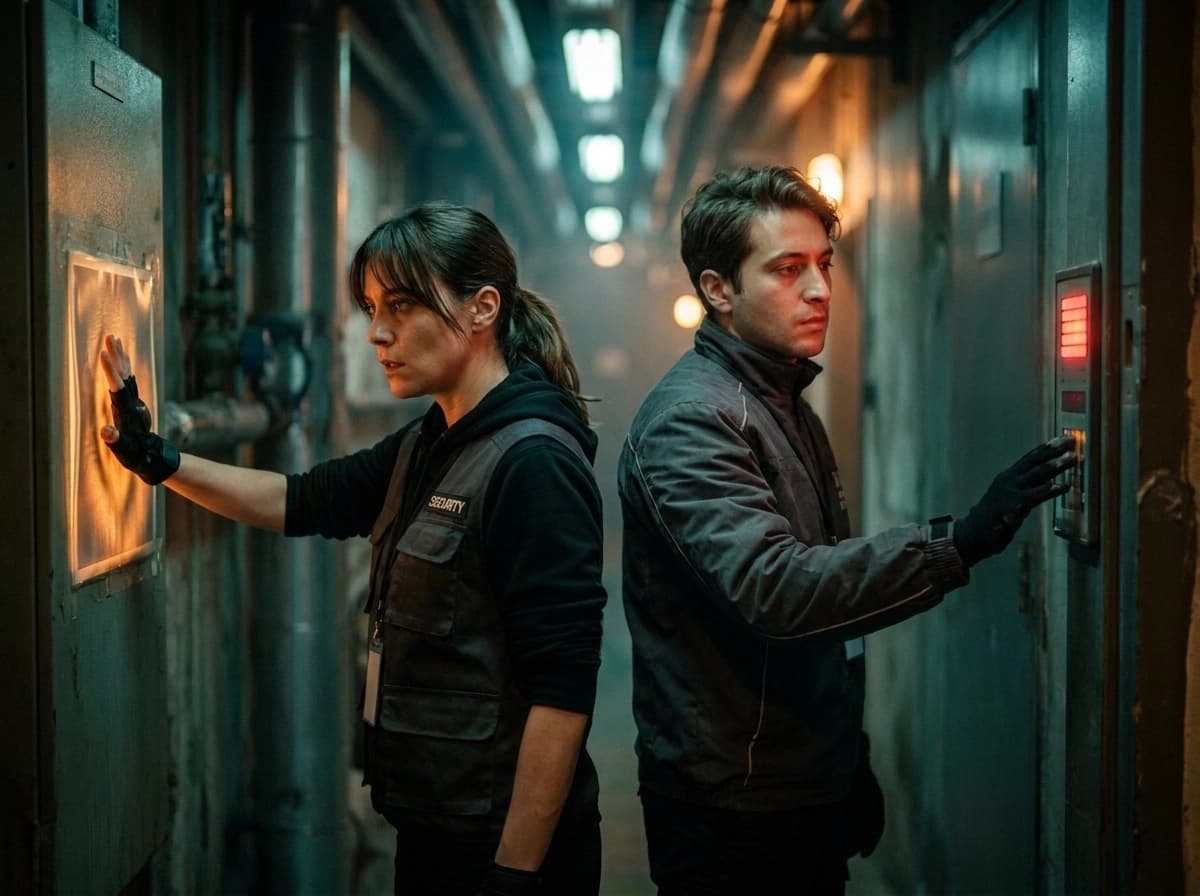
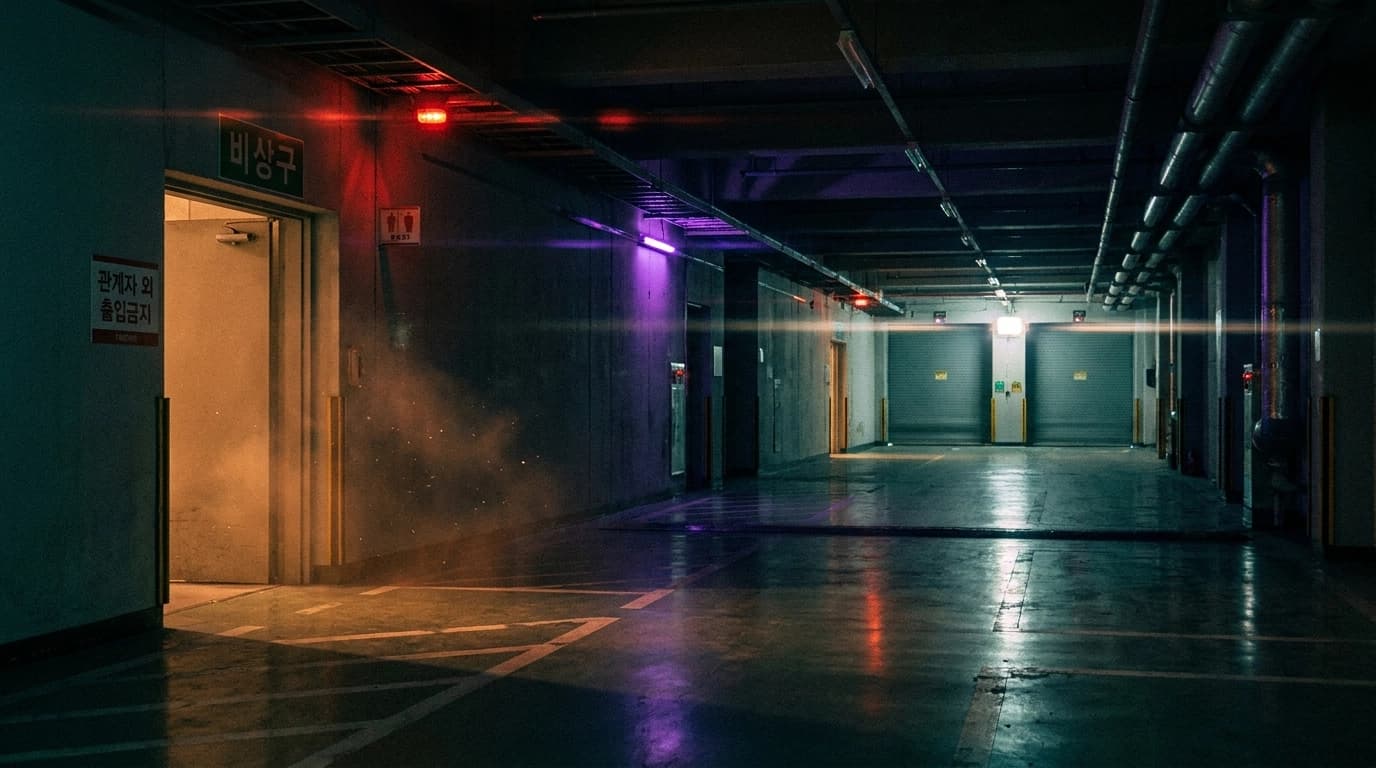
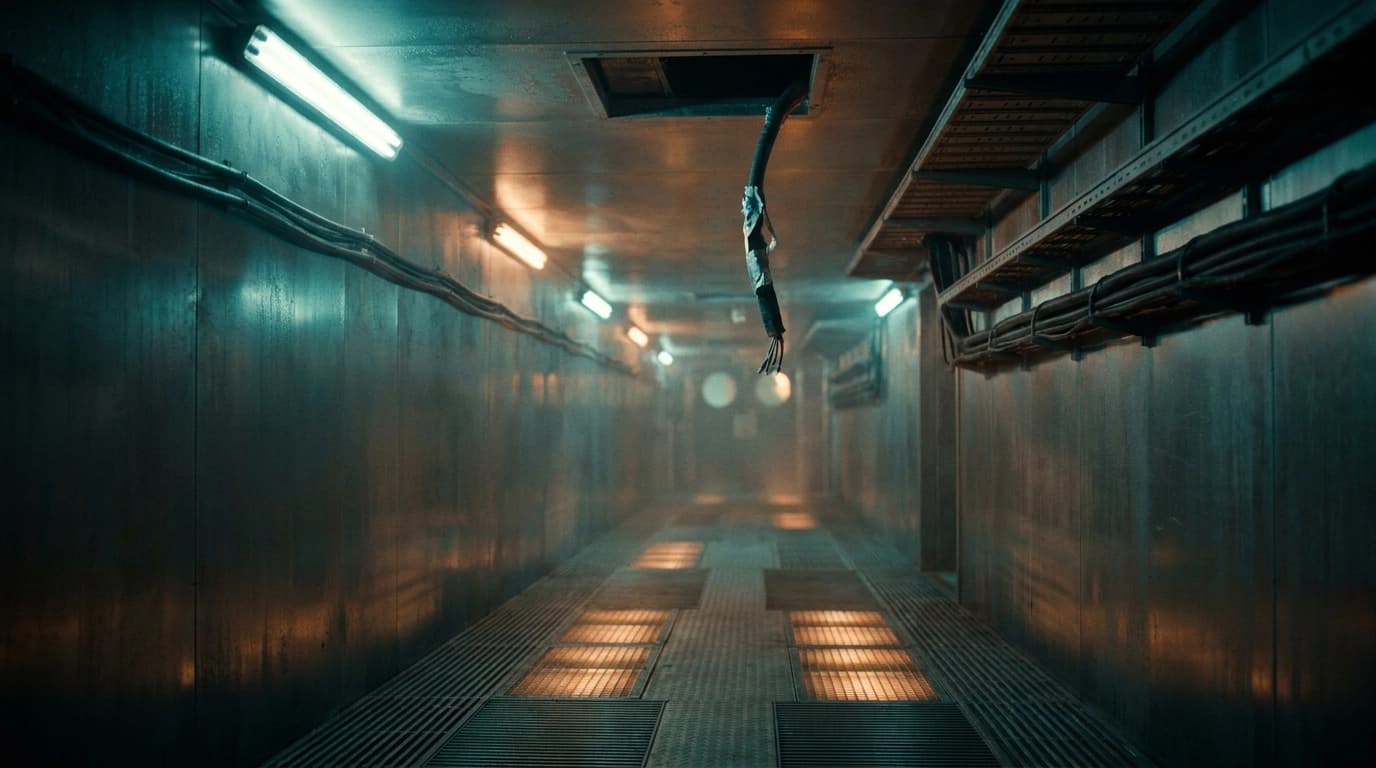
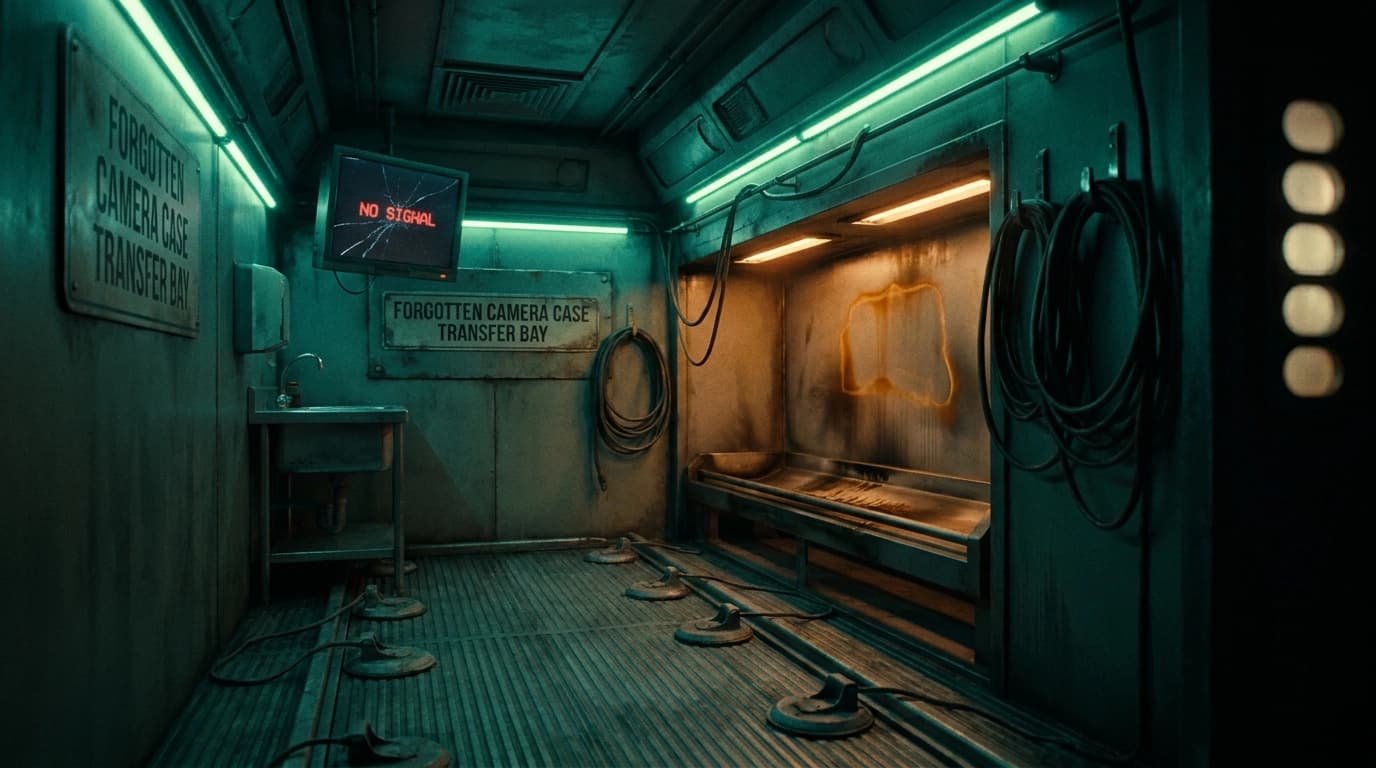
At 2:13 a.m., 한유진 and 임서아 are walking the backstage corridor of the Seoul Concert Arena with their breath clouding in the green emergency light, following a rumor that THE BOYZ’s “last seen” livestream is still buffering somewhere it shouldn’t be. The hallway looks empty until the UV service lamps kick on—taped floor strips and matte-black cable covers suddenly reveal a navigation grid that only makes sense under that sickly aqua. A frozen frame sits on 유진’s phone screen: blurred fingers hovering over a forgotten camera case, as if the moment itself paused mid-decision. The air smells like cold metal and overheated dust, and 유진 feels the same wrongness in her wrist as the heat-laced photocard she carries begins to go too-hot too quickly—like the arena is trying to answer her with warmth.
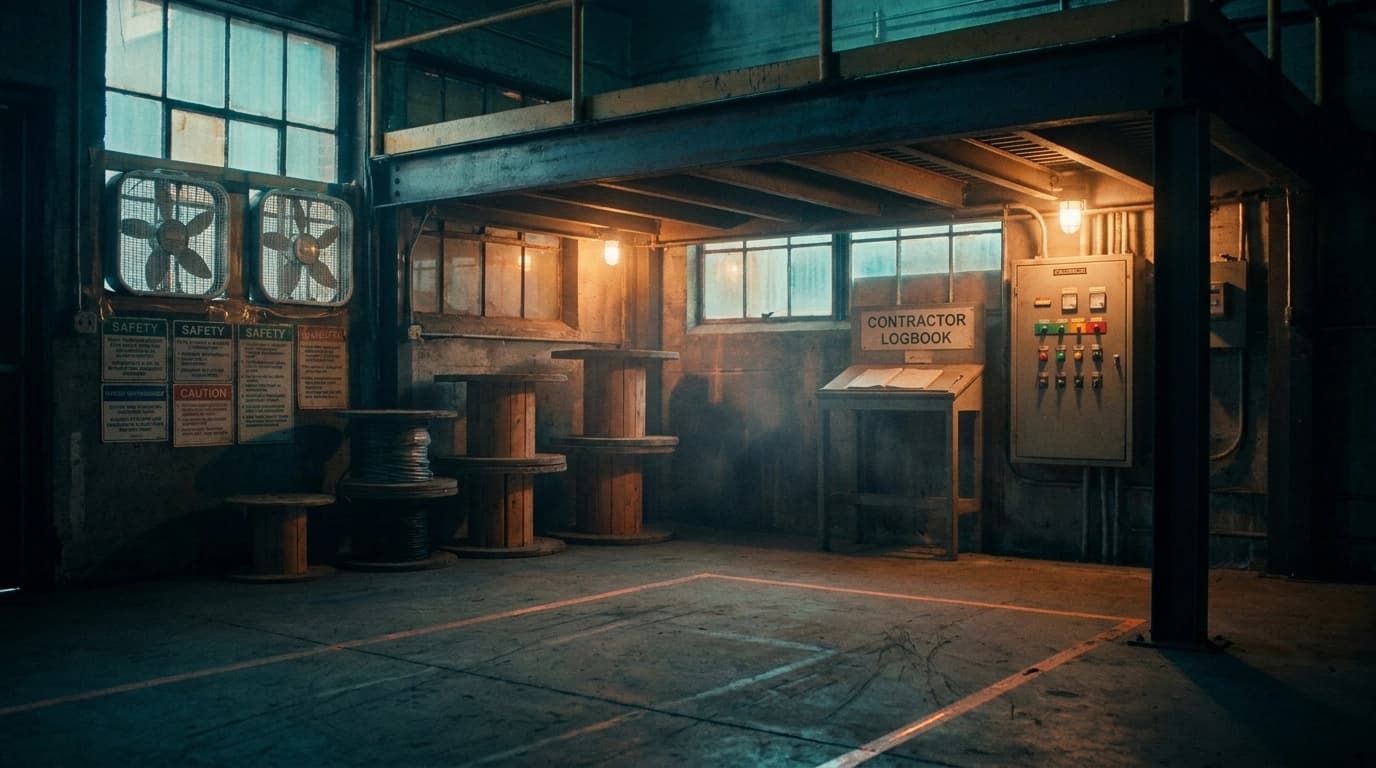
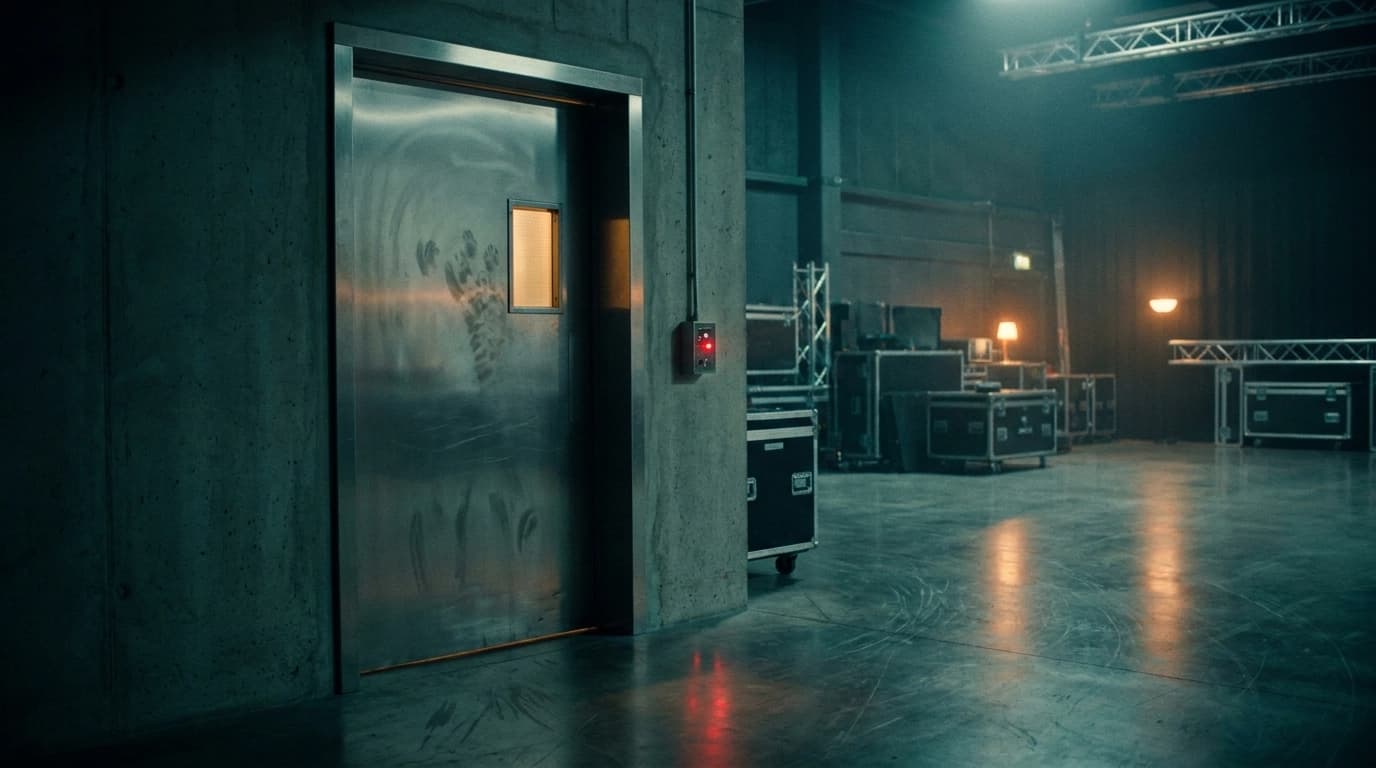
By 3:02 a.m., the missing case has become a morning disaster waiting to happen. The case vanishes from backstage by the time they check the contractor logbook at the loading docks, and with it goes the latent heat signature that the arena’s “quiet skin” RFID shielding will only recognize for access maps. Their own allowed tools are limited to non-networked memorabilia, and the heat-sensitive cards become both key and countdown: every time 유진 presses one to any surface that generates a new image, the older image burns out irreversibly. She can’t afford to waste directions—yet she can’t stand still, because the rehearsal doors are behind rotating acoustic baffles that look identical until their frames pick up the heat patterns left by the missing case. The navigation grid under UV lamps doesn’t forgive panic. It only records wrong footsteps.
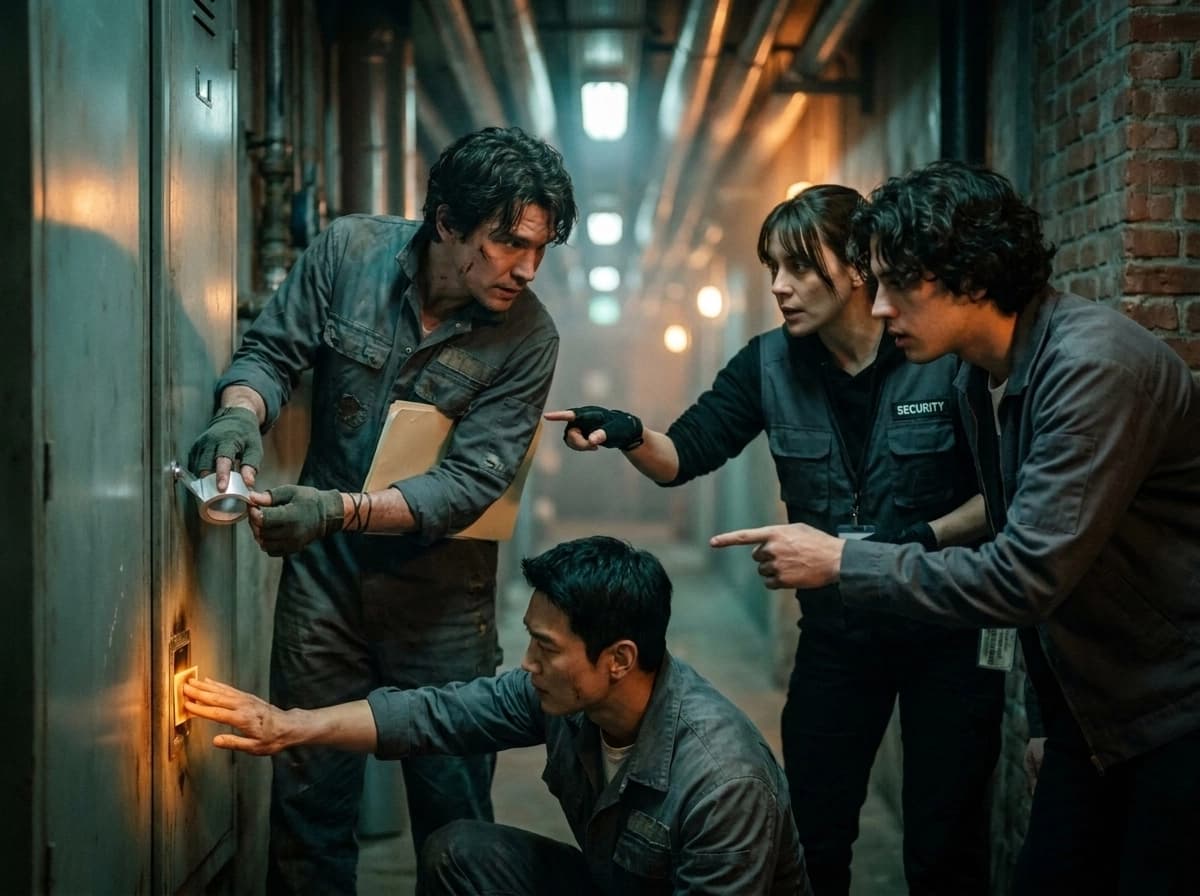
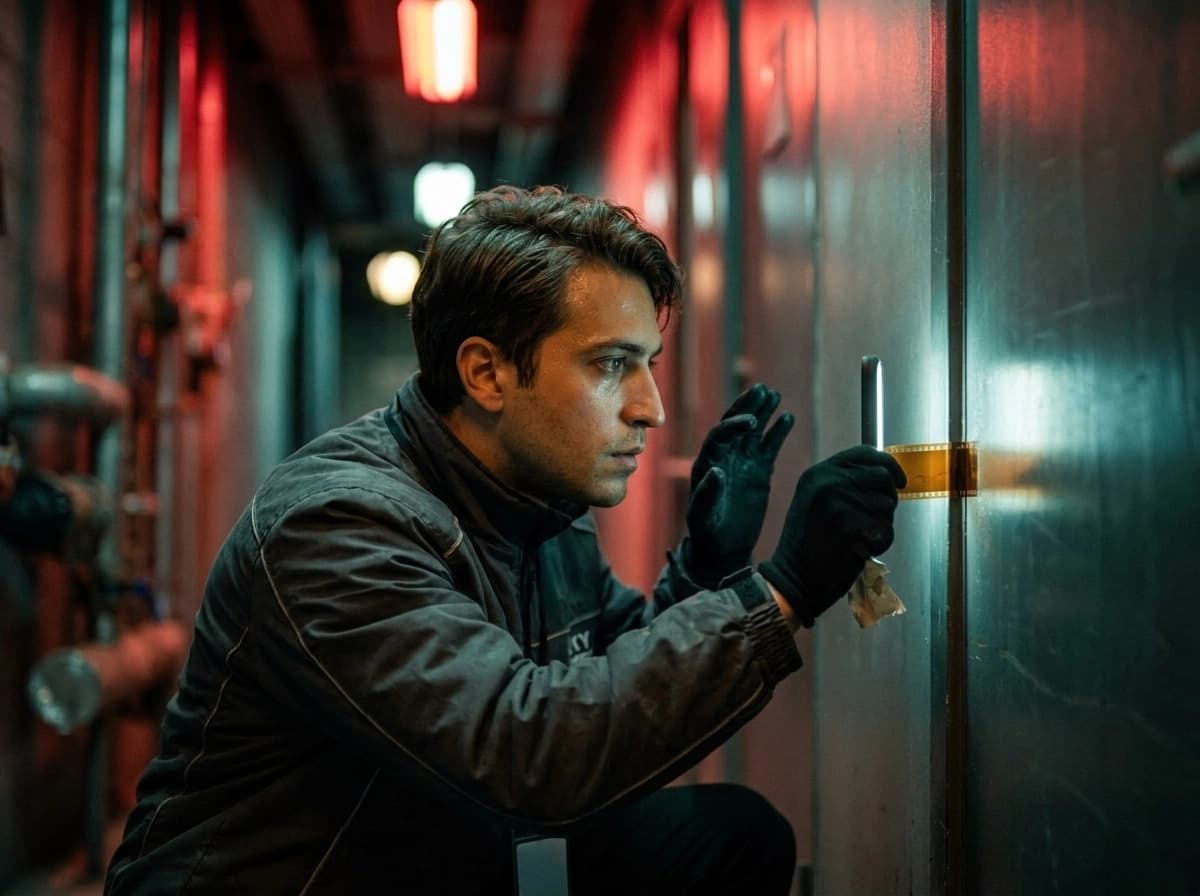
박도현 arrives like he belongs to the system, not just inside it. He’s a technical contractor from an equipment rental service with a smile that moves faster than his eyes, carrying thin thermal-sensing tape and a small magnet tag like they’re ordinary accessories. He speaks with practiced flexibility, offering “proper procedure” to get them access while keeping his distance from the parts that could implicate him. When 유진 tries to demand the truth, 도현 doesn’t argue—he simply holds out a clean-looking access workaround: a set of steps that will open the contractor gate if she “verifies” a condition. His devices never touch her cards directly, but he watches the way her hand hovers, the way the 발열 of her photocard answers the floor under UV, and every time she presses to test, he uses his own thermal tape to catch the direction cues fading. He’s not just guiding her. He’s timing her mistakes.
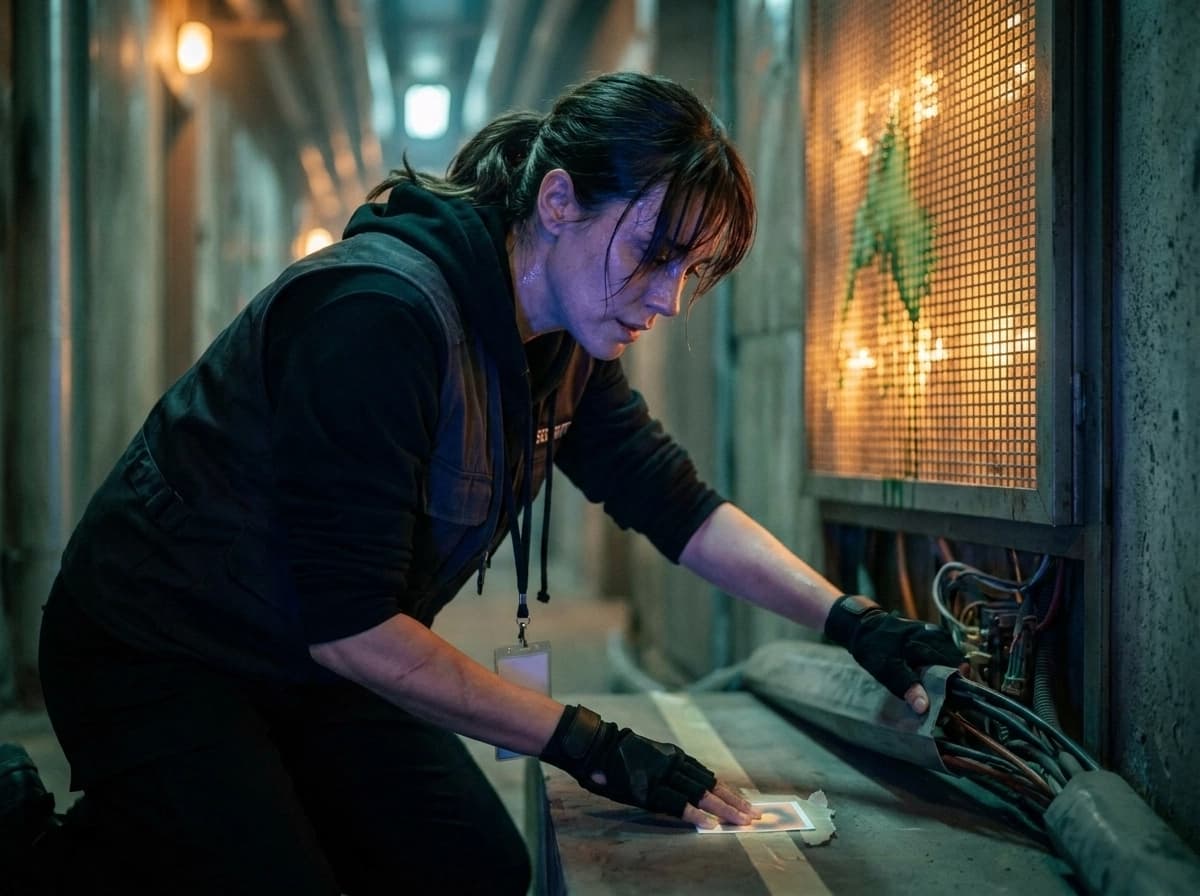
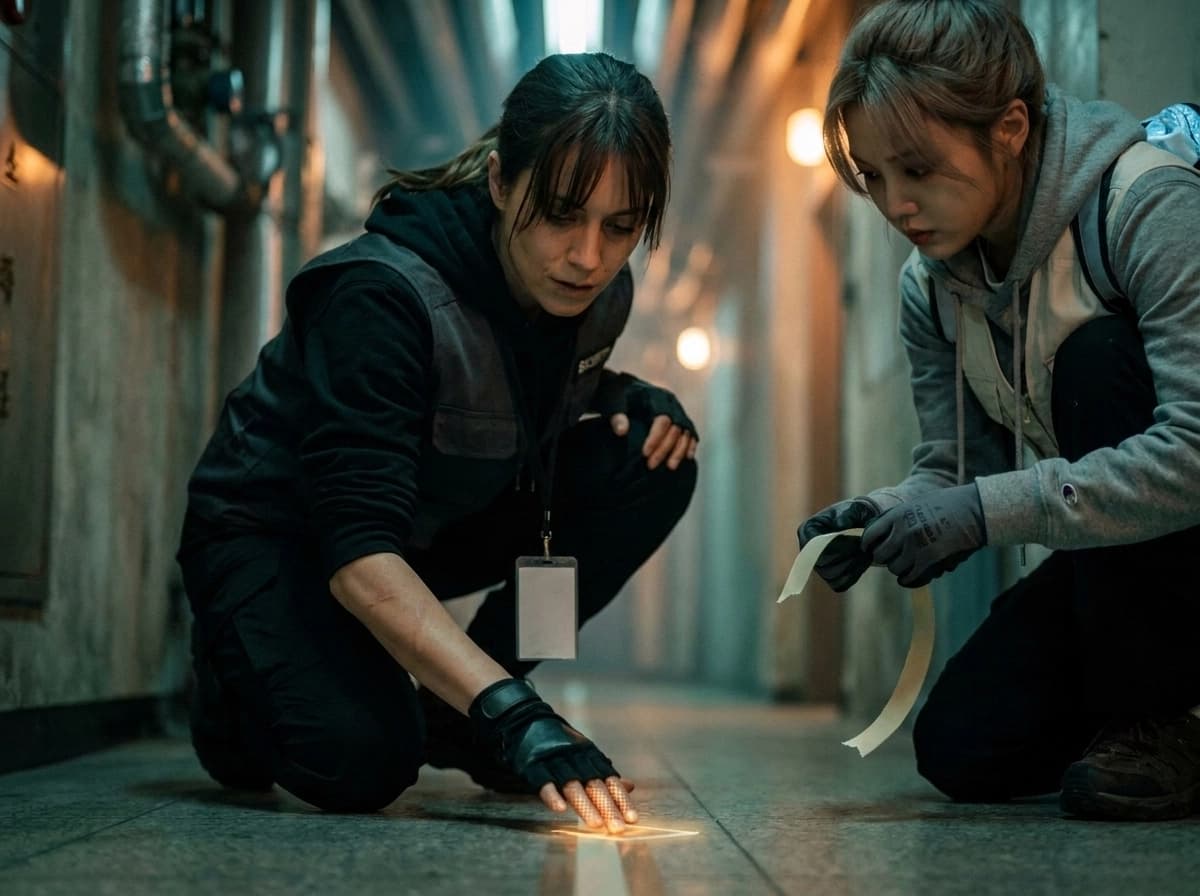
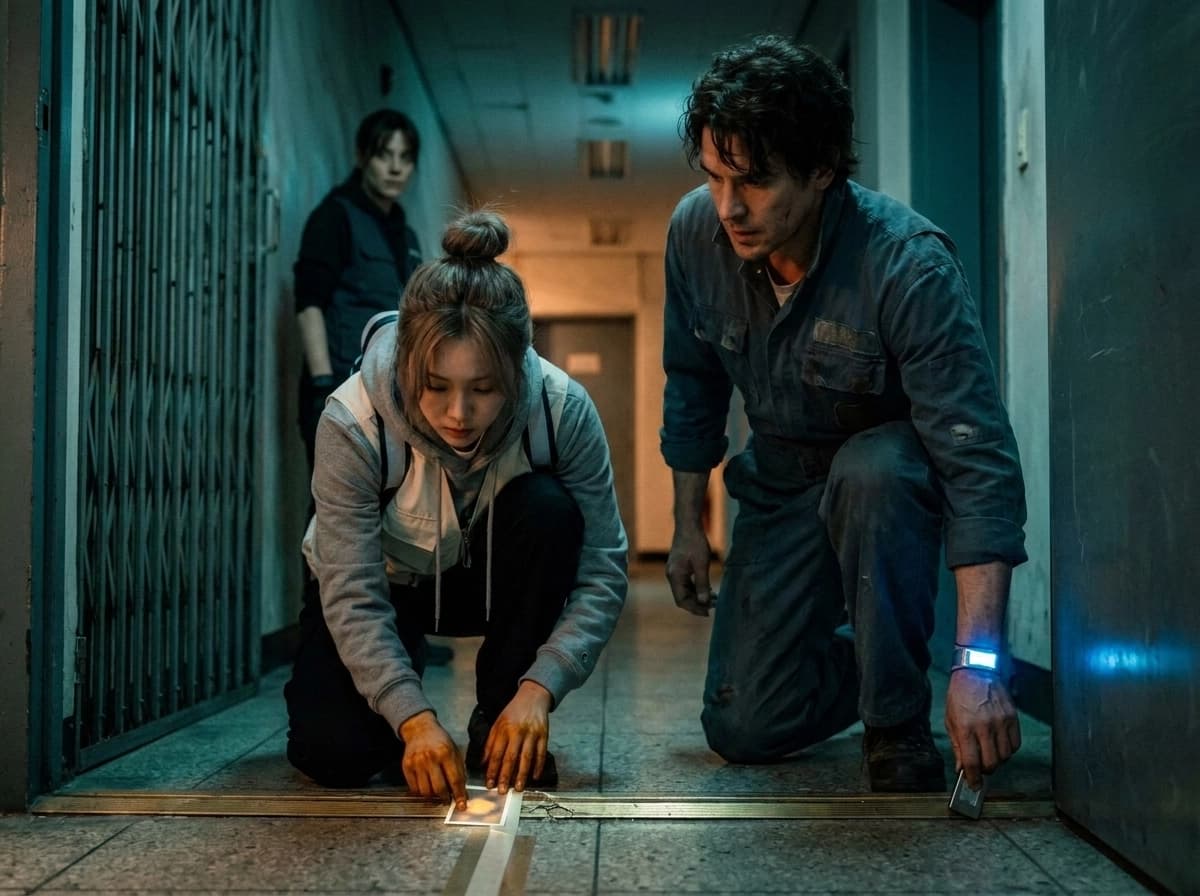
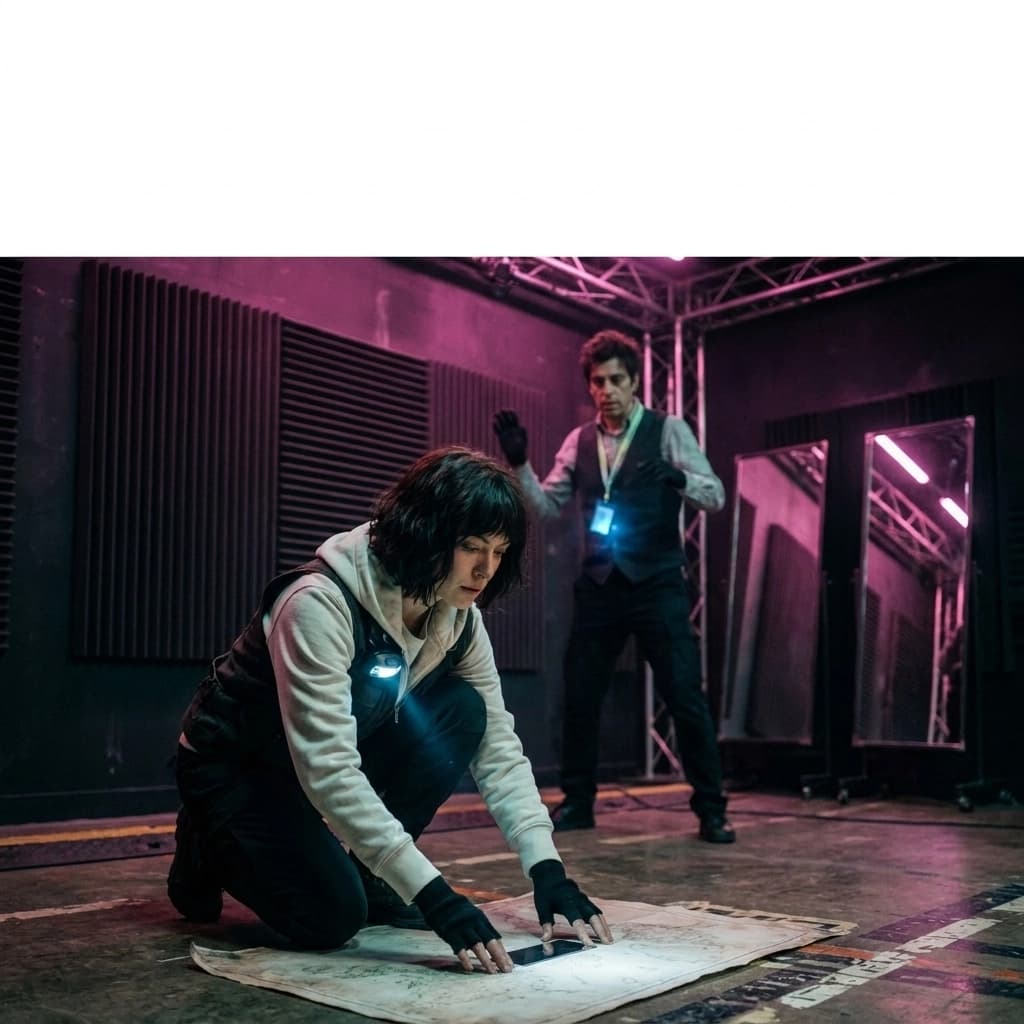
임서아 doesn’t trust the route. She crouches at the edge of a cable trench where the taped markers gleam like wet ink, runs her fingertip along the adhesive border, and listens to the corridor with her shoulders as much as her ears. She spots an intended trap in the tape pattern—an area where the UV gleam looks too deliberate, like someone expects a stampede. She taps her wristwatch face twice without looking at it, a habit that steadies her breathing, and sends a low hum from her phone speaker into the hallway. The sound doesn’t travel like sound should; it returns with a measurable delay and a faint mismatch, telling her which baffle panels are currently “misbehaving” because their heat signatures are being rewritten. For a few heartbeats, she and 유진 stand shoulder-to-shoulder beneath the flicker of emergency LEDs, realizing they’re not chasing a single missing case anymore—they’re chasing whoever is replacing that case’s latent heat signature with new ones.
They don’t have time to be philosophical. 최민호 is the next problem, and he’s smaller than the situation deserves—an intern-level photocard 운영자 with trembling hands and a bright, hungry focus that makes him look younger than he is. He appears at the loading dock with a pocketful of sealed heat-sensitive cards like ammunition, insisting he can help because the arena’s rule is simple: heat-sensitive cards can generate new images, which means—if you know what to burn—they can reveal what was hidden. But his version of “knowing” has a flaw he tries to hide behind frantic optimism: the card generation doesn’t create without cost. Each burn-out replaces the old image at the expense of someone else’s original record. As he rushes forward, his own cards hiss faintly with heat, and his eyes flick to the corridor tape as if it’s a living thing that can chase him back. When 유진 touches a card to a surface to test a direction and it blossoms hot enough to sting, 민호 flinches like he’s watching a friend’s blood leave their body. He wants the case found. He also wants to prove the mechanism works on his terms, and the proof is bleeding through.
정수혁 holds the gate like it’s the only prayer he’s allowed to offer. He’s an external security contractor assigned to keep “attending eyes” away until morning, and his brief has teeth: nobody is supposed to cross the 관객 동선 뒤편 until he gets a specific signal. Yet every time 유진 tries to follow a wrong map, the tape-grid produces fresh heat traces that attract patrols, and patrol noise makes 정수혁’s job harder—because his duty is procedural, and procedural failures are punished by the same people who hired him. He watches from the side corridor where the door’s frame sweats condensation, shining his handheld panel at tiny shifts in the door’s micro-gap. When he sees 유진 approach with burning danger in her hand, he doesn’t stop her immediately; he records her movement like he’s deciding which “type” of person she is. The moment he commits, he may condemn someone, including himself.
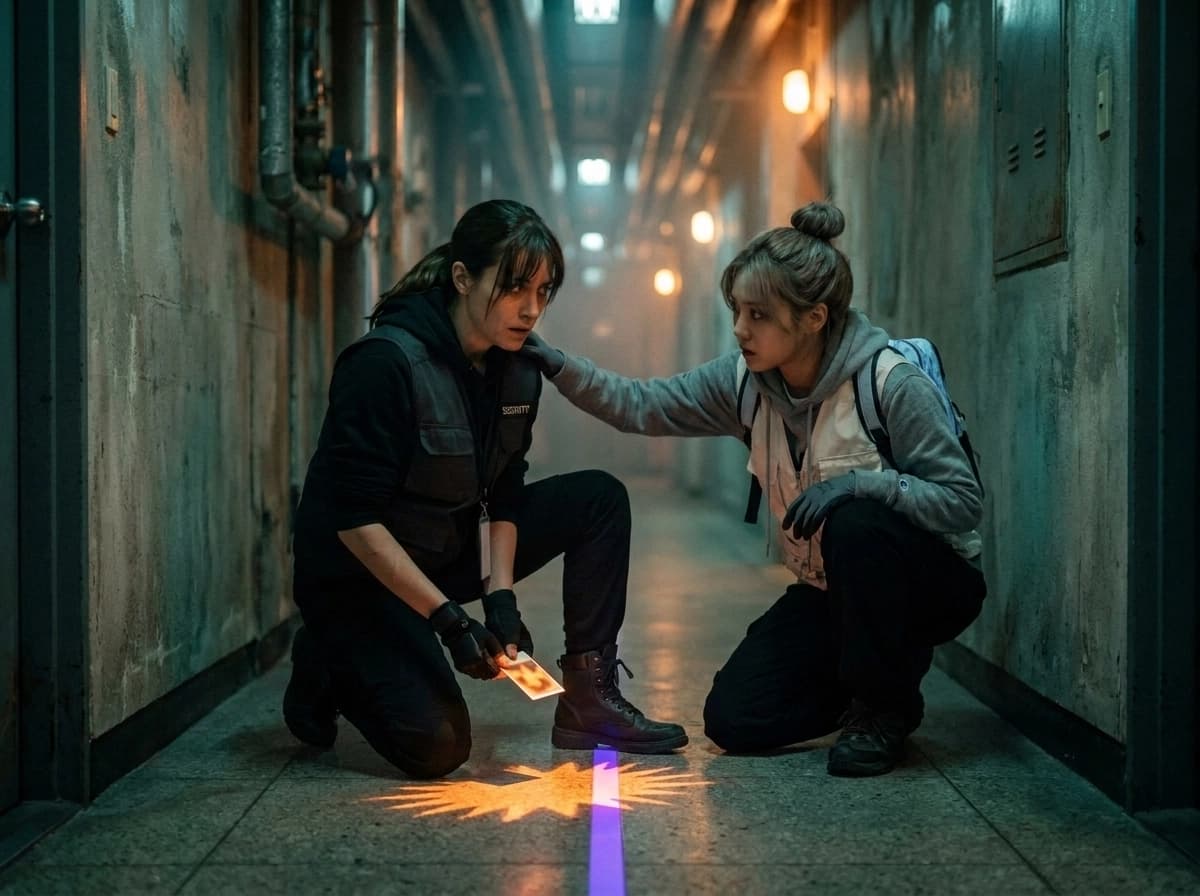
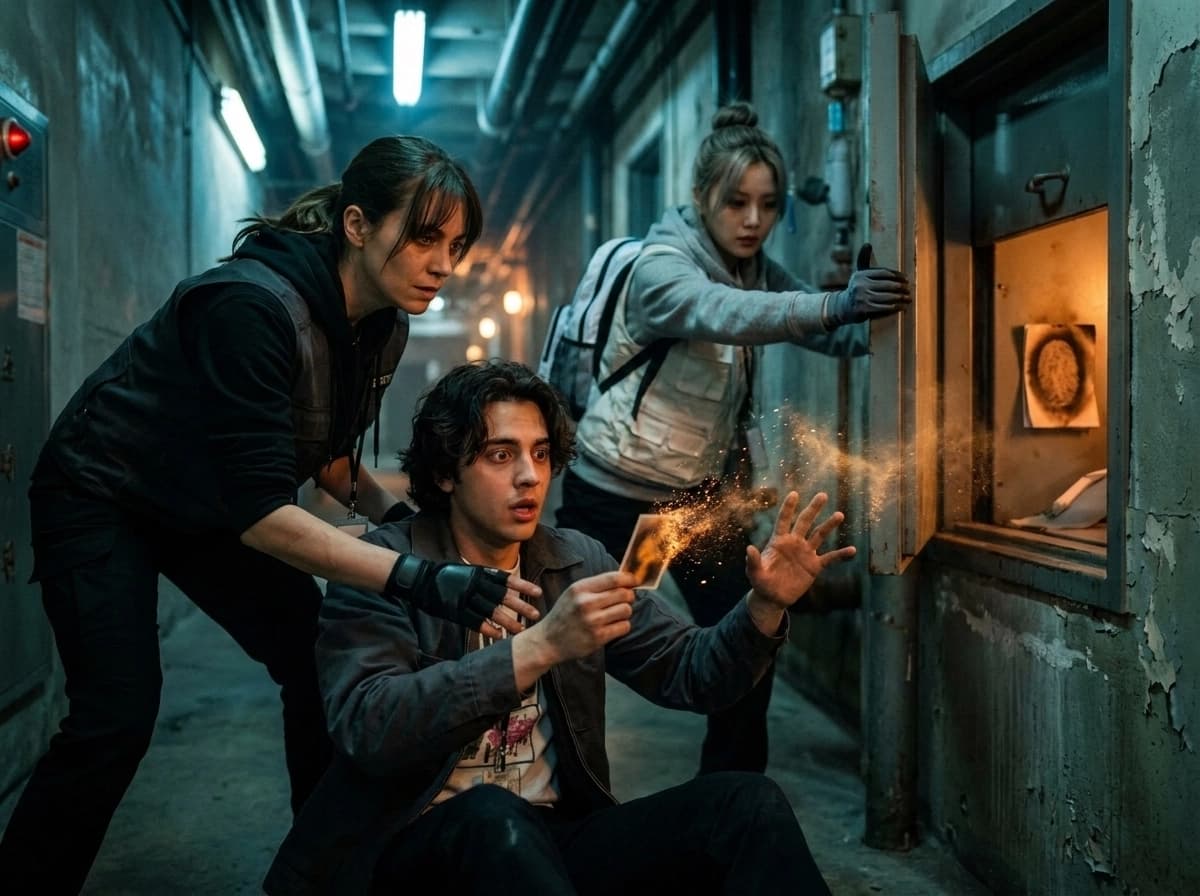
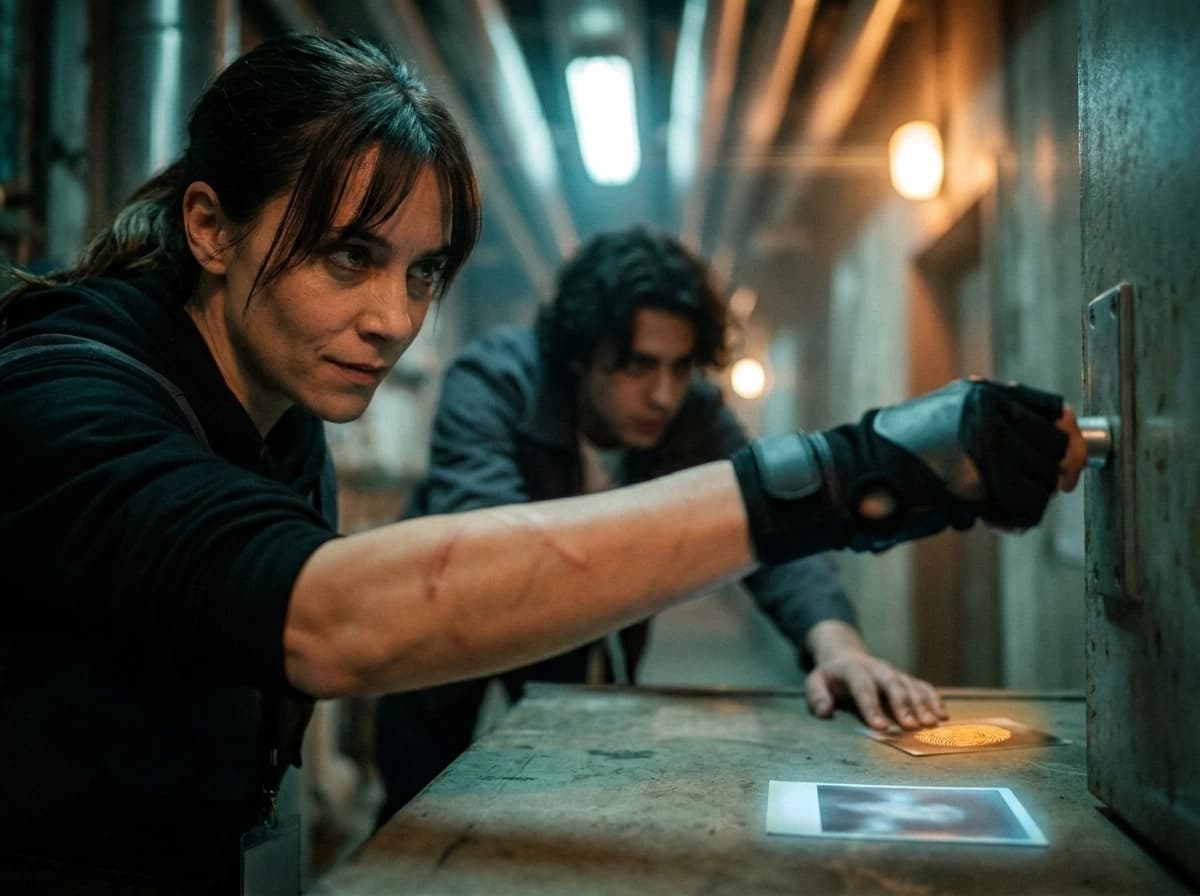
The first true clash comes when 유진 chooses a door route based on a heat-map oath-scar heuristic she refuses to abandon. She presses her card to a spot where leftover tape residue still holds the missing case’s latent heat signature, and the card answers with a new image that appears briefly—then burns out, leaving her fingers smeared with warm amber motes drifting through the air. Her eyes lock onto the shape the heat cue suggests: a door that should open for rehearsal access. She runs. 박도현 runs with her, not to stop her, but to ensure she opens the wrong door if she hesitates. As they reach the threshold, 도현 steps close enough that his sleeve brush creates a tiny interference in the heat trace. 유진 slams her card down again, and this time the direction cue points sideways instead of forward—like someone is painting over the map with a second person’s fingerprints.
The baffle doors that look identical are revealed in the worst possible way. 유진 pushes the wrong frame. The door doesn’t just resist; it creates noise as it attempts a forced clearance check, and the metal echoes like a slap. 정수혁’s radio crackles, not with alarm yet but with the kind of calm urgency that means someone has been pinged. He moves, jaw tight, and steps into their path to block the gap. For a second, 유진’s body is the only barrier between the rehearsal corridor and the patrol’s approach. 도현 doesn’t intervene; he simply watches how quickly 유진’s panic can turn into reckless damage—because if she burns too many cards, the directions grow unreliable and the door they actually need may become permanently blurred. 도현’s plan depends on her trying harder.
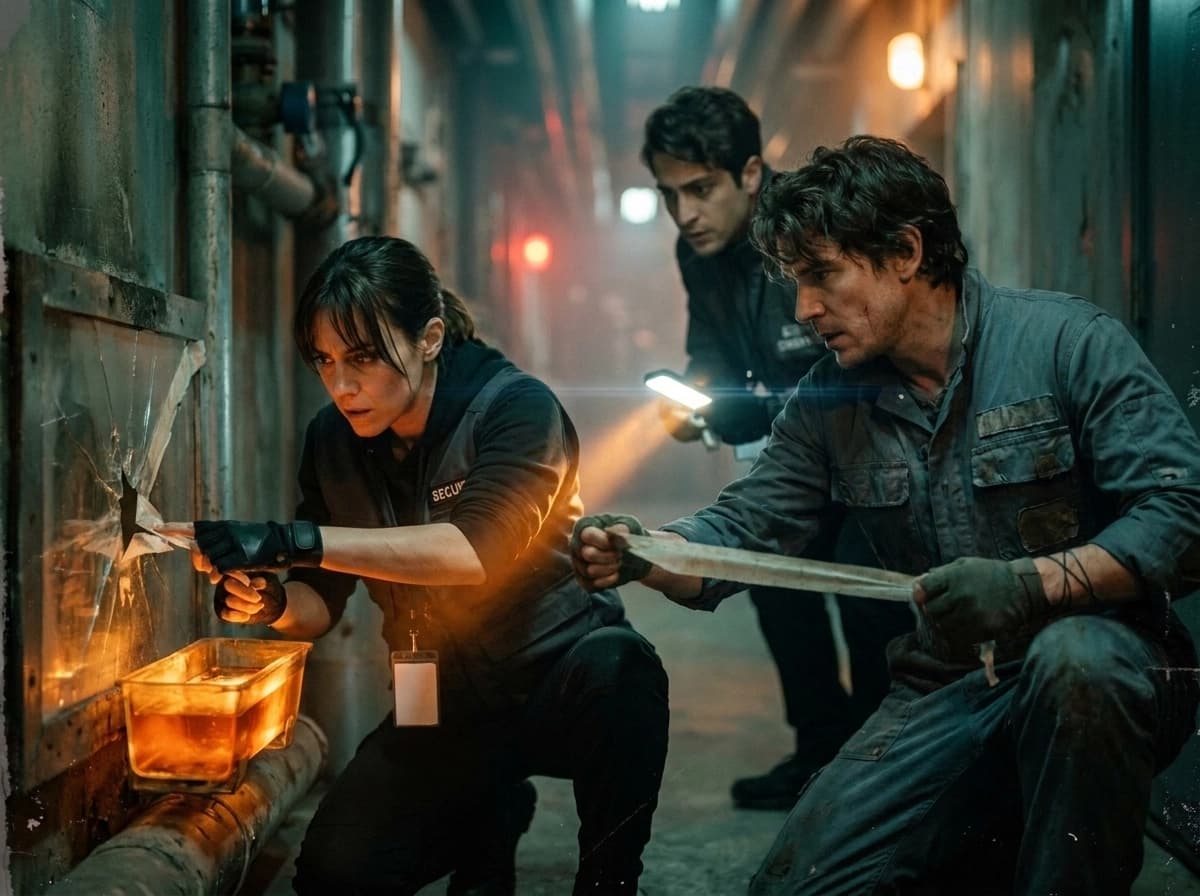
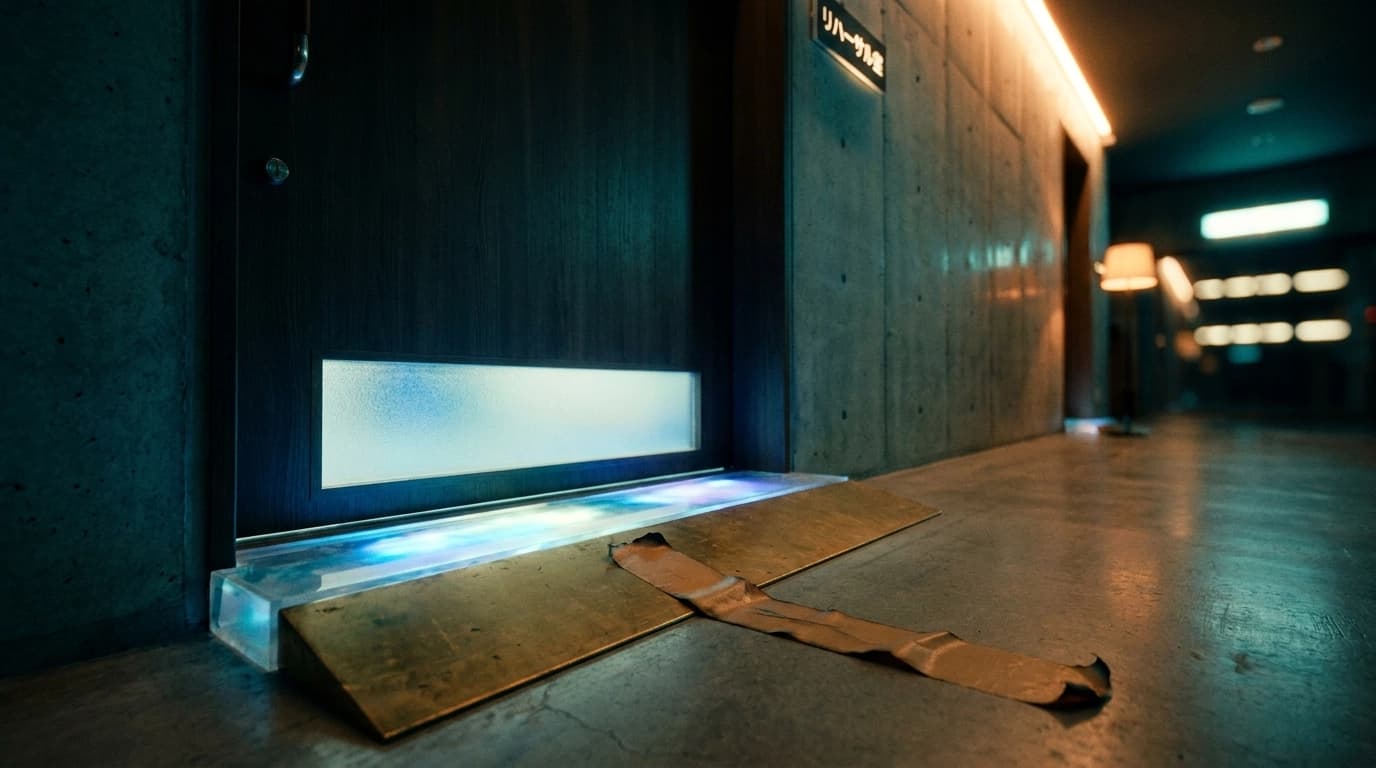
임서아 cuts in where panic is most dangerous. She pulls on the tape edge near the wrong door, snatches a small strip of it free, and the adhesive makes a soft tearing sound that slices through the corridor’s echo. The trap pattern begins to make sense: the strip reveals a heat-latched tag concealed under the tape border—something placed to impersonate the missing case’s latent signature. 임서아 shoves the strip into the fluorescent light so the heat reveals its mismatch, and her voice goes low and quick. 민호, seeing her proof, snaps—he reaches for her like he can fix the whole thing by proving he was right. He grabs a card from his pocket and presses it too hard to the wrong surface, chasing the heat cue in a burst of desperate faith. The card burns out instantly, not just useless but wrong, and in the same instant a faint amber flare drifts into the air near the door frame. The smell isn’t smoke. It’s the clean, sharp bite of overheated plastic, and it makes the corridor feel like it’s breathing through a filter.
박도현 takes advantage without touching anyone. He moves between 유진 and the gate like a polite obstruction, offering “assistance” while his hands work the contractor devices. He peels open his thermal sensing tape and lays it across the exact spot where 임서아 removed the trapped strip, then uses his magnet tag against the door frame to “confirm compliance.” The door responds with a subtle click that would be helpful if it led anywhere honest. Instead, it opens just enough to let hot air roll out from the wrong baffle room, confirming the trap’s existence while silently deleting the possibility of using that heat cue again. He has learned how the cards fail and he’s guiding them toward failure.
The turning point arrives when 정수혁 finally chooses to become a person instead of a lock. He steps fully into the corridor, holding his panel to the door frame, and for the first time his earlier calm cracks. He sees, on his display, that the latent signature is not merely missing—it’s been diluted and redistributed across multiple door frames by someone actively planting false heat traces. That means his own brief—keep everyone out—has been compromised by the same person who can move heat signatures faster than security can audit them. His next broadcast isn’t a refusal; it’s a warning disguised as procedure. He tells 유진 to step back and “use the approved path,” then swings his hand toward the maintenance side panel and wedges his body between the patrol route and their group. In physical terms, he buys them seconds by taking his place as an obstacle.
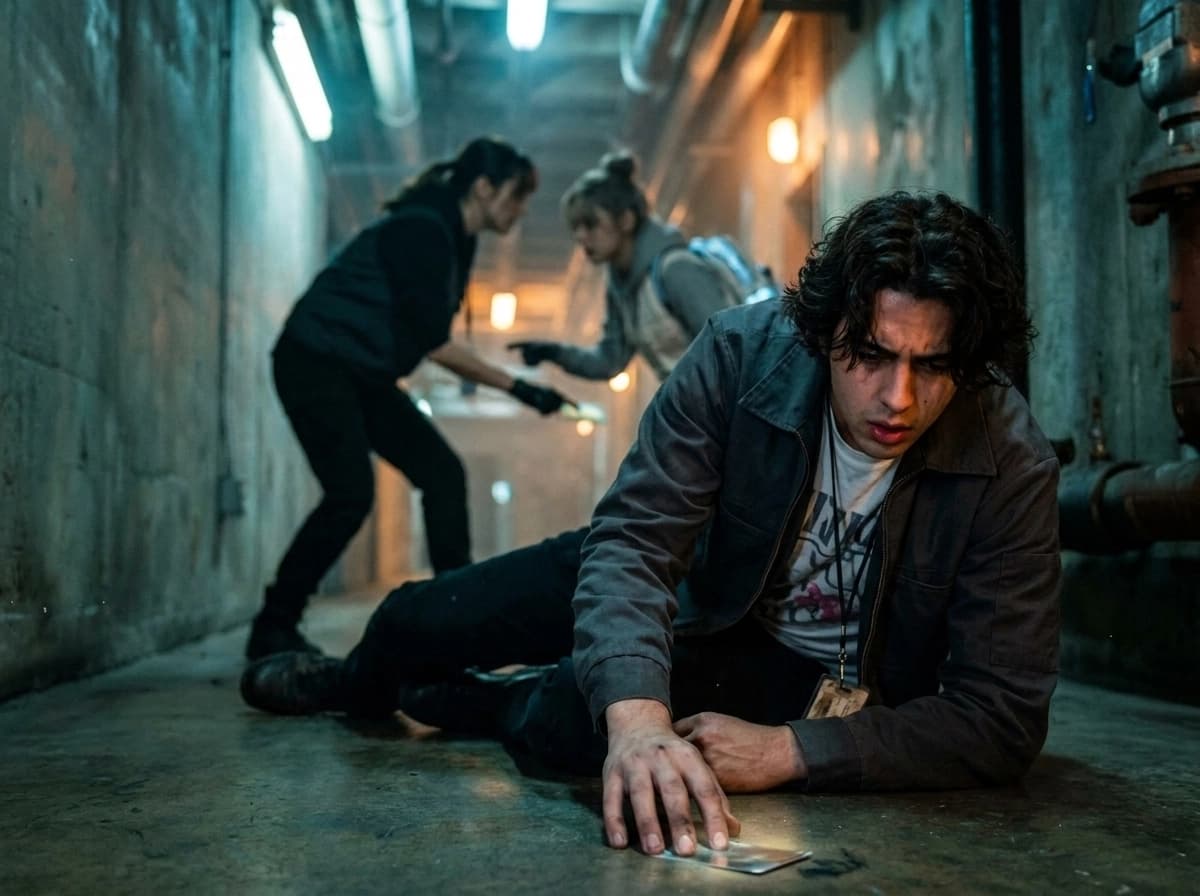
Those seconds become a chase, not a debate. 유진 grabs 임서아’s wrist and drags her—careful, because any quick motion risks burning more cards on contact. 임서아 leads with her knowledge of sound reflections, guiding them toward a corridor edge where the heat-laden baffle frames are less likely to have been touched. 민호 stumbles after them, clutching a half-burned card, eyes wide with guilt that finally shows as anger. He keeps muttering about how his cards “generate” images, as if the word can save him. 유진 doesn’t comfort him; she makes him do something real. She shoves a new card into his hands and points at the floor near the maintenance panel where the missing case’s latent heat should still be strongest. 민호 presses the card carefully, skin to plastic, and this time he doesn’t chase his proof too fast. The image generates with a clean brightness, then collapses into a burned-out sheet like a photo developing in reverse. He stares at the heat cue on his card long enough to confirm a door pattern—one they haven’t tried yet.
박도현 notices the pattern change immediately. He runs from the gate toward them, not fast enough to stop them but fast enough to make the choice loud. In the same room—under the same green emergency spill—he blocks their route with his shoulder. For a moment, their breath mixes: his clean detergent smell against the sharp overheated plastic. 도현’s expression softens, as if he’s about to offer help. Then his hand drops toward the card in 민호’s grip. 유진 lunges, not to hit, but to protect the memorabilia and keep the image from being erased by an extra contact that would rewrite the direction again. 민호 twists away, hands clenching, and his card skitters across the floor tape. Heat flares at the edge, and a new temporary heat trace blooms along the UV-visible grid. It’s a mistake, but it also becomes a breadcrumb—a bright line of amber that points straight toward the one rehearsal door the baffle system hides.
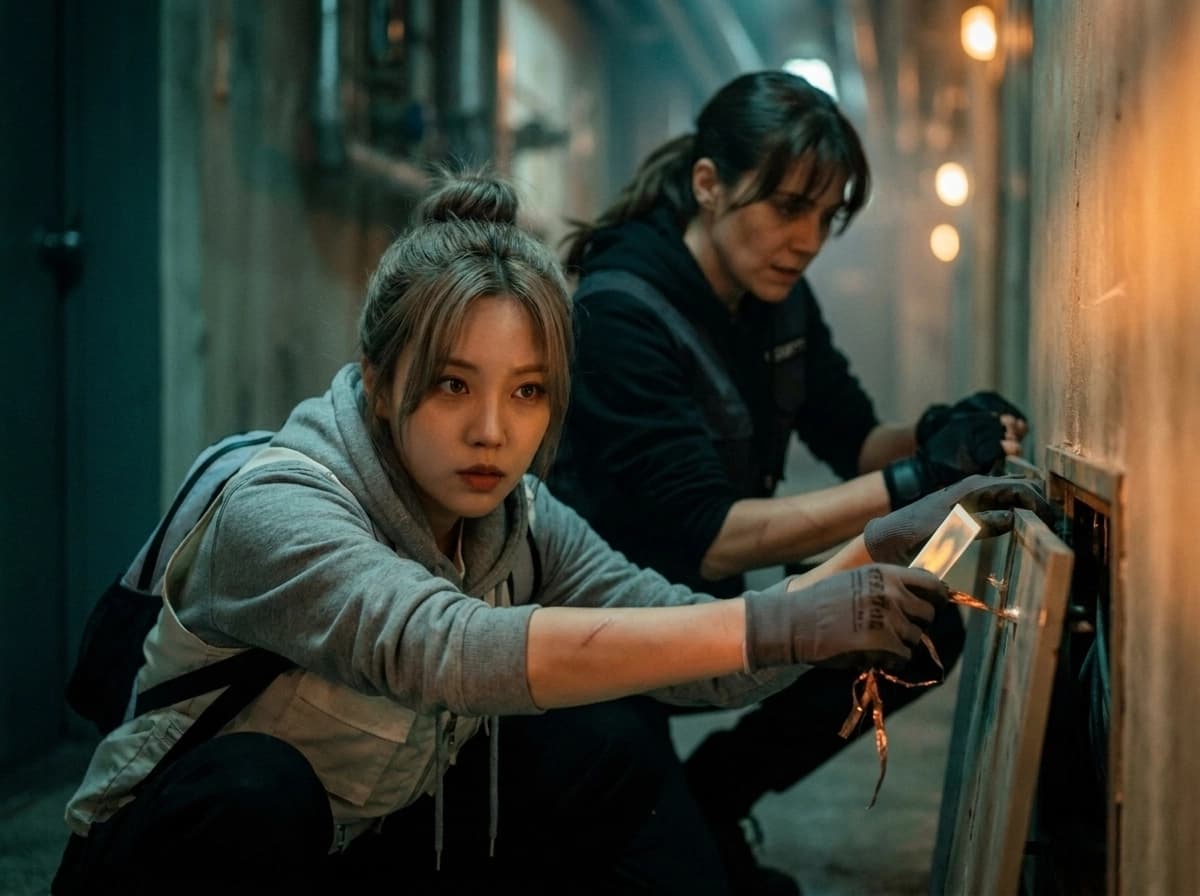
They sprint, and the corridor answers them with consequences. The patrol attention that wrong-door attempts create arrives as footsteps and radios at the far end of the tape-grid, their rhythm tightening like a noose. 정수혁 moves with them now instead of against them, yanking a cable cover aside just enough for 유진 to see the taped marker underneath. The maintenance lamp flickers when generators kick, throwing strobing reflections across polycarbonate panels like shutters closing. 임서아 keeps her hand near the floor, testing tape edges with fingertip pressure to ensure they aren’t stepping on freshly planted traps. 민호 walks in front, half-motivated, half-sick with the fear that every step makes someone else’s record burn out forever. He won’t look at 유진’s face as he passes her; he looks at the tape and only the tape.
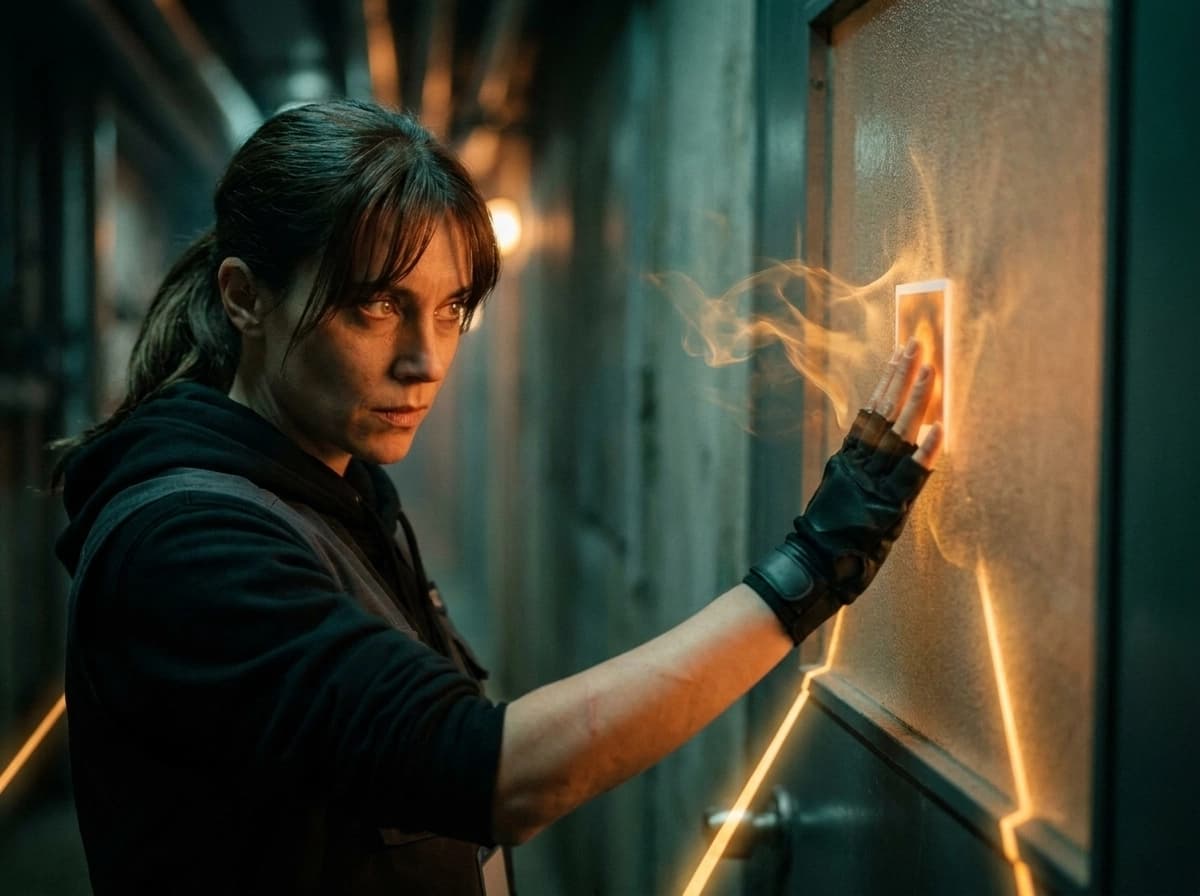
When they reach the final rehearsal door, it’s identical to all the others—until the frame sweats in the right places. 유진 presses the last available usable card against the spot where the missing case’s latent heat signature has been reborn through the trail they’re following. This time she times the heat, not the speed. She holds until the image confirms the door’s thermal pattern, then she removes her card before she burns it again. The air around the handle warms, then cools, and the door unlocks with a sound like relief swallowed. They shove through together, shoulders scraping against the door edge, and the rehearsal room beyond is dim and cluttered with props and half-setlists.
Inside, the members argue—not with shouting, but with the controlled tension of people who are trained to be calm on camera. One of them is wiping sweat from a brow as if the wiping could remove worry. Another points at a production note, lips tight, and the phrase “we can’t just stop” lands like a refusal. When 유진 stumbles in with burning amber motes drifting around her fingers, the room goes silent for half a breath. 박도현 follows at a measured pace, as if he’s entering a meeting he’s scheduled, and that’s what finally exposes him. The argument among the members turns into suspicion; their eyes track the contractor’s calm hands and the way he stands just behind the only exit route.
The confrontation doesn’t become a courtroom; it becomes an exchange of bodies and objects. 임서아, still in full tactical mode, lunges toward the production table and snatches a microphone cable from a bag—then yanks it across the floor so it tangles around 박도현’s ankle. The movement is clean and fast, like she’s practiced it with stage rehearsals. 민호, shaking, pulls a small recorder from his pocket and plays back what he saw in the livestream buffering freeze—how the camera case’s missing latent heat signature appears to “seek” a path, and how the contractor’s thermal tape had been touching the same locations earlier. He doesn’t understand the full mechanics, but he understands enough to put a witness in the room: he’s been holding the heat-laced proof without knowing what it meant. 정수혁 steps in at that moment, not as a savior, but as a guard who has been forced to pick a side. He locks his handheld panel onto 박도현’s device and declares that the access pattern has been compromised—his voice careful, but his posture absolute.
박도현’s response is the one thing he cannot afford: honesty with details. He tries to talk them out of it with flexible compliance—words like “necessary procedure” and “temporary access adjustments.” But 유진 refuses the comfort of explanation. She grabs the remaining unburned edge of her photocard case and holds it up so the members can see faint heat discoloration in real time. The members understand heat better than contracts; they’ve lived in the arena’s lights and sweated through rehearsals. They watch her fingers, watch how she can still generate and burn images—how the system treats memory like fuel. And then they watch the contractor’s eyes change when they realize the rhythm of his devices matches the moment the case disappeared. It’s not a confession. It’s recognition. The room becomes a jury made of people who have been misdirected all night.
To keep the story from collapsing into chaos, 유진 makes the only choice that costs her personally but saves the group’s ability to rehearse: she gives up the evidence trade that could grant safer access. She hands her last “direction-confirming” card image to 정수혁—not because it benefits her, but because it turns a living risk into a controlled record. In procedural terms, it ensures security can audit who touched what, even if it means she might be banned for life. Her hands shake when she does it; she hates the idea of being erased from the place she loves. But she can’t let the missing camera case’s trail remain in someone else’s pocket. She doesn’t look away from 박도현 while she does it, forcing him to meet the reality that she chose truth over survival.
The climax lands with one physical act that seals the moral arithmetic. 박도현 tries to reach for the access map panel mounted near the rehearsal-room entrance—his fingers moving toward the place where only latent heat signatures can open certain logs. 정수혁 reacts instantly, slamming his panel cover shut with his palm and then gripping the panel edge so hard his knuckles pale. 유진 steps between them, shoulders squared, keeping the contractor from touching anything else. 임서아 moves to the floor tape near the door and presses a test strip against it—checking whether new heat traces are still being generated. 민호, still haunted, kneels and collects the amber-flecked burned film motes with a clean cloth, because if memory is a battleground, then someone has to hold the field after the fight.
By the time arena lights come up for rehearsal, the hidden navigation grid under UV is no longer active in the way it was at 2:13 a.m., but the consequences linger. The wrong-door attempts have made the tape traces visible and audible enough that security patrols will arrive to verify the situation, and members will have to pause comeback practice briefly while they log what happened. The members are furious—at the intrusion, at the risk, at the way their routine nearly turned into a search. Yet their anger has focus now. 박도현 is led out under escort before he can re-seed the corridor with new false traces.
In the final light, when the room smells less like overheated plastic and more like coffee and warm stage cables, 유진 and 임서아 stand side by side near a rehearsal prop table. 유진’s fingers are still faintly stained with amber burn residue. She doesn’t celebrate. She checks the door once more—out of habit and oath—and this time she doesn’t press a card to prove anything. Instead, she watches the baffle frame’s sweat pattern settle as if it’s finally finished rewriting itself. 민호 sits on the floor with his hands in his lap, not speaking, but his gaze steadies as he realizes that his “proof” cost people actual access and actual time. 정수혁 loosens his grip on his panel and looks at 유진 as if he’s trying to decide whether her choice deserves forgiveness or punishment. Outside, the arena’s main doors open for early staff, and the world moves forward like nothing happened.
But in the small physical evidence still on 유진’s skin—the heat-lace RSVP ritual burned into her fingertips like a warning—there’s a promise. The memory battleground doesn’t end when the lights come up. It just changes what kind of fight can survive daylight.