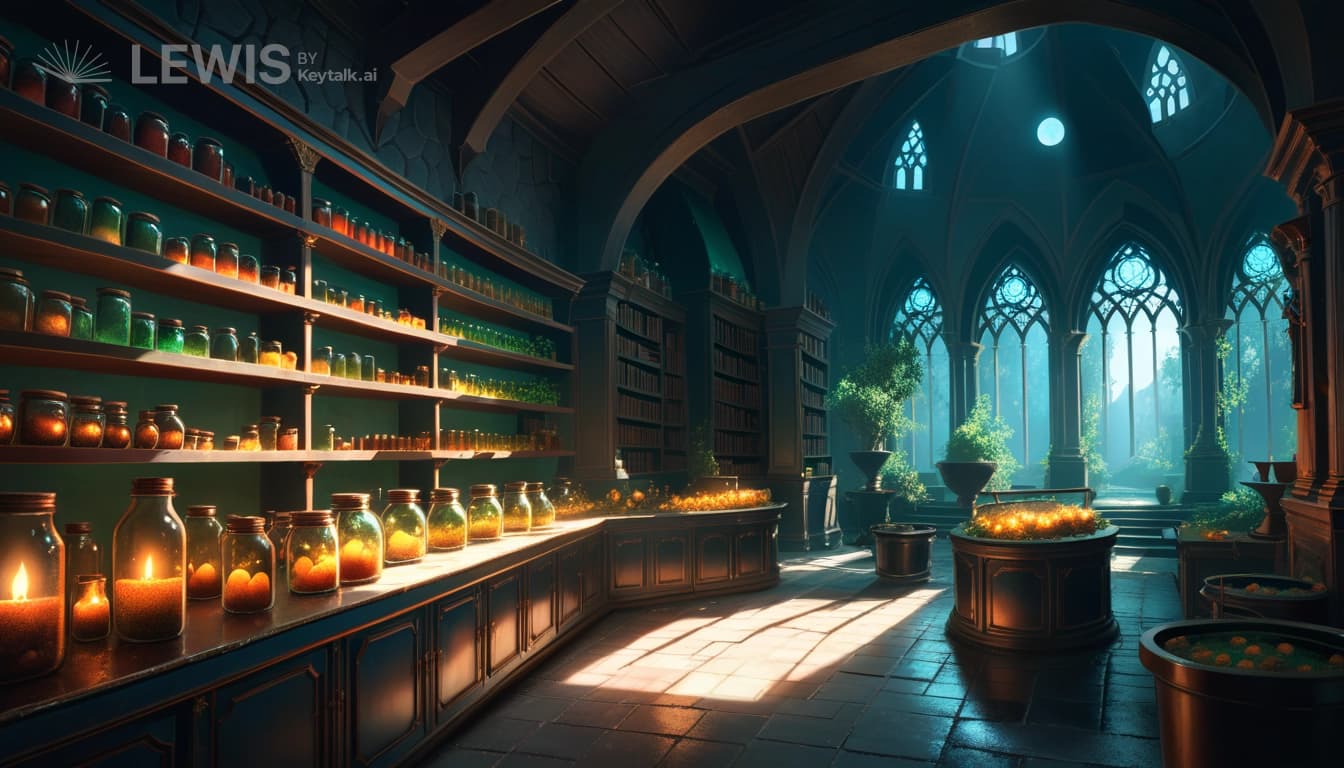
本文へスキップ
The Chef Who Cooked Omens cover image

The Chef Who Cooked Omens

When a widowed chef—exiled from an infamous interstellar restaurant—arrives in a lunar seaside town where omens dictate every aspect of daily life, they must reclaim their shattered future by cooking one final forbidden meal for a clandestine midnight performance. As rumors ignite ancient rivalries among lighthouse-dwelling cults, the chef navigates a labyrinth of adolescent romance, superstition, and vengeance, racing against the rising dawn for a chance at absolution and a love rekindled through the language of flavor.

週間ランキング

rank icon image
#1 Concept
rank icon image
#2 Concept
rank icon image
#2 Concept
スクロール

キャラ

主人公

Silas "Salt" Duvall

性別男性
職業Outlaw Chef (former Head Cook at the infamous starliner restaurant La Stella Nera)

プロフィール

Silas "Salt" Duvall, a 43-year-old Creole-Italian chef whose formidable stature—standing just shy of six foot two, broad-shouldered and thick-waisted from a lifetime spent wrestling cast-iron and cosmic ingredients—commands both respect and wariness, is a living relic of culinary infamy. His face, angular and careworn, is marked by the perpetual shadow of a salt-and-pepper beard, a jagged burn scar curling up from his left jaw to just below his eye—a memento from the catastrophic night he was exiled from La Stella Nera. Salt’s hair, obsidian black threaded with steel, is kept long and tied back with a faded red bandana, his only remnant from a marriage cut short by cosmic misfortune. He wears a battered leather duster—spattered with stains from a thousand unrepeatable recipes—over crisp linen shirts and suspenders, with a utility belt slung low at his waist holding both kitchen knives and outlaw tools. Salt’s speech is a melodic blend of New Orleans drawl and clipped Sicilian, peppered with kitchen jargon and laced with sardonic humor; he favors understatement, but his eyes—amber, restless, always calculating—reveal a man haunted by his own uncompromising palate. Raised in the back alleys of New Orleans’ lunar quarter, he learned to barter, bluff, and win loyalty with a meal, developing an instinct for reading omens and people alike. Salt is fiercely principled yet impulsive, known for acts of generosity as reckless as his temper, and for a code that values flavor above law or superstition. His culinary genius is matched only by his stubbornness and capacity for self-sabotage; the disgrace of his exile gnaws at him, as does the memory of his lost love—a beacon in the lunar dark. Now, adrift in a town where every superstition is gospel and every meal a portent, Salt ekes out a living as a low-rent cook-for-hire, regarded with suspicion by locals and courted in secret by those who remember his legendary touch. He is driven by the hope—half desperate, half defiant—that one transcendent dish might restore his name and mend the fractures of his heart, even as old rivalries simmer and the hungry ghosts of his past gather at the edge of dawn.
敵役

Rosario "The Lantern" Ferraro

性別男性
職業Lighthouse Cult Leader and Lunar Magistrate

プロフィール

Rosario "The Lantern" Ferraro, a man of Sicilian descent and lunar birthright, stands at six feet with a lean, almost ascetic frame honed by decades patrolling the battered basalt cliffs and salt-stained walkways surrounding his lighthouse citadel. His angular face is carved by wind and hardship—sharp cheekbones, a blade-straight nose, eyes a pale, unsettling blue that glimmer with both calculation and weary prophecy beneath heavy lids. Sparse silver hair, meticulously oiled and combed back, reveals a widow’s peak that accentuates his severe brow and the web of faint scars along his temple, relics of ritual duels and lunar storms. Rosario’s attire is a somber patchwork of ceremonial blacks and embroidered sashes, inherited from generations of cult leaders—each thread a record of ancient omens and familial authority. His right hand is missing the last two fingers, a result of self-imposed penance, which forces him to gesticulate with a deliberate, almost theatrical elegance, his words delivered in a formal, archaic dialect peppered with Sicilian proverbs and coldly poetic invective. As the unyielding magistrate of lunar superstitions and keeper of the lighthouse’s mythic flame, Rosario wields both civic and spiritual power, orchestrating the town’s rhythms through cryptic edicts and ominous blessings; his authority is respected, but feared, and his judgments are inescapable. Haunted by a relentless need to preserve the ancient order—lest chaos and the sea reclaim what his ancestors tamed—he sees the exiled chef’s arrival as a dire portent, threatening to upend the fragile balance of power and the sanctity of the cult’s midnight rituals. Rosario is driven by a fierce devotion to tradition and a paternalistic urge to protect his fractured community, but his strength curdles into inflexibility and paranoia, leaving him isolated even among loyal acolytes. His greatest aspiration is to cement his legacy as the savior of the lunar town, yet his methods—ruthless enforcement of omens, calculated manipulation of rivals, and an unyielding grip on the lighthouse’s secrets—betray a man wrestling with the fading relevance of his rule. He is both revered and resented, a figure whose rare moments of private softness—tending to the lighthouse’s ancient machinery or reciting lullabies to the tide—are eclipsed by the looming shadow he casts over the town’s fate.
相棒

Iolana Reyes

性別女性
職業Lunar Forager and Folk Herbalist

プロフィール

Iolana Reyes, a 28-year-old woman of mixed Filipino and Basque descent, is the lunar seaside town’s most enigmatic forager and folk herbalist, her slender yet sinewy frame shaped by years traversing the jagged moonlit coast in pursuit of rare botanicals and salt-tolerant fungi. Standing at an unassuming 5’4”, she possesses an angular, expressive face marked by high cheekbones and a hawkish nose, often streaked with dust and lunar pollen. Her shoulder-length, obsidian hair is usually braided tight against the wind, revealing a constellation of pale birthmarks across her neck and collarbone—a visual echo of the moon’s surface. Iolana dresses in layered, patchwork tunics and weathered leather boots, pockets brimming with dried roots and charms, her belt adorned with hand-carved lunar talismans and a battered field journal. Her almond eyes, quick and calculating, survey each omen-laden morning with a pragmatic skepticism, contrasting with the town’s blind superstition and the chef’s world-weary romanticism. Raised by her grandmother—a revered herbalist who vanished under mysterious circumstances—Iolana inherited both a fierce independence and a restless distrust for authority, shaping her guarded speech (punctuated by clipped, ironic quips and a hybrid accent muddled by coastal dialects and Basque intonations). Though she is respected for her uncanny ability to interpret edible omens and concoct antidotes against lunar maladies, Iolana’s true ambition lies in mapping the town’s forgotten medicinal lore and reclaiming her family’s lost reputation, motivations that often conflict with her loyalty to Silas and challenge the rigid dogma of Rosario’s cult. Her subtle, deliberate manner—preferring observation over confrontation, intuition over ritual—makes her indispensable to the chef’s quest, yet her latent skepticism and penchant for secrecy introduce friction and nuance to their alliance. Haunted by the shadow of her grandmother and the lure of belonging, Iolana balances a deep empathy with an aloof pragmatism, her deft hands and keen palate serving as both bridge and barrier between Silas’s culinary artistry and Rosario’s authoritarian zeal. In the story’s world—where flavor, fate, and vengeance entwine—Iolana’s presence quietly disrupts the status quo, her unique blend of lunar wisdom and outsider resilience offering both a foil and a lifeline to protagonist and antagonist alike.

筋書き

Salt Duvall’s arrival in the lunar seaside town is marked by a thunderstorm and a broken wagon, his battered duster caked in moon dust and salt spray. The town, carved into basalt cliffs beneath a perpetual harvest moon, is ruled by omens—every action dictated by celestial portents and the cryptic edicts of Rosario Ferraro, the lighthouse cult leader. Salt, infamous for the catastrophe at La Stella Nera that cost him both his reputation and his beloved wife, seeks only a quiet existence, eking out a living as a short-order cook in a faded tavern. But his presence unsettles the townsfolk, who whisper of the chef’s cosmic misfortune and the possibility that he is an omen himself—a harbinger of change or disaster. Salt’s motivations are twofold: the desperate hope that one transcendent dish might absolve him in the eyes of both the living and the dead, and the stubborn belief that flavor can cut through superstition and mend fractured hearts.

Rosario “The Lantern” Ferraro, haunted by the fragility of his authority, views Salt’s arrival as a threat to the delicate balance he maintains. The lunar town’s cults—each loyal to a different lighthouse, each interpreting omens in their own tongue—have long simmered beneath the surface, kept in check by Rosario’s iron will and ritual duels. But Salt’s culinary legacy, entwined with forbidden recipes and cosmic ingredients, reignites ancient rivalries. Rosario fears that Salt’s cooking will undermine his power, disrupting the sacred order and inviting chaos. Driven by an obsessive devotion to tradition, Rosario tightens his grip, issuing new edicts and orchestrating clandestine surveillance. Yet beneath his ruthless exterior, Rosario is plagued by loneliness and the fading relevance of his rule; his rare moments of tenderness are spent alone, tending to the lighthouse’s flame and reciting lullabies to the tide.

Iolana Reyes, Salt’s unlikely ally, moves between the fringes of superstition and science. Her motivations are rooted in reclaiming her family’s lost reputation—her grandmother, a vanished herbalist, left behind cryptic journals and a legacy of lunar lore. Iolana’s pragmatic skepticism challenges both Salt’s romanticism and Rosario’s zealotry. She becomes indispensable to Salt’s quest, foraging rare botanicals and salt-tolerant fungi, decoding edible omens, and quietly subverting Rosario’s cult. Yet her loyalty is complicated; Iolana’s desire for belonging and her distrust of authority often put her at odds with both men. She is drawn to Salt’s artistry and haunted by the shadow of her grandmother, her own ambitions quietly disrupting the status quo.

The plot accelerates when Salt is approached by a clandestine group of cult outcasts—adolescent lovers, rival lighthouse keepers, and old friends from his past—who beg him to cook a forbidden meal for a midnight performance. The dish, rumored to possess the power to rewrite omens, is both a chance at redemption and a risk of further exile. Salt agrees, knowing that the meal will either restore his name or doom him forever. He enlists Iolana’s help, and together they gather illicit ingredients: lunar truffles, meteor salt, and a rare kelp rumored to twist fate. Each ingredient is acquired through choices fraught with danger—stealing from rival cults, negotiating with smugglers, and risking Iolana’s fragile reputation. Their alliance deepens, built on mutual respect and shared vulnerability, but fissures remain as old wounds and ambitions threaten to tear them apart.

Rosario, sensing rebellion, escalates his campaign against Salt. He manipulates omens to turn the town against the chef, orchestrates ritual trials, and pressures Iolana’s forager network to betray their secrets. The town becomes a powder keg of superstition and adolescent romance, as rumors ignite ancient rivalries among the lighthouse cults. Salt’s decision to cook the forbidden meal becomes a catalyst, forcing every character to confront their deepest desires and fears. The midnight performance is set against a backdrop of lunar storms and rising tides; each dish served is a confrontation—between tradition and innovation, vengeance and forgiveness, hope and resignation. The meal itself becomes a language, a reckoning that exposes secrets and fractures alliances. Salt’s artistry stirs memories of his lost wife, Rosario’s conviction wavers, and Iolana’s resolve is tested as the dawn approaches.

The climax unfolds in a storm-lashed lighthouse, where Salt’s forbidden meal is served to a gathering of rivals, lovers, and ghosts. Rosario, desperate to preserve his legacy, attempts to sabotage the performance, but is confronted by the adolescent cultists and his own acolytes. In a moment of bold defiance, Iolana reveals her grandmother’s lost recipe, bridging the gap between superstition and science, and Salt incorporates it into the final dish—a gesture of reconciliation and risk. The meal transforms the town’s

シーン

シーン 1
scene 1 image
Salt Duvall Arrives in Moonwater, Drenched and Unwelcome
[Place] - The cliffside road leading into Moonwater, spilling into the town’s salt-splattered main street under the looming lighthouse

[Time] - Dusk, as the perpetual harvest moon breaks through thunderclouds, rain giving way to a silver mist

[Action]
Salt’s battered wagon grinds to a halt on the slick basalt, a wheel splintered from the journey and the mule shivering with exhaustion. He steps down into the moonlit rain, his duster heavy with brine and the memory of roads best forgotten. As he surveys the town’s jagged silhouette—lighthouse flame flickering above, windows shuttered against the storm—he feels the collective gaze of Moonwater’s citizens, half-glimpsed behind curtains. Whispers ripple along the street: some recognize Salt’s infamous silhouette, others recoil from the rumors that precede him. Salt’s motivation is clear—he longs for anonymity, for the sanctuary of routine and the redemptive act of cooking, but the town’s atmosphere is thick with suspicion and cosmic dread. Rosario Ferraro’s acolytes appear first, robed figures moving to intercept Salt before he can seek shelter. Their questions are pointed and ceremonial, probing for omens in every answer and gesture. Salt’s patience is fraying, but he must navigate their ritualistic interrogation to avoid immediate exile. Meanwhile, Iolana Reyes observes from a shadowed alley, torn between curiosity and caution, already calculating how Salt’s arrival might tip the fragile balance of power. The scene is haunted by the recent memory of La Stella Nera—Salt’s loss and disgrace linger in every interaction, fueling both his desperation and the town’s distrust.



[Impact on the story]
Salt’s arrival shatters the uneasy equilibrium of Moonwater, making him an immediate symbol of both hope and disaster. Emotionally, Salt confronts his alienation and guilt, setting up his quest for redemption through his craft. Rosario’s regime is instantly threatened, his acolytes’ response foreshadowing the coming power struggle. Iolana’s silent observation introduces her as a potential ally or adversary, her motivations already entangled with Salt’s fate. The tone is set: the town is a crucible, and Salt’s presence is the spark.

[Description]
Salt enters Moonwater under storm and scrutiny, his reputation preceding him. The town’s superstitious tension and Rosario’s controlling influence are established, as Salt’s first contact with the townsfolk reveals both the hostility and the longing for change simmering beneath the surface. This scene marks the beginning of Salt’s uneasy integration and the unraveling of Moonwater’s rigid order.

シーン 2
scene 2 image
[Title]
Omens in the Basalt—Salt’s First Night at the Lighthouse Tavern

[Place]
The faded Lighthouse Tavern, perched on the edge of the basalt cliffs, its windows flickering with candlelight and the scent of brined bread drifting beneath the eternal harvest moon.

[Time]
Later that same dusk, as the thunderstorm fades into a restless lunar night and the tavern fills with townsfolk seeking shelter from the omens outside.

[Action]
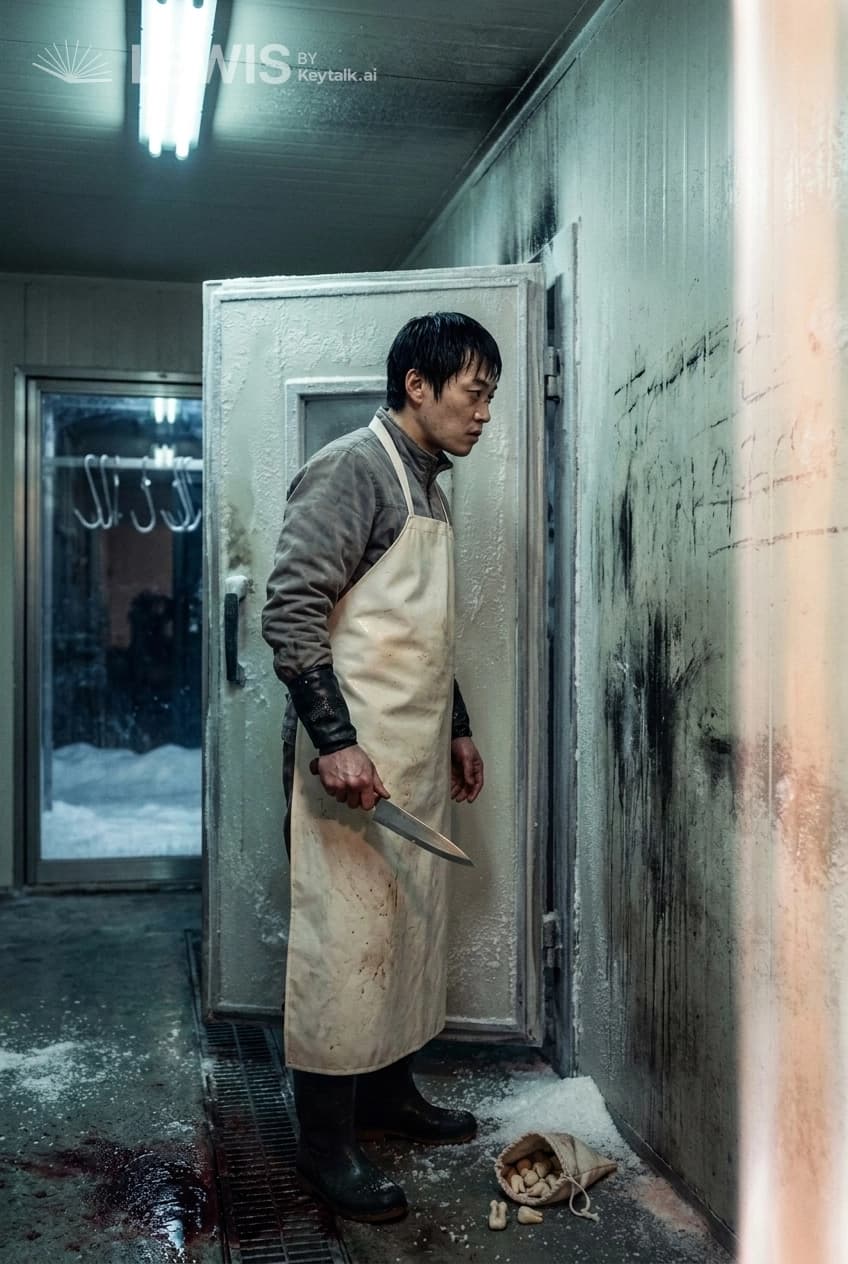
Salt, exhausted and still damp from the storm, steps into the Lighthouse Tavern, clutching his battered satchel and the memory of La Stella Nera. The tavern’s regulars eye him warily, their conversations laced with superstition and rumors of cosmic misfortune. Rosario’s acolytes linger near the bar, tasked with watching Salt’s every move, while the barkeep—herself a minor cultist—offers him a grudging seat and a trial task in the kitchen. Salt is determined to prove his worth through food, but the kitchen is hostile territory: ingredients are rationed by omens, and every recipe is subject to cult approval. Salt improvises, crafting a simple dish from lunar flour and meteor salt, infusing it with the longing that haunts him. The meal draws silent curiosity; some taste, others refuse, fearing the chef’s shadow. Iolana, slipping in through the back, studies Salt’s technique, noting his subtle defiance and the way he bends rules to create flavor. In the tense silence, a minor omen is declared—an accidental spill, a crack in a loaf—prompting the townsfolk to debate whether Salt’s presence is a sign of fortune or doom. Rosario’s edict is rumored to be imminent, and Salt feels the weight of his past pressing against the present. As the tavern empties, Salt and Iolana exchange a brief, meaningful glance—her skepticism meeting his hope, both sensing the fragile alliance that might form between them.

[Impact on the story]
Salt’s first night at the tavern cements his outsider status and sets the stage for his struggle to earn acceptance through his craft. The kitchen becomes a battleground for tradition versus innovation, with Salt’s cooking threatening the town’s ritual order. Iolana’s interest deepens, hinting at her potential as an ally and her willingness to subvert Rosario’s regime. The scene intensifies the town’s fear and curiosity, foreshadowing both the coming conflict and the possibility of redemption.
[Description]
Salt’s first night in Moonwater’s tavern exposes him to the town’s superstitious scrutiny and ritual hostility. His attempt to cook under strict cult rules introduces the central conflict of tradition versus change, while his connection with Iolana begins to take shape. The scene builds tension and establishes Salt as a catalyst for upheaval, setting up the next phase of his quest.
シーン 3
scene 3 image
[Title]
Rosario’s Edict and the Ceremony of Broken Bread

[Place]
Lighthouse Square, beneath the looming basalt cliffs and the watchful glow of the harvest moon, surrounded by flickering lanterns and the echo of waves crashing below.

[Time]
The following dawn, after Salt’s uneasy first night, as the town gathers for Rosario’s ritual announcement and the communal breaking of bread—a sacred tradition meant to ward off ill omens.

[Action]
As the town assembles, tension crackles in the chilly lunar air. Rosario, draped in ceremonial robes and flanked by his acolytes, steps forward to deliver a new edict: Salt is forbidden from preparing certain dishes, and every meal he cooks must be overseen by cult witnesses. The edict is read aloud, fueling murmurs and glances—some fearful, others defiant. Salt stands at the edge of the crowd, feeling the weight of judgment and the sting of isolation, yet refuses to bow his head. The ceremony begins; bread is broken and passed from hand to hand, a ritual loaded with meaning. When Salt’s turn comes, the loaf cracks unevenly, prompting debate among the townsfolk about whether this is a sign of misfortune or change. Iolana, positioned nearby, watches Rosario’s manipulations and quietly reassures Salt with a subtle gesture, signaling her willingness to resist the cult’s tyranny. The adolescent outcasts linger at the fringes, exchanging secret looks, foreshadowing their approach to Salt later. Rosario, privately anxious, masks his vulnerability with stern proclamations, intensifying the pressure on Salt and those who would support him. The ceremony ends with a sense of unresolved tension—Salt’s presence has fractured the ritual’s certainty, and the town’s factions begin to shift, emboldened by the possibility of rebellion.

[Impact on the story]
Rosario’s edict solidifies the town’s suspicion and hostility toward Salt, amplifying the stakes and forcing him into a more public struggle against superstition and authority. The ritual of broken bread becomes a symbolic battlefield, exposing fractures in the community and signaling that Salt’s quest for redemption will be contested at every turn. Iolana’s silent defiance seeds their alliance, while the adolescent cultists’ interest hints at growing rebellion. Rosario’s tightening grip sets him on a collision course with Salt, escalating the conflict.

[Description]
Rosario’s public edict and the ritual bread-breaking deepen Salt’s outsider status and provoke new alliances and rivalries. The scene heightens tension, marking the moment when tradition and innovation collide, and setting the town on a path toward unrest and transformation.
シーン 4
scene 4 image
[Title]
Iolana’s Secret Foraging and the Map of Forbidden Botanicals

[Place]
The tangled saltmarsh beyond Moonwater’s northern cliffs—a labyrinth of lunar reeds, phosphorescent fungi, and hidden tidal pools. Occasionally, the scene shifts to Iolana’s cramped attic room, where she pores over her grandmother’s annotated journals by lanternlight.

[Time]
Twilight, the same day as Rosario’s edict. The air is thick with the scent of brine and the hush of a town bracing for upheaval.

[Action]
Iolana slips away from the lingering tension of Lighthouse Square, her heart pounding with the risk of defiance. She navigates the saltmarsh with practiced stealth, gathering rare botanicals and fungi marked as forbidden by Rosario’s latest decree. Each plant plucked is an act of rebellion, every step a negotiation with her own fear and longing for purpose. She consults her grandmother’s cryptic map, tracing routes only she dares follow—routes that cross into rival cult territory and skirt the edge of superstition and science. The marsh itself feels alive with omens; distant lanterns signal patrols, and every splash could mean discovery. Iolana’s mind races with possibility—what if these ingredients could change everything, not just for Salt, but for her grandmother’s lost legacy and her own uncertain place in Moonwater?

Back in her attic, Iolana carefully catalogs her haul, matching each specimen to coded entries in her grandmother’s journal. The act is both scientific and devotional—a communion with the past and a staking of her own claim. She sketches a new map, one that layers hope atop danger, and begins to piece together a recipe that blends forbidden knowledge with the promise of transformation. The scene closes with Iolana hiding her discoveries as footsteps sound on the stairs—whether friend or foe, she cannot yet know.

[Impact on the story]
Iolana’s foraging marks a turning point in her personal arc, forging her from passive observer into active conspirator. The risk she takes deepens her alliance with Salt while endangering her fragile reputation and safety. Her actions plant the seeds for future rebellion, as the forbidden botanicals become both a tool for Salt’s redemption and a flashpoint for cult conflict. The emotional undertow is one of anxiety, hope, and the first spark of self-determination; Iolana’s choices ripple outward, threatening to upend the balance of tradition and innovation.

[Description]
Iolana’s secret foraging mission establishes her as a linchpin in the brewing conflict, blending her grandmother’s legacy with her own ambitions. The scene expands the world’s sense of danger and possibility, catalyzing the alliance between Salt and Iolana and setting the stage for the forbidden meal that could transform Moonwater.
シーン 5
scene 5 image
[Title]
Ghosts Over the Saltpan—A Memory Cooked at Midnight

[Place]
The abandoned saltpan on the outskirts of Moonwater, ringed by crumbling basalt walls and lit only by the harvest moon’s eerie glow. Nearby, a makeshift kitchen is assembled from scavenged crates and battered cookware.

[Time]
Midnight, the same night as Iolana’s foraging, with storms brewing in the distance and the town’s lanterns flickering uncertainly.

[Action]
Salt arrives at the saltpan, drawn by an invitation from a motley group of cult outcasts—adolescent lovers, rival lighthouse keepers, and a few old friends who drifted back into his orbit. The air is electric with anticipation and the risk of being caught; every shadow seems to hold a secret. Salt’s hands tremble as he unpacks the illicit botanicals and cosmic ingredients Iolana has provided, haunted by memories of La Stella Nera and his lost wife. The group forms a nervous circle, watching as Salt begins to craft the forbidden dish—each step echoing ritual and rebellion. Iolana joins him, her presence a quiet anchor, but tension simmers between them as old wounds and ambitions surface. The meal becomes a performance: Salt’s artistry stirs longing and regret, and the outcasts share stories, confessions, and hopes for a future untethered from omens. As the dish nears completion, a spectral hush falls over the saltpan; Salt feels the weight of the town’s judgment and the ghosts of his past pressing in. Iolana’s grandmother’s legacy is invoked—her journal consulted for a final touch, blending science and superstition. The scene ends with the forbidden meal plated and served to the gathered outcasts, each bite a defiance, a plea for absolution, and a step toward collective transformation.

[Impact on the story]
This midnight gathering marks Salt’s transition from exile to active challenger, forging new alliances and deepening his bond with Iolana through shared vulnerability. The act of cooking the forbidden dish is both catharsis and risk: Salt confronts his haunted past while the outcasts stake their futures on his artistry. The meal’s significance reverberates, threatening to ignite conflict with Rosario and the cults, while crystallizing the emotional stakes for Salt and Iolana. The saltpan becomes a crucible for hope, regret, and rebellion.

[Description]
Salt and Iolana cook the forbidden meal for cult outcasts at midnight, risking everything for redemption and change. The scene entwines memory, rebellion, and communal longing, setting off a chain reaction that will force every character to confront their deepest fears and desires.
シーン 6
scene 6 image
[Title]
Cult Rivalries Ignite: The Duel of Lanterns and Shadows

[Place]
The moonlit amphitheater carved into the basalt cliffs, perched above the crashing tide—an arena used for ritual duels and gatherings, overlooked by the towering lighthouses of rival cults.

[Time]
Shortly after midnight, as echoes of Salt’s forbidden meal linger on the saltpan, the town is restless—lanterns flicker along the cliff paths, and thunder rumbles in the distance.

[Action]
The aftermath of the midnight meal ripples through Moonwater, reaching Rosario’s acolytes and rival cults alike. Word spreads that Salt has defied tradition, emboldening adolescent lovers and rival keepers to openly challenge the status quo. Rosario, desperate to reassert control, calls for a ritual duel—a public confrontation between the Lantern cult and their shadowy rivals, meant to settle disputes but also to intimidate dissenters. The amphitheater fills with anxious townsfolk, cultists brandishing their lanterns and omens, the air crackling with accusation and anticipation. Salt is thrust into the center, forced to defend his actions alongside Iolana, whose forager network now faces scrutiny and betrayal. As the duel unfolds, layers of rivalry and personal history come to light: adolescent cultists reveal secret alliances, old friends confront past hurts, and Rosario’s authority is tested by those who question his interpretation of omens. Tensions escalate—rituals blur into chaos, accusations fly, and the symbolic lanterns are extinguished or stolen, signaling a breakdown in tradition. Salt’s presence provokes both admiration and fury; Iolana’s pragmatic interventions expose cracks in the cults’ dogma. The scene crescendos as a storm lashes the cliffs, forcing a hasty retreat and leaving alliances fractured, secrets exposed, and Rosario’s grip visibly weakened.

[Impact on the story]
This scene marks a turning point: cult rivalries erupt into open conflict, the town’s fragile balance shatters, and Salt’s role as a catalyst is cemented. Rosario’s authority falters, adolescent cultists seize agency, and Iolana’s loyalty is tested amid swirling betrayal. Emotional stakes soar as public confrontation exposes hidden motives, deepens divisions, and propels the characters toward the climactic reckoning at the lighthouse.

[Description]
Rival cults clash in a ritual duel above the tide, triggered by Salt’s forbidden meal. The confrontation exposes fractures in tradition, undermines Rosario’s authority, and deepens personal conflicts, setting the stage for the storm-lashed reckoning to come.
シーン 7
scene 7 image
[Title]
The Smuggler’s Pact and the Kelp That Twists Fate

[Place]
A labyrinthine network of tidal caves beneath the basalt cliffs, hidden from the town above—lit only by bioluminescent algae and the flicker of contraband lanterns. The caves echo with the distant roar of the sea and the whispered deals of smugglers and outcasts.

[Time]
The storm’s aftermath, early morning—before the town stirs, rain still dripping from the rock and thunder fading into memory. Salt and Iolana descend into the caves, driven by urgency and the threat of exposure after the chaotic duel.

[Action]
Salt and Iolana, shaken from the public spectacle and with rival cultists now hunting for scapegoats, navigate the treacherous caves in search of the rare kelp essential for the forbidden meal. Their motivations are tangled—Salt’s need for redemption pushes him to risk everything, while Iolana’s reputation hangs by a thread after the duel’s fallout. They encounter a trio of smugglers: adolescent lovers emboldened by Salt’s defiance, a rival lighthouse keeper nursing old wounds, and a former friend of Salt’s whose loyalty is uncertain. The atmosphere is tense, every negotiation colored by recent betrayals and simmering ambition. Salt must barter with forbidden recipes and promises, while Iolana leverages her knowledge of lunar botanicals and her grandmother’s legacy. The smugglers demand a dangerous price: information about the cults’ weaknesses, a pledge to cook for them if the tides turn, and a secret ingredient from Iolana’s hidden stash. As alliances shift and threats linger, Salt and Iolana acquire the kelp—but not without cost; secrets are exchanged, debts incurred, and the boundaries between friend and foe blur. The scene ends with Salt and Iolana ascending from the caves, carrying both the precious kelp and the weight of new compromises, their partnership strained but necessary. Above, Rosario’s spies catch glimpses of their return, fueling suspicions and setting the stage for further confrontations.

[Impact on the story]
This scene deepens the stakes: Salt and Iolana are forced into uneasy alliances and dangerous bargains, entwining their fate with the smugglers and outcasts. Their actions escalate the conflict between cults, expose vulnerabilities, and bind them to promises that will shape the coming reckoning. Emotional tension intensifies—Salt’s desperation and Iolana’s ambivalence create cracks in their partnership, while Rosario’s network closes in, heightening the sense of peril and betrayal.

[Description]
Salt and Iolana descend into hidden tidal caves, negotiating with smugglers and old allies for the kelp needed for the forbidden meal. The pact they forge comes at a high price, entangling them in new debts and exposing them to further danger as Rosario’s surveillance tightens.
シーン 8
scene 8 image
[Title]
Confessions Under the Harvest Moon—Salt, Iolana, and the Shape of Longing

[Place]
The wind-swept rooftop of the lighthouse tavern, overlooking the moonlit surf and scattered town lights, cloaked in the deep hush of midnight.

[Time]
Night of the forbidden meal’s eve—a few hours before dawn, when the harvest moon hangs swollen and low, flooding everything with spectral silver.

[Action]
Salt and Iolana, exhausted and stained by salt and secrets, retreat to the rooftop to regroup after their perilous dealings in the caves. The air is charged—neither feels safe, but the rooftop offers a brief sanctuary from Rosario’s prying eyes and the town’s tightening suspicions. They lay out the contraband ingredients, their hands trembling with anticipation and regret. The conversation turns raw and confessional; Salt admits the true depth of his guilt and the real story behind La Stella Nera—his loss, his self-imposed exile, and the hope that cooking this forbidden meal might rewrite his fate. Iolana, emboldened by the moon’s strange light, opens up about her grandmother’s disappearance, her own ambivalence toward tradition, and the aching desire for belonging that drives her rebellion against the cults. Tension simmers as they confront the consequences of their choices: the debts owed to smugglers, the risk to Iolana’s reputation, and the possibility that their alliance could collapse under the weight of mutual longing and unresolved wounds. Subplots intertwine—Salt’s memories of his wife and Iolana’s fear of inheriting her grandmother’s mistakes. The scene is punctuated by small gestures: Salt’s careful arrangement of ingredients, Iolana’s hesitant touch, and the shared silence that feels almost like forgiveness. As dawn approaches, they forge a pact—whatever happens at the midnight performance, they will face it together, even if it means risking everything.

[Impact on the story]
This scene deepens the emotional core of the narrative, exposing vulnerabilities and motivations that reshape the characters’ relationship. Salt and Iolana’s bond, tested by danger and confession, evolves from mere partnership to something more intimate and fraught. Their willingness to trust each other sets the stage for the reckoning feast, but also makes them susceptible to betrayal and heartbreak. The rooftop moment crystallizes their stakes: redemption, belonging, and the courage to defy tradition, while foreshadowing the sacrifices they’ll make in the storm-lit climax.

[Description]
Salt and Iolana share confessions and forge a fragile pact atop the tavern roof, illuminated by the harvest moon. Their alliance becomes both a source of strength and vulnerability, heightening the emotional stakes for the forbidden meal and the coming confrontation with Rosario and the cults.
シーン 9
scene 9 image
[Title]
Rosario’s Trap: Trial by Tides and Betrayal Among the Acolytes

[Place]
The tidal amphitheater carved into the basalt cliffs—a sacred, salt-laced arena where cult rituals and public reckonings are staged, half-flooded by the restless moonlit surf.

[Time]
The evening before the forbidden feast, as the tide surges and the moon’s pull is at its most perilous; the whole town is summoned by the clang of lighthouse bells.

[Action]
Rosario, having sensed Salt and Iolana’s clandestine activities, orchestrates a public trial disguised as a ritual of purification—a spectacle designed to reassert his authority and expose would-be traitors. The townsfolk gather under strained anticipation, torn between fear and curiosity, as Rosario accuses Salt of bringing omens of disaster and Iolana of consorting with forbidden knowledge. The amphitheater is thick with shifting loyalties: adolescent cultists Salt had promised to cook for are forced to choose sides, while rival lighthouse keepers watch for any sign of weakness in Rosario’s grip. Salt is thrust into the center of the arena, forced to reenact the “trial by tides”—a punishing ordeal meant to prove innocence or guilt through endurance and surrender to the sea’s will. Iolana is called to testify, her alliances scrutinized; her forager network is threatened with exposure unless she betrays Salt.

As the tide rises, the ritual devolves into chaos—adolescent acolytes stage a desperate, covert rebellion, sending coded signals and smuggling evidence to Salt and Iolana. Tensions erupt as one of Rosario’s trusted lieutenants publicly defects, revealing a hidden agenda and igniting open dissent among the cults. Rosario, cornered but still dangerous, leverages omens and fear, forcing Iolana to make an impossible choice: save Salt by revealing her grandmother’s lost recipe (the town’s ultimate taboo), or allow him to drown under the weight of superstition. The scene crackles with betrayal, conflicted loyalties, and the threat of violence. Salt’s resolve is tested as he nearly succumbs to the ritual’s brutality, but Iolana’s intervention—subtle, coded, and risky—keeps hope alive. The outcasts and lovers who first approached Salt now openly defy Rosario, fracturing the town’s unity.

By the end, the trial is left unresolved: Salt and Iolana escape, battered and exposed, with the town more divided than ever and Rosario’s hold visibly weakened. Shadows of betrayal and courage hang over everyone, setting the stage for the final confrontation at the storm-lit lighthouse.

[Impact on the story]
This scene escalates the stakes and fractures the town, pushing every character to a breaking point. Salt’s vulnerability is laid bare, Iolana’s loyalty is tested to its limit, and Rosario’s authority is publicly challenged—forcing all involved to choose sides. The failed ritual marks a point of no return, as hidden subplots of rebellion and secret alliances erupt into open conflict. Salt and Iolana’s bond is both wounded and solidified by shared danger, while Rosario’s desperation grows, setting him on a path of reckless escalation.

[Description]
Rosario engineers a brutal public trial to expose and destroy Salt and Iolana, but the spectacle backfires—loyalties shift, betrayals surface, and the cults’ simmering rivalries ignite. The ordeal leaves the town divided and the protagonists vulnerable, raising the emotional and narrative stakes for the impending reckoning at the lighthouse.
シーン 10
scene 10 image
[Title]
The Reckoning Feast in the Storm-Lit Lighthouse

[Place]
The lantern-lit rotunda atop the tallest lighthouse, its stone walls slick with condensation and windows rattling under the weight of a lunar tempest. The table is set in the round, surrounded by cult leaders, outcasts, adolescent lovers, and the ghosts of both memory and myth. The lighthouse’s great lens spins, casting fractured rainbows and shadows over the assembled company.

[Time]
Midnight, as the lunar storm crests—the high tide of omens, when the old rules are said to blur and fate itself may be rewritten. The town below is battered by wind and rain, while inside the lighthouse a forbidden meal is prepared and served against the clock.

[Action]
Salt and Iolana arrive at the lighthouse battered but resolute, carrying the illicit ingredients they’ve risked everything to acquire. The tension is electric—cult leaders glare across the table, adolescent conspirators clutch hands beneath it, and Rosario sits at the head, his authority fraying but his determination undimmed. Salt prepares the forbidden meal with Iolana at his side, each dish deliberately provoking memory and rivalry—a taste of lunar truffle reignites an old feud, a drizzle of meteor salt stirs forgotten longing, and the kelp that twists fate unsettles even the most devout. Rosario makes a final attempt to sabotage the feast, invoking ancient law and brandishing a ceremonial blade, but is confronted by the very acolytes he once commanded. The adolescent lovers openly defy him, voices trembling but clear, and a rival lighthouse keeper physically intervenes, forcing a reckoning.

In the storm’s crescendo, Iolana reveals her grandmother’s lost recipe, reciting its secrets in the hush that follows Rosario’s outburst. Salt, with hands shaking from exhaustion and purpose, incorporates the recipe into the final dish—a last act of defiance, hope, and reconciliation. The assembled company is forced to taste, one by one; the meal becomes an unspoken language, dredging up regret, longing, and the possibility of forgiveness. Old alliances fracture as some are moved to tears while others rage or flee. Rosario’s composure finally shatters—his loneliness and fear exposed to all—yet in the aftermath, he finds himself neither exiled nor obeyed, but simply, and painfully, seen.

As the storm abates and moonlight breaks through the shattered windows, the town’s fate teeters. The lighthouse’s flame flickers—a new omen, perhaps, or the first sign of change. Salt and Iolana, spent but unbroken, share a moment of quiet understanding as the rival cultists debate what comes next. The adolescent lovers embrace openly, the town’s elders murmur, and the ghosts of the past—Salt’s wife, Iolana’s grandmother—seem to linger at the edges, their stories momentarily at rest.

[Impact on the story]
This scene delivers the long-promised reckoning, forcing every character to confront their deepest wounds and desires. Salt’s redemption is made possible but not assured; the town’s superstitions are both challenged and honored, creating room for a fragile new order. Rosario’s authority is stripped away, but not without dignity, and Iolana finds a measure of belonging in the very act of breaking taboo. The storm-lashed feast marks an end and a beginning—old grievances are aired, new alliances forged, and the possibility of change, however uncertain, is finally within reach.

[Description]
In the lighthouse’s storm-lit rotunda, Salt and Iolana serve a forbidden meal that upends the town’s order. Rosario’s last stand collapses in the face of open rebellion and unspoken grief, and a new, uneasy peace flickers to life as the storm recedes. The feast becomes both reckoning and renewal, setting the stage for whatever future the moon-battered town dares to imagine.
'The Chef Who Cooked Omens'ストーリーチャット

このストーリーの登場人物と話したいなら?

'The Chef Who Cooked Omens'ストーリーチャット

このストーリーの登場人物と話したいなら?

story image
story image
story image

こんな物語はいかがですか?

コメント0

のテーマ音楽