世界観
Location/Time, Era:
The story unfolds in the insomnia-lit arteries of modern-day London, a city whose official clockwork grinds on, indifferent to the spectral nightlife pulsing beneath. The main stage is a decaying district just beyond the reach of gentrification, where alleyways knot behind shuttered jazz bars and derelict warehouses, haunted by graffiti that glows faintly after midnight. Here, the boundaries between real and unreal thin at the witching hour—each night, at exactly 12:00, a forgotten alleyway becomes the locus for uncanny happenings, its geography subtly shifting, always leading the desperate or curious astray. Time is slippery in this world: a single night in the fairies’ booth can stretch or snap, and those who emerge are often unsure whether they’ve lost minutes, hours, or pieces of themselves. The city’s diurnal denizens sleep unaware, but the sleepless—musicians, night-shift workers, the broken-hearted, and the exiled—move through a parallel London, attuned to its mercurial magic.
Key rules of the world and their impact on the story and beyond:
The city obeys two sets of laws: the rational, bureaucratic logic of daylight, and the capricious, transactional magic of the midnight fringe. The fairies’ booth operates by strict rules: every client must offer a secret, memory, or fragment of truth as payment, and in exchange, receives a song that seeds an irresistible compulsion—creative, romantic, or ruinous. This barter system is enforced by the fairies’ music itself, which binds not only the clients but also the fairies, who are exiles compelled to serve until the booth’s “debt” is repaid. Music here is more than art or entertainment—it’s a form of sorcery, capable of reshaping emotion, memory, and will, but always with a price: the more a song reveals or heals, the greater the risk of obsession or self-obliteration. Attempts to break or manipulate these rules—by technological means, occult rituals, or sheer force of will—can backfire, twisting the compulsion into dangerous new forms or awakening latent powers in the city itself.
Visual depiction of the world and its unique features:
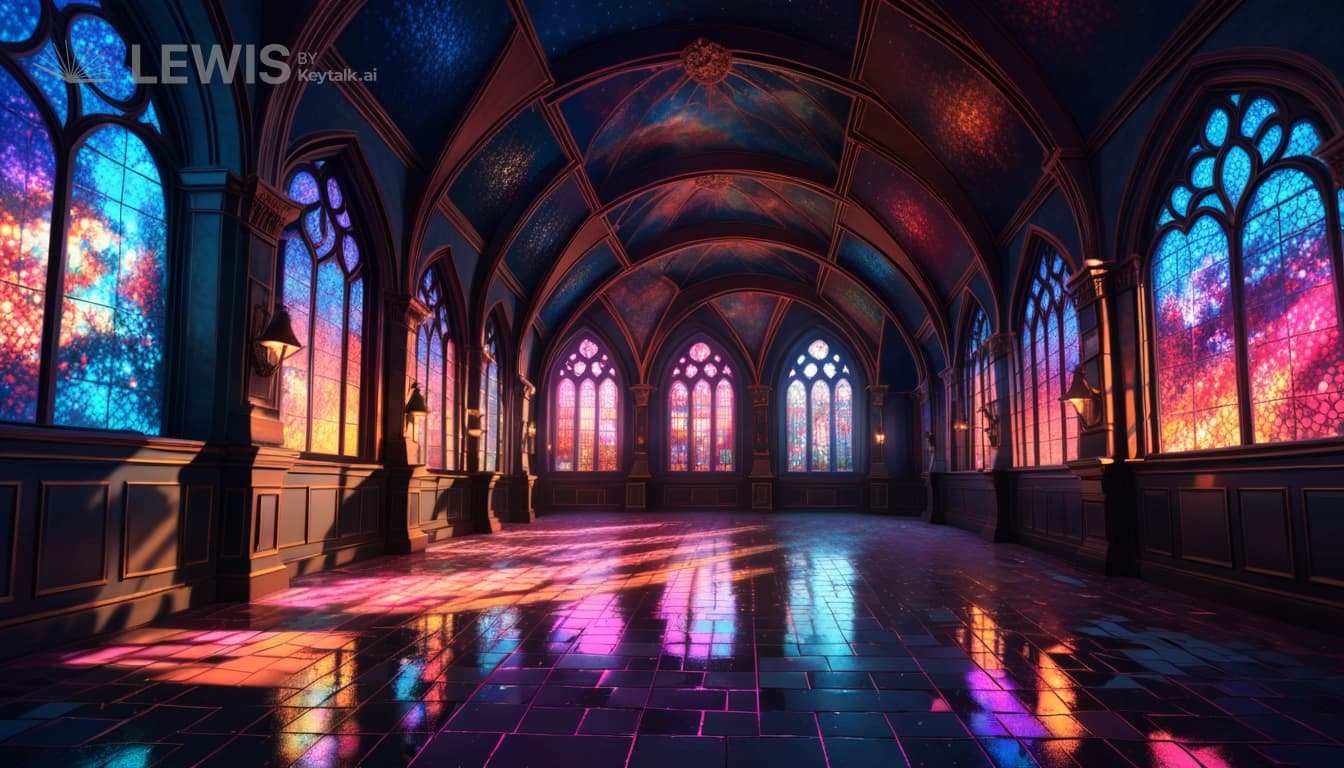
By day, the city is all grime and scaffolding, riverside fog and relentless construction, the palette muted save for the odd burst of neon. But after midnight, the alleyway and its environs become a living canvas: graffiti flickers with iridescent, shifting sigils; the air hums with synesthetic color as music spills from unseen sources; even puddles in the cracked pavement reflect impossible constellations. The fairies’ booth is a patchwork cathedral of stained glass, battered wood, and scavenged neon, its shape subtly morphing to fit the soul of each client. The regular world’s decay is overlaid with pockets of wild, hallucinatory beauty: phantom buskers whose instruments conjure thunderstorms; abandoned phone boxes that ring with voices from vanished eras; spectral crowds gathering for unsanctioned midnight performances. The city’s overlooked corners become stages for transformation, their ugliness alchemized by the fairies’ melodies into something perilous and strange.
Notable technology, philosophy, or cultural elements influencing the world and narrative:
Music technology is at the forefront—DIY synths, hacked interfaces, and pirated AI composition tools proliferate in the hands of outcasts like Iris, while academic visionaries like Lysandra push the boundaries of sonic science and occult theory. The city’s subcultures are defined by their philosophies of sound: some see music as resistance, a way to preserve endangered traditions (Mateo’s folk archives), while others chase transcendence or oblivion (Lysandra’s disciples and the fairies’ clients). The fairies’ influence has seeded a new urban folklore—whispered warnings about the alleyway, viral stories of sudden love or inexplicable loss, and an underground economy of sonic relics and memory-trading. The philosophical debate over authenticity versus manipulation, and the ethics of using music to unearth or rewrite truth, is not just academic—it plays out nightly in the choices, betrayals, and transformations of those drawn to the alley’s sanctuary. In this world, music is both a weapon and a sacrament, and every note can either liberate or destroy.
場所 1
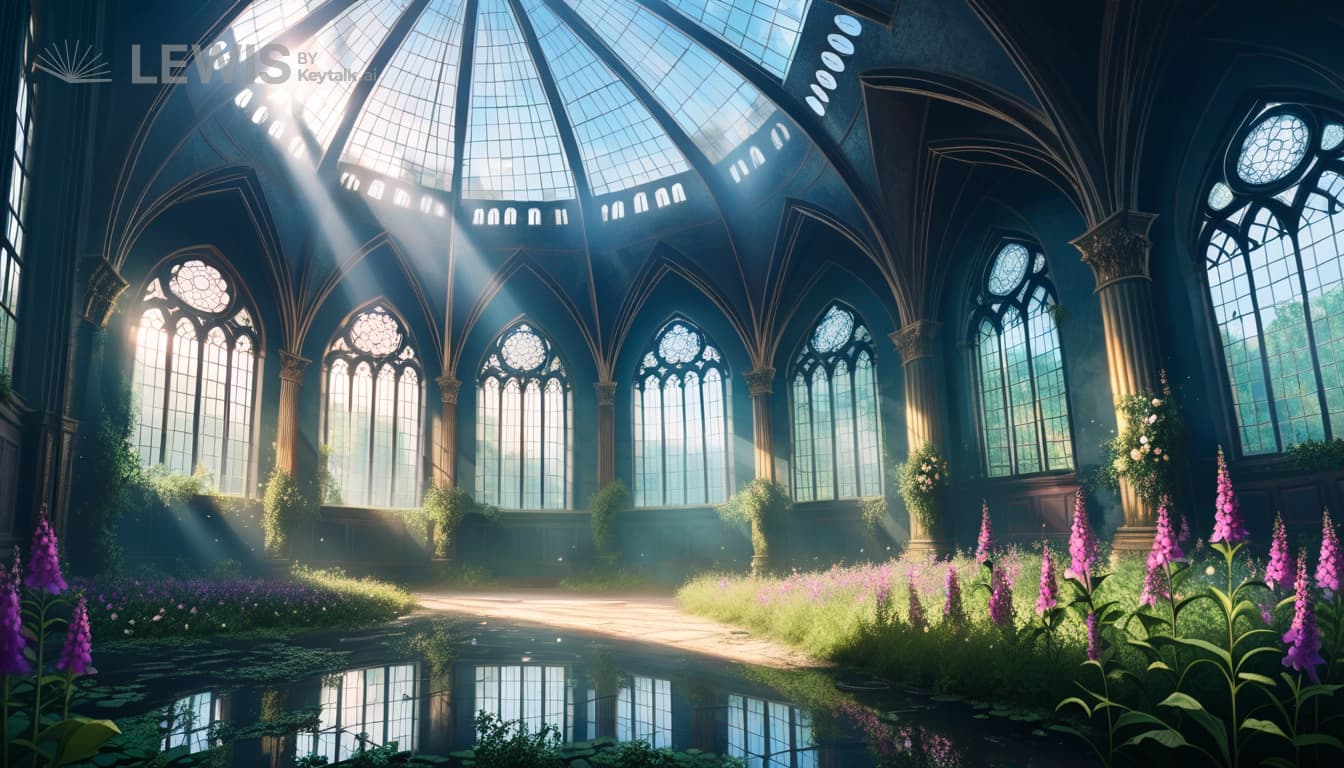
Title : The Belladonna Greenhouse at St. Fallow’s Asylum
Description : Sunlight slants through fractured glass onto a riot of poisonous bloom—belladonna, foxglove, moon-white datura—each plant thriving in the humidity that fogs the cracked tile floor. The air is thick with the scent of earth and something sharper, like memory on the edge of fever, and at the center sits a battered iron bench where patients once traded secrets with ghosts. Here, Iris first glimpses the world’s seams: between the tangled vines, the fairies’ music lingers, warping the greenhouse shadows into something that listens back.
場所 2
Title : The Iron Veil Market, Underneath Waterloo Bridge
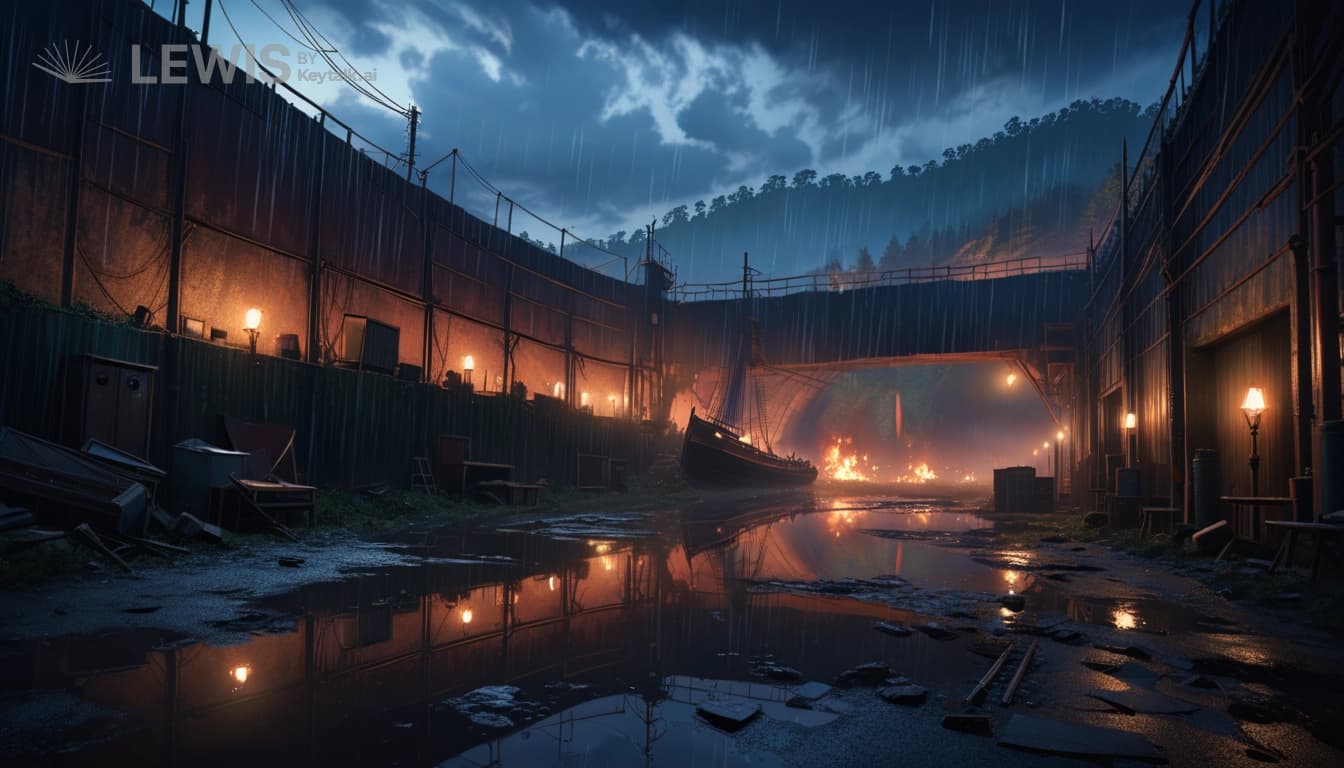
Description : Beneath the thunder of trains and the oily ache of the river, the Iron Veil Market sprawls in a web of rusted scaffolds and rain-slicked tarpaulins, lit by lanterns burning with cold blue fire. Here, forbidden instruments—broken theremins, contraband vinyl, clockwork organs that whisper in extinct tongues—change hands between masked dealers and desperate artists, their bargains sealed with pricks of blood and fragments of memory. The market pulses with a dangerous, electric hunger: it’s where Iris first hears rumors of the alley’s impossible melodies, and where the city’s lost dreamers gather to chase music that might save or destroy them.
場所 3
Title : The Clockmaker’s Oratory in the Drowned Borough
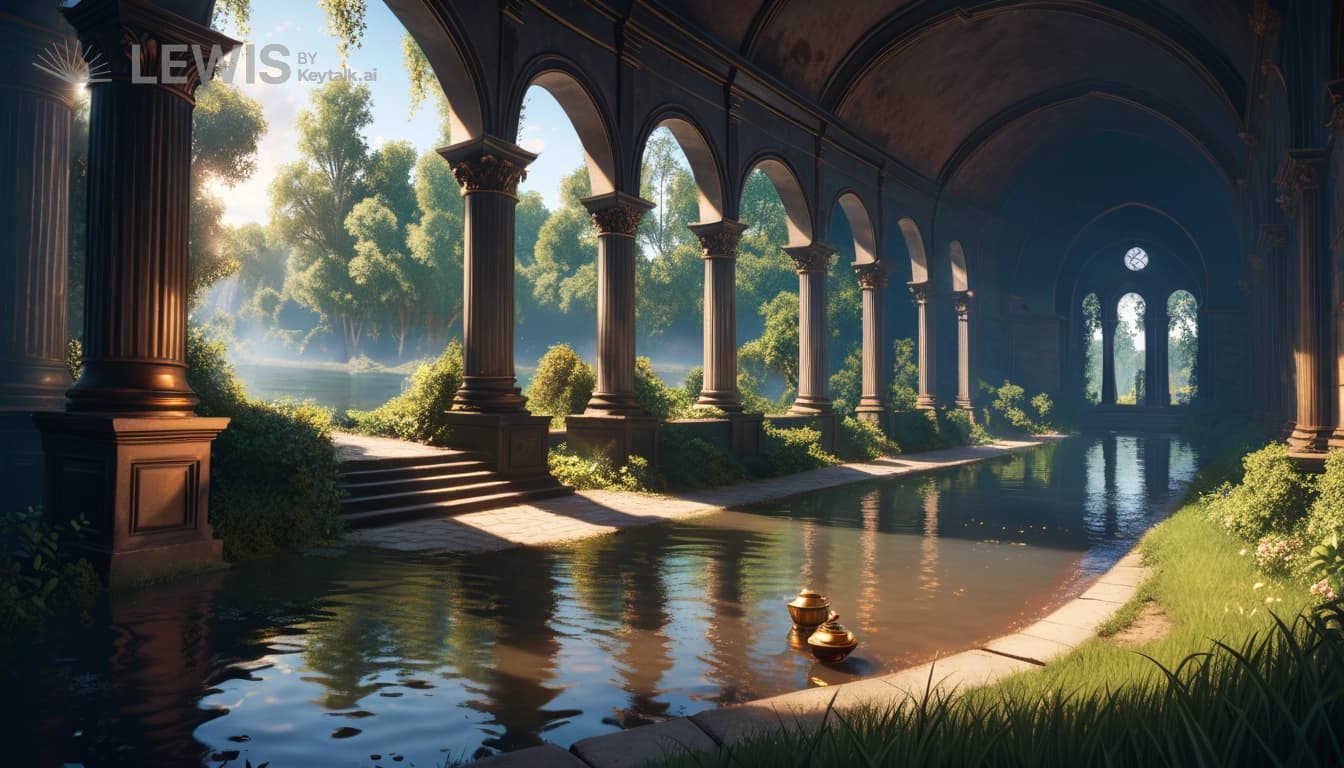
Description : Flooded ankle-deep and lit by oil lamps fashioned from cracked metronomes, the oratory is a cathedral of warped time—cogs and shattered clockfaces embedded in the mildewed walls, each ticking out-of-sync with the next. The air tastes of rust and rain, and every footstep sounds like a confession, echoing beneath a vaulted ceiling strung with drowned piano wires. Here, Iris and Mateo confront the fairies’ oldest prisoner, a broken automaton-choirmaster who remembers every song the city has ever tried to forget, and who guards the secret cadence that could either unravel the fairies’ enchantment or seal the city’s fate in silence.
場所 4
Title : The Velvet Rehearsal Room of the Absent Choir
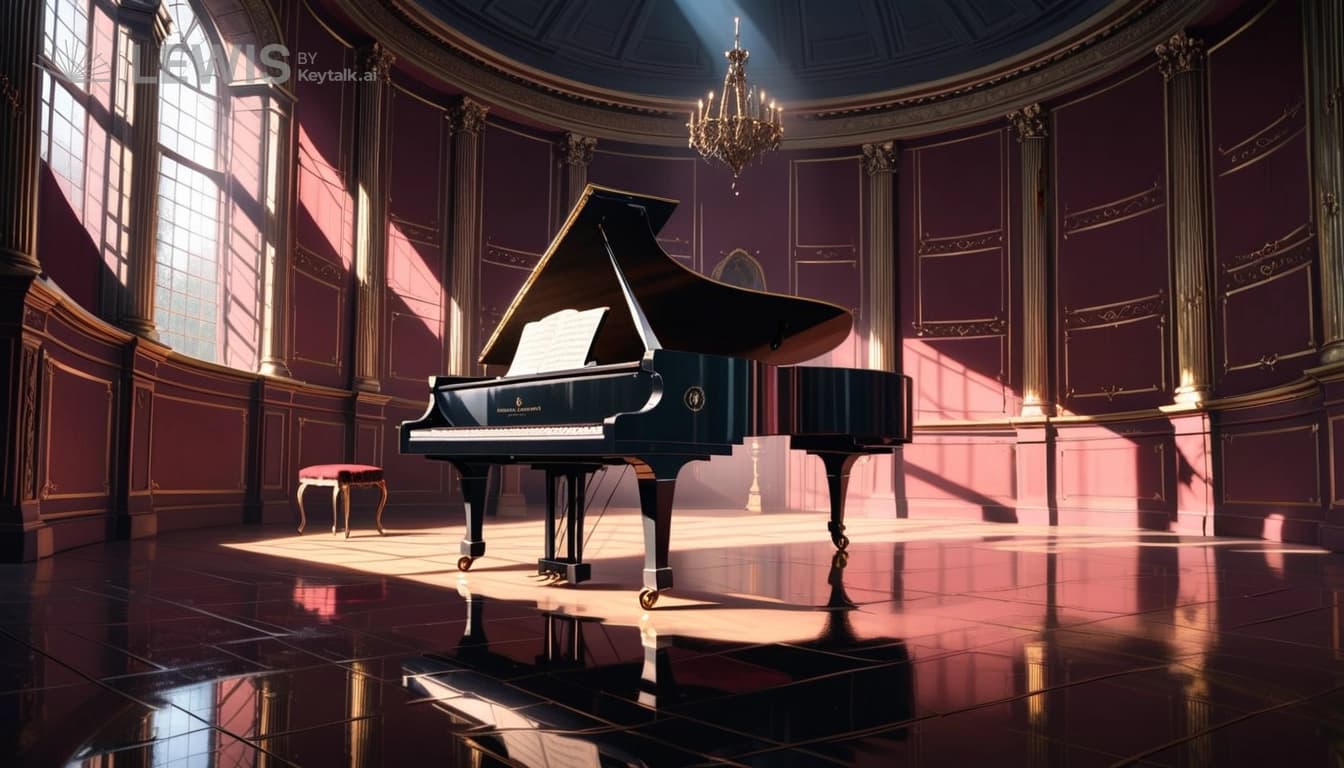
Description : The walls pulse with faded burgundy velvet, stained where desperate hands have clawed for a note just out of reach, and every footfall stirs up the ghost of harmonies that never quite resolved. In the center, a ring of ancient music stands—scored with cryptic, shifting notations—circles a battered grand piano whose keys bleed silvery light with every touch. Here, the air vibrates with longing: the room remembers every voice it’s ever lost, and as Iris and Lysandra tune their machine, the unvoiced ache of a thousand unfinished songs presses in, threatening to drown their ambitions in bittersweet cacophony.
場所 5
Title : The Archive of Unfinished Songs, Deep in the King’s Cross Catacombs
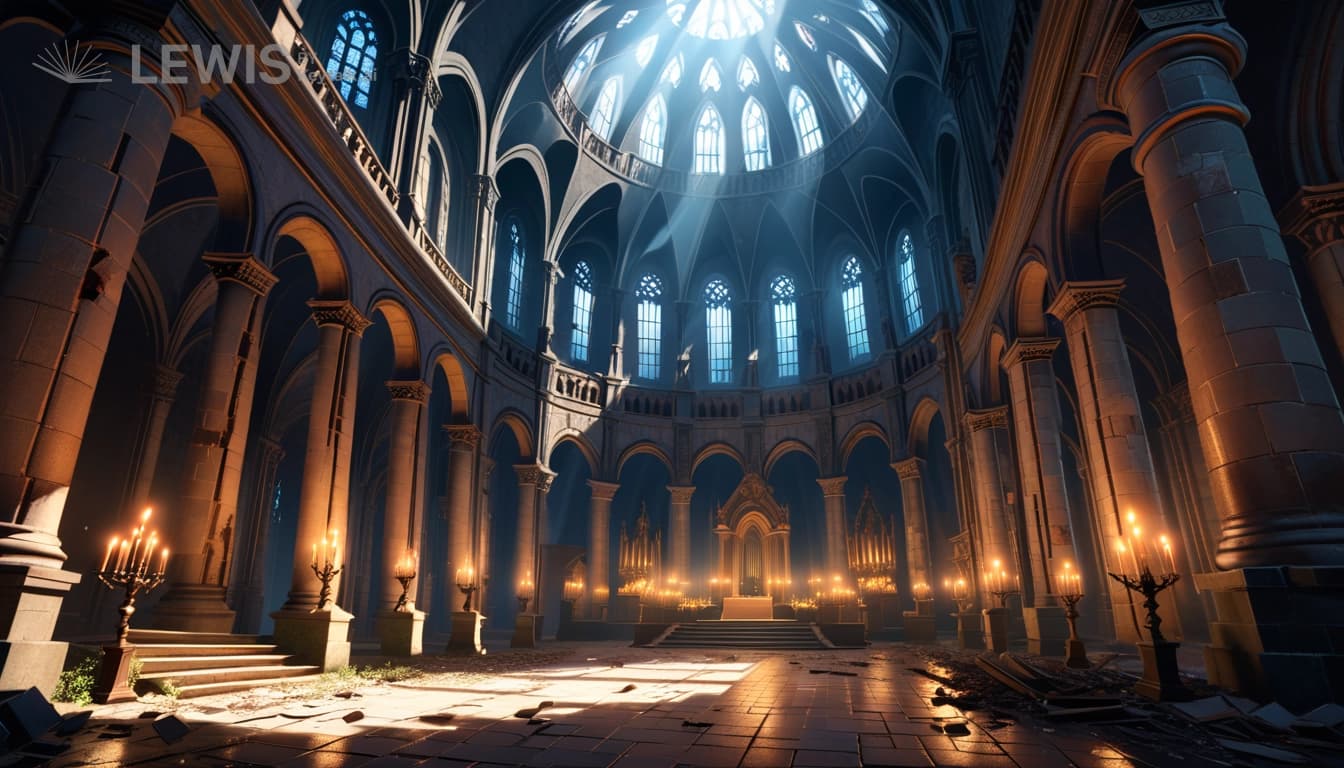
Description : Vaulted in perpetual twilight beneath the city’s pulse, the Archive sprawls like a cathedral carved from longing—endless shelves of battered tape reels, scribbled scores, and broken instruments trembling with the ghosts of melodies never resolved. The air is thick with the scent of mildew and ozone, each breath laced with the ache of abandoned dreams; when Iris and Mateo enter, the walls themselves seem to hum, snatching fragments of their thoughts and weaving them into a restless, unfinished chorus. Here, among the detritus of a thousand would-be revolutions, the fairies’ harmonies find their echo—every unsung note a fuse waiting to be lit.