本文へスキップ
Confessions Rewrite the World cover image

Confessions Rewrite the World

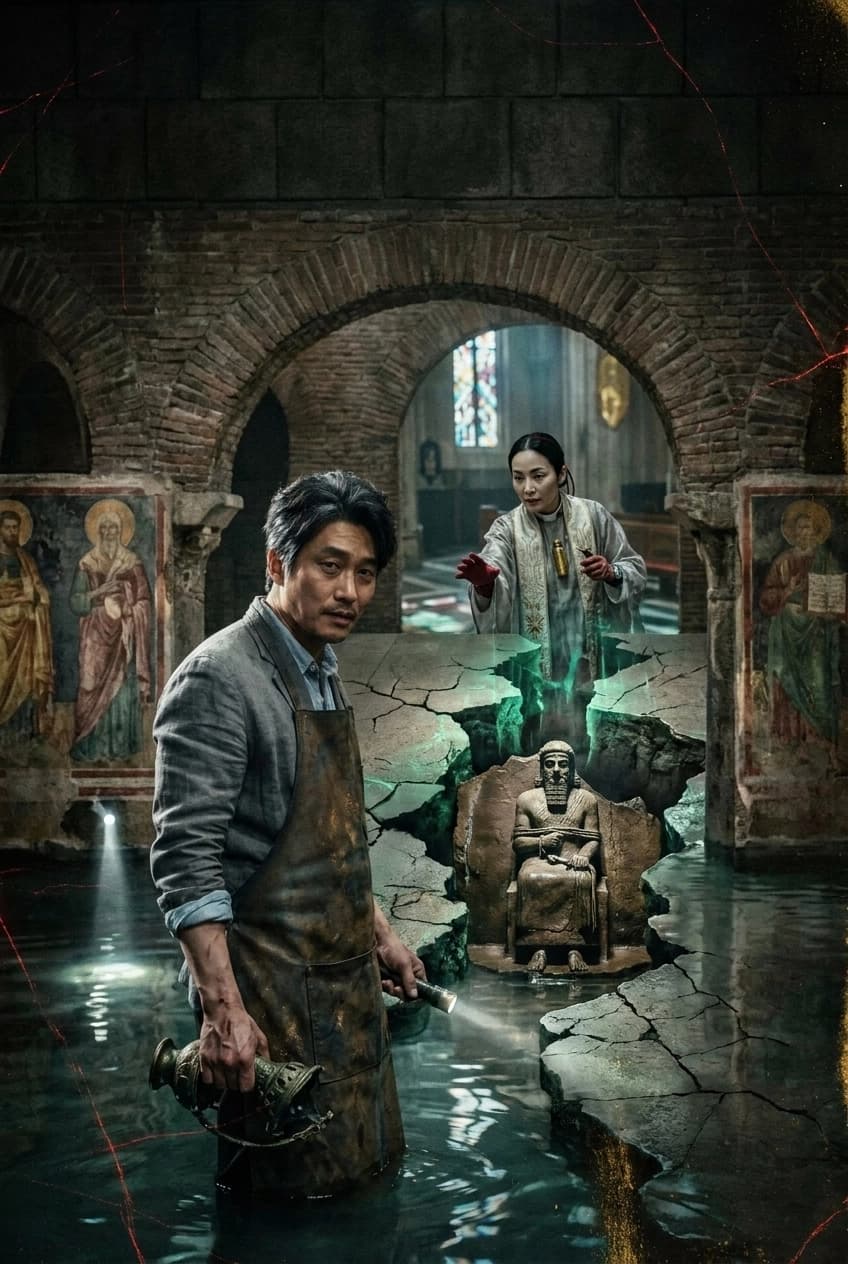
In a cramped urban attic lined with pop relics and relic bouquets, three otherworldly fairies, once revered as judges of dreams and now rendered spectral outcasts by a warped retelling of their myth, run a confession booth that alters every patron’s fate with intoxicating cravings. When a transgender teen, tormented by a fractured sense of time and haunted by spectral visions, confides their wish to erase a painful legacy, the fairies face an agonizing paradox—grant the wish and risk dooming the past to permanent erasure, or rebel against the dark rules of their curse, risking annihilation for an impossible redemption. As each confession blurs boundaries between fantasy and reality, desire and destruction, every choice becomes a double-edged invitation to transcend or succumb to the darkness within.

週間ランキング

rank icon image
#1 Theme
rank icon image
#1 Concept
rank icon image
#1 Theme
スクロール

キャラ

主人公

Jamie Holloway

性別Nonbinary (they/them)
職業High school dropout, part-time vintage record store clerk, aspiring poet

プロフィール

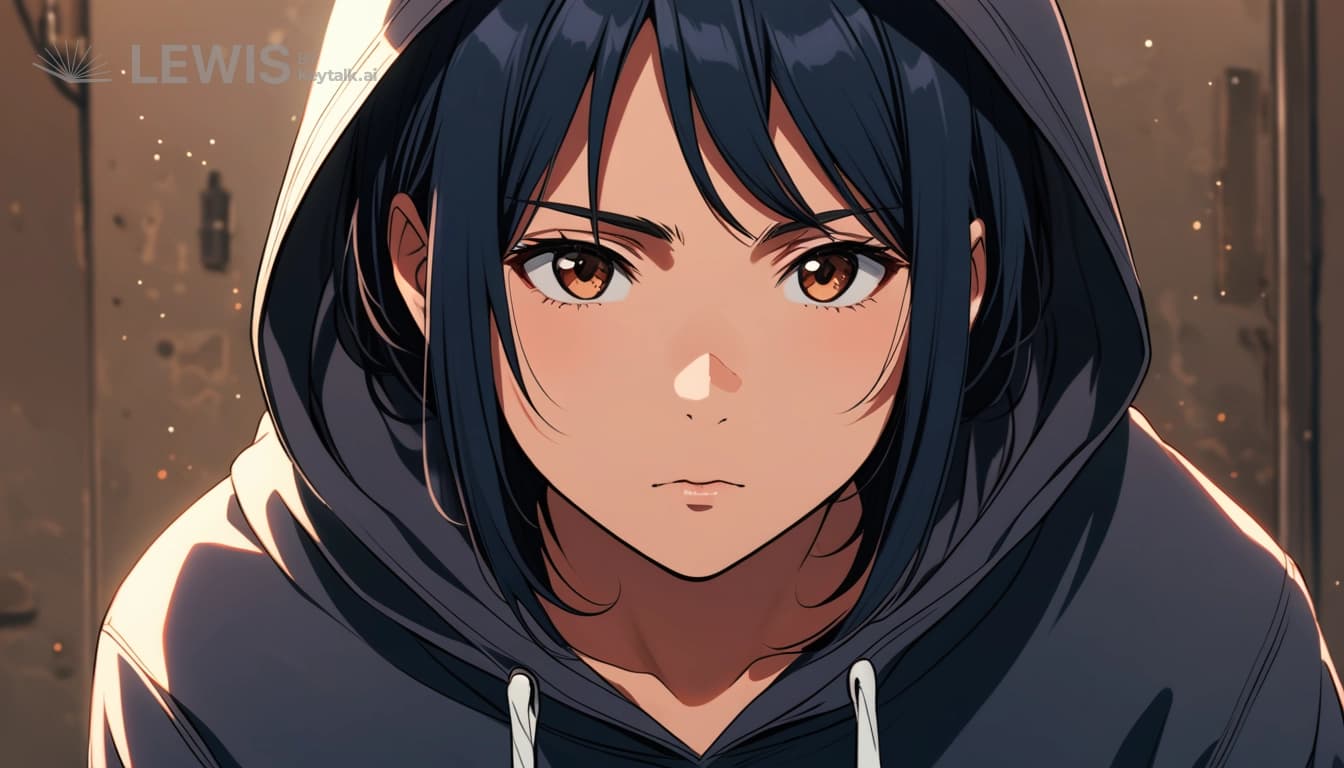
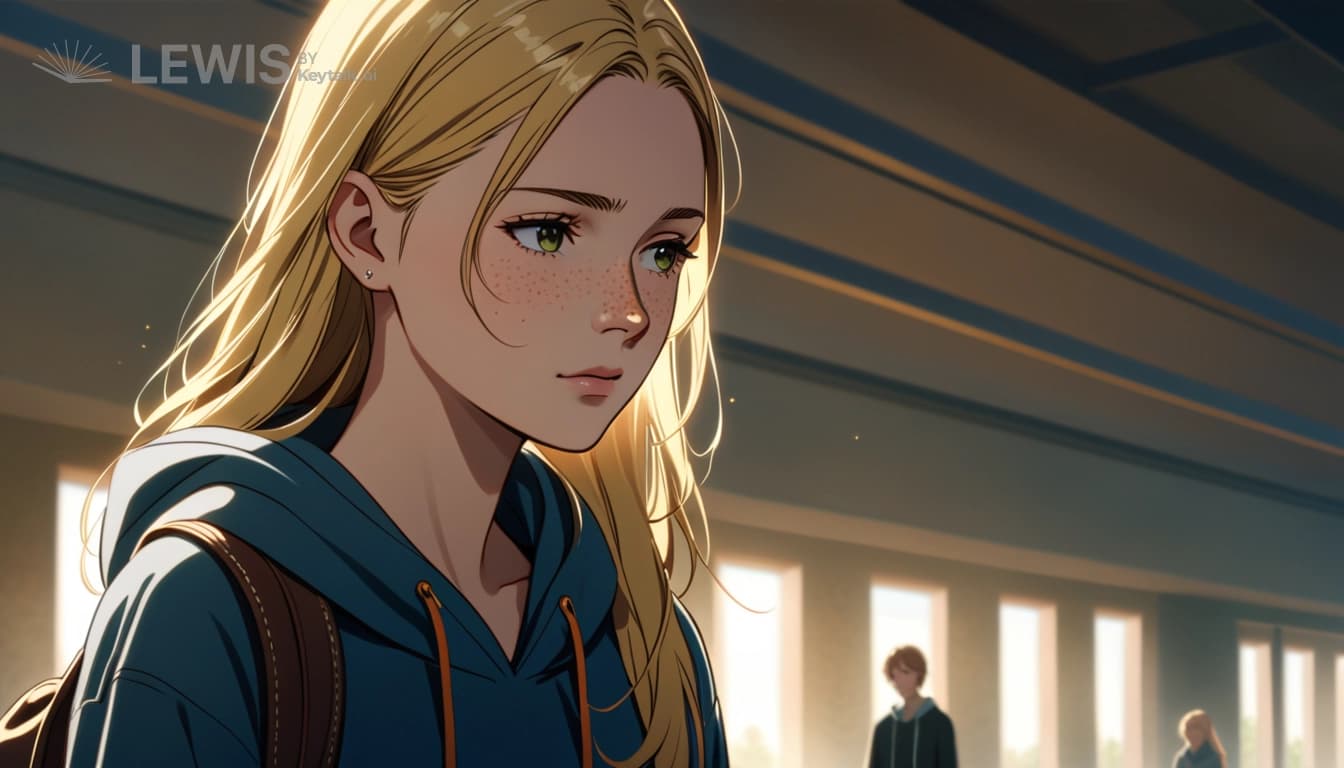
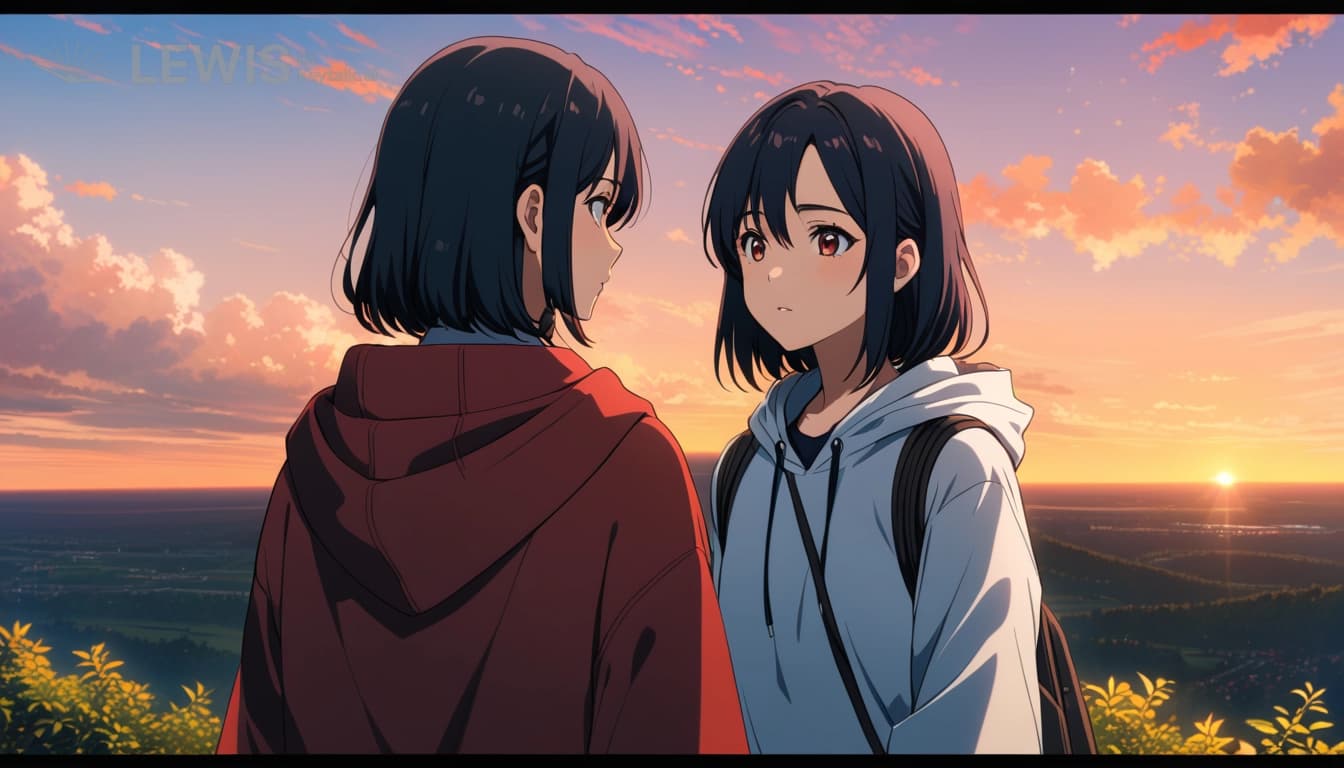
Jamie Holloway, a 17-year-old nonbinary teen of mixed Black and Filipino heritage, embodies both the restless energy and vulnerable introspection demanded by a life spent on the margins of a city that never quite makes room for difference. Standing at five feet six with a wiry build and hunched, defensive posture, Jamie’s presence is marked by a mop of blue-black hair—frequently shorn unevenly with trembling hands—and a constellation of faint, silvery scars trailing down their left forearm, half-concealed beneath thrifted hoodies and threadbare band tees from bands that never made it out of the underground. Their eyes, a deep brown flecked with gold, carry an old-soul exhaustion and dart with suspicion, rarely meeting another’s gaze for long; their nose is broad and slightly crooked from a childhood fall, and a chipped tooth flashes in moments of rare, unguarded laughter. Jamie’s speech is a patchwork of urban slang, poetic turns of phrase, and the clipped, guarded cadence of someone who’s been burned by disclosure—words tumble out in quick, self-effacing bursts, then halt abruptly, as if daring the world to misunderstand. Estranged from their conservative family and sleeping on the pull-out mattress in the back room of the vinyl shop, Jamie survives on the margins, scribbling verses in battered notebooks between shifts and dreaming of being seen for the beauty in their chaos. Their sharp wit, fierce loyalty to a small circle of misfit friends, and a near-obsessive need for control over their story drive them to seek out spaces where secrets might be transmuted into something luminous or at least survivable. Haunted by spectral visions that flicker at the edges of perception—shadows trailing in mirrors, whispers from beneath the floorboards—Jamie grapples daily with a fractured sense of time, sometimes living hours twice or losing whole afternoons to fugue states. Their craving for erasure stems not from self-loathing, but from a desperate yearning to break the cycle of inherited pain and to step outside the relentless narrative imposed by both family and myth. Prone to compulsive rituals—counting cracked vinyl tiles, arranging pop relics by year of release—Jamie’s need for order collides with an impulsive streak, fueling moments of reckless honesty that both endear and alienate. Their voice, at once tremulous and defiant, becomes the linchpin in the confession booth’s world, embodying the blurred boundaries between desire and destruction, fantasy and the raw ache of reality; Jamie’s choices, shaped by a lifetime of being both visible and invisible, will challenge the fairies’ own haunted existence and the very nature of fate within the attic’s liminal gloom.
敵役

Dr. Calliope Synnott

性別女性
職業Folklore Revisionist and Social Media Mythographer

プロフィール

Dr. Calliope Synnott, a 39-year-old Irish-Algerian woman, stands at a striking 5’11” with a sinewy, angular build that seems to bristle with restless energy. Her sharp cheekbones and piercing slate-gray eyes, set beneath a heavy brow, lend her a hawkish intensity, while a slash of silver runs through her ink-black, asymmetrically cropped hair—a self-fashioned tribute to the mythic crones she reveres and rewrites. Raised in the decaying grandeur of Dublin’s Liberties amid a tangle of immigrant family secrets and academic ambition, Calliope’s worldview was shaped by her Catholic grandmother’s oral tales and her father’s bitter atheism, forging in her a relentless skepticism toward “sacred truths.” Now a renowned Folklore Revisionist and Social Media Mythographer, she crafts viral narratives that dissect, distort, and rebrand ancient stories, wielding digital charisma and razor-edged wit to sway millions. Her presence is magnetic yet unsettling, favoring tailored, androgynous suits with relic brooches—always a touch of subversive nostalgia—while her right hand bears a jagged burn scar from a childhood kitchen accident, an ever-present reminder of the volatility of memory and tradition. Calliope’s speech oscillates between urbane erudition and sardonic, regional slang, often laced with biting irony and a tendency to punctuate silences with unnerving stares. Driven by an insatiable need to expose the machinery behind collective belief, she seeks not mere notoriety but a kind of radical authorship over reality itself, fiercely believing that stories, once altered, become inescapable truths. Her relationships are transactional, her affections fleeting—she trusts in intellect over intimacy, and her most enduring bond is with her own mythic self-concept. At the story’s outset, she faces mounting backlash from both traditionalists and fringe zealots, yet remains undaunted, haunted only by the suspicion that her mythic manipulations may have birthed real-world consequences she cannot entirely control. Her brilliance is shadowed by hubris and a simmering envy of those who can still believe in wonder without calculation, making her both a formidable adversary and a tragic architect of the very chaos she seeks to master.
相棒

Kiran Brightwater

性別男性
職業Urban Forager and Amateur Perfumer

プロフィール

Kiran Brightwater stands at a wiry six feet, his angular frame wrapped in thrifted linens and battered utility jackets whose pockets brim with foraged treasures—twisted seedpods, tarnished keys, vials of homemade scents that cling to him like secret incantations. The son of Trinidadian immigrants and raised among the labyrinthine alleyways of the city’s neglected districts, Kiran’s skin glows with a tawny warmth, his face marked by a delicate constellation of freckles crossing his sharp cheekbones and aquiline nose. His eyes—one a lucid amber, the other clouded by a congenital cataract—seem always to search for meaning in the overlooked and discarded. With a wild mane of jet-black curls often tamed under faded bandanas, he moves with a restless, loping grace, slipping through the city’s shadows in pursuit of rare botanicals for his perfumes and wild foods for the marginalized community he quietly nourishes. Resourceful and fiercely independent, Kiran’s knack for reading both flora and human nature makes him a natural mediator between the mystical fairies’ fractured world and the mortal one, yet his own motives tangle ambition with compassion: he dreams of bottling scents that evoke lost memories, resurrecting forgotten joys for those who feel unseen. His speech is a lyrical blend of Trinidadian cadence and streetwise slang, punctuated by an unexpected eloquence that emerges in moments of genuine connection. Though fundamentally empathetic, Kiran’s skepticism toward authority and myth—shaped by years of witnessing stories rewritten by the powerful—sets him in subtle opposition to both Jamie’s yearning for belonging and Dr. Synnott’s hunger for narrative control. He mistrusts easy answers, preferring to dwell in ambiguity, and his keen observational humor often cuts tension without undermining the gravity of the confessions he witnesses. Kiran’s practical skills and earthy pragmatism ground the attic’s dreamlike unreality, but his reluctance to claim the spotlight—stemming from a childhood spent in the margins—sometimes curdles into self-effacement or evasiveness. He collects scents obsessively, each perfume a private talisman against the city’s chaos, and his hands are always stained—by flower resin, by ink, by the detritus of other people’s secrets. While he is loyal to those he trusts, Kiran’s core motivation is not blind allegiance but the hope of restoring nuance and possibility to stories flattened by fear or revisionism. As the story begins, he exists in the interstitial spaces—between myth and matter, witness and participant, advocate and skeptic—poised to challenge, support, or disrupt, depending on the truth he scents in the air.

筋書き

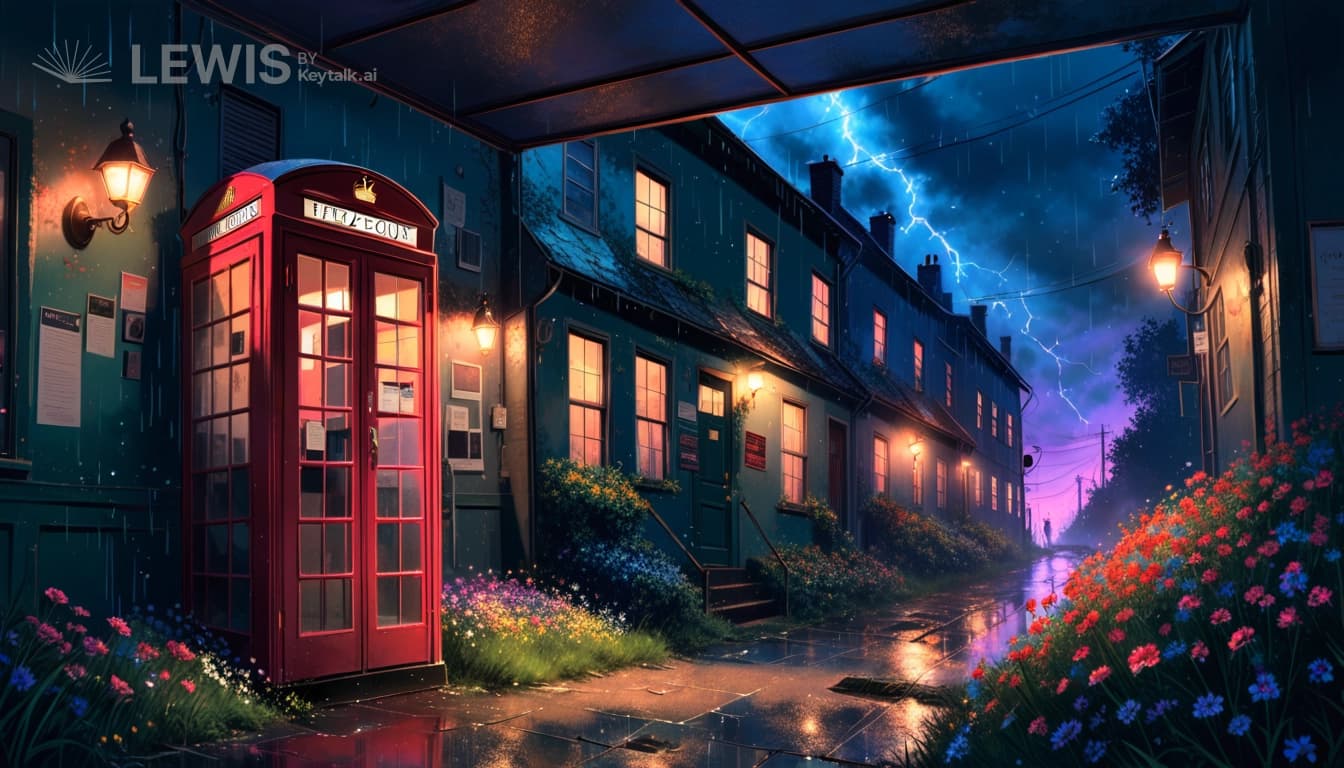
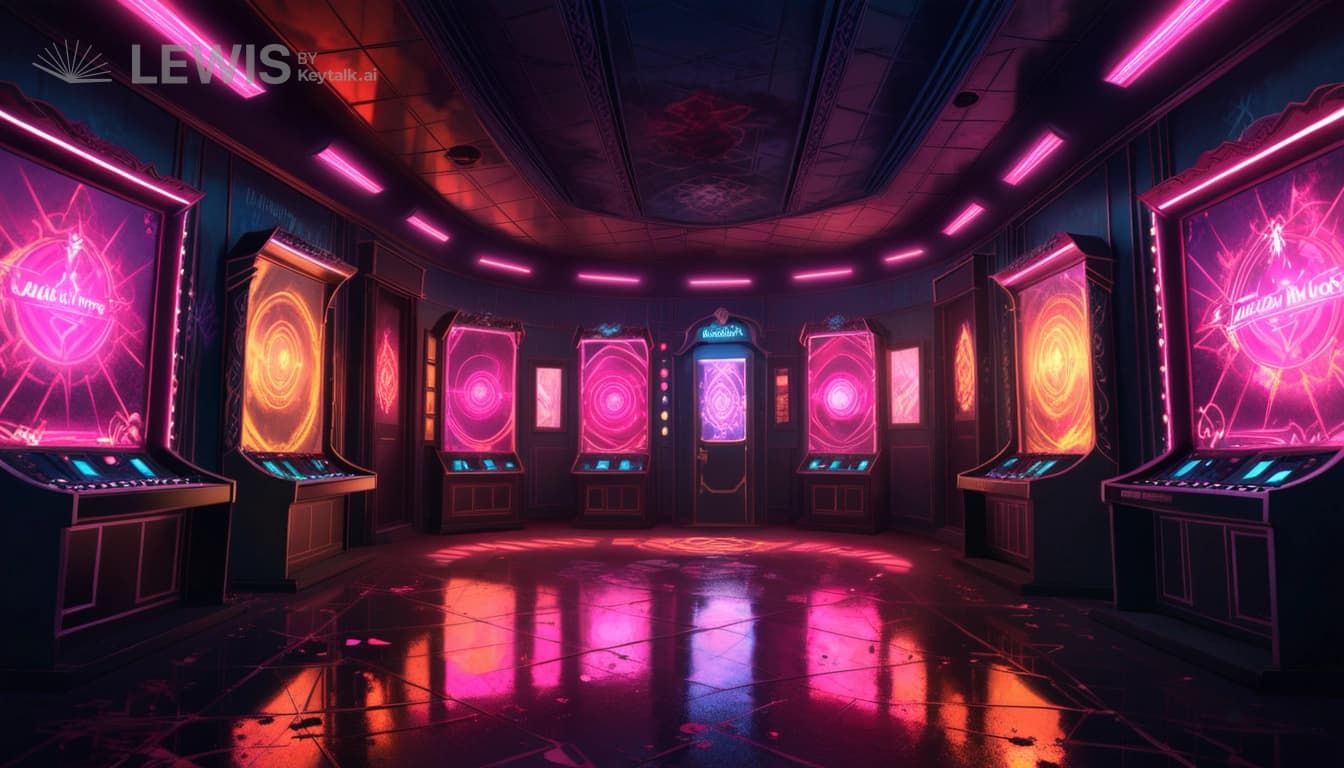
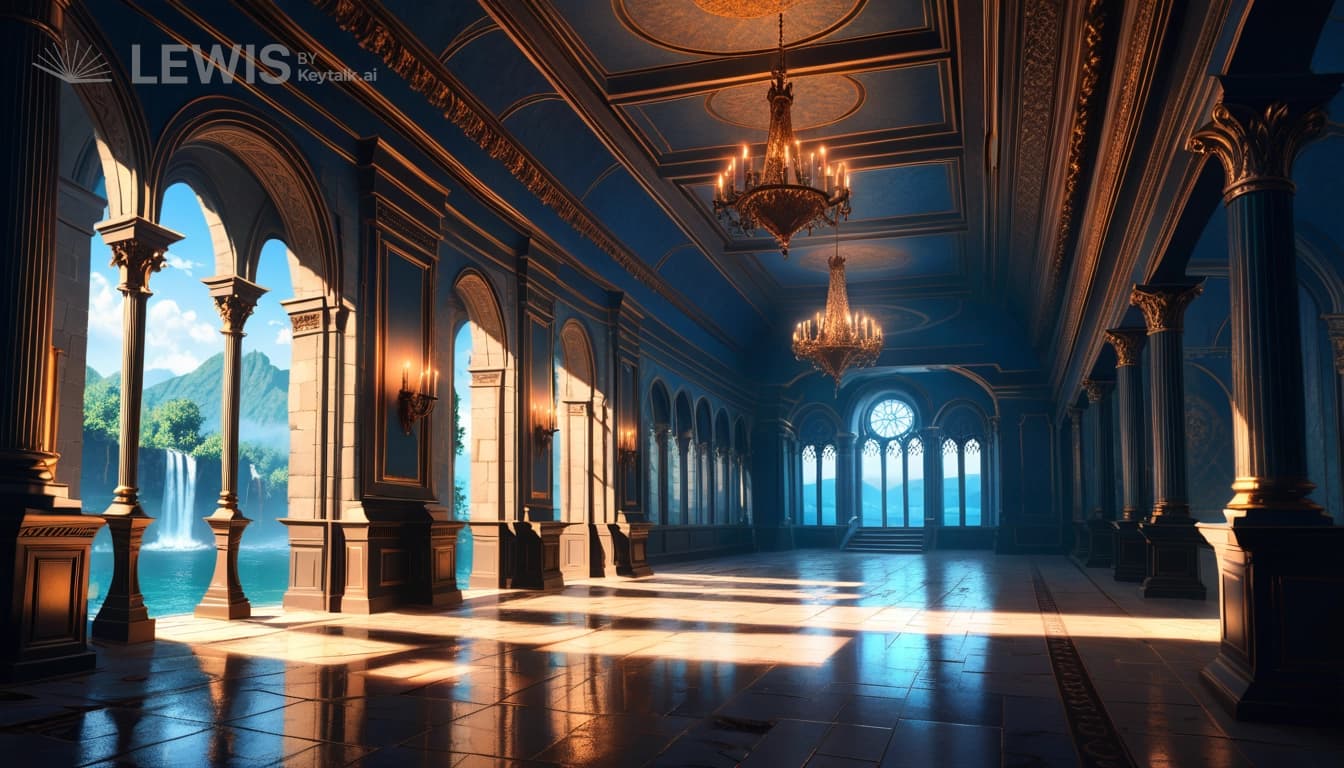
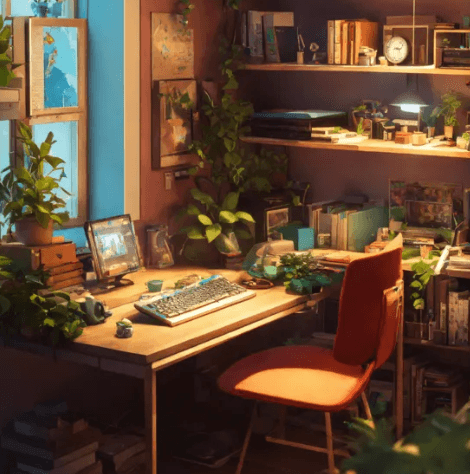
The attic was never meant to be a sanctuary. Lined with cracked pop idols—Madonna dolls with smeared lipstick, a Prince poster faded to lavender ghosts—and bouquets of relic flowers whose petals rustled in no wind, it hovered above the city like a secret too strange to confess. Here, three spectral fairies once exalted as judges of dreams now lingered as outcasts, their forms barely clinging to the world, cursed by a viral retelling of their myth that had reduced them to cautionary tales about desire gone wrong. In this liminal space, the confession booth stood: a battered phone booth lined in velvet, its rotary dial now a vessel for fate’s rewiring. Each confession offered up to the fairies was an act of dangerous longing, and every wish they granted unspooled a craving—intoxicating, inescapable, beautifully ruinous—into the confessor’s life.

Jamie Holloway stumbled into the attic one rain-glutted midnight, led by a flickering vision—a child’s voice whispering from beneath the floorboards, a shadow that rippled in the corner of their eye. Jamie was a patchwork of contradictions: restless, guarded, hungry for belonging yet terrified of surrender. Their life was a perpetual balancing act between the comfort of invisibility and the agony of being unseen. Haunted by a fractured sense of time, Jamie sometimes relived memories in endless loops; other days, hours vanished in dissociative blinks. Their latest obsession was erasure—not annihilation, but the hope of stepping outside the narrative carved by family, trauma, and myth. They’d heard rumors of the attic’s confession booth—urban legend, maybe, but Jamie was desperate enough to gamble on magic.

Kiran Brightwater watched Jamie’s arrival from the shadows, his hands busy bottling scents that anchored him in the real. Kiran understood the power of stories and the dangers of revision. He moved through the city’s margins collecting forgotten things, making perfumes that conjured the ache of lost summers or the salt of old tears. To Kiran, the fairies’ curse was both warning and opportunity: a reminder that stories wielded carelessly could devour the teller, but also that myth, when reclaimed, could heal. Kiran’s empathy drew him toward Jamie, but his skepticism kept him wary. He knew too well how confessions, once spoken, could become cages.

Dr. Calliope Synnott entered the attic with the force of a storm: six million followers, a hunger for narrative power, and a dangerous pride in her ability to rewrite myth. Her viral retellings had unmoored the fairies, fracturing their once-sacred role and turning their booth into a site of desperate bargains. Calliope arrived not as a supplicant but as an architect—intent on witnessing, perhaps even guiding, the transformation wrought by Jamie’s confession. Beneath her erudite bravado, though, was a gnawing suspicion that she’d unleashed forces she could neither name nor control. She did not believe in magic, not really, but she believed in the machinery of belief, and that was often more dangerous.

Jamie’s confession—delivered in a torrent of staccato syllables, half-choked by the weight of memory—was simple: “I want to erase the legacy. Not just my family’s pain, but the story itself. I want out.” The fairies, bound to the curse Calliope’s myth had warped, faced a paradox: granting the wish would erase not only Jamie’s trauma but the chain of events that led to the attic, to the booth, to the fragile hope flickering in the city’s darkness. To rebel was to risk annihilation, to become nothing more than a footnote in a story already half-forgotten. Kiran pleaded for nuance—couldn’t they offer Jamie a new narrative rather than obliteration? Calliope, watching, saw a chance to test the limits of her authorship: what if redemption was possible, even for myths?

The attic became a crucible as the boundaries between fantasy and reality began to blur. Each confession that followed—by Jamie, by anonymous wanderers, by Kiran himself—sent ripples through the city below. The fairies’ magic, twisted by longing and loss, fed on the cravings it unleashed: a mother who wished to forget her dead son found herself unable to recall her own name; a failed musician who asked for greatness woke up with songs that drove him mad. Jamie, caught in the feedback loop of their own erased history, began to lose not only their pain but the fragments of joy and defiance that had defined them. Kiran, desperate to anchor Jamie, created a scent—a perfume of rain, warm vinyl, and the wild sweetness of mango—that conjured memories Jamie had tried to bury. Calliope, seeing her myth unravel, confronted

シーン

シーン 1
scene 1 image
The Whisper Beneath the Floorboards
[Place] - The attic above a crumbling rowhouse, a hidden world lined with relics and shadows
[Time] - Midnight, during a relentless rainstorm that blurs the city beyond the windows

[Action]
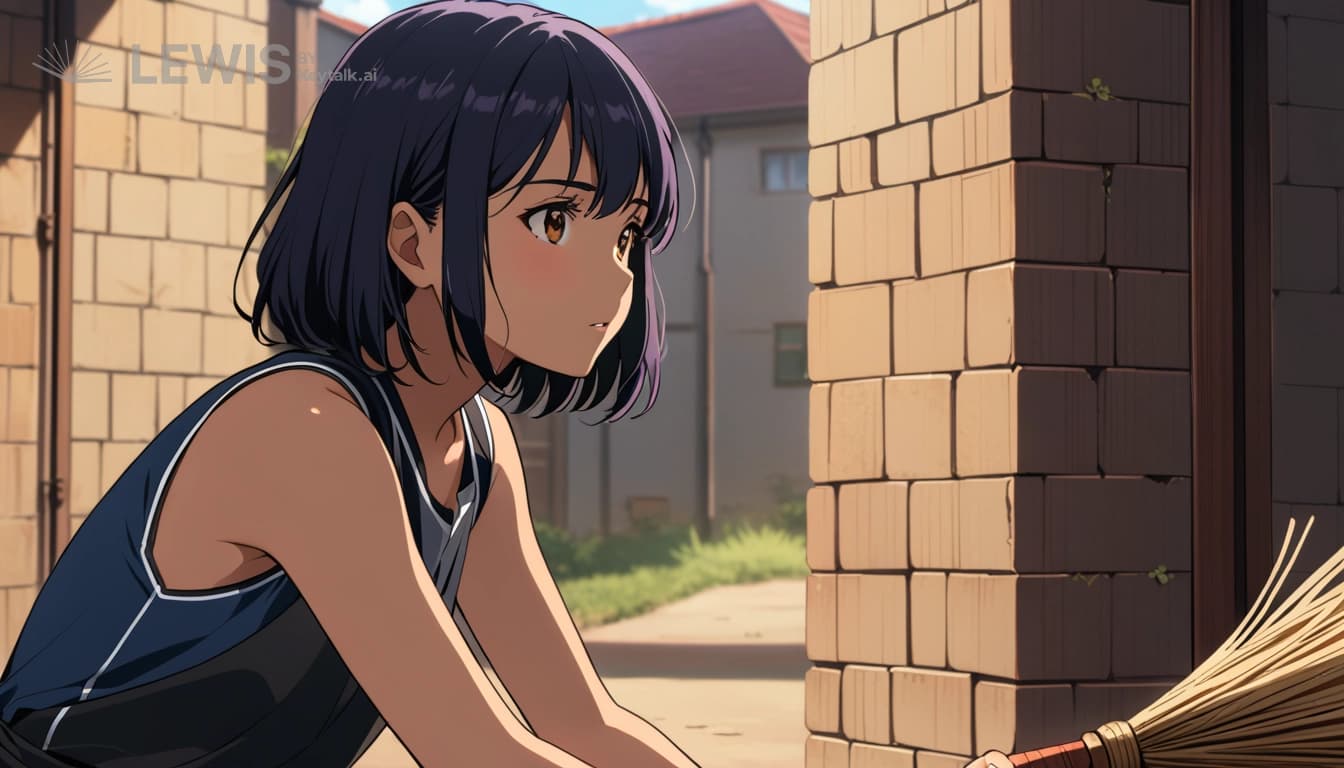
Jamie arrives at the attic, soaked and trembling, drawn by a voice only they can hear—a child’s whisper curling up from beneath the warped floorboards. The attic itself breathes with anticipation, its cluttered relics and faded pop iconography creating an uneasy sanctuary. Jamie hesitates at the threshold, wrestling with the urge to bolt, but the need for relief from their looping pain is stronger. They move among the Madonna dolls and brittle bouquets, each step a negotiation between hope and dread. The battered confession booth beckons from the far corner, its velvet interior glowing with impossible warmth.

Unseen, Kiran lingers in the shadows, quietly observing Jamie’s every movement. He’s engaged in the ritual of bottling a new scent, hands trembling as he watches—torn between his instinct to intervene and the fear of disrupting Jamie’s vulnerable arrival. Kiran’s empathy for Jamie’s desperation is complicated by his own scars; he senses a kinship but also the danger of getting too close to someone on the edge.

The three fairies flicker into partial view, their forms warped by the curse. They watch Jamie with a mix of hunger and regret, remembering their old power but trapped by the new rules of their myth. Their presence is both invitation and warning, setting the stage for the confession to come.

This scene establishes the attic as both refuge and trap—a place where the past and present collide, and where longing can become a weapon. It seeds questions about what Jamie seeks, what the fairies want, and whether anyone can truly change their narrative.

[Impact on the story]
Jamie’s arrival cracks open the fragile boundary between magic and reality, drawing all the main players—Kiran, the fairies, and soon Calliope—into the same charged space. The scene stirs old wounds and new possibilities, setting in motion the chain of confessions and consequences that will ripple outward. Jamie’s vulnerability and Kiran’s watchful compassion build immediate emotional stakes, while the fairies’ haunted presence foreshadows the dangerous bargains ahead.

[Description]
Jamie is lured into the attic by a mysterious whisper, entering a world haunted by relics, broken myths, and the lurking presence of the cursed fairies. Kiran observes from the shadows, torn between empathy and self-protection, as the stage is set for the confessions and desires that will unravel everyone’s sense of self and story. The attic emerges as a place where longing, magic, and danger intertwine.
シーン 2
scene 2 image
[Kiran’s Bottled Summers and the Scent of Longing]
[Place] - The attic’s far corner, among cluttered shelves of bottled scents and half-lit shadows, just out of view of the confession booth
[Time] - Minutes after Jamie’s arrival, rain still hammering the roof, city lights flickering through a cracked skylight

[Action]
Kiran lingers in his sanctuary of aromas, his hands steadying as he selects vials—each a memory, a secret, a lost day distilled. He listens to Jamie’s uncertain footsteps, the hush of their breath, the tremor in the silence between them. The scents he’s bottling are not just for commerce or comfort; they’re attempts to anchor himself against the attic’s shifting magic and the ache of his own history. Kiran remembers his first visit to this place, the bargain he almost made, the longing he barely survived. Watching Jamie’s desperation, he’s torn: does he intervene and risk his own vulnerability, or stay hidden and hope the fairies show mercy?

As Jamie circles the confession booth, Kiran works—a blend of rainwater, worn vinyl, and ripe mango, meant to evoke half-forgotten happiness. He debates leaving the vial for Jamie, a silent gesture of solidarity and warning. The fairies flicker nearby, sensing Kiran’s interference, their presence tightening the air with old resentment and cautious curiosity. The attic’s magic surges, responding to the emotional crosscurrents. Kiran’s memories surface: the price of wishes, the cost of compassion, the sweetness of connection. He weighs whether to reveal himself, knowing the choice could change the trajectory of both their lives.

[Impact on the story]
Kiran’s internal conflict deepens the emotional stakes, offering a counterpoint to Jamie’s raw longing and the fairies’ hunger for relevance. By bottling a scent that captures both nostalgia and warning, Kiran attempts to connect with Jamie without words, setting up a fragile thread of trust. The fairies’ awareness of Kiran’s intentions foreshadows their unpredictable involvement, while the attic’s atmosphere grows more charged and unstable. This scene plants the seeds for Kiran’s later intervention and hints at the possibility of rewriting—not erasing—the stories that bind them.

[Description]
Kiran, hidden among his bottled memories, grapples with the urge to reach out to Jamie through the alchemy of scent, wrestling with his own fears of connection and loss. The fairies sense his interference, heightening the tension in the attic as longing and memory interlace. This scene establishes Kiran’s complex motivations and lays emotional groundwork for the coming confessions and transformations.
シーン 3
scene 3 image
[Title] - Confession Booth, Velvet-Lined Trap
[Place] - Center of the attic, beneath the broken skylight, where the battered confession booth stands out against the clutter and dust
[Time] - The same rain-soaked midnight, moments after Kiran’s silent offering, as the city’s distant sirens echo up through the floorboards

[Action]
Jamie, drawn by both dread and longing, approaches the confession booth, the air thick with the mingled scents Kiran has left behind—rain, vinyl, mango. Their hands tremble as they push open the booth’s velvet-lined door, feeling the eyes of unseen fairies and the weight of memory pressing in. Inside, the rotary phone glows faintly, as if alive. Jamie hesitates, wrestling with the enormity of what they’re about to do, flashes of family arguments, hospital corridors, and half-remembered laughter ricocheting in their mind. The fairies, spectral and watching, circle close, their forms shifting in the dim light, their hunger for a new story palpable. Jamie picks up the receiver, breathing in the scent Kiran crafted—an unexpected tether to hope—and begins their confession, voice raw with desperation: they want the legacy gone, all the inherited pain, all the stories that have defined and confined them. The attic’s magic stirs, wind rattling the glass, as the fairies listen and weigh the wish against their own curse. Kiran, hidden but close, senses the danger and the possibility; Calliope’s presence—her shadow on the stairs, her phone camera ready—signals that this confession is both a personal plea and a performance for a wider, watching world.

[Impact on the story]
Jamie’s confession is the catalyst for everything that follows, forcing the fairies to confront the boundaries of their power and the consequences of granting such a wish. The scene exposes the vulnerability and risk inherent in longing for erasure, and it draws Kiran and Calliope into the center of the magical bargain, each with their own motives and fears. The booth becomes a crucible, binding the characters together and setting the stage for the unraveling of both individual and collective histories.

[Description]
Jamie enters the confession booth and voices their desperate wish, surrounded by the charged presence of the fairies, the scent of Kiran’s offering, and Calliope’s looming ambition. This pivotal moment sets the magical and emotional stakes for the rest of the story, pulling all the key characters and supernatural forces into collision.
シーン 4
scene 4 image
[Title] - The Fairies Remember Their Glory—And Their Curse
[Place] - In the shadows above the confession booth, among the relic pop idol memorabilia and flickering fairy lights strung from beams
[Time] - Immediate aftermath of Jamie’s confession, the rain outside intensifying, thunder reverberating through the attic’s bones

[Action]
As Jamie’s wish hangs in the charged air, the three fairies—Opaline, Vetch, and Rue—manifest more fully than they have in years, drawn by the purity and peril of the longing voiced below. Their spectral bodies flicker with the remnants of old glamour: Opaline’s feathers shimmer with the echo of stage lights, Vetch’s eyes glow with the sharpness of a judge’s verdict, Rue’s laughter is a brittle melody that cracks the silence. For the first time since their myth was shattered, they remember the intoxicating power they once wielded—adoration, fear, the right to shape destinies. But the curse imposed by Calliope’s viral retelling gnaws at them: every wish they grant now twists into hunger, erasing their own purpose bit by bit. The fairies debate, torn between nostalgia for their lost glory and the terror of vanishing entirely if they rebel against the terms of their curse. Opaline is tempted by the chance to reclaim relevance, Vetch burns with bitterness at being reduced to cautionary metaphor, and Rue aches for the intoxication of granting a true, dangerous wish again. Their whispered argument swirls through the attic, barely perceptible to Jamie but heavy enough that Kiran senses the shift in the air—magic sharpening to a knife’s edge. Meanwhile, Calliope observes with fascination and a flicker of guilt, recognizing her responsibility but craving the spectacle. The attic becomes a stage for the fairies’ inner conflict, their longing and resentment spilling over and amplifying the magic’s volatility.

[Impact on the story]
This scene deepens the mythic stakes and personalizes the fairies’ plight, showing them not as mere plot devices but as beings with conflicting desires and fears. Their debate introduces the possibility that granting Jamie’s wish could destroy the very fabric of their existence—raising the tension for both the fairies and the humans watching. Kiran’s empathy and Calliope’s ambition are further entangled as both realize the wish is not just Jamie’s battle but a crucible for everyone trapped in the attic’s orbit. The fairies’ struggle foreshadows the unpredictable consequences that will ripple through the city as magic and longing collide.

[Description]
The fairies, drawn out of obscurity by Jamie’s confession, confront the cost of their own curse and argue over whether to grant the wish, haunted by memories of lost power and relevance. Their conflict heightens the magical tension in the attic, drawing Kiran and Calliope further into the supernatural crisis and setting up the dangerous unraveling to come.
シーン 5
scene 5 image
[Title] - Calliope’s Arrival: The Architect of Unraveling
[Place] - At the threshold of the attic, rainwater streaming from her coat, Calliope steps into the velvet-lit gloom, just inside the doorway, framed by the battered confession booth and the flickering silhouettes of pop idol relics
[Time] - Moments after the fairies’ argument crests, the air still trembling with unresolved magic, thunder pulsing through the city’s bones

[Action]
Calliope enters the attic with deliberate, almost theatrical poise, surveying the strange tableau—Jamie trembling near the confession booth, Kiran lingering at the edge of shadow, the fairies caught mid-manifestation, their forms raw and unsettled. She absorbs the fractured glamour and the charged tension, immediately recognizing the chaos as both the consequence and opportunity of her own myth-making. While outwardly composed, she feels a jolt of unease seeing the fairies so destabilized, their suffering more human than she anticipated. Calliope’s arrival is not just physical but catalytic: her presence forces everyone to confront the reality that the world has already changed, and not for the better.

She approaches Jamie first, analyzing them with the clinical curiosity of someone who’s both architect and voyeur. She asks, without apology, what Jamie truly expects from erasure, pushing them to articulate their longing in front of the others. This moment is less about comfort and more about exposure—Calliope wants to see the raw wound, to understand the mechanics of confession and consequence for her own purposes. As Jamie falters, Kiran intervenes, his voice gentler but edged with urgency, questioning Calliope’s motives and warning of the dangers inherent in rewriting stories too carelessly.

Meanwhile, the fairies—now flickering between hope and dread—sense Calliope’s influence as both the origin of their curse and the only witness who might rewrite their fate. Rue, emboldened, tries to appeal to her sympathy; Vetch’s bitterness sharpens; Opaline’s nostalgia curdles into accusation. The attic’s atmosphere shifts: old boundaries between myth and reality thin further, the booth humming with unstable magic.

Calliope, feeling the weight of her own narrative power, considers intervening directly—should she try to reverse or reshape the wish, or let the consequences unfold? She’s torn between the thrill of authorship and the fear that the story has slipped beyond her control. The scene ends with Calliope standing at the center of the attic, every eye—human and spectral—fixed on her, waiting for her decision, as the rain outside turns from thunder to a hush that feels like the world holding its breath.

[Impact on the story]
This scene pivots the narrative from mythic conflict to personal accountability, forcing Calliope to reckon with the consequences of her viral myth-making. Her arrival intensifies the tension and crystallizes the stakes: Jamie’s wish, the fairies’ survival, Kiran’s hope for healing, and the city’s fragile balance all hinge on what Calliope chooses to do next. Each character is forced to confront the real cost of longing and authorship, setting up the central conflict for the rest of the story.

[Description]
Calliope’s entry into the attic catalyzes a confrontation between myth, magic, and personal responsibility. Her presence forces the fairies, Jamie, and Kiran to face the consequences of wish-making and narrative manipulation, escalating the tension and making clear that the next choice could unravel everything.
シーン 6
scene 6 image
[Title] - A Wish for Erasure, A City Unspooling
[Place] - The heart of the attic, centered on the velvet-lined confession booth, with rain-muted city lights leaking through the warped window panes.
[Time] - Immediately after Calliope’s arrival, with the storm settling into uneasy silence and the attic holding an electric, suspended breath.

[Action]
Jamie, trembling between hope and fear, steps into the confession booth, the velvet swallowing their outline as the booth’s rotary dial pulses with a strange, rhythmic glow. The fairies gather—Rue hopeful, Vetch resentful, Opaline wary—hovering at the threshold of Jamie’s desperate wish. Kiran hovers nearby, torn between intervening and honoring Jamie’s agency, clutching a half-finished bottle of scent as if it were a talisman. Calliope, still flushed with power and doubt, positions herself as both observer and reluctant participant, unable to look away as Jamie’s confession spills out in broken fragments.

As Jamie articulates the longing to erase not just their own legacy but the entire thread of inherited pain, the booth’s magic activates: the attic vibrates, relics shudder, and the boundary between memory and oblivion bends. The fairies’ forms flicker violently, caught in the paradox of granting a wish that would erase the very myth binding them to existence. The city below begins to ripple with aftershocks—people forget names, buildings lose their histories, street corners become unmoored from memory. Kiran, desperate, tries to anchor Jamie with scent and touch, reminding them (and the fairies) of the beauty in imperfection and survival. The fairies argue—Rue pleads for mercy, Vetch rails against annihilation, Opaline tries to mediate—while the curse strains to fulfill Jamie’s wish.

Calliope, sensing the scale of the unraveling, is forced to confront her own complicity. She debates intervening, knowing that to do so may doom the fairies or Jamie, but to stand back is to let the city’s story dissolve. The attic becomes a liminal battleground: Jamie caught between freedom and erasure, the fairies between duty and self-preservation, Kiran between love and loss, and Calliope between authorship and accountability. The scene closes with the city shimmering on the edge of forgetting, and the attic’s magic spiraling out of control—no one certain whether the wish will be granted or whether everyone will simply vanish.

[Impact on the story]
This scene is the fulcrum on which the novel teeters: Jamie’s wish sets off a chain reaction that threatens not only their own existence but the memory-architecture of the city itself. Every character’s deepest fear and desire is exposed—the fairies’ fight for survival, Kiran’s plea for healing through narrative, Calliope’s reckoning with her myth-making, and Jamie’s longing for escape. The stakes escalate from personal to existential, binding the characters’ fates to the fate of the city and the power of stories themselves.

[Description]
Jamie’s confession triggers a magical unraveling that endangers both personal and collective memory, pushing every character to a crisis point. The attic becomes a crucible where longing, loss, and the danger of erasure ignite, threatening to consume not just Jamie, but the city’s very soul.
シーン 7
scene 7 image
[Title] - The Price of Longing—Madonna Dolls and Mango Perfume
[Place] - The attic’s far corner, crowded with dust-choked memorabilia and the lingering scent of rain and vinyl, shadows flickering as the storm outside falters.
[Time] - Moments after the confession booth’s magic threatens to break the attic’s boundaries, as the city teeters on the edge of collective amnesia.

[Action]
The aftermath of Jamie’s wish leaves the attic suspended in a state of chaotic unraveling. The fairies, their forms half-faded and desperate, scatter among the relics—Rue clutching a cracked Madonna doll, Vetch furiously tearing at old posters, Opaline tracing the velvet booth’s outline as if to hold the world together by touch. Jamie, dazed and untethered, feels their memories slipping—faces, songs, and the comfort of belonging blurring at the edges. Kiran, sensing Jamie’s dissolution, springs into action: he uncorks the bottle of mango perfume he’s been perfecting, letting its scent unfurl through the attic, a tangible memory meant to anchor Jamie to themselves and the present. The perfume weaves through the room, stirring half-forgotten laughter and flashes of summer sun, momentarily halting the tide of erasure.

Calliope, watching the magic’s unintended consequences, is forced to confront the full weight of her myth-making. She prowls the edges of the attic, wrestling with her impulse to seize control versus letting the story run its course. The fairies, emboldened by the scent and their own fading desire for meaning, circle Jamie and Kiran. They begin to bargain—not just with Jamie, but with themselves and with Calliope, debating whether to grant Jamie a new narrative or risk becoming nothing at all. In this charged space, each character’s longing surfaces: Jamie aches for release but fears oblivion, Kiran clings to hope and shared history, Calliope yearns for redemption, and the fairies wrestle with the price of granting longing versus surviving as mere cautionary tales.

As the attic’s relics pulse with unstable magic—Madonna dolls whispering lyrics, Prince’s ghostly eyes flickering—the boundaries between past and present, memory and myth, grow dangerously thin. The city below pulses with confusion and loss, echoing the chaos above. The scene ends with Jamie clutching Kiran’s perfume bottle, the fairies poised between defiance and surrender, and Calliope realizing she may have to rewrite not just the attic’s story, but her own.

[Impact on the story]
This scene crystallizes the emotional stakes: Jamie’s identity and memories hang in the balance, Kiran’s act of anchoring love challenges the curse’s logic, and the fairies face a reckoning with both their past glory and present irrelevance. Calliope’s internal conflict deepens as she recognizes her responsibility not just as a storyteller, but as a participant in the unfolding magic. The scene transforms longing from an abstract desire into a tangible, dangerous force—one that must be bargained with, not simply granted or denied.

[Description]
The attic becomes a battleground for memory and desire as Jamie’s unraveling threatens everyone’s sense of self. Anchored by Kiran’s perfume and the fairies’ desperate intervention, the characters are forced to confront what they’re willing to sacrifice for longing and survival. The cost of wishes becomes painfully real, setting up a final confrontation over who gets to rewrite the story.
シーン 8
scene 8 image
[Title] - Echoes of Forgotten Joy: Jamie’s Disappearing Self
[Place] - The heart of the attic, directly before the confession booth, where the velvet is threadbare and the floorboards shudder with every memory lost
[Time] - Deep night, as the storm outside dissolves into a hush, and the city below trembles in the grip of collective forgetting

[Action]
Jamie stands at the epicenter of unraveling, clutching the perfume bottle as if it alone could hold them together. Their memories bleed away in bursts—moments of childhood laughter, the ache of first love, even the shape of their own hands—all slipping into the shadows as soon as they’re recalled. The fairies, flickering in and out of sight, try in vain to stabilize Jamie’s sense of self; their touch leaves only chill and a faint shimmer of regret. Kiran, frantic, attempts to anchor Jamie with stories, naming each relic in the room—a cracked cassette tape, a wilted carnation, a rhinestone glove—but Jamie’s gaze grows emptier with each attempt, their identity fracturing under the weight of erasure.

Calliope circles the scene, both observer and inadvertent creator, her earlier bravado crumbling as she witnesses the devastation her myth has wrought. She’s tempted to intervene, to retell the story once more and impose a new ending, but hesitates, recognizing that every act of authorship carries a price. Meanwhile, the fairies debate among themselves—should they risk their own existence to restore Jamie’s memories, or accept their fate as hollowed-out warnings? The atmosphere is thick with desperation and the residue of old longing; the attic hums with the danger of stories untethered from their tellers.

Jamie, caught in the midst of vanishing, suddenly seizes on a fragment of joy—a memory conjured by the perfume: running barefoot through rain, mango juice sticky on their lips, laughter echoing up a fire escape. It’s fragile, but it sparks resistance. Kiran, sensing this, doubles down, urging Jamie to hold fast to whatever scraps remain. The fairies, moved by this defiance, reach a tentative consensus: they will risk themselves to help Jamie reclaim a core memory, knowing it may doom them to oblivion. Calliope, finally, steps forward—not as a mythmaker, but as a witness, silently offering her presence as proof that Jamie once existed, and still matters.

[Impact on the story]
This scene marks the nadir of Jamie’s crisis: their identity nearly lost, only a fragile joy keeping them anchored. The fairies’ willingness to sacrifice themselves to restore Jamie’s selfhood raises the emotional stakes and forges a momentary alliance between outcasts. Kiran’s devotion and Calliope’s vulnerable witnessing deepen the bonds between characters, setting up a final reckoning over the power and price of stories. The attic’s magic, once a source of ruin, becomes a crucible for resistance and fleeting hope.

[Description]
Jamie’s memories unravel almost entirely, but a single joyful fragment—evoked by Kiran’s perfume—sparks a last stand against oblivion. The fairies and Kiran rally to help Jamie reclaim a core piece of their self, while Calliope confronts the true cost of myth-making. The scene is a turning point, transforming despair into a fragile, shared hope.
シーン 9
scene 9 image
[Title] - The Mythmaker’s Guilt and the Choice to Rebel
[Place] - At the confession booth, its velvet interior glowing faintly, surrounded by the fairies and the remnants of the attic’s relics
[Time] - The first pale hints of dawn, when the city below is suspended between forgetting and awakening

[Action]
Calliope stands before the confession booth, shaken and exposed, the architect finally forced to see her own reflection in the ruin she’s caused. The fairies, their forms now barely more than flickers, gather close—drained by their attempt to anchor Jamie but not yet extinguished. Jamie, clutching the bottle and the single, hard-won memory, watches Calliope with hollow eyes, waiting for some answer to the unraveling. Kiran hovers protectively, torn between hope and fury, determined not to let Jamie fade, but aware that the rules of myth and magic are stretched to their breaking point.

Calliope, wracked by guilt, finally confesses her own wish—not for erasure, but for forgiveness and a chance to repair what she’s broken. She admits, aloud and without armor, that her retelling of the fairies’ myth was never meant to destroy, only to make sense of her own loneliness and hunger for meaning. This admission cracks something open: the fairies, moved by her vulnerability, reveal the true depth of their curse—they cannot grant Jamie’s wish without erasing their own existence and the stories that bind them all together. But for the first time, they consider rebellion: to refuse the machinery of the myth, to choose restoration over obliteration, even if it means risking oblivion.

The attic trembles as the decision takes shape. Kiran sides with the fairies, arguing fiercely for a new kind of magic—one that lets stories evolve rather than repeat their tragedies. Jamie, empowered by the memory they reclaimed, finds their voice and insists that survival, even with scars, is better than vanishing. Together, the group faces the confession booth not as supplicants but as co-conspirators, ready to defy the old narrative. The fairies, with a final, defiant act, prepare to sever the confession booth’s power, risking themselves to rewrite the rules. The attic fills with a charged hush, the city holding its breath as the boundary between myth and reality blurs one last time.

[Impact on the story]
This scene is the emotional and philosophical crucible of the story: Calliope’s guilt becomes a catalyst for collective rebellion, and the characters unite in choosing hope over annihilation. The fairies’ willingness to risk self-destruction for Jamie’s sake transforms them from cautionary relics into agents of change. The scene forges an alliance between myth, maker, and mortal, setting up the final act of restoration and redefining the attic’s magic as a force for healing rather than loss.

[Description]
Calliope confesses her guilt and longing for redemption, prompting the fairies and others to rebel against the destructive logic of their myth. The group unites, choosing to risk everything for the possibility of rewriting the narrative into one of survival and hope. The attic becomes a site of collective resistance, poised on the edge of transformation.
シーン 10
scene 10 image
[Title] - Sanctuary Rewritten: Who Remembers the Outcasts?

[Place] - The attic, transformed by dawn’s light: the confession booth stands silent, relics scattered, the fairies and all three mortals gathered in the pale gold glow
[Time] - Early morning, as the city stirs beneath a sky scrubbed clean by rain

[Action]
The scene opens in the aftermath of rebellion. The booth’s velvet lining is torn, rotary dial inert, its old power severed by the fairies’ final, risky act. The fairies—fading but luminous with newfound agency—stand alongside Jamie, Kiran, and Calliope. The air vibrates with the tension of what’s just been risked: the attic is no longer a trap or a shrine, but a liminal space trembling on the edge of becoming.

Jamie, no longer haunted by erasure but not entirely whole, surveys the attic as if seeing it for the first time. Their reclaimed memories flicker: pain, yes, but also moments of wild laughter and defiant love. Kiran, exhausted but resolute, offers Jamie the mango-vinyl perfume, a new ritual to anchor their identity. The fairies, conscious they may fade entirely, choose to use their remaining magic not to grant wishes but to seed the attic—and the city below—with the possibility of new stories: ones that remember outcasts, that honor longing without punishing it.

Calliope, humbled, watches as her narrative authority dissolves. Instead of directing the ending, she becomes witness and participant—a recorder, not a ruler. She quietly promises to tell a different kind of story, one that centers the marginalized and transforms myth from weapon to balm. The group, each marked by what’s been risked and reclaimed, stands together as the first rays of sun warm the attic’s battered floorboards. There’s no grand proclamation, only a quiet, collective decision to remember—each other, their scars, the fairies’ sacrifice. Outside, the city begins to pulse with subtle changes: strangers pausing, hungry for connection; old wounds aching, but healing. The attic’s magic lingers, not as curse or cautionary tale, but as a stubborn, shimmering hope.

[Impact on the story]
This scene cements the transformation of both the characters and the attic’s magic: trauma is acknowledged but not erased, and myth becomes a site of solidarity rather than isolation. The fairies’ sacrifice grants everyone a second chance—not to forget, but to rewrite meaning from the remnants. Each character finds a new role: Jamie as survivor, Kiran as healer, Calliope as witness, the fairies as honored memory rather than warning. The city, subtly altered, becomes a place where longing is no longer a source of ruin, but the beginning of connection.

[Description]
The group gathers in the changed attic, forging a quiet alliance in the aftermath of rebellion. Magic is redefined as a force for remembering and healing, not erasure. The story ends not with resolution, but with the promise of new narratives—ones that honor the outcasts, the broken, and the brave.
'Confessions Rewrite the World'ストーリーチャット

このストーリーの登場人物と話したいなら?

'Confessions Rewrite the World'ストーリーチャット

このストーリーの登場人物と話したいなら?

story image
story image
story image

こんな物語はいかがですか?

コメント0

のテーマ音楽
Confessions Rewrite the World by Writer K