

主人公
Theodore "Theo" Ashcroft
プロフィール
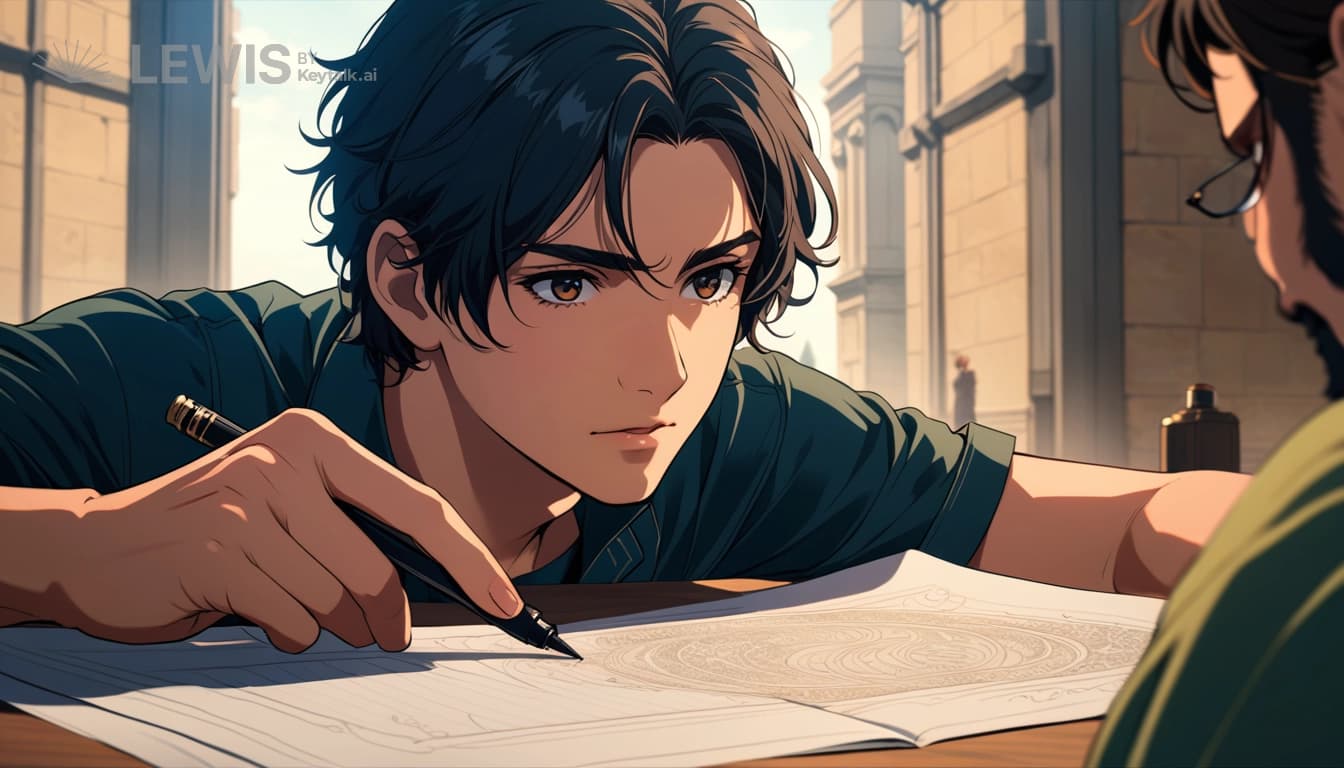
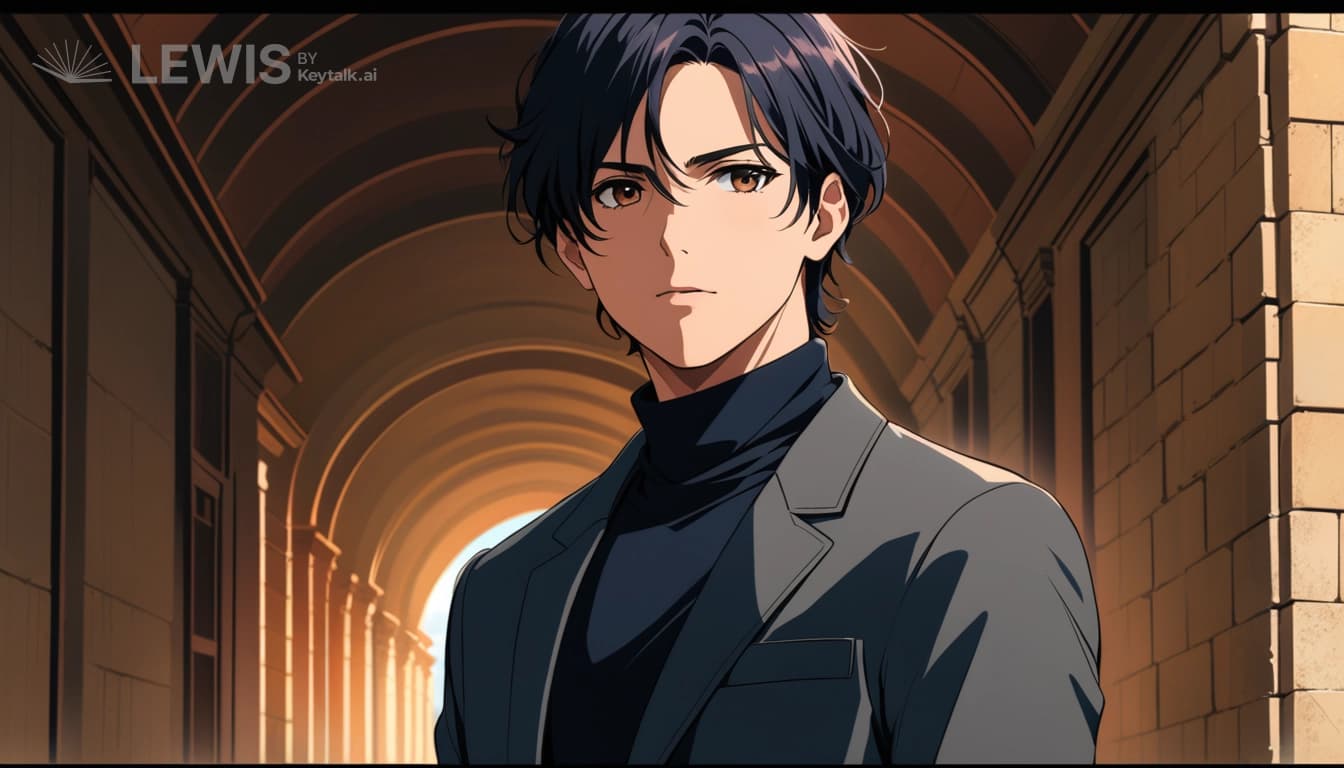
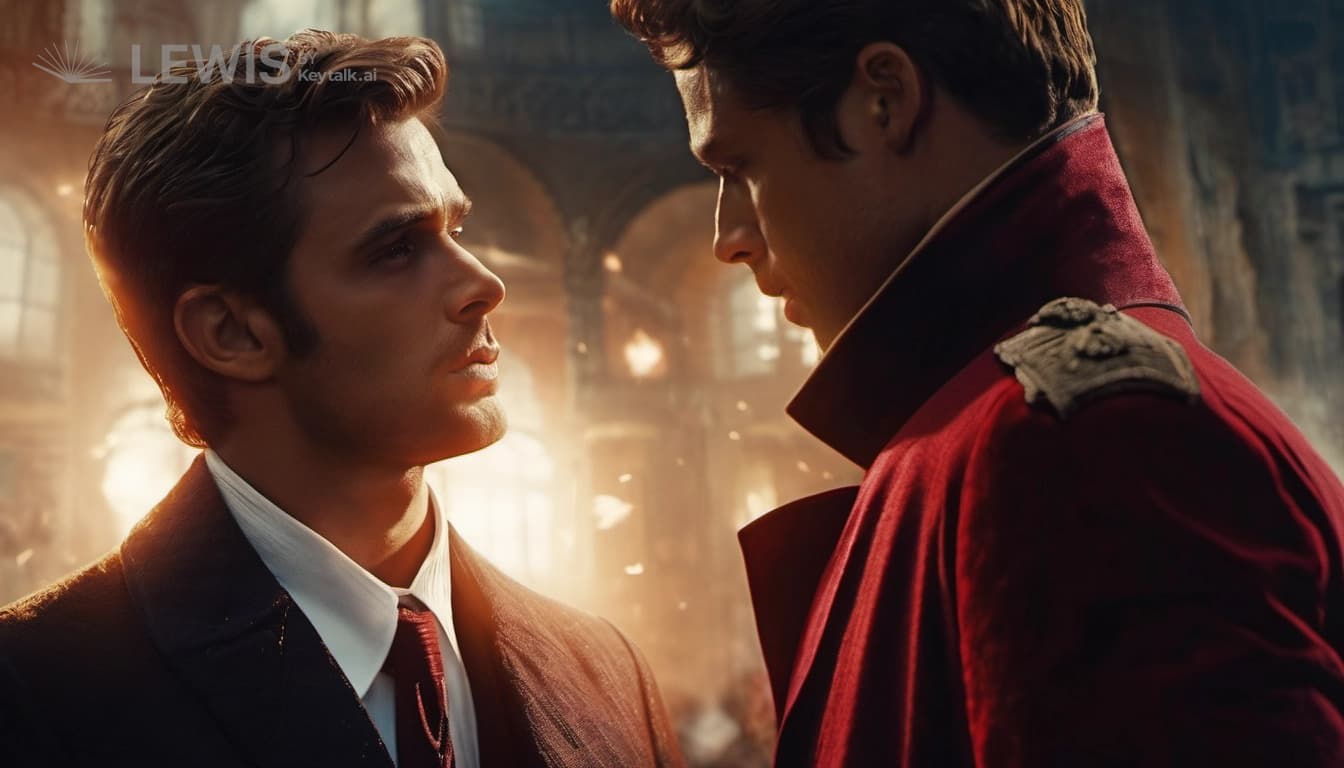
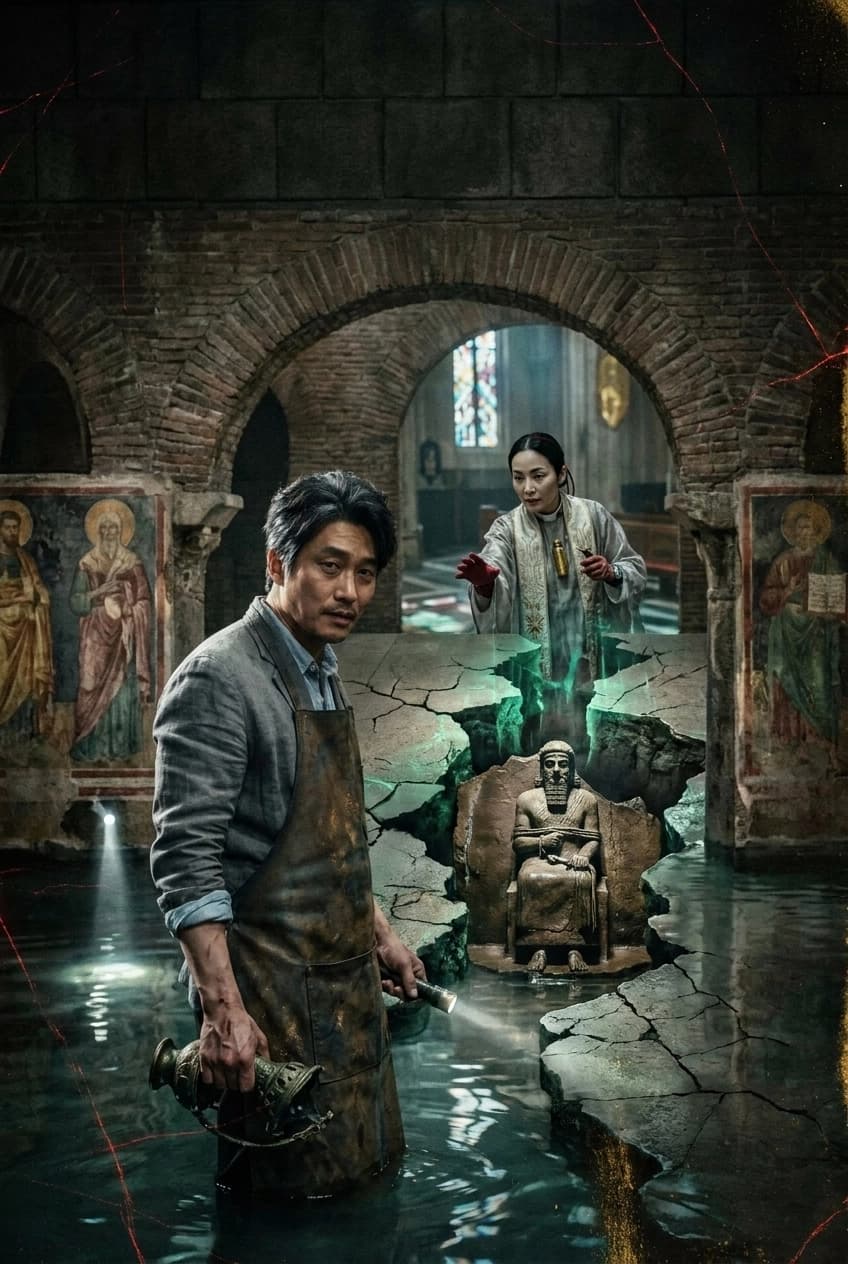
Theodore "Theo" Ashcroft, a 31-year-old British-Greek hotel proprietor, stands at a lean six feet, his presence marked by a quiet gravity rather than overt charisma. His olive complexion, sharply angular jaw, and deep-set, sea-gray eyes—constantly rimmed with fatigue—betray countless nights spent deciphering ancient ledgers beneath flickering gaslight. Wiry, with long, elegant hands that seem more suited to a scribe than a businessman, Theo keeps his unruly, ink-black hair tied back in a loose knot, though a rebellious forelock often escapes to shadow his furrowed brow. His wardrobe—tailored charcoal suits, always a size too large, layered over turtlenecks and threadbare woolen scarves—projects a certain austerity, more monk than magnate, while a battered silver signet ring etched with arcane symbols rarely leaves his finger. Raised in exile between the rain-swept ruins of northern England and the sun-bleached monasteries of Crete, Theo’s cultural duality is a quiet undercurrent, shaping his reticence and his instinctive distrust of easy answers. A polyglot scholar by inclination, he communicates with clipped precision, his measured, faintly archaic diction seasoned by the occasional Greek phrase or Yorkshire idiom. Though he possesses a formidable intellect and a talent for unraveling symbolic codes, Theo is chronically uncomfortable with authority—his own or others’—and haunted by the sense that his inheritance is a poisoned chalice. Preferring silent observation to confrontation, he is meticulous to the point of obsession, yet prone to sudden flashes of sardonic humor or unexpected tenderness, especially in moments of shared vulnerability. His closest confidant is his elderly aunt, a former librarian and survivor of the hotel’s darkest days, whose cautious optimism both grounds and challenges his intrinsic skepticism. Beneath his reserved exterior, Theo yearns for clarity and absolution in a world where loyalty is a shifting currency, yet he remains deeply ambivalent about the occult legacies entwined with his family’s name. His habitual insomnia, tendency to sketch cryptic diagrams in the margins of guest ledgers, and compulsion to catalog every fragment of religious detritus he finds, speak to a mind at war with itself—driven by duty, but always shadowed by the suspicion that some doors, once opened, cannot be closed.