
本文へスキップ
Confessions for the Feathered Serpent cover image

Confessions for the Feathered Serpent

Across centuries, three cursed spirit-walkers—once lovers, now exiles—manifest as both fairies and fevered memories at the edges of pivotal historical tragedies, from the Trail of Tears to an imagined 1870s Paris dreamscape haunted by Western obsession with the ‘noble savage.’ From the kaleidoscopic vantage of each woman and their confessional shop’s myriad customers—lonely artists, dying warriors, vengeful widows—desire becomes a contagion; every plea for comfort sparks an existential metamorphosis, transforming each participant according to their deepest fears of death and meaninglessness. When the embodiment of native draconic myth appears demanding collective atonement, the boundaries of love, identity, and survival collapse, leaving everyone—fairy or mortal—to reckon with what must be destroyed to reclaim one’s own soul.

週間ランキング

rank icon image
#1 Genre
rank icon image
#1 Concept
rank icon image
#1 Concept
スクロール

キャラ

主人公

Elsie Blackthorn

性別女性
職業Confessional Shopkeeper & Spirit-Walker (formerly an herbalist among her people)

プロフィール

Elsie Blackthorn, a 36-year-old woman of mixed Cherokee and Irish descent, stands out in any era with her statuesque 5’10” frame and sinewy build, her presence both graceful and unsettling, as if she’s perpetually poised between worlds. Her skin bears the faint copper undertones of her mother’s people, though the sharp, angular cheekbones and storm-gray eyes betray the ancestral collision of continents that made her—eyes that seem to sift through time itself, registering every sorrow and secret whispered across the threshold of her confessional shop. Long, midnight-black hair, streaked with silver and often braided with red-dyed sinew, frames a face whose beauty is tempered by the subtle scars from herbal burns and ritual markings, now faded but never quite gone. Her clothing is an eccentric amalgam: Parisian silks layered beneath a threadbare indigo shawl embroidered with protective Cherokee patterns, silver bells at her ankles that chime when she walks, announcing her even to those who wish not to see. Before exile, Elsie was her tribe’s herbalist—a vocation that honed both her practical cunning and her reverence for the ambiguous: poison and remedy, death and rebirth, always intertwined. Now, as a spirit-walker and reluctant shopkeeper, she serves as confessor and catalyst at the crossroads of suffering, weaving her customers’ fevered longings into the shop’s tapestry of transformation. Fiercely independent, Elsie’s outward pragmatism masks a longing for communion and a bitter nostalgia for the lovers and homeland torn from her by betrayal and colonial violence. Her speech is an enigmatic blend—measured, sometimes formal, laced with archaisms and the clipped cadence of her mother’s tongue, yet punctuated by flashes of dark humor and disarming directness. Gifted with a preternatural sensitivity to the invisible—auras, memories, the scent of impending grief—she often startles others with her uncanny insights, while her refusal to offer easy comfort can border on cruelty. Haunted by the knowledge that her own desires may be as contagious and destructive as those she tends, Elsie wrestles with the burden of agency: will she be a healer, a destroyer, or something altogether inhuman? Her restless hands, always twisting a sprig of rue or tracing sigils on the counter, betray a perpetual vigilance—a wariness born from centuries as both pariah and guide at the haunted margins of history.

敵役

Auguste le Serpent à Plumes

性別男性
職業Mythic Envoy and Cultural Historian

プロフィール

Auguste le Serpent à Plumes, a man of imposing presence and enigmatic lineage, stands at six feet with a sinewy, almost serpentine build, his elongated limbs and angular features lending him an uncanny grace. Born to a French mother obsessed with ethnographic mysticism and a Nahua father who vanished during his infancy, Auguste’s copper-toned skin, sharp cheekbones, and jet-black hair—plaited tightly along his scalp and threaded with obsidian beads—signal his hybrid heritage and the burden of dual exile. His eyes, dark and unblinking, possess a preternatural intensity that unsettles even the most hardened souls, while a faint scar shaped like a feathered serpent coils from his left temple to jaw—an indelible reminder of his own contested origins. Auguste moves through the world cloaked in tailored, ink-dark frock coats adorned with indigenous beadwork, his crisp linen shirts always buttoned to the throat in a gesture of restrained severity; his boots, too, are hand-tooled with mythic glyphs, signaling allegiance to histories both celebrated and erased. By trade, he is a mythic envoy and cultural historian, traversing the thresholds of Parisian salons and shadowed camps along the Mississippi, gathering remnants of folklore and memory to weave into his own shifting narrative. Polished and commanding in speech, Auguste’s French is formal, laced with Nahuatl invocations and a subtle, biting irony; he disarms with his erudition, yet his words drip with the threat of unspoken judgment. Driven by a dogged pursuit of collective atonement and a belief that history’s wounds can—and must—be forcibly reopened, he manipulates the yearnings and guilt of mortals and fairies alike, demanding recognition of the debts owed to the dispossessed. His charisma is laced with cruelty: he is adept at uncovering others’ secret shames and wielding them as tools for existential reckoning. Privately, Auguste is tormented by his inability to belong fully to any world, his identity fractured and weaponized by the very histories he chronicles. He shuns intimacy, preferring the company of ancient tomes and ritual objects, yet yearns, in fleeting moments, for connection beyond the roles of judge and provocateur. His rituals—meticulous tea ceremonies using native herbs, nightly recitations from forbidden codices—betray an obsessive need for control amid chaos. As the story’s principal antagonist, Auguste’s intellect, moral ambiguity, and relentless drive for transformative justice ensure he is both a catalyst for metamorphosis and a harbinger of destruction, his every action forcing others to confront what they would rather forget.
相棒

Chaska Redbird

性別Nonbinary
職業Itinerant Storyteller & Collector of Relics

プロフィール

Chaska Redbird, a nonbinary Ojibwe and French Métis individual of 27, moves fluidly through fractured histories as an itinerant storyteller and collector of relics—a role born not of wanderlust but of deliberate, almost ritualistic necessity. Standing at a slight, agile 5'5", with sharp cheekbones, a slender, sinewy build, and eyes of startling gray-green, Chaska’s androgynous features are framed by a dark cascade of shoulder-length braids interwoven with beads, feathers, and the occasional fragment of antique lace—a nod to their hybrid lineage and the artifacts they so reverently gather. Their hands, long-fingered and deft, are perpetually stained by ink and earth, betraying both the scribe and the scavenger within. Chaska’s clothing is a bricolage of battered wool jackets, faded cavalry trousers, and handmade moccasins, layered for travel between worlds and epochs; a battered leather satchel, heavy with talismans, never leaves their side. Raised amidst the spiritual rifts left by colonial violence and kinship betrayals, Chaska’s worldview is fiercely pragmatic yet layered with biting irony and subversive tenderness. They are unwaveringly loyal to those who earn their trust, but their allegiance is never blind—motivated by a yearning to archive lost voices and expose the hypocrisies that taint both oppressor and victim. Fluent in Ojibwe, French, and English, Chaska’s speech is brisk, peppered with aphorisms, shifting from lyrical reverence to sardonic wit depending on company; they avoid flowery confessions, preferring stories that implicate both teller and listener. Their rapport with Elsie Blackthorn is complicated—Chaska’s restless skepticism and hunger for new truths contrast with Elsie’s more grounded, nurturing presence, creating a dynamic of mutual provocation and reluctant trust. In stark counterpoint to Auguste le Serpent à Plumes, whose scholarship masks predatory mythmaking, Chaska’s approach is hands-on, irreverent, and unrepentantly personal, driven by a refusal to let memory ossify into dogma. Haunted by the fear that their relentless collecting is futile in the face of oblivion, Chaska is nonetheless propelled by a private hope: that piecing together lost artifacts and stories might forge a patchwork sanctuary for wayward souls—beginning, perhaps, with their own. Their compulsive need to memorialize what others would erase, their restless movement between cultural worlds, and their refusal to be defined by any single community or epoch position Chaska as both a bridge and a disruptive force, ensuring that every encounter with fairy or mortal becomes a negotiation between preservation and transformation, exile and belonging.

筋書き

Elsie Blackthorn’s confessional shop stands at the confluence of worlds—half-remembered alleyways in Paris’s bohemian quarter, spectral clearings along the Trail of Tears, and the fever-bright corners of memory where the living seek solace and the dead barter regrets. It is 1873, and Paris is ablaze with the fever of Orientalism, obsessed with the ‘noble savage’ even as the city’s heart rots from colonial guilt. Elsie, her body marked by Cherokee ritual scars and French silk, tends her shop with a pragmatism born of centuries’ exile. She is haunted not just by the ghosts of her people, but by the ache for communion—especially with the two other spirit-walkers she once loved, now scattered by betrayal and the violence of history. Her customers arrive desperate: a dying soldier, a widow with revenge in her eyes, an artist who paints only nightmares. Each confesses their yearnings, and Elsie, unable or unwilling to offer easy comfort, instead weaves their desires into the air—where they transform into fever-dreams, or sometimes, fairies with teeth.
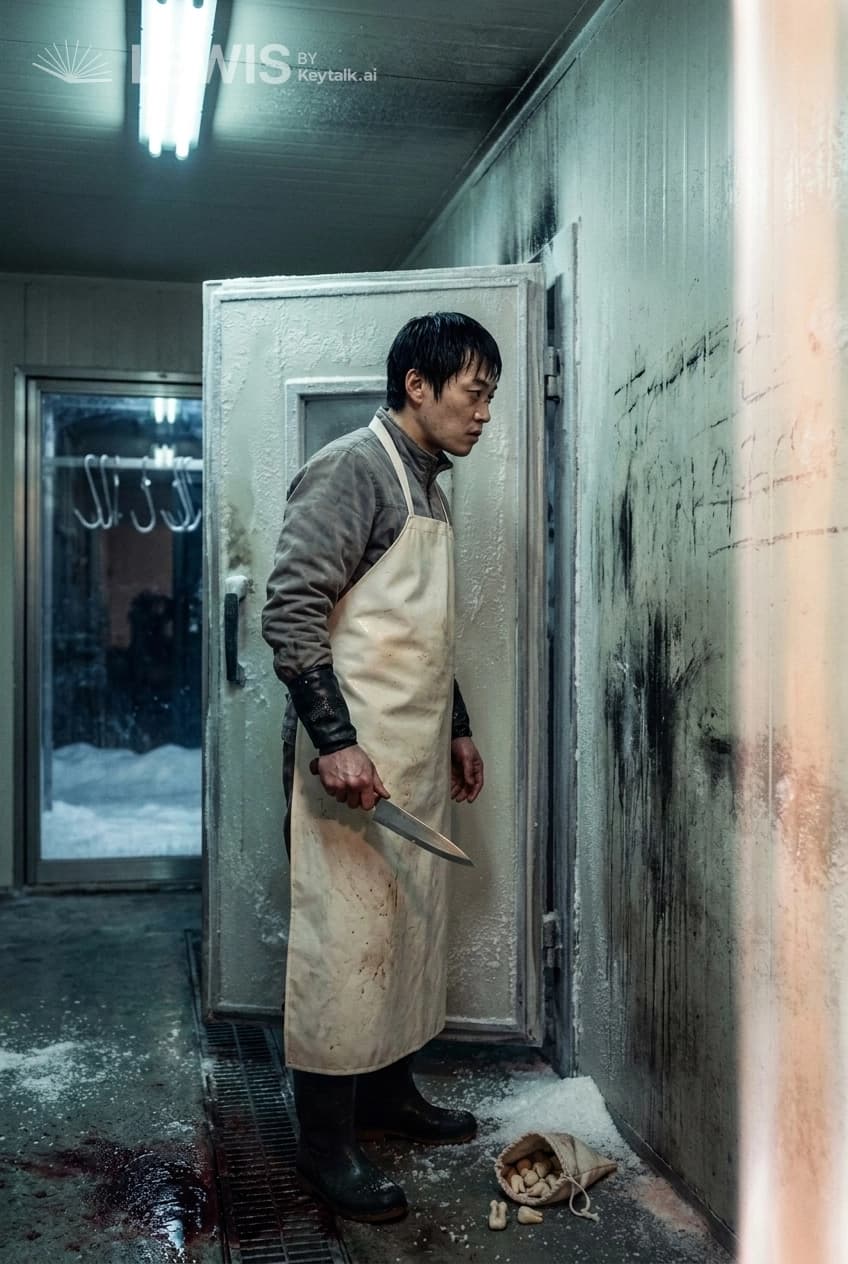
Chaska Redbird, restless and androgynous, arrives in Paris trailing a battered satchel of relics and stories, drawn by rumors of a confessional shop where memory is currency and transformation inevitable. Chaska is both collector and skeptic; they have spent a lifetime archiving the detritus of colonial violence, refusing to let the past settle into myth. Their rapport with Elsie is prickly, marked by mutual need and provocation: Chaska hungers for belonging but cannot abide nostalgia, while Elsie’s longing for lost kin is tempered by a suspicion of hope. Together, they serve the shop’s strange clientele, trading stories and talismans, each transaction an uneasy negotiation between healing and destruction. But Chaska’s compulsive gathering—of objects, of tales, of half-obliterated dreams—stirs old magic, awakening something in the city’s bones and in Elsie herself.

Into this crucible steps Auguste le Serpent à Plumes, both scholar and harbinger, his French formality and Nahua invocations unsettling the salon elite and the dispossessed alike. Auguste’s presence is a provocation: he moves through Paris as a living indictment, demanding that wounds be reopened and debts reckoned. He seeks out Elsie’s shop not for comfort, but to force a confrontation—between the city’s fantasies and its crimes, between Elsie’s longing for communion and the reality of exile. Auguste insists that history’s ghosts must be made visible, even if the price is annihilation. His charisma is laced with cruelty; he exposes the secret shames of mortals and fairies alike, using their confessions as fuel for existential reckoning. Privately, he is tormented by his own fractured identity, the scar of the feathered serpent a mark of both lineage and curse.

The shop becomes a locus of contagion. Each confession, each fevered wish, breeds metamorphosis: the widow’s vengeance turns her into a shrieking banshee, the artist’s nightmares become living, devouring canvases, and the dying soldier’s longing for home births a phantom battlefield in the back room. Elsie, Chaska, and Auguste are swept into the maelstrom, their own desires and betrayals magnified. Elsie’s refusal to offer comfort becomes a weapon; Chaska’s relentless collecting threatens to unravel memory itself. Auguste, obsessed with atonement, orchestrates a ritual to summon the embodiment of native draconic myth—a being older than Europe, older than the Americas, demanding not just confession, but sacrifice.

As the ritual unfolds, the boundaries between fairy and mortal, memory and reality, collapse. The draconic spirit, vast and many-voiced, demands collective atonement: the city must reckon with the true cost of its obsessions, its violence, its longing to consume and erase the other. Elsie is offered a choice—to become the shop’s final confessor, absorbing the city’s sins and memories until she is consumed, or to destroy the shop and sever the last thread binding fairy to mortal, memory to meaning. Chaska, desperate to preserve what can be saved, proposes a third way: to scatter the relics and stories to the winds, letting every survivor become their own confessor, every city a haunted archive. Auguste, torn between his hunger for justice and his dread of oblivion, attempts to seize control of the ritual, willing to risk annihilation for the chance to remake history.

The climax is a collapse of histories: the Trail of Tears replayed in Parisian streets, salons awash in blood and feathers, the confessional shop shifting between worlds. Elsie, in a moment of defiant agency, refuses both martyrdom and

シーン

シーン 1
scene 1 image
The Shop at the World’s Edge
[Place]
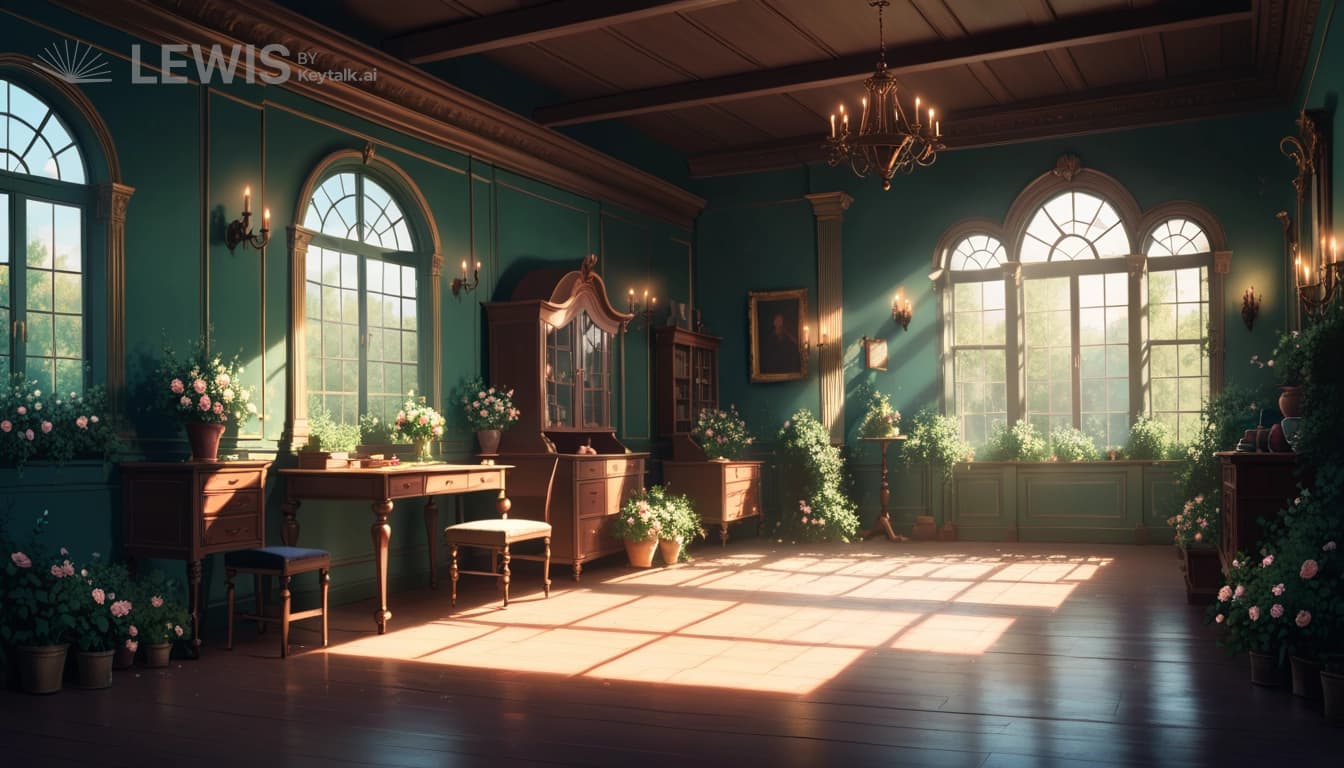
Elsie Blackthorn’s confessional shop, hidden in a mist-laced, labyrinthine alley of Paris’s bohemian quarter—a space that shimmers between worlds, at once deeply Parisian and haunted by the spectral echoes of Cherokee lands.

[Time]
Early evening, 1873. The city hums with restless energy as dusk falls, the streets outside pulsing with the fever of Orientalism; inside, the shop is lit by a shifting, uncertain glow.

[Action]
Elsie prepares the shop for the night, laying out ritual objects with precise, almost reverent care—beads carved from bone, scraps of ribbon, and a ledger bound in skin. The walls are lined with confessions, pinned like moths: letters in trembling French, tokens from the Trail of Tears, a feather scorched by lightning. As the clock chimes, a procession of customers begins—each carrying secret wounds: a dying soldier clutching a blood-stained map, a veiled widow with a talon-shaped brooch, an artist with paint under his fingernails and haunted eyes. Elsie receives them one by one, guiding each to confess their longing or regret, refusing easy solace and instead weaving their stories into the air. The confessions warp the room—shadows lengthen, the air thickens with the scent of sage and gunpowder, and faint, impossible music drifts from the back room. Between customers, Elsie’s isolation pulses: she lingers over a ritual scar on her wrist, haunted by visions of two absent lovers and the weight of memory. The scene closes as the shop’s door shudders open again, a bell chiming discordantly, heralding the arrival of someone unexpected—Chaska Redbird, their presence both an ache and a provocation, carrying the tension of old betrayals and unfinished business.

[Impact on the story]
This scene establishes the shop as both sanctuary and crucible, introducing Elsie’s role as confessor and the emotional toll of her work. The parade of clients underscores the city’s fevered desperation and the strange alchemy of memory, magic, and suffering. Elsie’s loneliness and longing for lost kin are foregrounded, setting up her complicated dynamic with Chaska. The arrival of Chaska signals the beginning of the story’s central relationships and the unraveling of both personal and collective histories.

[Description]
Elsie’s confessional shop opens for business as dusk falls over Paris, drawing in the desperate and the haunted. She weaves her clients’ regrets into the air, refusing easy comfort and deepening her own loneliness. The unexpected arrival of Chaska Redbird cracks open her carefully managed isolation, priming the story for confrontation and transformation.
シーン 2
scene 2 image
[Title]
Ghost Money and Silk Scars

[Place]
Elsie’s confessional shop—interior, behind the beaded curtain and cluttered altar, in the space where backroom and front room bleed together. The outside world is muffled, but the city’s feverish energy seeps through cracks in the walls.

[Time]
Later that same evening, 1873. The hour is uncertain; the shop’s clocks stutter between times, but Paris’s distant revelry grows louder, as if pressing close to the threshold.

[Action]
Chaska Redbird stands framed in the doorway, their satchel bumping against their hip, eyes flickering between defiance and old ache. The air between Chaska and Elsie is charged—a mix of recognition and unresolved hurt. Chaska surveys the shop with a collector’s hunger and a skeptic’s caution, noting the new tokens among the old: fresh confessions pinned like wounds, and Elsie’s careful ritual arrangements. Their reunion is stiff, underscored by the memory of shared exile and betrayal. Chaska, visibly worn from travel, offers Elsie a handful of relics—objects salvaged from the city’s margins, each bearing a story or curse. The exchange is fraught; Chaska’s need to contribute wars with their suspicion of Elsie’s methods, while Elsie’s longing for communion is masked by pragmatic reserve. As they negotiate which relics to accept, the conversation veers into accusation and nostalgia—Chaska questioning the ethics of commodifying memory, Elsie defending her refusal to offer false hope.
Their dynamic is interrupted by a commotion from the front: the dying soldier’s confession has birthed a shivering, spectral battlefield in the shadows, threatening to spill into the shop. Chaska instinctively intervenes, wielding a talisman from their satchel to anchor the phantom, while Elsie weaves a counter-charm—demonstrating their uneasy but potent partnership. The crisis momentarily unites them, forcing old wounds into the background as they contain the outbreak of magic. The scene closes with the two sharing a brittle truce, exhaustion and mutual wariness in their eyes, the air thrumming with possibility and danger.

[Impact on the story]
This scene re-establishes the fraught bond between Elsie and Chaska, setting up their central partnership and mutual distrust. Chaska’s arrival—and their offering of relics—deepens the shop’s role as a crossroads of memory and conflict. The supernatural eruption forces the two to work together, hinting at their potential power as a team while foregrounding the risks of their work. Their unresolved issues—personal, ethical, and historical—surface, layering the story’s emotional stakes and foreshadowing future confrontations.

[Description]
Chaska’s arrival shatters the uneasy calm of Elsie’s shop, reigniting old grievances and forcing a reluctant partnership as a supernatural crisis erupts. Their tense negotiation and teamwork lay the groundwork for the story’s central dynamic, blending memory, magic, and unresolved desire.
シーン 3
scene 3 image
[Title]
A Satchel Full of Broken Songs

[Place]
Elsie’s confessional shop—back room, cluttered with relics and half-finished charms, the air thick with the scent of sage, old wax, and Paris rain. Shadows flicker along the walls, half-shaped by candlelight and memory.

[Time]
Midnight, 1873. The city is at its most feverish, the shop’s boundaries with other worlds thinnest. Outside, revelers howl on the boulevard; inside, the stillness is electric, waiting to rupture.

[Action]
Chaska remains in the shop after the spectral battlefield has been subdued, their satchel now open on the floor, spilling out relics—broken rosaries, faded beadwork, a crumpled letter stained with blood. Elsie, exhausted but alert, sorts through the offerings with equal parts reverence and suspicion. The shop is quiet, but not at peace; every relic hums with unfinished business.
Chaska presses Elsie to listen—to the stories attached to each object, to the pain and violence they carry. Their urgency isn’t just about the relics; it’s about being heard, about refusing to let memory fade into myth. Elsie resists, wary of reopening wounds, but can’t deny the magnetic pull of Chaska’s stories.
Tension rises as Chaska accuses Elsie of turning confession into spectacle, of allowing Parisian curiosity to eclipse the real agonies behind each token. Elsie fires back, defending her work as necessary, a way to keep memory alive even if it means bartering in pain. The argument is intimate—every accusation laced with personal history, every defense a veiled plea for understanding.
Amid this, the relics begin to react—echoes of voices and visions swirl in the air, fragments of song and lamentation spilling from the objects. The shop is momentarily overwhelmed by a chorus of broken stories, threatening to drown both Elsie and Chaska.
Chaska, panicked but determined, tries to gather the relics, but Elsie insists they let the stories play out, believing the eruption might reveal a hidden pattern. Together, they piece through the cacophony, recognizing a thread that links several objects—a recurring motif of exile and return, of longing for kinship.
The scene ends with a fragile connection between Elsie and Chaska, forged in the fire of shared loss. They agree, warily, to work together to trace the motif’s origin, both aware that it may lead them deeper into danger—or toward the possibility of healing.

[Impact on the story]
This scene deepens the emotional and ethical conflict between Elsie and Chaska, pushing their relationship past surface-level grievances into raw vulnerability. The eruption of relic-magic reveals the shop’s precarious balance between healing and harm, and the motif they discover hints at a larger, hidden narrative driving the city’s unrest. Their reluctant collaboration is solidified, setting the stage for their joint investigation—and foreshadowing the personal and supernatural risks to come.

[Description]
Elsie and Chaska clash over the meaning and handling of memory, their argument sparking a dangerous outpouring of magic from the relics. Forced to confront the power and peril of their work, they find common ground in the search for a deeper pattern—a step toward partnership, fraught with promise and peril.
シーン 4
scene 4 image
[Title]
The Widow’s Bargain and the Artist’s Curse

[Place]
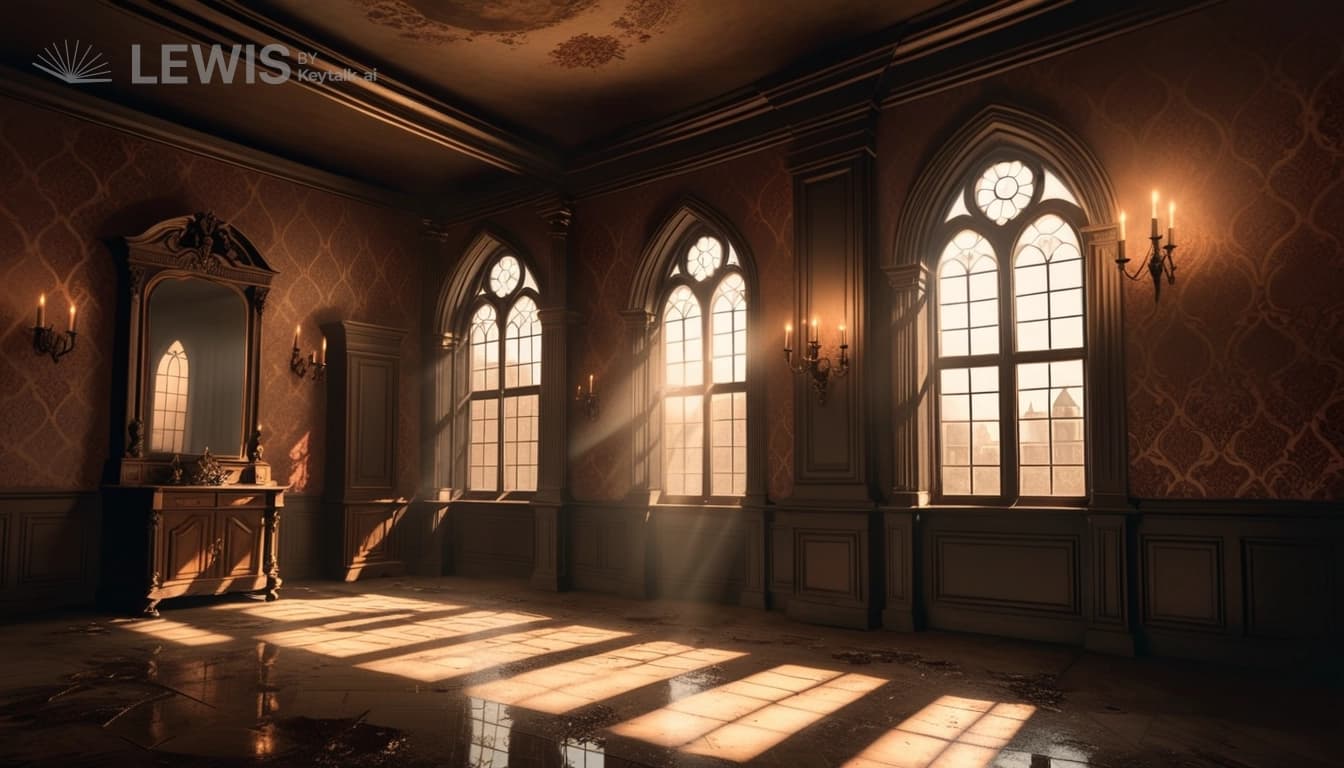
Elsie’s confessional shop—front chamber, lined with gleaming confessionals and mismatched velvet chairs, windows fogged with Parisian rain. The air is heavy with incense, ghost-light flickering in every mirror.

[Time]
Dawn approaches, 1873. The streets outside are quieting, the city’s fever cooling, but the shop is anything but calm—a liminal hour where wishes are most dangerous.

[Action]
Two customers arrive in quick succession: the widow, veiled and silent, clutching a locket and a pistol; and the artist, face pale, hands ink-stained, carrying a rolled canvas humming with nightmare energy. Elsie and Chaska, still raw from their earlier ordeal, must decide how to handle the confessions—whether to split the tasks or confront them together. Chaska, eager to prove the necessity of honoring each story, urges Elsie to let the customers speak fully, even as Elsie senses the volatile power simmering beneath their requests.

The widow’s confession is soaked in vengeance: she wants her husband’s killer tormented, made to suffer in dreams as she has suffered in waking life. Her pain is so sharp it threatens to pierce the veil between worlds. Meanwhile, the artist, desperate to stop the nightmares that consume his every painting, begs for relief—offering his most haunted work as barter, its surface crawling with restless figures.

Elsie and Chaska navigate the dangerous terrain of these bargains. The widow’s fury begins to manifest physically—her voice warps into a banshee’s wail, glass cracks, and the pistol in her lap shudders with spectral intent. The artist’s canvas unfurls in the corner, shadows leaking from its surface, threatening to consume the shop’s light.

Amid the chaos, Chaska tries to siphon the artist’s pain into one of their relics, but the magic backfires, intensifying the nightmares. Elsie, forced to choose, intervenes: she draws on her own scars, channeling the widow’s grief and the artist’s fear into the shop’s architecture, but at a cost—part of the shop begins to warp, and a new fissure between worlds opens beneath the floorboards.

In the aftermath, the widow has transformed—her grief weaponized, she flees into the dawn, a banshee loose in Paris. The artist collapses, his nightmares now free to haunt the city. Elsie and Chaska are left shaken, realizing they have unleashed forces they can barely contain. Their alliance is tested by guilt and the urgent need to regain control before the shop—and perhaps Paris itself—tears itself apart.

[Impact on the story]
This scene marks the tipping point from uneasy healing to outright contagion: the confessional magic is no longer just a balm, but a source of dangerous transformation. Elsie and Chaska’s choices have immediate, uncontrollable consequences, binding them to the city’s fate. Their relationship is strained by failure and fear, but also deepened by shared responsibility.

[Description]
Elsie and Chaska confront two desperate customers whose confessions unleash uncontrollable magic, transforming pain into supernatural threat. The resulting chaos fractures the shop’s fragile order, setting loose new dangers and forcing the protagonists to reckon with their own limits and culpabilities.
シーン 5
scene 5 image
[Title]
Communion by Candlelight: Elsie and Chaska Unravel

[Place]
Elsie’s confessional shop—sanctum behind the front room, a candlelit alcove hidden by beaded curtains, walls cluttered with relics, half-melted votives, and the faded scent of cedar and gunpowder.

[Time]
Same morning, moments after the chaos of the widow and artist’s confessions. The city outside is waking, but the shop’s heart pulses with leftover magic and raw nerves.

[Action]
Elsie and Chaska retreat to the sanctum, both shaken and spattered by the previous night’s disasters. The air between them is thick with blame and exhaustion, but also the grudging intimacy of those who have survived something catastrophic together. Elsie, visibly drained, tends her ritual scars and tries to repair the warping shop—her hands trembling, magic faltering. Chaska paces, haunted by the failure of their relics to contain the artist’s nightmares, guilt gnawing at their stubborn pride.

They argue, voices low and sharp, about the ethics of their work: whether the confessional shop is healing wounds or feeding them. Chaska accuses Elsie of withholding too much, of fearing hope; Elsie fires back that Chaska’s relentless collecting is reckless, that memory isn’t meant to be archived like bones in a box. Old betrayals surface—fragmented memories of their missing third, the spirit-walker who once bound them together, now a raw absence neither can name without pain.

As they circle each other, their vulnerabilities slip out: Elsie confesses the ache of exile and her terror that the shop will devour her; Chaska reveals the hunger for belonging and their dread that every story they collect brings only more ruin. The relics in Chaska’s satchel begin to stir, echoing with the cries of the unleashed banshee and the artist’s living nightmares—physical reminders that their choices have consequences beyond their own grief.

The scene climaxes as a subtle, spectral disturbance ripples through the sanctum—a warning that the shop is becoming sentient, its boundaries dissolving. Elsie and Chaska are forced into a wary truce, realizing they can no longer simply manage confessions—they must confront the deeper magic they’ve awakened and the risk it poses not just to themselves, but to Paris itself.

[Impact on the story]
This scene deepens the fracture—and the bond—between Elsie and Chaska, exposing the vulnerabilities and old wounds that bind and divide them. Their shared guilt and fear crystalize into a new, urgent alliance: they must move beyond ritual and barter, confronting the escalating contagion they’ve unleashed. The shop’s growing instability becomes personal, foreshadowing that their own stories are now entangled with the city’s fate.

[Description]
Elsie and Chaska, reeling from the previous scene’s chaos, confront each other’s failings and desires in the shop’s inner sanctum. Their uneasy partnership is both tested and reforged as the shop itself begins to awaken, demanding they reckon with the consequences of their magic and the ghosts that haunt them.
シーン 6
scene 6 image
[Title]
When Auguste Knocks, Old Debts Answer

[Place]
Elsie’s confessional shop—threshold and front room, where incense curls through cracked windows and the city’s pulse presses at the warped door. The space is thick with unsettled magic, relics humming, shadows twitching along the walls.

[Time]
Late afternoon, the same day as the candlelit reckoning—Paris outside is golden and feverish, but the shop is caught between a hush and the gathering storm.

[Action]
The scene opens with Elsie and Chaska still raw from their fragile truce, both attempting to steady the shop’s boundaries—Elsie tracing protective sigils with trembling hands, Chaska sorting through relics that now murmur with restless voices. The air is tense, every sound—hoofbeat, market cry, the rattle of the beaded curtain—amplified by anticipation and dread.

Suddenly, Auguste arrives, not as a customer but as an intrusion. His presence is invasive: he knocks with a scholar’s courtesy but enters with the authority of someone who knows this place is built on borrowed magic and blood. He brings with him a storm of city rumors, news of confessions gone awry, and the scent of burning feathers. Auguste’s charisma unsettles everything—Elsie’s careful neutrality, Chaska’s defensive bravado, even the relics themselves, which seem to vibrate in his wake.

Auguste wastes no time in confronting both Elsie and Chaska. He exposes the consequences of their recent confessions, holding up the chaos outside—the widow’s banshee rampage, the artist’s cursed canvases—as evidence that the shop is no longer a sanctuary but a contagion. His words cut, dredging up old debts and betrayals: he accuses Elsie of hiding behind ritual instead of justice, and Chaska of hoarding pain as if it were treasure. Auguste’s own motivations bleed through; he wants more than reckoning—he wants an apocalypse of truth, to force the city to see its wounds.

The conversation becomes a struggle for power and purpose. Elsie refuses Auguste’s demand that she weaponize the shop’s magic in the name of justice, fearing the cost, while Chaska, rattled but defiant, tries to broker a third path—one that salvages stories without unleashing more destruction. Auguste counters with a chilling proposal: a ritual that will summon the city’s collective memory, forcing every confession into the open, regardless of the consequences.

The shop itself responds to the argument—walls shudder, relics spill secrets, and for a moment, the boundaries between past and present blur. Ghosts flicker in the lamplight. Old betrayals and desires surface, not just between the three spirit-walkers but from the history that binds them to Paris. As the scene ends, the trio stands at an impasse, each unwilling to yield, but each realizing that the next choice will reshape not just the shop, but the fate of the city.

[Impact on the story]
Auguste’s arrival escalates the central conflict, transforming private guilt and grief into a public crisis. The uneasy triangle between Elsie, Chaska, and Auguste is established, with old wounds and new ambitions colliding. The shop’s instability is now tied explicitly to the city’s unrest, pushing all three characters toward the inevitability of the ritual—and the reckoning it demands.

[Description]
Auguste bursts into the shop, forcing Elsie and Chaska to confront the growing consequences of their magic. Old debts and resentments are dragged into the open, and the boundaries between personal and collective memory begin to unravel. The stage is set for a dangerous ritual that will force them—and Paris—to face their ghosts.
シーン 7
scene 7 image
[Title]
Masks, Masquerades, and the Parisian Fever Dream

[Place]
A decadent Parisian salon, transformed for a masked ball—opulent mirrors, velvet drapes, candlelit chandeliers. The air is thick with incense and spilled absinthe, and the city’s elite mingle with outsiders and ghosts alike. In the shadows, the boundaries between living and dead, fairy and mortal, are paper-thin.

[Time]
Nightfall, a few hours after Auguste’s confrontation in the shop. Paris hums with anticipation, the masquerade ball marking the peak of the city’s fever dream.

[Action]
The scene opens with Elsie, Chaska, and Auguste arriving separately at the masquerade, each compelled by different motives: Elsie seeks intelligence about the city’s unraveling magic; Chaska hopes to recover a relic rumored to be traded at the event; Auguste intends to provoke a public reckoning, using the gathering as a stage. The salon is a riot of masks—colonial fantasies, mythical beasts, and veiled faces—all of Paris’s obsessions paraded without shame.

Elsie navigates the crowd, recognizing the faces of former confessors now warped by their wishes—some monstrous, others heartbreakingly unchanged. She is torn between compassion and fury, her ritual scars burning under her borrowed silk. Chaska, blending in as neither guest nor servant, slips through the fringes, piecing together snatches of overheard regret and gathering objects that tremble with latent magic. Their determination is laced with anxiety—they sense that the masquerade is a battleground, not just a party.

Auguste commandeers the room with a theatrical speech, his mask a feathered serpent’s visage. He exposes the city’s hypocrisies with brutal eloquence, demanding that the revelers unmask themselves and reckon with the violence that built their pleasures. His words are both curse and invocation, stirring the latent magic that now infects the air.

As Auguste speaks, the salon shifts—mirrors cloud, shadows lengthen, the music turns discordant. The magic the trio unleashed in the shop now spills into the open, transforming revelers: some are overtaken by their own confessions, metamorphosing into creatures of desire or despair; others become conduits for memories not their own. A fever dream overtakes the party—Parisian fantasy and colonial trauma collide, and the boundaries between self and other, past and present, dissolve.

Elsie, Chaska, and Auguste are swept into the chaos, forced to confront the consequences of their actions not in private but under the city’s gaze. Old alliances fracture and new ones flicker; each must decide whether to intervene, escape, or surrender to the contagion. The masquerade becomes a crucible: what began as a spectacle turns into a reckoning, and the first notes of the coming ritual sound in the chaos.

[Impact on the story]
This scene pushes the private conflicts into the public eye, heightening the stakes and emotional volatility. The trio’s choices now carry consequences for the city itself. Elsie’s compassion clashes with her anger; Chaska’s urge to collect becomes a liability; Auguste’s hunger for justice ignites real transformation—and violence. The masquerade sets the stage for the ritual to come, forcing the characters to reckon with the costs of their magic and the impossibility of returning to secrecy or safety.

[Description]
At a feverish masquerade, the magic unleashed in Elsie’s shop spills into public view, transforming Paris’s elite and exposing the city’s wounds. Elsie, Chaska, and Auguste are thrust into chaos, their private battles erupting into collective reckoning. The masquerade marks the point of no return, propelling all three toward the climactic ritual that will decide the city’s fate.
シーン 8
scene 8 image
[Title]
Relics on Fire: The City’s Secret Heart

[Place]
Elsie’s confessional shop, now distorted—walls pulsing with spectral energy, relics and confessions swirling in the air, the threshold flickering between worlds. Just outside, the Parisian night is alive with distant sirens, laughter, and the reverberations of the masquerade’s chaos.

[Time]
Moments after the masquerade dissolves into mayhem; deep night, city teetering on the edge of riot and revelation.

[Action]
Elsie, Chaska, and Auguste stagger into the transformed shop, each bearing the wounds and artifacts of the masquerade—Elsie’s silks torn, her scars glowing; Chaska clutching a bundle of volatile relics; Auguste’s mask fused to his skin, his presence electric with unresolved magic. The shop itself is no longer a sanctuary: confessions and desires, released and unchecked, ricochet through the space as living memories and monstrous apparitions. Relics collected by Chaska writhe and combust, each one releasing visions: the Trail of Tears bleeding into Parisian boulevards, colonial banquets haunted by the ghosts of the dispossessed.

Elsie tries to restore order, but the shop resists her touch; the walls echo with voices demanding reckoning, while the boundary between past and present collapses. Chaska, desperate to contain the relics’ power, proposes scattering them—risking the dissolution of memory, but maybe saving the city from total possession. Auguste, now more spirit than man, insists on channeling the chaos into a ritual that will force Paris to confront its hidden crimes. The three clash, each embodying a different vision of atonement: Elsie’s compassion warps into exhaustion and rage, Chaska’s urge to archive becomes a plea for survival, Auguste’s drive for justice edges into fanaticism.

As the relics catch fire, the shop’s heart is laid bare—a secret altar, pulsing with centuries of grief and hope. The trio must choose: unleash the ritual Auguste demands, scatter the relics as Chaska pleads, or let the shop—and themselves—be consumed. Outside, the city’s fever grows; inside, the past and future hang in the balance. The scene ends with the first incantations echoing, the relics burning brighter, and the city’s fate poised on a knife’s edge.

[Impact on the story]
This scene is the crucible where private pain becomes public danger. The characters’ conflicting motives explode into open conflict, forcing each to confront the price of their desires and the limits of their power. The burning relics symbolize the impossibility of containing history; the choices made here will set the terms for the final ritual and determine whether the city is redeemed, destroyed, or transformed. Emotionally, this is the moment the trio’s bonds are tested and nearly broken, as each must decide what—and whom—they are willing to sacrifice.

[Description]
In a shop now possessed by unleashed magic and burning relics, Elsie, Chaska, and Auguste battle over the city’s fate. Old wounds and new ambitions collide as the trio must decide whether to destroy, redeem, or scatter the haunted archive. The scene sets the stage for the climactic ritual, exposing the city’s heart and their own.
シーン 9
scene 9 image
[Title]
The Serpent’s Ritual: Choosing the Shape of Memory

[Place]
Elsie’s confessional shop, its interior now an unstable, liminal space—walls flickering between Parisian plaster and spectral forest, altar at the center, relics orbiting like planets around a dying sun.

[Time]
Just before dawn, as the city outside hovers between riot and silence, the threshold between worlds thinnest.

[Action]
The scene opens with the shop transformed into a vortex of memory and magic, relics burning but not consumed, confessions echoing in languages both living and dead. Auguste, mask fused to his face and aura crackling with Nahua and French invocation, takes command of the ritual space. He draws symbols in ash and blood, invoking the draconic spirit that bridges continents and centuries. Elsie, torn between exhaustion and fury, resists his authority—her scars blazing, she refuses to be the city’s sacrificial vessel. Chaska, frantic and inventive, tries to disrupt the ritual by scattering relics, but the objects only spiral faster, threatening to shatter memory into irretrievable fragments. The draconic spirit manifests—first as a shadow, then as a multi-voiced, serpent-like presence that speaks through all three of them, exposing their private shames, betrayals, and impossible hopes.

As the ritual intensifies, the shop’s boundaries dissolve: glimpses of the Trail of Tears overlaid on Parisian streets, salons transmuted into sites of massacre and resistance, the voices of the dead demanding justice and remembrance. Auguste pushes for total reckoning, urging Elsie to absorb the city’s confessions and become its final archive—an act that would annihilate her but might redeem the city. Elsie refuses, her voice breaking but defiant, unwilling to be martyr or monster. Chaska, desperate for an alternative, proposes scattering the relics and stories, making every survivor a confessor and the city itself a living, haunted archive. The draconic spirit demands a decision, growing unstable and threatening to collapse everything into oblivion if no choice is made.

Tensions peak: Auguste, driven by both guilt and righteousness, tries to force Elsie’s hand; Chaska physically intervenes, risking themselves to break the ritual’s momentum. Elsie, caught between fury, grief, and the weight of history, must decide whether to accept the sacrifice, destroy the shop, or trust Chaska’s radical vision. The scene ends with the ritual at its breaking point, the draconic spirit poised to consume or transform all, and the trio’s fate—and that of Paris—balanced on Elsie’s next action.

[Impact on the story]
This scene is the emotional and thematic fulcrum of the novel. The characters’ core beliefs and wounds are exposed, tested, and weaponized. The impossible choice—sacrifice, destruction, or radical transformation—forces each character to confront the true cost of memory, belonging, and justice. The ritual’s outcome will irrevocably shape the final scene, determining whether Paris is damned, redeemed, or scattered into haunted possibility.

[Description]
As Auguste’s ritual summons the draconic spirit, Elsie, Chaska, and Auguste are forced into a final confrontation—each pressing for a different fate for the city and themselves. The boundaries of reality collapse, memory and history fuse, and the cost of confession becomes terrifyingly real. The scene ends with the fate of all hanging on the brink of Elsie’s decision.
シーン 10
scene 10 image
[Title]
Scattering the Archive, Shattering the Spell

[Place]
The confessional shop—its space now unmoored from geography, hovering between the threshold of Paris and the spectral wilds of memory, relics and confessions swirling in a storm that blurs walls, streets, and ancestral landscapes.

[Time]
The instant after the ritual’s breaking point—dawn bleeding into the ruined shop, time suspended between aftermath and new beginning.

[Action]
The scene opens in the aftermath of the ritual’s climax: the confessional shop is a shattered nexus, relics scattered and smoldering, the air pulsing with the residue of magic and collective memory. Elsie stands at the center, battered but upright, the draconic spirit’s voice receding but still threatening collapse. The shop’s boundaries flicker—one moment the fractured plaster of Paris, the next a woodland haunted by the cries of exiles and ancestors. Chaska, bloodied but alive, is gathering up fragments: a burned letter, a broken feather, the artist’s ruined canvas. Auguste is on his knees, mask cracked, torn between awe and despair as he faces what his invocation has wrought.

Elsie must decide: the city’s ghosts swirl around her, each one pleading for remembrance, vengeance, or peace. She rejects the binary choice imposed by the spirit and by Auguste—refusing both self-annihilation and the obliteration of memory. Instead, Elsie draws Chaska and Auguste into a pact: the three of them, bearing their scars and betrayals, will scatter the relics across Paris and beyond, allowing memory and confession to seed themselves into every survivor, every haunted place. This act is both painful and liberating—relics are cast to the wind, stories whispered into alleyways, the city’s wounds exposed to the dawn.

As the spell breaks, the shop dissolves—its physical form collapsing into the city, its magic dispersing. Elsie, Chaska, and Auguste emerge into the transformed dawn, changed by sacrifice but not erased. The draconic spirit, appeased but forever watching, lingers in the city’s bones. The trio are no longer shopkeeper, collector, and harbinger, but wanderers and witnesses, each carrying a fragment of the archive. The people of Paris awaken haunted, their dreams seeded with confessions and memories not wholly their own—every city street a living, breathing archive of longing, loss, and possibility.

[Impact on the story]
This scene is the story’s catharsis—a moment of radical agency and transformation. Elsie’s refusal to be either martyr or destroyer reshapes the fate of the city and herself. Chaska and Auguste are forced to accept the cost and promise of dispersal: memory and history can never be contained or fully healed, only shared and carried forward. The characters step into a future marked by uncertainty, haunted but free, with the city itself transformed into a living testament to both pain and survival.

[Description]
In the wake of the ritual, Elsie forges a third path: scattering the shop’s relics and stories so memory becomes everyone’s burden and hope. The shop dissolves, the draconic spirit recedes, and the trio walk into a dawn where Paris—forever changed—carries the scars and promise of haunted archives in its very streets.
'Confessions for the Feathered Serpent'ストーリーチャット

このストーリーの登場人物と話したいなら?

'Confessions for the Feathered Serpent'ストーリーチャット

このストーリーの登場人物と話したいなら?

story image
story image
story image

こんな物語はいかがですか?

コメント0

のテーマ音楽