本文へスキップ
Confessions Made Flesh cover image

Confessions Made Flesh

In the heart of a rain-soaked neon port, an unassuming heir inherits a hotel where whispered secrets warp reality itself; seduced by a mysterious bargain that turns longing into tangible flesh, the heir must navigate a dangerous tableau of pop-art hallucinations and treacherous guests—caught between a chance at love and succumbing to a spiraling city on the brink of collapse, each confession heard molding the world into something more beautiful and terrifying.

週間ランキング

rank icon image
#1 Genre
rank icon image
#1 Concept
rank icon image
#1 Concept
スクロール

キャラ

主人公

Riley Ashwood

性別Non-binary
職業Night Manager, Ashwood Hotel

プロフィール

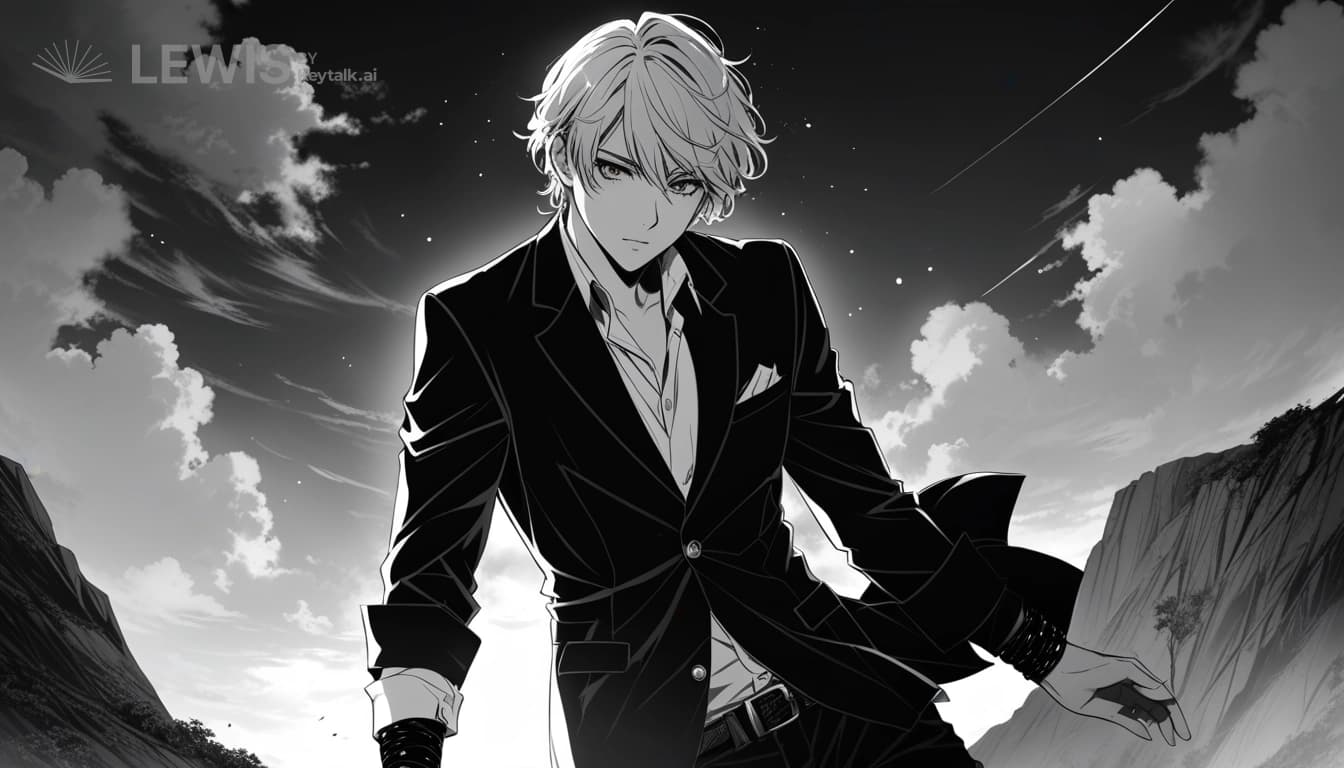
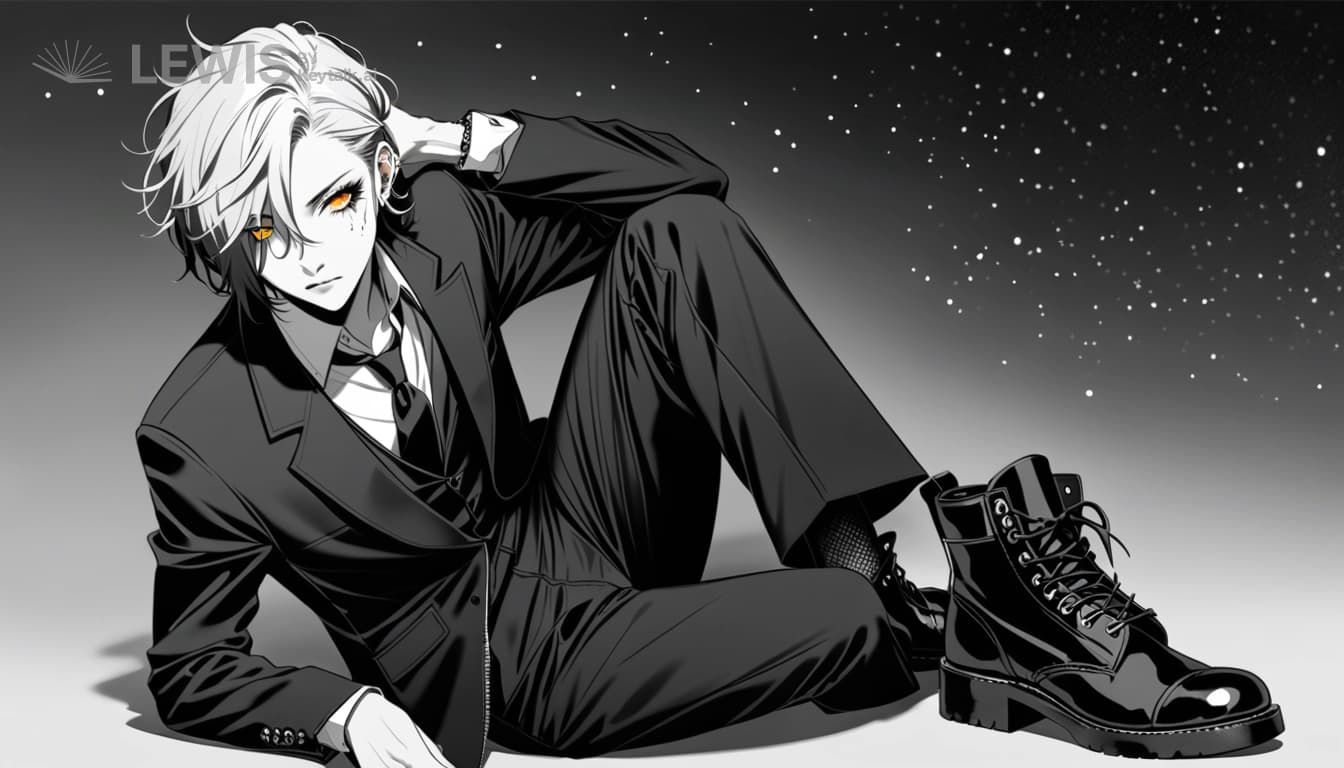
Riley Ashwood, a non-binary night manager newly thrust into the ownership of the Ashwood Hotel, is a sharp-eyed observer shaped by years navigating the blurred boundaries of identity and expectation in the city’s underbelly. Of mixed Vietnamese and Irish descent, Riley stands at 5’9” with an androgynous, sinewy build, their presence understated yet magnetic—pale, freckled skin offset by a shock of midnight-black hair cropped close at the sides and falling in unruly curls over one brow. Their angular face is marked by a burn scar tracing the left jawline, a remnant of an accident in their early teens that fostered both a fierce privacy and a wariness of easy intimacy. Riley’s eyes—one hazel, one almost silver from a childhood injury—miss little, and their gaze lingers longer than comfort allows. Preferring monochrome suits artfully rumpled, paired with battered combat boots and neon-threaded accessories, Riley’s wardrobe pays homage to both their late father’s severity and the city’s kinetic, rain-lashed color. Their speech is clipped, laced with deadpan humor and the occasional Saigonese phrase, betraying neither region nor allegiance; Riley’s tone oscillates between detached irony and rare, bruised sincerity. Raised in the back corridors of the hotel by a mother who vanished into the city’s mythic shadows, Riley learned to read confessions in body language and to respond with deft, almost forensic empathy—skills essential for managing the nocturnal chaos of guests whose desires warp the hotel’s very walls. Fiercely pragmatic yet quietly romantic, Riley’s ambitions are tangled: to restore the faded grandeur of the Ashwood, to shield themselves from the city’s corrosive longing, and to prove worthy of a legacy they never sought. Yet, beneath the veneer of competence, Riley grapples with chronic insomnia, a compulsion to document overheard secrets in cryptic notebooks, and a persistent ache for connection—traits that both empower and endanger them as the city’s surreality encroaches. Their closest confidante is an elderly concierge who speaks in riddles; otherwise, Riley keeps people at arm’s length, wary of the bargains that always seem to come with attachments. Their uncanny knack for recognizing the shape of people’s hunger makes them indispensable—and uniquely vulnerable—at the hotel’s midnight crossroads, where every whispered secret threatens to reshape the world around them.
敵役

Helena Kuroda

性別女性
職業Avant-Garde Performance Artist / Cult Curator

プロフィール

Helena Kuroda, a striking figure at 44, stands at a statuesque 5'10", her lithe frame accentuated by the sharp lines of her bespoke vinyl trench coats, which shimmer in the city’s omnipresent neon. Of mixed Japanese and Brazilian descent, she bears the angular cheekbones of her mother and the full, expressive mouth of her father, her dark hair shorn into an asymmetrical bob that frames a hawk-like gaze—eyes so black they seem to drink in the rain-slicked light. Helena’s porcelain skin is marked by a single, deliberate tattoo: a crimson serpent winding from her left wrist to the web of her hand, always visible as she gestures with sinuous, almost hypnotic movements. As an avant-garde performance artist turned curator of the city’s most clandestine cult of sensation, she commands both reverence and dread among the city’s creative underbelly—her reputation forged in immersive, often disturbing rituals that blur the line between confession and spectacle. Articulate and magnetic, her speech is a deliberate performance itself: precise, poetic, interlaced with arch irony and sudden, disarming sincerity, her accent a melange of Sao Paulo softness and Tokyo crispness. Helena’s driving force is a ravenous curiosity—a hunger to transform longing into tangible experience, both for herself and her followers—yet her relentless pursuit of beauty is undercut by a chilling detachment; empathy is something she mimics with exquisite skill, but rarely feels. Raised among dissidents and exiles in the city’s shadowy margins, she learned early to manipulate both perception and desire, honing a talent for unearthing people’s deepest secrets and weaponizing them as living art. Now occupying the penthouse of a fading brutalist high-rise overlooking the port, Helena is both puppetmaster and voyeur, orchestrating elaborate confessions for her cult while seeking the ultimate fusion of art and flesh. Her closest confidants are fiercely loyal, drawn to her by a cocktail of admiration, fear, and the promise of transcendence, yet she remains fundamentally alone—haunted by the suspicion that true connection, for her, is always just out of reach. Her greatest flaw is an inability to relinquish control, and her greatest asset is an uncanny intuition for psychological leverage. Quick to identify a soul’s softest underbelly, she quietly catalogs every secret, every vulnerability, weaving them into her ever-shifting tableau. Her presence in the story is as much a force of nature as a person: at once muse and manipulator, her vision of beauty—equal parts luminous and monstrous—threatens to remake the world in her own image, regardless of the cost.
相棒

Kazuo "Kaz" Nakamura

性別男性
職業Urban Folklorist / Concierge

プロフィール

Kazuo “Kaz” Nakamura, a 37-year-old Japanese-British urban folklorist and discreet concierge, stands at a quietly commanding 6’1”, his lean frame often draped in impeccably tailored charcoal suits that mask both wiry strength and restless energy. His angular face—marked by a faint scar beneath his right cheekbone and deep-set, contemplative eyes shaded a cool obsidian—speaks of long nights spent cataloguing the city’s haunted myths and stranger truths. Sleek, jet-black hair is always just slightly unkempt, a testament to his tendency to run a hand through it while lost in thought or caught in a moment of subtle anxiety. Kaz’s presence is paradoxically understated yet magnetic; his low, measured voice—tinged with a faint East London lilt—shifts fluidly from dry, sardonic wit to formal, almost ritualistic politeness, depending on whether he’s soothing a wary guest or prying secrets from the city’s underbelly. Born to a family of Tokyo academics and raised in the labyrinthine council flats of Hackney, Kaz is driven by a bone-deep compulsion to bear witness to stories others would sooner forget, a trait that renders him both invaluable and quietly dangerous in the Ashwood Hotel’s shifting reality. Despite a cultivated air of detachment, he is fiercely protective of the vulnerable, harboring a gnawing suspicion that the city’s beauty is always edged with predation. Though content to remain in the shadows, his knowledge of local legends and ability to decode the city’s coded language of longing and betrayal often place him at the fulcrum of conflict between Riley Ashwood’s earnest idealism and Helena Kuroda’s seductive manipulation. Prone to insomnia and chain-smoking cloves, Kaz fills his downtime with cryptic note-taking and origami left as tokens for the hotel’s unseen denizens. His aspirations are quietly ambitious: to archive the city’s secret histories before they are subsumed by oblivion, and to prove to himself that meaning can be found in the margins. Still, his skepticism and tendency toward solitary investigation can alienate allies, and his own longing for connection—masked by dry humor and careful reserve—threatens to draw him deeper into the hotel’s hallucinogenic intrigue. Kaz’s eye for overlooked details, steady pragmatism, and ability to navigate both the mundane and the uncanny make him the unlikely anchor in a world where every confession can reshape reality, positioning him as both confidant and counterpoint to the protagonist’s impulsive heart and the antagonist’s predatory artistry.

筋書き

Riley Ashwood inherits the Ashwood Hotel on a night when the city’s neon reflections bleed into the rain-soaked streets, blurring the line between longing and hallucination. The will is perfunctory, almost an afterthought—Riley’s late father, a man of severity and secrets, bequeaths not just the crumbling hotel but its burden: “Guard the confessions. Heed the bargains.” The first night as owner, Riley prowls the labyrinthine halls, notebook in hand, documenting the strange requests and half-heard secrets of guests whose desires seem to warp the very wallpaper. It’s Kaz, the hotel’s cryptic concierge and Riley’s only confidante, who warns of a deeper inheritance—a legacy of listening, where every confession can twist reality, and each longing heard shapes the world in unforeseen ways. Riley, pragmatic yet quietly aching for meaning, sees restoration as both duty and shield: if they can resurrect the Ashwood’s faded grandeur, perhaps they can repair what’s broken in themselves.

The hotel’s strange pulse quickens with the arrival of Helena Kuroda, the city’s infamous curator of sensation and clandestine cult leader. Helena books the penthouse for an “immersive confession ritual,” drawing a coterie of artists, criminals, and desperate romantics. Her presence is a storm: she stalks the lobby draped in shimmering vinyl, her eyes drinking in the hotel’s decay and promise, her voice a deliberate performance that unsettles even the most jaded regulars. Helena takes an immediate, unsettling interest in Riley, dangling the possibility of collaboration—a “living tableau” where guests’ confessed longings are shaped into tangible flesh and spectacle. Riley, wary but fascinated, senses that Helena’s attention is both opportunity and threat; her seductive bargain promises the chance to transcend mere restoration, to make the Ashwood a legend again, but at a cost that remains veiled in rain and neon.

As Helena’s rituals escalate, the hotel shifts from an eccentric landmark to something uncanny: desires confessed in the midnight parlor blossom into physical forms—obsessions that stalk the halls, lovers conjured from memory, nightmares seeping through keyholes. Riley, insomnia sharpening their senses to a knife’s edge, documents the daily surreality in their cryptic notebooks, torn between awe and dread. Kaz, ever the folklorist, recognizes echoes of old city legends—dangerous bargains struck at crossroads, wishes made flesh at the price of one’s truest self. He grows increasingly suspicious of Helena’s motives and the seductive logic of her cult, warning Riley that the line between art and predation is razor-thin. But Riley, caught between their father’s severe legacy and Helena’s intoxicating vision, is drawn deeper into the game, each decision tightening the hotel’s noose around their heart.

The city outside begins to fracture under the weight of the hotel’s new reality. Guests who once came to escape now find their secrets stalking them; the hotel’s reputation swells, drawing in the desperate, the powerful, and the dangerous. Helena orchestrates a grand confession gala—a pop-art hallucination that promises transcendence, attracting the city’s elite and underworld alike. Riley, exhausted and haunted by visions of their vanished mother, is forced to confront the true nature of the bargain: the hotel’s power is fed by longing, but each confession heard, each secret made flesh, brings the city closer to collapse. The guests’ desires twist into monstrous forms, beauty and terror inseparable, and the line between performance and reality disintegrates. Riley must decide: protect the world outside by silencing the confessions—or embrace the chaos and remake the city in the image of longing.

The climax explodes on the night of the gala. Helena unveils her ultimate performance—inviting Riley to confess before the gathered masses, to shape the final reality. Kaz, having uncovered the original covenant binding the hotel, confronts Helena and Riley, arguing that true connection cannot be forged through spectacle or manipulation. Riley, torn between the seductive promise of love (Helena’s whispered offer: become co-creator, rewrite their own pain) and the weight of their inheritance, makes a desperate choice. Rather than confess their own longing, they turn the ritual outward, forcing every guest to confront the true nature of their desires—not as spectacle, but as raw, unvarnished truth. The hotel convulses, reality shuddering as the city’s collective longing is laid bare, monstrous yet achingly beautiful.

In the aftermath, the Ashwood stands transformed—neither restored nor ruined, but something new, a threshold where longing is acknowledged but not indulged. Helena, her power broken but her curiosity undimmed, vanishes into the night, leaving behind a single crimson serpent drawn on the lobby mirror. Kaz remains at Riley’s side, his cynicism tempered by hard-won hope, helping document the new stories now
シーン

シーン 1
scene 1 image
Inheritance in Neon—Riley’s First Night Among Ghosts
[Place] - The Ashwood Hotel lobby, winding corridors, and Riley’s inherited office
[Time] - Late evening, rain streaking neon across the windows; Riley’s first official night as owner

[Action]
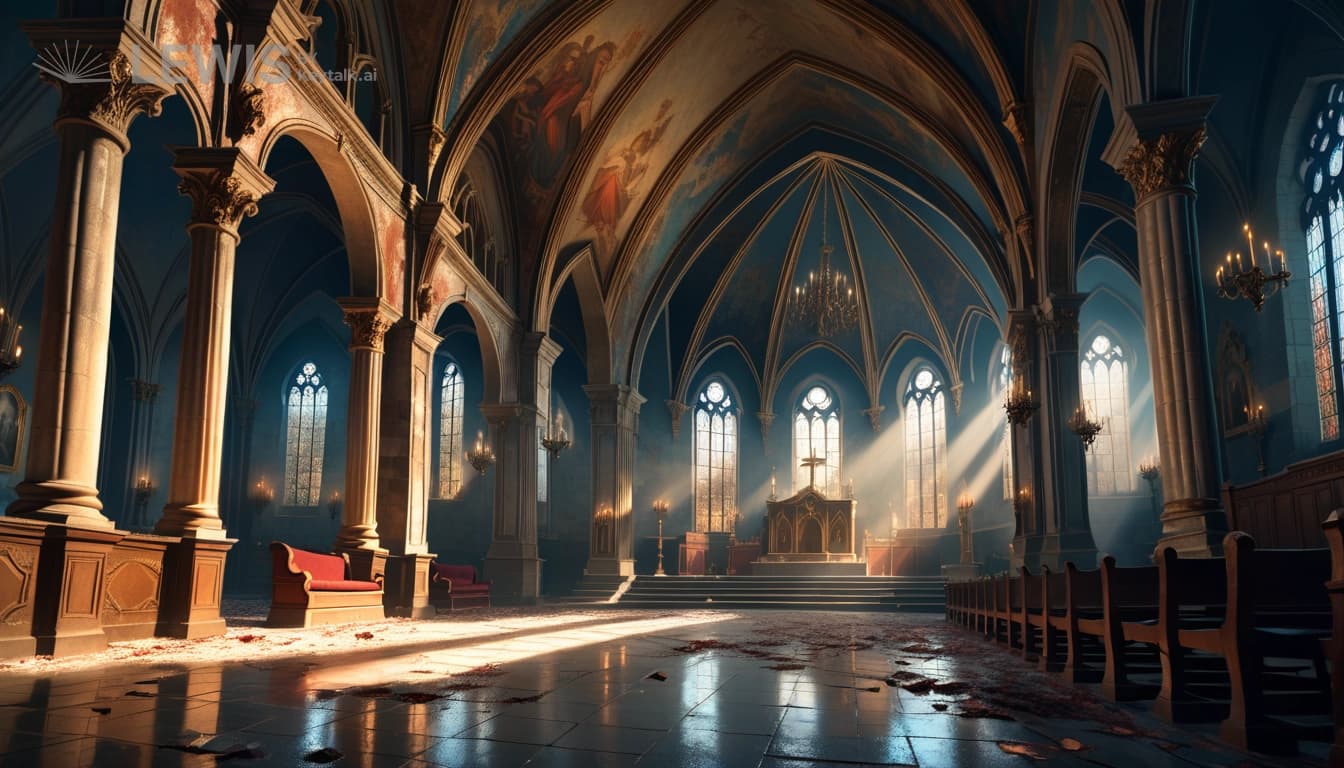
Riley arrives at the Ashwood Hotel beneath a fractured sky, neon bleeding through the rain onto their shoulders. The lobby is half-shadow, half-forgotten grandeur—a place that smells of wet pavement, old leather, and something subtler: longing. With the hotel’s keys still cold in their hand, Riley steps into their father’s world, half-expecting to encounter his ghost in every reflection.

They move through the lobby, noting the threadbare velvet on the armchairs, the flicker of unreliable chandeliers, and the quiet hum of secrets pressing against the walls. The staff, few and wary, offer sidelong glances. Kaz, the concierge, meets Riley near the ancient elevator, offering a wordless nod and a flask hidden in his sleeve—a ritual of solidarity.

In the inherited office, Riley finds the will: perfunctory, almost resentful. Their father’s handwriting is sharp, the message colder still—“Guard the confessions. Heed the bargains.” Riley is unsettled but determined, feeling both resentment and a strange hope: maybe by restoring the hotel, they can reclaim something lost, something personal.

Riley begins to prowl the halls, notebook in hand, jotting down the odd requests, whispered arguments, and the peculiar hush in certain corners. Flickers of movement—are they guests, or something else?—keep them on edge. The hotel feels alive, or perhaps haunted. Riley’s emotional state shifts from pragmatic determination to a creeping awe, underpinned by loneliness and the weight of unspoken expectation.

Kaz finds Riley by the boiler room stairs, warning them in hushed tones that the Ashwood is more than failing pipes and peeling wallpaper. There are rules—ones even their father never fully explained. Kaz hints that the hotel listens, and the confessions it collects are not always benign. Riley is left alone in the darkening corridor, the hotel’s pulse thrumming in their bones, notebook clutched tight.

[Impact on the story]
This scene grounds Riley in their inheritance, setting up the emotional stakes—resentment toward their father, the pressure of legacy, and a desperate hope for personal renewal. It introduces the Ashwood as both a decaying property and a character in its own right, alive with secrets and longing. Kaz’s warning sows seeds of unease and establishes him as Riley’s only ally, while the first hints of the hotel’s supernatural nature establish the rules of the world and Riley’s role as reluctant guardian.

[Description]
Riley takes possession of the Ashwood Hotel on a rain-soaked night, confronting both the physical decay and the emotional legacy left by their father. As they explore the haunted halls, cataloguing secrets and encountering Kaz’s cryptic warnings, Riley’s practical resolve is tested by the hotel’s strange, living atmosphere. This scene sets the tone for the story—a blend of longing, dread, and the possibility of transformation.
シーン 2
scene 2 image
Kaz’s Folklore and the Hotel’s Heartbeat—A Pact in the Boiler Room
[Place] - The Ashwood Hotel’s labyrinthine basement and boiler room; adjacent maintenance corridors
[Time] - Late night, hours after Riley’s first tour, the hotel’s pulse echoing in the pipes

[Action]
Riley, unable to sleep and still reeling from the strangeness of their inheritance, descends into the bowels of the hotel. The basement is a maze of rusted pipes, flickering bulbs, and the ambient rattle of old machinery—its air thick with heat, mineral tang, and the memory of secrets whispered through generations. Riley is drawn to the boiler room by a low, rhythmic thumping—half machinery, half heartbeat—where they find Kaz meticulously bleeding the radiator, his sleeves rolled and eyes sharp with sleepless vigilance.

Kaz, ever the folklorist, uses the intimacy of the space to draw Riley into the hotel’s deeper history. He shares fragmented legends: the Ashwood’s foundation built on wish stones, old pacts with city spirits, rooms that move on their own for those who dare confess their deepest desires. Kaz’s stories are half-warning, half-invitation—a test to see if Riley will treat the hotel as a living thing or just a crumbling asset.

Riley pushes back, torn between skepticism and the uncanny resonance of Kaz’s tales. Their motivations clash: Riley wants control, restoration, safety; Kaz wants the truth honored, the old rules respected. Sparks of tension and mutual reliance flicker—Riley’s need for guidance, Kaz’s need for Riley to understand the stakes.

A critical moment: Kaz insists Riley make a symbolic pact with the hotel, as tradition demands. It’s not a ritual Riley understands, but under Kaz’s steady gaze, they press their palm to the ancient boiler, feeling the metal’s heat pulse through their bones. Kaz, with a trace of old-world gravity, recites a binding phrase—invoking both protection and responsibility. The scene is tense, charged, a strange intimacy forged in steam and superstition.

As they return upstairs, Riley is changed—haunted by the sense that the hotel is now watching, listening, judging their every move. Kaz lingers in the corridor, cryptic but satisfied: the pact is made, and Riley’s role as guardian has shifted from legal to existential.

[Impact on the story]
This scene binds Riley to the hotel on a deeper, almost mystical level, moving their inheritance from mere obligation to a living contract. It deepens their relationship with Kaz, establishing trust laced with unresolved tension and mutual need. The hotel’s supernatural history is fleshed out, and Riley’s practical approach is shaken by the weight of folklore and ritual. This emotional and symbolic pact sets the stakes for all future bargains, confessions, and transformations within the Ashwood.

[Description]
Riley and Kaz descend into the hotel’s basement, where old machinery and older legends intermingle. Guided by Kaz, Riley undertakes a symbolic pact with the Ashwood, binding themselves to its living legacy and deepening the story’s sense of mystery and danger. The scene forges a wary alliance and marks Riley’s transformation from reluctant heir to haunted guardian.
シーン 3
scene 3 image
The Ledger of Longing—Cataloguing Strange Requests and Stranger Guests
[Place] – The Ashwood Hotel’s reception desk, sprawling lobby, and shadowed corridors; glimpses into a few eccentric guest rooms
[Time] – The following evening, rain still painting neon veins on the windows, the hotel awakening as twilight deepens

[Action]
Riley stations themself behind the scuffed marble reception desk, notebook at the ready, determined to bring order to the Ashwood’s chaos. Their intent is methodical: to log every guest’s request, complaint, and offhand confession, transforming inherited disorder into something they can understand and control. The hotel, however, resists. Requests range from the mundane—extra towels, a bottle of whiskey—to the unsettling: a guest asks for a room with “unbroken dreams,” another demands a key that opens nothing. One insomniac artist insists the wallpaper in her suite whispers unfinished poems at midnight.

As Riley makes their rounds, they’re drawn into brief, strange encounters—each guest revealing slivers of longing or regret, their words colored by the hotel’s peculiar gravity. A businessman begs for a wake-up call “before the nightmares return,” a woman in a sequined dress leaves a cryptic note for someone only she can see. Riley’s attempts at rational explanation falter as the ledger fills with impossible requests, the lines between hospitality and confession blurring.

Kaz hovers at the edge of each encounter, sometimes intervening with a folkloric anecdote or veiled warning, sometimes simply watching Riley navigate the uncanny tide. He subtly tests Riley’s reactions, noting which requests they indulge and which they dismiss. Riley, oscillating between pragmatic detachment and genuine curiosity, begins to sense the weight of each confession—the way the air thickens when a guest’s longing goes unacknowledged, the way a corridor seems to shift when a secret is heard.

A subplot threads through the evening: Riley discovers a recurring symbol—an ouroboros sketched in red ink—on several guest ledgers and room keys. This motif seems to pulse with meaning, hinting at a network of guests who share more than coincidence. Riley quietly investigates, pressing Kaz for answers, but he remains evasive, suggesting only that some patterns in the Ashwood are older than either of them.

By night’s end, Riley’s notebook is a tapestry of the city’s desires, from the petty to the profound. Exhausted but strangely exhilarated, they realize that the act of listening—truly listening—has begun to change them. The hotel’s pulse is louder now, as if feeding on their attention, and Riley senses that every secret recorded is another thread in a web they barely comprehend.

[Impact on the story]
This scene deepens Riley’s connection to both the hotel and its guests, shifting their role from caretaker to confessor. It reveals the Ashwood’s unique ecology—how longing fuels its supernatural presence—and plants seeds for future conflicts and alliances. The recurring symbol introduces a new layer of mystery, hinting at conspiracies among the guests and foreshadowing Helena’s arrival. Riley’s growing compulsion to document and understand the confessions is a double-edged sword, drawing them deeper into the hotel’s power while eroding their sense of control.

[Description]
Riley embarks on their first night of cataloguing guest requests, only to be drawn into the Ashwood’s labyrinth of secrets and desires. As the lines between guest, confessor, and conspirator blur, Riley’s role—and the hotel’s hold over them—intensifies, setting the stage for Helena’s disruptive entrance and the unraveling that follows.
シーン 4
scene 4 image
[Title]
Helena Kuroda Descends—Vinyl, Velvet, and the Art of Seduction

[Place]
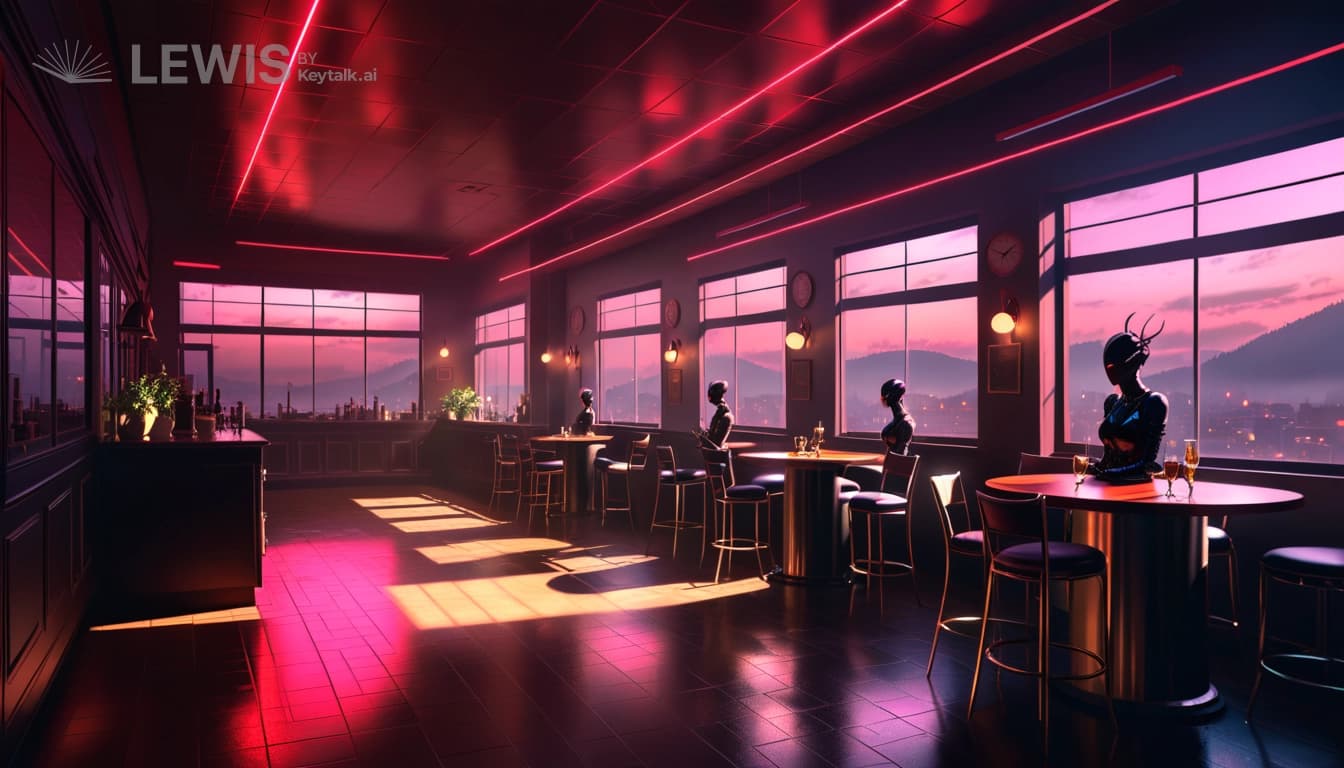
The Ashwood Hotel’s lobby and penthouse suite; the elevator and corridors lit in neon haze

[Time]
Later that same rain-drenched evening, as midnight approaches and the city’s pulse thrums against the windows

[Action]
The scene begins with the hotel’s doors parting to admit Helena Kuroda, her entrance a deliberate spectacle—the slap of vinyl boots on marble, velvet coat trailing, a coterie of followers in her wake. The lobby, already a hive of eccentricities, hushes as Helena surveys the space, eyes lingering on every imperfection as if cataloguing potential. Riley, still at the reception desk and raw from a night of confessions, feels Helena’s attention land on them like a challenge and an invitation.

Helena immediately disrupts the hotel’s rhythm: she requests the penthouse, but her demands are anything but typical—she wants the room stripped of mirrors, bathed in violet light, and perfumed with something reminiscent of “old heartbreak.” She instructs Riley to gather a selection of “confession objects” from various guests, objects that have soaked in longing or regret. This puts Riley on the spot, forcing them to interact with several guests from the previous scene, now compelled to part with their tokens. Tension mounts as Riley senses Helena’s interest isn’t just in the space, but in the hotel’s pulse—and in them personally.

Kaz intercepts Helena, polite but wary, attempting to vet her intentions under the guise of hospitality. Helena parries with sly references to city folklore, subtly signaling to Kaz that she knows more than she should. Their exchange is a battle of wits and hidden agendas, with Riley caught in the crossfire—intrigued, unsettled, and unable to look away.

Helena finally draws Riley aside, proposing her immersive confession ritual. She presents it as an artistic collaboration, outlining a vision in which the hotel’s legacy of longing is not hidden but performed—a spectacle that will make the Ashwood legendary. She flatters Riley’s instincts as a listener, but the undertone is predatory: Helena wants access to the hotel’s most potent secrets, and she hints at rewards both personal and grandiose. Riley, fatigued but desperate for meaning and connection, is seduced by the possibility, even as Kaz’s silent warnings linger at the edge of the scene.

The scene closes as Helena ascends to the penthouse, her followers disappearing into the labyrinth. Riley lingers in the lobby, notebook clutched tight, the air charged with anticipation and dread. The hotel itself seems to exhale, its walls bending slightly toward the storm gathering upstairs.

[Impact on the story]
Helena’s arrival shatters the fragile order Riley tried to impose, introducing an external force that both tempts and threatens them. Her seduction—equal parts artistic and predatory—begins to shift Riley’s ambitions from restoration to transformation, while Kaz’s suspicions deepen, planting seeds of conflict. The hotel’s supernatural ecology is intensified by Helena’s presence, and the power dynamics between Riley, Kaz, and Helena are set in motion, ensuring the stakes are emotional as well as existential.

[Description]
Helena Kuroda storms into the Ashwood, captivating the hotel and its new owner with her demands and vision. As she stakes her claim on the penthouse and proposes a dangerous collaboration, Riley is drawn into her orbit, setting the stage for seduction, rivalry, and the hotel’s transformation into something far more perilous.
シーン 5
scene 5 image
[Title]
Midnight Bargains—Riley’s Temptation and Kaz’s Warnings

[Place]
The Ashwood Hotel’s penthouse suite (transformed for Helena’s ritual), shadowy corridors, and Riley’s private office

[Time]
The stroke of midnight, rain lashing neon against the penthouse windows, the hotel hushed except for the distant throb of city life

[Action]
The scene opens with Riley standing outside the penthouse, clutching the tray of “confession objects” Helena demanded. The room inside has been utterly transformed: violet light spills onto velvet drapes, the air thick with a scent that is equal parts nostalgia and bruise. Helena receives Riley with theatrical warmth, her followers arranged in a loose semicircle, each masked and expectant. She begins the immersive ritual—inviting her coterie to confess their deepest desires, one by one, as Riley observes from the periphery, both participant and outsider. As the confessions unfold, a palpable tension grows; the atmosphere shifts, reality seeming to warp in subtle, disquieting ways. Helena presses Riley to join, framing it as both an honor and a test. Riley hesitates, torn between skepticism and the magnetic possibility of belonging, their longing for meaning warring with fear of losing themselves.

Meanwhile, Kaz prowls the corridors outside, uneasy and alert to the hotel’s pulse. He intercepts a guest fleeing the ritual, shaken and muttering about a vision that felt “too real.” Kaz’s concern deepens; he quietly confronts Riley after they exit the penthouse, urging caution and questioning Helena’s motives. Their exchange is heated, underscored by years of unspoken trust and friction. Kaz reveals a fragment of Ashwood folklore—a warning about bargains struck at midnight, and the cost of inviting outsiders to shape the hotel’s magic. Riley, defensive and raw, pushes back, insisting that Helena’s vision might be the key to saving the Ashwood and themselves.

The scene ends with Riley alone in their office, notebook open but hands trembling, replaying Helena’s words and Kaz’s warnings. The hotel feels suddenly alive with possibility and threat, every shadow whispering the promise of transformation—or ruin.

[Impact on the story]
This scene cements Helena’s influence over Riley, intensifying their temptation to abandon mere restoration for something more transcendent. It also heightens the emotional stakes between Riley and Kaz, drawing a clear line between caution and daring, trust and desire. The hotel’s supernatural atmosphere thickens, foreshadowing the consequences of these midnight bargains and marking a point of no return for Riley’s journey.

[Description]
Riley is drawn into Helena’s immersive ritual, caught between seduction and suspicion as confessions begin to twist reality. Kaz’s warnings drive a wedge between the two confidantes, setting up a dangerous game of trust, longing, and supernatural risk as the Ashwood’s true power awakens.
シーン 6
scene 6 image
[Title]
Confessions Made Flesh—When Desires Walk the Halls

[Place]
The Ashwood Hotel’s midnight parlor and adjoining hallways; glimpses into guest rooms and shadowy corners

[Time]
The hours after Helena’s ritual, deep into the night when the city’s pulse is slow and strange

[Action]
This scene unfolds as the aftermath of Helena’s confession ritual ripples through the Ashwood. Riley, still shaken and sleepless, begins their nightly rounds with Kaz at their side, both unnerved by subtle changes in the hotel’s atmosphere. They notice the wallpaper breathing, shadows lingering longer than they should, and the distant echo of voices that don’t belong to any known guest. As they move through the halls, they encounter the first manifestations: a guest’s long-lost lover appears, impossibly real and heartbreakingly familiar; a reclusive artist’s childhood monster skitters just out of sight; a desperate romantic finds their whispered wish for reunion answered by a spectral figure at their door.

Riley documents these occurrences, torn between awe and dread, realizing the confessions have not simply been heard—they’ve become tangible. Kaz grows increasingly alarmed, recognizing the pattern: every longing voiced during Helena’s ritual is taking physical form, some benevolent, others ominous or predatory. The hotel’s energy is electric, bordering on dangerous, as more guests report uncanny encounters—some are overjoyed, some terrified, a few driven nearly mad by the intimacy of their own desires made flesh.

Amidst this chaos, Riley and Kaz clash over how to respond. Riley feels responsible, determined to contain the fallout and protect both the guests and the hotel’s legacy, but is also secretly mesmerized by the raw beauty of these living confessions. Kaz pushes for immediate intervention, warning that if they don’t act, the hotel could become a prison of longing—each new manifestation feeding the cycle, each secret tightening the building’s supernatural grip. Their argument is interrupted by a sudden disturbance: a guest, in hysterics, claims their “wish” won’t leave them alone, and the apparition is growing more insistent, more real.

The scene ends with Riley standing at the threshold of a guest’s room, notebook in hand, as the line between desire and reality blurs further. Helena’s influence is everywhere, and Riley must decide whether to try to reverse the process—or let the Ashwood become something entirely new.

[Impact on the story]
This scene marks a tipping point where the hotel’s magic is no longer theoretical but dangerous and undeniable. It escalates the stakes for Riley, who now faces the tangible consequences of longing made real, and forces them into active leadership—balancing fascination and fear. The rift between Riley and Kaz widens, as each grapples with what the Ashwood should become, setting up the moral and emotional conflicts for the story’s climax.

[Description]
The Ashwood is transformed as guests’ confessions manifest into physical forms, blurring the line between wish and reality. Riley and Kaz are forced to confront the true consequences of Helena’s rituals, igniting a deep conflict between awe and terror, responsibility and temptation, as the hotel’s supernatural power spirals out of control.
シーン 7
scene 7 image
[Title]
Shadows in the Parlor—The Cultists, the City’s Underbelly, and a Mother’s Vanishing

[Place]
The Ashwood Hotel’s parlor and secret back rooms, with glimpses into the rain-soaked city streets just beyond the lobby doors

[Time]
The night after the first living confessions—just before dawn, as the city’s neon begins to sputter and the hotel’s mood grows feverish

[Action]
The scene opens with the Ashwood thick with tension and rumor: word has spread of the hotel’s new magic, drawing in a wave of outsiders—cultists from Helena’s following, thrill-seekers, and figures from the city’s criminal underworld. The lobby becomes a crossroads of power and desperation, with cultists whispering codes at the front desk, and known fixers slipping bribes to Kaz for access to “the real confession experience.” Riley watches the influx with mounting anxiety, recognizing faces from both the city’s art scene and its most notorious crime families.

As Riley moves through the parlor, they’re cornered by Helena’s inner circle: enigmatic artists, masked acolytes, and a sharp-tongued woman known as the Magpie, who offers Riley a cryptic warning about debts that cannot be paid in coin. The cultists press Riley for a private audience with Helena, hinting at a deeper ritual that will bind the Ashwood’s power to their order. Meanwhile, Kaz discovers a series of coded messages etched into the hotel’s mirrors and elevator doors—evidence that Helena’s influence is spreading in ways even she might not fully control.

In a brief, haunting interlude, Riley catches a glimpse of a woman who looks uncannily like their vanished mother, disappearing into the shadows just as Riley tries to follow. This moment is charged with longing and dread, fracturing Riley’s concentration and reigniting old wounds. The encounter leaves Riley shaken and more vulnerable to Helena’s seductive vision of the Ashwood as a sanctuary for every lost or broken longing.

As the night spirals on, tensions boil over between cultists and criminal guests, forcing Riley and Kaz into uneasy negotiations to keep violence at bay. Riley is pulled in every direction—tempted by Helena’s promise of transcendence, haunted by their mother’s ghost, and pressured by Kaz to regain control before the hotel becomes a battleground for the city’s underbelly. The scene culminates in a clandestine meeting between Riley and Helena, where Helena offers Riley a place at her side in the coming ritual—hinting that the key to the Ashwood’s future, and Riley’s own salvation, lies in finally confessing what they most fear to admit.

[Impact on the story]
This scene deepens the hotel’s transformation from haunted curiosity to citywide obsession, raising the external stakes as powerful outsiders vie for control. Riley’s internal conflict intensifies, pulled between the lure of Helena’s vision, the unresolved grief for their mother, and Kaz’s warnings. The influx of new factions complicates loyalties and sets the stage for the climactic gala, while the fleeting apparition of Riley’s mother personalizes the supernatural chaos, forcing Riley to confront the personal cost of longing.

[Description]
The Ashwood becomes a magnet for cultists and criminals, its reputation fueling new threats and alliances. Riley, torn by the hotel’s growing dangers and a ghost from their past, is forced into fraught negotiations and a pivotal confrontation with Helena that will shape the fate of the Ashwood and themselves.
シーン 8
scene 8 image
[Title]
The Living Tableau—Helena’s Ritual, Riley’s Doubt, and the Cost of Creation

[Place]
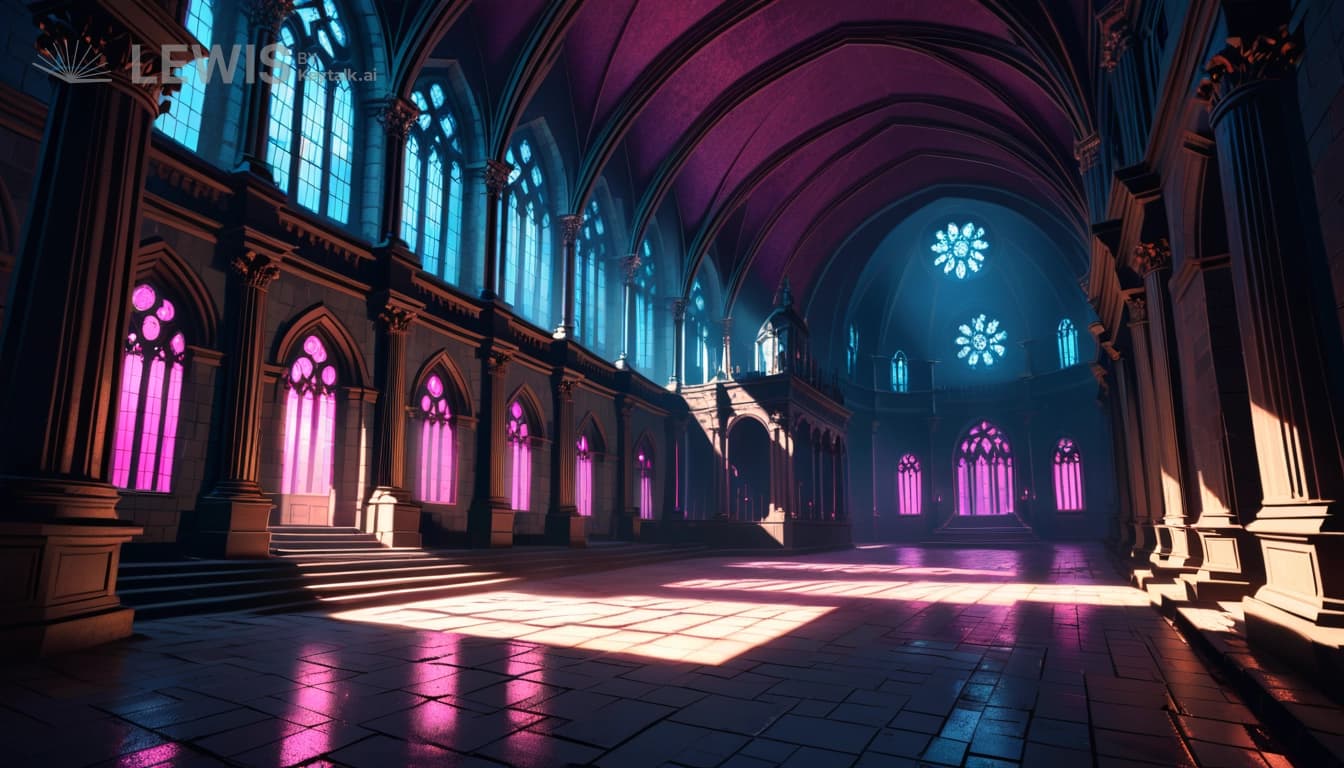
The Ashwood Hotel’s penthouse suite and adjoining rooftop, transformed into a surreal stage for Helena’s ritual

[Time]
Night of the ritual, hours before the planned confession gala—rain beating against the glass, city lights fractured and flickering beyond

[Action]
Helena commandeers the penthouse, transforming it into an avant-garde altar with mirrors, crimson silks, and cryptic symbols scrawled on every surface. Guests chosen for the ritual—artists, cultists, and desperate dreamers—are ushered in, each bearing a confession sealed in wax. Kaz tries to keep order from the periphery, but is kept at bay by Helena’s acolytes, forced to watch anxiously as the hotel’s power bends under the weight of so many exposed longings.

Riley is drawn into Helena’s orbit, their curiosity and vulnerability laid bare as Helena guides them through the preparations. Helena’s fascination with Riley intensifies—she singles them out to help “curate” the tableau, pressing Riley to choose which confessions will be enacted. The process is seductive and unsettling: Helena insists that only Riley’s intuition can reveal the “truest” longings, turning the ritual into a twisted collaboration.

As the confessions are read aloud, the boundaries between guest, performer, and conjured desire dissolve. Longings bloom into tangible forms—some beautiful, others grotesque—filling the suite with living sculptures of heartbreak and obsession. Riley is both mesmerized and horrified, sensing the price being paid by the confessors as fragments of themselves are consumed to feed the spectacle.

Kaz, alarmed by the mounting intensity, tries to intervene, warning Riley that the ritual is feeding on them as well. He pleads with Riley to stop the performance before the magic grows uncontrollable, but Helena’s charisma is overwhelming. Helena offers Riley a chance to confess their own longing, promising that doing so will “complete” the tableau and solidify their place as co-creator. Riley hesitates, torn between the intoxicating promise of creation and Kaz’s desperate warnings.

The scene crescendos as the ritual’s magic spills out onto the rooftop, warping the rain, the city skyline, and even the stars above—Ashwood’s power now openly reshaping reality. Riley is left at a crossroads: surrender to Helena’s vision and risk losing themselves, or resist and potentially shatter what’s been created.

[Impact on the story]
This scene marks the point where Riley’s complicity in Helena’s rituals becomes undeniable, forcing them to confront the cost of creation and their own longing for meaning and connection. It heightens the tension between Riley and Kaz, deepens Helena’s hold over the hotel, and blurs the line between art, magic, and exploitation. The hotel’s transformation becomes a public, irreversible spectacle, raising the stakes for the coming gala and Riley’s final choice.

[Description]
Helena’s living tableau ritual turns the Ashwood into a stage for confessions made flesh, forcing Riley to act as both curator and participant. The magic becomes dangerously real, and Riley must decide whether to embrace the seductive power on offer or heed Kaz’s warnings before everything spirals out of control.
シーン 9
scene 9 image
[Title]
The Gala of Unraveling—Masks, Monsters, and the Edge of Collapse

[Place]
The Ashwood Hotel’s grand ballroom, overflowing into the hallways and upper balconies; the city crowding in from the storm outside

[Time]
Night of the confession gala—hours after Helena’s living tableau; midnight bleeding into early morning

[Action]
The Ashwood’s ballroom pulses with impossible energy—mirrors shrouded in condensation, chandeliers flickering in sync with the guests’ collective anticipation. The city’s elite, underworld figures, and lost souls swirl together in a masquerade of fevered longing, each guest masked, each mask a confession waiting to be revealed. Helena reigns at the heart of the chaos, orchestrating the spectacle with magnetic control. The living tableaux from the penthouse now roam freely—hallucinations made flesh, lovers and nightmares stalking the marble floors, the hotel’s boundaries dissolving into surreal corridors of desire.

Riley, exhausted and hollowed from the previous ritual, is thrust into reluctant prominence. Helena publicly names Riley the “Keeper of Confessions,” drawing all eyes—and all whispered secrets—toward them. Guests press forward, desperate to be seen and heard, their longings taking on monstrous or exquisite physical forms as they confess. The hotel strains, its walls pulsing with every new secret; reality itself warps as the longing-fueled magic grows uncontainable.

Kaz fights to reach Riley through the crowd, carrying the original covenant he’s managed to unearth—a brittle, ancient document that might offer a way to break the cycle. He pleads with Riley to see the truth: the spectacle is feeding on everyone, including Riley, and Helena’s vision will consume not just the hotel but the city itself. Meanwhile, Helena circles Riley, seductive and relentless, urging them to make the final confession that will “complete” the ritual and bind them as co-creators forever.

As the night peaks, confessions spiral into chaos—monsters and doppelgangers rampage, guests are confronted by living memories, and the boundaries between performance and reality collapse. Riley is forced into the center of the ballroom, every eye watching, every longing clawing at them. Helena commands Riley to confess, promising transcendence and power; Kaz begs them to break the ritual and free everyone from the hotel’s grip. The air is electric with fear, desire, and the imminent threat of total unraveling.

[Impact on the story]
This scene propels Riley to the edge—emotionally and existentially—forcing a stark choice between personal longing and collective salvation. The gala exposes the destructive nature of unchecked desire and the danger of treating longing as spectacle. Riley’s relationship with both Helena and Kaz reaches breaking point, and the fate of the Ashwood, and possibly the city, hinges on their decision. The stakes become undeniable, and Riley’s agency is tested at its highest pitch.

[Description]
The confession gala erupts into chaos as the Ashwood’s magic spirals out of control, monstrosities and longing rampaging through the crowd. Riley must choose between Helena’s seductive promise and Kaz’s desperate warning, with the hotel—and the city—teetering on the brink of transformation or ruin.
シーン 10
scene 10 image
[Title]
The Morning After—Thresholds, Broken Curses, and the Serpent’s Farewell

[Place]
The Ashwood Hotel’s lobby and surrounding common spaces, transformed in the pale dawn; the remnants of the ballroom visible through shattered doors; rain still falling softly outside

[Time]
Dawn, hours after the confession gala’s climax—first rays of grey light filtering through rain-streaked windows

[Action]
The scene opens with the hotel shrouded in uneasy silence, the aftermath of chaos still vibrating in the air. Riley, physically and emotionally spent, drifts through the transformed lobby—furniture rearranged, scars left by last night’s living confessions evident in peeling wallpaper and strange, lingering echoes. Guests stagger or sit quietly, some in shock, others hollow-eyed but free from their monstrous doubles. Riley is haunted by images from the ritual—the raw, shattering confessions, the way longing briefly took shape, and the moment they turned the spell outward rather than in.

Kaz waits by the front desk, clutching the original covenant. He and Riley exchange a wordless understanding: the curse has shifted but not vanished, and something fundamental has changed in both the hotel and themselves. Kaz’s demeanor is gentler, stripped of irony, his hope both bruised and brighter. He reminds Riley, quietly, that surviving is not the same as healing, and that now they must write new rules for the Ashwood—a place where longing is acknowledged but not weaponized.

Helena’s absence is palpable. A single, crimson serpent—painted on the lobby mirror in lipstick—marks her farewell, both a warning and a promise. Some guests whisper about her disappearance, others seem relieved, as if waking from a fever dream. Riley is drawn to the serpent, feeling both loss and liberation. They realize Helena’s offer was never truly about power, but about surrender to longing; Riley’s choice has broken that cycle, but the temptation remains.

Subplots surface as the hotel’s survivors begin to reclaim their lives—some leave immediately, others linger, forming tentative connections in the shared aftermath. Riley and Kaz debate the future of the Ashwood: whether to open its doors wider or to guard its threshold more closely. The city outside seems quieter, as if the rain has washed away some invisible stain.

Emotionally, Riley is changed—no longer shielded by duty alone, but more attuned to the risks and wonders of desire. They make a quiet vow to document the new Ashwood honestly, inviting Kaz to help record the confessions that follow, not as spectacle, but as stories worth remembering. The scene ends with Riley touching the mirror, smudging the serpent’s tail, and stepping back into the light—neither fully restored nor broken, but something new.

[Impact on the story]
This scene closes the narrative arc, showing the lasting effects of the confession ritual on Riley, Kaz, and the hotel itself. Riley’s choice brings a fragile peace, but also a new responsibility—to guard the threshold between longing and reality. Kaz’s support cements a partnership born of survival and hope, while Helena’s enigmatic farewell leaves the future uncertain but charged with possibility. The Ashwood stands as a transformed place, a site of both caution and potential.

[Description]
In the quiet after the storm, Riley and Kaz reckon with what’s changed and what endures. The Ashwood Hotel, scarred but standing, becomes a true threshold—no longer a prison of longing, but a place where confessions are honored and the danger of spectacle is understood. Helena’s serpent lingers as a final mystery, while Riley steps forward into a new kind of guardianship.
'Confessions Made Flesh'ストーリーチャット

このストーリーの登場人物と話したいなら?

'Confessions Made Flesh'ストーリーチャット

このストーリーの登場人物と話したいなら?

story image
story image
story image

こんな物語はいかがですか?

コメント0

のテーマ音楽