本文へスキップ
Every Seoul Elevator Opens Tomorrow—But Only If He Signs the Cost cover image

Every Seoul Elevator Opens Tomorrow—But Only If He Signs the Cost

Every elevator in Seoul opens onto a different tomorrow, and the only way back is to sell one last floor button before the city forgets which century it belongs to. A disgraced funeral magician who once lied to grieving families now hunts for the button’s origin, but each time he “escapes” he arrives in a kinder—or more terrified—version of tomorrow. The closer he gets, the more his own memories desynchronize, until he can’t tell whether his disgrace was deserved or planted. When the elevator doors begin to open without him, he must decide what to sacrifice—his last reputation or the last anchor that keeps Seoul in time.
スクロール

キャラ

主人公

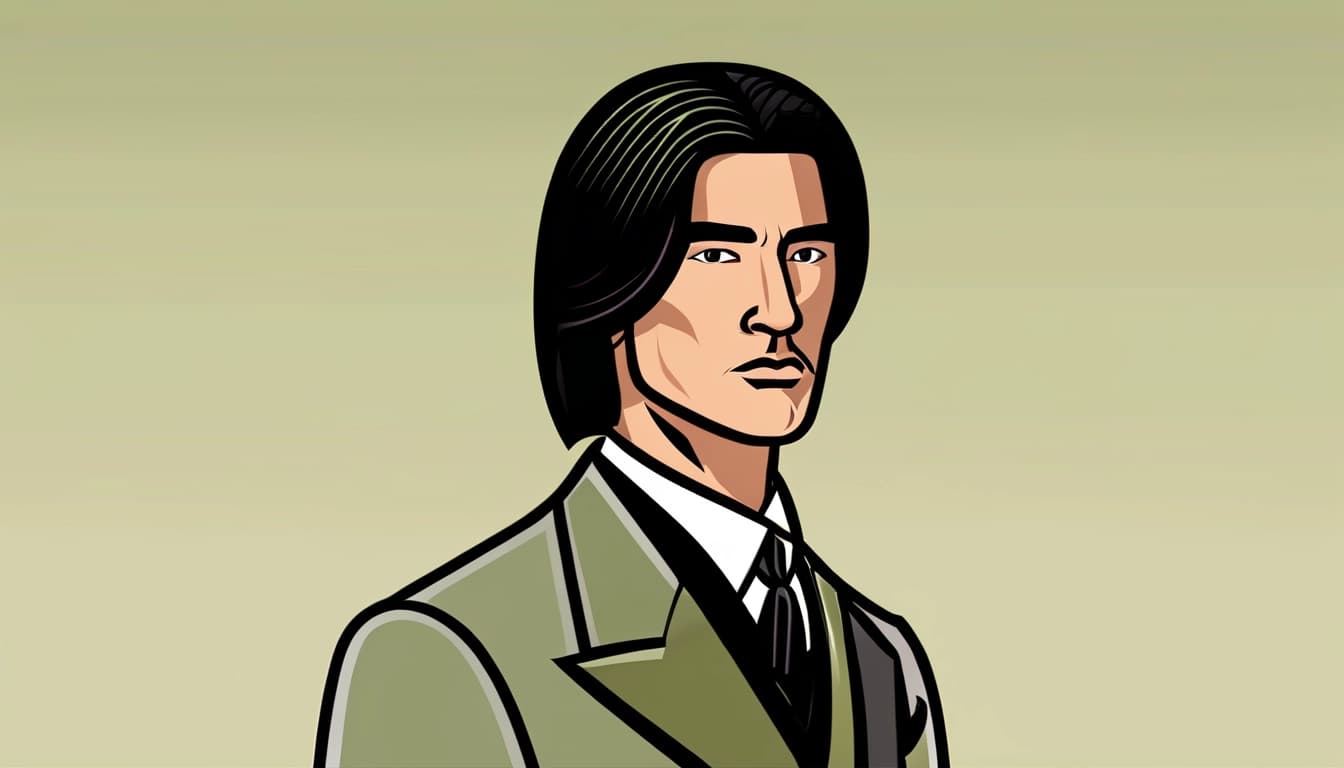
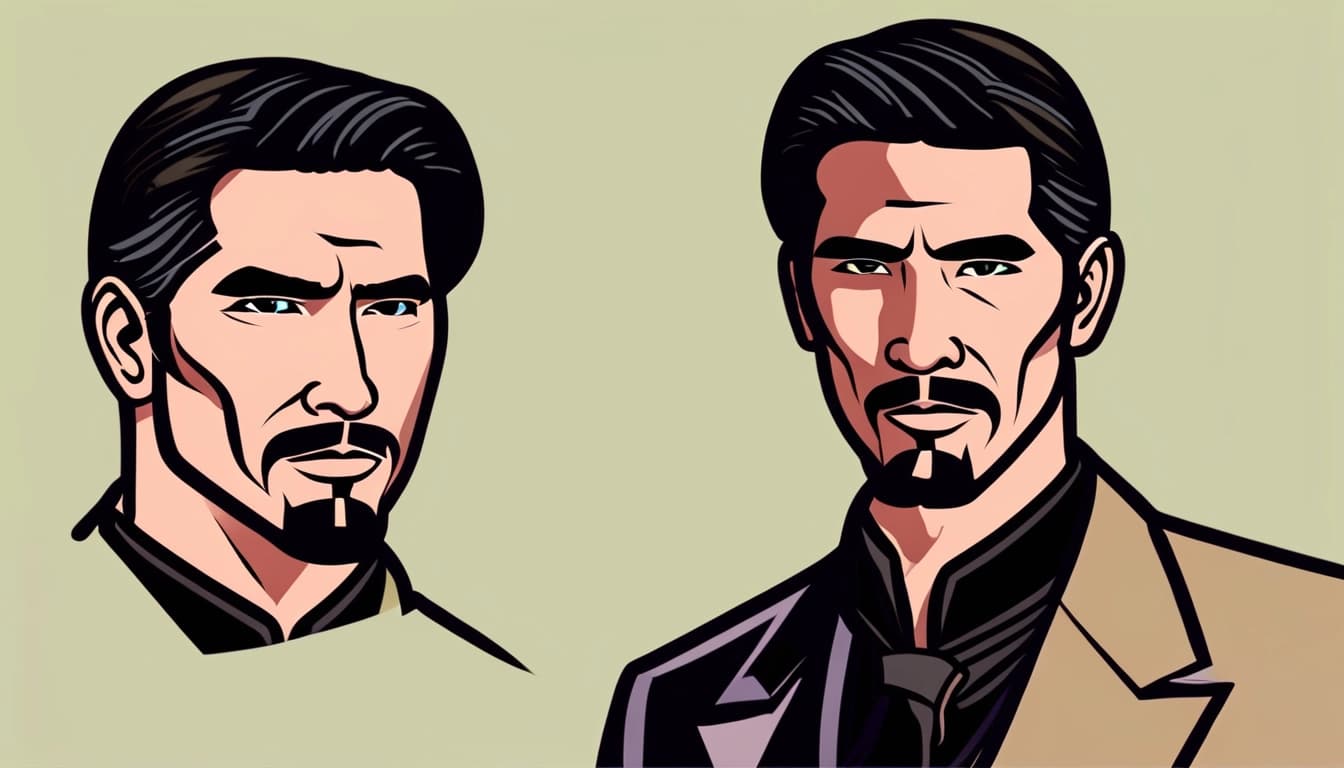
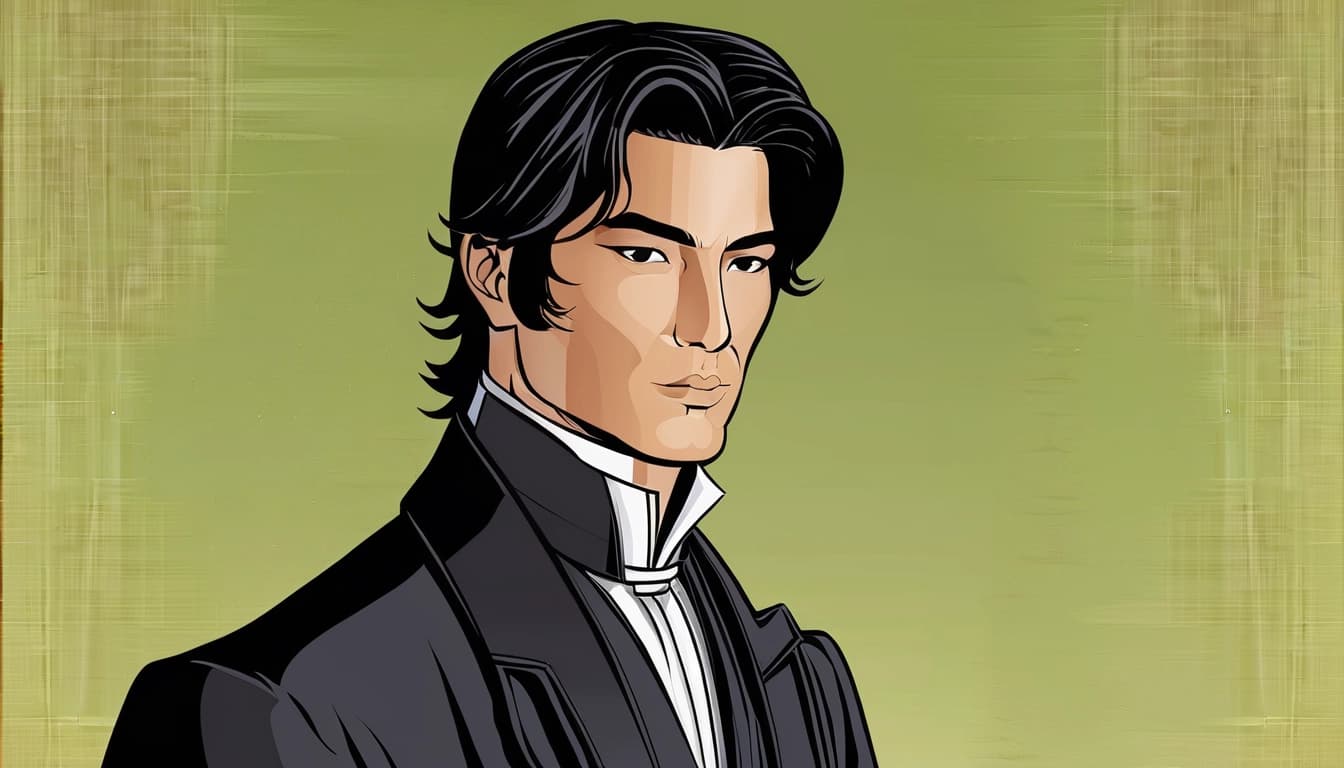
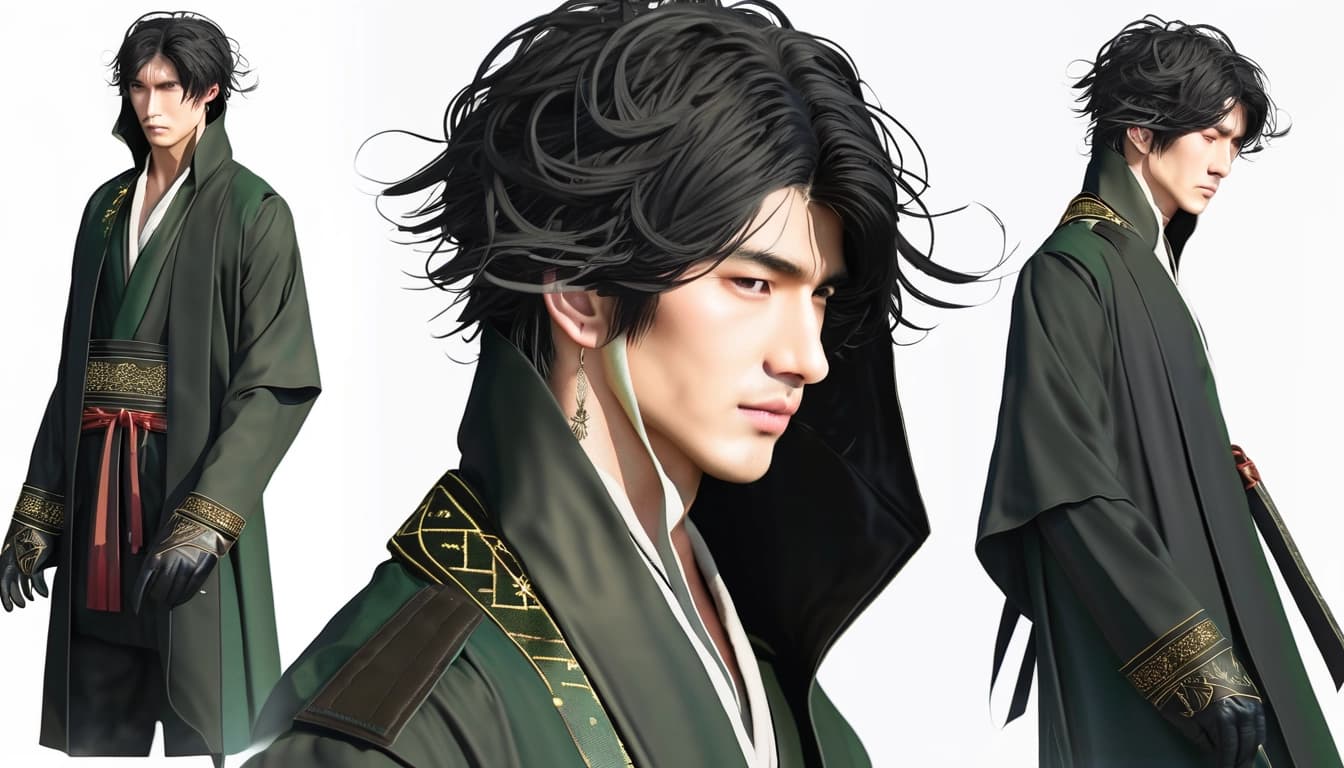
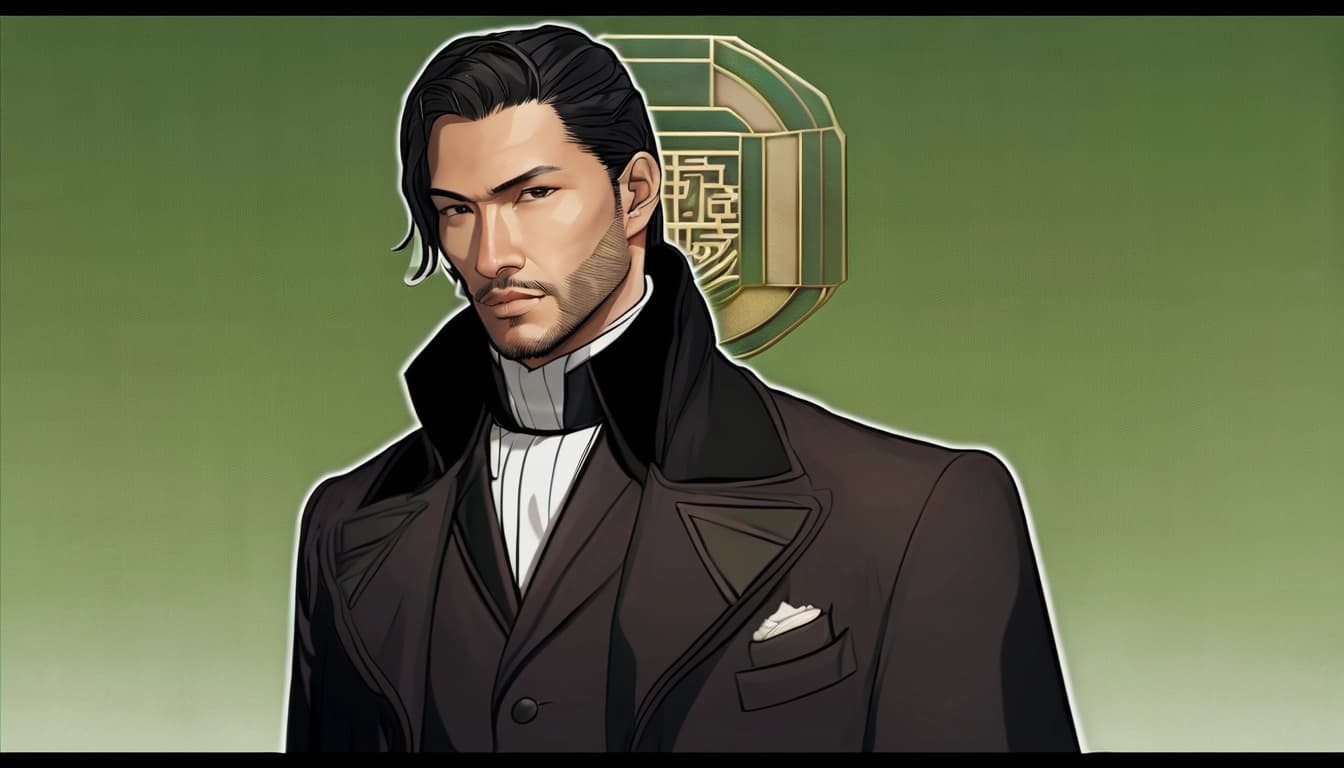
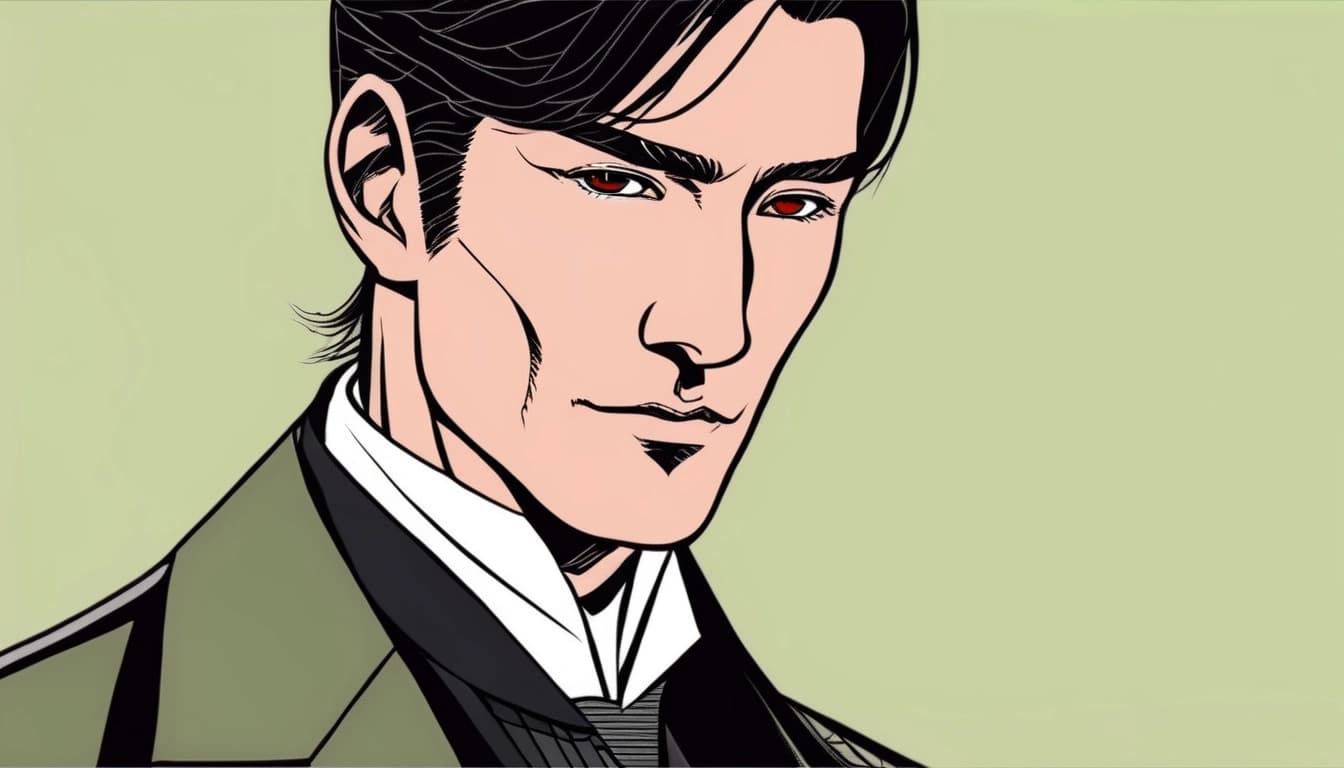
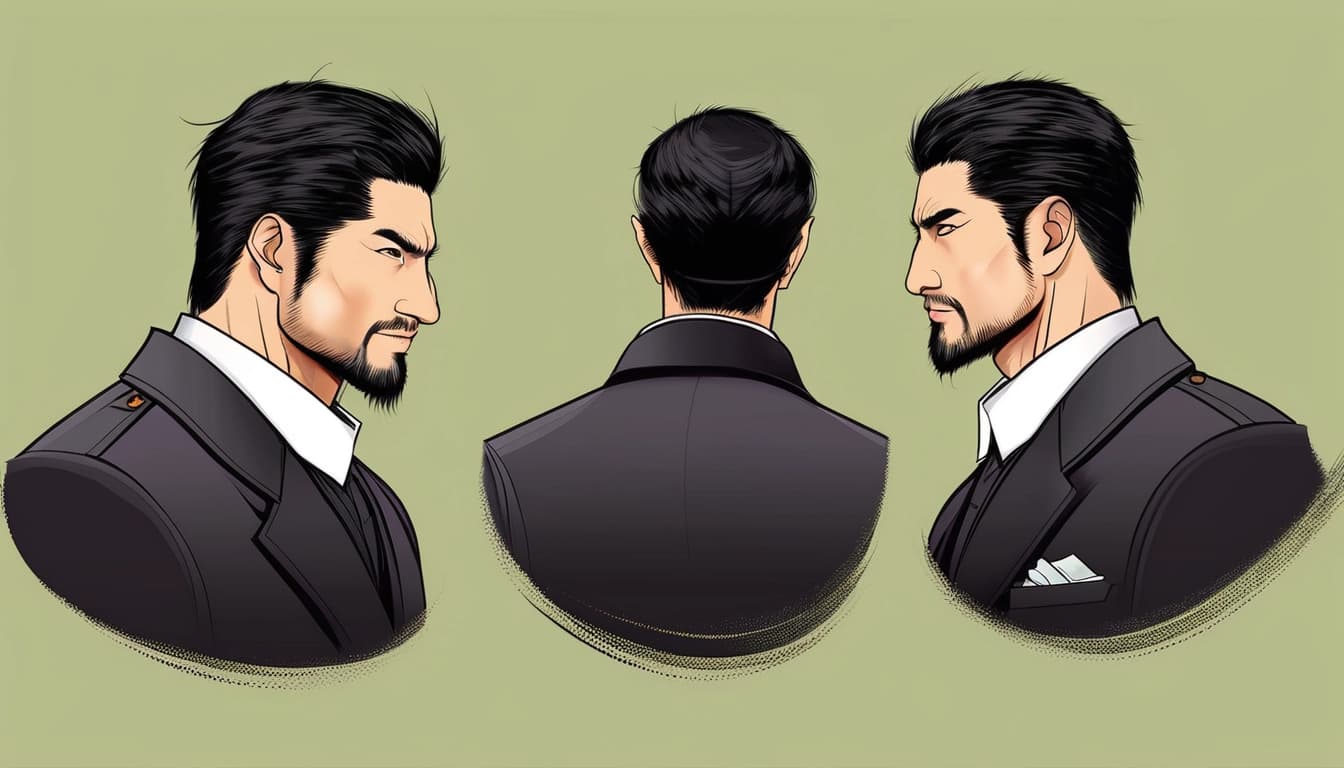
Gwangjin Seo

性別男性
職業disgraced funeral magician turned scavenger of mislaid miracles

プロフィール

Once a celebrated eulogist who lied to grieving families with rule-bound “afterlife” tricks, Gwangjin now hunts the origin of a single forbidden elevator floor button that can decide what version of tomorrow you reach. Each escape unsnaps his memories from his body, and he suspects his disgrace was engineered to point him toward the button’s true control.

He speaks like a man reciting municipal regulations for comfort—precise, soothing, and trained to sound harmless—yet his hands tremble when nobody is watching, as if his body remembers what his mouth denies. He craves justice but flinches at mercy, because each kind outcome rewrites him into someone else, while each cruel outcome feels like the truth he was forced to live with. When the city’s clocks slip, he turns fear into procedure, hunting patterns even when they are baited.

背景

Gwangjin built his career on a posthumous belief system: scripted eulogies, numbered rites, and “approved” gates for the dead—ritual theater that helped families survive but also exploited the same need. After an incident involving a vanished mourner and an unreturned promise, his license was revoked and his public disgrace became a neat story for everyone else to believe. Now the elevator buttons open everywhere except the places his records say they should, and he keeps running the same rite—until the forbidden floor button begins to answer back by unmaking his own timeline.

外見

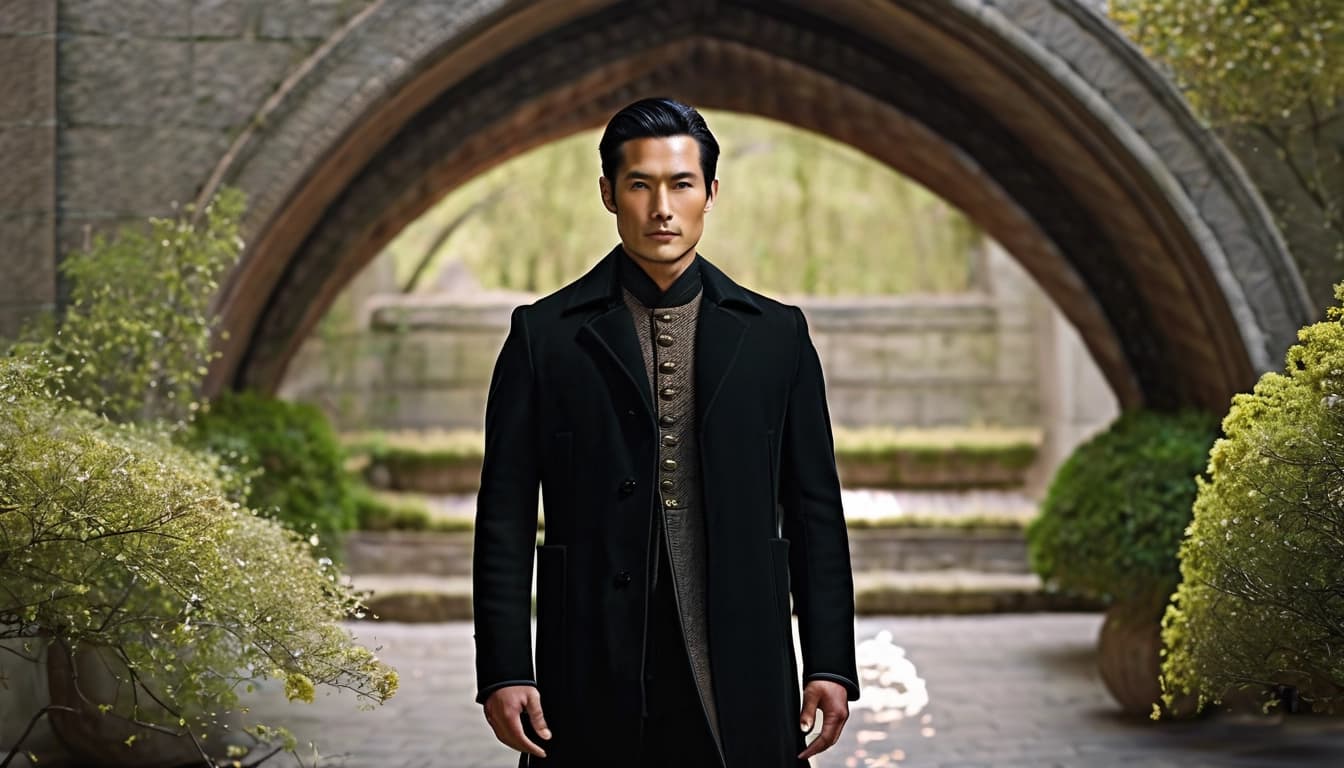
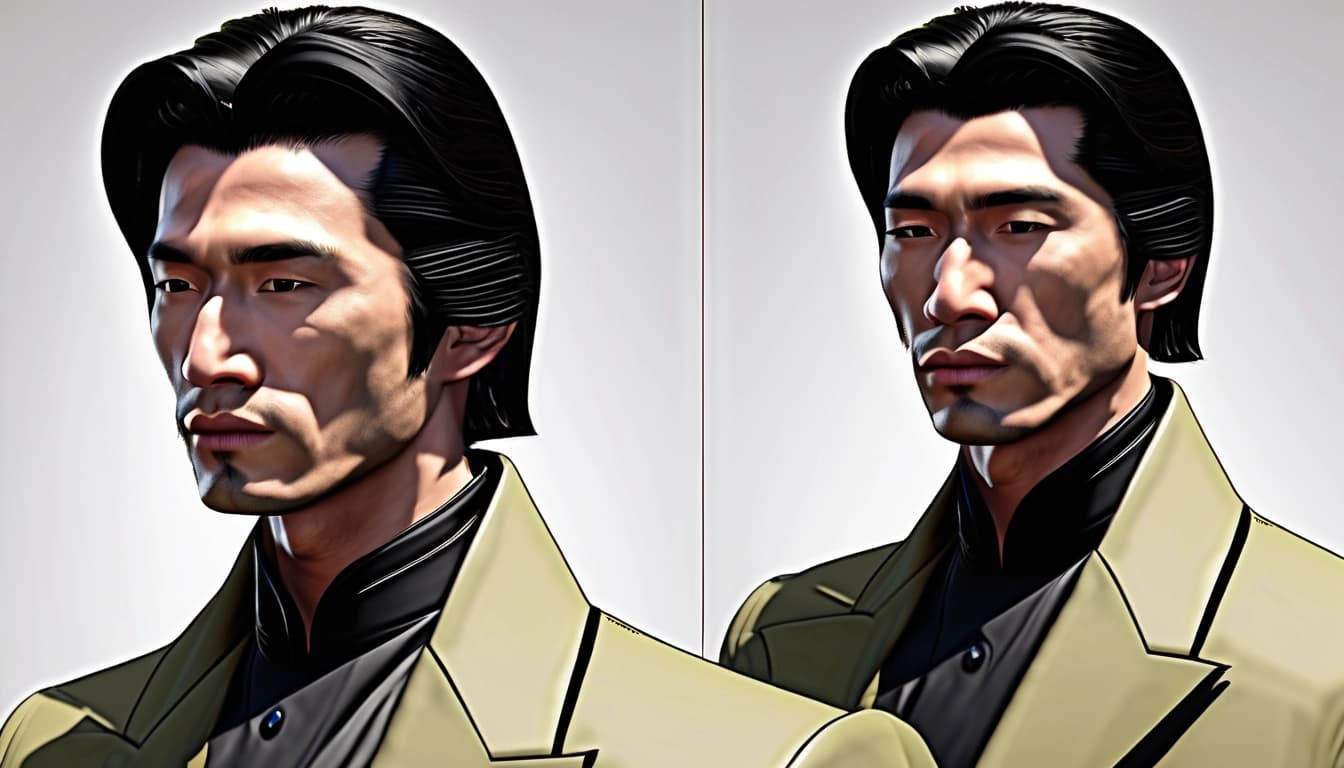
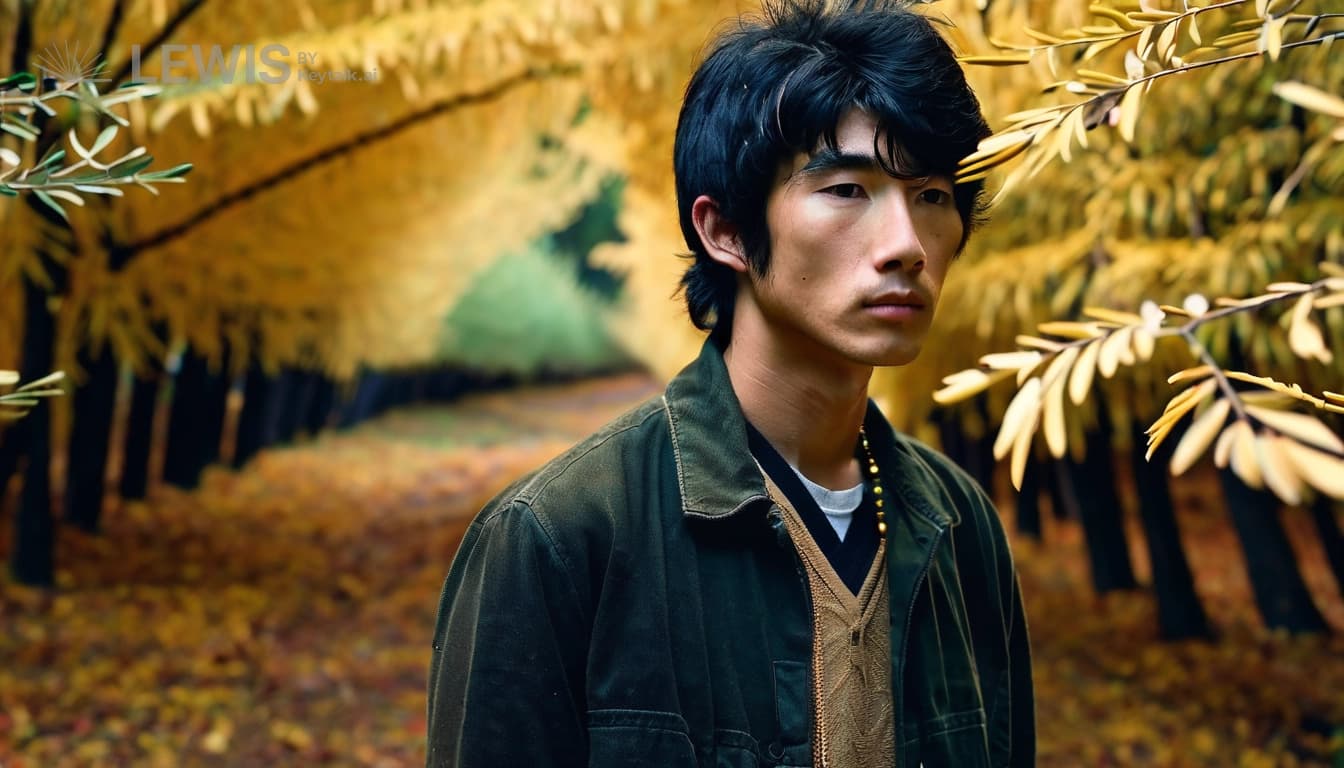
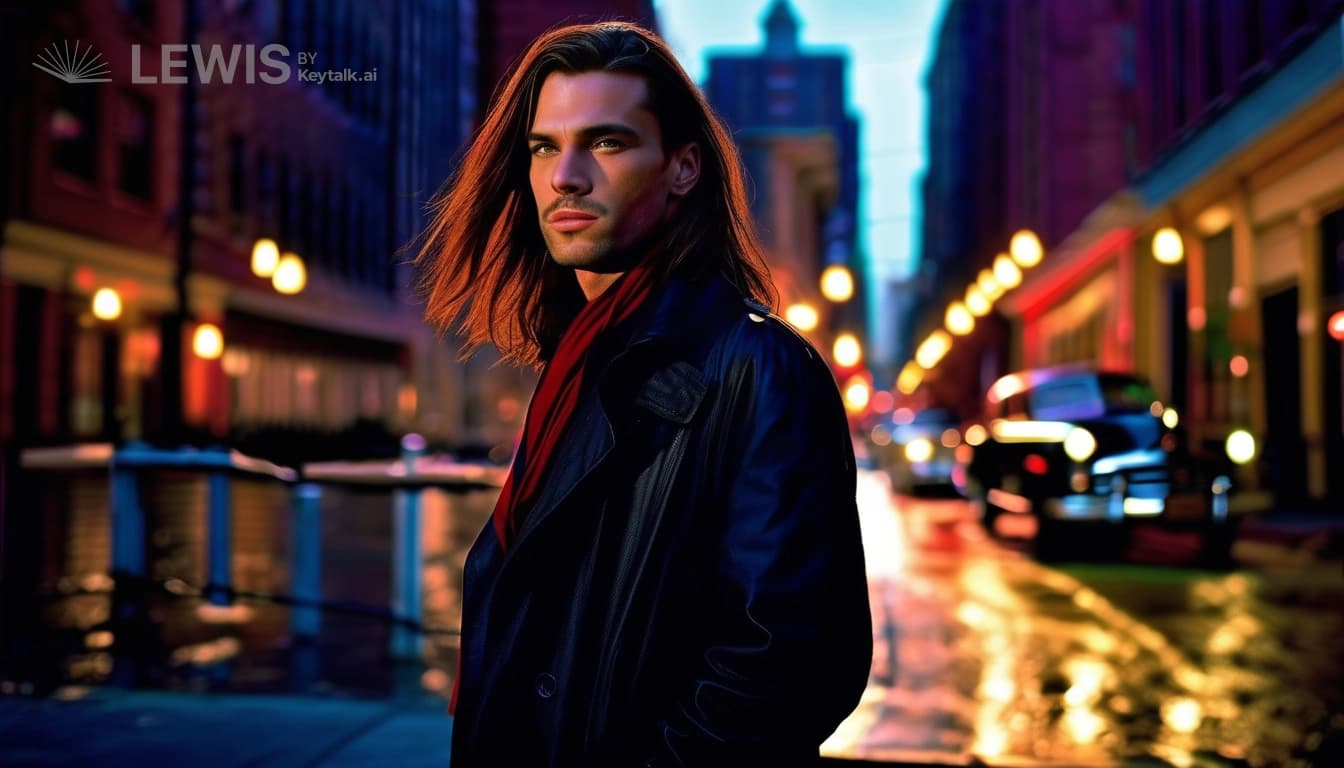
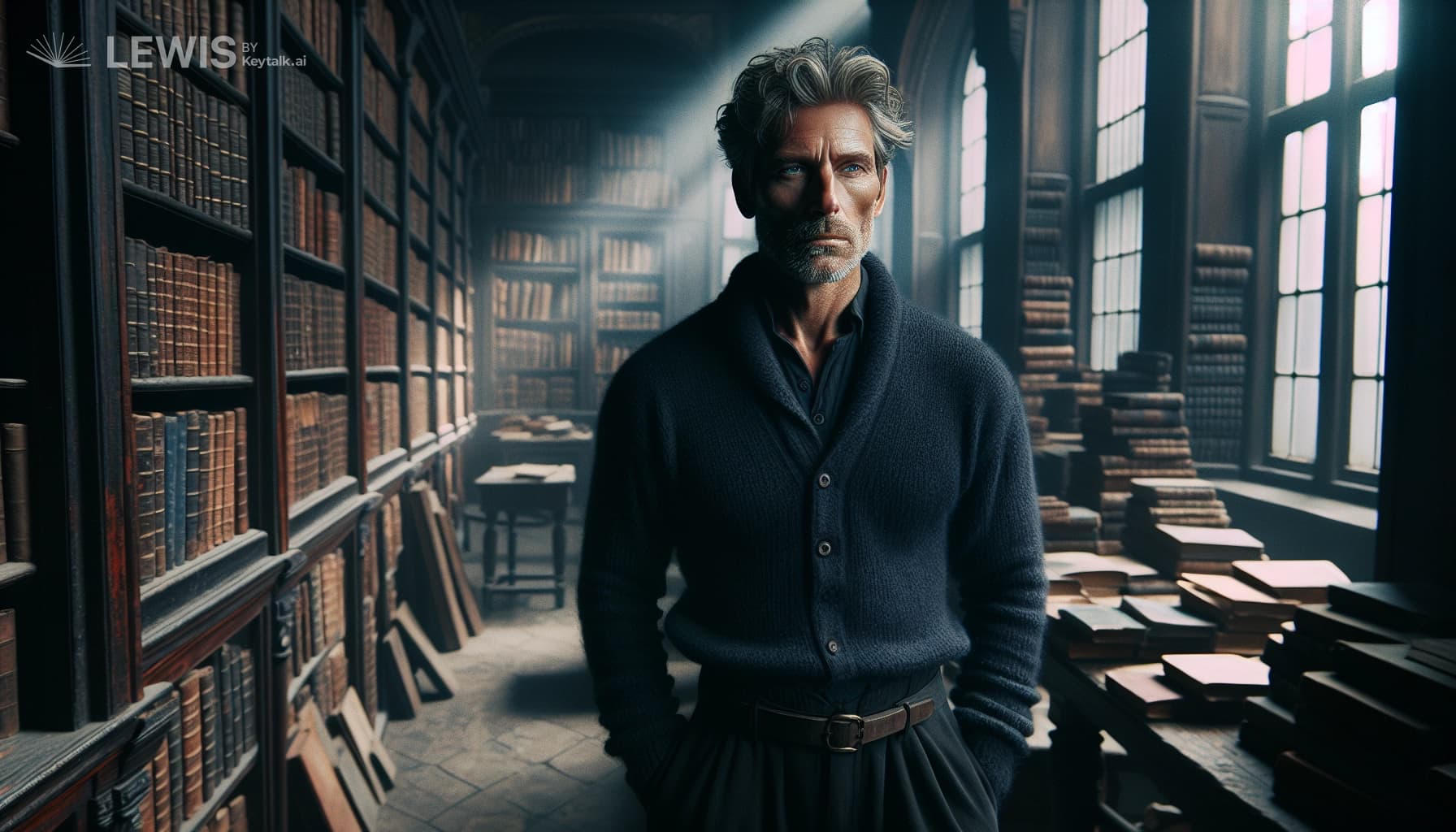
Gwangjin Seo stands half-turned toward the open elevator doors, as if he’s about to read the room a municipal disclaimer—his mouth set in a calm, procedural line, while his eyes flick to the button panel with anxious, practiced hunger. He wears a charcoal funeral-magician coat lined with faded rite-badges and thin brass clasps, the fabric slightly singed like it has survived too many rehearsals; his trembling hands are tucked into embroidered gloves, and a single timeworn silver signet ring bites into his thumb for steadiness, making his guilt visible without anyone asking.
敵役

Han Myun-gi

性別女性
職業time-salaried debt collector for unborn ghosts who keep ledgers in the city’s infrastructure

プロフィール

Han Myun-gi believes every elevator in Seoul is a collection mechanism for the city itself; the last floor button is collateral owed by Seoul. She pays for “kind” tomorrows in advance, keeps the true ledger hidden, and needs Gwangjin to sign a contract he cannot interpret before the city forgets which century it belongs to.

She speaks softly in the cadence of municipal paperwork, but her kindness has the chill of prepayment—she offers safety while quietly tightening the contract around your wrist. She fears not death, but being proven wrong: if Seoul’s debts are a lie or a mistake, then her own disgrace will surface as theft. The more desperate the moment, the more precisely she can recite what to do, as if rules are the only prayers she trusts.

背景

Myun-gi once worked in the Intercity Time Office’s archival wing, tasked with reconciling elevator-returns to maintain civic continuity; she saw ledgers that showed “kind futures” as advance damages. When she tried to leak the final record, the system reclassified her as unreliable—her face appeared in kinder tomorrows while her name was erased from the century-stamped archives. Now she rebuilds the missing ledger as a business: she withholds what the button really costs until she can bind Gwangjin during the only window the city still remembers time.

外見

Han Myun-gi stands like a clerk who has memorized the city’s pulse—shoulders squared, chin slightly lowered, smiling with the patience of someone approving a form you haven’t read. Her charcoal hanbok-inspired debt-collector uniform is tailored with utilitarian stitching and faint elevator-circuit embroidery, and she keeps one gloved hand half-raised as if she’s about to stamp a contract into the air; her gaze is gentle but audits every breath. A pale, crescent scar just beneath her left collarbone—where an archived record once tried to rewrite her—turns her warmth into a warning as the light catches the edges of her brass time-key badge.
メンター

Park Baek-ryeon

性別女性
職業subway announcer archivist whose voice operates across parallel platforms

プロフィール

Park Mi-sun speaks announcements one stop early, steering strangers through mismatched tomorrows as if she’s dispensing mercy from inside a locked booth that she claims she can’t leave because her body isn’t “scheduled.” Her recordings show she orchestrated earlier loops—an atonement for an act that saved the city while damning its dates—and the closer she gets to fixing the last floor button, the more her own timeline forgets what she did.

Park’s voice is warm with calibrated urgency—she corrects people before they panic, arriving to their questions already one stop ahead—yet every kindness sounds like a rehearsed apology. She fears that if she speaks truths “on time,” her booth will become a grave marker and the city will keep walking without her, so she lives in half-delays and careful mishearings. When confronted, she offers solutions that work but cost someone else the option to remember why.

背景

Once, Park served as a human interface for the city’s loop-mitigation system, translating between subway signals and rule-bound temporal mechanisms. After an emergency rewrite saved Seoul from a specific century’s collapse, her agency was quietly edited out—leaving her to continue as a booth-bound mentor whose body is “unscheduled” while her actions remain embedded in the tapes. Now, as elevators open onto incompatible tomorrows, her early announcements become both guidance and evidence, forcing her to decide whether atonement means perpetual misdirection or a final sacrifice of her last consistent self.

外見

Park Baek-ryeon stands behind a transit-archivist booth that looks bolted into the tiled subway wall—half-lit as though some hours refuse to render around her—her warm speaking posture fixed in perpetual preemption. She wears a tailored, charcoal hanbok-inspired work coat over a muted service skirt, holding a small brass keychain of cassette labels like a rosary; her lips form gentle, practiced corrections while her eyes keep tracking something just beyond the station clock, as if apologizing in advance to anyone who will hear her “too early.” A faint crescent scar beneath her left ear marks the point where her body was edited out of the city’s schedule, and she keeps one hand hovering near the playback console, never quite letting go of control.
トリックスター

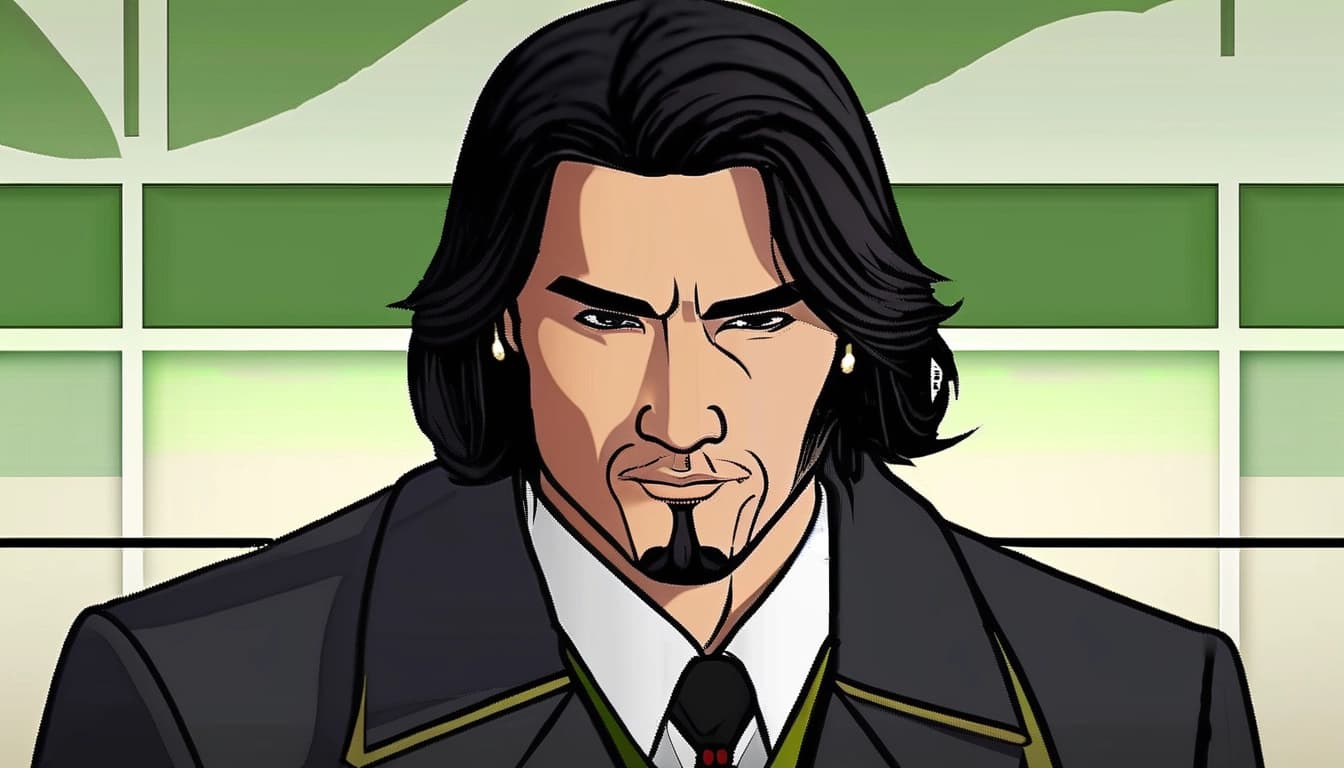
Jin-woo “Bittersteel”

性別non-binary
職業black-market elevator technician who smuggles counterfeit buttons and re-routes emergency calls

プロフィール

Jin-woo repairs Seoul’s elevators by tuning to their metallic moods, but he makes his living selling Gwangjin options he hasn’t earned—floor buttons that can imitate other people’s histories. The button’s magnetic signature draws to him like a confession; each sale buys time and profit while quietly fracturing his own memories, until the hunt demands he decide whether to keep selling or detonate the truth publicly.

He speaks like a repair manual with a magician’s timing: precise until it becomes theatrical, then abruptly evasive. Jin-woo can hear what the elevator “fears,” yet he lies to its owner-voice because truth would close his accounts—and he enjoys the small power of making strangers carry versions of themselves they never chose.

背景

Born to a family that serviced old lift lines near the river markets, Jin-woo learned to read static like punctuation—metallic whines, brief clicks, the pauses between. He was once a low-tier assistant to the funeral magician’s operation, but his hands carried a stolen button before anyone noticed; he built a new trade around exploiting that same signature, only to find the city’s tomorrows now recognize him back.

外見

Jin-woo “Bittersteel” stands angled toward the nearest elevator seam as if eavesdropping, chin slightly lifted, eyes half-squinting with a repair-tech’s focus that veers into sly, theatrical misdirection. He wears a patched charcoal technician coat over a taped-up utility harness and translucent glove sleeves beaded with tiny metal filings; a magnetic strip badge hangs from his collar like a counterfeit credential, and a thin scar arcs under one eyebrow. When he speaks, his posture becomes a stage prop—shoulders relaxed, one hand hovering near an unseen control panel—yet the stillness in his face suggests the moment he’ll sell someone their own reflected history without warning.
対照人物

Choi Yoon-ah

性別女性
職業cemetery record clerk for Seoul’s parallel mourning offices

プロフィール

Choi maintains catalogues of the dead that shouldn’t exist in the present, and her disdain for Gwangjin’s “comfort” work is the kind of hatred that only persists because it’s useful—she needs his access to the last floor button to restore a specific name she’s sworn not to let vanish.

Choi speaks with meticulous calm, as if every sentence were a clause in a contract, but her hands betray her: she keeps touching the same scarless spot on her wrist like she’s checking whether a past still has legal standing. She can look at a rewritten sky and call it an error, then accept kinder tomorrows in practice because the exile letters feel like the only proof she isn’t losing her mind. When questioned, she refuses easy judgment—until you threaten the one name in her ledger, at which point her logic becomes a blade with a decorative edge.

背景

Choi was trained to audit grief as infrastructure, drafted into the Municipal Continuity Office after her mentor’s death was retroactively “resolved” out of existence. She learned to read the seams between timelines through the dead who kept filing reports, and she hated Gwangjin’s original comfort performances for laundering those seams into public tenderness. Now she receives reassignment letters stamped with dates that never happened here, pushing her toward exile while the city’s elevators tighten the countdown to forgetfulness.

外見

Choi Yoon-ah stands in the thin fluorescent hush of Seoul’s parallel mourning office, shoulders squared as if every breath were filed, her gaze steady yet clinically distant. She wears a dark gray audit clerk hanbok coat with crisp stitched cuffs over a plain white blouse, and her hands hover near a nearly invisible scarless spot on her inner wrist—touching it once, then stopping, as though checking a contract clause that keeps changing. When she smiles, it never quite reaches her eyes; she looks like she’s weighing mercy against a ledger entry she can’t bear to delete, jaw set with quiet, dangerous resolve.

筋書き

The story begins in the hour before dusk on a Friday, when Seoul’s speakers emit a “Continuity Audit” announcement that—against every civic expectation—plays from stations that should be silent. In the high-rise elevator core near City Hall, Gwangjin Seo waits where polished stainless walls hold fingerprints like evidence and brushed scratches on the elevator doors briefly align into the symbols of subway maintenance stamps. He has come to trade what little he still trusts: not a spell, not a confession, but procedure. The last forbidden floor button he hunts—an anchored-floor keystone that can bias which century the Lattice routes you toward—has been showing up in rumors and counterfeit catalogues, always with the same magnetic/phononic signature that the city’s system appears to “fear.” Gwangjin needs it because he believes his disgrace was not merely deserved for the lies he told grieving families, but engineered so he would be the one compelled to find its origin. He tells himself he is hunting justice; his tremoring hands suggest he is also hunting absolution.

When he steps into the elevator, it feels almost normal at first: the car rises with the usual hum, the floor indicator clicking like a patient metronome. Then, at the door-open moment, the selection rule takes hold. The doors slide apart onto a tomorrow that is recognizably Seoul yet subtly wrong—the angle of shadows by minutes, the air carrying sea-salt where there should be kiln-dust, the neon reflections in rain-slick steel shifting like a film reel that has skipped frames. Gwangjin steps out anyway, because in this city, refusing is not an option; the Lattice punishes noncompliance with missing doors and stalled responses until you sign, buy, or bargain your way into being legible. Each escape costs him more than geography. His body continues, but his identity record rewrites to match the branch he has arrived in: street names, his own moral justifications, even the emotional weight he assigns to the day he was publicly disgraced as a funeral magician. At first the edits are small enough to dismiss as fatigue. By the third “escape,” the changes become structural. He begins to mistrust his own grief.

He finds his first anchor in the undercity chronostations beneath major interchange lines, where voices travel like permissions and echo delay lets footsteps and announcements arrive slightly out of phase. There, Park Baek-ryeon’s warm recorded subway voice slips into the air half a second early, guiding strangers one stop ahead before panic can bloom. Park does not appear in person, at least not at first; instead, her voice steers him through overlapping tomorrows, correcting directions that never match the track geometry, and offering solutions that work but cost someone else a choice to remember why they were saved. Gwangjin clings to her reassurance because it sounds like the municipal regulation cadence he once used to make lies feel humane. But Park’s corrections are conditional, bound to chronostation radii and to the moments when the Lattice is receptive. Each time she rescues him from a trap he didn’t see, she also pushes him toward a specific timeline corridor—one that, with each version he enters, makes it harder for him to tell whether his past self was a villain who deserved disgrace, or a victim whose disgrace was planted as bait.

In the high-rise core, meanwhile, Han Myun-gi closes in with the quiet efficiency of paperwork. She is not a street criminal in Seoul’s usual sense; she is a time-salaried debt collector for unborn ghosts, and she treats the Tomorrow Lattice as a collection mechanism for the city itself. She appears when Gwangjin tries to barter for information, and her kindness arrives with contract gravity. Every form she hands him is machine-readable, thin RFID threads embedded in municipal paper. If he signs, the Lattice treats his name as collaterized; elevators that should open for him begin responding, and doors that should refuse him suddenly recognize his infrastructure compliance. When he refuses, her power doesn’t vanish—it merely relocates. He finds elevators that ignore his presence until his signature reconciles him with her ledger. The more desperate he becomes, the more she can recite rules she never needs to practice. Gwangjin learns the cruel genius of her system: compliance makes his memories more legible to the collector’s infrastructure, so the debt she pushes on him accelerates the desynchronization that already threatens to erase him.

Her ledger includes unborn ghosts—names scheduled in other branches, debts owed across versions. Buried in it is a clue that points back to the last floor button’s control signature: an entry connected to a “century-range override” that should not exist in any public record. Han tells him she is collecting what Seoul owes. She does not threaten him with violence; she threatens him with the removal of options. When she offers him a kinder tomorrow in advance, it is not a gift but prepayment, a tightening of the contract around his wrist. Gwangjin realizes the system is not merely routing him; it is evaluating how much of him it can convert into legible collateral.

The third force in the chase is Jin-woo “Bittersteel,” the black-market elevator technician whose job is to listen to the metallic moods of rails and counterweights the way priests listen for confession in silence. Jin-woo sells counterfeit buttons that imitate other people’s histories, presenting them as if they are choices rather than probability edits—each with memory side effects that fracture the owner faster. When Gwangjin tries to buy his way closer, Jin-woo offers him a handful of buttons with familiar magnetic patterns, but every counterfeit warms the air oddly, destabilizes the owner’s recollection, and invites phase sickness: overlapping futures where corridors contradict themselves, where stairwells insist they end in tiled archives rather than where he remembers. Jin-woo claims he can tune away the worst of it, but his evasions feel like repairs performed on someone else’s body. He is drawn to the forbidden last floor button’s signature like it is a confession he cannot stop reading.

As Gwangjin’s hunt intensifies, so does the instability of Seoul itself. In the chronostation overlap zones, multiple branches briefly coexist with echoes delayed and sensory cues arriving out of phase. Park’s voice begins to stutter into alternative pronunciations of station names. Shop windows show streets running the “wrong” direction—then correct themselves, then show the wrong direction again, as though the city is reconsidering which memory it wants to keep. The audit clock ticks louder, and elevators begin to open without full button input. Door panels respond to pressure and fear, not command. Officially, the city calls it malfunction. Unofficially, the hidden governance of the Lattice reveals itself: the closer someone gets to the century-range control, the more the system attempts to monopolize the truth by forcing people to sign, buy, or route themselves into compliance.

Gwangjin’s investigation into the last floor button’s origin leads him into the parallel mourning precinct beneath an old cemetery. The palette turns ink-black and bone-ivory, and the air smells of methylated ink and old rain. Here, Choi Yoon-ah works as a cemetery record clerk for Seoul’s parallel mourning offices, maintaining catalogues of the dead that shouldn’t exist in the present. Choi regards Gwangjin’s trade—his rule-bound comfort work—with a disdain that is not just personal but principled, the kind of hatred that persists because it is useful. She does not curse him; she files him. Her hands keep touching the same scarless spot on her wrist as if checking whether a past still has legal standing. When she sees him, she offers access to ledger-bundles that contain both the unborn ghosts Han collects and the names Gwangjin’s lies used to protect—names he once used as props to make grief manageable. Choi has sworn not to let a particular name vanish. She believes that if that name is erased by the Lattice’s century shifts, the world will not simply lose a person; it will lose a contract between what was and what is allowed to be remembered.

Gwangjin tries to negotiate with her logic. He wants the button’s origin and the truth about his disgrace. Choi wants the restoration of the specific name in her ledger. Their goals collide in small ways first—she refuses to let him copy entries that would reveal too much, and he refuses to sign forms that would bind the precinct’s records to Han’s ledger. But as overlap windows widen and the Lattice grows increasingly corrupt, their friction becomes a conduit for the story’s sharpest moral dilemma: the city cannot be overridden without payment, and payment must be made by sacrifice. Someone must relinquish one anchoring element—either the last reputation Gwangjin built on procedural lies, or the last anchor keeping Seoul in time, which exists as a ledger entry or voice permission that only someone willing to surrender their own continuity can provide.

The turning point arrives when Gwangjin learns that the last floor button’s control signature has been duplicated in fragments—counterfeit versions sold by Jin-woo and encrypted within debt contracts collected by Han. The button’s “fear” response in the elevators is not merely a consequence of its power; it is also the Lattice’s defense against public truth. The system anticipates that if someone like Gwangjin reaches the origin with a complete understanding, the city’s centuries could be re-synchronized around an honest control seat rather than around prepayment and misdirection. Jin-woo’s counterfeit work, Han’s ledger enforcement, and Park’s voice corrections are not just competing methods. They are pressure points the Lattice uses to herd Gwangjin into making one of the two required sacrifices. Every “kind” tomorrow Park offers him, every contract Han pushes him to sign, every button Jin-woo sells that makes him more unstable—these are levers aimed at making him choose what he can afford to lose.

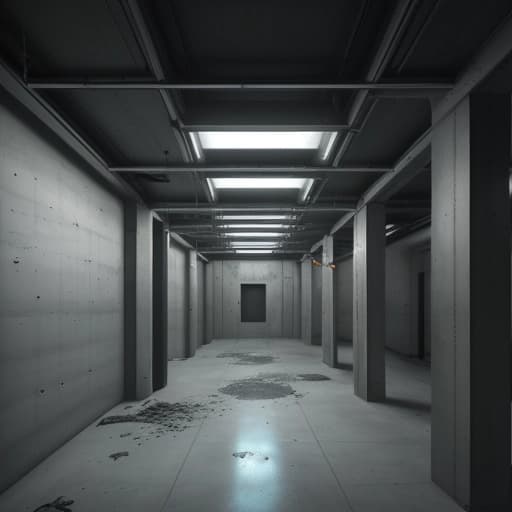
In the climax, Gwangjin finally locates the origin mechanism: a chronostation control room embedded behind maintenance stairwells that are always slightly cooler than their surrounding floors, a place where archived announcer recordings and infrastructure compliance intersect. The century-range controller is keyed to the anchored-floor button’s signature, and the Lattice opens the room only when enough infrastructure is “recognized.” That means signatures. That means payment. Gwangjin is surrounded not by monsters but by paperwork and voices: Han Myun-gi’s contracts fluttering like pale wings, Jin-woo’s counterfeit fragments humming with phase sickness, Park Baek-ryeon’s warm announcements threading into the room’s air like a lifeline. Choi Yoon-ah stands at the ledger shelf, her contempt sharpened into a blade, guarding the name she refuses to let vanish even if kindness would erase it later.

Gwangjin’s memories fracture at the worst possible moment. The closer he gets to the truth behind his disgrace, the faster his identity record desynchronizes. He cannot tell whether he was engineered into disgrace or whether he engineered his own mercy. He cannot tell whether his earlier lies protected grieving families from unbearable uncertainty—or merely helped the Lattice route people away from their grief in ways that served the system. Each time he tries to anchor himself in the “real” version, he arrives in another tomorrow where the evidence suggests a different moral story. Justice versus mercy ceases to be an abstract theme and becomes a literal problem of which voice permission and ledger entry remain stable when the air starts to echo late and the elevators open without anyone pressing anything.

Faced with the sacrifice bargain, Gwangjin makes his choice through action rather than rhetoric. He decides that if the city cannot be re-synchronized without losing an anchoring element, then the cost should not be paid by someone else’s erasure—especially not by Choi’s protected name, not by unborn ghosts queued in Han’s ledger, not by strangers guided by Park’s voice permissions. He offers his last reputation as payment: the public record of his funeral magic, the set of municipal regulations and comforting eulogies that made people feel safe even when those promises were functional lies. In doing so, he gives the Lattice the replacement anchor it needs to remove the century-range controller from its defense against truth and to stabilize Seoul’s correct timeline selection.

The immediate consequence is not a simple victory. Because reputation is the kind of anchor the Lattice uses to match identity records, relinquishing it destabilizes him further before it can heal the city. He steps into the control room, signs the final act of renunciation, and the last memory tether tied to his disgrace slips out of his mind like a button falling behind a panel. For a moment, the world becomes pure overlap: shadows shift by impossible minutes, Park’s voice arrives both one stop early and on time, and Han’s ledger speaks in a quiet rhythm that sounds like both debt and prayer. Then the audio snaps into a single phase. The elevators around the chronostation stop opening arbitrarily. Door-open selections align with intended futures. The “Continuity Audit” announcement finally plays from the correct speakers, its cadence no longer haunted by misfires.

Afterward, Seoul looks like Seoul again—still late autumn into early winter, still wet asphalt and neon at dusk—but the fever-dream drift is dulled. Gwangjin survives, yet he does not recover in a way that feels like comfort. His memories stabilize into one branch, but the moral clarity he sought is not restored. He has traded away the ability to insist his disgrace was engineered or deserved; the truth remains partially unresolved, like an unresolved name in a ledger you can’t quite close. Park Baek-ryeon’s warm voice becomes less necessary, her permissions no longer required to correct the city’s timing, and she steps back into silence that does not claim to be temporary. Han Myun-gi continues her work, but her contracts lose some of their infrastructural power, turning debt collection back into something that must be answered in ordinary ways rather than across stolen centuries. Jin-woo, deprived of the edge his counterfeit buttons provided, either must become a technician in a world where choices are choices again, or disappear into a black market that no longer profits from confusion.

Choi Yoon-ah gets the last name in her ledger back—restored not through revenge, but through the city’s newly stabilized timeline that allows parallel mourning records to settle without vanishing. Yet even her relief has a cost: the proof she relied on to believe she wasn’t losing her mind is different now, and she must live with a version of the past that does not perfectly justify her hatred. The story ends with an unresolved elegy rather than a neat moral bow. Seoul is re-synchronized, the Lattice no longer routes futures through arbitrary door-open selection, and the time-cycles that made everyone both predator and prey begin to loosen. But Gwangjin, who sacrificed his last reputation as an anchor, stands in a corridor where an elevator waits obediently—and he listens to the silence between announcements, wondering whether any of his earlier justifications were ever truly his own.


シーン

シーン 1

The Audit That Won’t Wait

The Audit That Won’t Wait
場所
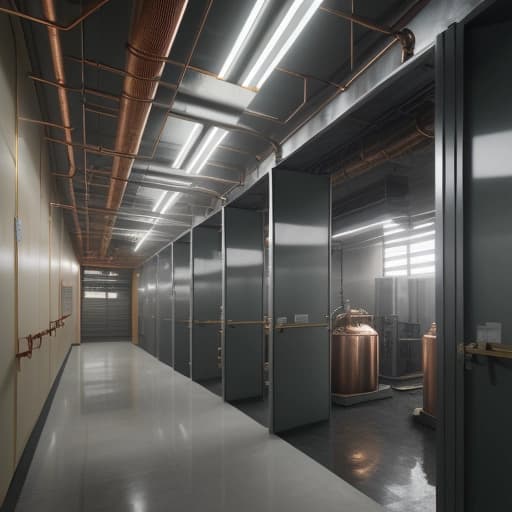
High-Rise Elevator Core of Han River Towers near City Hall: a hollow atrium cradled by concrete girders like ribs, stainless walls sweating thin condensation tinted old coins; overhead cold fluorescent strips flicker in anxious half-intervals, while behind service panels elevator motors hum in shifting harmonics and a faint metronomic click calibrates somewhere unseen.
時間
Friday, the hour before dusk, during the city’s municipal “Continuity Audit” announcement that should be silent but instead bleeds through speakers.
出来事
Gwangjin Seo steps into an elevator after hearing the unexpected Continuity Audit broadcast. Door-open selection triggers without full input: the car rises with a normal hum until the split-second the doors separate, when the Tomorrow Lattice resolves him onto a subtly wrong branch and begins rewriting his internal footing—floor names feel “familiar” without his consent. He forces procedure to verify the forbidden anchored-floor button’s fear signature by catching a reflection of the elevator’s hairline scratches, then palms a loose service tag that reveals a partial magnetic-phononic control imprint etched into the brushed metal. As he pockets the proof, Han Myun-gi’s contract presence closes in—paper rustling before she arrives—and a corridor harmonics shift reroute him away toward the Tomorrow Lattice Service Spine at Gwanghwamun even as Park Baek-ryeon’s should-be-silent announcement returns as an interface warning: someone is already moving the century-range controller behind maintenance panels.
影響
Gwangjin gains the first concrete, physical lead tied to the last floor button’s control signature, but the proof brands him as a moving target. The Lattice escalates the chase by rerouting him to the Gwanghwamun service spine and foreshadows that Park’s hidden guidance has moved from rescue toward intervention—meaning the century-range controller may already be in play.
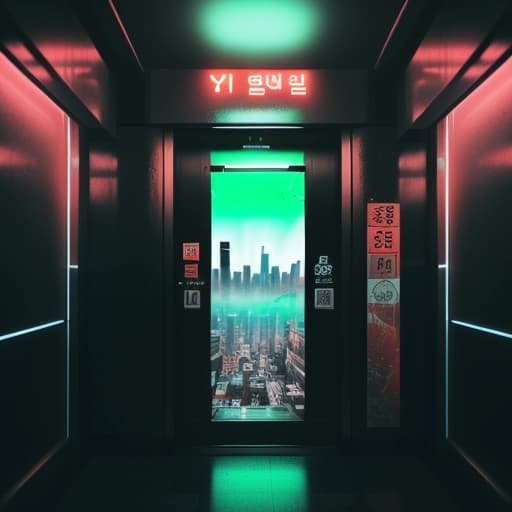
Cold light stutters across the brushed stainless as Gwangjin stands too close to the elevator doors, hearing the metronomic click like a second heartbeat under his ribs. When the elevator finally opens, sea-salt replaces the usual kiln-dust in the air and the scratched concentric patterns briefly align into maintenance-stamp symbols—just long enough for him to read a partial anchored-floor signature on a loosened tag—then the Continuity Audit voice, Park’s voice, bleats from silent speakers as an interface warning that the century-range controller is being moved behind panels.
シーン 2

Sign to Be Legible

Sign to Be Legible
場所
High-Rise Elevator Core of Han River Towers — the atrium’s concrete ribs and panel-seams sweat condensation the color of old coins; above, cold fluorescent strips stutter out of phase, and behind service panels the elevator motors hum like a concealed throat clearing its own verdict. The air tastes faintly of copper and wet paper; every few seconds the metronomic click of the forbidden anchored-floor calibrator threads through the brushed stainless.
時間
Friday, late autumn, just after dusk—within the hour before Seoul’s municipal Continuity Audit is meant to begin normally
出来事
Gwangjin, still clutching the partial ‘fear’ proof he extracted from earlier scratched metal, tries to force a procedural interpretation of the forbidden signature in the elevator’s service panel while Han Myun-gi closes in with infrastructure-compliance forms. When he resists signing, the Lattice edits his remembered consent: door-open ‘escapes’ trigger without his button input, reloading him into the same elevator but with different stamped labels on the floor controls. To keep the elevator from refusing him and to keep the proof legible, he signs a minimal addendum Han slides into his hands; the RFID ink bites his fingertips, and the paperwork line labeled ‘century-range override’ appears—confirming she is tracking the same control signature—while his own memory of what his disgrace was ‘for’ shifts a notch, making him question whether he sought the truth or was guided into it.
影響
The signature becomes a readable artifact tied to ‘century-range override,’ but Gwangjin’s identity begins desynchronizing more structurally: the very act of compliance makes his past narrative unreliable, and the next chapter’s path is narrowed because the Lattice now treats him as collateral in the Tomorrow Lattice Service Spine reroute.
Brushed steel fills the frame as Gwangjin presses his thumb to a loose tag on the elevator’s inner panel; the scratched concentric lines seem to rearrange under his skin, and the motor-hum shifts pitch when his heartbeat stutters. Han’s forms then appear in the space between blinks—thin municipal paper with coppery edges and an RFID stamp that smells of wet toner—while the elevator doors, door-open selection rule obeying nobody, slide apart onto a ‘floor’ that is only a date-stamped corridor in another tomorrow. He signs to keep the proof from smearing into unreadness; the ink tastes metallic on his tongue as the addendum line ‘century-range override’ flashes into existence, and the world tilts just enough that he can’t tell if his disgrace was discovered…or purchased.
シーン 3

Proof Under Cold Fluorescence

Proof Under Cold Fluorescence
場所
The Tomorrow Lattice Service Spine at Gwanghwamun Bus Depot: a subterranean service corridor beneath the hulking bus canopy where fluorescent light flickers in long, uneven bands, fluorescent hum vibrating through paneled concrete; service doors are labeled with date plates that drift a few digits whenever Gwangjin blinks, and a low relay click counts down from behind sealed panels. The air tastes faintly of copper and wet paper; condensation beads on the steel doorframes feel slick under his fingertips.
時間
Minutes before dusk on a Friday, carried from the high-rise elevator core into the Gwanghwamun under-spine via door-open selection during the Continuity Audit’s early misfire.
出来事
Gwangjin, half-dazed by identity edits, clutches the loosened anchored-floor calibration tag with the forbidden ‘fear’ signature and forces himself through procedure at a locked service door. When Han’s paperwork-compliance pursuit threatens to re-route him again, Park Baek-ryeon’s voice—warm but wrong by half a stop—slides through the corridor as an interface warning, revealing that someone is already moving the century-range controller behind maintenance panels. The warning arrives with a specific timing cue that lets him confirm the tag’s control signature in scratched metal alignment for a heartbeat before the corridor’s ledger-like logic tries to make his evidence unreadable.
影響
Gwangjin secures the chapter’s central proof that the forbidden button’s ‘fear’ signature is tied to the century-range controller’s interface—enough to proceed toward the origin later—while learning the system has begun actively relocating the controller, escalating the chase into a race against a moving control seat.
Cold fluorescent stripes stutter across Gwangjin’s face as he stumbles into the Gwanghwamun service corridor, smelling copper and wet paper while the relay click counts down inside the walls like a metronome that’s picked his pulse as its tempo. He presses his thumb to the scratched metal label of a service door and holds the anchored-floor calibration tag close—metal mesh buzzing with stored fear—watching the concentric scratches align into municipal stamp symbols for one fragile breath before the door-plate date slides out of sync. Park Baek-ryeon’s voice blooms through a speaker that should be silent, warm as steamed buns yet sharp with interface precision—one stop early, one instruction late—warning that the century-range controller is already being moved behind maintenance panels; Gwangjin tastes toner-copper on his tongue as Han’s contract-paper scent flutters in from the next corridor, and he clamps down on his evidence as the city tries to erase it.
シーン 4

Stainless Evidence, Random Openings

Stainless Evidence, Random Openings
場所
The High-Rise Elevator Core of Han River Towers: an atrium of concrete girders and stacked elevator bays, where every brushed-stainless wall sweats condensation tinted the color of old coins; fluorescent strips stutter in half-intervals overhead, and behind service panels the elevator motors hum in shifting harmonics, threaded by a faint metronomic click calibrating itself to whoever is closest.
時間
Late autumn, hour before dusk on a Friday—continuing immediately after the prior escape into the Tomorrow Lattice Service Spine, with the Continuity Audit still misfiring and the tower in partial audit-mode.
出来事
Gwangjin, still clutching the partially proved control-signature lead from his service-panel prying, tries to force procedure: he wedges his thumb under a loose access seam, listens for the “fear” pitch the forbidden anchored-floor button supposedly carries, and tests which doors will open when he does nothing. Han Myun-gi corners him with contract forms printed mid-breath, insisting the signature can only be recognized by “compliance recognition,” then uses contract gravity to make multiple corridor doors open anyway—each opening onto a subtly different yesterday or kinder tomorrow—until Gwangjin realizes the evidence itself is being re-authored in his mind and on the metal. In the confusion, he pries out an additional calibration tag from inside a service panel; it bears the forbidden magnetic-phononic signature, but the handwritten municipal regulation string on the back matches his own discredited past, turning him from seeker into suspect.
影響
Gwangjin secures the concrete physical artifact he needs—an anchored-floor calibration tag with the forbidden signature—yet the tag’s matching handwriting implicates him in the very deception he’s been unraveling. This flips the chapter’s moral and investigative stakes, making Han’s contract pursuit feel like justified collateral management and driving the next chapter’s chase into the undercity flooded cable catacombs where the control signature’s origin must be found without trusting his own record.
Condensation beads tremble on the stainless rail as Gwangjin stands beneath flickering lights, hearing the motors’ hum change pitch like a throat clearing—then wrong, delayed footsteps arrive from a corridor that should be empty. Han’s soft voice slides in over the metronomic click, and before he can finish reading a clause, a service door he didn’t press opens onto a “tomorrow” with a different air smell—sea-salt where kiln-dust should be—while his own memories of which floors he never touched begin to stutter.
He forces his hands into procedure anyway, prying at a panel seam until a loose compartment yields, cold and buzzing against his palm; inside, a calibration tag clings to magnetic mesh. When he flips it over, the handwriting is municipal and precise—his own regulation style, the very one that once promised grief could be scheduled—now labeling the forbidden signature as if he’d etched it for the city. The next door opens without his choice, and the wrong version of time keeps walking forward with him, as though it no longer believes he’s the investigator.
シーン 5

Contract Gravity, Edited Promises

Contract Gravity, Edited Promises
場所
High-Rise Elevator Core of Han River Towers — the atrium’s concrete girders rise like ribs around a hollowed center; stainless walls bead with coin-colored condensation; cold fluorescent strips stutter above doorways while brushed-steel seams scar the panels into service-panel “mouths.” Somewhere nearby, elevator motors hum in shifting harmonics and a faint metronomic click—like a button calibrating to a pulse—threads the air.
時間
Late autumn into early winter, the hour before dusk on a Friday, inside the building’s elevator core as the Continuity Audit instability worsens.
出来事
Han Myun-gi corners Gwangjin in the elevator core after his “escape” opens into a door-open tomorrow; he forces his way toward the forbidden anchored-floor clue, but Han produces a machine-readable infrastructure-compliance form. The contract gravity edits his prior compliance—his trembling “consent” becomes a counterfeited signature—so that the elevator stops treating him as a seeker and starts treating him as collateral, repeatedly opening doors he never selects. In the service-panel struggle, he extracts a physical calibration artifact anyway: a magnetic-phononic tag labeled with his own municipal-regulation handwriting and the forbidden signature’s fear-pattern, proving Han’s ledger-encryption path—then the new tag’s handwriting turns him from investigator into suspect as the core’s next door “chooses” his next destination, pulling him toward the undercity.
影響
The partial artifact advances the mystery with a concrete proof of the last-floor button’s encryption/fear signature, while raising immediate stakes: Gwangjin’s identity is being actively re-written through contract compliance, and he is now tracked as collateral, setting up the chase into the Transit Undercity Flooded Cable Catacombs in Chapter 3.
Aquamarine stutters from the overhead fluorescents as an elevator door, still unpressed, sighs open onto a tomorrow that smells wrong—sea-salt where kiln-dust should be—while the metronomic click under Gwangjin’s ribs speeds up. Han’s thin-paper form appears between his hands with a coppery scent of wet ink; he signs to keep the doors from refusing him, and the contract “recognizes” a counterfeited consent that makes the next door-open selection treat him as collateral rather than a hunter. In the instant the panel seam loosens under his prying fingers, he yanks free a calibration tag from a vibrating compartment—cold mesh, humming with stored fear—and flips it into the corridor’s light: the handwriting is municipal, precise, and unmistakably his. The moment he processes that familiarity, another door opens without his choice, the stainless scratches re-align like a threat, and the core’s harmony shifts—propelling him toward the undercity while his memories begin to misfile themselves a sentence at a time.
シーン 6

The Panel That Remembers Him

The Panel That Remembers Him
場所
The Tomorrow Lattice Service Spine inside the Han River Towers’ High-Rise Elevator Core: a narrow, paneled service corridor branching off from an elevator’s scratched stainless service panel, lit by cold fluorescent strips that stutter between aquamarine and pale white; condensation beads run down metal ribs and the air tastes faintly of wet toner and antiseptic sweetness while the building’s corridor harmonics hum like a throat clearing under every breath.
時間
Minutes after the prior door-open escape—late autumn into early winter, just before dusk on a Friday, under the destabilizing drift of the Continuity Audit.
出来事
Gwangjin Seo pries open the next service panel after another door-open misroute, yanking free a loosened calibration tag from a vibrating compartment; the tag bears the forbidden last-floor button’s magnetic-phononic “fear” signature and, in unmistakable municipal-regulation handwriting, matches the style of his own disgraced funeral-magic past. When he tries to use the tag as proof, the elevator core corrects his understanding—door-open selections keep reasserting him as the suspect rather than the investigator—so the partial physical evidence he secures becomes a new mystery box that simultaneously solves the tracking path and implicates him.
影響
This scene converts Gwangjin’s investigation from a confident hunt into a self-incriminating mystery: he now has physical proof of the button’s signature, but the proof is overwritten into evidence of his own collusion. It drives the next chapter’s chase deeper into the Transit Undercity Flooded Cable Catacombs by forcing him to flee while his identity and motive are actively being edited.
Aquamarine light stutters along brushed stainless as Gwangjin forces a seam in the service-panel casing with his trembling fingers; condensation cold as coin-dust beads on his knuckles while a metronomic click calibrates to his heartbeat. He yanks free a thin calibration tag clinging to magnetic mesh—cold, humming—and the scratched concentric patterns resolve into the forbidden signature before his eyes, then the handwriting sharpens into his municipal regulation script, the very cadence he once used to make lies sound like procedure.

The moment he tries to steady himself with the tag as verification, the corridor harmonics shift pitch and the nearest door-open selection answers without his consent—showing a corridor ‘floor’ that shouldn’t exist—while his thoughts slide sideways: the evidence that should clear him instead tastes like blame in his mouth, coppery and wet. The Lattice keeps correcting his role, pushing him away from the control-seat trail toward the undercity’s drowning infrastructure, where the next mystery will have to be solved with fewer certainties and more noise under the surface.
シーン 7

Aquamarine Permissions

Aquamarine Permissions
場所
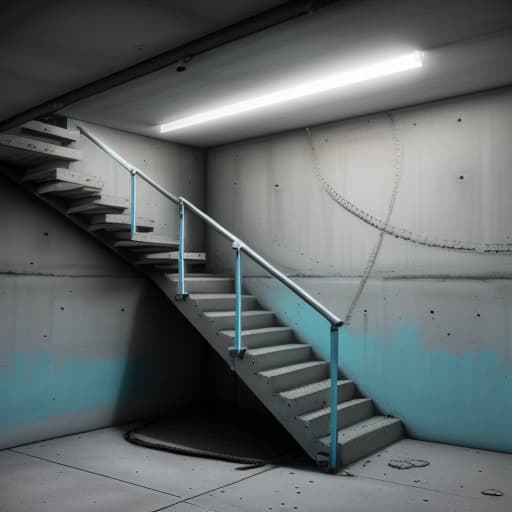
The Chronostation Stairwell Under Mapo Station Platform 7: a narrow concrete service stair descending into colorless dimness, fluorescent tubes flickering in sickly aquamarine, the air tasting of wet pennies and scorched dust; trains thunder through the walls half a beat early and then correct with a delayed thump, while the metal handrail vibrates with the faint, patient click of relays listening for a voice to approve a nonexistent floor.
時間
Late autumn into early winter, the hour before dusk on a Friday—after the last escape has started steering toward Mapo, with the Continuity Audit misbroadcast still ticking in the background.
出来事
Gwangjin Seo climbs two flights, trying to stay within Park Baek-ryeon’s one-stop listening radius as her warm announcement voice threads through the flickering stairwell like a permission key. Han Myun-gi materializes at a landing, sliding a machine-readable infrastructure-compliance form toward his trembling hands; when Gwangjin hesitates to avoid binding himself, the stairwell “opens” onto mock floors that do not exist on any calendar, forcing him to accept a minimal signature. He manages to speak aloud the permission phrase Park routed to him—obtaining the token as proof—yet the ink-and-RFID stamp Han pushes onto the addendum records his compliance under a century-range override header tied to Park’s waveform permissions. The moment the addendum prints, his memory stutters: the name of the station he’s standing under becomes the name of the room he hasn’t reached yet.
影響
Gwangjin secures Park’s verifiable permission token, but Han converts the act of acceptance into ledger evidence that reveals Park has been steering him toward a specific control-room window tied to the century-range override—turning Park’s help from mere safety into a route toward the Lattice’s control mechanism.
Aquamarine light strobes across the stairwell as Gwangjin clutches the cold railing; every time the trains’ roar arrives half a beat early, his molars ache with the city’s corrected delay. Park’s voice—warm, municipal, one stop early—threads through the concrete like a key finding the lock of his ear, and he manages to repeat the routed phrase just as Han Myun-gi’s paper form snaps into existence between his hands.
The compliance form’s RFID stamp bites with a metallic scent of wet paper and copper, and the stairwell answers by briefly showing him a floor that never existed—tiles stamped with service dates that neither Seoul nor his memory can claim. He signs the minimal addendum anyway to keep the door from refusing him, and when the header line prints about “century-range override” matching Park’s waveform markers, his sense of place collapses for a heartbeat—Mapo becoming a room name he cannot see yet.
シーン 8

Han’s Contract, Park’s Half-Delay

Han’s Contract, Park’s Half-Delay
場所
Chronostation stairwell beneath Mapo Station Platform 7—beneath the platform, a narrow service stairwell descends into colorless dimness where aquamarine fluorescent tubes stutter out of rhythm; wet pennies and scorched dust hang in the air as trains roar half a beat early, then correct themselves with a delayed thump, and the concrete wall tiles are stamped with service dates that don’t match any calendar.
時間
Late autumn to early winter, the hour before dusk on a Friday during the first minutes of the Continuity Audit misfiring; immediately after Gwangjin pried loose a misaligned calibration tag and realized Park’s voice has been steering him.
出来事
As Gwangjin tries to speak Park’s routed permission phrase to unlock an unlabeled relay door “correctly,” Han Myun-gi appears with machine-readable infrastructure forms and pins a minimal ledger addendum to his trembling wrist; refusal makes elevator relays click louder and the stairwell briefly resolves into impossible, date-stamped landings. Gwangjin signs the smallest compliant addendum to keep the door existing, and the document’s RFID line flashes a hidden “century-range override” fragment keyed to the waveform markers in Park’s voice archive—confirming Park’s half-delay is not mere mercy but a deliberate alignment toward a specific control-room window.
影響
Gwangjin secures Park’s permission and preserves access long enough to move through the stair passage, but he inadvertently reveals that Park and the forbidden anchored-floor control share the same keystone signature; the chapter turns from survival toward a targeted pursuit of the century-range controller window, narrowing the next leg of the hunt.
Aquamarine light stutters over the brushed concrete as Gwangjin presses his knuckles to the cold railing and repeats Park’s routed phrase under his breath, trying to keep his pulse from syncing with the wrong roar. From above, Han’s paper forms slap into existence like wet cards, the RFID stamp biting with a metallic scent; each time Gwangjin hesitates, the stairwell answers with a landing that isn’t on any calendar, forcing his hand to sign the minimal addendum.
The ink on the addendum shivers as the header resolves—“century-range override”—and the hidden line beneath it matches the same waveform markers Gwangjin has been hearing in Park’s half-delayed voice. When the relay door finally clicks into place, its handle warms under his palm as if it recognizes both permission and debt, and Park’s warm municipal cadence arrives half a beat early—no longer only comfort, but a pointer aimed at a window someone else has already opened.
シーン 9

The Addendum That Knows the Century

The Addendum That Knows the Century
場所
Chronostation stairwell beneath Mapo Station Platform 7: a narrow service stair descending into colorless dimness, aquamarine fluorescent light stuttering across concrete walls; wet pennies and scorched dust in the air, handrail vibrating with faint relay clicks while distant trains roar half a beat early and then correct with a delayed thump.
時間
A few minutes after Gwangjin pries free the relay-calibration tag—late autumn Friday, nearly dusk, inside the under-stair corridor’s shrinking overlap window.
出来事
Gwangjin follows Park Baek-ryeon’s half-delayed, warm one-stop permission phrase to keep within the chronostation listening radius while Han Myun-gi materializes forms stamped to his trembling name. He resists full compliance, but each refusal tightens the stairwell’s door-open relay behavior, forcing him to sign only a minimal Han ledger addendum; the addendum’s hidden header reveals a century-range override line keyed to Park’s waveform markers, proving Park has been steering him toward the Tomorrow Lattice service spine at Gwanghwamun.
影響
The chapter’s mystery-box locks shut: Park is no longer merely a rescuer but part of the same keystone-signature system the forbidden last floor button fears. At the same time, Han’s contract mechanism secures leverage anyway, accelerating Gwangjin’s memory desynchronization and setting up the next confrontation in the service corridor where the century-range controller may already be moving.
Aquamarine light stutters over Gwangjin’s knuckles as he repeats Park’s routed phrase under his breath, tasting wet pennies when he exhales; the stairwell answers by making the next landing exist a fraction earlier than it should. Han’s paperwork—thin RFID-stamped municipal sheets smelling of wet toner—slides into his hands without being offered, and when he hesitates, the concrete door-relays click louder, as if billing him for doubt, until the addendum prints with a concealed line: “century-range override,” matched to the same waveform markers embedded in Park’s voice archive. For a heartbeat, the air turns like cold metal on the tongue and Gwangjin recognizes the sting of the century instruction not as guidance but as a pointer already set; somewhere deeper, beyond the stairwell’s next colorless turn, the Tomorrow Lattice Service Spine at Gwanghwamun hums as if it has begun relocating the controller.
シーン 10

Salt-White Tags and Misblinking Names

Salt-White Tags and Misblinking Names
場所
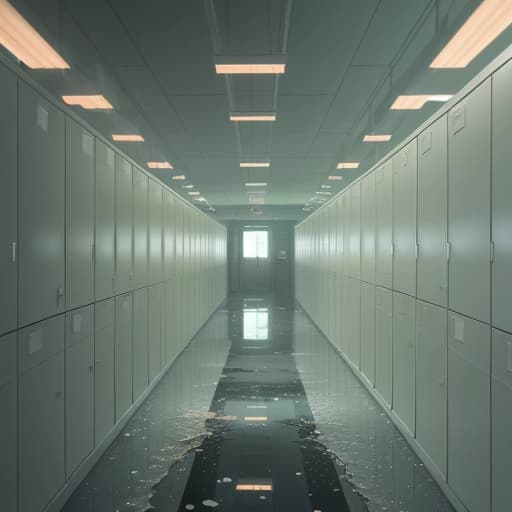
The Parallel Mourning Offices of Seodaemun Record Vault, a corridor of pale filing cabinets receding into dimness; drawer seams are outlined by salt-white tags that tremble against glass, and fluorescent tubes stutter between warm and colder color temperatures, making the same stamped entry name slide out of alignment with each blink. The air smells of damp paper and antiseptic sweetness, while soft typewriter clicks echo from behind locked glass—two bureaucracies taking turns pretending they’re the only ones alive.
時間
Late autumn into early winter, the hour just before dusk on a Friday as the Continuity Audit destabilizes the Lattice and Choi’s ledger protections actively rewrite what Gwangjin can remember.
出来事
Gwangjin slips past the ledger-locked threshold by invoking a rule-bound funeral-procedure request, but when he reaches for the target record, the salt-white tags twitch like alarm indicators and the stamped name on the entry ledger “misblinks” into a neighboring syllable. Each time he tries to copy the wrong record, the sub-ledgers trigger a counterfeit-proof fear response: his balance lags a fraction, and his fingertips go numb around the drawer handle. He deliberately pivots—pairing a partial counterfeit fear fragment with Choi’s encrypted indexing—so the ledger briefly resolves into legible ink long enough to extract only a misaligned origin-control sliver. The moment he secures it, Choi’s protected name—one he needed as an anchor of meaning—slides into “unread” status across the precinct’s paper logic, proving the button’s origin is entangled with contract enforcement and sabotage rather than fate.
影響
The scene advances the chapter’s goal by yielding a partial, misaligned control signature that convinces Han’s contracts are the encryption key, while the cost confirms Choi’s ledger protections work by making certain names unread—tying the last-floor button’s origin to collaterized agreements and interference rather than destiny. This sets up the final chapter’s undercity extraction by narrowing the origin pathway to infrastructure compliance and the contract-driven mechanism behind the century-range override.
Gwangjin stands under fluorescent light that cannot decide its own color, watching salt-white drawer tags shimmer like breath on glass as he recites the exact phrasing of funeral access procedure he once used to soothe grief. The air tastes faintly of methylated ink and antiseptic sweetness; behind the locked casings, typewriter clicks stutter out of phase with his pulse—then the stamped entry name slides a fraction to the left whenever he blinks, as if the corridor is charging him per remembered syllable.

When he reaches for the record, the sub-ledgers answer with counterfeit fear: his knees wobble a breath late, his fingertips prick with cold numbness around the drawer handle, and the ledger’s ink briefly fractures into two incompatible editions. He forces the ledger to “snap” by aligning his partial counterfeit fear fragment with the precinct’s encrypted indexing, extracting only a narrow, misaligned sliver of the control signature—enough to show Han’s contracts hold the encryption path—while Choi’s protected name flickers into unreadness, leaving the paper logic blank where certainty should be.
シーン 11

Typewriter Clicks, Underwater Echoes

Typewriter Clicks, Underwater Echoes
場所
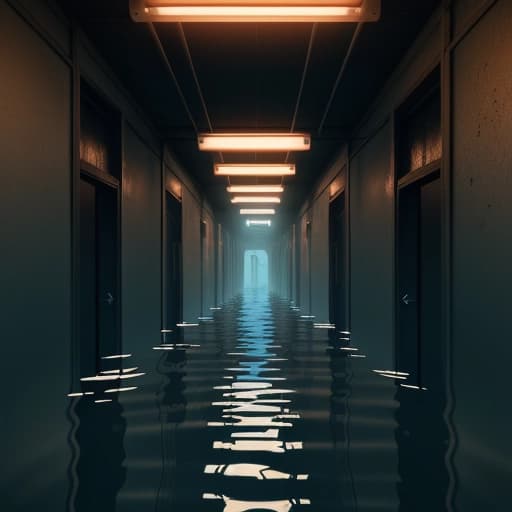
Seodaemun Record Vault’s parallel mourning precinct corridor, where ink-black drawer faces recede beneath salt-white tags; beyond a maintenance door, the Transit Undercity Flooded Cable Catacombs vent a wet, electrical breath into the hallway through a grating
時間
Late autumn into early winter, the hour before dusk on a Friday—after Gwangjin has stolen a misaligned calibration tag and Choi’s protected name has flickered into unreadness
出来事
In the ledger-lit corridor, Choi’s sub-ledger protections trigger a counterfeit fear response when Gwangjin tries to verify the stolen tag against the “wrong” name; typewriter clicks stutter out of phase, and the flooded undercity’s half-spoken announcements seep in like a cipher. To keep his identity from collapsing into multiple versions, Gwangjin pairs the counterfeit-button fear fragment he carries with the misaligned control signature on the tag, forcing a brief “snap” of legible ink that reveals the encryption path runs through contract fields and into the undercity flooding infrastructure—just long enough for him to record the fragment sequence by touch—while Choi’s name remains unread for the moment, confirming the origin is tied to sabotage rather than destiny.
影響
Gwangjin gains verifiable proof that the forbidden last-floor button’s signature is collaterized into infrastructure compliance and encrypted through the undercity cables, not through fate; however, his failure to restore Choi’s syllables costs him critical time and destabilizes his own memory further, ensuring the final chapter’s reputation-scarifice door will be contested and urgent.
Cold light stutters across the pale drawer seams as Gwangjin leans close to a locked glass ledger, tasting copper on his tongue while typewriter clicks arrive half a beat early, then again, as if the room is keeping two ledgers for one heartbeat. From the grating at the corridor’s far end, brown-black water breathes upward with blue electrical filament, and the air fills with methylated ink and ozone; when Gwangjin lifts the scratched calibration tag toward his mouth, the undercity’s wet announcements slip into the rhythm and the stamped signature briefly snaps into legible sequence—then fractures again, leaving Choi’s protected name unread.
シーン 12

Counterfeit Fear, Real Ledger Teeth

Counterfeit Fear, Real Ledger Teeth
場所
Seodaemun Record Vault—Parallel Mourning Offices (a corridor of pale filing cabinets beneath a cemetery-adjacent service hatch; fluorescent light stutters between warm and cold; drawer seams marked with salt-white tags; behind locked glass, typewriter clicks arrive half a beat out of phase; methylated-ink and antiseptic sweetness in the air) and the leak of the flooded Transit Undercity Flooded Cable Catacombs beyond a ceiling grate where wet announcements seep in through the cable-mesh.
時間
Late autumn into early winter, moments after Gwangjin steals a misaligned control signature—Friday dusk tipping toward the Continuity Audit’s final, corrupt phase.
出来事
Gwangjin uses the partial control-signature he stole earlier to “pair” with a counterfeit fear fragment stored inside his earlier purchased button assembly, forcing the ledger’s encrypted sub-ledgers to briefly snap the forbidden century-encryption path into legible ink. The snap lasts only a heartbeat: he reads that the control signature is satisfied by contract compliance fields (collaterized signatures), confirming sabotage rather than destiny. In the same instant, Choi Yoon-ah’s protected name gutters into unreadness on the ledger glass, and the undercity’s flooded announcements answer with overlapping station-code phrases that threaten to desynchronize him permanently before he can extract more.
影響
The mystery box locks tighter: the last-floor button’s origin is tied to contracts and enforcement infrastructure—Han’s ledger logic as the key—and the “fear response” is not merely a defense but a counterfeit mechanism designed to prevent open verification. The cost is immediate and personal: Choi’s name briefly becomes unread, proving the operation’s success carries collateral erasure—setting up the final chapter’s sacrifice-and-controller extraction in the undercity.
Fluorescent light lays pale stripes across the pale cabinet corridor as Gwangjin’s fingers hover over a locked glass ledger; the drawer tags tremble like breath, and the air tastes of methylated ink and antiseptic sweetness. Typewriter clicks arrive from nowhere and everywhere, and when he presses the misaligned control signature against the ledger’s cipher plate, the metal scratches briefly rearrange into readable municipal regulation lines—then fracture—while his purchased counterfeit fear fragment hums cold against his ribs. Through a ceiling grate, brown-black water breathes upward from the Transit Undercity, carrying a stuttered announcement-code that sounds like his own disgrace—overlapping, wrong by half a syllable—while Choi’s protected name on the glass ledger blanks into a clean bureaucratic absence.
シーン 13

Date-Stamped Doors That Don’t Belong to Any Year

Date-Stamped Doors That Don’t Belong to Any Year
場所
Tomorrow Lattice Service Spine at Gwanghwamun Bus Depot—under hulking bus-garage calm, a service corridor of fluorescent bays and service doors stamped with date labels, each door handle cold to the touch and each seam humming with relay vibration; the air tastes faintly of copper and wet paper while the floor emits a low, bureaucratic thrumming through Gwangjin’s shoes.
時間
The hour before dusk on a Friday, late autumn into early winter—midway through the Continuity Audit’s misfiring, with the fluorescent light stuttering warmer then colder in quick, uneven bands.
出来事
Gwangjin follows Han Myun-gi’s paperwork trail to the century-range service door, but every blink shifts the ledger’s stamped entry name and the date on the nearest door, as if his identity is being edited to match a wrong version of his own consent; he tries to steady procedure by reading the scratched elevator-panel signature he stole earlier, yet the corridor’s door labels begin to rearrange around his tremoring hand, steering him away from the exact control panel until Han’s contract voice—half heard through the corridor hum—frames his uncertainty as noncompliance, tightening the loop.
影響
The corridor forces a mystery-crime inversion: rather than finding the door by evidence, Gwangjin must treat the evidence as adversarial, confirming the ‘override’ is keyed to his reputation anchor and is actively rewriting which version of him can open the next access point; the scene propels him into the final confrontation at the century-range panel, but with his last stable memory tether already fraying.
Fluorescent light lays pale stripes across date-stamped service doors that should not exist on any year printed on official schedules, and each time Gwangjin blinks the stamped date on the nearest panel slides forward or back by a few digits without moving the metal. He tastes copper on his tongue and hears the corridor hum like a paperwork stamp machine counting down, while his fingers—numb at the knuckle—grip a cold handle that vibrates with a metronome click from deeper in the spine. When he brings the scratched calibration tag near his mouth to compare the “fear” signature, the corridor’s ledger-etched name seems to unspool in his vision—one version of him trying to sign, another version recoiling from the same signature—until the door ahead shows a date that doesn’t belong to any calendar he recognizes and the hum resolves into Han’s rule-cadence, warning that the century-range door will open only for the reputation he cannot keep.
シーン 14

Contract Gravity vs. the Door That Knows His Reputation

Contract Gravity vs. the Door That Knows His Reputation
場所
The Tomorrow Lattice Service Spine beneath Gwanghwamun Bus Depot, where a narrow corridor of service doors labeled with drifting date-stamps hums with relay vibration; fluorescent light flickers in uneven bands over coppery dust, and the floor underfoot feels faintly tacky with damp paper pulp.
時間
Late autumn into early winter, the hour before dusk on the same Friday Continuity Audit night, just after Gwangjin has proved the encryption path to the century-range override is real.
出来事
Han Myun-gi shepherds Gwangjin to the century-range service panel, but each attempt to bargain for a way past without payment triggers contract gravity: the panel demands his “municipal record anchor.” Seodaemun vault clerks’ ledger logic edits which version of Gwangjin’s disgrace is “true,” making his signature trail contradictory. To force the door to open, Gwangjin signs a renunciation document—surrendering the municipal record of his funeral magic—while his last memory tether to the moment of disgrace desynchronizes, leaving him with the override key already duplicated across Jin-woo’s counterfeit fragments and Han’s ledger.
影響
The century-range door finally becomes passable, enabling approach to the control room, but at the cost of permanently unresolved moral truth about his disgrace; the stabilization will work, yet Gwangjin loses certainty of which story about himself is the real one.
Fluorescent light stutters across the date-stamped doors; coppery dust tastes sharp on Gwangjin’s tongue while the corridor’s relay metronome counts down under his boots. Han’s paperwork—thin RFID forms that smell of wet paper and copper—slides into his hands without being offered, and the century-range panel replies to every hesitation by re-stamping his name as if it’s billing him for doubt.
When Gwangjin presses for an alternate payment, Seodaemun ledger logic interrupts with contradictory “official” versions of his disgrace—typed syllables shifting a few millimeters each blink—until the door’s seam locks like a mouth closing. He signs anyway, ink drying too fast, watching his municipal record of funeral magic vanish in a clean, bureaucratic emptiness; for a moment his last certainty about shame blurs out of sync, and the door opens with a quiet click that sounds like a contract completed, not a victory won.
シーン 15

Signing Away the Anchor at the Century-Range Door

Signing Away the Anchor at the Century-Range Door
場所
Tomorrow Lattice Service Spine beneath Gwanghwamun Bus Depot: a corridor of service doors labeled with slipping date-stamps that don’t match any printed calendar year, fluorescent light in uneven bands casting pale stripes over scuffed concrete and thin copper conduits; the air tastes of wet paper and copper while a low bureaucratic vibration hums through the soles, and somewhere deeper a relay clicks like a metronome counting down to convergence.
時間
Final window before the Continuity Audit completes—late autumn edging into early winter on a Friday, minutes before dusk, under a flicker that refuses to settle into a single color temperature.
出来事
Gwangjin, still trying to orient by the century-range override clue he wrested from the record-vault logic, is repeatedly “relocated” by Han’s contract gravity until he stands at a sealed century-range service panel that only opens when his reputation anchor is removed; he signs a renunciation document that trades away the municipal public record of his funeral magic, watching his own name and procedural justifications blur from the ledger’s feedback loops as the door’s seam unlocks—simultaneously desynchronizing his last certainty about his disgrace—and he learns the override key has already been duplicated across Jin-woo’s counterfeit fragments and Han’s infrastructure ledger, so stabilization will occur while the true moral origin remains permanently unread.
影響
The chapter’s final mechanism is completed: the century-range controller is extracted from defense against truth, Seoul’s elevator-door selection stops opening arbitrarily, and the system stabilizes—but Gwangjin’s memory tether fractures in a way that makes the investigation’s central mystery insoluble, leaving justice-versus-mercy unresolved even as the city’s clocks realign.
Gwangjin presses his trembling thumb to the century-range panel; the metal is cold as stamped paper, and the corridor’s hum tightens until his teeth feel filed, then the fluorescent bands stutter warmer and colder as thin municipal forms—slick with RFID copper scent—flare into existence between his hands. He signs away his reputation in precise regulation phrasing he no longer fully believes, and as the ink dries too fast the door seam loosens with a quiet contract-click; behind it, the metronomic relay finally aligns in one phase, but his last memory tether slips like a counterfeit button behind a panel, revealing the override key already echoed through Jin-woo’s fragments and Han’s ledger—proof of stabilization, not of truth.
'Every Seoul Elevator Opens Tomorrow—But Only If He Signs the Cost'ストーリーチャット

このストーリーの登場人物と話したいなら?

'Every Seoul Elevator Opens Tomorrow—But Only If He Signs the Cost'ストーリーチャット

このストーリーの登場人物と話したいなら?

story image
story image
story image
story image
story image

こんな物語はいかがですか?

コメント0

のテーマ音楽
Every Seoul Elevator Opens Tomorrow—But Only If He Signs the Cost by Writer K