筋書き
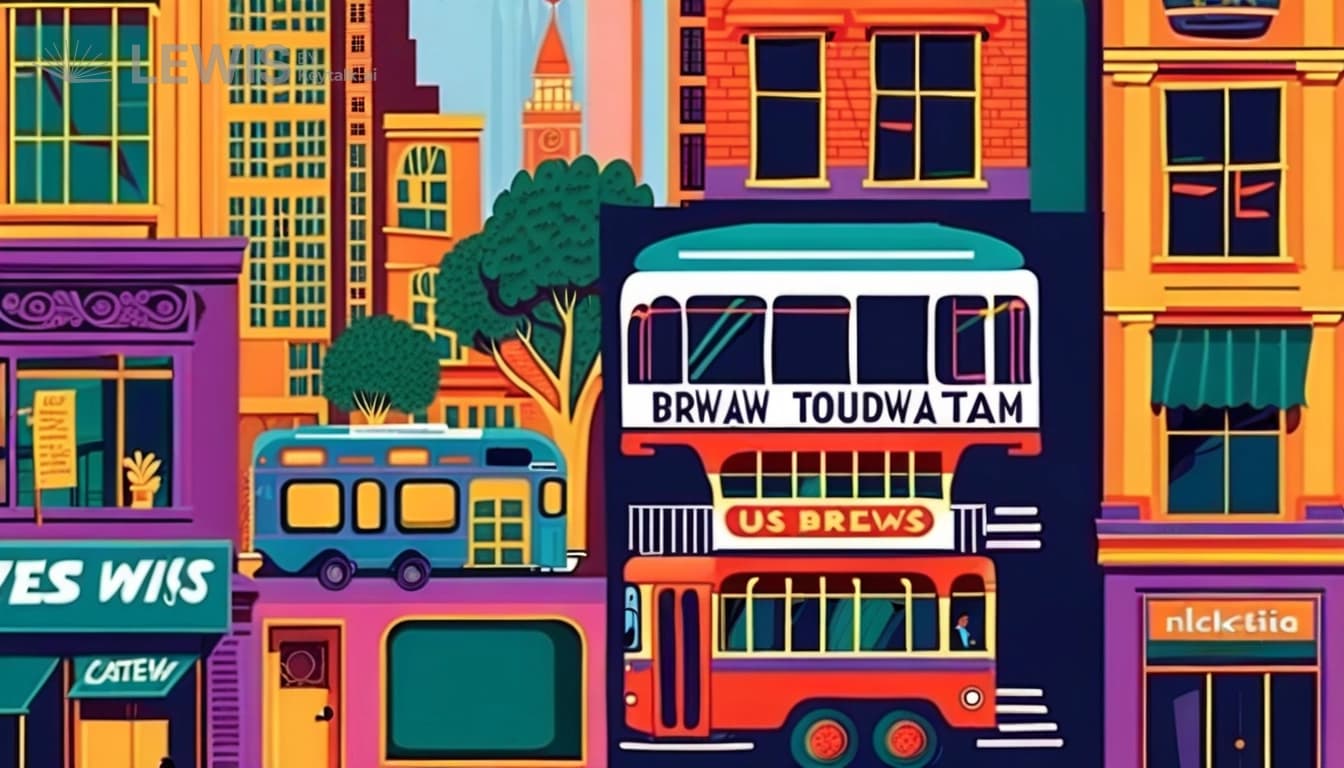
Stanley Pickles’s life runs on rails as fixed as the bus routes he drives: every morning, same route, same passengers, same ritualistic inspection of the city bus’s lost and found. But on the first Monday of what should be an ordinary week, Stanley discovers a banana in the lost and found—lying, inexplicably, on the “Miscellaneous” shelf instead of the fruit basket he’s painstakingly labeled. That day, everything goes wrong. His bus breaks down twice, a pigeon flies into the cabin, and he’s nearly written up for being late. Stanley, fueled by a lifetime of small superstitions and a growing belief in the causal power of misplaced fruit, becomes convinced that this banana is the linchpin of his luck. The transit authority, led by the ironclad compliance officer Prudence Hargreaves, refuses to entertain his request for “banana protocol reform,” citing subsection 9.4 of the rulebook: “Lost foodstuffs shall be considered non-essential and stored at the discretion of authority.” For Stanley, this is not just an affront to logic—it’s a declaration of war against reason itself.
Abiola “Abby” Okonkwo, urban mythologist and part-time agent of chaos, hears about Stanley’s banana woes through a series of increasingly desperate blog posts he makes on the city’s anonymous complaint forum. Intrigued, she rides his bus, live-tweeting his escalating banana-related paranoia and stoking the flames with her own performative “Banana Solidarity” campaign—complete with passengers peeling bananas in unison at stops, and cryptic posters reading, “What if the banana is the bus?” With Abby’s encouragement, Stanley stages a sit-in at the central depot, demanding a revision of the lost and found policy. What begins as a lonely protest quickly snowballs: commuters, bored office workers, and retired philosophers join in, each projecting their own grievances onto Stanley’s crusade. Prue Hargreaves, whose sense of order is both her armor and her Achilles’ heel, is dispatched to quell the nonsense. What she finds instead is a spontaneous assembly of rules-lawyers, pranksters, and existentialist grandmothers debating the metaphysical implications of lost bananas and the tyranny of arbitrary regulations.
Stanley, thrust from anonymity into reluctant celebrity, finds himself the accidental figurehead of a growing movement. Abby, ever the narrative engineer, frames his cause as a battle for “logical justice,” drawing in a motley alliance of city oddballs. Stanley’s core desire—to restore order and certainty—clashes with the escalating absurdity he’s unleashed. Protesters begin staging “logic loophole” demonstrations: passengers boarding buses in reverse to challenge the definition of “entry,” knitting circles debating whether a banana is a fruit, herb, or existential proposition. The movement’s creativity delights Abby, who documents every twist, but it terrifies Stanley, whose simple wish for routine morphs into a citywide carnival of chaos. Prue, meanwhile, doubles down on enforcement, issuing rulebook amendments at a blistering pace, which only fuel the protesters’ ingenuity.
Caught between his craving for order and his new role as the “Banana King,” Stanley faces mounting pressure from all sides. Abby pushes him to escalate, believing in the power of collective absurdity to reveal the city’s broken logic. Prue, privately struggling with her own need for control and her estranged daughter’s accusations of rigidity, sees Stanley as both adversary and unlikely mirror. As the city teeters on the edge of full-blown bureaucratic anarchy—ticket machines reciting poetry, bus drivers debating philosophical paradoxes with passengers—Stanley reaches his breaking point. In a tense midnight meeting, he confronts Prue, proposing a compromise: a new rulebook, written collaboratively by both officials and citizens, where every regulation must be justified by both logic and lived experience.
The negotiation turns into a public spectacle, broadcast live and commentated by Abby’s followers. Prue, cornered yet intrigued, agrees to Stanley’s proposal—on the condition that he moderate a citywide “Logic Council,” a role requiring him to adjudicate between order and absurdity. In the ensuing sessions, Prue and Stanley clash and collaborate, each forced to question their beliefs about rules, chaos, and the people caught in between. Abby, ever the provocateur, stirs the pot with performative interventions—at one point, orchestrating a flash mob that re-enacts the city’s most illogical regulations as interpretive dance.
The final act sees the city transformed: the new rulebook, as messy as it is profound, is adopted. Some rules are overturned, others amended, and a few—like the banana protocol—enshrined as symbolic reminders of the need for both sense and silliness. Stanley, exhausted but changed, turns down the permanent post of Logic Council Chair, choosing instead to return