筋書き
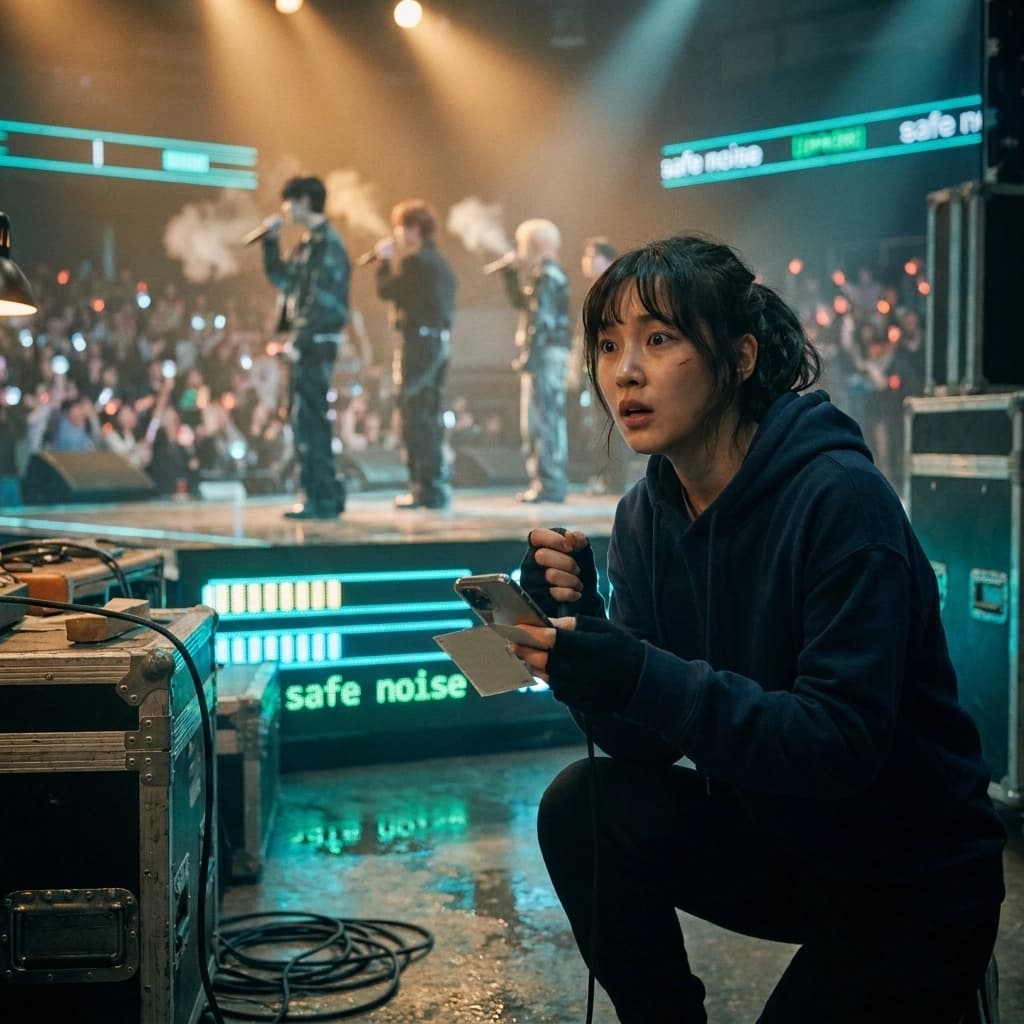
The live broadcast for SEVENTEEN’s new autumn-season tour is already running hot when Mina Park arrives at the onstage-interview corridor with two CARAT fan-club novices—excited enough to forget to breathe—each holding a fold-out stack of lyric flashcards that Mina has typed, color-coded, and triple-timed on her phone spreadsheet. She can’t afford a single mistranslated line tonight; the CARATs watching in the dark deserve the words to land cleanly, even if the venue insists on “Silent-Air” for crowd safety during the next test shows. Mina jokes to the novices while they wait by the snack-table service lane, mimicking the members’ practice chant in a whispery sing-song, then snaps her paper-strip lyric cue against her phone like a metronome when the broadcast director finally waves them forward.
Backstage, Jae-min Choi has been assigned to sound-boost volunteer work—cornering stray questions, keeping fans from getting shoved toward equipment cases, and trying to look useful with a lanyard clip that he keeps straightening with sweaty fingers. He’s relieved when the members rehearse the first few choreography beats without incident. Then Mina hears it before she sees it: a sharp click through the air like a circuit closing. The arena’s Silent-Air safety system doesn’t just mute the idols; it floods every live mic into harmless, controlled “safe noise,” turning syllables into harmless hair-dryer sibilance. The practice chant that was supposed to sound like momentum becomes a chorus of breathy, useless hiss—loud enough for the crowd to notice, early enough to be blamed on the broadcast.
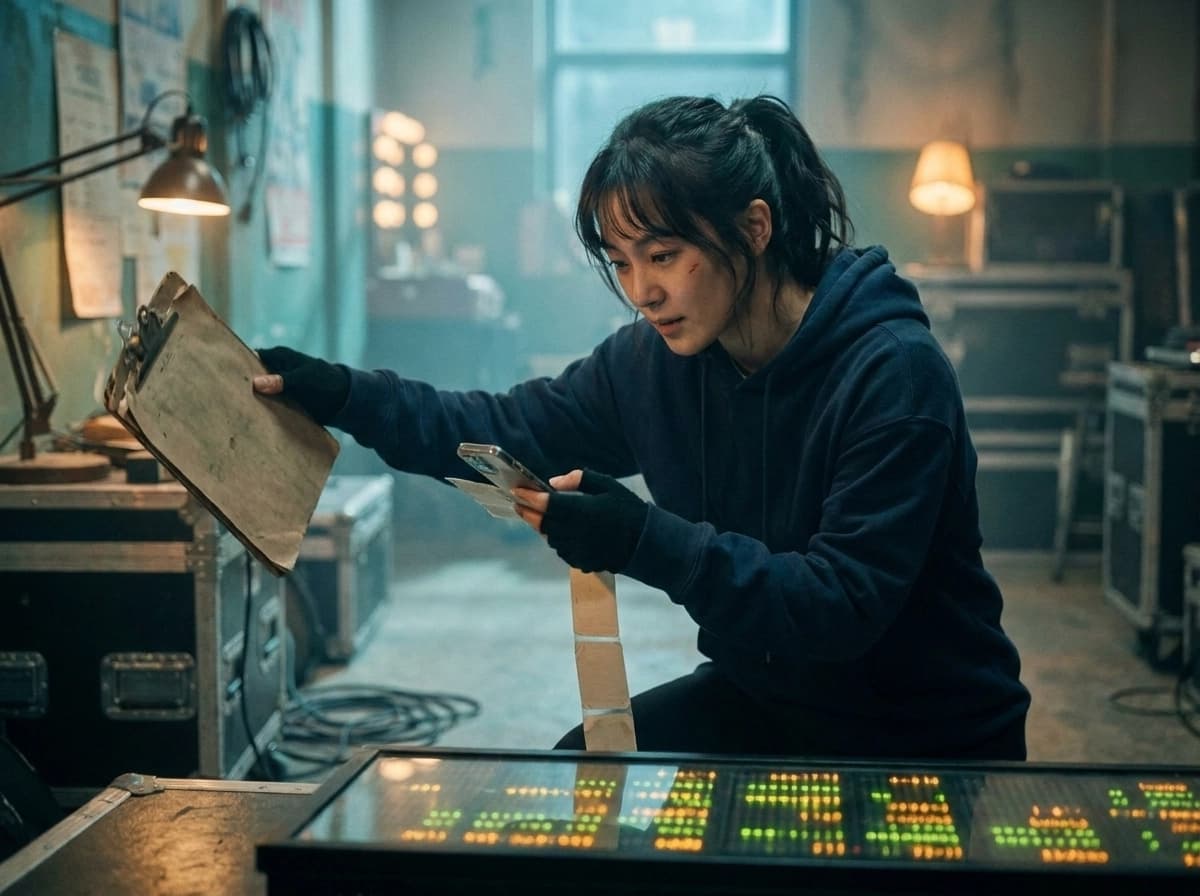
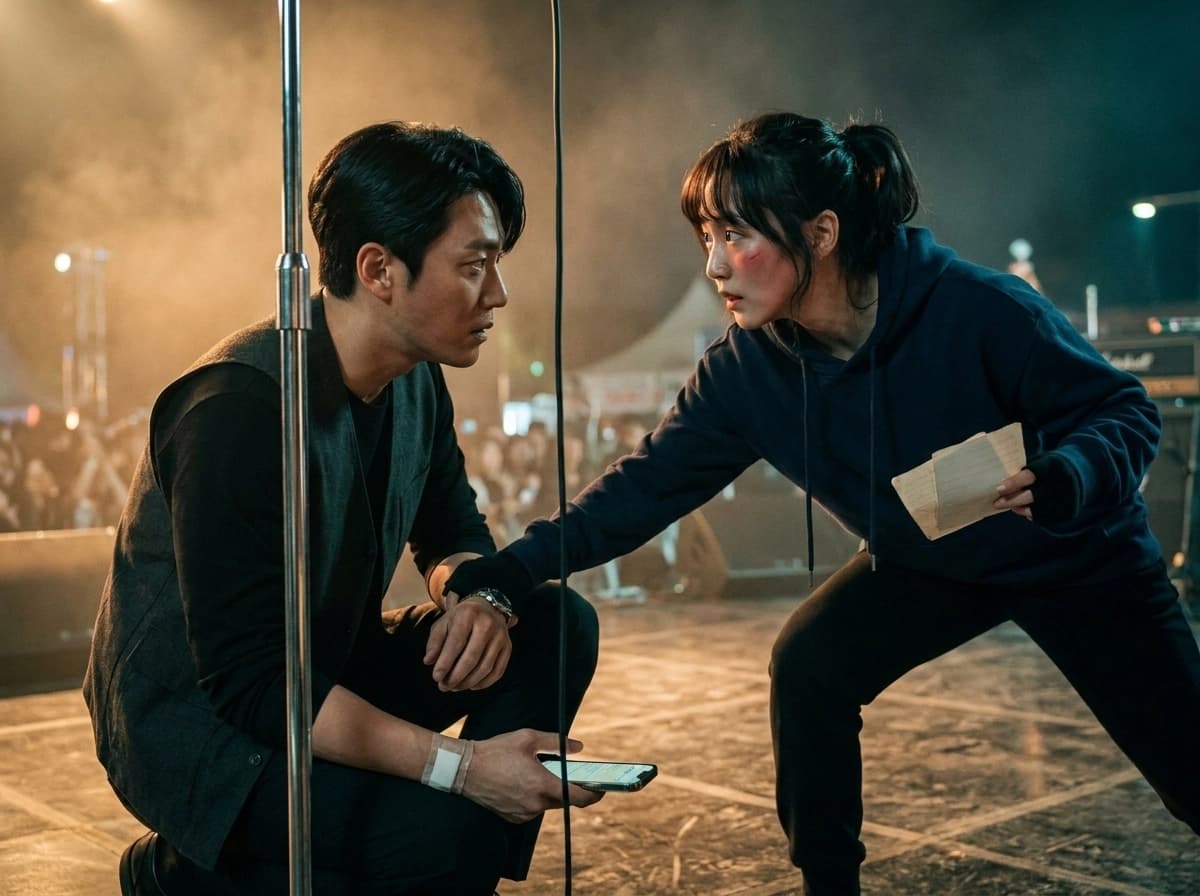
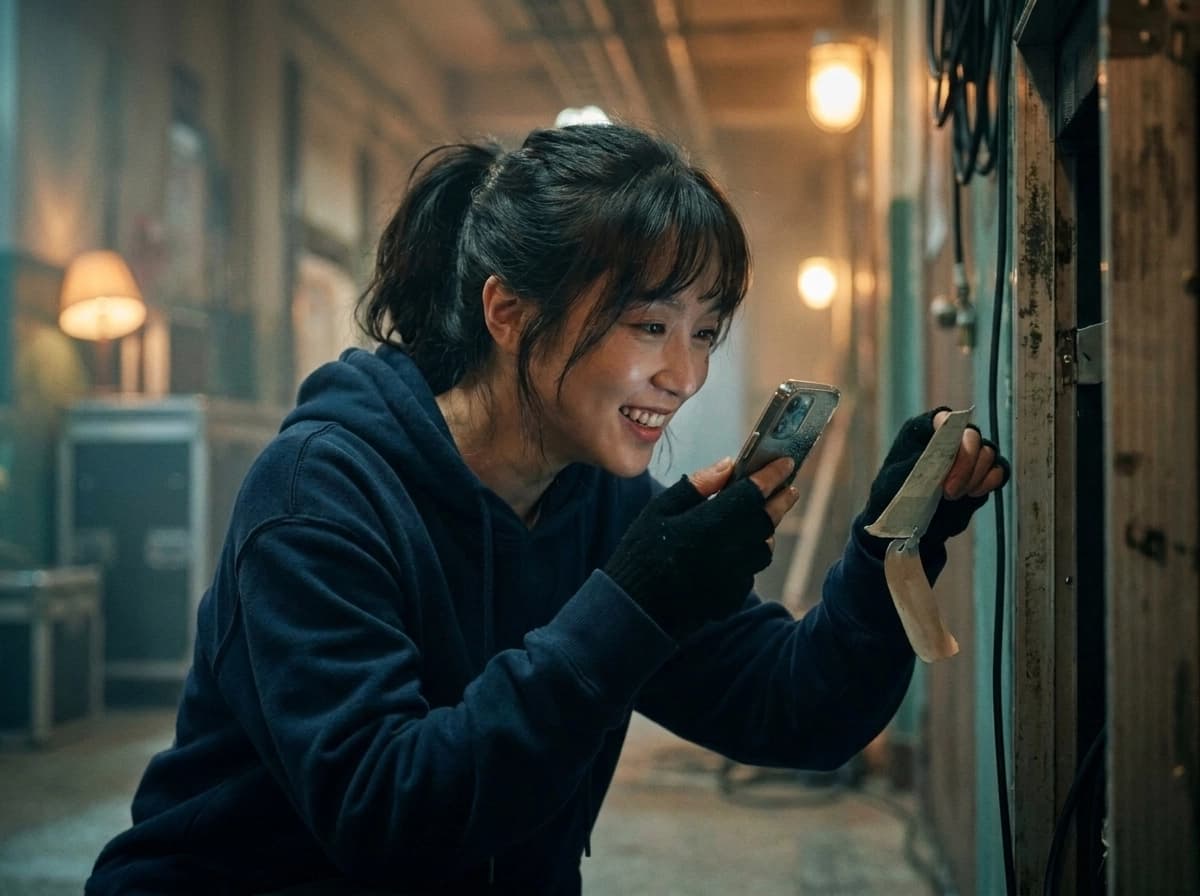
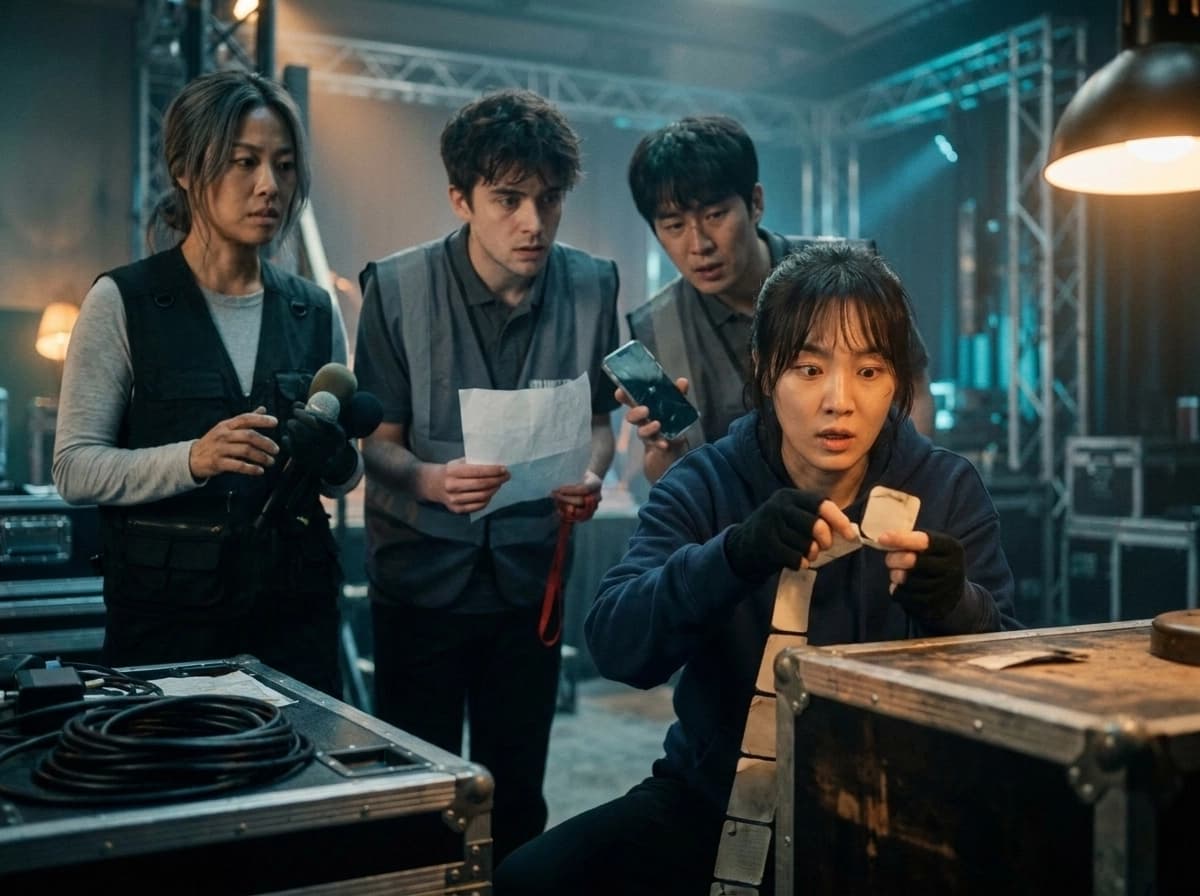
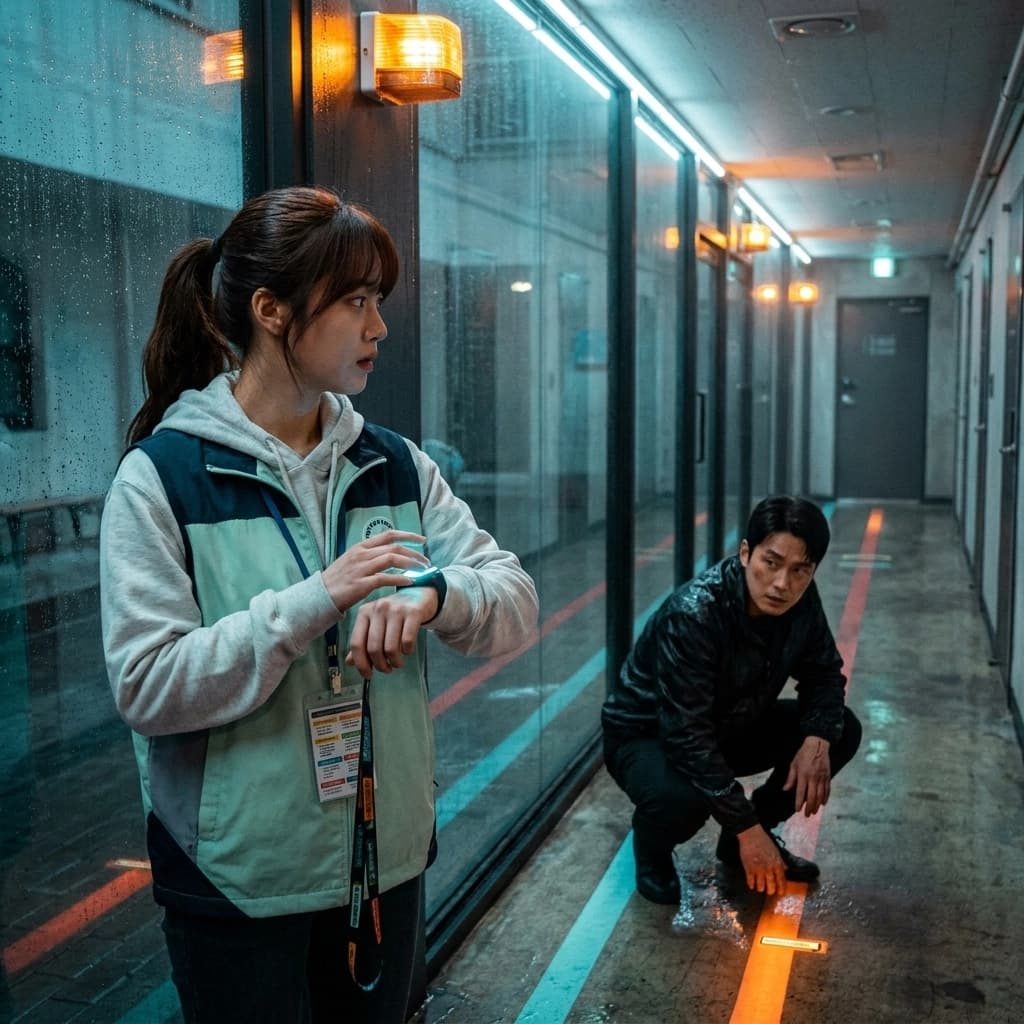
The timing is catastrophic. Two CARAT fan-club members are scheduled to interview SEVENTEEN onstage right as the silent-air change fully locks in. Mina’s stomach drops when the first member lifts his head to sing a lyric and the world only answers with “fff…shh…” through the translucent mic capsules. The novices freeze, flashcards trembling like they’ve been slapped by the same mute button. Mina doesn’t have time to explain; she yanks a spare flashcard strip from her stack, flips to the exact line she knows is next, and leans into the corridor-side stance where she can read the members’ mouths without stepping into the way of choreography. She begins counting beats under her breath, then presses her phone screen closer to her face as if the captions can save her. Her jokes return automatically—she mimics the “hair-dryer mic” sound with exaggerated pantomime so the interview moment doesn’t collapse—but every time she laughs, her thumb scrubs timestamps faster, searching for a rhythm offset that shouldn’t exist.
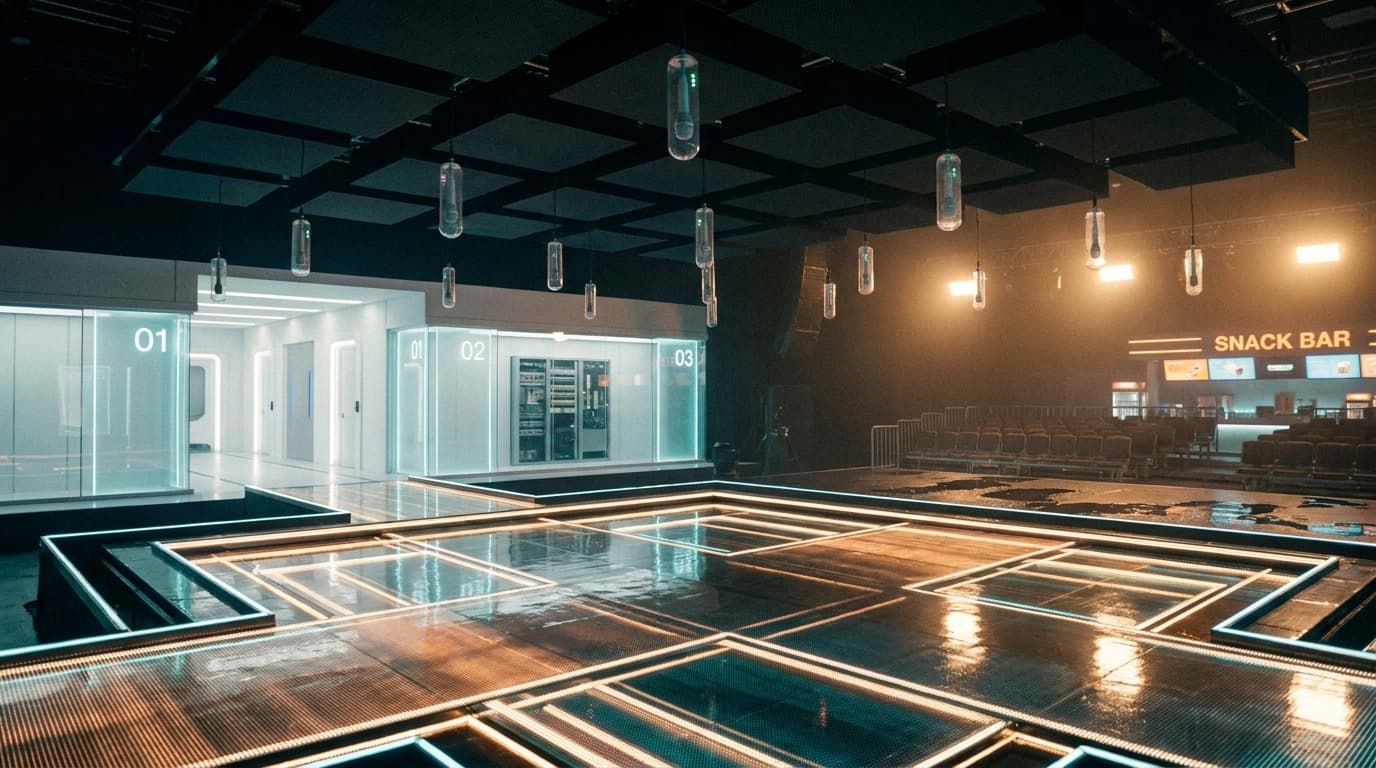
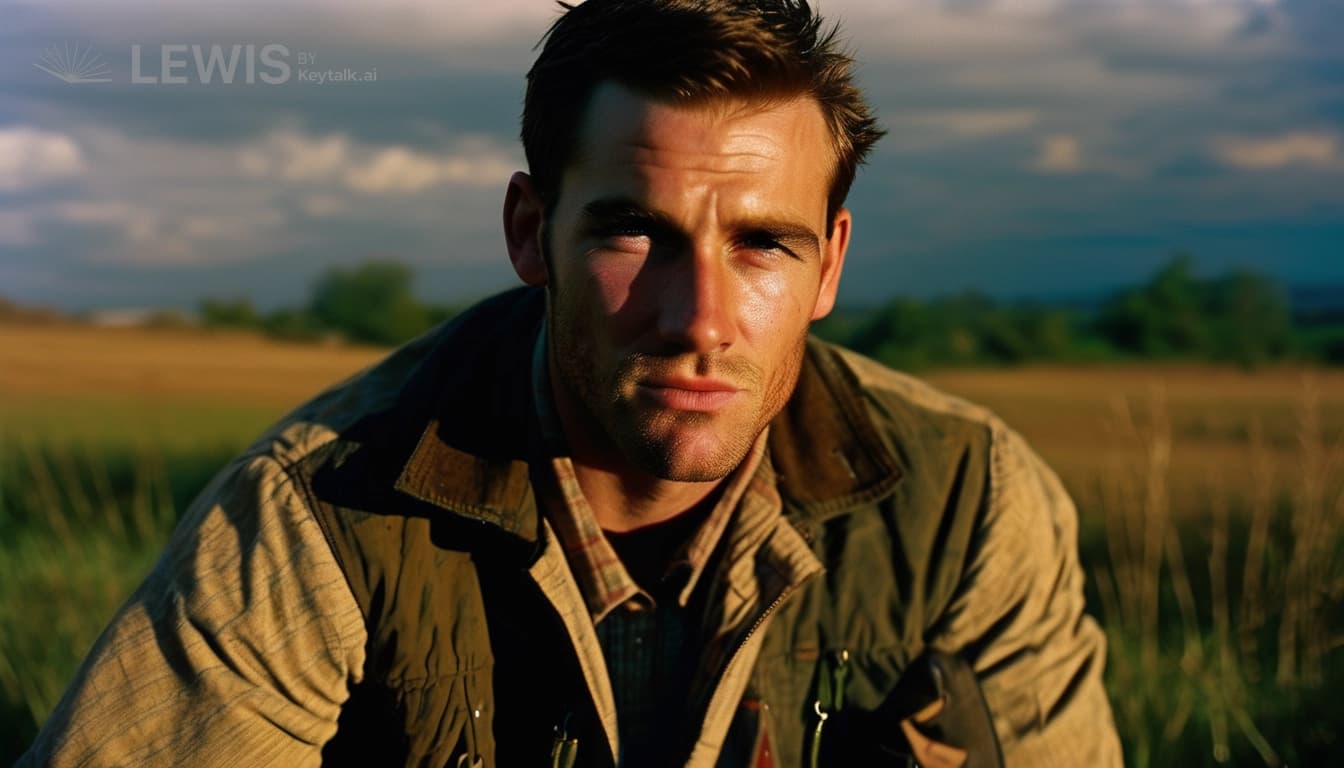
Onstage, SEVENTEEN tries to keep their performance precise, but the safe-noise effect makes the group look slightly unmoored, like they’re singing into a wall. Their choreography slices in time, yet the crowd can’t hear the cue that tells them where the emotion lands. Ryu Taeho, filming fan-cam angle-by-angle, pivots his phone to keep each member’s profile centered over the snack-table orbit, and he doesn’t stop recording when the microphones turn into fake wind machines. He snaps into “problem-solver mode,” moving to block the view of an employee dragging a spill away from the rails, then immediately swaps positions so his next shot won’t show the snack condensation—because his reputation needs the story to read “managed,” not “broken.” When fans in the front row chant “CARAT, HELP!” in a panic they didn’t script, Ryu’s jaw tightens; the chant becomes louder than his carefully planned audio narrative.
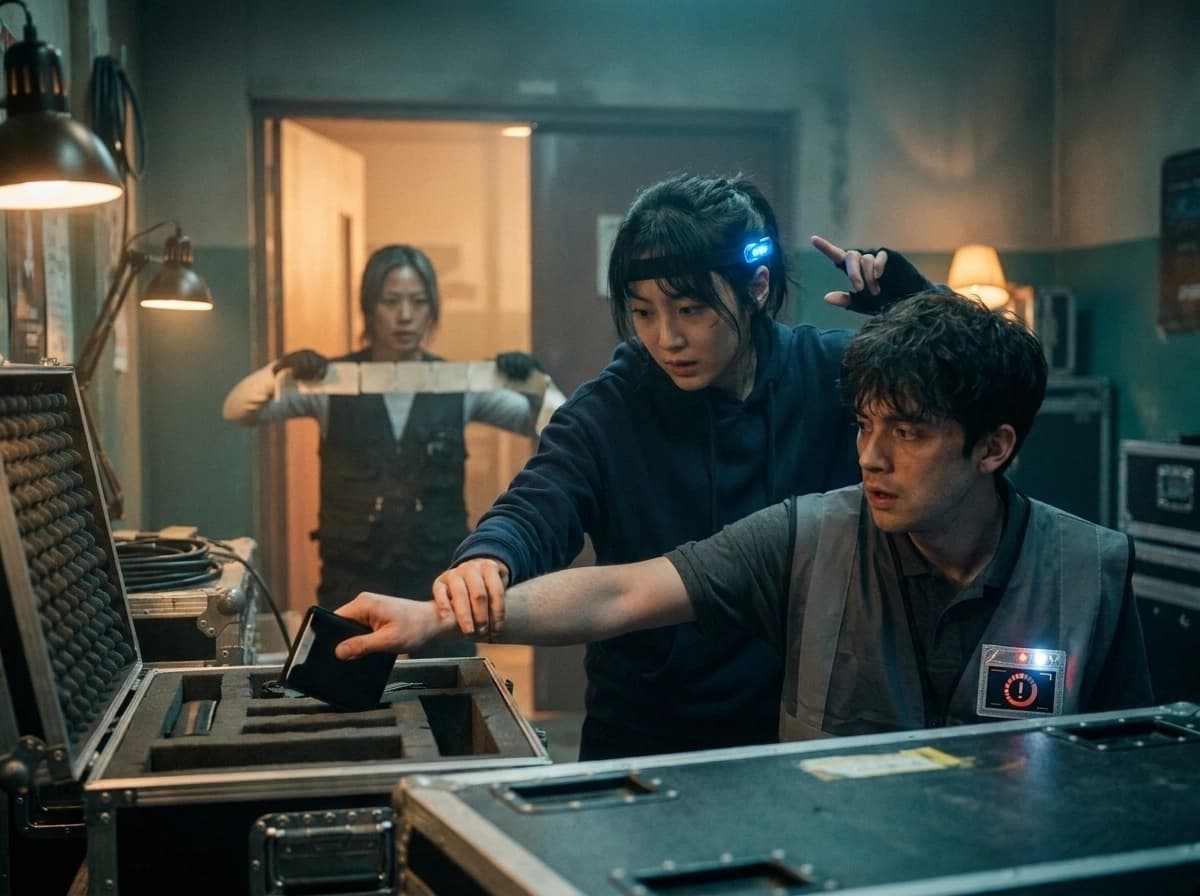
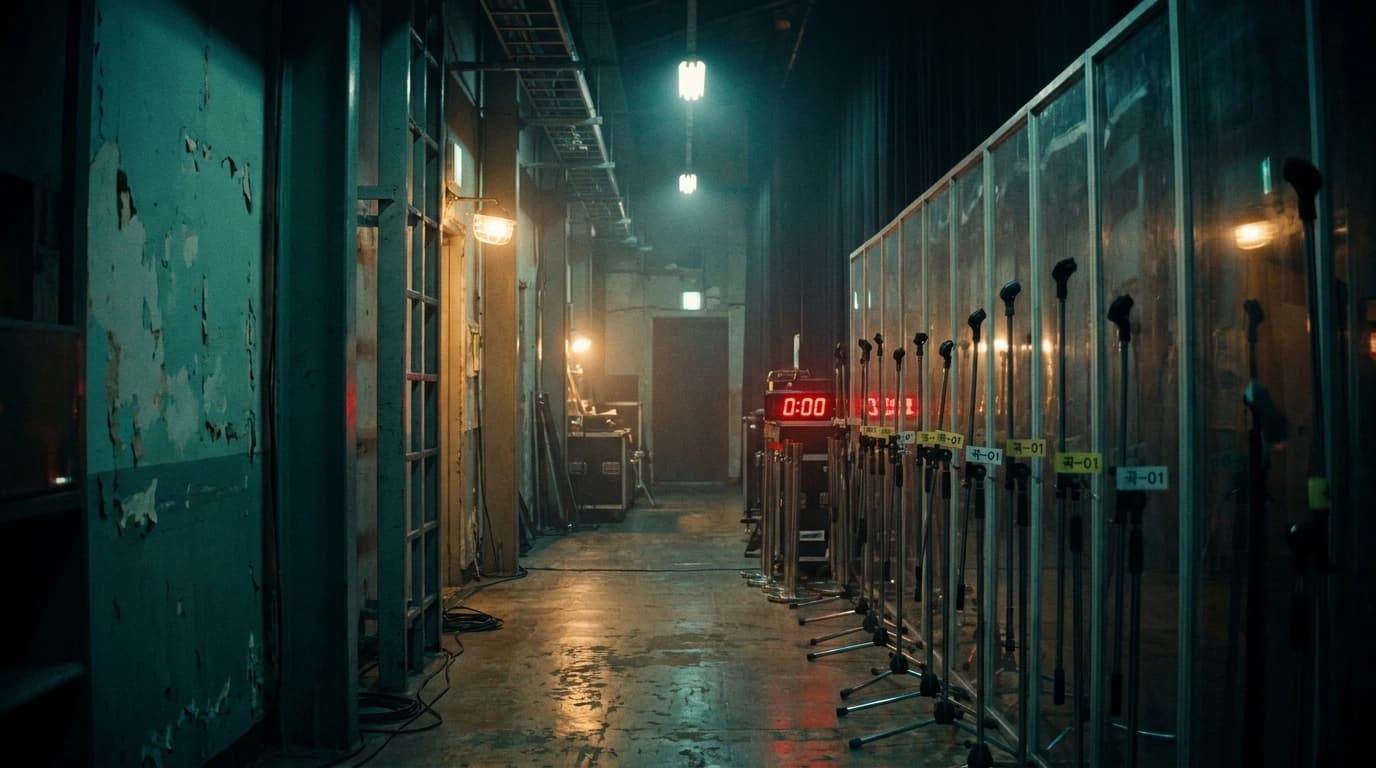
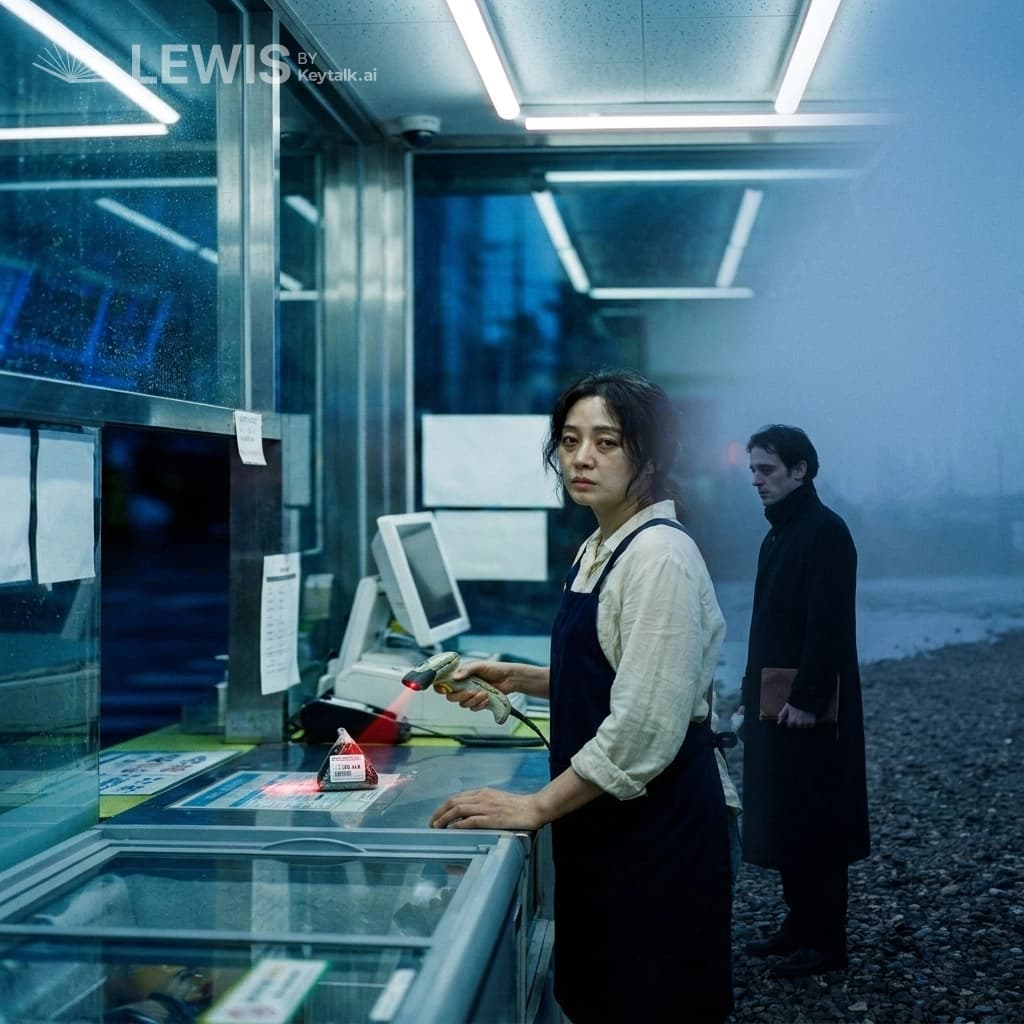
In the patch-bay service room, Song Eunjin is already there, but not as a hero with a lever. She’s standing with her hands braced against the sterile white panels, blinking her eyes in the engineer-coded sequence that everyone trained on yet no one dares to ask her to explain. She looks calm in the way guilty people practice being calm—shoulders squared, smile offered at the crew, but fingers tapping the same three-switch pattern like she’s trying to press down panic. Silent-Air is supposed to behave like a lock; her emergency patch system is supposed to behave like a keycard. The rule is brutal: the patch must be swapped onto specific mic-foam segments while the stage lights blink in the engineer-coded three-song countdown sequence. If they miss the window, the emergency patch card ejects and becomes unusable, and normal audio cannot return until the system fully resets tomorrow. Song has built this rule after a previous incident, and her guilt lives in the checklists she refuses to loosen—because loosening them once taught her how easily “control” becomes “cruelty.”
Jae-min hears the crowd before he understands it; his volunteer earpiece just spits safe-noise, and the broadcast calls for “silent mode resolution” with a cheerful script that makes his stomach churn. He bolts toward the patch-bay corridor entrance, betting his volunteer badge that he can translate the light-blinking code faster than the main engineer can reach the stage. When Song Eunjin’s blink sequence finally becomes visible through the service-room window—amber-green countdown panels strobing over the clinical white—Jae-min leans toward the light grid as if he can decode it by staring hard enough. Mina, still stuck in the stage-adjacent corridor with novices who keep glancing at their flashcards like they might fall out of the world, watches Jae-min rush by and recognizes the panic-clipped urgency in his body language. She doesn’t have time to question him, but she does clock that he looks less trained than he pretends, like someone playing a role he borrowed.
While SEVENTEEN performs through the silent-air hiss, Mina’s improvisation becomes a balancing act between two audiences: the members needing cues they can’t hear, and the CARATs needing translations the safe noise is stealing. She swaps positions once the members finish a first phrase—stepping along the choreography edge so she can keep her sightline to their mouths and her flashcard timing visible to her novices. Each time she darts into place, the countdown board outside the patch-bay shifts faster than it should. Mina feels the acceleration as a physical tug in her chest: each “help” chant from the crowd makes the seconds steal even harder, as if the venue’s emergency timer hates attention. She presses a paper strip against her phone again and again, tightening it until the corners bite her palm, and she keeps her voice bright for the novices even as her internal count goes sharp and frantic.
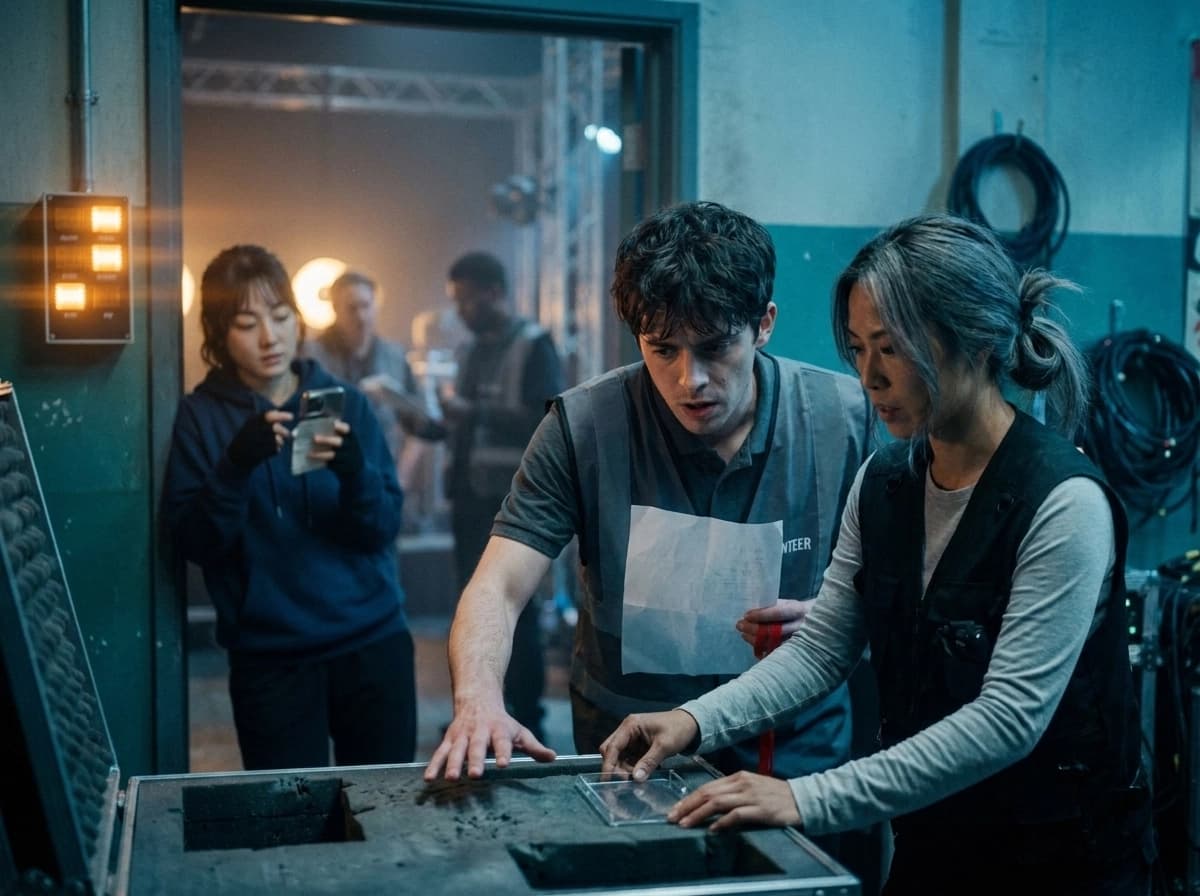
Jae-min reaches the patch-bay console and grabs the emergency patch card holder, but he does it with the confidence of someone who wants to be useful more than someone who knows exactly what he’s doing. The light-coded sequence demands a precise, timed swap. He tries to interpret the blinking with the fastest shortcut in his head, then fumbles—his fingers hover over the wrong labeled compartment just as the engineer-coded three-song timer ticks down another beat. Mina hears a thud through the corridor wall; the snack-table service lane is too close, too loud, and the arena’s safe-noise adds a mocking hiss over everything. Jae-min curses under his breath and shoves the holder back in place, forcing his hands to stay still long enough to correct himself. When he turns to look at the room’s exit, he catches Song Eunjin watching from the opposite side of the patch bay, her face tight with a kind of anger that looks like restraint.
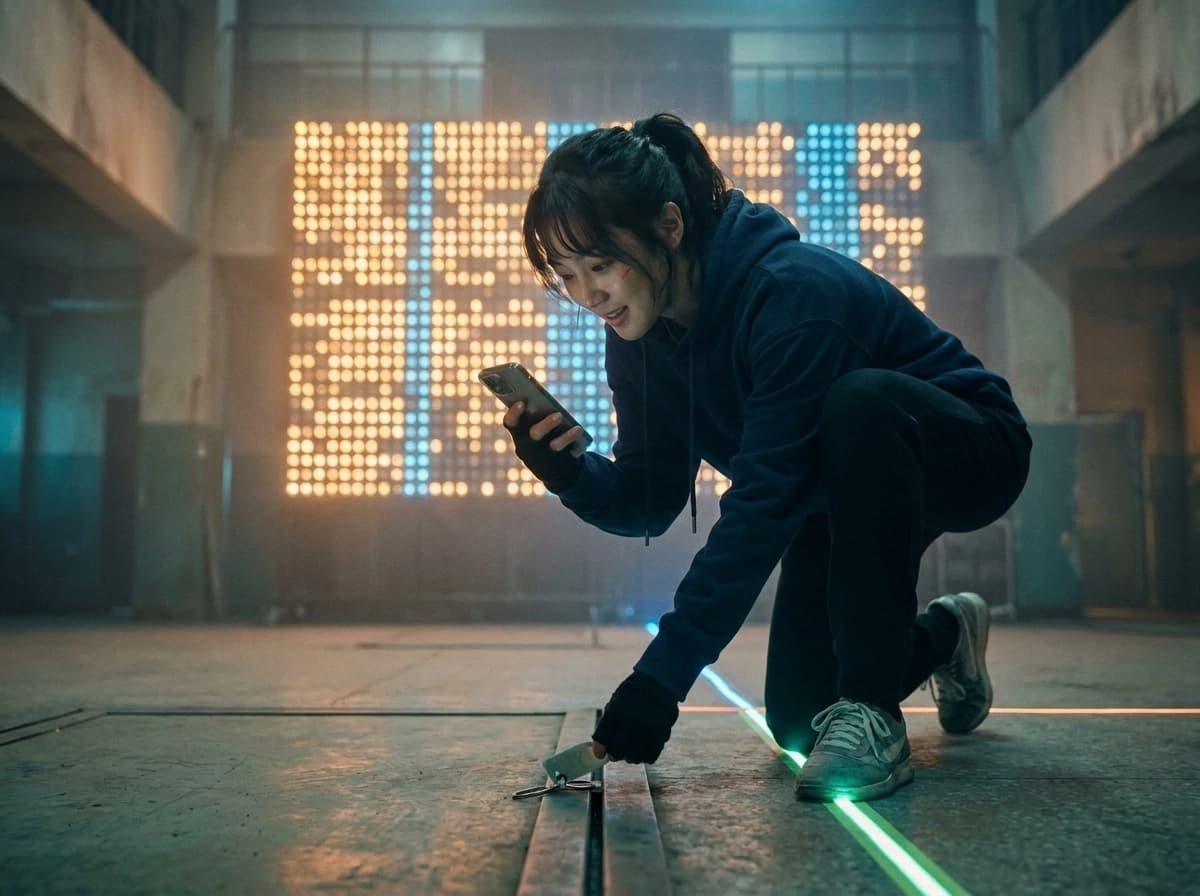
Song Eunjin doesn’t scold him. She steps forward and points—not with words, but with the same strict blink-to-signal sequence she uses for the crew. Jae-min flinches anyway, as if her silence is a punishment he earned. In that split second, another rule snaps into focus: the patch card only works if swapped while the stage lights blink the engineer-coded pattern, and if the card ejects, it becomes unusable. Jae-min’s earlier misread doesn’t eject it yet, but it wastes precious seconds, and the countdown accelerates again when he realizes he’s already missed part of the window. He goes pale, then moves fast. Mina sees him through the service-room doorway as he forces himself into the narrow aisle that leads to the stage mic foam access point, emergency patch in hand, his volunteer badge swinging like a pendulum.
Ryu Taeho has meanwhile circled to the stage side where his camera can catch the “solution moment,” because even in chaos he wants control of what the story becomes. He spots Jae-min running with the patch and starts filming from a low angle, steadying himself with a hand on a reflective steel rail. He doesn’t notice his own foot kicking the snack-table service lane’s access cover until the cover shifts a few centimeters. The movement makes a faint rattle, then a visible wobble—like a trap door being tested. He tries to correct it with his knee, but he’s too focused on framing. Mina looks over and sees the cover beginning to slide toward the choreography edge. She sprints, grabs the rail, and yanks the access cover back into place before it fully shifts, saving a crew member from being caught by the runaway lane equipment. Ryu’s eyes widen at being interrupted mid-shot; his anger flashes, then is swallowed by the urgency of not being blamed on camera.
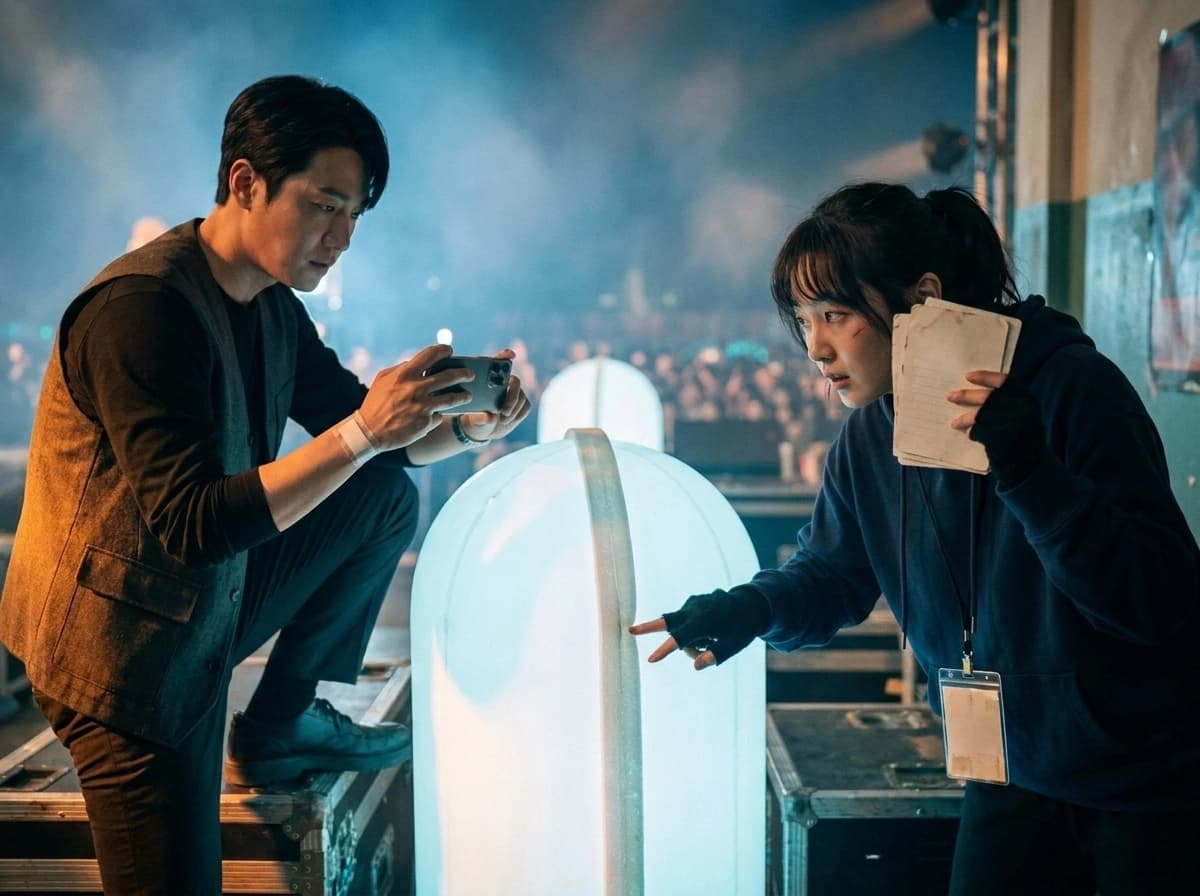
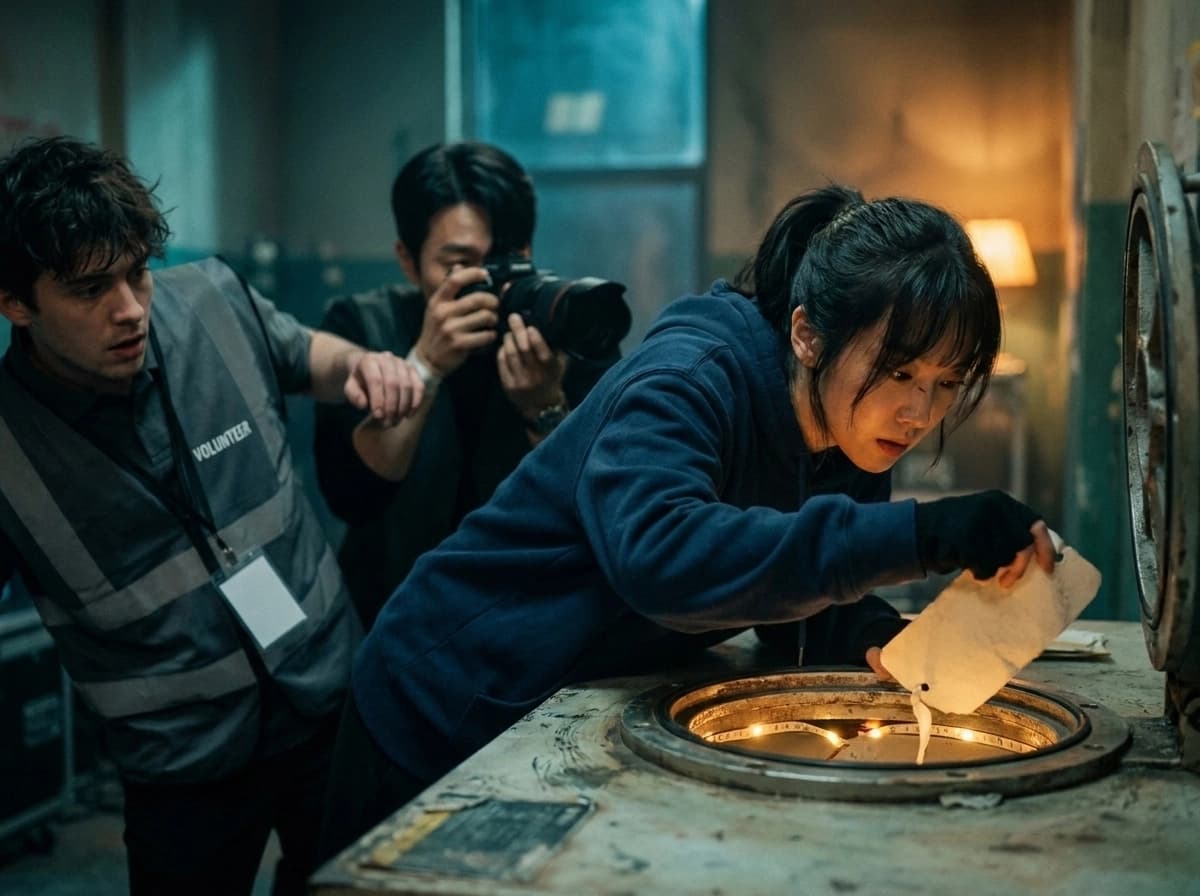
The moment Mina yanks the cover back, the crowd’s chant swells—“CARAT, HELP!”—and the stage lights strobe amber-green harder. The countdown hits its most dangerous rhythm: the emergency window is still open, but it narrows to what can be done by bodies moving in and out of blink-coded timing. Song Eunjin arrives at the mic-foam access point with a grim speed that makes her look like she’s been running for hours. She and Jae-min are in the same space now, close enough that Mina can see the sheen of condensation on the edge of the stage panel and the faint adhesive residue on their gloves. Mina can’t fix audio directly, but she does something else: she turns her phone screen outward so the novices can see the members’ mouth shapes and read her flashcards as she calls them out silently with paper cue strips held in quick, visible flips. She is still translating without sound, still trying to keep promises, but her gaze keeps snapping toward the patch timing.
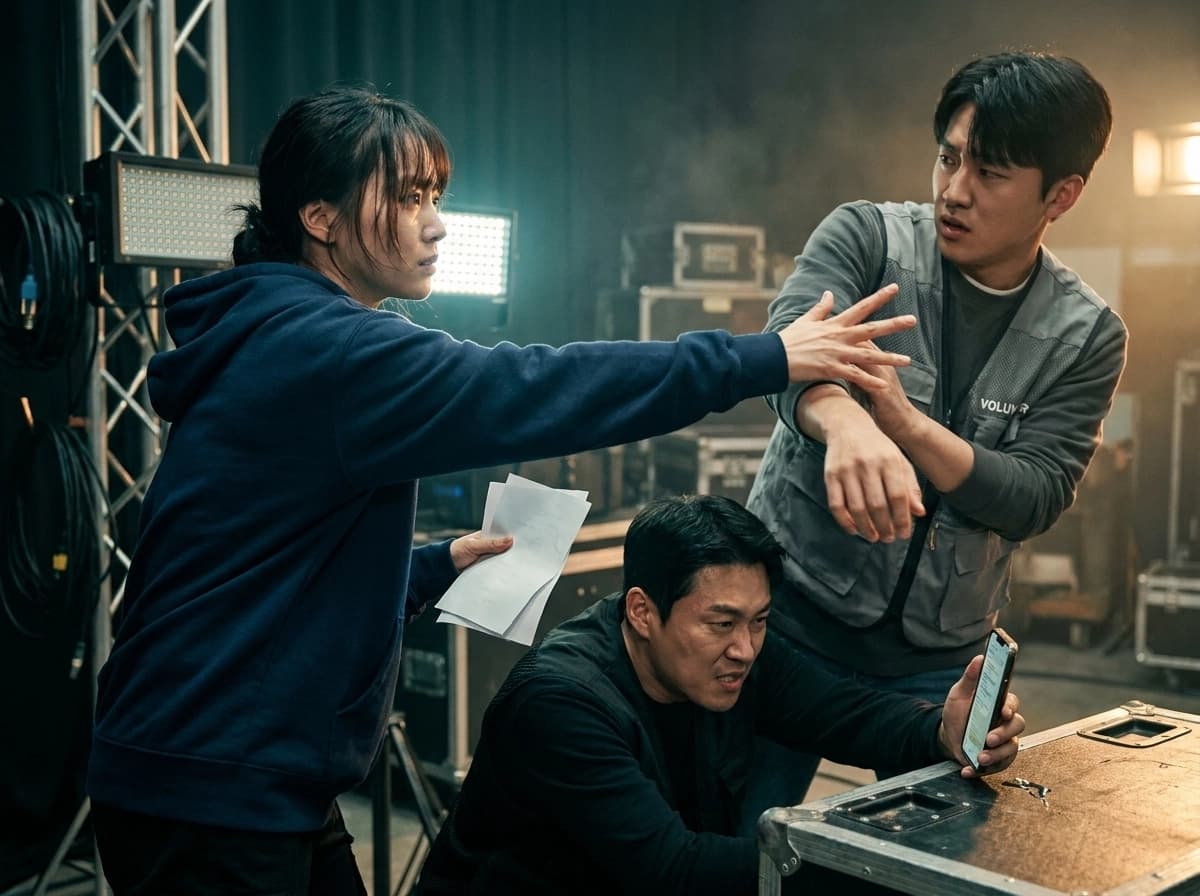
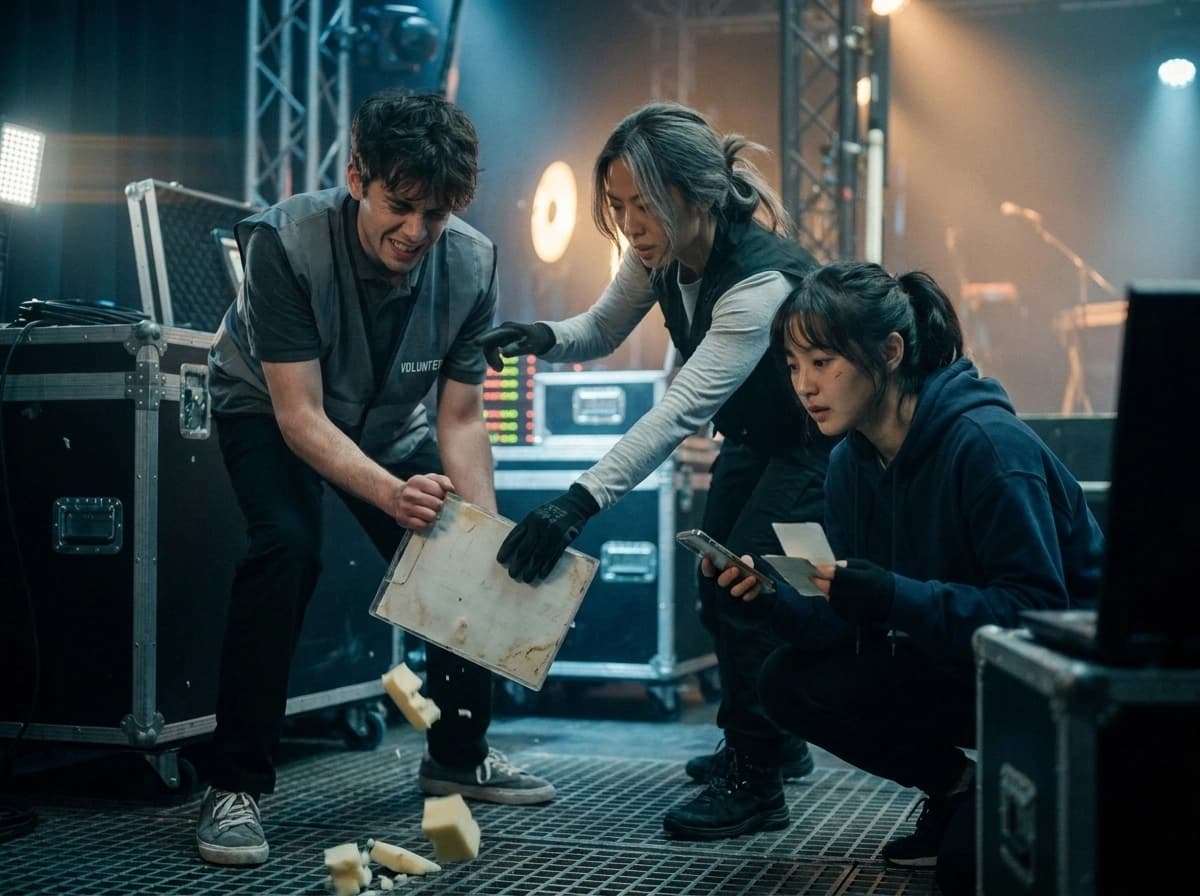
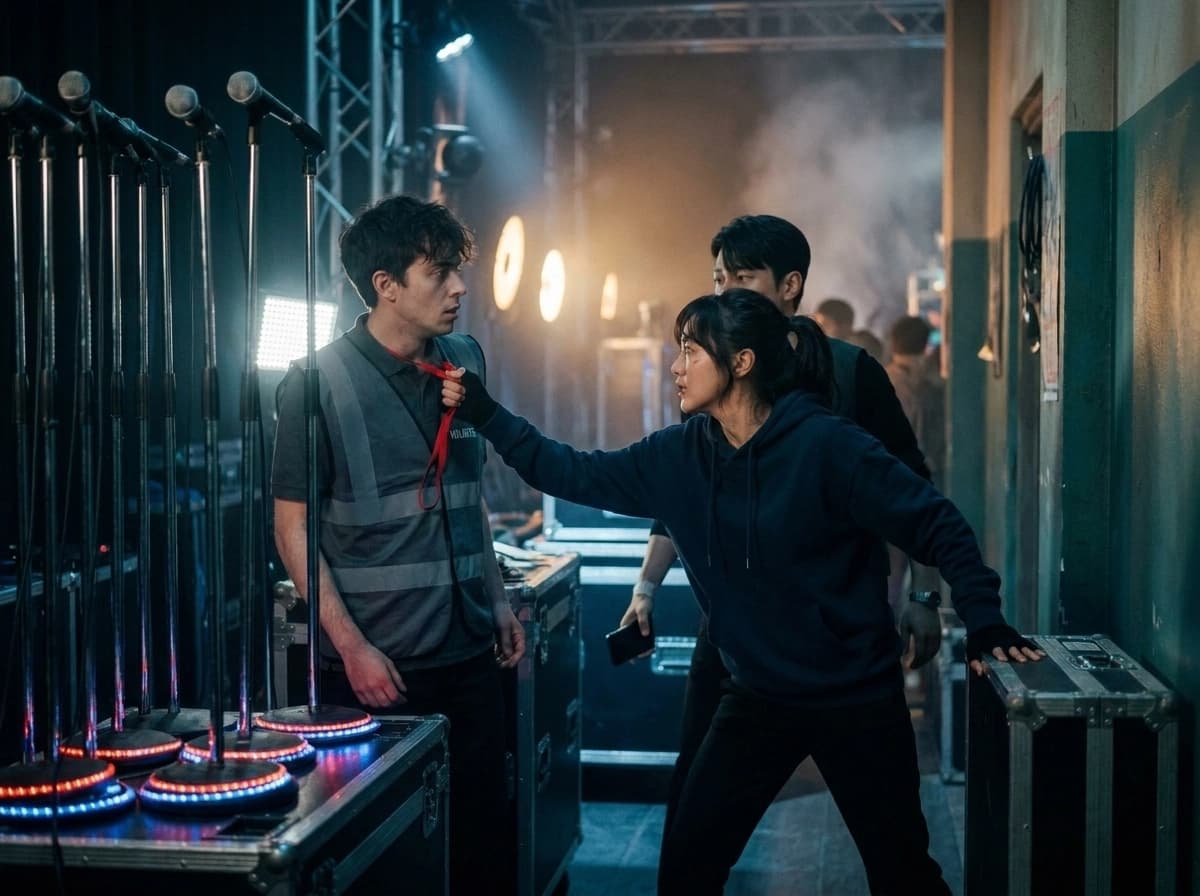
Ryu rushes to catch the patch swap on film, stepping so close to the mic station that his shoulder brushes the translucent sound-capsule. He flinches, then keeps filming anyway, trying to turn the risk into content. Mina shoots him a look that says “not now,” but it doesn’t stop him. For the first time, Jae-min notices how camera logic can become physical logic—his plan to swap the patch while the stage lights blink depends on his hands being clear and his body not getting shoved. Ryu’s positioning makes a narrow lane even narrower. Jae-min raises the emergency patch card holder, but he’s forced to sidestep around Ryu, and in that sidestep, his wrist catches the lanyard clip. The clip flips loose and drops. He scrambles instinctively to catch it, and the card holder slips from his grip just as the stage lights start the final part of the three-song sequence.
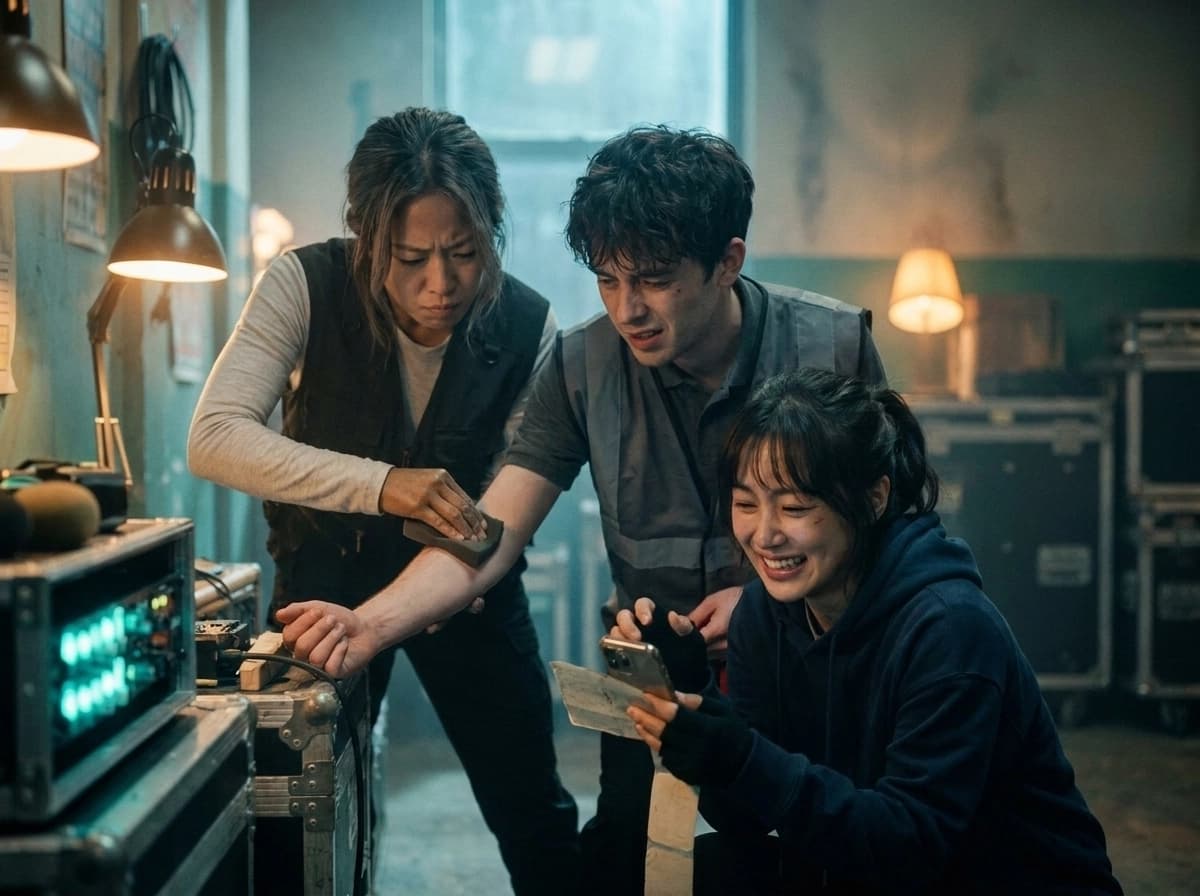
Song Eunjin sees it and moves like she’s done this with a heartbeat already failing. She reaches past Mina and clamps Jae-min’s forearm gently but firmly, pinning his hand and pushing the patch holder back into the correct angle. Mina watches Song’s fingers work—no speech, only the same timed gestures that the crew understands. Song pulls the mic-foam segment from the access bay with quick, practiced force, then presses the emergency patch card directly into the designated foam region. The patch clicks into place with a sound like a lid closing. For a breathless second, everything holds: stage lights strobe, safe-noise bar indicators pulse, and the crowd leans forward as if they can feel the sound returning through their bones.
Then the mic returns—just not to full voice. Safe noise becomes a harmless hair-dryer sibilance shaped enough that choreography cues can be restored. A few members stagger, then immediately correct their timing. Mina’s translation flashcards become usable again; the novices’ eyes brighten as if they’re finally allowed to breathe. The crowd’s “CARAT, HELP!” chant turns into a confused cheer—less panic, more disbelief—while Ryu’s camera continues rolling, capturing Mina’s face as she laughs and cries at the same time, her paper strips fluttering with the sudden relief of words finally landing where they should.
The last two songs pass with a kind of feverish grace. Mina keeps the translation timing tight, correcting lyrics in real time with her flashcards while the safe-noise bars fade and pulse only during the transition moments. Jae-min stays close to Song Eunjin, hands hovering as if he wants credit and fears he’ll be accused. He keeps glancing at the patch-bay exit like he expects to be punished for the earlier misread, but Song doesn’t speak—she just wipes adhesive residue from her gloves and watches the stage with eyes that look too old for a woman who only designed a system to save people. Ryu, for once, is quiet. His framing stays steady because he’s afraid to move and ruin the miracle he just filmed.
At the final song boundary, the venue’s rules finally allow normal audio to resume. The stage lights shift from strobing amber-green countdown panels to a clean, celebratory sweep. That’s when the reveal lands like a punchline nobody asked for: during the early chaos, while everyone hunted for the missing headset and blamed equipment delays, the emergency patch wasn’t only on the patch board as “the fix.” It had been hiding in plain sight all along—inside the mic foam of the very member who couldn’t find his headset before the doors locked. The “headset problem” hadn’t been a mistake at all; the patch segment had been temporarily removed and replaced by someone during prep, and Song Eunjin’s three-song rule had been the only thing keeping that hidden patch from ejecting prematurely.
Mina stares at the mic foam as the member leans into a clear, normal word. She suddenly remembers the earlier rehearsal note: the engineer-coded blink sequence had been visible even before the broadcast began, and she had assumed it was a test. Now she realizes the venue had already chosen where the patch would be placed—choosing someone’s voice as the solution. Song Eunjin stands a little taller, as if she’s been punched in the gut and then told she survived. Her guilt doesn’t disappear; it sharpens into a different shape. She didn’t merely patch a failure—she confirmed that the system’s strictness is what kept the wrong outcome from happening again.
Jae-min, who had wagered his volunteer badge on translating the light code, watches the reveal and collapses a fraction in his posture. He isn’t angry at Song; he’s angry at himself for needing to be first. Ryu Taeho raises his phone higher, finally filming something he can call a story. But when the member looks toward the side of the stage—toward where the patch origin was hidden—Ryu’s smile falters. The footage shows too clearly that the “engineer” moment wasn’t purely heroic; it was a mistake that had been waiting. Mina, still holding her paper cue strips, steps closer to the aisle where the crew can be seen, and she turns her phone toward the CARAT novices, showing them the exact line timing once the audio is fully back. Her jokes return, softer this time. She doesn’t tease the failure; she teases the relief, because she understands now that promises are only as good as the hands that keep them.
By the time the encore bows end, the crowd is chanting CARAT’s name with the same mouth shapes that once came out as safe-noise hiss. The stage crew clears the snack-table service lane without drama. Ryu reviews his footage, his thumb hovering like a metronome, and he makes a choice that costs him a little pride: he includes the unglamorous parts—his foot bump, Mina’s grab, Jae-min’s scramble—because leaving them out would turn the story back into a clean lie. Song Eunjin walks toward the patch-bay, her eyes briefly meeting Mina’s over the reflective rails. Mina gives a tiny nod, the kind you’d give someone who didn’t ask to carry a rule like a bruise. And the two novice CARATs—still clutching their flashcards—look at Mina as if she’s not just translating lyrics, but translating what it means when the world breaks, and the right people decide to fix it anyway, three songs at a time, before the timer locks forever.