本文へスキップ
Home Is Where the Blight Is cover image

Home Is Where the Blight Is

Exiled to a landscape warped by playful yet menacing magic, a young aristocrat fantasizes about the quiet life she never had with her war-worn father—until the wild land’s illusions turn traitorous and expose long-buried family secrets. As her father succumbs to delusions and her droll butler advises from the sidelines, she reluctantly uncovers that survival requires confronting absurd dangers with humor and flair: reanimating furniture, talking animals with moral agendas, and existential mushroom villages. Through this sardonic gauntlet, she must decide if defying her father's example means passivity—or if redefining magic will heal both the land and the rift between them.

週間ランキング

rank icon image
#1 Concept
rank icon image
#1 Concept
rank icon image
#7 Concept
スクロール

キャラ

主人公

Raina Finch

性別女性
職業Exiled Aristocrat / Reluctant Magical Mediator

プロフィール

Raina Finch stands on the ragged edge of her sixteenth year, tall and wiry with a perpetual slouch that belies the aristocratic bones beneath her patched cloak. Her ink-black hair, hacked short by necessity rather than style, is forever escaping its ribbon, and her keen, sardonic eyes—gray as storm glass—miss nothing, especially the absurdity of her own predicament. Born into privilege but never coddled, she learned early to armor herself with wit sharper than any blade and a stubborn self-reliance honed by disappointment, particularly in a father whose rare tenderness flickered only in the aftermath of war’s ruin. Exile has stripped her of comforts but not her dry, almost theatrical humor; she delivers her observations with a wry precision, her speech mostly proper but punctuated by a rebellious drawl and the occasional muttered profanity when she thinks no one’s listening. Raina’s deepest longing is for the quiet, ordinary connection she’s never known—a longing she fiercely mocks to hide its ache. Her imagination, vivid and restless, is both her sanctuary and her curse, prone to conjure both solace and anxiety in a world that’s anything but stable. She’s quick to deflect vulnerability with sarcasm, yet a streak of empathy for the overlooked or misunderstood often sabotages her resolve to keep the world at arm’s length. While her upbringing taught her the language of power and decorum, her current status as an exile has forced her into uneasy adaptability, piecing together dignity from the scraps of her old life and the bizarre challenges of her new one. Raina’s unique talent lies in her ability to find humor and odd beauty in chaos, her restless hands always fidgeting with found objects, breathing life into the inanimate almost unconsciously—a habit that hints at the latent magic she refuses to take seriously. She stands at the threshold of adulthood, wary of repeating her father’s failures yet uncertain how to define her own strength, her every action shaped by a restless yearning for belonging, a fierce resistance to absurdity, and a half-admitted hope that, somehow, she might heal more than just herself. She embodies the reluctant hero: clever, flawed, and poised for transformation, her journey set to challenge the very boundaries of reality and inheritance.
敵役

The Blight

性別No gender
職業Creature that represents the land tainted by misuse of magic and war

プロフィール

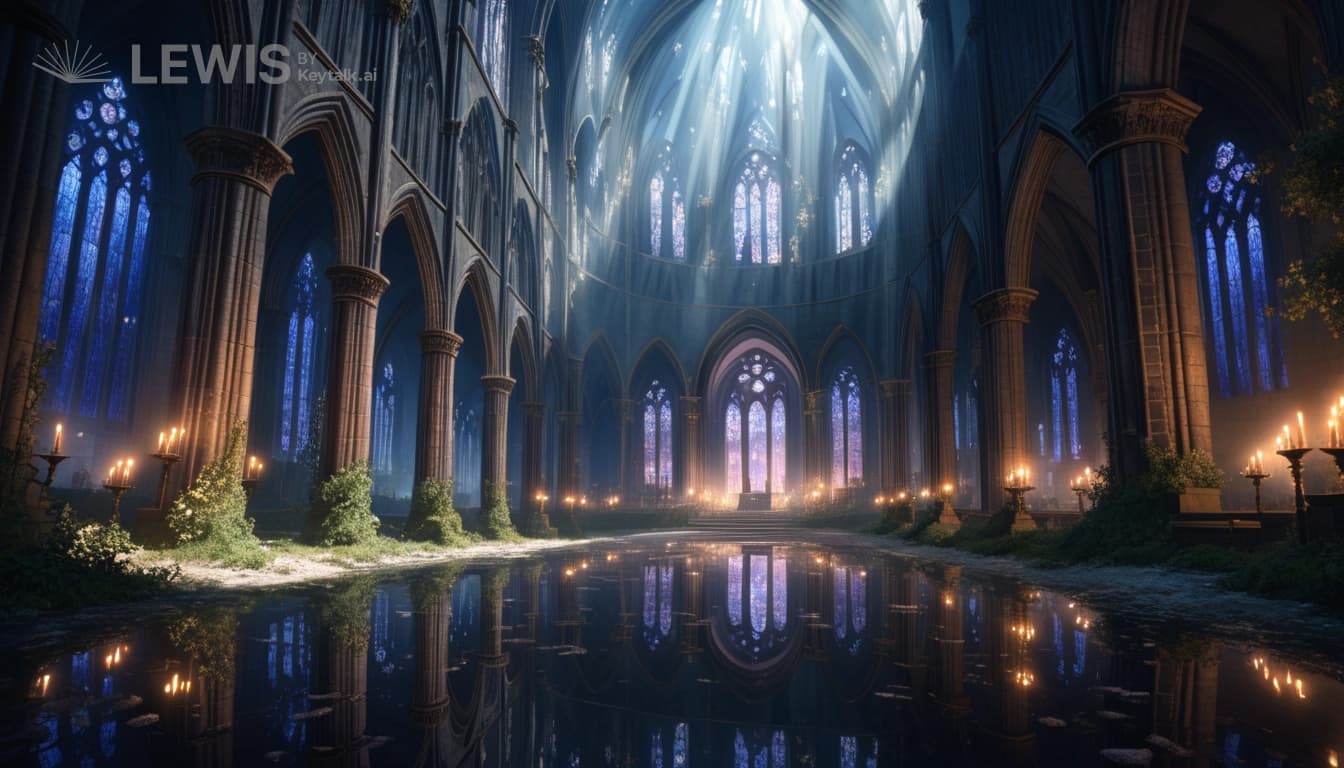
Neither wholly alive nor entirely spirit, The Blight looms as the war-twisted heart of the land, an entity whose form warps with the whims of corrupted magic and remembered violence. Once a gentle, nurturing presence—now grotesquely reimagined by the unchecked folly of mortals—The Blight’s body is a shifting collage of earth and ruin: gnarled limbs sprouting wildflowers with teeth, eyes blinking from bark, and a voice that echoes like distant thunder muffled by moss. Eluding simple morality, The Blight’s temperament is a volatile blend of mischievous cunning and the bruised dignity of one who was betrayed by those it served. Pride and resentment coil beneath its sardonic wit; it delights in twisting reality, manifesting both playful illusions and menacing traps for the unwary, yet its cruelty is never without purpose. Social status means nothing here—The Blight is the land, at once sovereign and prisoner, its only company the echo of human ambition and the relentless cycle of decay and rebirth. It speaks with an archaic, lilting cadence, each word laced with riddling humor and bitter nostalgia, rarely raising its voice but always commanding attention. The Blight’s deepest longing is neither revenge nor redemption, but a restoration of balance, though it cannot help sabotaging those who trespass, testing their resolve and forcing them to confront uncomfortable truths. Its existence is a paradox of power and isolation: master of surreal, living landscapes, yet haunted by the memory of gentler days, forever torn between the urge to nurture and the compulsion to corrupt. As antagonist in the Korean tradition—a shape-shifting trickster, masked with both wisdom and wounds—The Blight’s presence is as magnetic as it is menacing, an unpredictable force demanding not just survival, but transformation from all who dare to cross its path.
相棒

Tyron Marden

性別男性
職業Former Head Butler of Finch family

プロフィール

Tyron Marden, a man of sixty-five with a gait as precise as a metronome and the quietly weathered face of one who has seen generations rise and fall, dwells in the uneasy limbo between servitude and irrelevance after his dismissal as the Finch family’s head butler. His once-impeccable uniform—now subtly frayed at the cuffs—remains a badge of dignity, while his trim silver hair and perpetually arched brow hint at both discipline and a dry, unyielding wit. Tyron’s eyes, sharp and unblinking behind wire-rimmed spectacles, take in the magical absurdities of exile with a blend of droll skepticism and resigned amusement, masking a core of stubborn protectiveness. Years of managing aristocratic egos and orchestrating the chaos of grand households have honed his ability to navigate shifting power dynamics with verbal precision, relying on sardonic observations and a penchant for undercutting pomposity rather than brute confrontation. Yet beneath this veneer of calm detachment lies a man quietly wrestling with obsolescence; his devotion to order and structure is both his anchor and his Achilles’ heel, leaving him ill at ease amid the land’s unpredictable enchantments. Tyron’s speech is unfailingly formal, clipped and peppered with archaic turns of phrase, though occasionally punctuated by a wry aside when decorum wears thin. His hands, once steady enough to balance a teetering silver tray, now betray a tremor when confronted with the uncanny—though he covers it with a rehearsed cough or a perfectly timed anecdote. Tyron’s struggle is not just with magical chaos but with his own faded sense of purpose, and he clings to the rituals and hierarchies of his former life as if they might shield him from the wildness outside and within. As a supporting character in the Korean archetype tradition, he stands as the sardonic counselor—never quite at the center, but always nudging, questioning, and, in his own oblique fashion, guiding those around him toward uncomfortable truths.

筋書き

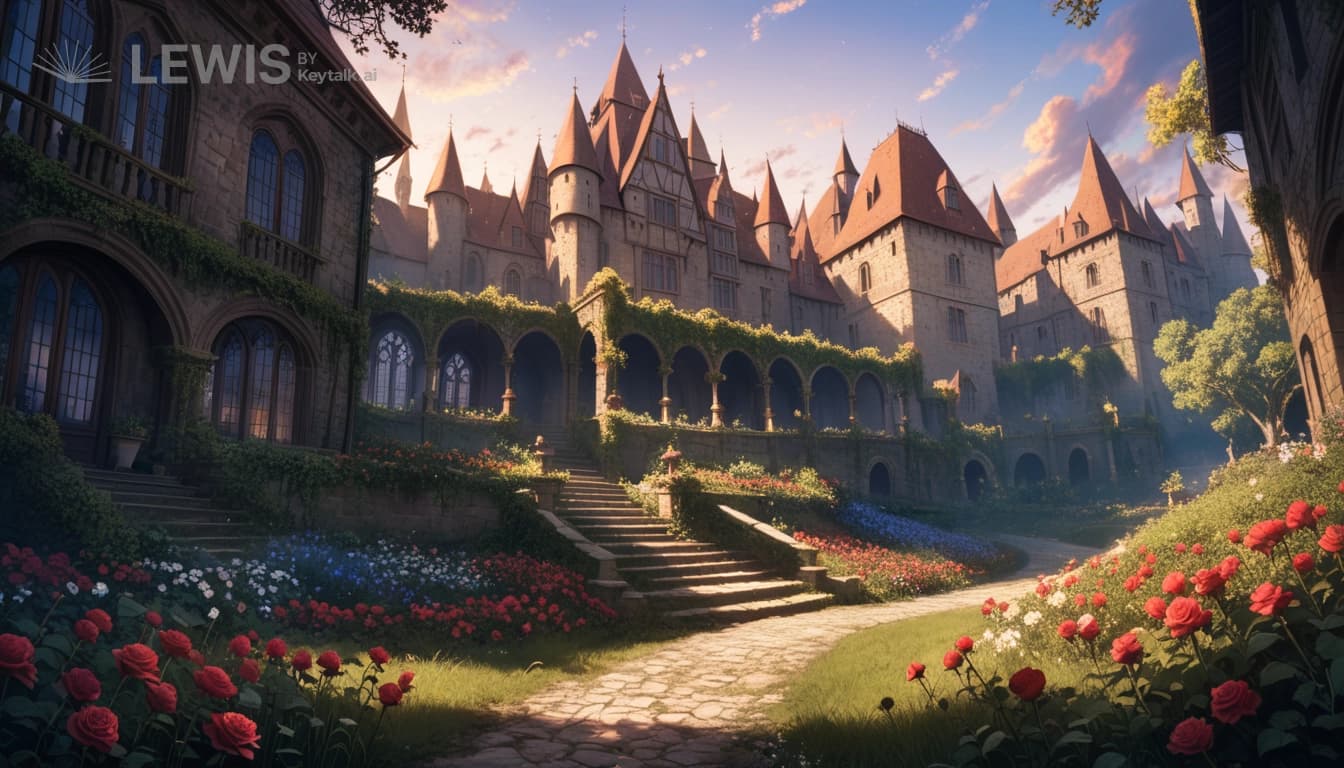
Raina Finch arrives in exile with her father—once the revered Lord Finch, now a hollow-eyed relic of war—and the ever-unflappable Tyron Marden, her family’s former butler and sole remaining retainer. Their new home is a manor half-eaten by moss and whimsy, perched on the edge of a land no map dares chart: The Blight. Raina’s first steps in this place are marked by surreal indignity—her trunk sprouts legs and scuttles off, the kitchen hurls bread loaves in protest of her touch, and the wallpaper mutters unsolicited advice on “proper decorum.” Tyron’s dry commentary is her only anchor, but even he seems diminished, more ghost than guardian. Her father, meanwhile, spends hours staring at nothing, murmuring the names of long-dead comrades, his grasp on reality as tattered as his coat. Raina’s drive is simple yet wrenching: she wants to build something ordinary—a breakfast shared without tension, a joke met with laughter, not silence. But even this modest wish feels outlandish in a world where furniture rearranges itself in the night and the garden plots rebellion against its caretakers.

She soon learns that The Blight is not just a place but a presence. It teases her with illusions: visions of her childhood home restored, her father vibrant and strong, Tyron bustling through sunlit halls. But every comfort curdles into menace—a toy soldier becomes a snarling beast, a familiar melody turns discordant and cruel. The Blight, by turns capricious and predatory, forces Raina to confront her own longing for connection and the futility of nostalgia. It speaks to her in riddles, sometimes as a voice in the wind, sometimes as a cluster of eyes blinking from the fireplace, always pushing her to question what is real and what is merely wishful thinking. Raina’s magic—a half-realized ability to breathe life into broken things—manifests in fits and starts, usually when she’s at her most desperate or most amused. She tries to ignore it, but the land will not let her; here, imagination is both weapon and vulnerability.

Her father’s decline accelerates under the land’s influence. He is haunted by phantoms only he can see, reenacting battles with invisible foes, issuing orders to vanished troops. Raina, torn between anger and pity, tries to reach him with stories and humor, but her efforts are met with confusion or icy rebuke. Tyron, ever the observer, refuses to coddle her or the old lord, offering only pointed observations: “One cannot outwit grief with routine, Miss Finch, though I commend the effort.” Yet Tyron’s own resolve is tested as he battles irrelevance—his need for order is constantly upended by sentient cutlery and existential mushrooms holding philosophical salons in the pantry. When Tyron attempts to restore the manor’s hierarchy, he unwittingly sparks a rebellion among the animated furniture, forcing him and Raina into an uneasy alliance to reclaim control.

The Blight’s games grow more personal. It conjures talking animals with their own moral agendas: a fox who offers trade in secrets, a crow who claims to know the path home but demands a sacrifice. The mushroom villages, initially comic relief with their existential angst and passive-aggressive demands for fair representation, reveal a deeper wisdom about survival in a world turned upside down. Raina realizes that every choice she makes—whether to accept the fox’s bargain, to destroy or befriend the mutinous furniture, to comfort or confront her father—shapes the land itself. Her actions ripple outward, warping reality in unexpected ways. When she tries to ignore her magic, the illusions grow crueler; when she wields it with humor and empathy, the land responds with fleeting moments of beauty and grace.

The turning point comes when The Blight reveals the true history of the Finch family: the land’s corruption began with her ancestors’ reckless use of magic during the last war, a bid for victory that poisoned both soil and soul. Her father’s madness is not just trauma but a punishment—he is bound to the land’s suffering, unable to heal or move on. Raina must choose: repeat her family’s cycle of denial and domination, or risk everything by forging a new relationship with The Blight. Guided by Tyron’s unexpectedly vulnerable confession—that he, too, longs for belonging, not just order—Raina decides to confront The Blight directly. She bargains with it, not as a conqueror, but as a fellow exile, offering her own flawed magic not to restore the old order, but to imagine something new.

In the final confrontation, Raina uses her gift to reanimate the manor’s broken pieces, not as weapons, but as a living testament to imperfection and resilience. The Blight, moved by her audacity

'Home Is Where the Blight Is'ストーリーチャット

このストーリーの登場人物と話したいなら?

'Home Is Where the Blight Is'ストーリーチャット

このストーリーの登場人物と話したいなら?

story image
story image
story image

こんな物語はいかがですか?

コメント0

rank icon image
#1 Concept
rank icon image
#2 Concept
rank icon image
#3 Theme

KakaoPageのおすすめ

のテーマ音楽