筋書き
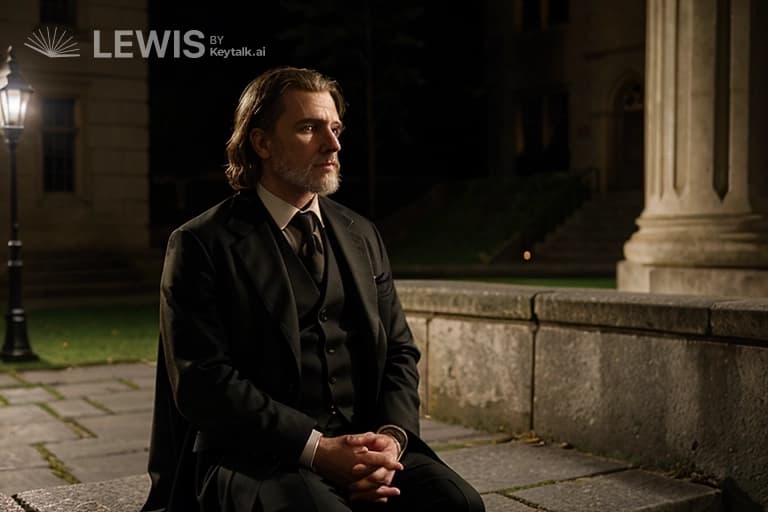
In the hallowed halls of academia, where tradition casts long shadows, Dr. Elias Vandermeer stands as a beacon of contentious thought. His latest theory, a radical reimagining of human nature, stirs the pot of intellectual complacency, earning him the scorn of the establishment. The controversy surrounding his ideas forces Elias into a reluctant isolation, turning him into a pariah within the very institution he has served with unwavering dedication.
The formidable Chancellor of the University, Dr. Verner Cygnus, with his allegiance to the old European academic traditions, views Elias's progressive notions as a direct threat to the sanctity of their scholarly haven. It is in his vested interest to maintain the status quo, and thus he seeks to quell the disruptive whispers of change at every turn. Cygnus's internal battle against the potential blemish on his legacy fuels his external campaign to suppress and discredit Elias's theory, ensuring the professor's exile.
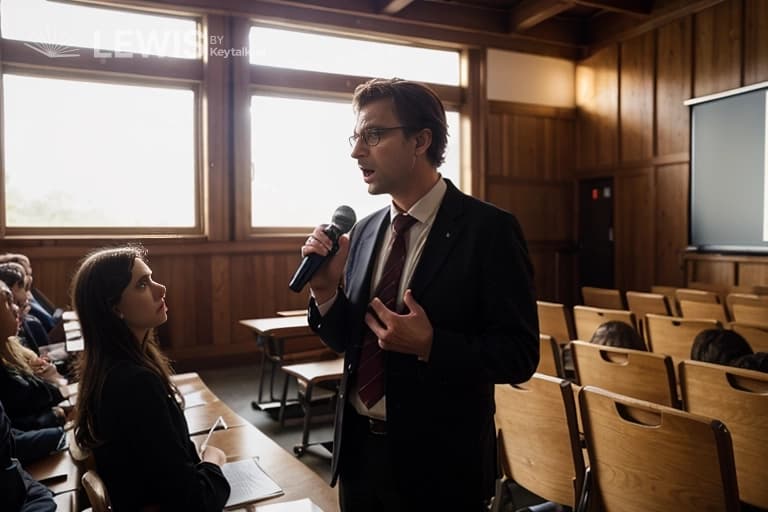
Elias's stoicism is tested as he confronts the stark reality of his alienation, but it is within the confines of this solitude that an unexpected communion takes shape. Ezra Thatch, a young Graduate Assistant in Philosophy, becomes the bridge between Elias and a diverse group of idealistic students who are drawn to the professor's unorthodox views. Ezra, wrestling with his own internal strife between youthful idealism and the realism demanded by his academic pursuits, finds resonance in Elias's plight. He becomes the professor's staunch ally and a catalyst for the gathering momentum behind their intellectual rebellion.
As the story unfolds, the interactions between Elias and his band of intellectual disciples deepen, transforming from a mere exchange of ideas into a profound journey of the heart. The evolution of their thought and the emotional bonds they forge become the driving force behind a revolution that transcends the walls of the university. Elias's personal growth is mirrored in his students, as they collectively challenge the archaic doctrines that have long defined their world.
In a climactic turn of events, the revolution in thought and heart kindled by Elias's theory and the students' fervor reaches a boiling point. The academic community is forced to confront the validity of the controversial ideas, as the movement gains ground beyond the institution. Chancellor Cygnus, faced with the undeniable power of this intellectual uprising, begins to falter. His attempts to stifle the movement only serve to fuel its fire.
In the end, Elias's commitment to truth and the impassioned idealism of his students triumph over the constricting bonds of tradition. Chancellor Cygnus, recognizing the futility of his resistance, concedes defeat, allowing the seeds of change to take root. The final scenes leave us with a university—and a society—poised on the cusp of a new era, one born from the courageous journey of a stoic professor and the unyielding spirit of his students.