본문으로 건너뛰기
Confessions for Sale cover image

Confessions for Sale

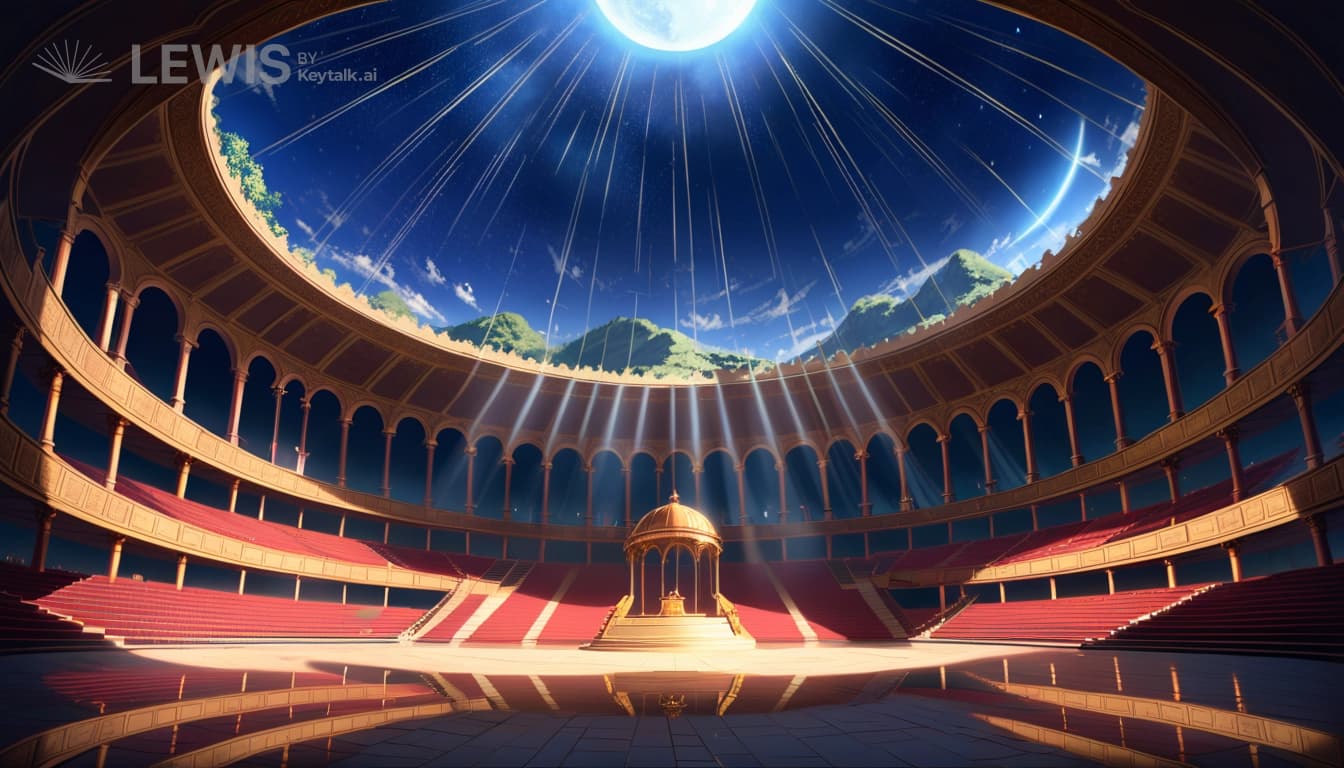
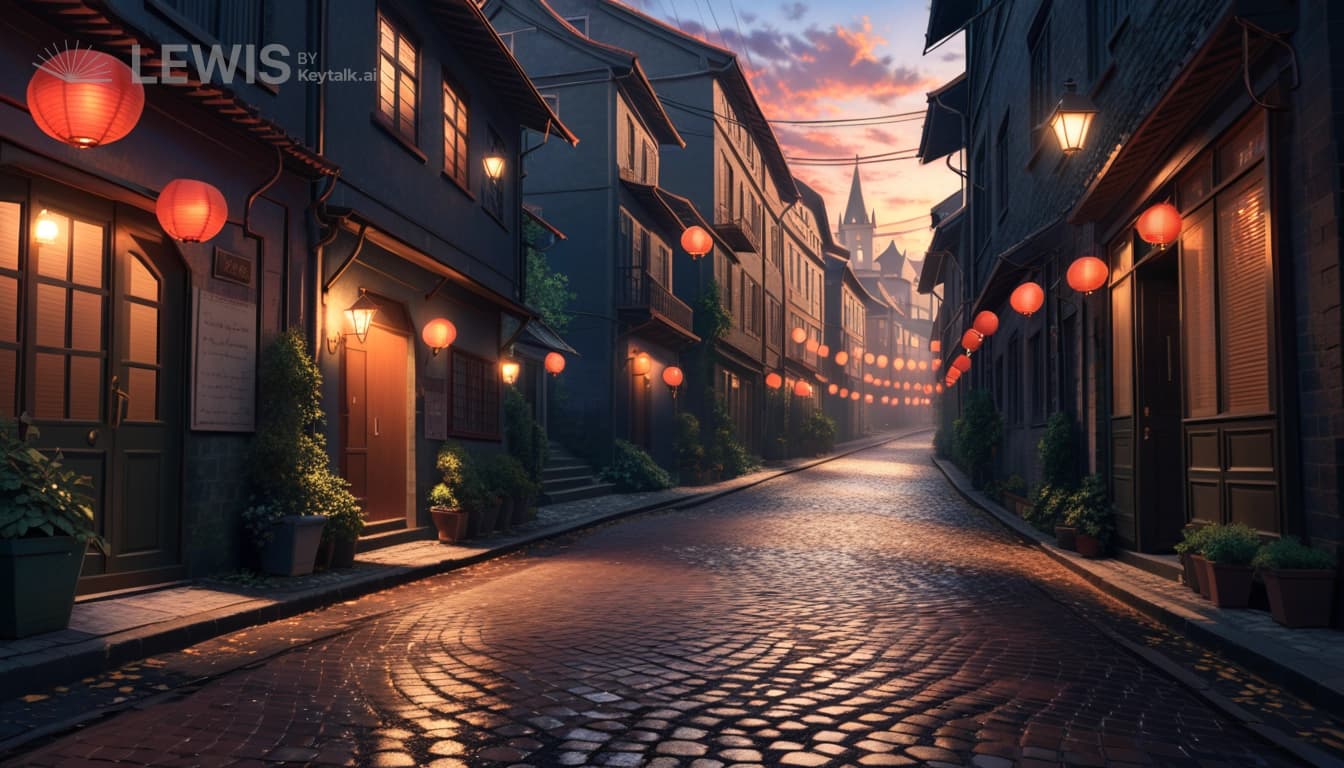
Beneath a sky forever inked with static, three cursed, unknowable sisters hide within the mechanical ruins of an abandoned amphitheater, luring heartbroken clients whose confessions transform into hazardous obsessions. When a rebellious student, desperate to forget forbidden love, confides in them, the sisters seize the chance to unravel the city’s deepest taboo: learning to love against the will of its unseen rulers. But as the sisters orchestrate a subversive masquerade-dance that warps reality and threatens to dismantle the regime’s iron grip on human feeling, the distinction between curse and blessing, love and compulsion, blurs tragically for all involved.

주간 랭킹

rank icon image
#1 Genre
rank icon image
#1 Theme
rank icon image
#1 Concept
스크롤

캐릭터

주인공

Jun Mercer

성별여성
직업Rebellious Student / Underground Masquerade Dancer

프로필

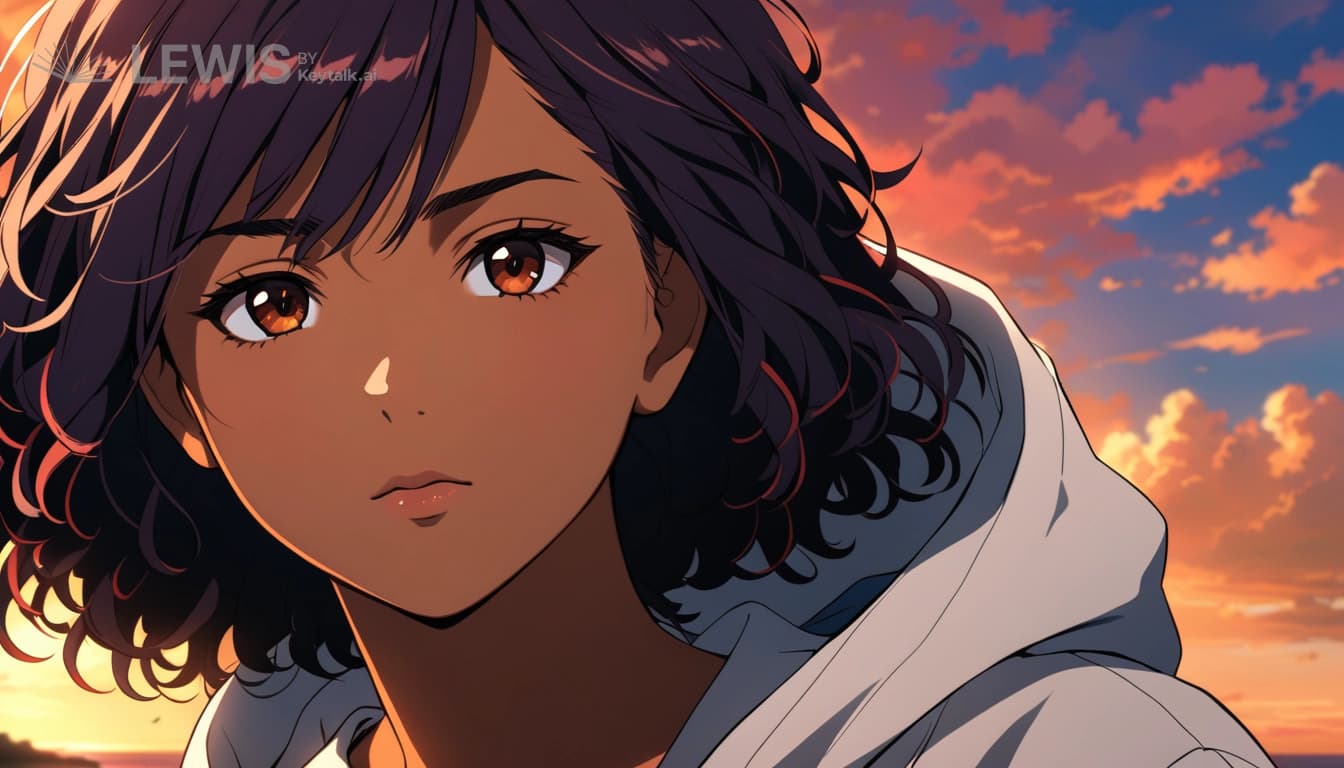
Jun Mercer stands at 5’5” with a wiry, kinetic build and the coiled energy of someone perpetually on the verge of flight or fight, her posture exuding both defiance and restless longing. Of mixed Japanese and Afro-Caribbean descent, Jun’s skin is a warm, dusky bronze, often illuminated by the city’s flickering neon haze, and her sharply cut features—high cheekbones, a narrow nose, and intense, wide-set eyes—are framed by a wild mane of indigo-streaked curls she refuses to tame. Her left eyebrow bears a small, crescent-shaped scar, a souvenir from a rooftop sprint gone awry, and her hands are perpetually ink-stained from scribbling poetry and secret letters in code. Jun’s wardrobe blends scavenged utility—patched bomber jackets, loose monochrome trousers, scuffed boots—with illicit masquerade masks and luminous silk sashes pilfered from the amphitheater’s forgotten costume vaults, creating a style equal parts urban rebel and clandestine performer. Her speech is sharp, rapid-fire, and laced with Kansai dialect expressions picked up from her grandmother, yet she slips into poetic, almost hypnotic cadences while dancing or confessing her truest feelings, a testament to her deep internal conflict. Outwardly brash and quick-witted, Jun is fiercely protective of her small circle of fellow outcasts, yet she is chronically suspicious of intimacy, her longing for genuine connection at war with the city’s suffocating proscriptions on desire. Her childhood was marked by the mysterious disappearance of her older brother—a fact that haunts her worldview and spurs her rebellious streak—while her academic record oscillates between brilliance and self-sabotage, reflecting her disdain for the regime’s rote, sanitized curriculum. Adept at reading people’s emotional undercurrents, Jun is both a natural performer and an incisive observer, but her tendency to channel pain into reckless spectacle leaves her vulnerable to the very obsessions she courts. In the shadowed, mechanized labyrinth of the city, Jun’s core motivation is as raw as it is simple: to reclaim the right to love on her own terms, even if it means risking everything in a masquerade that blurs the boundaries between salvation and self-destruction.
적대자

Kaede Shigure

성별남성
직업Regime Sanctioner (Emotion Suppression Bureau Chief)

프로필

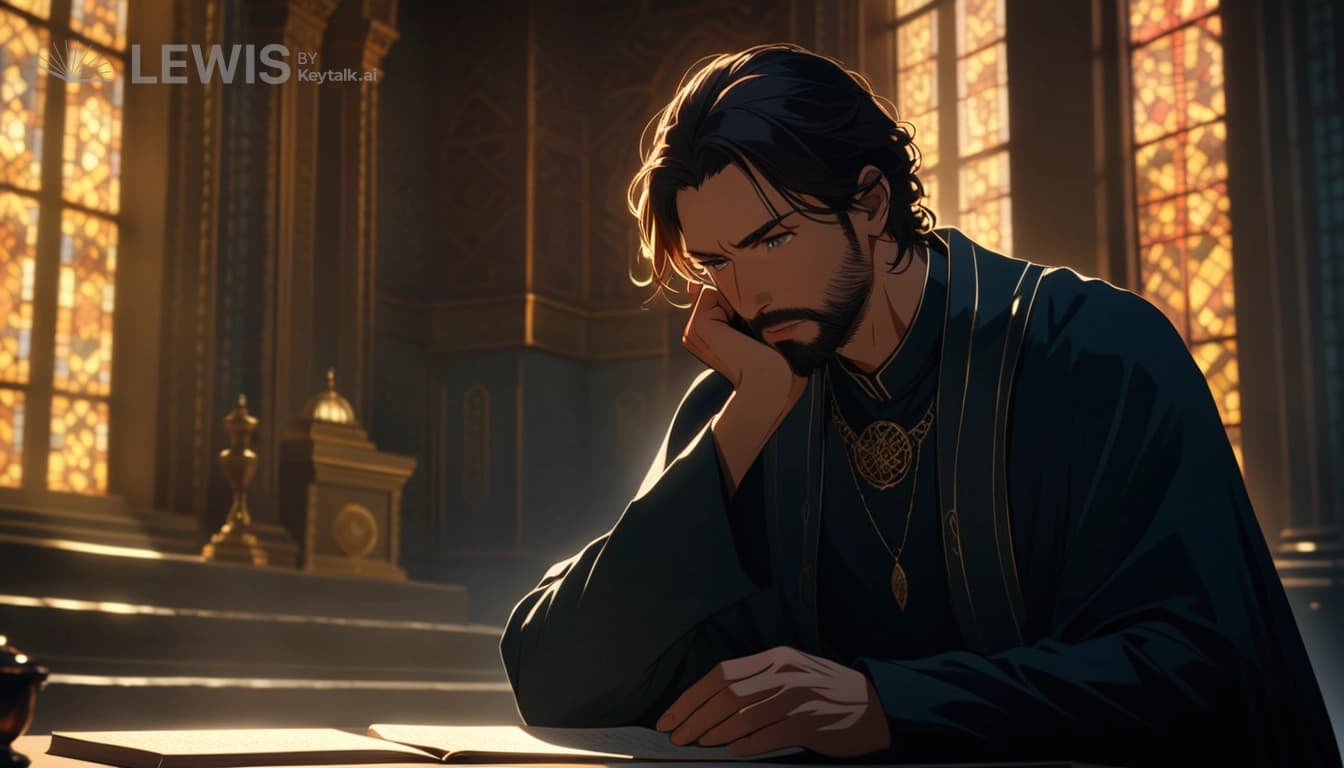
Kaede Shigure, a 38-year-old male of mixed Ainu and Yamato descent, stands as the implacable chief of the Emotion Suppression Bureau—an office both revered and feared under the city’s perpetually ink-dark sky. Tall (nearly 190 cm), lean yet sinewy, Kaede’s presence is as severe as his calling: a narrow, patrician face carved with stoic discipline, eyes the color of winter slate, and a shock of meticulously combed, iron-grey hair that belies his relative youth. A faint, crescent-shaped burn scars his left jaw, a remnant of an early arson case that seared his idealism into cold pragmatism. His uniform is immaculate: austere black, adorned with subtly coded insignia—never ostentatious, always exacting—while his movements and posture radiate a tension held barely in check. Raised by a mother who vanished under mysterious circumstances linked to the city’s forbidden passions, Kaede’s formative years were shaped by whispered betrayals and the unyielding doctrine of emotional discipline imposed in elite state academies. He is methodical, articulate, and unfailingly formal, his speech clipped and precise, laced with bureaucratic euphemisms and a northern dialect that slips through only when angered. Driven by a belief that unchecked desire breeds chaos—a conviction hardened by both personal loss and the regime’s relentless indoctrination—Kaede orchestrates his bureau’s interventions with clinical detachment, yet beneath his command lies a fascination with the very passions he is tasked to eradicate. His greatest strength lies in his capacity for strategic foresight and unyielding resolve, but his flaw is a growing inability to distinguish genuine duty from the shadow of his own suppressed longing. Isolated by rank and self-imposed restraint, Kaede’s only confidant is a collection of antique mechanical dolls, which he repairs obsessively, their silent company a mirror to his own engineered emotional vacancy. His methods—blending psychological acumen with technological surveillance—make him a formidable adversary to the sisters and the rebellious student, while his rigid worldview and hidden vulnerabilities threaten to unravel his composure as the city’s forbidden currents surge.
조연

Emiko Watanabe

성별여성
직업Clockwork Mechanic / Mask Crafter

프로필

Emiko Watanabe, a 25-year-old clockwork mechanic and clandestine mask crafter of mixed Ryukyuan and Japanese heritage, is a striking presence: petite yet sturdy at 5’2”, with deft, oil-stained hands, a delicate oval face flecked with burn scars, and shrewd obsidian eyes framed by thick, uneven bangs of midnight-blue hair tied back with copper wire. Her clothing is a practical patchwork of reinforced navy yukata and modular leather aprons, the hems weighted by tiny, tinkling gears—an idiosyncratic echo of her dual life in the city’s derelict underbelly. Raised in the shadow of the amphitheater’s mechanical labyrinth by a family of exiled artisans, Emiko’s worldview is steeped in suspicion and pragmatic resourcefulness, but also a stubborn reverence for beauty born of imperfection. She speaks with clipped, measured words, her Kansai dialect surfacing in moments of agitation, and rarely wastes breath on sentimentality—preferring the precise language of machinery and design. Her talent for sculpting intricate masks, each embedded with subtle emotional triggers, has earned her quiet infamy among the city’s desperate and the regime’s most wary; yet, her motivations are fiercely her own, rooted in a yearning to reclaim lost family honor and to subvert the city’s stifling edicts from the shadows. Emiko’s loyalty to Jun is pragmatic rather than sentimental—she recognizes in the younger woman both a spark of reckless hope and a dangerous naïveté, compelling her to serve as both foil and reluctant mentor. Unlike Jun’s impulsive defiance, Emiko approaches problems methodically, always calculating risk and reward, her cynicism a protective shell against the amphitheater’s haunted promises. Her relationship with Kaede Shigure is defined by a mutual, wordless disdain: she sees him as a soulless engineer of human misery, while he regards her as an unpredictable contaminant in his ordered world. Beneath her stoic exterior, Emiko is haunted by the fear that her own creations—masks that both free and ensnare—may perpetuate the very obsessions she seeks to dismantle. She is a woman of contradictions: a protector who distrusts attachment, a craftsman whose tools are weapons, a sidekick whose quiet agency and moral ambiguity shape the story’s most fateful turns.

줄거리

Under the city’s unyielding sky—ceaseless black, electric with static, as if the heavens themselves had been soldered shut—Jun Mercer dances alone atop the amphitheater’s crumbling proscenium. Her heart is a snare drum of need and defiance; her hands, ink-stained and trembling, clutch a forbidden letter pressed against her chest. The city below is a labyrinth of surveillance and silence, where love is contraband and heartbreak is policed more zealously than crime. Jun’s longing for a vanished brother and a love she was forced to renounce has driven her to the amphitheater, rumored to be haunted by three unknowable sisters whose confessions warp reality. Desperate to forget and unwilling to submit, Jun seeks out the sisters, determined to unburden herself—even if it means risking obsession, madness, or worse.

The sisters—beings of shifting shadow and porcelain masks—welcome Jun with a smile that is all teeth and prophecy. They listen to her confession, weaving her grief and hunger into a fragile mask: a relic of longing that promises oblivion or transcendence. As Jun dons the mask, her memories fracture, replaying her forbidden romance in kaleidoscopic shards—each more intense, more distorted than the last. The sisters, sensing the depth of Jun’s pain and her refusal to succumb to the city’s emotional void, hatch a plan. They will use Jun’s raw desire as a spark to ignite something greater—a masquerade-dance so powerful it might awaken the city from its engineered numbness. But their curse is also their prison: every confession they absorb brings them closer to breaking the taboo, yet deepens the risk that they, too, will be consumed by obsession.

Meanwhile, Kaede Shigure, chief architect of emotional suppression, senses a disturbance rippling through the city’s neural grid. Reports of citizens spiraling into dangerous fixations—murmured confessions echoing Jun’s own—reach his desk. Kaede, whose own mother was erased for daring to feel, is both hunter and haunted: he is obsessed with maintaining order yet secretly fascinated by the passions he is meant to extirpate. Through hidden surveillance and the city’s omnipresent sensors, he traces the outbreak of obsession to the amphitheater and the sisters’ mechanical lair. Kaede’s fixation with control collides with a growing recognition of his own repressed longing, embodied in the antique dolls he repairs each night in solitude—a private, unspoken rebellion against the regime’s mandate.

Jun, emboldened and fractured by her encounter with the sisters, returns to her confidante and unlikely co-conspirator, Emiko Watanabe. Emiko, a master of clockwork and mask-crafting, is both wary and intrigued by Jun’s new obsession. She helps Jun decipher the mask’s hidden mechanisms and agrees, against her instincts, to help orchestrate the sisters’ masquerade-dance. Emiko’s motivation is tangled: part loyalty to Jun, part revenge on a regime that exiled her family, part curiosity about whether beauty can be salvaged from ruin. As the sisters’ influence spreads, Emiko crafts new masks—each laced with emotional triggers designed to awaken, not numb, the soul. The amphitheater becomes a clandestine stage, drawing in the city’s outcasts and the heartbroken, each desperate for release.

The masquerade-dance unfolds: a forbidden festival where masked revelers shed their emotional shackles and confess their deepest desires in a choreography that blurs the line between memory and invention. The sisters guide the dance, feeding on the confessions, amplifying the obsessions, and subtly warping the city’s reality. Jun, at the center, finds herself both ringleader and pawn—her longing magnified and mirrored in the faces around her. Kaede, closing in, infiltrates the masquerade wearing a mask of his own design. Confronted by the raw, chaotic beauty of the dance—and by Jun’s fearless vulnerability—Kaede’s resolve falters. He is forced to reckon with the truth that the regime’s control is built not on order, but on the denial of everything that makes life worth living.

As the masquerade spirals toward its climax, the boundaries between curse and blessing, love and compulsion, dissolve. The sisters, momentarily freed from their curse by the collective outpouring of emotion, reveal their origin: once human, they were the regime’s first victims, transformed into conduits for state-sanctioned forgetting. Jun, realizing that her longing is both weapon and wound, must choose—submit to a blissful oblivion that erases pain and self, or risk everything for the right to feel, even if it means being consumed by obsession. Emiko, faced with the unintended consequences of her masks, sabotages the amphitheater’s mechanisms in a desperate bid to restore

장면

1
scene 1 image
Midnight on the Edge of Ruin
[Place] – The crumbling proscenium arch atop the city’s abandoned amphitheater, high above the silent, surveilled streets
[Time] – Midnight, under the city’s unyielding electric-black sky

[Action]
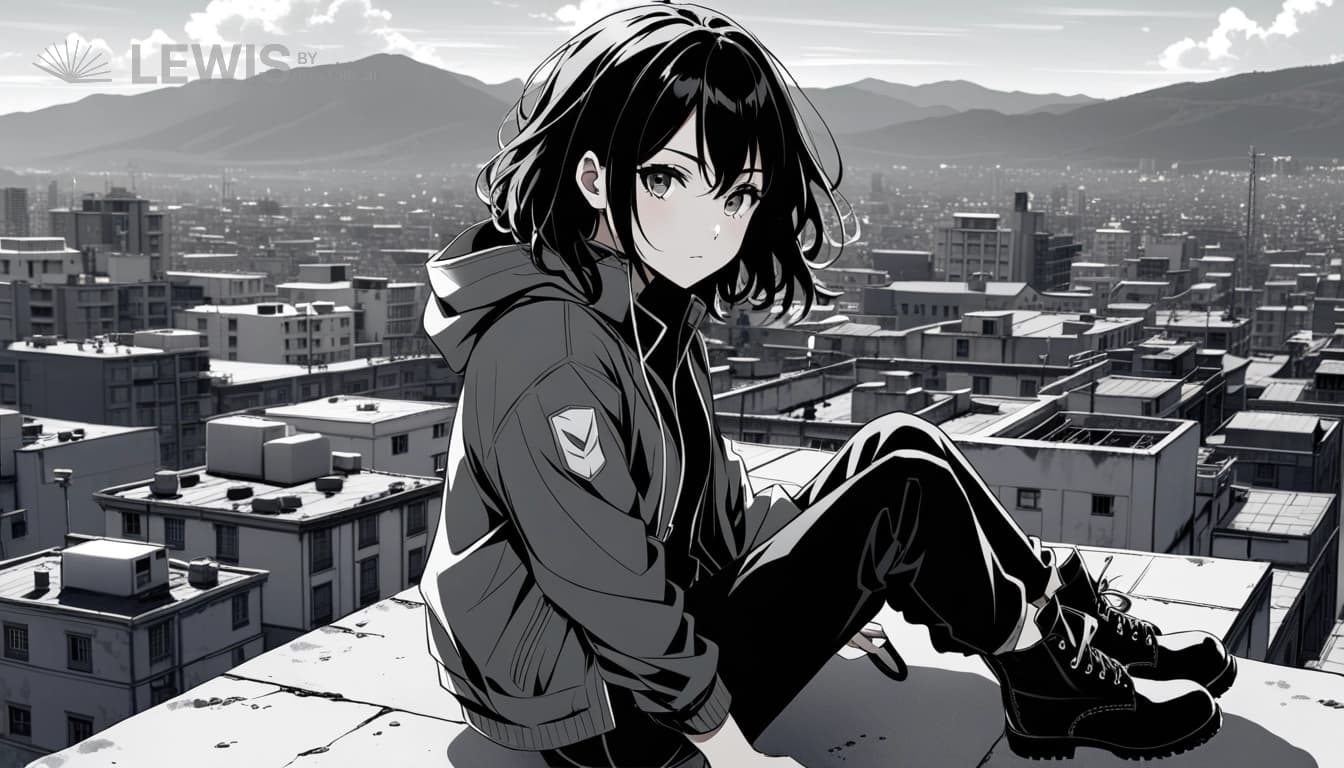
Jun Mercer stands alone on the precarious edge of the amphitheater, the city’s maze of cold lights stretching beneath her like a forbidden constellation. She is clutching a letter—its paper thin, its contents dangerous—her hands stained with the ink that once spelled hope and now marks her as a fugitive of feeling. Her heartbeat is frantic, a desperate percussion against the regime’s enforced silence. Jun’s motivations are tangled: she is searching for a trace of her vanished brother, but also for the taste of a forbidden love she was forced to renounce.

She is drawn to this haunted place by rumors of the three sisters—beings who can reshape sorrow into something unrecognizable. The amphitheater itself is alive with rumor and memory: graffiti from other exiles, echoing laughter that might be real or just the city’s static, and the ever-present hum of hidden surveillance drones. Jun is not just risking her safety by being here; she is risking her very self, her memories, her sanity.

The scene unfolds as Jun tears open the letter, its forbidden words sparking a visceral chain reaction—a flood of flashbacks, each more painful and vivid than the last. Shadows flicker and distort along the walls, hinting at the sisters’ presence, their laughter both inviting and chilling. Jun’s emotions—grief, longing, defiance—build to a breaking point as she finally calls out for the sisters, her voice raw with everything she has denied herself. The air thickens with anticipation, the promise of impossible bargains, and the ever-present threat of being discovered by the regime.

[Impact on the story]
This scene establishes Jun’s desperation and the high cost of forbidden emotion in the city, setting up her reckless need for catharsis and connection. It anchors her motivations, reveals her willingness to risk everything, and introduces the dangerous allure of the sisters. The tone is set for a story where longing and rebellion are indistinguishable, and where every act of feeling is an act of insurrection. The amphitheater becomes a liminal space—part graveyard, part stage—for Jun’s transformation and for the city’s dormant passions to stir.

[Description]
Jun Mercer risks everything for a taste of forbidden memory, standing alone atop the city’s haunted amphitheater with a dangerous letter in hand. Her longing and grief ignite the supernatural attention of the three sisters, marking the beginning of a journey where confession is rebellion and every emotion is a battle against oblivion.
2
scene 2 image
[Title]
The Letter That Should Not Exist

[Place]
The heart of the amphitheater’s stage, a mosaic of cracked marble and shadows, encircled by the looming, spectral figures of the three sisters

[Time]
Minutes after midnight, as city surveillance drones flicker at the periphery and static crackles through the night air

[Action]
Jun, trembling and breathless from her invocation, is confronted by the three sisters—entities whose presence warps the air and reality itself. They emerge from the gloom, their porcelain masks shifting between expressions that are equal parts compassionate and predatory. Jun’s forbidden letter is demanded as tribute; she hesitates, torn between the urge to protect her last link to love and the desperate hope that the sisters can offer absolution or escape. The sisters circle her, each probing with riddles and impossible questions designed to draw out the rawest threads of her memory and longing. As Jun confesses—to her brother’s disappearance, her illicit love, her terror of forgetting—the sisters weave her pain into a delicate, uncanny mask, their hands moving with supernatural precision.

Throughout the exchange, the sisters reveal fragments of their own curse and hunger, hinting that every confession they receive is both sustenance and a step toward their own undoing. Jun senses their vulnerability, sparking a strange empathy even as she is unsettled by their predatory grace. The amphitheater pulses with a dangerous energy: the city’s surveillance edges closer, and the lines between Jun’s thoughts and the sisters’ whispered truths begin to blur. By the end, Jun is left holding the mask—a physical embodiment of her grief and desire—uncertain whether she has been healed, cursed, or transformed. The sisters’ parting words are a prophecy and a challenge: what Jun does with her longing could shatter the city’s silence, or destroy her utterly.

[Impact on the story]
This scene deepens Jun’s emotional journey, pushing her from desperation into a state of fragile, haunted resolve. It forges a supernatural bond between her and the sisters, setting the stage for their mutual dependence and the larger rebellion to come. The mask becomes a symbol and a tool, while the sisters’ curse foreshadows the risks of awakening passion in a city built on repression. The tension between confession and consequence intensifies, laying the groundwork for both Jun’s transformation and the sisters’ secret agenda.

[Description]
Jun bargains with the three sisters, offering her forbidden memories in exchange for a mask crafted from her own longing. The sisters’ enigmatic hunger and the creation of the mask bind Jun to their fate, accelerating her journey toward rebellion and hinting at the dangerous power of confession in a world where emotion is forbidden.
3
scene 3 image
[Title]
In the Shadow of Three Sisters

[Place]
The hidden recesses beneath the amphitheater’s proscenium—a labyrinthine backstage, littered with relics of past performances, broken mirrors, and half-burnt scripts. Faint, unnatural light leaks through cracks in the stone, painting everything in shifting monochrome.

[Time]
The lingering hour after Jun’s mask is made—still deep night, with city patrols prowling above and the air charged with the residue of confession.

[Action]
Jun, clutching her newly-forged mask, is led by the sisters into the secret underbelly of the amphitheater—a space that feels both sanctuary and snare. Here, the sisters reveal fragments of their existence: a room lined with hundreds of masks, each humming with the memories of previous confessors, each a silent testament to the city’s hidden suffering. The sisters, their own forms flickering between human and spectral, probe Jun’s willingness to become more than a supplicant. They tempt her with glimpses of power: the possibility that her longing could be used to disrupt the city’s emotional stasis, if only she dares to wield it.

Jun, disoriented by the aftershocks of confession, is torn between awe and fear. She examines her mask, feeling memories shift and warp beneath her fingertips—visions of her lost brother and forbidden lover bleeding together, impossible to untangle. The sisters press her: will she help them orchestrate a masquerade-dance, using her mask as the keystone to awaken the city’s suppressed desires? Their hunger is palpable, but so is their vulnerability; they confide the cost of their curse—how each confession brings them closer to losing themselves entirely.

As Jun hesitates, the city’s surveillance presence intensifies above. The sisters sense they are being watched, and urgency mounts. In a moment of uneasy solidarity, Jun agrees to take the mask to someone she trusts—Emiko—hoping together they might decipher its secrets. The sisters warn her: the mask is a living thing now, a conduit for obsession as much as liberation. They charge Jun with a mission that is half invitation, half threat. The scene ends with Jun emerging from the shadows, mask in hand, resolved but altered—haunted by the sisters’ prophecy and the sense that her actions will ripple outward in ways she cannot yet imagine.

[Impact on the story]
This scene cements Jun’s bond with the sisters, escalating her involvement from desperate confessor to potential catalyst for rebellion. It expands the mythology of the masks and the sisters’ curse, deepening the supernatural stakes and providing Jun with a concrete, dangerous mission. The risk of surveillance heightens external tension, while Jun’s internal conflict—fear of losing herself versus hope for change—intensifies. The decision to seek out Emiko introduces the next major relationship and subplot, tying Jun’s personal longing to a broader movement.

[Description]
Jun is initiated into the sisters’ secret world beneath the amphitheater, learning the true cost and potential of the mask forged from her confession. She is tasked with enlisting Emiko’s help, setting in motion a plan that could upend the city’s enforced silence—or destroy her. The scene binds Jun’s fate to the sisters and the city’s future, shifting her role from victim to unwitting conspirator.
4
scene 4 image
[Title]
Masks of Memory, Masks of Hunger

[Place]
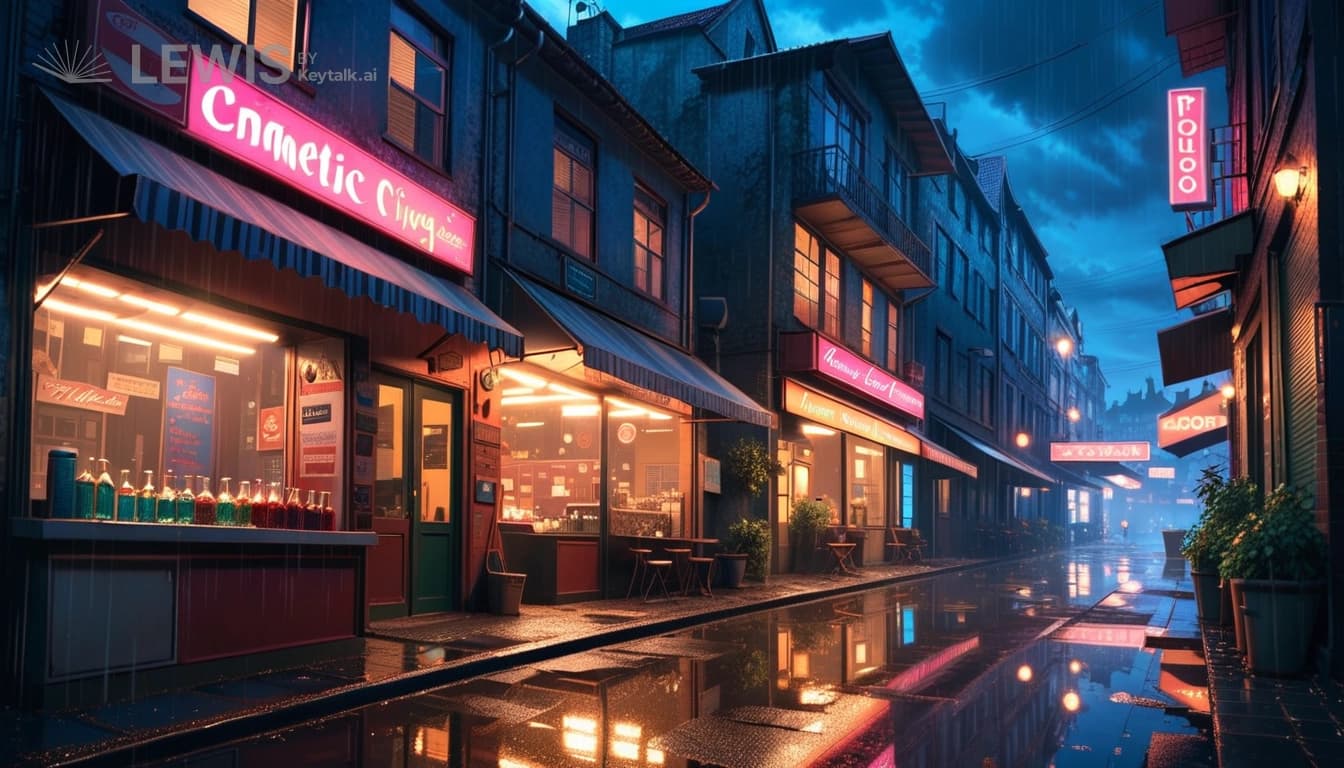
Emiko Watanabe’s workshop—a cramped, cluttered sanctuary tucked behind a rusted iron door in a forgotten alley. The walls are crowded with shelves of clockwork scraps, porcelain mask fragments, and half-finished automata. The air is heavy with the scent of oil, lacquer, and something old and electric, like a storm waiting to break.

[Time]
The dead hours before dawn, as the city’s surveillance drones begin their shift rotations and the streets above lapse into uneasy stillness.

[Action]
Jun, exhausted and unnerved, arrives at Emiko’s workshop, clutching the sisters’ mask as if it might fly from her grasp. She hesitates at the threshold, knowing that bringing the mask here is an act of both trust and danger—Emiko is her confidante, but the regime’s reach is long, and even friendship is a risk. Emiko lets her in, her own defenses immediately up, both protective and suspicious as she takes in Jun’s haunted expression and the unnatural presence of the mask.

Jun explains—in halting, feverish bursts—her encounter with the sisters, the making of the mask, and the impossible burden she’s been handed. Emiko is simultaneously fascinated and alarmed, examining the mask with the practiced eye of an artisan and a survivor. She recognizes mechanisms within the mask that shouldn’t exist: intricacies that respond to touch, pulse, even breath—suggesting the mask is not merely a vessel but a living archive of emotion, potentially volatile and deeply dangerous.

The tension between them simmers: Emiko pushes Jun to confront what she truly wants from this—revenge, release, or something else. Jun’s motives spill out in tangled threads: she wants to remember, to resist, to awaken something in the city—and maybe in herself. Emiko, pulled by her own grudges against the regime and her affection for Jun, agrees to help, but on her terms. She will study the mask, probing its secrets, but warns Jun that meddling with such power could consume them both.

As they work through the night, Emiko sketches designs for new masks, inspired by the sisters’ relic but tailored to evoke—not suppress—emotion. The workshop becomes a crucible of invention and confession, as Jun and Emiko’s shared history resurfaces and the first outlines of the masquerade-dance begin to take shape. Yet beneath the hope, a current of dread runs: the mask’s influence is already seeping into Jun, and Emiko can sense it—she sees the obsessive edge in Jun’s gaze, the way her hands linger on the mask’s surface.

Outside, the city’s surveillance grows more acute—drones hover closer, the neural grid pulses with alert signals. Emiko realizes they’ll need to move quickly and quietly if they’re to outpace the regime’s notice. As dawn approaches, the two women make a pact—equal parts alliance and gamble—to use their craft and courage to turn the sisters’ curse into a weapon of awakening.

[Impact on the story]
This scene forges the alliance between Jun and Emiko, transforming Jun’s personal quest into a partnership with revolutionary potential. It deepens both characters: Jun’s longing is sharpened into purpose, while Emiko’s cynicism is pierced by the possibility of beauty and revenge. The mask’s supernatural threat is underscored, as is the regime’s growing danger. The first practical steps toward the masquerade-dance are set in motion, with both hope and risk escalating.

[Description]
Jun brings the sisters’ mask to Emiko’s workshop, seeking help to unravel its secrets. Together, they confront old wounds and new possibilities, forging an uneasy alliance as they begin to design masks that can awaken the city. The scene marks the birth of their conspiracy—and the first tremor of rebellion.
5
scene 5 image
[Title]
The Architect and His Porcelain Secrets

[Place]
Kaede Shigure’s private quarters—hidden deep within the government’s Ministry of Emotional Regulation. The room is a sterile, windowless cell by day, but at night transforms into a sanctuary lined with shelves of antique dolls, broken masks, and forbidden clockwork curios. Surveillance eyes are everywhere, but Kaede’s own algorithms grant him a sliver of privacy here—an invisible breach in the city’s neural lattice.

[Time]
The hours just after dawn, when the city’s surface is washed in artificial blue light and most officials are still asleep. Kaede, sleepless and tense, returns to his quarters after a night spent monitoring the neural grid’s disturbances.

[Action]
Kaede enters his sanctuary, tension thrumming through him—a mix of triumph (he believes he has traced the emotional surge to the amphitheater) and dread (the pattern in the data is disturbingly familiar). He examines the neural grid’s latest reports: an epidemic of obsession, strange confessions, dreams that linger past waking—phenomena he’s programmed the system to erase. As he reviews surveillance footage, he catches glimpses of Jun and Emiko: faces he doesn’t yet know, but which stir something restless in him.

Haunted by memories of his mother’s erasure, Kaede’s composure cracks. He turns to his secret hobby—restoring broken porcelain dolls, each one an act of defiance against the city’s demand for sterility. His hands move with ritual precision, mending a doll whose face reminds him of a childhood story his mother used to tell—a memory he’s forbidden himself to recall. In this private act, Kaede’s duality is revealed: architect of repression by day, clandestine conservator of emotion by night.

As he works, Kaede debates his next steps: Should he tighten the city’s surveillance net, risking exposure of his own secret? Or follow the thread of obsession, drawn by the possibility that someone else—perhaps many—are daring to feel? He’s disturbed by how much he wants to know more, to see the amphitheater for himself, and by the dangerous hope flickering in his chest.

He resolves to investigate further, designing a mask of his own—one that will let him walk unseen among the city’s heartbroken, perhaps even at the masquerade he suspects is brewing. For the first time, he allows himself the faintest anticipation: not just of rooting out rebellion, but of finally understanding the hunger that has gnawed at him for years.

[Impact on the story]
This scene deepens Kaede’s character, exposing his vulnerability and secret rebellion against the regime he serves. His obsession with control is set against his longing for connection, making him both antagonist and mirror to Jun. Kaede’s decision to infiltrate the masquerade raises the stakes, promising a collision between repression and awakening. The emotional tension ratchets up, as Kaede’s private cracks threaten to widen into open defiance.

[Description]
Kaede, the city’s enforcer of numbness, finds himself unraveling as he traces the outbreak of obsession to Jun and Emiko’s conspiracy. Alone with his porcelain dolls, Kaede confronts the cost of his own emotional suppression and resolves to infiltrate the rebellion from within, setting up a fateful encounter that will test his loyalties and desires.
6
scene 6 image
[Title]
Clockwork Confessions in Emiko’s Workshop

[Place]
Emiko Watanabe’s clandestine workshop—a cramped, cluttered room above a shuttered market stall at the city’s edge. Shelves overflow with clockwork parts, shattered masks, and half-finished automata. The air is thick with the scent of solder and old paper, underscored by the distant hum of surveillance drones outside.

[Time]
Late afternoon, as the city’s artificial dusk begins to fall—an hour when shadows lengthen and the streets below grow restless with rumors of forbidden gatherings.

[Action]
Jun arrives at Emiko’s workshop, mask in hand and her nerves frayed raw from the sisters’ haunting influence. She is desperate for answers about the mask’s power and the fragments of memory it has begun to unleash. Emiko, wary but unable to turn Jun away, examines the mask’s hidden mechanisms, discovering emotional triggers embedded within—delicate gears that respond to touch, breath, and even tears. Their conversation is sharp-edged: Jun’s obsession clashes with Emiko’s pragmatism, revealing fissures in their friendship and exposing Emiko’s own conflicted motives.

As Emiko works, she confesses her suspicion that the mask is not merely a vessel for forgetting, but a catalyst for awakening something dangerous—perhaps even liberating. Jun, caught between hope and dread, pleads for Emiko’s help in deciphering the sisters’ intent and in preparing for the masquerade-dance. Emiko, torn between loyalty, revenge, and creative curiosity, agrees to help, but not before warning Jun that every mask she crafts comes at a price.

Together, they begin to design new masks—each one tailored to evoke specific emotions in those who wear them. The process is intimate and risky, forcing both women to confront their own suppressed desires and vulnerabilities. Outside, the city’s tension mounts: news of escalating obsessions and forbidden confessions trickles in, suggesting the sisters’ influence is spreading faster than either of them anticipated. The scene ends with Emiko, hands trembling, finishing the first of the new masks—her eyes meeting Jun’s with a mix of challenge and fear, as they realize how close they are to igniting a revolution.

[Impact on the story]
This scene forges a deeper bond and tension between Jun and Emiko, propelling their partnership from desperation to active rebellion. The act of mask-making becomes both collaboration and confession, forcing each woman to confront what she stands to lose—and what she might dare to hope for. The stakes escalate, as their actions begin to ripple outward, setting the stage for the masquerade and drawing the attention of both allies and enemies.

[Description]
In Emiko’s hidden workshop, Jun and Emiko confront the peril and promise of the sisters’ mask, agreeing to craft new ones designed to awaken the city’s suppressed emotions. Their uneasy alliance deepens, even as they realize the revolution they are about to spark may consume them both.
7
scene 7 image
[Title]
Sparks in the Neural Grid

[Place]
Kaede Shigure’s surveillance hub—a sterile, glass-walled command center in the city’s administrative spire, thrumming with data streams and flickering with holographic feeds. Along one wall, a private alcove lined with antique dolls and forbidden artifacts.

[Time]
Early evening, as the city’s pulse grows erratic and the neural grid detects escalating anomalies—moments before the first clandestine masquerade invitations begin to ripple through the underground.

[Action]
Kaede pores over a constellation of incident reports: citizens found lost in fevered trances, their speech laced with confessions eerily similar to Jun’s. Surveillance feeds stutter with ghostly static near the amphitheater, and emotional signatures spike in unpredictable patterns. Kaede’s subordinates urge more aggressive crackdowns, but he hesitates—unsettled by the poetry threaded through these outbreaks, and by the resonance with memories he cannot entirely suppress. He isolates footage of Jun and Emiko, tracking the passage of a mask through the city’s shadows, and begins to suspect the involvement of the sisters.

Alone in his alcove, Kaede wrestles with his own obsessions, his fingers lingering over a porcelain doll’s cracked face—an echo of both the city’s masked sisters and his mother’s erased tenderness. He recalls a childhood moment of forbidden warmth, then forcibly shuts it out, reaffirming his commitment to order. Yet, as evidence mounts and the neural grid’s integrity wavers, Kaede feels his authority slipping; the city’s emotional quarantine is failing, and something wild is blooming beneath the surface.

He issues covert orders: double surveillance on the amphitheater, deploy memory-wipe drones, and quietly summon the city’s most trusted emotional suppressors. But in the privacy of his night, Kaede crafts a mask of his own—a hybrid of regime technology and ancestral artistry, meant to shield his heart as much as his identity. As the scene closes, Kaede gazes out at the city’s neon-lit labyrinth, haunted by the realization that to hunt Jun and the sisters, he must enter the masquerade—and confront the hunger he’s spent a lifetime denying.

[Impact on the story]
Kaede’s internal conflict deepens, setting him on a collision course with Jun and the sisters. His surveillance and countermeasures escalate the risk for the rebellion, but his personal fascination cracks his resolve, making him both a formidable adversary and a potential ally. The neural grid’s instability signals that change is inevitable, raising the stakes for all involved.

[Description]
In his surveillance hub, Kaede traces the outbreak of obsession to Jun and the sisters, torn between duty and his own forbidden desires. His decision to infiltrate the masquerade blurs the line between hunter and haunted, tightening the narrative’s tension and propelling the story toward its explosive climax.
8
scene 8 image
[Title]
The Masquerade’s First Tremor

[Place]
The amphitheater’s ruined stage and backstage labyrinth—transformed with flickering lanterns, scavenged velvet, and a patchwork of masks. Shadowed tunnels pulse with anticipation; the open night above feels charged, expectant.

[Time]
Late night, as the city’s sanctioned curfew descends and the first forbidden masquerade-dance is set to begin.

[Action]
Jun, masked and trembling with anticipation, stands at the center of the amphitheater’s battered stage, flanked by Emiko and the three sisters—each masked in shifting porcelain, their presence both alluring and unsettling. The space is alive with hidden movement: outcasts, lovers, and the dispossessed slip in through broken gates, drawn by coded invitations and a hunger they can barely articulate. Emiko oversees the distribution of her newly crafted masks, each encoded with unique emotional triggers—some awakening joy, others longing, each designed to short-circuit the city’s emotional suppression tech. Tension simmers as Jun gives the first confession, her voice raw and luminous, setting off a chain reaction—revelers step forward, one by one, their confessions fueling the sisters’ growing power and warping the atmosphere with palpable, almost electric emotion.

Backstage, Emiko nervously tweaks the mechanisms, aware that the city’s sensors could zero in at any moment. She’s torn between pride at the masks’ efficacy and fear of what she’s unleashed. The sisters move among the dancers, their laughter sharp, their hunger barely contained, feeding on the outpourings and subtly nudging the participants’ obsessions to fever pitch. Jun is swept into the dance, her memories and desires magnified by the mask—she’s both liberated and on the edge of losing herself, feeling the city’s numbness crack and something wild take root. At the fringes, a masked stranger—Kaede—enters, observing, analyzing, his presence a silent threat and a promise of imminent confrontation.

[Impact on the story]
This scene marks the rebellion’s first open act and the moment when individual longing becomes collective defiance. Jun’s leadership crystallizes, but so does the danger of obsession overtaking both her and the city. Emiko’s masks prove both weapon and liability, and the sisters’ curse begins to unravel, heightening the risk for everyone involved. Kaede’s infiltration signals that the regime is closing in, raising the stakes and accelerating the collision between repression and rebellion.

[Description]
The clandestine masquerade erupts, unleashing repressed emotion and binding the city’s outcasts through dangerous confessions. Jun’s vulnerability becomes a catalyst, Emiko’s invention reshapes the battlefield, and Kaede’s covert arrival sets the stage for a fateful confrontation. The scene is a pivotal ignition point, where rebellion, obsession, and exposure begin to spiral out of control.
9
scene 9 image
[Title]
Teeth, Truth, and the Breaking of Chains

[Place]
The ruined amphitheater’s heart—center stage, now a swirling vortex of masks and music—spilling into the backstage tunnels where forbidden machinery hums. The city’s neural grid pulses overhead, its static growing erratic, as patrol drones circle closer.

[Time]
Midnight, as the masquerade-dance reaches its feverish height and the boundary between night and morning seems to blur.

[Action]
The masquerade’s energy crests—revelers, emboldened by their confessions and the sisters’ intoxicating presence, press in closer, their masks gleaming with sweat and tears. Jun, at the epicenter, is caught in a current of memory and longing, her sense of self unraveling as the sisters urge her to confess deeper, to reach the core of her forbidden love and loss. The sisters themselves begin to change—no longer just collectors of pain but suddenly, visibly, at risk of being consumed by the outpouring. Their porcelain masks fracture, revealing glimpses of the haunted women beneath, and their hunger grows dangerous, almost predatory.

Kaede, moving through the throng in his own mask, observes the spectacle with mounting dread and fascination. He sees the masks’ effects spreading—participants weeping, laughing, collapsing in one another’s arms—and feels his own carefully controlled emotions slipping. He confronts Jun at the stage’s edge, their encounter charged with all the city’s unspoken tension: Kaede demands she end the masquerade, warning of impending violence, but Jun refuses, insisting that feeling—even pain—is the last true freedom. Their confrontation is raw, nearly physical, with the crowd’s energy threatening to sweep both of them away.

Backstage, Emiko realizes the sisters’ curse is unraveling too quickly—their power turning volatile, the machinery overheating, threatening to destroy the amphitheater and everyone inside. She frantically tries to recalibrate the mask mechanisms, torn between loyalty to Jun and fear for what might happen if the emotional floodgates burst completely. As the sisters teeter on the brink of losing themselves, the crowd’s confessions reach a wild crescendo, and the city’s neural grid begins to short-circuit, lights flickering and alarms blaring in the distance.

[Impact on the story]
This scene is the point of no return: Jun’s rebellion becomes irreversible, and the stakes are raised for everyone. The sisters’ curse begins to shatter, revealing both their vulnerability and their danger. Kaede is forced to confront his own repressed longing, shaken by Jun’s defiance and the chaos around him. Emiko faces the consequences of her inventions, realizing she may have unleashed something she can’t control. The city’s systems begin to fail, making the masquerade’s exposure inevitable.

[Description]
The masquerade explodes into chaos as confessions threaten to consume both dancers and the sisters themselves. Jun and Kaede’s confrontation crystallizes the story’s central conflict, while Emiko’s desperate actions hint at disaster. The city’s grip falters, setting the stage for an irreversible choice and final reckoning.
10
scene 10 image
[Title]
The Choice Between Fire and Forgetting

[Place]
The shattered proscenium of the amphitheater, now half-collapsed and ringed by exposed machinery, with the city’s neural grid strobing wildly above; backstage tunnels thick with smoke and whirring gears; the threshold between stage and abyss.

[Time]
Moments after midnight—masquerade in ruin, alarms wailing, the city’s control grid in freefall, as the first light of dawn threatens to break through the static sky.

[Action]
The climax erupts as the amphitheater teeters on collapse: Jun, battered and half-unmasked, stands at the center of the ruined stage. Around her, revelers are scattered—some sobbing, some liberated, some lost in their own obsessions as the sisters, unveiled at last, hover between monstrous and heartbreakingly human, their forms flickering with every confession still echoing in the charged air. The machinery Emiko sabotaged begins to fail spectacularly—sparks shooting, mechanisms grinding, the threat of fire and destruction looming.

Kaede, mask askew, faces Jun one final time, torn between duty and a desperate, unfamiliar urge to feel. He pleads with her to stop, not as the city’s enforcer but as a man confronting his own desolation. Jun, trembling but resolute, realizes the masquerade has become more than her rebellion—it’s a contagion of longing that cannot be contained. The sisters, freed for a fleeting instant from their curse, reveal their true story to everyone present—how the regime used them as the first vessels for forced forgetting, how love and pain are inseparable.

Emiko, her hands burned and eyes wild, must decide whether to trigger the final failsafe: either flood the amphitheater with a wave of engineered oblivion that will erase the night, or let the masks’ fire spread—risking chaos, freedom, and the possible destruction of the city’s emotional order. She hesitates, torn by her love for Jun and the knowledge that unleashing true feeling may doom them all.

Jun is given the sisters’ mask—its surface now fractured with her own story. She stands before the crowd, Kaede, and Emiko, forced to choose: don the mask and surrender to oblivion, granting everyone release from pain and self, or shatter it, unleashing the full force of memory, obsession, and human longing into a city unprepared for the consequences. The moment hangs—everything suspended between annihilation and awakening.

[Impact on the story]
This scene is the ultimate crucible: every character is forced to confront the cost of feeling and the risk of freedom. Jun’s choice defines not only her fate but the city’s future—whether to accept numb safety or reclaim dangerous passion. The sisters’ revelation reframes the regime’s cruelty, making the stakes personal for all. Kaede’s internal conflict reaches its breaking point, and Emiko must face the unintended legacy of her creations. The outcome will ripple through every survivor, forever reshaping the city’s relationship with memory and desire.

[Description]
At the edge of ruin, Jun must choose between erasing pain forever or unleashing forbidden longing upon a broken city. The sisters’ past is revealed, Emiko and Kaede face their own reckoning, and the fate of love, memory, and rebellion hangs in the balance. This is the story’s fulcrum—where every secret, wound, and hope collides in one irreversible moment.
'Confessions for Sale'스토리 챗

이 스토리 속 캐릭터들과 대화하고 싶다면?

'Confessions for Sale'스토리 챗

이 스토리 속 캐릭터들과 대화하고 싶다면?

story image
story image
story image

이런 이야기는 어때요?

댓글0

테마 음악
Confessions for Sale by Writer K