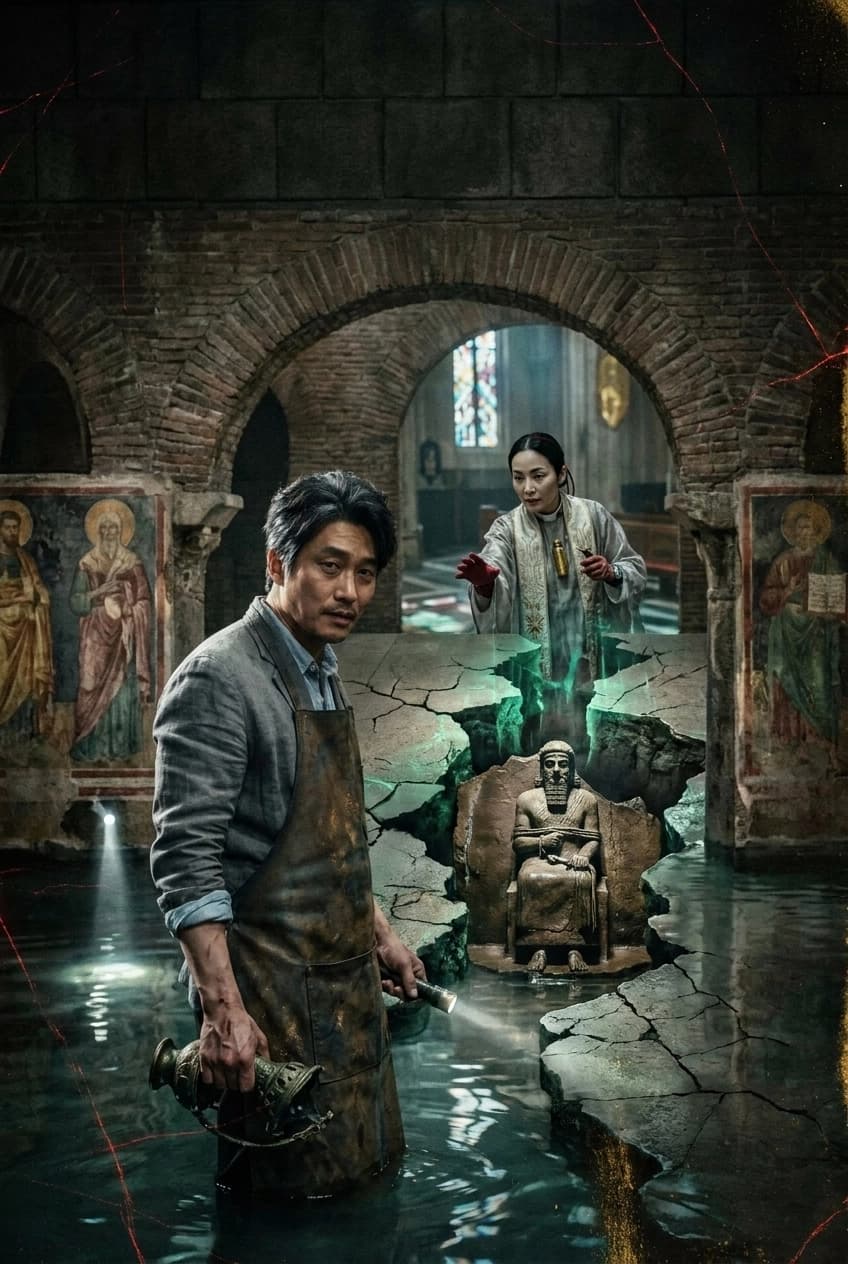
세계관
Location/Time, Era:
Occupied Paris, late 1942—a city bleeding beneath the boot of the Third Reich, its streets a chessboard of danger and longing after midnight. The Marais and Montmartre are carved into invisible borders: safe houses and Nazi checkpoints, Jewish apartments marked by yellow stars, and the illicit sanctuaries of blackout cafés. The story’s epicenter is a crumbling Belle Époque townhouse, its windows shrouded in blackout curtains, tucked in an alley that smells of wet stone, rationed tobacco, and secrets. Rain-slicked cobbles echo with curfew patrols and coded footsteps, while just beyond the salon’s walls, the Seine carries whispers and bodies alike. The war’s shadow makes Paris a city where every gesture, every note of music, carries risk and meaning.
Key rules of the world and their impact on the story and beyond:
Curfew is absolute—after 10pm, anyone on the streets risks arrest, internment, or worse; this hardens the salon’s necessity and peril, making each night an act of defiance. Confessions are currency: every secret swapped for safety, every desire confessed in the salon can be bought, sold, or betrayed, and trust is more dangerous than open rebellion. The Gestapo and French collaborators operate through informants and honey traps, making appearances deceptive and alliances provisional—no one is what they seem, especially not in Viktor’s Café des Ombres. Survival depends on code-switching: language, dress, even music become masks, and the wrong accent or song at the wrong moment can spell doom. Underground networks—resistance, black market, Jewish safe houses—overlap and compete, forcing characters to navigate a shifting web where every choice betrays someone.
Visual depiction of the world and its unique features:
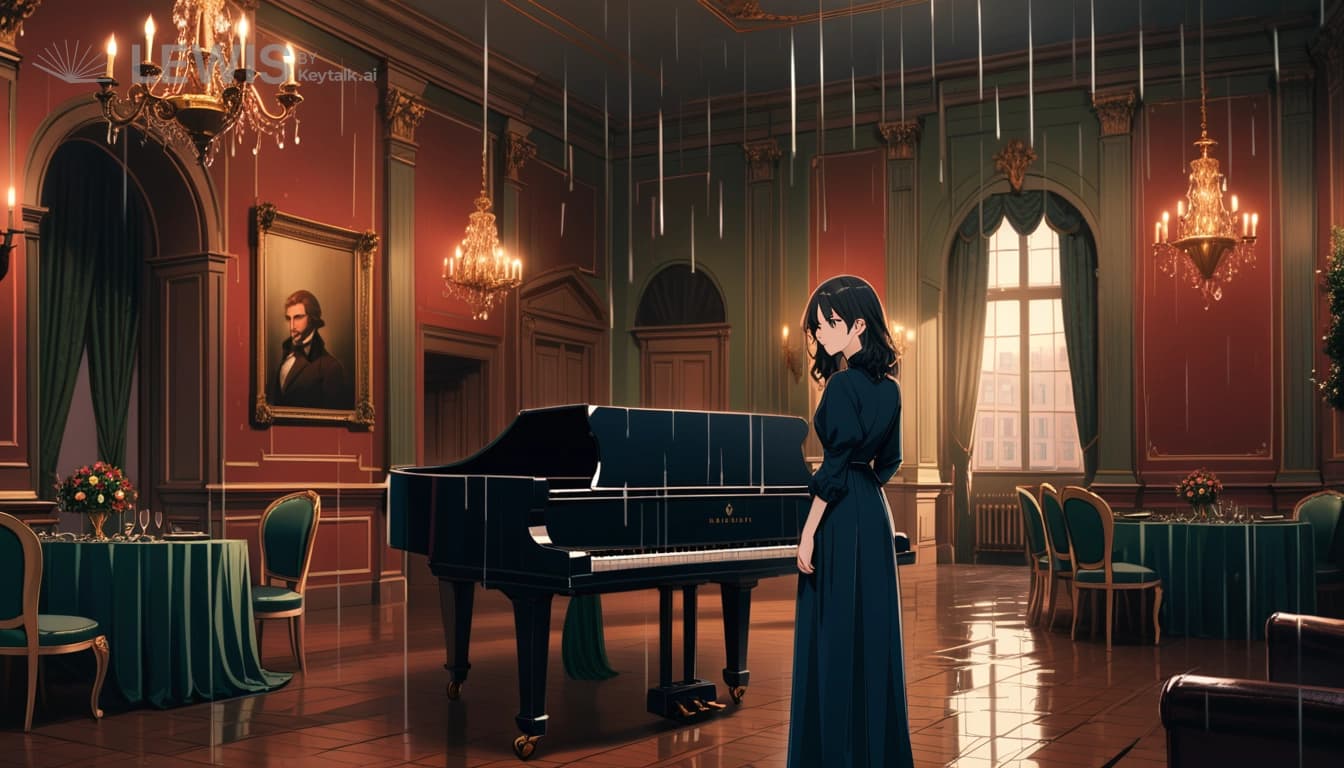
The city is dimmed by blackout cloth and hunger, but inside the salon, candlelit shadows dance across peeling gilt mirrors and faded velvet. A battered grand piano dominates the room, its keys yellowed, some chipped, but still capable of conjuring Ravel or jazz with aching beauty. The clientele—young men with ink-stained hands, women with too-bright eyes and rationed lipstick, soldiers in civilian coats—cluster in tight knots, speaking in half-whispers and glancing always at the door. Émile’s battered ledger sits by the threshold, coded in Hebrew and French, recording names as if they were spells. The world outside is divided by propaganda posters, ration queues, and sudden gunfire, but within the salon’s walls, the air is thick with perfume, fear, and the illicit thrill of possibility.
Notable technology, philosophy, or cultural elements influencing the world and narrative:
Communication is dangerous alchemy: radios are forbidden, so news passes hand-to-hand via coded sheet music or verses slipped between piano strings. The salon’s music is both rebellion and seduction—jazz and forbidden chansons draw in collaborators and resisters alike, blurring lines of loyalty and desire. Philosophy is not academic, but lived: the characters debate existentialism versus faith, beauty versus survival, in urgent, whispered arguments that shape every decision. Black market systems flourish; cognac, coffee, and American cigarettes are as valuable as weapons, and even love is bartered. Underlying all is the sense that identity itself is fluid—French, Algerian, Jewish, German, man, woman, lover, betrayer—forcing everyone to navigate not just the war, but the war within themselves.
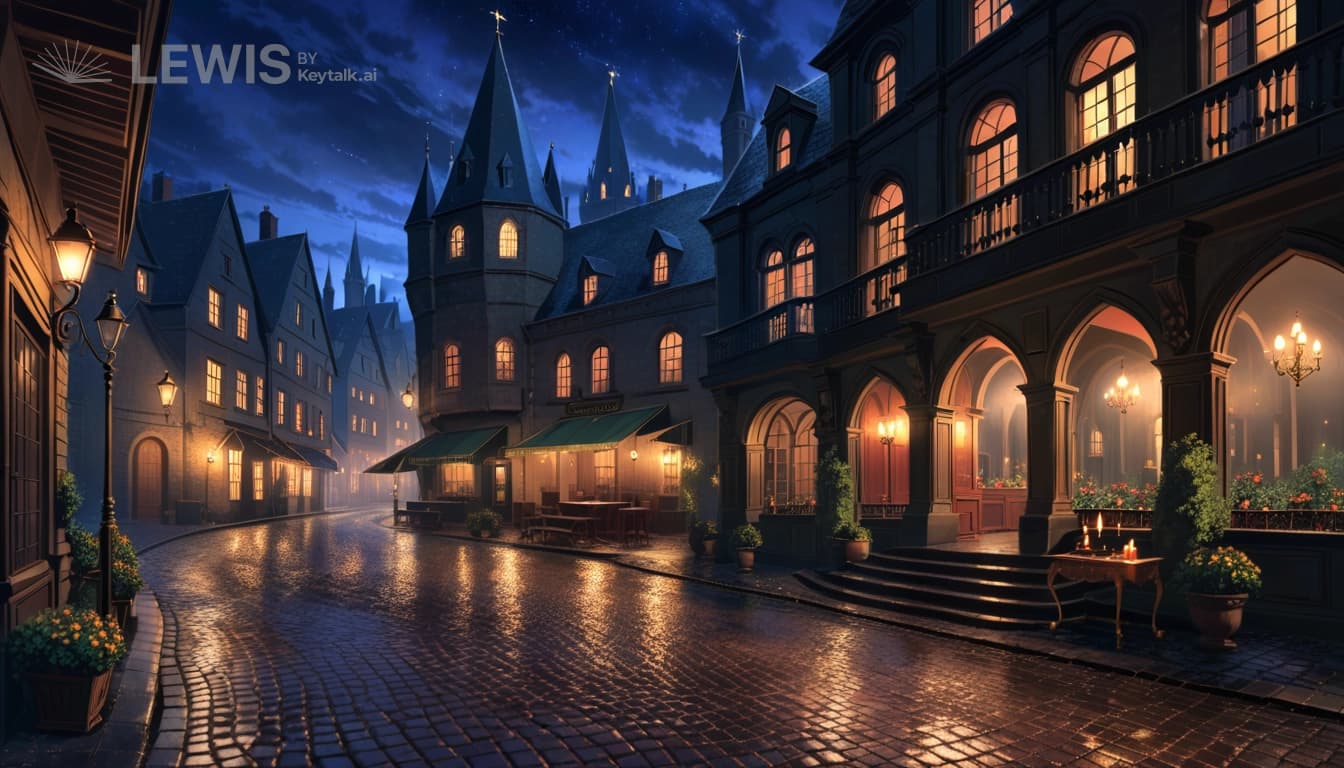
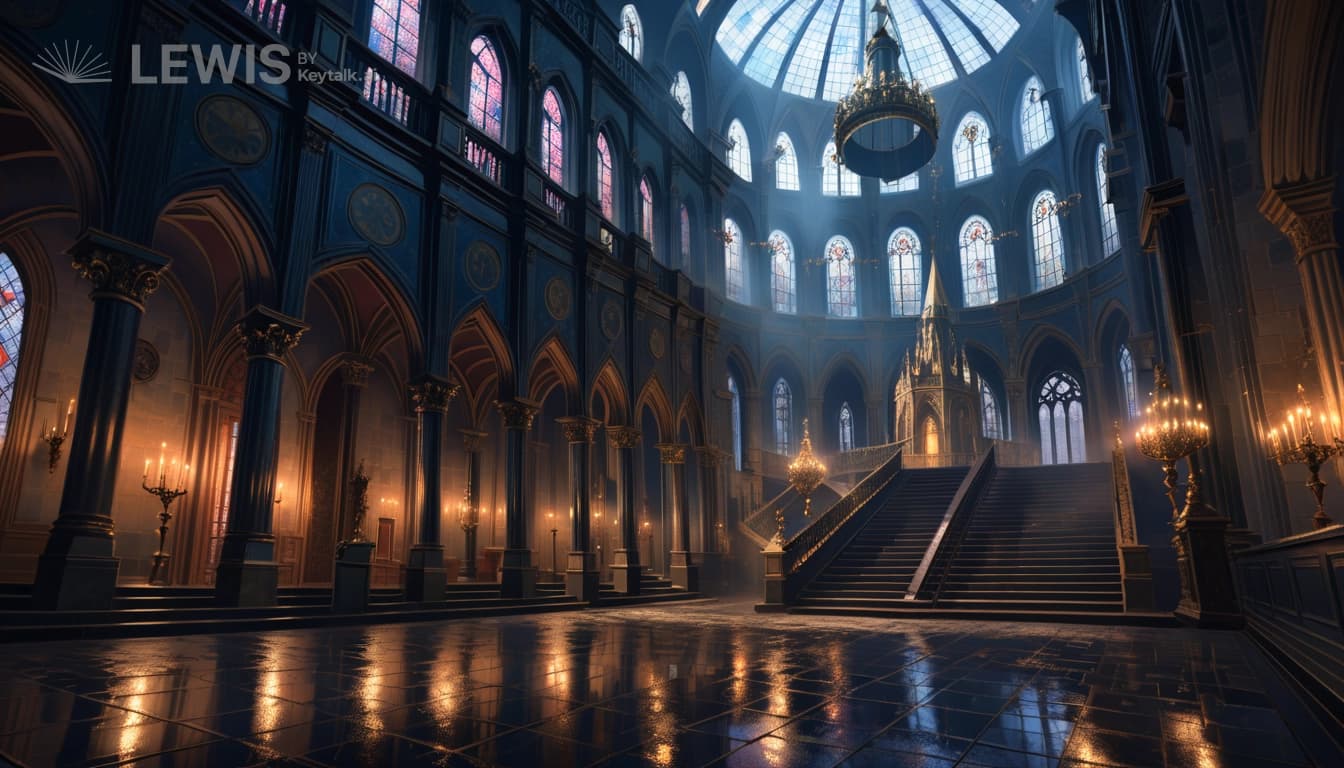
로케이션 1
Title: The Widow’s Staircase at Saint-Jacques
Description: The Widow’s Staircase coils up the spine of a soot-streaked bell tower, its steps slick with Parisian rain and war-worn secrets. Each landing is haunted by the echo of hurried feet—resistance messengers, lovers, traitors—all pausing to catch their breath beneath the cracked stained glass that scatters blood-red light across trembling hands. On the highest step, Sabine listens for the curfew sirens and the distant shudder of boots, her heart pounding in time with the city’s perilous hope.

로케이션 2
Title: The Cellars of Rue des Martyrs
Description: Beneath the cobbled street, the cellars sprawl like a buried confession: thick with the scent of wet stone, spilled cognac, and the iron tang of fear. Here, resistance secrets are exchanged in the velvet dark—fingers brushing over coded notes hidden in wine racks, Émile’s breath tight as he listens for the telltale scrape of boots above. When the Gestapo storm erupts, the cellars become a labyrinth of desperate whispers and trembling hands, every echo a reminder that safety, like love, is always borrowed and never bought.

로케이션 3
Title: The Lantern Room atop Hôtel du Minuit
Description: High above the blackout city, the Lantern Room glows like a forbidden lighthouse—its domed glass streaked with rain, its battered ironwork haloed in trembling gold. Here, amid the hush of velvet-draped shadows and the ghostly shimmer of contraband jazz echoing from below, Sabine faces Viktor across a chessboard laid with secrets and mercy. The city’s war-torn rooftops vanish beyond the lantern’s halo, leaving them suspended in a fragile world of flickering light and sharpened desire, where every word might save a life or end it.
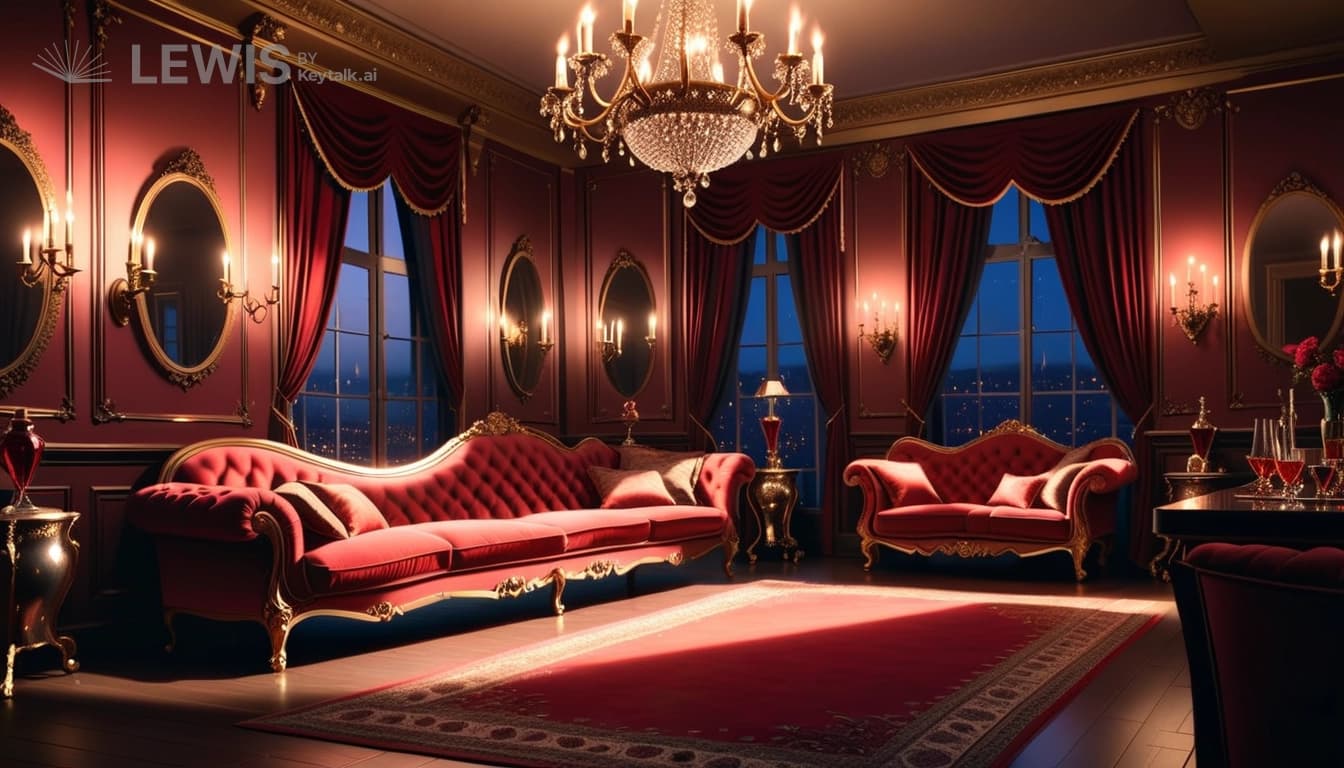
로케이션 4
Title : The Velvet Alcove of Madame Brise’s Perfumerie
Description : Tucked behind a velvet curtain, the alcove thrums with the scent of ambergris and forbidden violets, its plush divan stained by the secrets of Paris’s desperate elite. Bottles gleam like jewels on mirrored shelves, reflecting the trembling hands of lovers and traitors alike as Madame Brise, half-oracle, half-accomplice, blends perfumes potent enough to mask the tang of fear. Here, in this womb of velvet and shadows, Sabine trades her most dangerous confession—her own.
로케이션 5
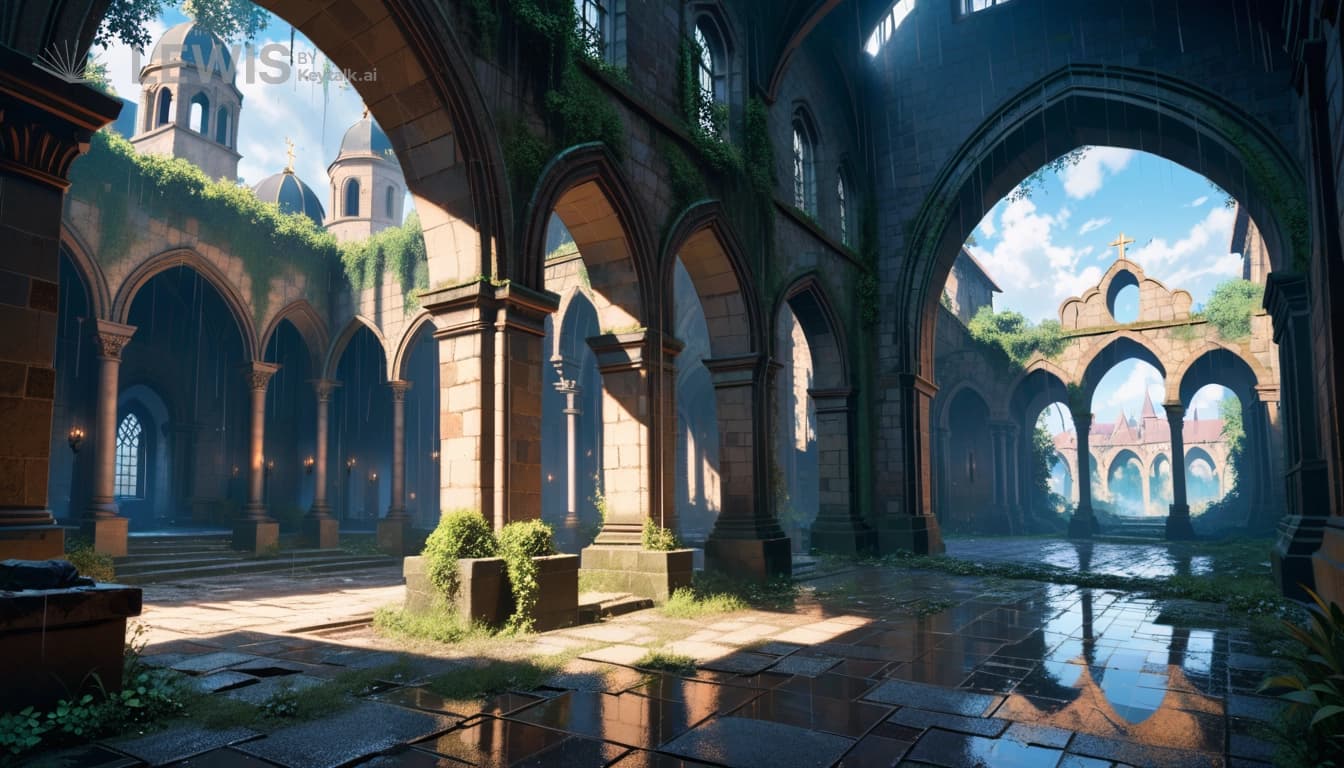
Title : The Cracked Mosaic Courtyard of the Old Carmelite Convent
Description : Beneath battered stone arches, the courtyard’s once-sacred mosaic—its blue and gold tesserae fractured by bomb blasts—gleams wetly in the rain, each puddle reflecting the flicker of lanterns and the shadows of desperate fugitives pressed against the cloisters. The air is thick with the ghost-scent of incense and gunpowder, the silence broken only by the frantic whisper of prayers and the distant thunder of boots. Here, Sabine stands at the crossroads of betrayal and absolution, her trembling hands stained with rain and memory as the storm and the Gestapo close in.