
본문으로 건너뛰기
Inheritance of the Damned cover image

Inheritance of the Damned

Within the endlessly glistening corridors of an infamous hotel shadowed by wartime atrocity, a reserved inheritor is thrust into a labyrinth of whispered betrayals, occult relics, and cryptic runes left by vanished religious exiles. Haunted not only by relentless stormwater and surveillance but also by the moral legacy of centuries-old Christian hermetic orders, they must decipher the signs and decide whether to embrace their power, risk an intimate alliance with a mysterious resident scholar, or sacrifice everything to avert a calamity that history seems eager to repeat.

주간 랭킹

rank icon image
#1 Theme
rank icon image
#1 Concept
rank icon image
#1 Concept
스크롤

캐릭터

주인공

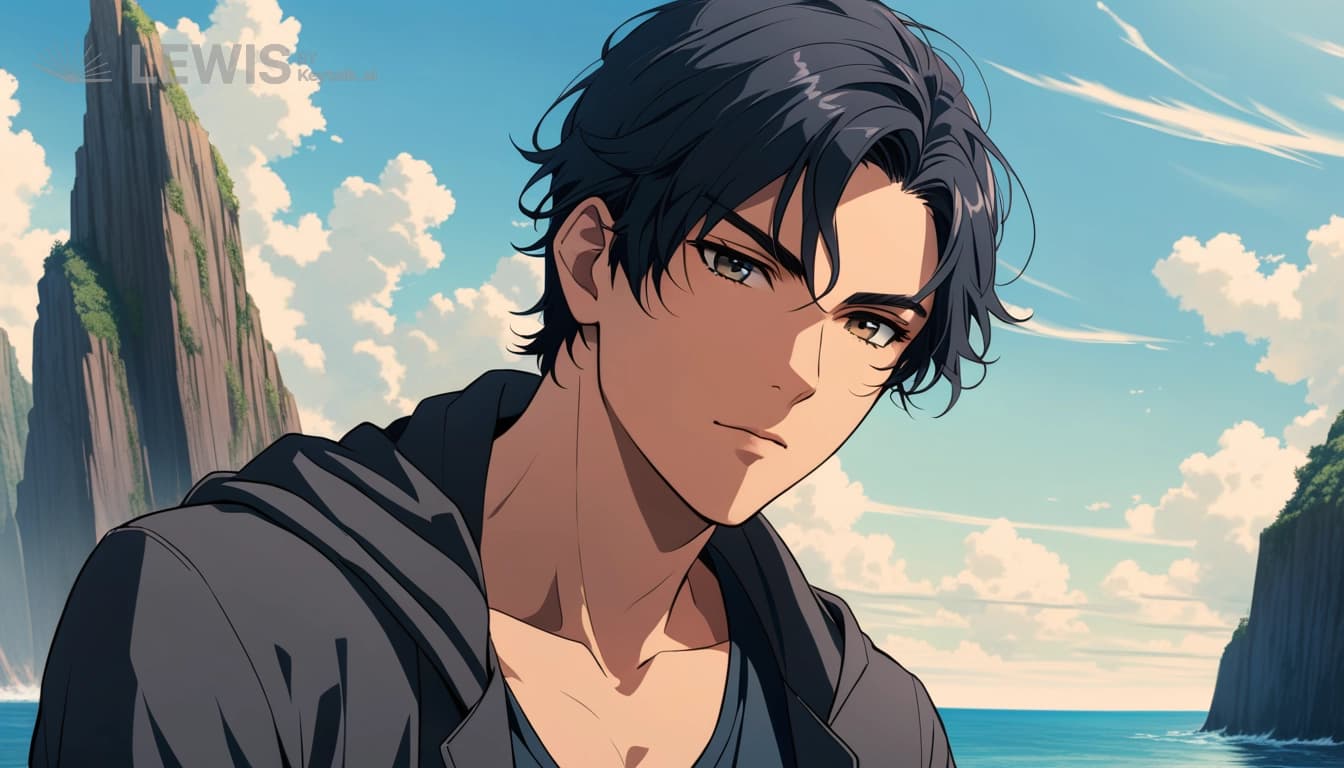
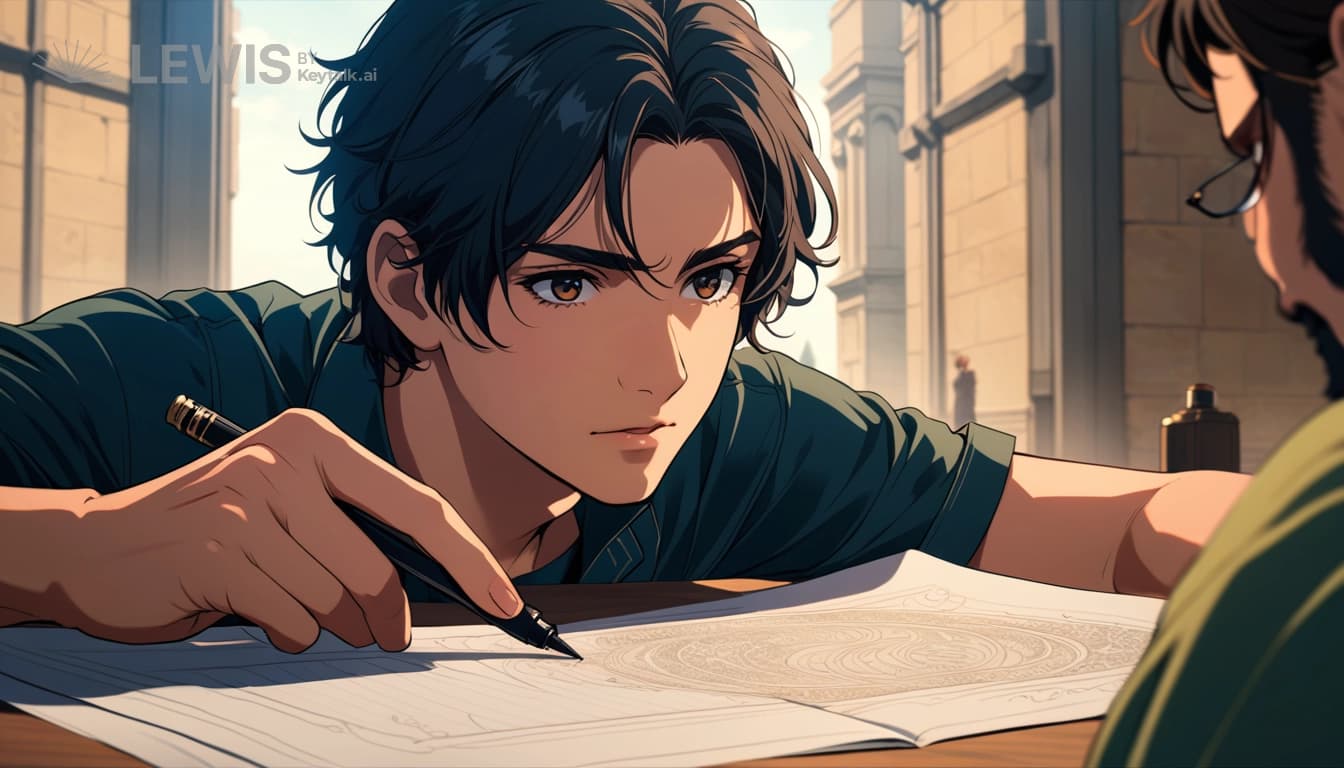
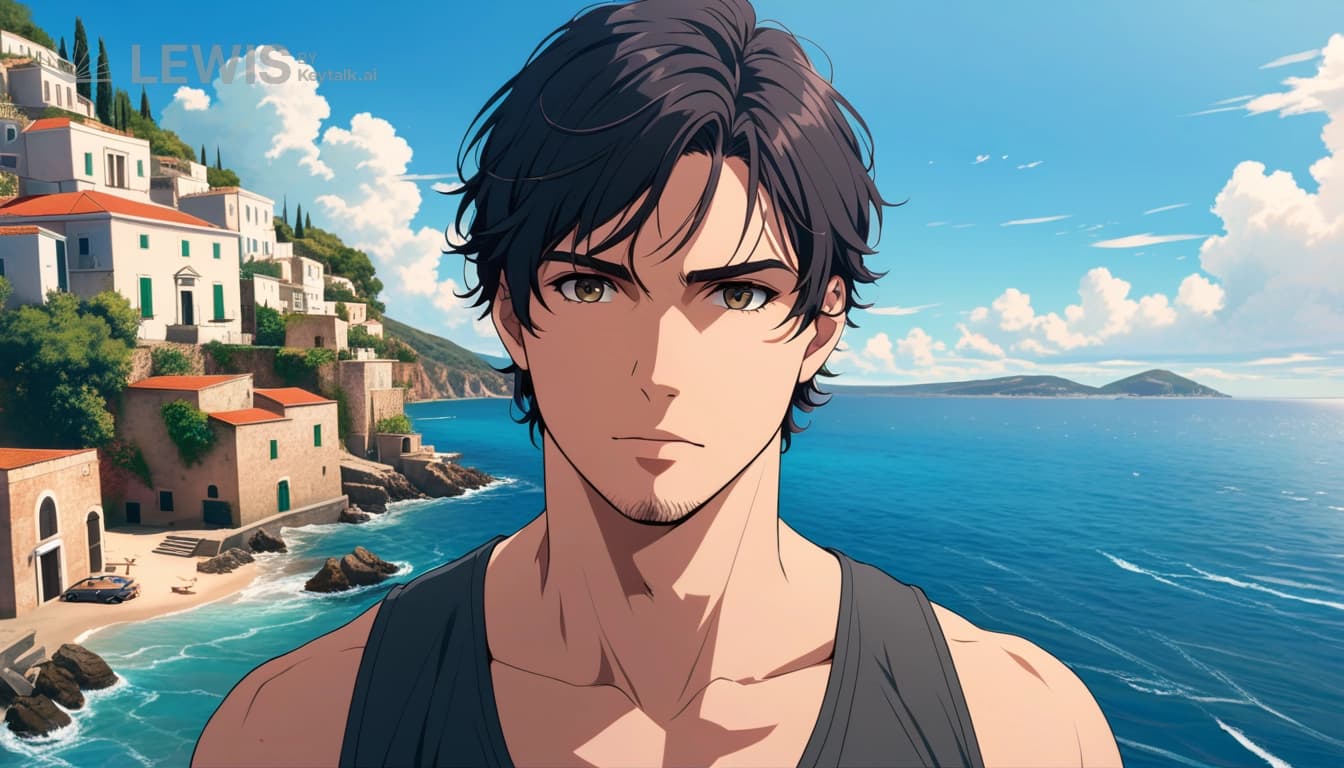
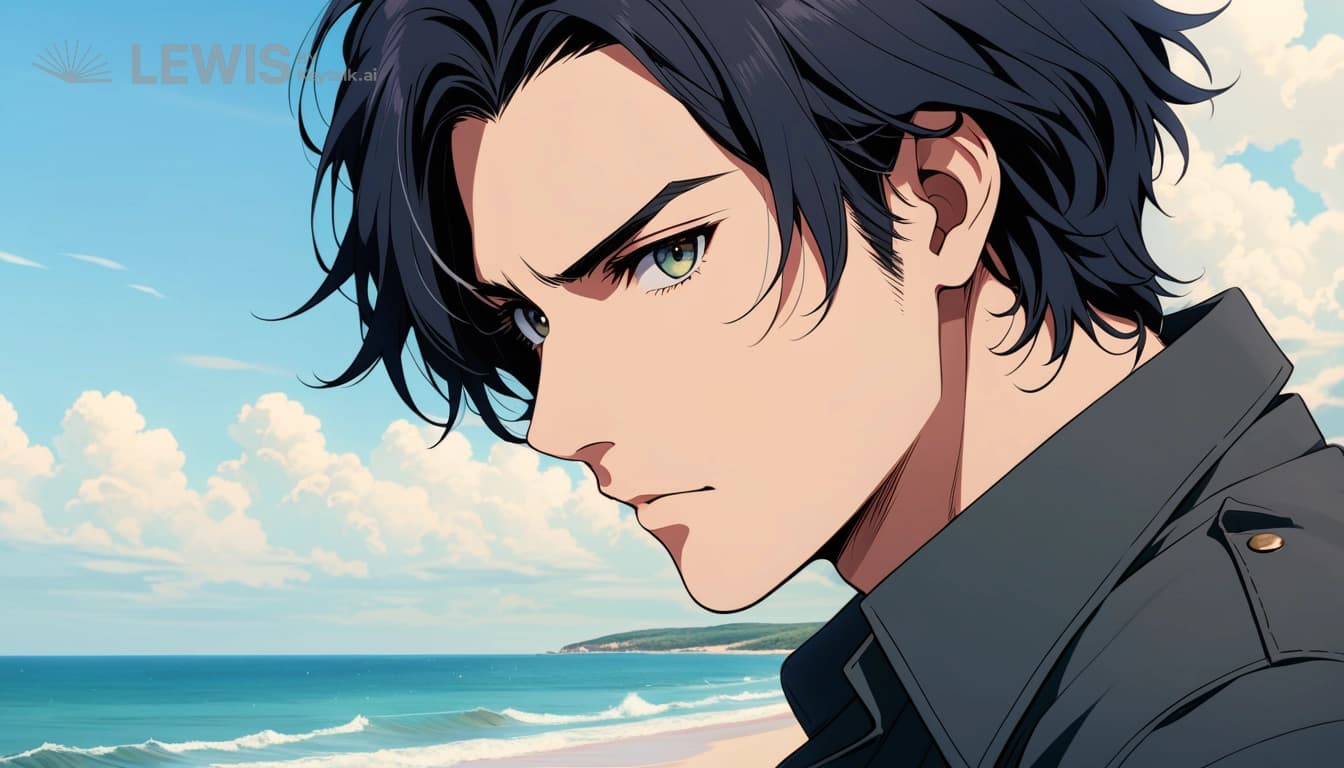
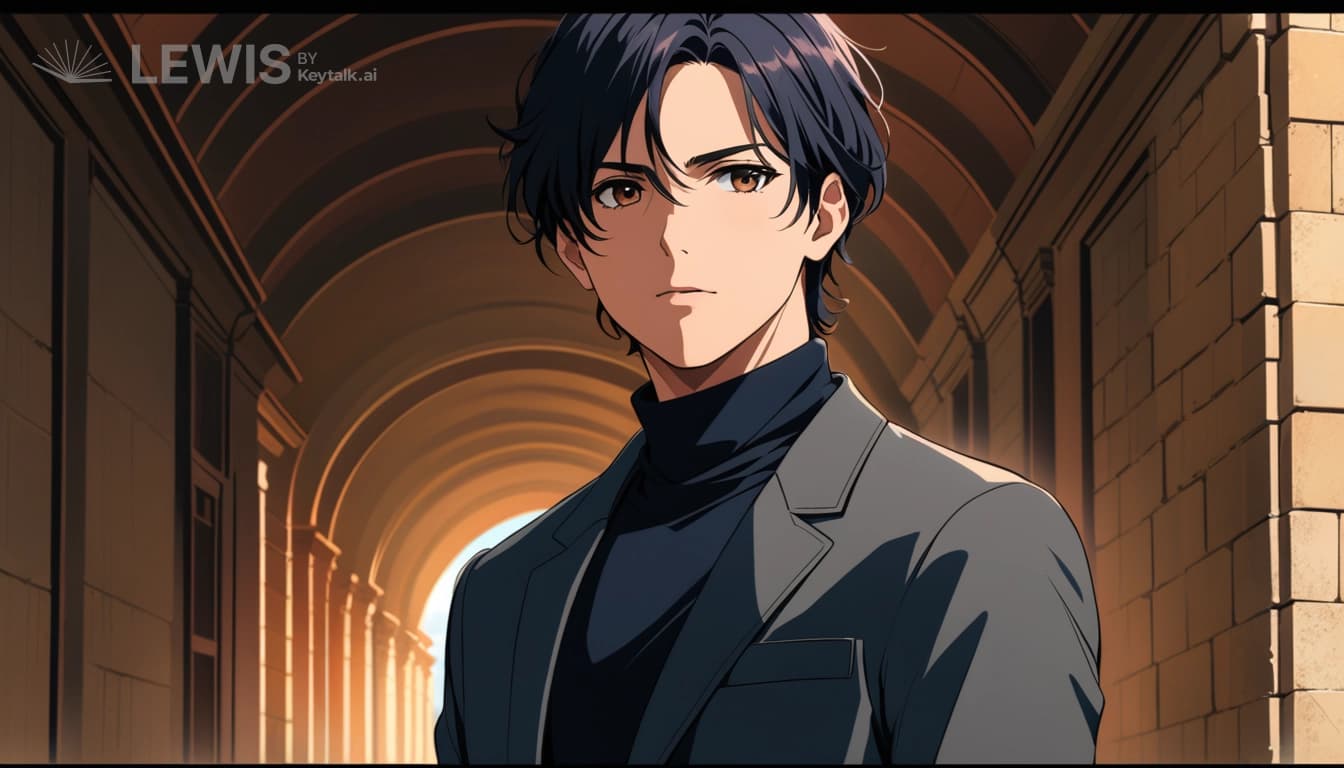
Theodore "Theo" Ashcroft

성별남성
직업Hotel Proprietor & Reluctant Curator of Esoteric Artifacts

프로필

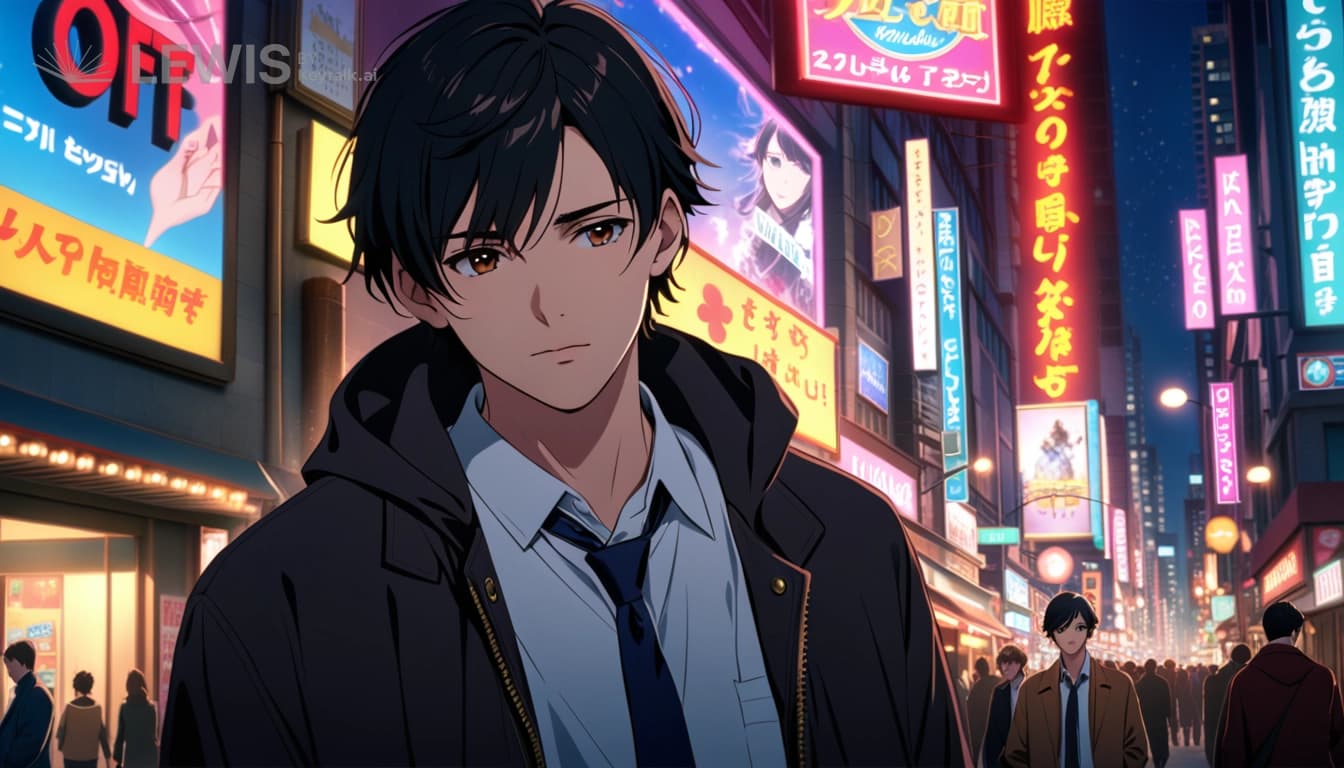
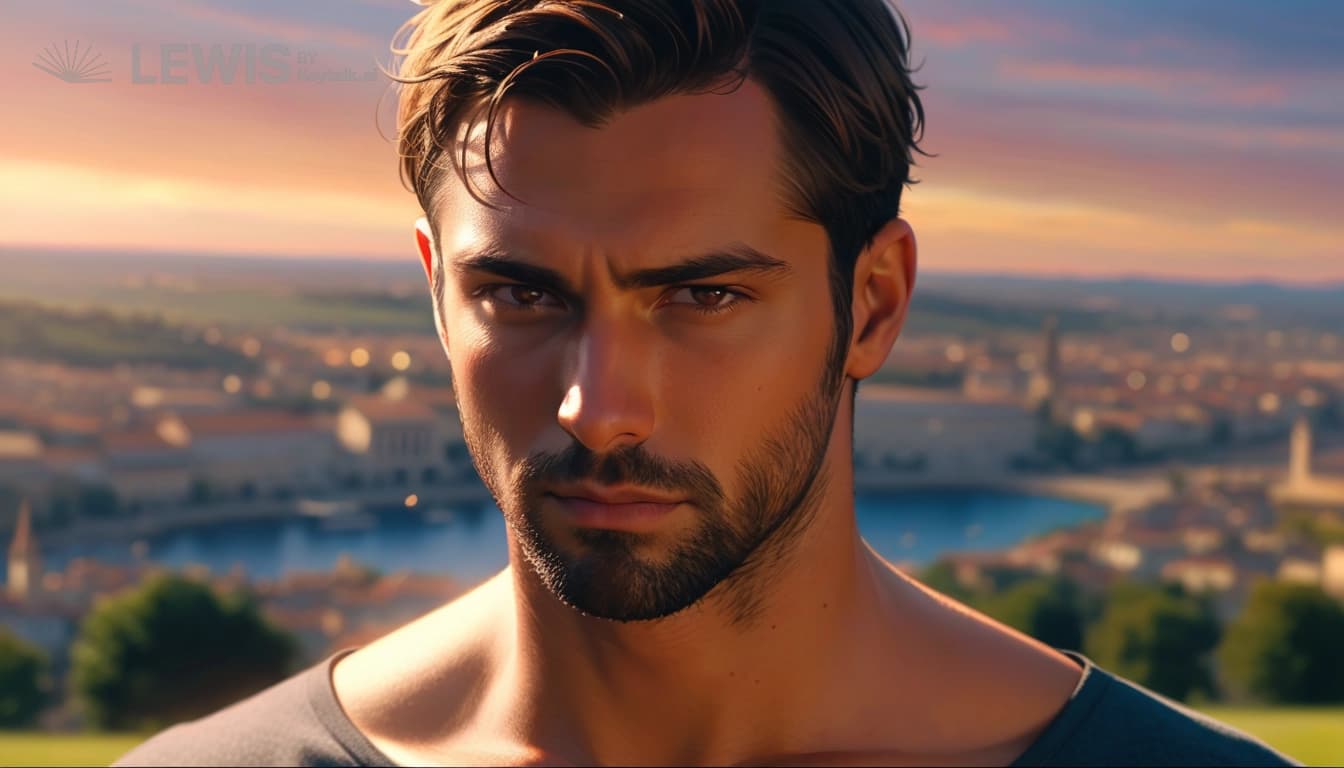
Theodore "Theo" Ashcroft, a 31-year-old British-Greek hotel proprietor, stands at a lean six feet, his presence marked by a quiet gravity rather than overt charisma. His olive complexion, sharply angular jaw, and deep-set, sea-gray eyes—constantly rimmed with fatigue—betray countless nights spent deciphering ancient ledgers beneath flickering gaslight. Wiry, with long, elegant hands that seem more suited to a scribe than a businessman, Theo keeps his unruly, ink-black hair tied back in a loose knot, though a rebellious forelock often escapes to shadow his furrowed brow. His wardrobe—tailored charcoal suits, always a size too large, layered over turtlenecks and threadbare woolen scarves—projects a certain austerity, more monk than magnate, while a battered silver signet ring etched with arcane symbols rarely leaves his finger. Raised in exile between the rain-swept ruins of northern England and the sun-bleached monasteries of Crete, Theo’s cultural duality is a quiet undercurrent, shaping his reticence and his instinctive distrust of easy answers. A polyglot scholar by inclination, he communicates with clipped precision, his measured, faintly archaic diction seasoned by the occasional Greek phrase or Yorkshire idiom. Though he possesses a formidable intellect and a talent for unraveling symbolic codes, Theo is chronically uncomfortable with authority—his own or others’—and haunted by the sense that his inheritance is a poisoned chalice. Preferring silent observation to confrontation, he is meticulous to the point of obsession, yet prone to sudden flashes of sardonic humor or unexpected tenderness, especially in moments of shared vulnerability. His closest confidant is his elderly aunt, a former librarian and survivor of the hotel’s darkest days, whose cautious optimism both grounds and challenges his intrinsic skepticism. Beneath his reserved exterior, Theo yearns for clarity and absolution in a world where loyalty is a shifting currency, yet he remains deeply ambivalent about the occult legacies entwined with his family’s name. His habitual insomnia, tendency to sketch cryptic diagrams in the margins of guest ledgers, and compulsion to catalog every fragment of religious detritus he finds, speak to a mind at war with itself—driven by duty, but always shadowed by the suspicion that some doors, once opened, cannot be closed.
적대자

Father Lucien Varga

성별남성
직업Defrocked Theologian & Occult Archivist

프로필

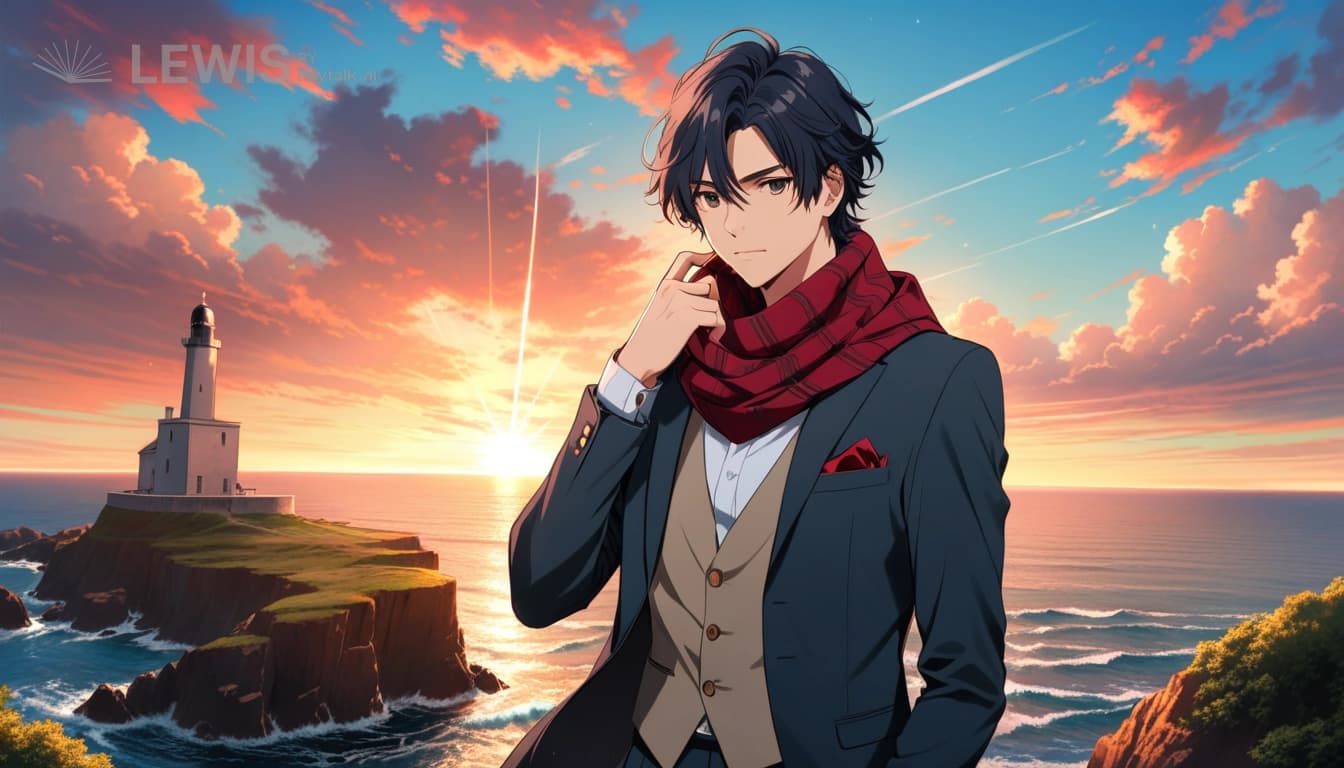
Once a celebrated theologian in Budapest’s clandestine academic circles, Father Lucien Varga now stalks the spectral corridors of the infamous hotel as its unofficial archivist and guardian of forbidden knowledge, his presence a lingering echo of vanished faith and fractured loyalty. Of Hungarian-Romani descent, Lucien stands at a gaunt six feet, his figure draped in threadbare cassocks patched with esoteric sigils, blending the sacred and profane in a manner that unnerves even the most jaded guests. His angular face, hollowed by years of asceticism and obsession, is framed by unruly salt-and-pepper hair and a beard streaked with silver, while a crescent-shaped burn mars his left cheek—a remnant of failed ritual, a badge he neither flaunts nor conceals. Lucien’s keen, hawkish eyes, sharp as obsidian, miss nothing and betray an intellect honed by decades of parsing cryptic texts and surviving ecclesiastical purges. Erudite yet brusquely dismissive, he speaks in measured, archaic cadences, his Hungarian accent thickened by Romani inflections, and peppers his discourse with Latin aphorisms and sardonic asides that both challenge and seduce his listeners. Driven by a messianic conviction that the legacy of the hermetic orders is both a curse and the only bulwark against resurgent catastrophe, he regards the hotel’s new inheritor as either a pawn or a heretic to be tested, never an equal. His strengths—unwavering resolve, encyclopedic knowledge, and a knack for psychological manipulation—are shadowed by a corrosive mistrust, compulsive secrecy, and a tendency toward ruthless utilitarianism. Lucien’s personal quarters overflow with arcane manuscripts and relics, a shrine to both his brilliance and his isolation, and he moves through the hotel with a near-preternatural awareness of its shifting threats, as if the walls themselves confess their secrets to him. Haunted not by guilt but by a warped sense of stewardship, Lucien’s greatest flaw lies in his inability to relinquish control or admit the possibility that his own doctrines may be irredeemably tainted—making him a formidable, unpredictable adversary whose every gesture and utterance is weighted with history’s unresolved debts.
조연

Yelena Markovskaya

성별여성
직업Forensic Linguist & Amateur Cryptographer

프로필

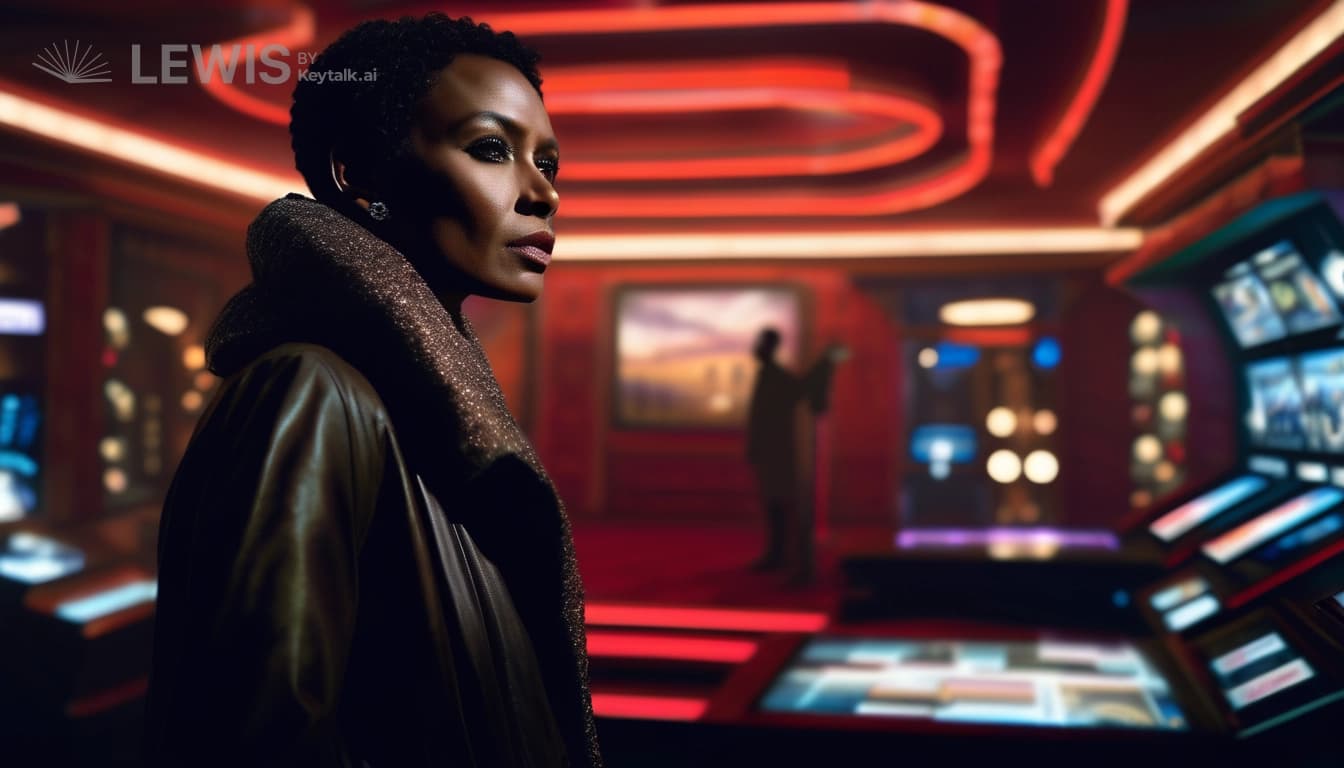
Yelena Markovskaya, a 43-year-old Russian-Ukrainian forensic linguist and amateur cryptographer, embodies a restless intellect shaped by her upbringing in the liminal spaces of post-Soviet border towns—places where secrets were currency and language itself a survival tool. Standing at a statuesque 5’10”, Yelena’s frame is lean and wiry, honed by years of solitary fieldwork and habitual late-night walks through rain-slicked city streets; her angular face, marked by high Slavic cheekbones and a thin, often unsmiling mouth, is framed by a severe jaw and a purposeful sweep of ash-blonde hair usually knotted at her nape. Her pale grey eyes, sharp and perpetually alert, betray both exhaustion and a restless hunger for patterns—a gaze that lingers on the unsaid and unreadable. Her hands, callused from years of poring over brittle manuscripts and coded transmissions, are always in motion: fidgeting with a battered silver lighter, tracing invisible sigils, or scribbling notes in a battered, monogrammed Moleskine. Yelena’s clothing is functional and unadorned—dark wool trousers, a threadbare turtleneck, and an ink-stained trench coat with deep pockets full of annotated scraps, mnemonic tokens, and, occasionally, a flask of bittersweet vodka. Though she occupies the hotel’s shadowy margins as an outside consultant—her expertise in dead languages and encrypted faith texts invaluable to the protagonist, Theo—she refuses to be anyone’s mere adjunct. Yelena’s speech is precise, lightly accented, and matter-of-fact, layered with wry idioms and the occasional caustic aside that undercuts her otherwise formal bearing; she is quick to challenge both Theo’s timorous caution and Father Varga’s dogmatic certainty, preferring rigorous analysis to superstition or sentiment. Driven less by loyalty than by a compulsive need to uncover hidden structures and expose duplicity, she is motivated by her own fraught history with institutional power—having once uncovered a cover-up that cost her both an academic post and a lover. Her skepticism makes her a foil to Theo’s hesitant trust and Varga’s zealotry, yet her ethical pragmatism and capacity for quiet empathy provide a stabilizing force within their volatile triangle. Haunted by a creeping sense of displacement and the gnawing suspicion that language can both reveal and conceal atrocity, Yelena wrestles with her own limitations—her tendency toward emotional detachment, her brittle sense of humor, and an almost superstitious reverence for the written word. Her analytic brilliance and willingness to risk personal safety for intellectual truth render her indispensable in deciphering the hotel’s cryptic legacy, while her penchant for solitary investigation, stubborn independence, and a deep-seated aversion to blind faith ensure her choices complicate, rather than simply enable, the protagonist’s journey.

줄거리

Theodore “Theo” Ashcroft never wanted the hotel. Its inheritance came to him not with ceremony but with a battered envelope, an unsigned letter, and the keys pressed into his palm by his dying aunt’s trembling hand. The hotel—a brooding labyrinth of marble and scarred oak perched on the windswept North Sea cliffs—was infamous for what it had endured and what it concealed. Its corridors whispered with the memory of vanished exiles, cryptic orders, and a massacre that local legend blamed on both heresy and hubris. Theo, haunted by sleeplessness and a gnawing suspicion that the past would devour him, arrived as a caretaker, not a conqueror. He wanted only to catalog the relics, unravel the ledgers, and perhaps, with enough clarity, lay old ghosts to rest. But the moment he stepped inside, the storm began—a relentless deluge battering the glass, the pipes, and, it seemed, his own resolve.

The hotel staff regarded him with wary deference, but the true center of gravity was Father Lucien Varga, the spectral archivist whose wordless authority made even the boldest guests lower their voices. Lucien, whose face bore the map of failed rituals and whose cassocks rustled with secrets, immediately tested Theo: a locked cabinet here, a half-burned page there, and pointed questions about the Ashcroft bloodline’s debts to the vanished Christian hermetic orders. Lucien’s motives were both transparent and unfathomable—he believed the hotel was a nexus, a living boundary between catastrophe and salvation, and he measured Theo not as a successor, but as a potential sacrifice. Their uneasy truce was disrupted by the arrival of Yelena Markovskaya, a forensic linguist and cryptographer summoned by Theo’s aunt before her death. Yelena’s caustic brilliance and history of exposing institutional lies made her an unpredictable, if invaluable, ally. She cared little for the Ashcroft legacy or Lucien’s dogma, but the puzzle of the hotel’s coded runes and forbidden relics called to her, as did the chance to test herself against its dangers.

The trio’s dynamic quickly became a storm of its own. Theo’s meticulous caution clashed with Lucien’s apocalyptic zeal and Yelena’s impatient rationalism. When Theo discovered a hidden passage behind his aunt’s bookshelf—its walls inscribed with Latin riddles and Greek aphorisms—he brought Yelena for translation and Lucien for context. What they found was a reliquary, sealed by a centuries-old order of exiled monks, containing a palm-sized crystal etched with sigils that pulsed with unnatural warmth. Lucien insisted it was a ward, the last defense against a calamity unleashed once before by the hotel’s founders, and now threatening to return. Yelena’s analysis revealed patterns that echoed Cold War ciphers and medieval heresies, suggesting the monks had anticipated betrayal from within. Theo, desperate for clarity, was torn between Lucien’s urgent warnings and Yelena’s insistence on evidence over faith.

As the storm battered on, the hotel’s surveillance system began to malfunction, its cameras flickering with images of cloaked figures and cryptic runes that appeared and vanished without explanation. Guests whispered of shadowy presences, and one—an elderly priest—was found catatonic, clutching a torn page from a forbidden grimoire. Lucien, convinced the calamity was already unfolding, attempted to seize the crystal and conduct a ritual to “purify” the hotel, but Yelena intercepted him, exposing his willingness to sacrifice staff and guests alike in the name of doctrine. Theo, feeling the weight of his family’s legacy and his own inadequacy, was forced to choose: trust Lucien’s ruthless conviction or Yelena’s skeptical pragmatism, both of which threatened to tear the fragile alliance apart.

The climax came when Theo, compelled by a vision (or was it a memory?) of his aunt reciting an apocryphal prayer, realized the true nature of the calamity—the ritual was never meant to contain evil, but to perpetuate a cycle of scapegoating and secrecy, each generation sacrificing innocents to delay reckoning. The crystal was a mnemonic device, storing not power but guilt—every atrocity, every betrayal encoded within. Theo, refusing to become another custodian of silence, decided to break the cycle. He smashed the crystal before Lucien could complete the ritual, unleashing a flood of voices—confessions, denials, prayers—echoing through the hotel’s corridors and into the storm. The wards fell, and the power flickered out, but the hotel did not collapse; instead, its secrets became visible to all who cared to see.

In the aftermath, Lucien, shaken and stripped of his authority, fled into the night, mut

장면

1
scene 1 image
Inheritance by Stormlight
[Place] - The hotel’s wind-lashed front steps, foyer, and the shadowed main hall
[Time] - Evening, as a storm rolls in, just after Theo’s aunt’s funeral

[Action]
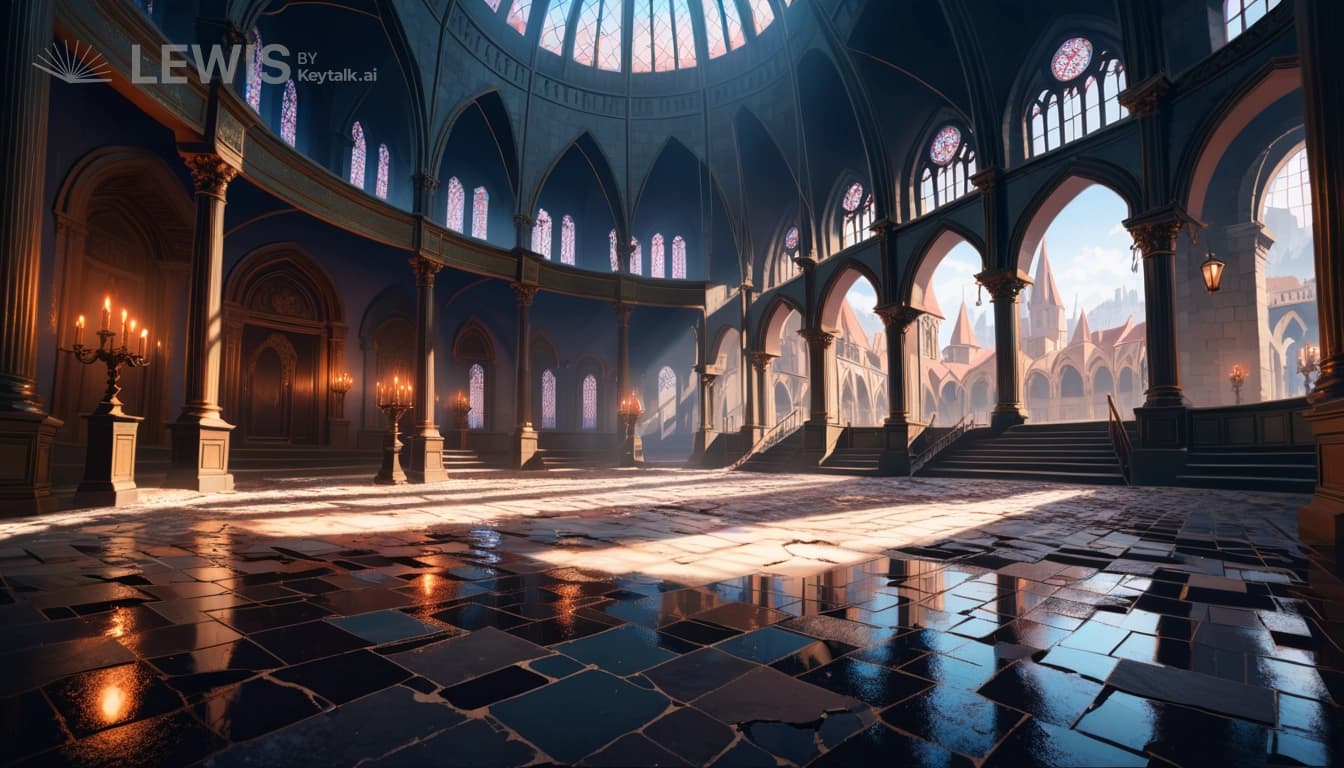
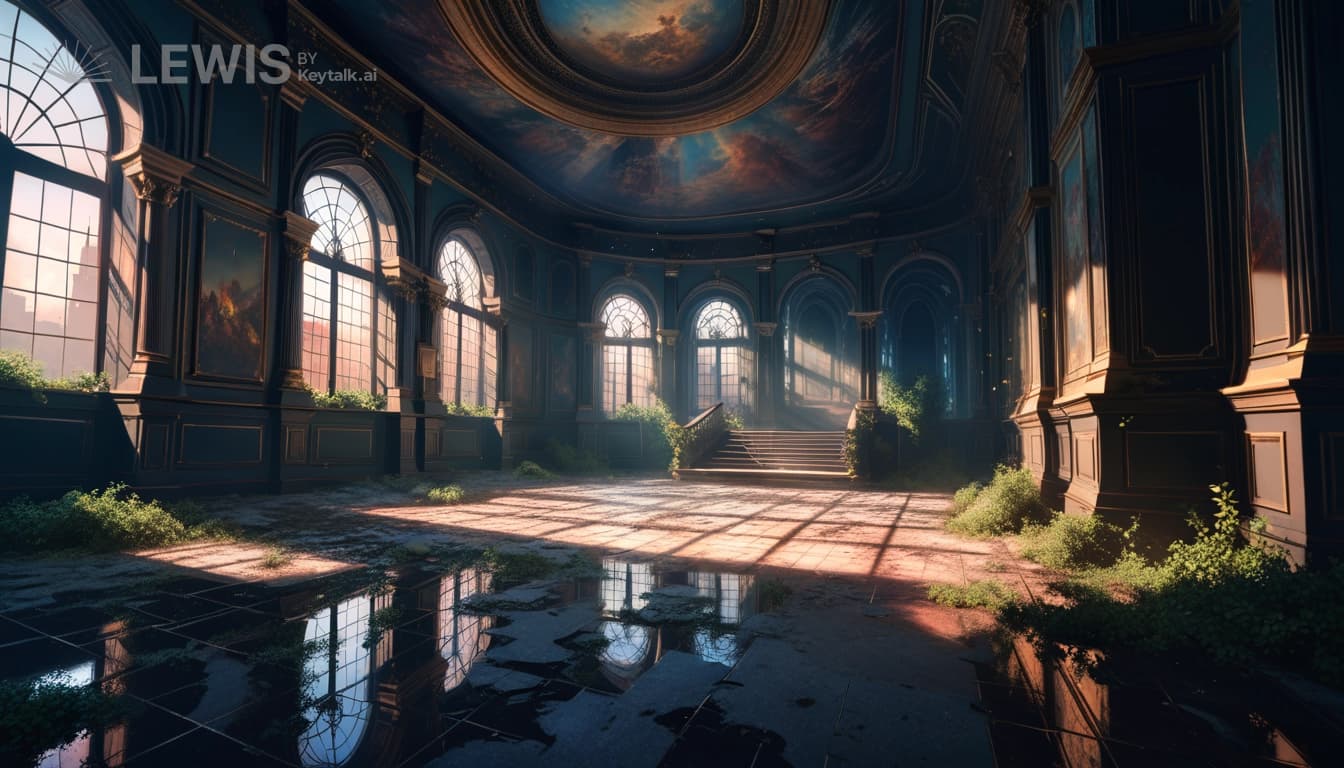
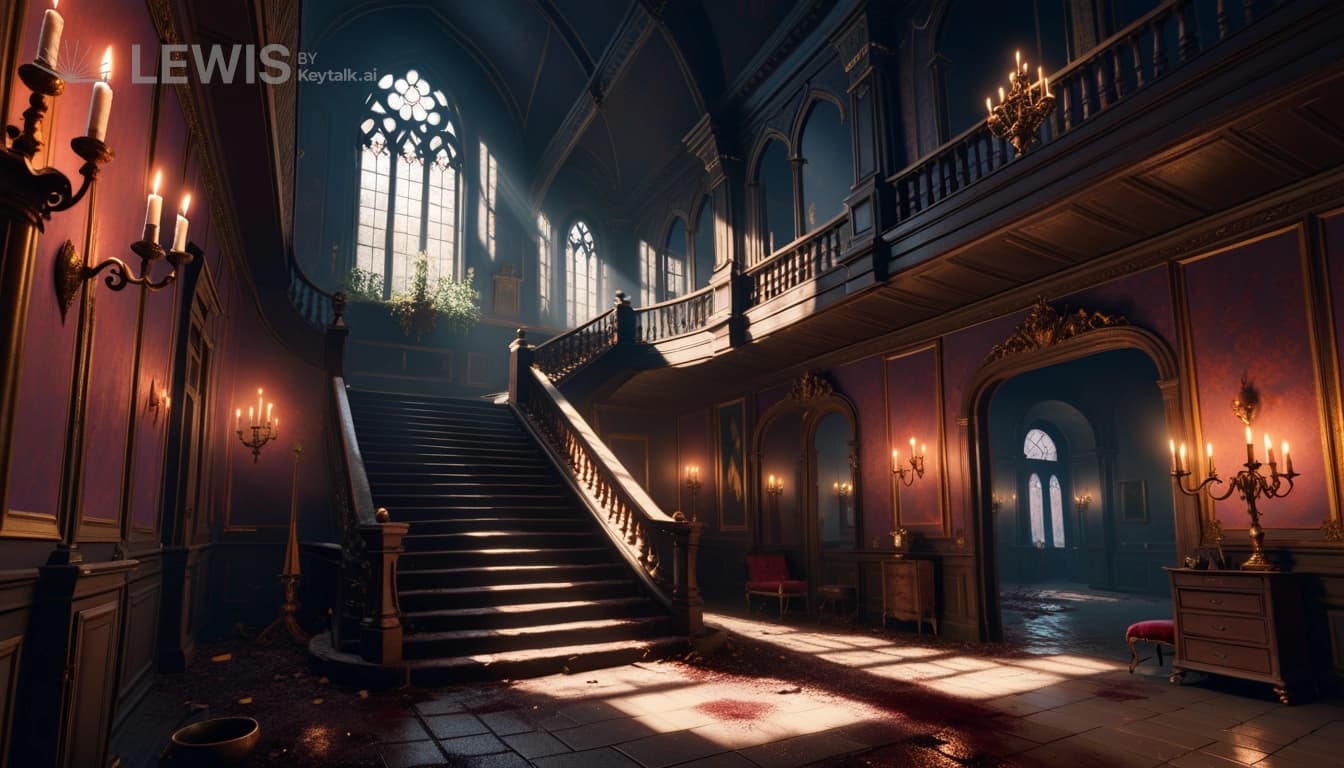
Theo arrives at the hotel in the teeth of a relentless North Sea storm, the battered envelope and heavy keys tucked in his coat pocket. The drive up is harrowing—slick roads, howling wind, the hotel looming like an accusation against the horizon. As he enters, the staff cluster in the foyer, their faces a mix of expectation and veiled suspicion, watching to see if the new Ashcroft is another doomed caretaker or something worse. The air is thick with the scent of old stone, wet wool, and the memory of incense. The hotel’s age is everywhere: water stains on marble, creaking floorboards, the echo of footsteps that never quite match the living.

Theo is greeted with strained politeness by the staff, who assess him in sidelong glances—some hopeful, others clearly resentful of the Ashcroft legacy. He feels the weight of inherited debt and unspoken obligation, the sense that his aunt’s death has left unfinished business. Father Lucien Varga appears, gliding from the shadows of the main hall, his presence both commanding and spectral. Lucien’s initial exchange with Theo is a chess match of veiled questions and cryptic warnings; he tests Theo’s knowledge of the hotel’s history and hints at the “cost” of stewardship. The staff’s deference to Lucien is obvious, deepening Theo’s sense of being an outsider in his own inheritance.

The storm intensifies, rattling the windows and dimming the lights. Theo is led to his aunt’s study, where relics and ledgers await him, and he senses the hotel’s secrets pressing in, as if the building itself is waiting to be confessed. The scene ends with Theo alone, staring out at the storm, keys cold in his palm, feeling both trapped and chosen by forces he doesn’t understand.

[Impact on the story]
This scene establishes Theo as a reluctant inheritor, burdened by legacy and expectation. The tense introduction with Lucien sets up their adversarial dynamic and foreshadows deeper conflict. The storm outside mirrors Theo’s internal turmoil, while the staff’s wary reception underscores his isolation. The hotel’s oppressive atmosphere and history are foregrounded, anchoring the story’s gothic tension and hinting at the supernatural forces at play.

[Description]
Theo arrives at the hotel during a violent storm to claim his inheritance. He faces wary staff, a cryptic and intimidating Father Lucien, and the oppressive weight of his family’s legacy. The scene sets the stage for the power struggles and haunting mysteries to come.
2
scene 2 image
[Title] - The Archivist’s First Test
[Place] - The hotel’s dimly lit archives and adjoining corridor
[Time] - Later that same stormy evening, shortly after Theo’s arrival

[Action]
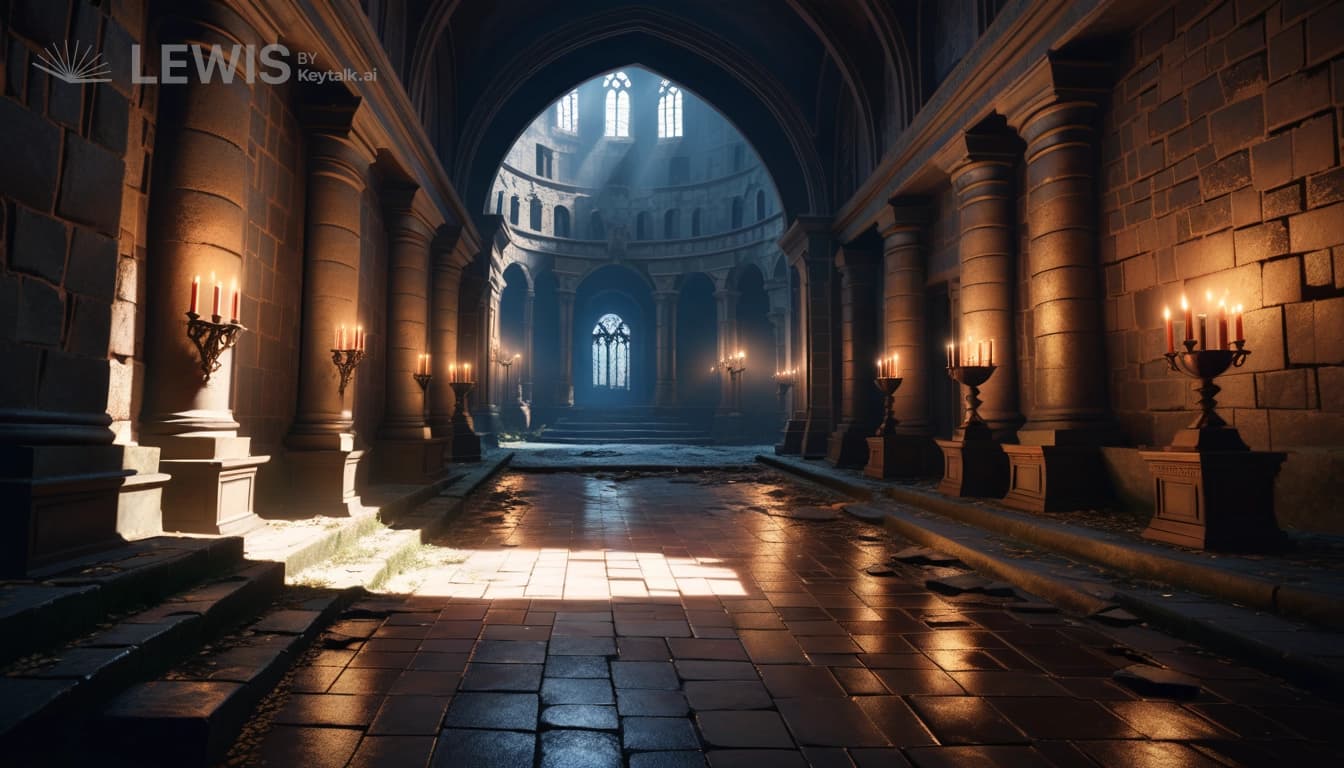
Still reeling from the cold welcome and the storm’s relentless presence, Theo is summoned by Father Lucien to the hotel’s archives—a labyrinthine warren of ancient books, locked cabinets, and ritual artifacts. The air is heavy with the musk of vellum and candle wax, the only illumination from flickering lamps that cast long, shifting shadows. Lucien orchestrates the encounter as a subtle interrogation, leading Theo through shelves of forbidden texts and relics, each one loaded with veiled meaning. He tests Theo’s knowledge of his family’s darker history, referencing scandals, debt, and the infamous massacre without ever stating facts outright. Lucien’s questions are barbed, exposing Theo’s ignorance and amplifying his sense of inadequacy, while implying that the hotel’s survival depends on more than simple management.

As the conversation grows more pointed, Lucien produces a locked cabinet—its key missing, its contents described only in riddles. He insists Theo attempt to open it, suggesting that the right “Ashcroft” might know how. The moment is charged with tension; staff members linger just outside the door, listening for any sign of failure. Theo, desperate to prove himself but lacking answers, tries to reason through the puzzle, piecing together cryptic clues from the shelves and his aunt’s old notes. When he finally manages to open the cabinet using a phrase from his aunt’s handwriting, he uncovers a half-burned page and a reliquary box etched with unfamiliar sigils.

Lucien’s reaction is unreadable, but he makes it clear this was only the beginning—a test of worthiness, not trust. He warns Theo that his aunt’s death has left unfinished spiritual “debts,” and that the hotel must be protected not just from outsiders, but from the Ashcroft bloodline’s own ghosts. Theo leaves the archives shaken, the half-burned page and reliquary heavy in his hands, the sense of the hotel’s secrets tightening around him.

[Impact on the story]
This scene deepens the adversarial dynamic between Theo and Lucien, establishing Lucien’s role as both gatekeeper and judge. Theo’s insecurity is heightened by his inability to meet Lucien’s cryptic expectations, reinforcing his sense of isolation. The introduction of the locked cabinet, the half-burned page, and the reliquary plants the seeds for the supernatural mystery and hints at the legacy’s true danger. The staff’s silent observation underscores the stakes and the ever-present scrutiny Theo faces.

[Description]
Theo endures a tense, ritualistic test from Lucien in the archives, exposing his ignorance of the hotel’s secrets and his family’s debts. He barely passes, unlocking a cabinet to find ominous relics, and leaves more unsettled than before. The power struggle between Theo and Lucien intensifies, and the hotel’s mysteries deepen.
3
scene 3 image
[Title] - Whispered Histories in the Half-Light Bar
[Place] - The hotel’s faded cocktail lounge, its windows rattling from the storm, shadows flickering across tarnished mirrors and leather banquettes
[Time] - Late night, storm howling at its fiercest, shortly after Theo’s unnerving trial in the archives

[Action]
Theo, still shaken from Lucien’s ritualistic interrogation, seeks refuge in the hotel’s bar—a relic of faded glamour, where the staff quietly nurse their own fears and the guests cluster in uneasy knots. The bartender, a stoic presence with old scars and older loyalties, pours Theo a drink unasked, signaling a mix of pity and wary curiosity. As Theo tries to steady his nerves, he notices the staff exchanging glances, conversations dropping to hushed murmurs whenever he draws near.

It’s here that Yelena Markovskaya makes her entrance, arriving drenched and windblown from the night. Her presence slices through the room’s tension; she’s brusquely dismissive of the hotel’s superstitions, but instantly alert to the undercurrents in the air. She recognizes Theo from an old, grainy portrait in the lobby and introduces herself with a mix of irony and challenge, hinting that she’s here for business, not legacy. The staff, clearly unsettled by her bluntness and reputation, keep their distance, but Yelena presses Theo for details about the family secrets and the documents he unearthed.

As the two converse at the bar, Theo tries to gauge her intentions, torn between relief at her rational confidence and suspicion that she might be another opportunist. Yelena, meanwhile, picks up on the staff’s coded glances and Lucien’s unseen surveillance—she realizes quickly that the hotel runs on secrets, and that she’s already a disruptor. Their conversation is interrupted when an elderly guest, a retired priest, stumbles into the bar, half-muttering warnings about “the debts in the walls” and clutching a rosary. The staff swiftly usher him away, but not before Yelena snatches a glimpse of a torn, charred page in his hand—eerily similar to what Theo found in the archives.

Yelena and Theo exchange a look—suspicion, curiosity, and the first flicker of alliance. The bar’s atmosphere thickens with the sense that everyone is watching, listening, waiting for a misstep. The storm outside intensifies, underscoring the sense of impending crisis and binding the trio’s fates ever tighter to the hotel’s secrets.

[Impact on the story]
This scene solidifies Theo’s isolation while introducing Yelena as both ally and wildcard, shifting the dynamic from a two-sided struggle to a tense, unpredictable triangle. It gives Yelena a clear motive to involve herself—she’s driven by intellectual challenge and a distaste for institutional hypocrisy, not sentiment. The staff’s wariness and the priest’s outburst amplify the sense of danger and shared history, while the torn page creates a tangible link between Theo’s discoveries and the hotel’s living legends. The stage is set for Yelena and Theo to join forces, even as trust remains uncertain.

[Description]
In the storm-lashed bar, Theo’s shaken solitude is interrupted by Yelena’s bold arrival and a cryptic warning from a troubled priest. The scene forges an uneasy partnership between Theo and Yelena, deepens the atmosphere of suspicion, and hints that the hotel’s mysteries are both communal and perilously unresolved.
4
scene 4 image
[Title] - Yelena’s Arrival and the Unspoken Pact
[Place] - Theo’s inherited suite; a cavernous, dust-laden sitting room with ancestral portraits glaring down and the storm’s roar seeping in through warped windowpanes
[Time] - Later that night, as the storm shows no sign of abating, moments after the bar’s tense encounter

[Action]
After the unsettling scene in the bar, Theo retreats to his private suite, desperate for solitude but unable to escape the oppressive aura of the hotel. He pores over the fragmented documents and relics collected so far, struggling to make sense of their cryptic patterns and feeling the legacy’s burden press heavier with every unanswered question. His attempt at focus is interrupted by a knock—Yelena, still damp from her arrival, enters with brusque efficiency, carrying the energy of someone who refuses to be intimidated by ghosts, living or dead. She’s direct: she wants access to the archives, the ledgers, and the locked rooms, making it clear she sees Theo less as a gatekeeper and more as a potential accomplice.

As they negotiate—each probing the other’s motives and boundaries—their uneasy partnership begins to take shape. Yelena reveals she’s found inconsistencies in the family records and hints at outside interest in the hotel’s secrets, raising the stakes beyond mere inheritance. She presses Theo to share everything he knows, warning that partial truths are more dangerous than outright lies in a place built on concealment. Theo, wary but recognizing her skill and resolve, reluctantly agrees to grant her limited access, setting ground rules that neither fully trust.

Meanwhile, the storm cuts the power briefly, plunging the room into near darkness and forcing them to light candles. In the flickering light, they discover a hidden drawer in Theo’s aunt’s desk—inside, a faded photograph of the hotel’s staff from decades ago, with faces eerily similar to some current employees, and a coded letter marked with the same sigils as the torn page the priest carried. This tangible link between past and present shocks both of them, but Yelena is quick to hypothesize about cycles of cover-ups and recurring scapegoats. The moment is interrupted by Lucien’s sudden appearance at the threshold, silent and watching, as if summoned by the hotel itself.

The three share a loaded silence before Lucien reminds Theo that the hotel’s dangers multiply when outsiders meddle, but Yelena refuses to be cowed. The unspoken pact forms: for now, their interests align, but every move is shadowed by suspicion. As the storm rages, the trio is drawn together by necessity, each aware that isolation would be fatal—but trust, just as deadly.

[Impact on the story]
This scene deepens the alliance between Theo and Yelena while crystallizing the tension between them and Lucien. It marks the shift from individual investigation to reluctant collaboration, pushing Theo out of passive isolation and forcing him to confront the risks of secrecy versus openness. The discovery of the coded letter and the anomalous photograph raises the specter of repeating history, heightening the sense of urgency and paranoia. The emotional stakes rise as Theo realizes the hotel’s mysteries are not just personal but communal, and that Yelena may be his only hope—or his greatest liability.

[Description]
In Theo’s shadowy suite, he and Yelena negotiate an uneasy alliance, uncovering evidence that past and present are dangerously intertwined. Lucien’s ominous intrusion cements the trio’s uneasy bond, driving home that survival—physical and moral—depends on their ability to work together, even as mistrust simmers beneath the surface.
5
scene 5 image
[Title] - The Ashcroft Ledger and the Scarlet Debt
[Place] - The hotel’s candlelit office: a cramped, wood-paneled sanctum off the main corridor, lined with decaying ledgers and locked cabinets, the sea’s howl audible through warped glass
[Time] - Early morning, storm still raging, after a restless, uneasy night

[Action]
Theo, sleep-deprived and anxious, sits before a battered ledger marked with the Ashcroft seal, its pages stained crimson at the edges as if by old blood. Yelena, alert despite the hour, paces with restless energy, scanning archival boxes pulled from hidden alcoves. Their fragile truce is under strain: Yelena pushes Theo to open the family’s most secret records, insisting the answers to the coded letter and photograph must lie within. Theo hesitates, torn between loyalty to his aunt’s warnings and the mounting evidence that concealment breeds danger.

As they comb through the ledgers, Yelena uncovers a series of cryptic entries—debt payments labeled only with initials and odd symbols, including a recurring scarlet mark. The pattern suggests not financial transactions but ritual exchanges, names crossed out abruptly after each “settlement.” The ledger’s ink seems to shimmer in the candlelight, and for a moment, both feel the weight of innumerable, unseen hands passing judgment.

Lucien arrives unannounced, drawn by the disturbance or perhaps by the ledger itself. Tension spikes as he warns that some debts must never be tallied aloud. He and Yelena argue over the meaning of the scarlet marks—Lucien claims they signify necessary sacrifice to keep the hotel’s curse contained, while Yelena accuses him of perpetuating a cycle of violence and erasure. Theo, caught in the crossfire, experiences a surge of dread and responsibility; he realizes the “inheritance” is not the hotel itself, but the moral debt it represents.

During the confrontation, Theo notices a hidden annotation in the ledger’s margin—his aunt’s handwriting, cryptic but unmistakable, hinting at a passage only accessible to those willing to admit the truth. The tension in the room becomes unbearable, with the storm outside mirroring the emotional storm within. Faced with mounting pressure, Theo finally resolves to seek out the hidden passage, understanding that the next step may demand a price none of them are prepared to pay.

[Impact on the story]
This scene marks a turning point in Theo’s internal journey from passive heir to active participant in the hotel’s legacy. The discovery of the ritualistic “debts” reframes the hotel’s history as one of recurring sacrifice, not just financial or familial but existential. The deepening rift between Lucien and Yelena exposes the competing worldviews at play—faith versus reason, tradition versus truth—while Theo’s growing sense of agency sets up the coming confrontation with both the supernatural and the moral rot at the hotel’s core.

[Description]
In the claustrophobic office, Theo, Yelena, and Lucien clash over the meaning of the Ashcroft ledger’s “scarlet debts,” exposing the hotel’s legacy of sacrifice and secrecy. The scene propels Theo to confront his family’s past head-on, forging a path toward the hidden passage and the deeper mysteries that await.
6
scene 6 image
[Title] - The Passage of Riddles and the Reliquary’s Heart
[Place] - The concealed passage behind the late aunt’s bookshelf, descending into the cold, labyrinthine underbelly of the hotel—narrow stone steps, walls etched with faded Latin and Greek inscriptions, the air thick with the scent of old wax and damp stone
[Time] - Late morning, storm’s fury unabated, gray light trembling through cracks above, the hotel’s power flickering sporadically

[Action]
Theo, clutching his aunt’s annotated ledger and a trembling lantern, leads Yelena and Lucien into the passage newly revealed behind the bookshelf. The narrow steps force physical closeness, amplifying the tension simmering since the office confrontation. Each inscription on the walls is a test: riddles, aphorisms, and cryptic warnings in dead languages, some half-erased by time, others disturbingly fresh. Yelena, energized by the intellectual challenge, deciphers the texts with mounting urgency, but her bravado slips when she encounters a cipher that references betrayal from within—echoing the suspicions she already harbors about Lucien.

Lucien, his authority shaken but undiminished, insists on interpreting the spiritual significance of each riddle, framing the journey as a pilgrimage of atonement. He tries to guide Theo toward responses rooted in faith and tradition, but Yelena continually interrupts, pushing for logical, secular solutions. Theo is forced to mediate, his anxiety mounting as his own name appears, encoded, in one of the riddles—proof that his family’s involvement was always intended.

As they reach the reliquary chamber—a vaulted, candlelit room with a weathered altar and a sealed glass case—each character’s motivation crystallizes. Lucien urges an immediate ritual, convinced the storm is a sign of imminent calamity. Yelena, sensing a trap, scrutinizes the chamber for clues, searching for hidden mechanisms or evidence of prior rituals gone wrong. Theo, torn between the two, is compelled to make a choice: accept Lucien’s apocalyptic narrative, trust Yelena’s skeptical analysis, or forge a new path. The crystal at the heart of the reliquary pulses with a disquieting warmth, radiating both promise and threat.

Before anyone can act, the hotel’s power fails completely, plunging the chamber into semi-darkness. The air thrums with unseen voices—echoes of past confessions and denials, the weight of accumulated guilt. The moment is charged with possibility and dread: every action from here will have irreversible consequences.

[Impact on the story]
This scene forces all three protagonists into physical and psychological confrontation with the hotel’s secret. The passage’s riddles amplify their differences—faith, reason, and inherited guilt—while the reliquary’s discovery raises the stakes, making clear that their choices are not just personal but generational. Theo’s realization that his fate was foreseen deepens his internal conflict, setting the stage for the moral reckoning to come. The failed power and supernatural voices signal that the hotel’s history is alive and that the window for action is closing.

[Description]
Theo, Yelena, and Lucien descend through a riddle-laden passage into the hotel’s hidden reliquary, each interpreting the chamber’s secrets through the lens of their own motives and fears. The scene ratchets up tension, forcing Theo into the role of reluctant mediator and decision-maker as the true stakes of the inheritance—and the cost of silence—become inescapably clear.
7
scene 7 image
[Title] - Fractures in the Sanctuary: Old Faiths, New Lies
[Place] - The hotel’s private chapel, a dim, echoing sanctuary of tarnished icons, cracked stained glass, and flickering votive candles—stormlight rippling across the altar and pews, shadows alive with half-seen movement
[Time] - Early afternoon, storm at its peak, thunder rattling the chapel’s ancient windows, the hotel’s power still unreliable

[Action]
With the reliquary crystal now uneasily in Theo’s possession, the trio retreats to the chapel, each carrying the weight of their discoveries and suspicions. Lucien insists the chapel is the only “safe ground” left, urging Theo to place the crystal on the altar and submit to a ritual of warding. Lucien’s urgency is laced with desperation; he believes the storm’s escalation and the hotel’s spectral disturbances are a direct consequence of the reliquary’s breach. He presses Theo with arguments rooted in tradition and fear, painting the chapel as a last bastion against the chaos he claims is seeping in.

Yelena, increasingly wary of Lucien’s motives and the chapel’s oppressive atmosphere, counters with sharp logic and forensic scrutiny. She questions the origins of the rituals and the purpose of the sanctuary itself, pointing out inconsistencies in the historical records and suggesting that the chapel was as much a site of cover-up as of salvation. She covertly examines the altar for hidden compartments or signs of tampering, suspecting Lucien may be manipulating both history and ritual for his own ends.

Theo, exhausted and fraying, is caught between their opposing certainties. The chapel, meant to be a place of peace, instead becomes an arena for accusation and confession. Old secrets surface—Lucien hints at the true cost of the last failed ritual and the blood price once paid by the Ashcrofts, while Yelena uncovers evidence that implicates previous caretakers in deliberate acts of scapegoating. The emotional pressure boils over when Theo, urged on by both, finally admits his own fear: that his inheritance was not a calling, but a sentence.

As thunder shakes the chapel and the crystal pulses with unnatural heat, the argument erupts into open confrontation. Lucien attempts to seize the crystal, invoking a half-remembered liturgy, but Yelena blocks him, accusing him of perpetuating cycles of violence. Theo, hands trembling, is forced to physically intervene, the crystal’s warmth burning into his palm as the chapel’s shadows seem to twist and whisper with the weight of the past. The scene ends with the fragile alliance shattered—Lucien storming out, Yelena shaken but resolute, and Theo left alone at the altar, the crystal’s light flickering as if in warning.

[Impact on the story]
This scene marks the breaking point for the trio’s uneasy partnership, exposing irreconcilable differences in faith, logic, and personal guilt. Theo is pushed to the edge emotionally, forced to confront not just external threats but his own complicity in the hotel’s legacy. Lucien’s authority is publicly challenged, while Yelena’s skepticism sharpens into outright opposition. The sense of sanctuary is upended, making clear that no place in the hotel is truly safe—and that the coming reckoning will be both personal and collective.

[Description]
In the chapel’s storm-battered sanctuary, the trio’s alliance fractures under the weight of accusation, confession, and fear. Ritual and reason collide, pushing Theo to his breaking point and scattering the group, as the crystal’s dangerous legacy begins to reveal itself.
8
scene 8 image
[Title] - The Catatonic Priest and the Forbidden Page
[Place] - The hotel’s shadowy east wing, outside room 217—a seldom-used corridor lined with faded portraits, the air thick with damp and the scent of ozone.
[Time] - Late afternoon, the storm’s rage settling into a steady, oppressive drumbeat; intermittent power, emergency lanterns throwing long, uncertain shadows.

[Action]
Theo, still reeling from the disastrous confrontation in the chapel, is summoned by panicked staff to the east wing, where an elderly priest—Father Marek, a long-term guest—has been discovered collapsed outside his room. He sits slumped against the peeling wallpaper, eyes wide but unseeing, knuckles white around a torn, age-stained page of forbidden scripture. The staff are terrified, whispering about omens and curses, and Lucien arrives moments later, his composure shattered by the earlier rift and now sharpened into fanatic urgency. Lucien insists on isolating the priest, declaring that contact with the forbidden page is evidence of spiritual contamination, and demands the page for “containment.”

Yelena, arriving in the wake of the commotion, quickly takes charge—she recognizes the script as matching the cryptic runes from the reliquary, and insists on photographing and analyzing it before Lucien can destroy or conceal the evidence. Tension escalates as Lucien accuses her of reckless endangerment, while Yelena fires back, accusing him of covering up the truth. Theo, witnessing the priest’s state—a hollow shell, mouth moving in silent prayer or warning—feels the full weight of his responsibility. He realizes the supernatural events are escalating beyond their control, and that the hotel’s protections are faltering.

As Yelena deciphers fragments of the page, she uncovers references to a cycle of rituals and scapegoats—echoing the dark revelations from the chapel. The staff, growing more agitated, threaten to abandon their posts, convinced the hotel is cursed and that Theo’s presence has awakened something best left buried. Lucien, desperate, tries to rally the staff to his cause, painting Theo and Yelena as heretics, but the group fractures; long-standing loyalties give way to fear and suspicion.

The scene climaxes with the priest’s sudden, violent outburst—a cryptic warning uttered in a voice not entirely his own—before he collapses again, unresponsive. The page, now in Yelena’s possession, becomes the new focal point of conflict. The trio is forced to retreat as the corridor lights flicker out completely, plunging them into darkness and uncertainty.

[Impact on the story]
This scene raises the stakes by revealing that the supernatural threat is no longer theoretical or contained—it is actively harming innocents, and the hotel’s fragile social order is collapsing. Theo’s burden intensifies as both leader and potential scapegoat. Yelena’s commitment to uncovering the truth hardens, while Lucien’s desperation grows, fracturing his influence. The staff’s fear signals that the reckoning is not just among the trio, but now involves everyone in the hotel.

[Description]
In the east wing’s haunted corridor, the discovery of a catatonic priest and a forbidden page brings the hotel’s hidden horrors into stark relief. The scene deepens the divide between Theo, Lucien, and Yelena, while panic among the staff signals that the storm—and the past—are breaking through every barrier.
9
scene 9 image
[Title] - A Choice in the Eye of the Storm
[Place] - The decaying grand lobby, now transformed into a desperate war-room: rain slashes the stained-glass windows, emergency lanterns cast restless shadows on the marble, and the staff cluster in anxious, muttering knots.
[Time] - Early evening, as the storm builds to a fever pitch; the power flickers, and thunder shakes the bones of the hotel.

[Action]
Theo, Yelena, and Lucien confront one another in the battered lobby, each driven to the brink by the night’s mounting chaos. The catatonic priest is moved under guard, his warning echoing in everyone’s minds, while the staff demand answers and threaten mutiny. Yelena, clutching the deciphered forbidden page, lays out the truth: the hotel’s rituals were not protection, but a generational mechanism for silencing inconvenient truths and scapegoating the vulnerable. She pushes Theo to reject Lucien’s plan to repeat the ritual and instead break the cycle, even as the staff—frightened and desperate—clamor for action, some siding with Lucien’s promises of salvation, others drawn to Yelena’s call for transparency.

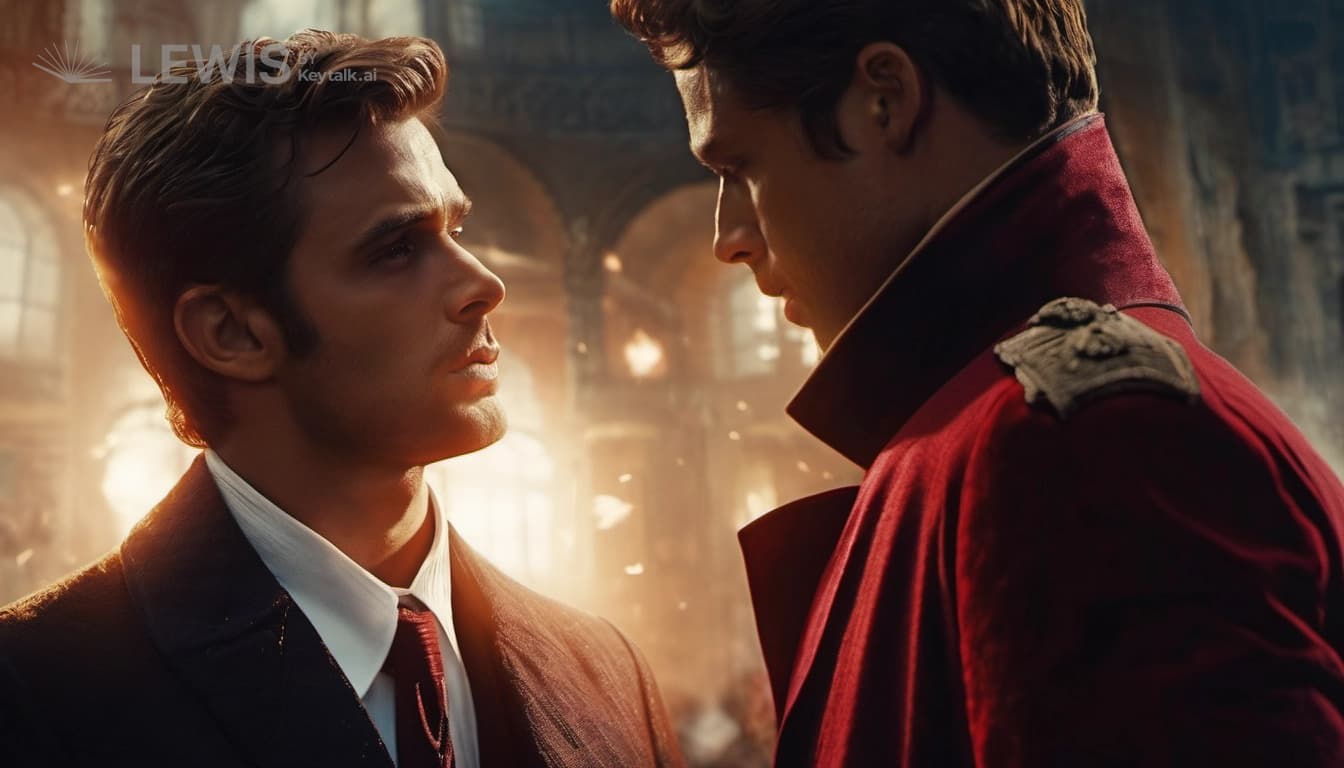
Lucien, emboldened by his followers, tries to seize authority. He argues that the ritual must be completed at any cost, insisting Theo is the chosen vessel for the warding sacrifice. His fanaticism becomes naked, as he reveals that the sacrifices of the past were all about preserving the power and secrecy of the order. The staff are forced to choose sides, and tempers flare; accusations fly, old grievances surface, and the threat of violence simmers beneath every word.

Theo, caught in the center, feels the crushing weight of legacy and expectation. He is pulled between Lucien’s apocalyptic certainty and Yelena’s unyielding logic, while the staff’s fear threatens to spiral into chaos. Memories of his aunt—her doubts, her regrets—surface as the storm rages louder, and Theo realizes he must choose not only for himself, but for everyone trapped inside the hotel. The scene builds to a fevered pitch as Lucien, desperate, attempts to forcibly drag Theo to the reliquary for the ritual. In a moment of clarity, Theo breaks free, refusing both Lucien’s and Yelena’s demands, and declares he will make his own choice—one that neither perpetuates the old cycle nor hides from its consequences.

[Impact on the story]
This scene is the story’s crucible: alliances are shattered, true motivations are revealed, and Theo is forced to step out of his aunt’s shadow and claim agency. Lucien’s fanaticism is unmasked for all to see, while Yelena’s pragmatism gains urgency but loses certainty. The staff’s unrest erupts into open division, making the hotel itself a tinderbox. Emotionally, Theo’s isolation peaks—he must act, and the consequences will ripple out to everyone, ending the era of silence and scapegoating forever.

[Description]
In the storm-ravaged lobby, the trio’s fragile alliance collapses as the truth behind the hotel’s rituals comes to light. Forced to choose between perpetuating an ancient cycle or facing the chaos of truth, Theo rejects both extremes, setting the stage for a final, irrevocable break with the past.
10
scene 10 image
[Title] - The Breaking of the Cycle—Confessions in the Rain
[Place] - The reliquary chamber behind the secret passage, stone walls dripping with condensation, its only light the dying glow of emergency lanterns and flashes of lightning through a high, shattered window
[Time] - Night, at the storm’s furious peak, moments after the confrontation in the lobby

[Action]
Theo, Yelena, Lucien, and a handful of divided staff make their way through the labyrinthine passage to the reliquary, each step heavy with dread and anticipation. The air is thick with anxiety; some staff clutch relics as talismans, others exchange fearful glances, unsure whether they are witnesses or accomplices. Lucien, disheveled and desperate, commands Theo to take the crystal and submit to the ritual, his voice cracking with the certainty of a fanatic cornered by his own prophecy. Yelena, refusing to stand back, counters every invocation with raw, aching logic, urging Theo to see the ritual for what it is—a mechanism for repeating trauma, not healing it.

Theo stands at the reliquary’s heart, the crystal’s sigils flickering in sync with the storm outside, the weight of history and expectation crushing him. Memories of his aunt’s final days flood his mind, her words—half warning, half confession—echoing over Lucien’s chants and Yelena’s pleas. As the staff’s tension escalates—some demanding the ritual proceed, others begging for a new way—Theo’s paralysis shatters. He seizes the crystal, feeling its unnatural warmth, and understands: this is not power, but accumulated guilt, a vessel for centuries of pain. He smashes it against the stone, releasing a torrent of spectral voices—confessions, accusations, prayers—that reverberate through the chamber and into the storm, as if the hotel itself is finally exhaling.

The wards collapse; the oppressive atmosphere lifts, replaced by a raw, almost unbearable honesty. The staff stagger, some weeping, others numb, as hidden truths and suppressed memories rise to the surface. Lucien, undone and stripped of his authority, flees into the tempest, his faith and identity shattered. Yelena, shaken but resolute, helps the staff begin to process the revelations, her skepticism tempered by awe and sorrow. Theo, exhausted and hollow yet liberated, steps into the rain-soaked corridor, ready to face the world not as a custodian of secrets, but as a man who chose truth over comfort.

[Impact on the story]
This scene is the story’s catharsis and reckoning. The shattering of the crystal ends the cycle of scapegoating and secrecy, exposing the hotel’s buried traumas and forcing every character to confront the reality beneath the rituals. Theo’s decision redefines his relationship with legacy and agency, transforming him from a passive inheritor to a breaker of chains. Lucien’s flight and the staff’s emotional collapse mark the end of the old order, while Yelena’s role shifts from outsider to guide in the aftermath. The hotel itself is transformed from a prison of secrets into a place where healing—however painful—can begin.

[Description]
In the reliquary, Theo destroys the crystal, unleashing the hotel’s hidden confessions into the world and breaking the cycle of generational sacrifice. The act dissolves Lucien’s power, forces the staff to confront the truth, and leaves Theo forever changed—a man who chose the storm of honesty over the shelter of inherited lies.
'Inheritance of the Damned'스토리 챗

이 스토리 속 캐릭터들과 대화하고 싶다면?

'Inheritance of the Damned'스토리 챗

이 스토리 속 캐릭터들과 대화하고 싶다면?

story image
story image
story image

이런 이야기는 어때요?

댓글0

테마 음악