줄거리
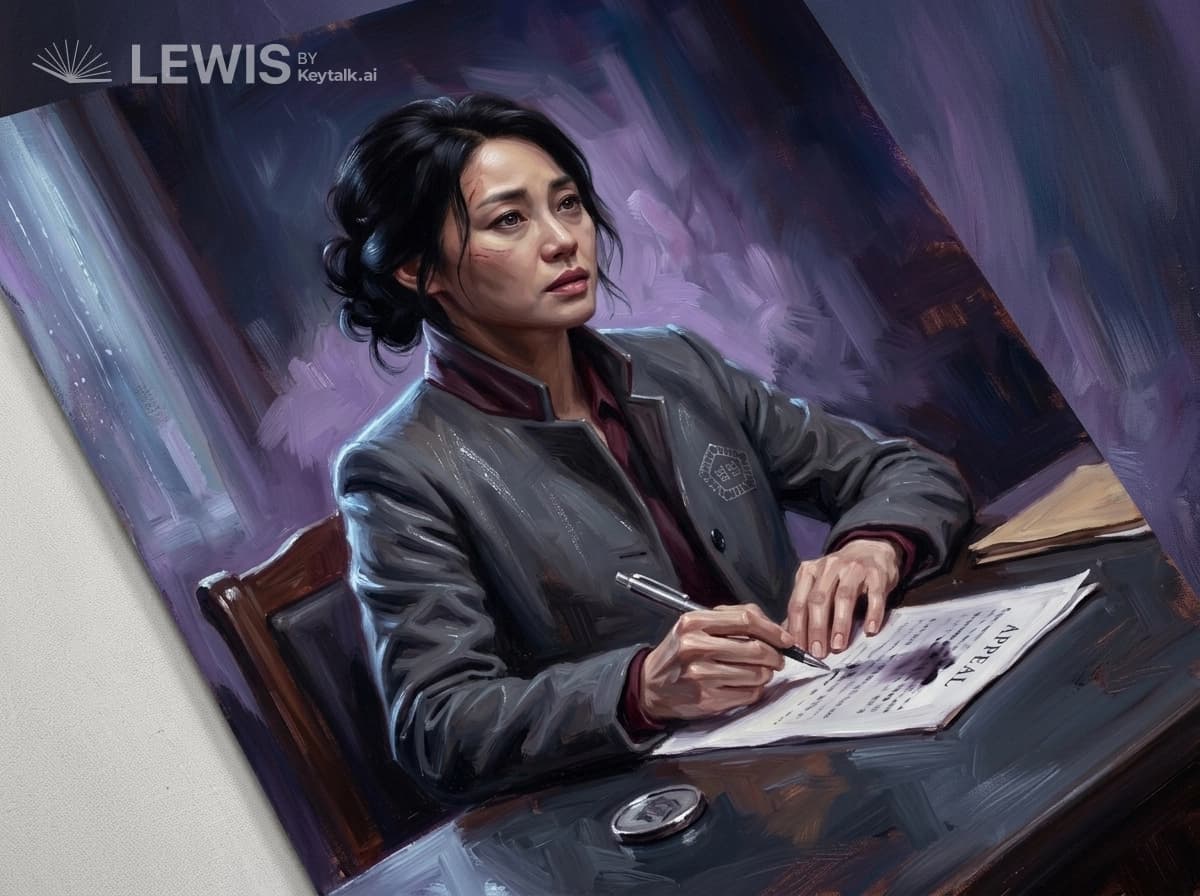
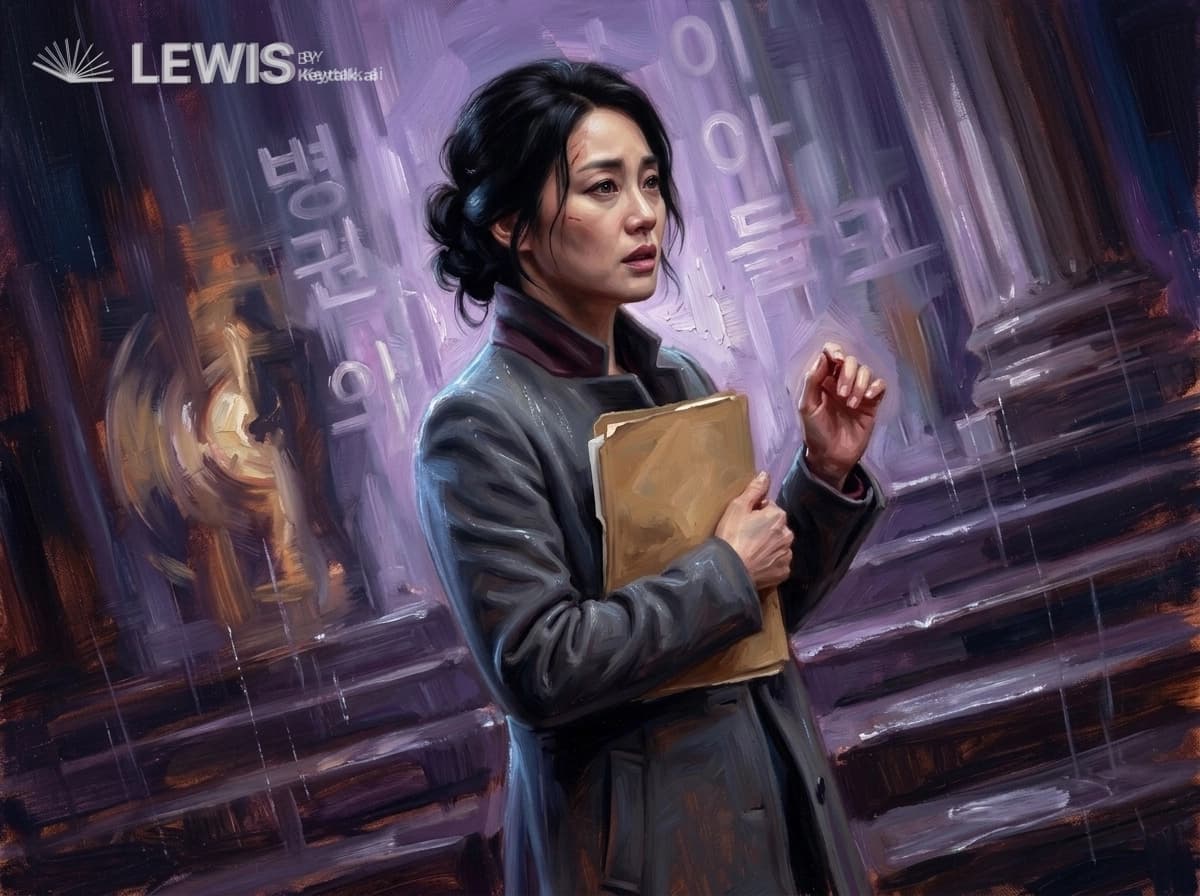
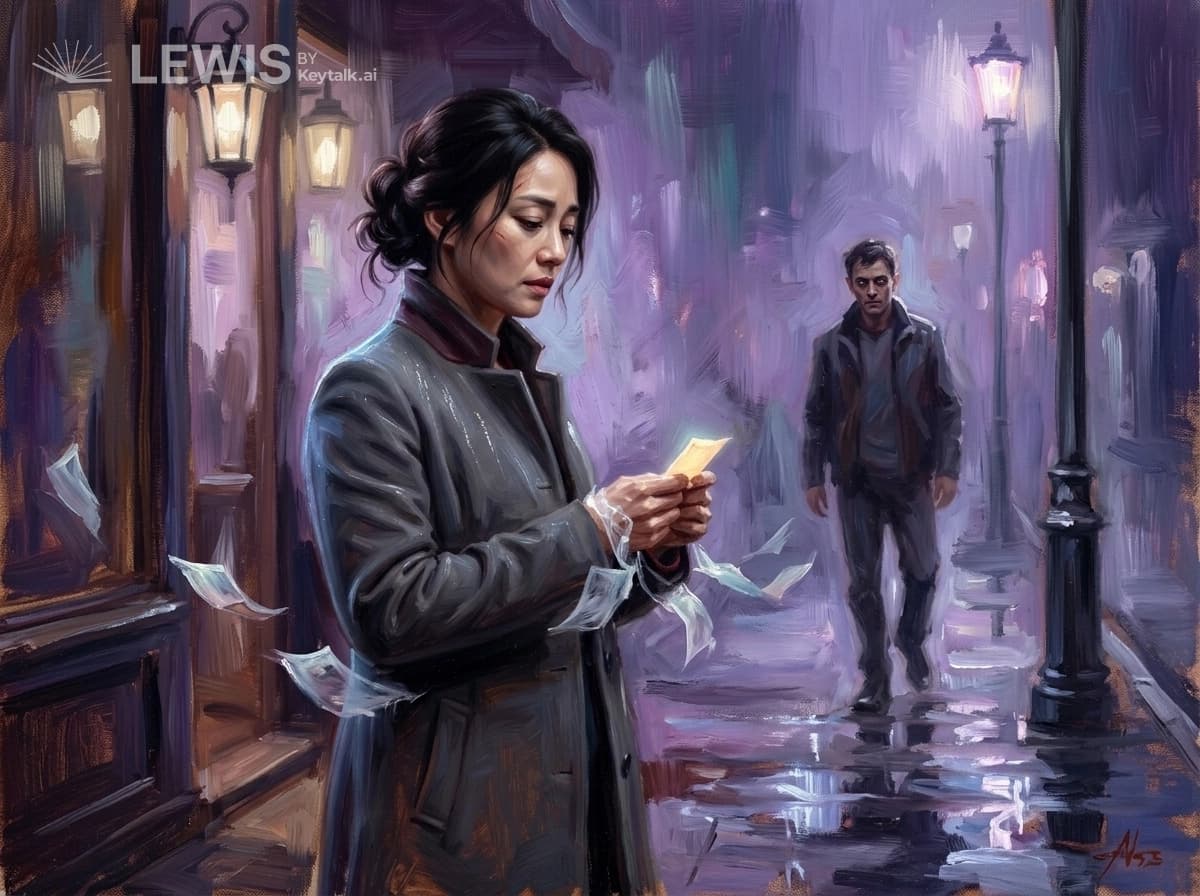
Two nights before Ley-Law’s Annual Clause Reconciliation loosens the city’s stipulations just enough for audits, hunts, and mischief to move, Han Ji-yun is drafting an appeal that feels ordinary in the way a locked door feels ordinary—until you find a missing key. Her client, a thin man with ink-dark smudges under his nails, arrives with court-admitted bruises that look like paper cuts suffered by the air itself. He insists he is being hunted by an immortal whose “heart” is a human absence shaped like a missing syllable in the world. He says the immortal doesn’t kill; it corrals. It pulls people into corridors the way a clerk pulls filings into order—streets that prefer the hunt’s story, reflections that delay by a fraction too long, shadows that stamp themselves after the fact. The Bureau of Harmonies has already tagged the case as legally incoherent, and Ji-yun’s assignment is meant to end in a tidy dismissal: an emotionally persuasive narrative, procedurally empty.
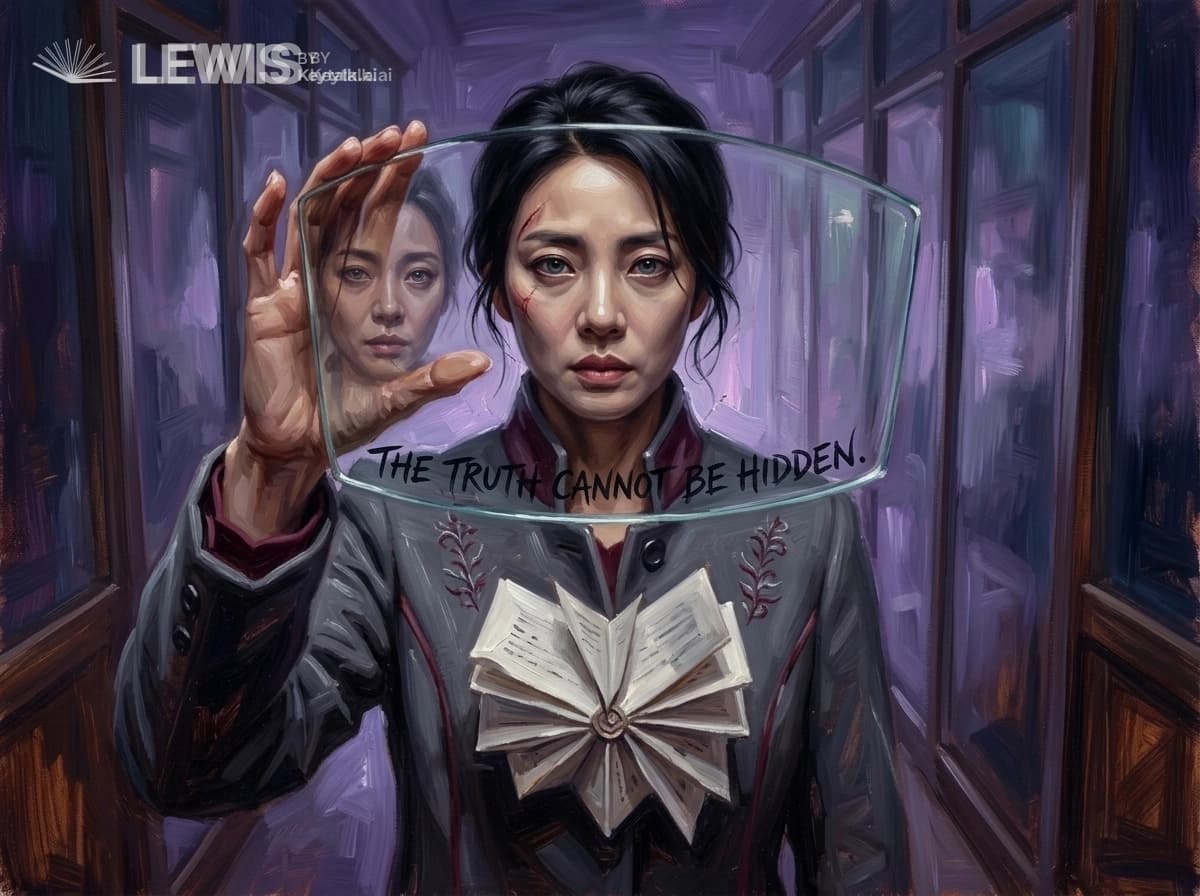
But Ji-yun is not only a defender; she is an unwilling instrument of the city’s logic. Objections in her hands are metaphysical pinpricks—she doesn’t cast spells with glitter and flourish, she makes record-scraps align with the ley grooves beneath the courthouse plinths. In ordinary spirit-adjacent cases, her skill is enough. Here, she can feel the story trying to become law. When she reviews the client’s filed testimony, the phrasing of his fear mirrors language her own earlier life used without her remembering choosing it. The city’s record-shadow of her past catches against the present like two magnets refusing to face the same way. If she succeeds, she might also prove that her private ledger of loopholes has never been private at all: victory papers could be the same ink used to bind her former self.
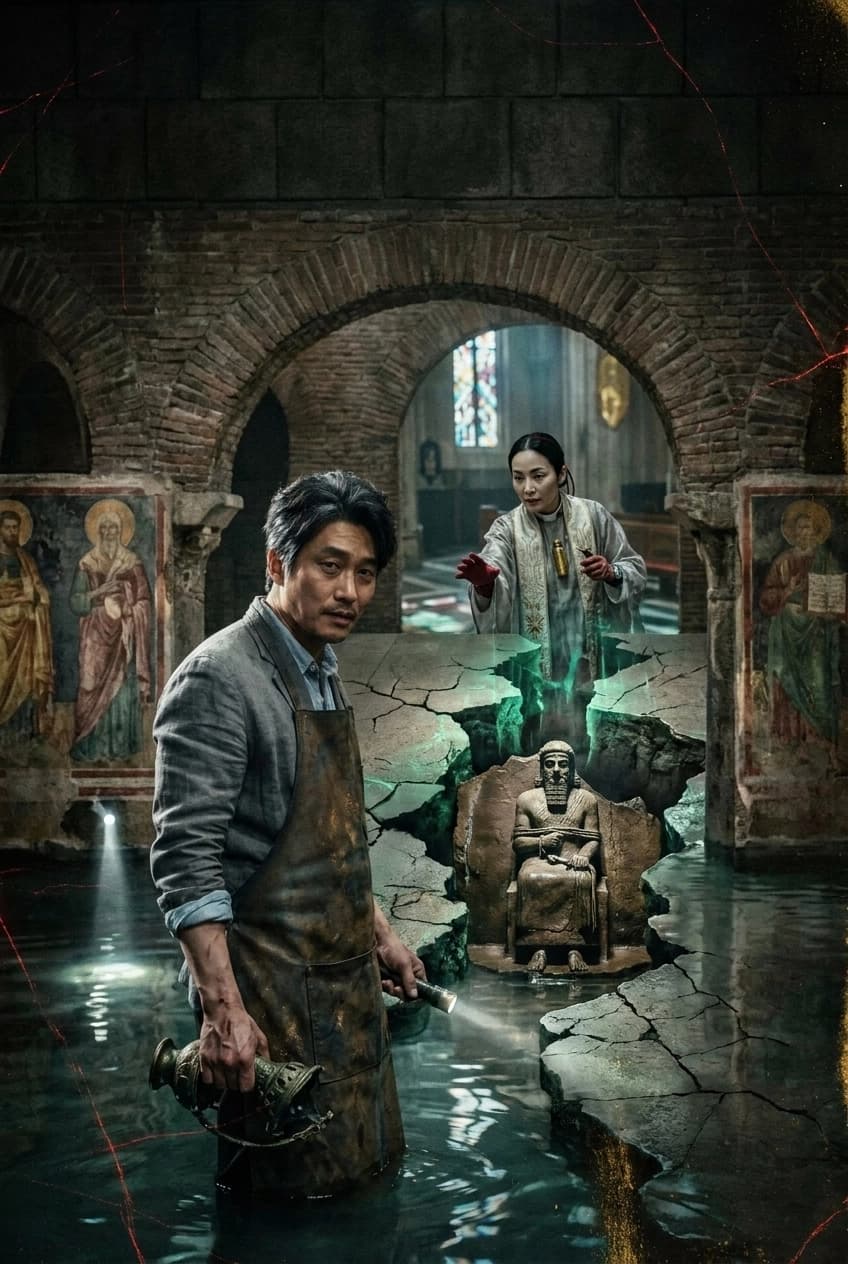
To verify the hunt, the court requires a stipulation-checked field audit. The Bureau assigns Seo Dae-ru, a licensed celestial cartographer whose magic is constrained by ancient legal “stipulations” embedded in the city’s infrastructure. Seo arrives with the air of a man holding his breath inside formalwear, calm until the moment the city’s grooves must be read aloud. He insists they proceed only under permissioned corridors, because a spell cast outside the right clause triggers Legal Correction—re-routing reality around the action, sometimes with disastrous consequences like misremembered identifiers and arrests for crimes that never happened. Ji-yun agrees, knowing procedure is her only mercy: if the city can be made to accept a truth, she will do it cleanly. Yet the client’s resonance—his claim of a heart-absence—doesn’t sit still on any map Seo produces. It flickers, like a clause whose meaning keeps refusing to settle on the same subject.
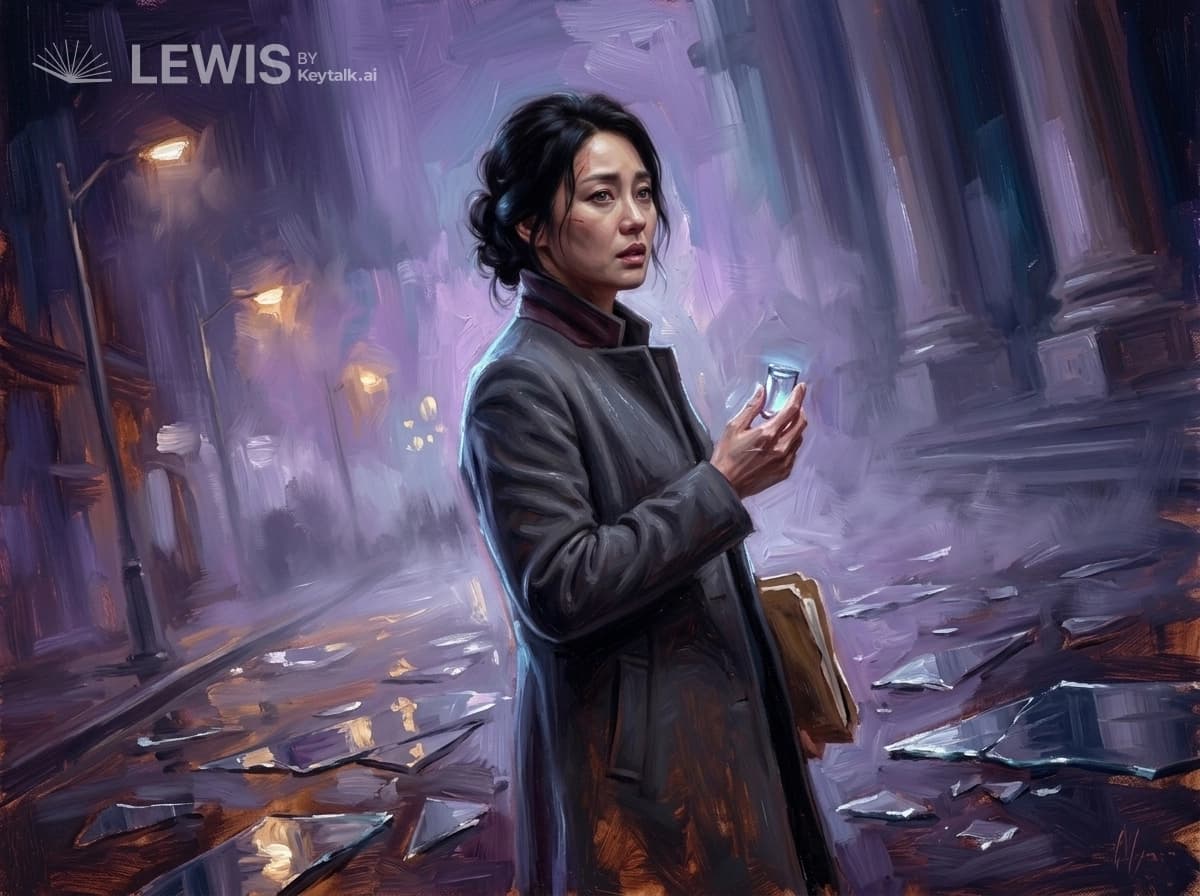
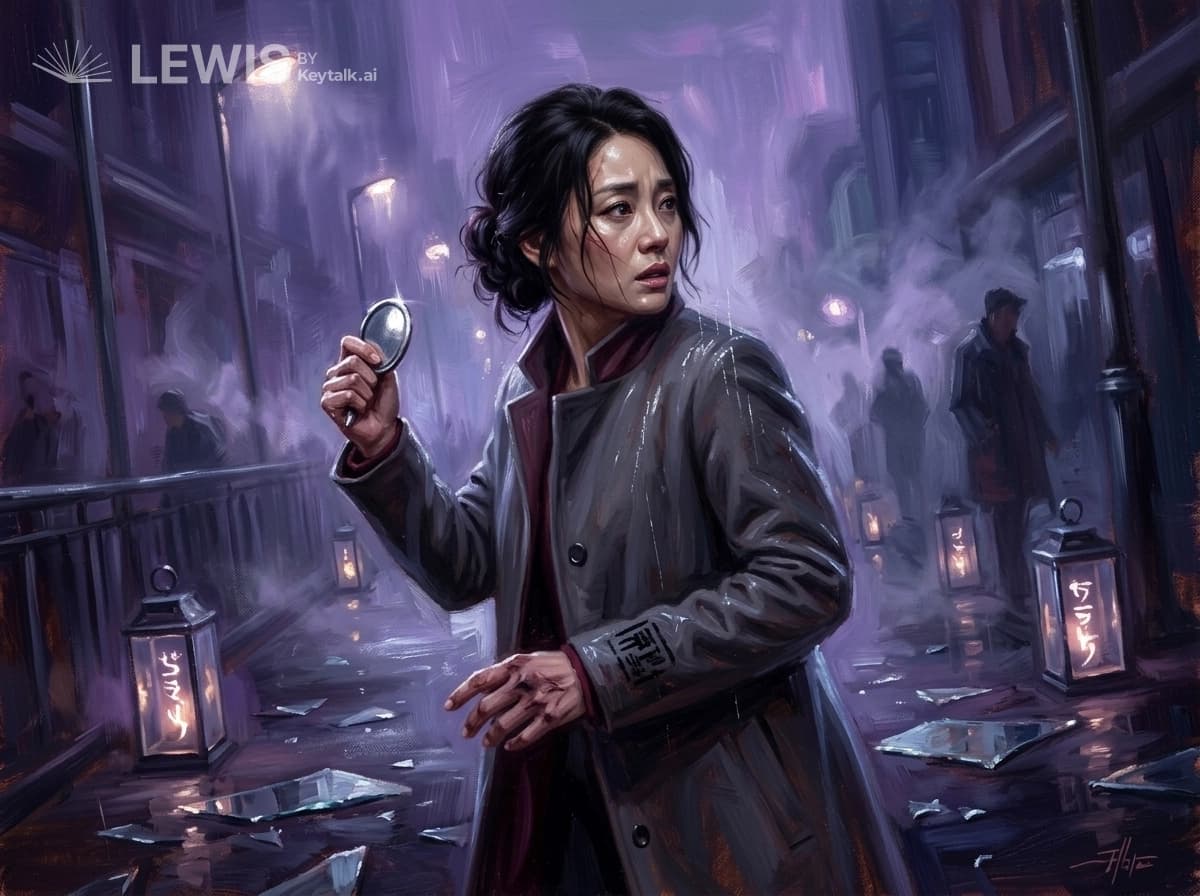
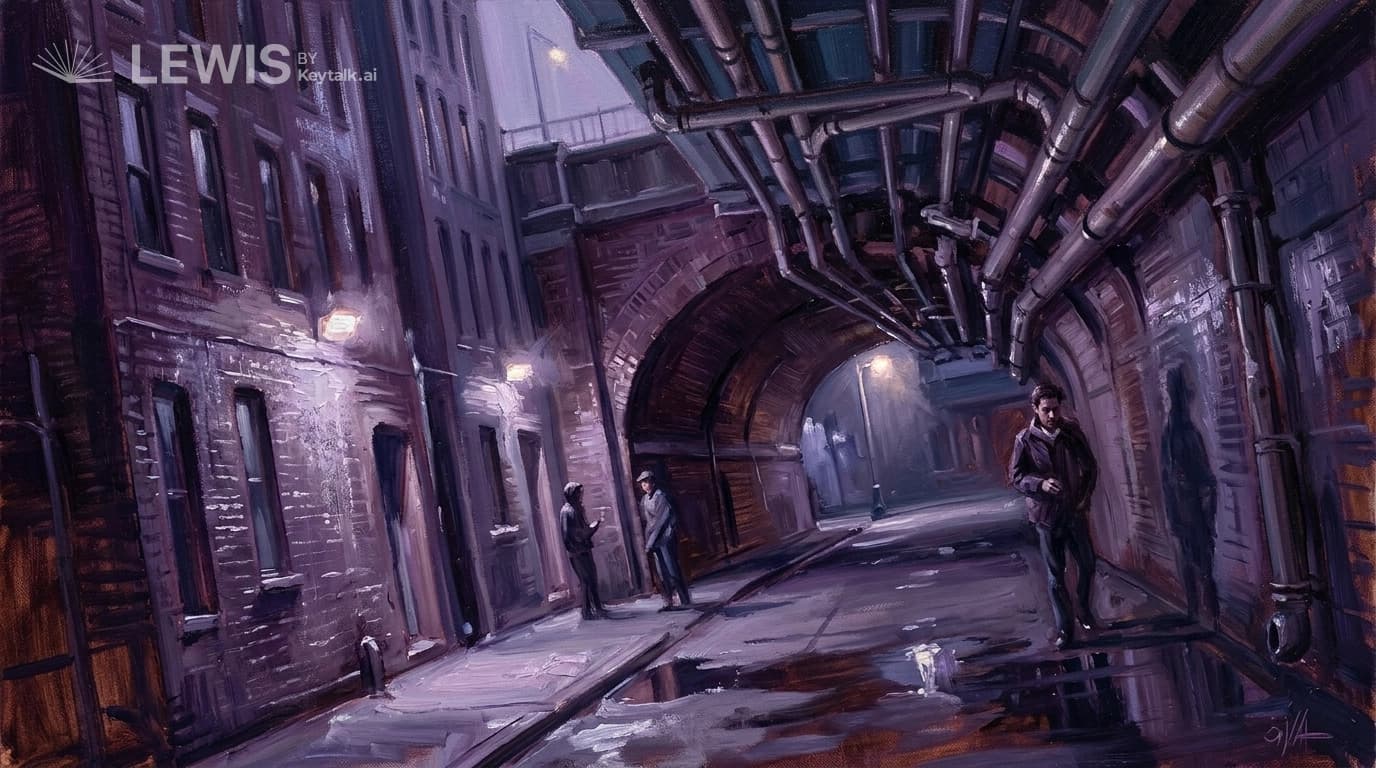
Their audit takes them out from City Court of Ley-Law and into the city’s tender violence: mirror-lined alleys where cracked shop glass holds light for just long enough to trap a witness, and canal-step bridges where mirror vendors hang glass lanterns that refract sodium streetlights into legal symbols. The city feels like paper under pressure; each step makes the world seem fractionally delayed, as if ink is deciding what it will admit. When Seo tries to cast a short stabilizing sight-spell, his words must match clause conditions exactly. The spell works—too well. For a moment, reflections in nearby windows align with the resonance key and show something like a procession: not an attack, not a monster, but a path of “preferred” streets bending toward the courthouse plinths themselves. Then Legal Correction ripples outward. A passerby with the wrong clause signature stutters mid-sentence, forgetting a name she had just recited, and a warrant badge in the air—half-formed as if being authorized—fizzles into nothing. Seo looks as though he’s just learned his own cartography can injure.
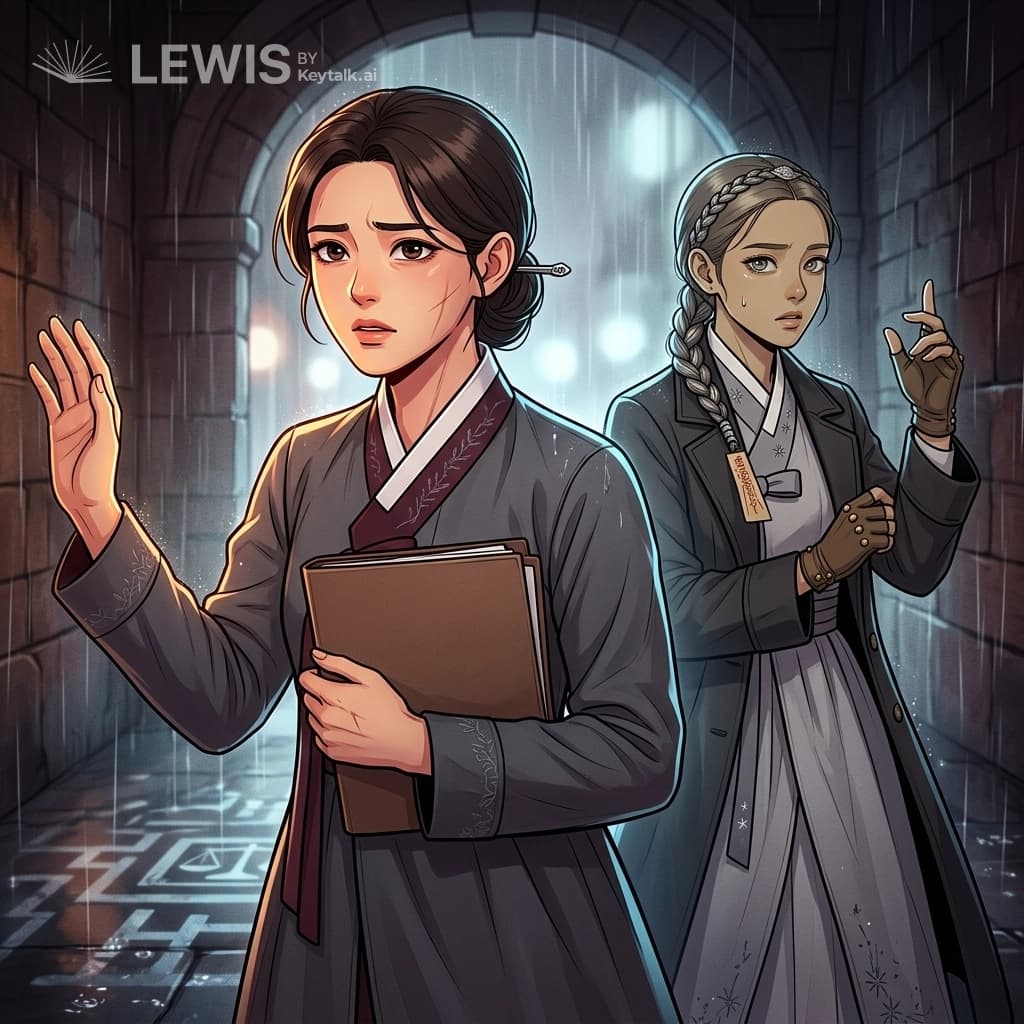
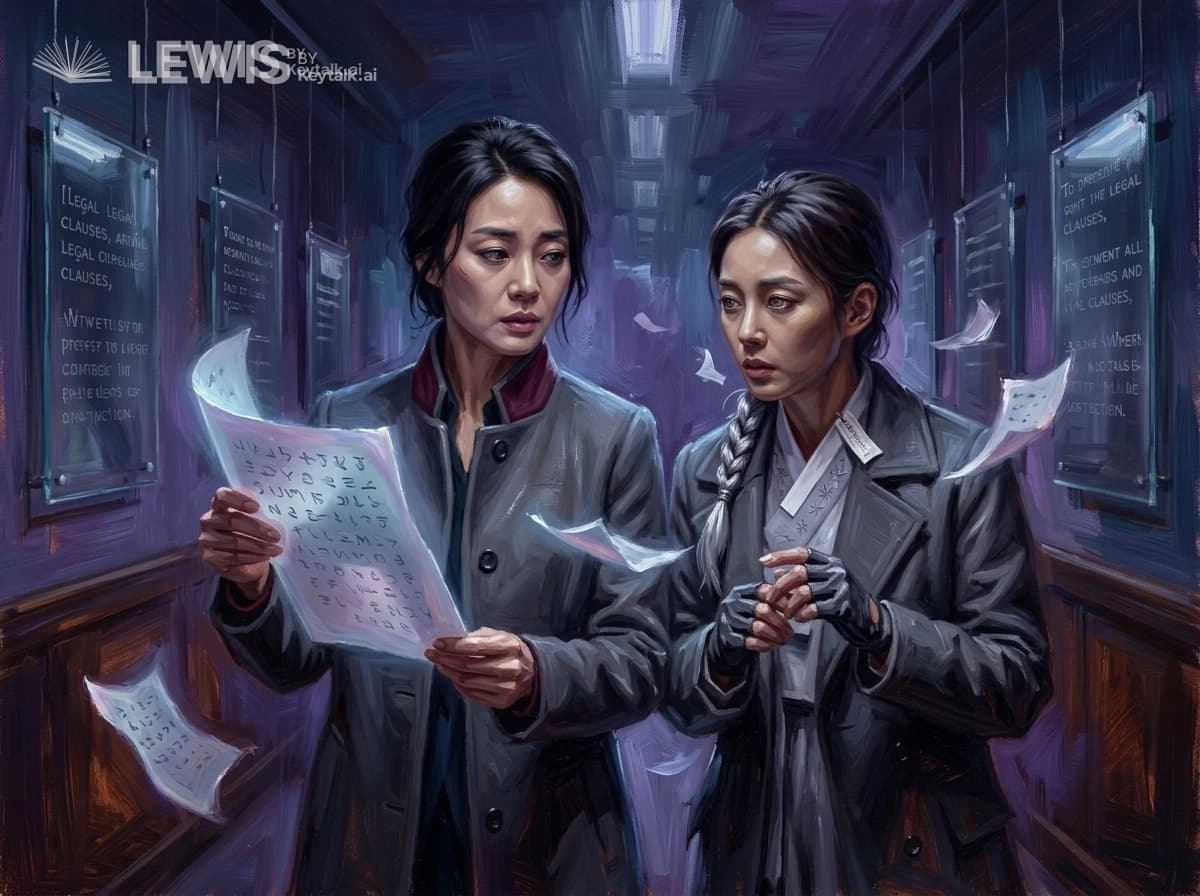
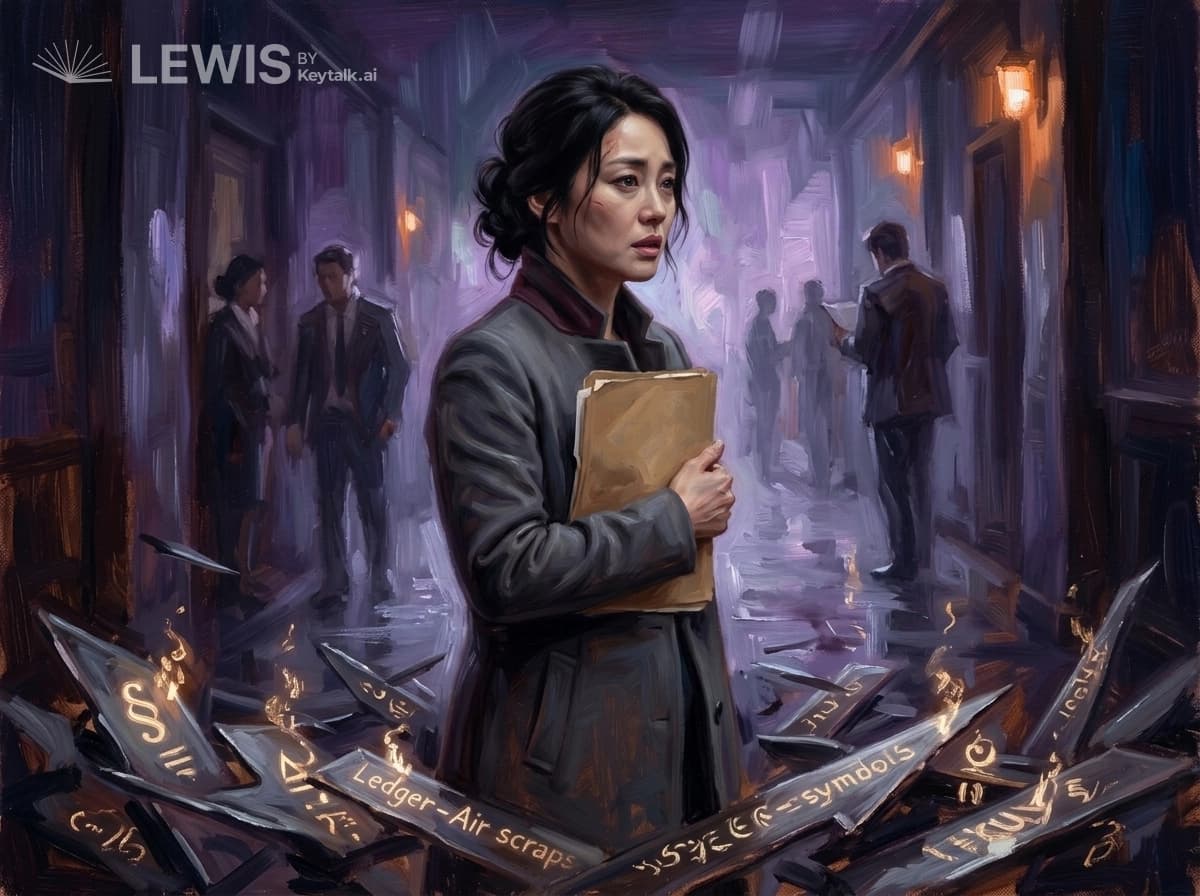
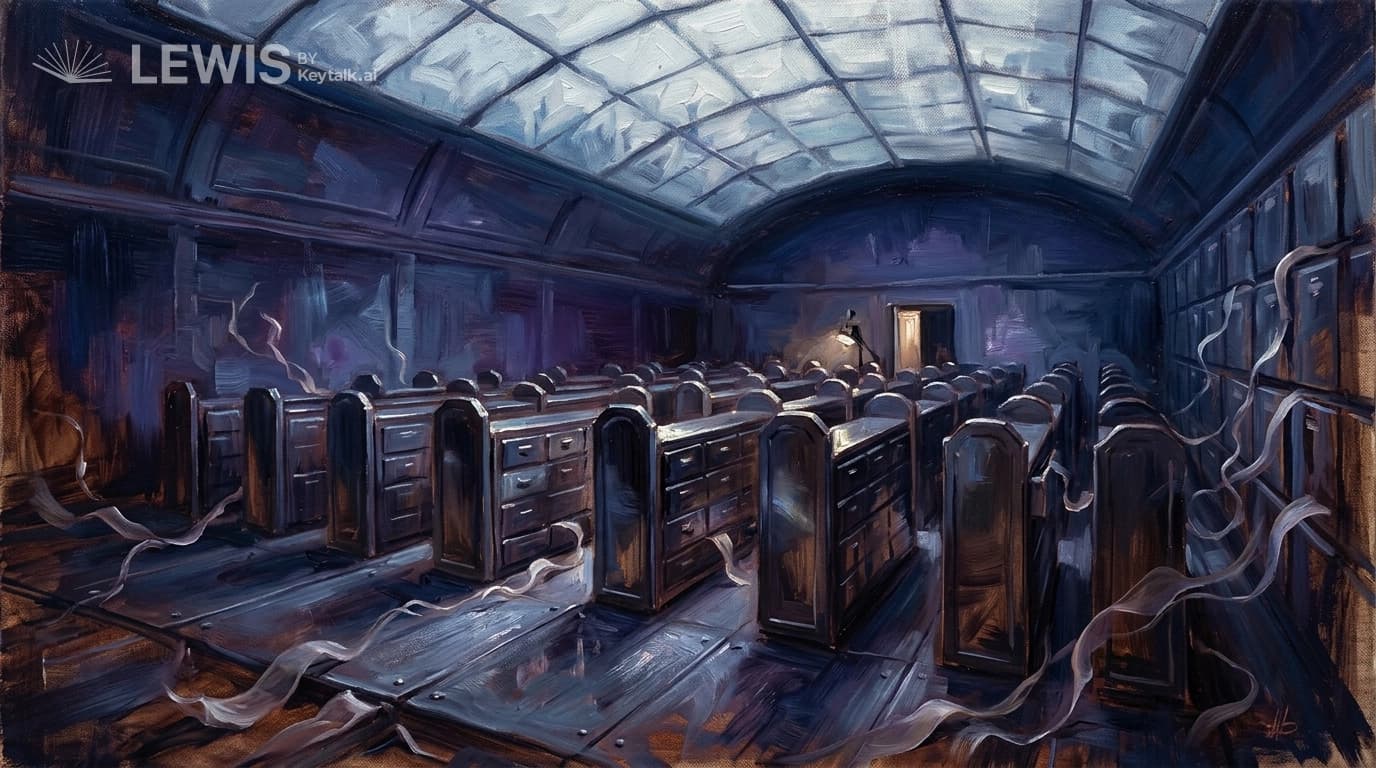
Back at the Municipal Archive of Witness Surfaces, Ji-yun meets Cho Yoon-ha, a stipulation-checker whose official role is to verify whether a claimed resonance story can be traced to ley line conditions that will hold up in court. Yoon-ha’s precision is immaculate and brittle. She reads the city like a ledger with a pulse, authorizing only limited spirit-castings where the grooves provide permission. Her hands tremble when she realizes the city isn’t merely documenting the client’s hunt; it is trying to rewrite who is implicated by it. As she cross-references the client’s filed statements with archived stipulation records—clause symbols etched into basalt and embedded in the archive vault thresholds—she recognizes a pattern of edits that should not still be possible this late in the year. Someone has been “course-correcting” events so the hunt report remains legally intact while shifting blame away from the Bureau’s comfortable fictions.
The one doing those edits is Byun Iseul, Archivist of the Heart-Absence Contract, keeper of names, clauses, and loopholes. Iseul does not appear in the field; she appears in the city’s memory. Each time Ji-yun tries to anchor the client’s claim with firmer language, the record-shadow responds by becoming smoother, more admissible—and less true in a way everyone will later call harmless. Through Yoon-ha’s terrified, clause-perfect research, Ji-yun begins to find the edges of Iseul’s curation: small, legalistic rewrites that preserve the appearance of procedure while changing who holds clause-memory. The immortal’s hunt is being protected not with swords, but with paperwork that moves like weather.
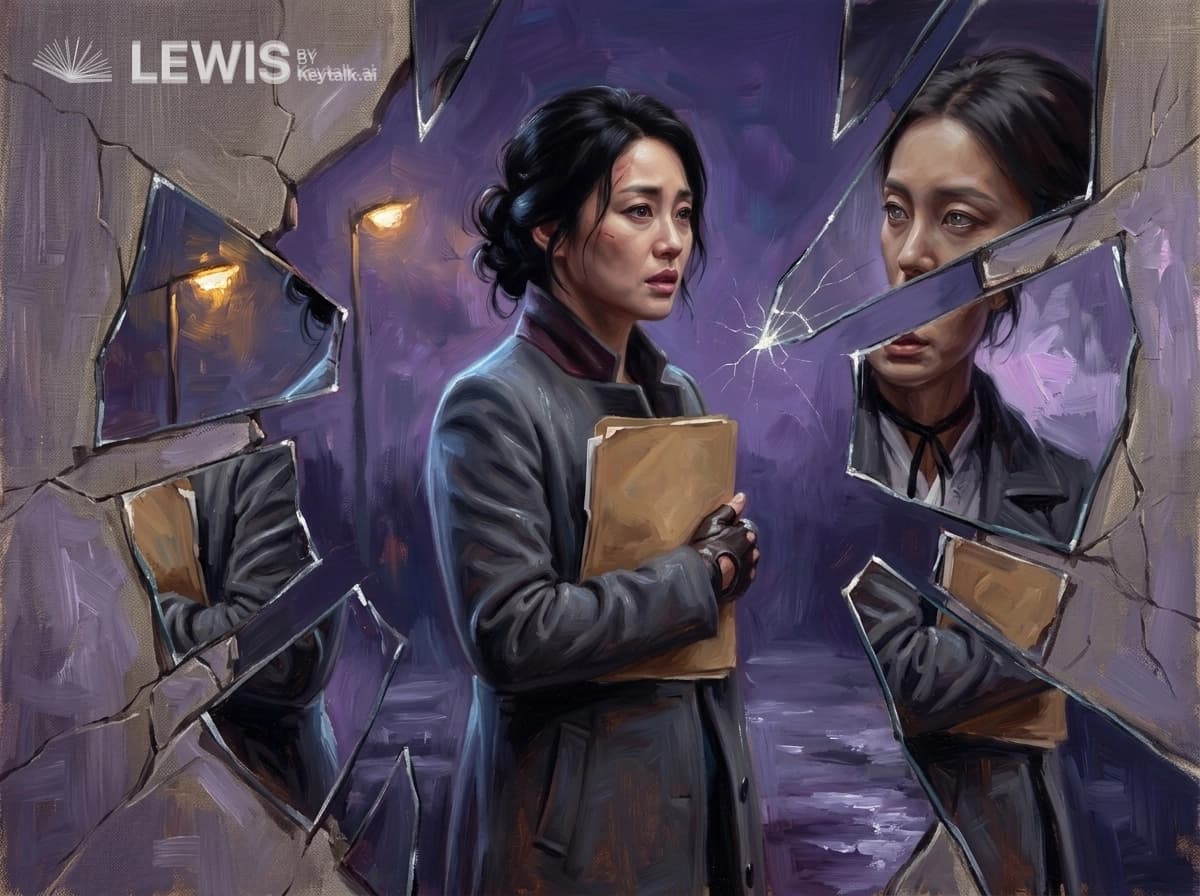
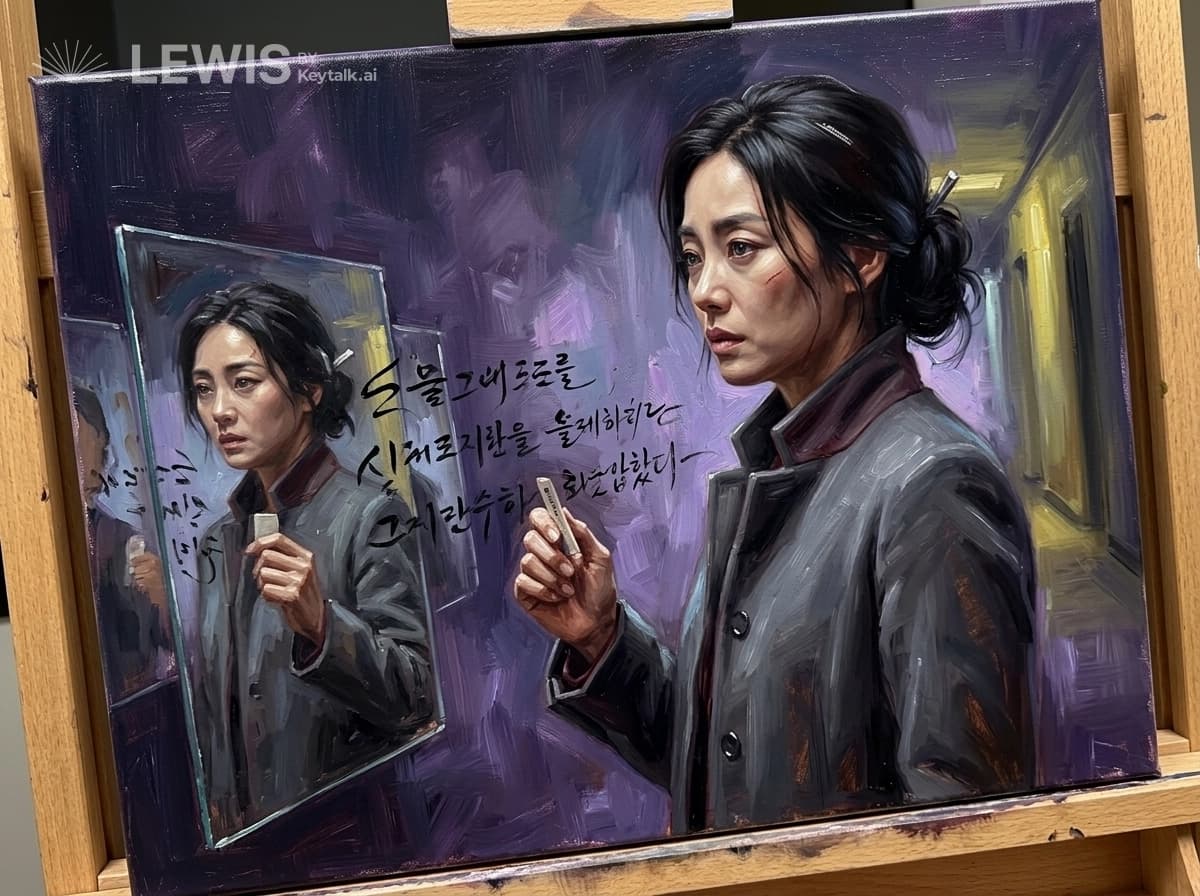
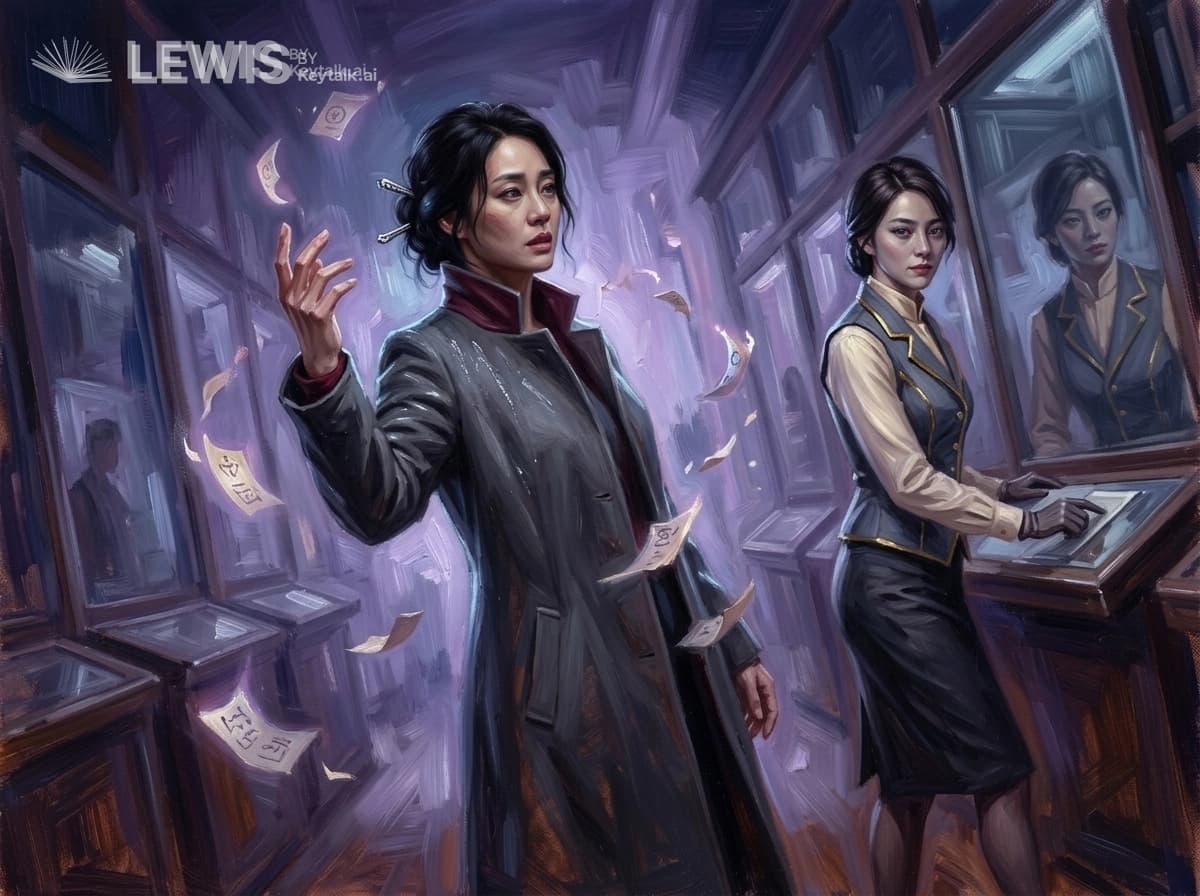
That is where Park Kwang-seok, the mirror-trade broker, becomes an unexpected pressure point. His business sells licenses of “safe reflections” for tourists and locals—witnesses that behave like delayed testimony, pretty and persuasive and hard to disprove in the moment. Yet Ji-yun notices his mirror receipts in the case docket, filed as if they were ordinary purchases. In a city where mirrors are witnesses, Kwang-seok’s small trades become larger: he has been slipping “mirror clauses” into the public record, turning evidence into a maze, so that the right truth can exist but point somewhere inconvenient. Ji-yun confronts him with the kind of calm that makes liars sweat because it leaves no room to argue feelings. Kwang-seok offers a grin and a contract-flavored lie: he claims he’s only keeping afloat, only making reflections lawful.
Ji-yun does not trust him. She uses him. If the city is a filing system, then mirror reflections are counterfeit exhibits—yet lawful counterfeits can be weaponized, especially by someone who understands how the stipulation network stabilizes what it allows. She and Seo coordinate to use a witness reflection as a trap: a small, carefully admissible lie that will force the city to align perception with what the immortal’s hunt requires, revealing the true subject of the hunt’s resonance.
The trap works, but not on the client.
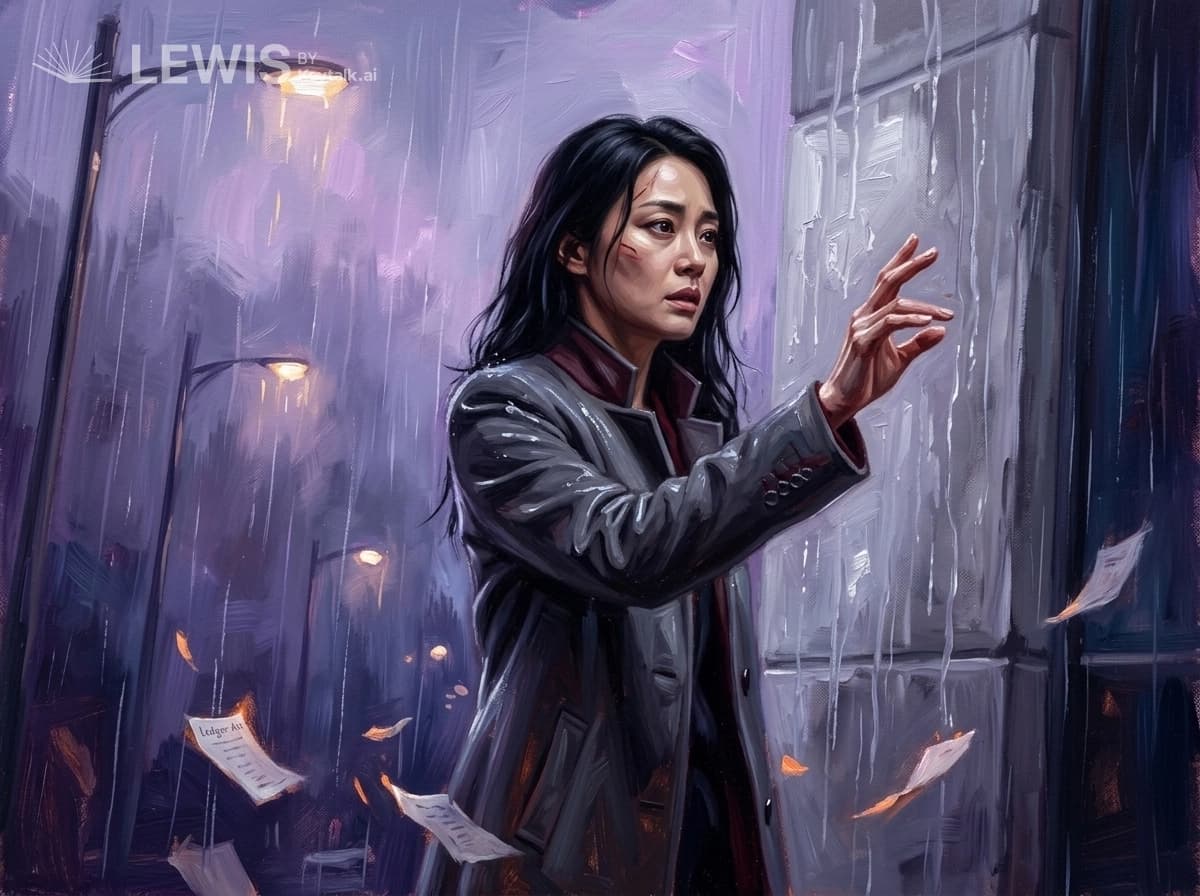
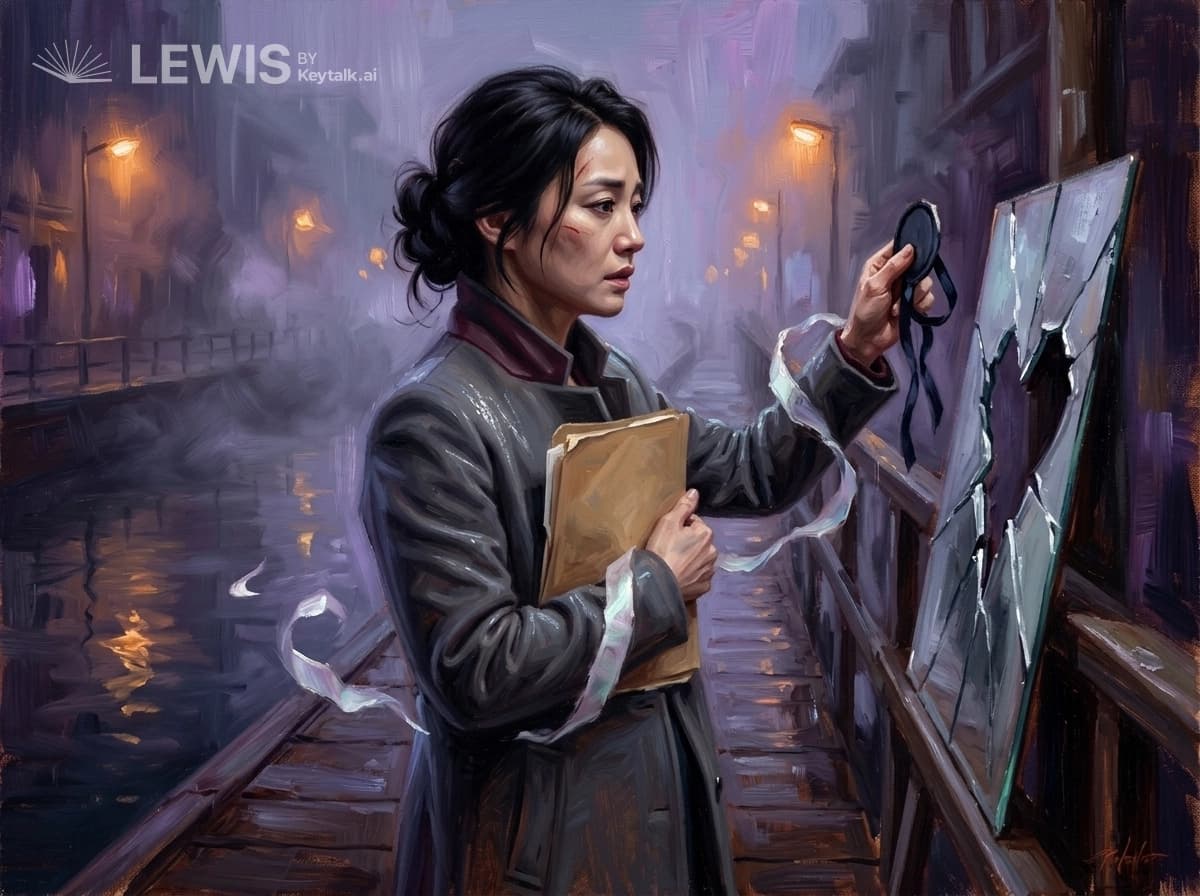
In the Canal-Step Concourse, under fog rolling low and sodium streetlights that strobe at specific intervals, the forged witness reflection briefly shows an immortal silhouette shaped by absence—its “heart” not as an organ but as a hollow gap in narrative certainty. The streets around them curve toward the courthouse like magnetic filings. But when the reflection completes its delayed testimony, the resonance key doesn’t lock onto the client. It locks onto Ji-yun. Her hidden connection is suddenly legible to the city’s infrastructure, as if the ley grooves had been waiting for permission to read what she has spent years refusing to look at. Her surname—one she remembers only as a courtroom convenience, a name she chose not to question—burns behind her eyes like iron-ink.
Seo realizes what has happened first, his face paling into bureaucratic horror. “The hunt isn’t for your client,” he says, voice strained under the weight of stipulation logic. “It’s for the contract you carry.” He should be relieved to have a concrete target; instead, he looks condemned by the same system he defends. If this is true, then every time he maps the city’s breathing rules within clause constraints, he may be repairing the immortal’s access instead of preventing it. The city’s ecology entangles action and consequence so tightly that innocence becomes a legal category you can lose without meaning to.
Ji-yun refuses to let fear decide her argument. Her internal need sharpens into a single, dangerous thought: if her past is written into the terms everyone insists can’t be read, then she must read the terms correctly—even if correctness is a knife. She seeks out Im Sa-won, her retired magistrate mentor, the woman who taught her how to argue procedural correctness like a life raft and then vanished from the bench after a case ended with a guardian-ghost bargain nobody admits was brokered. Sa-won’s private arbitration office now deals in spirit-adjacent disputes the public court pretends are handled elsewhere. When Ji-yun finds her, Sa-won is older than she should be—eyes dull, hands steadier than her voice. She claims to have no memory of the first bargain’s details, only the lesson that mercy must always be bound to record. But when Ji-yun shows her the resonance imprint, Sa-won flinches as if a clause symbol has been pressed into her skin.
That is when the city punishes her for hesitating to remember.
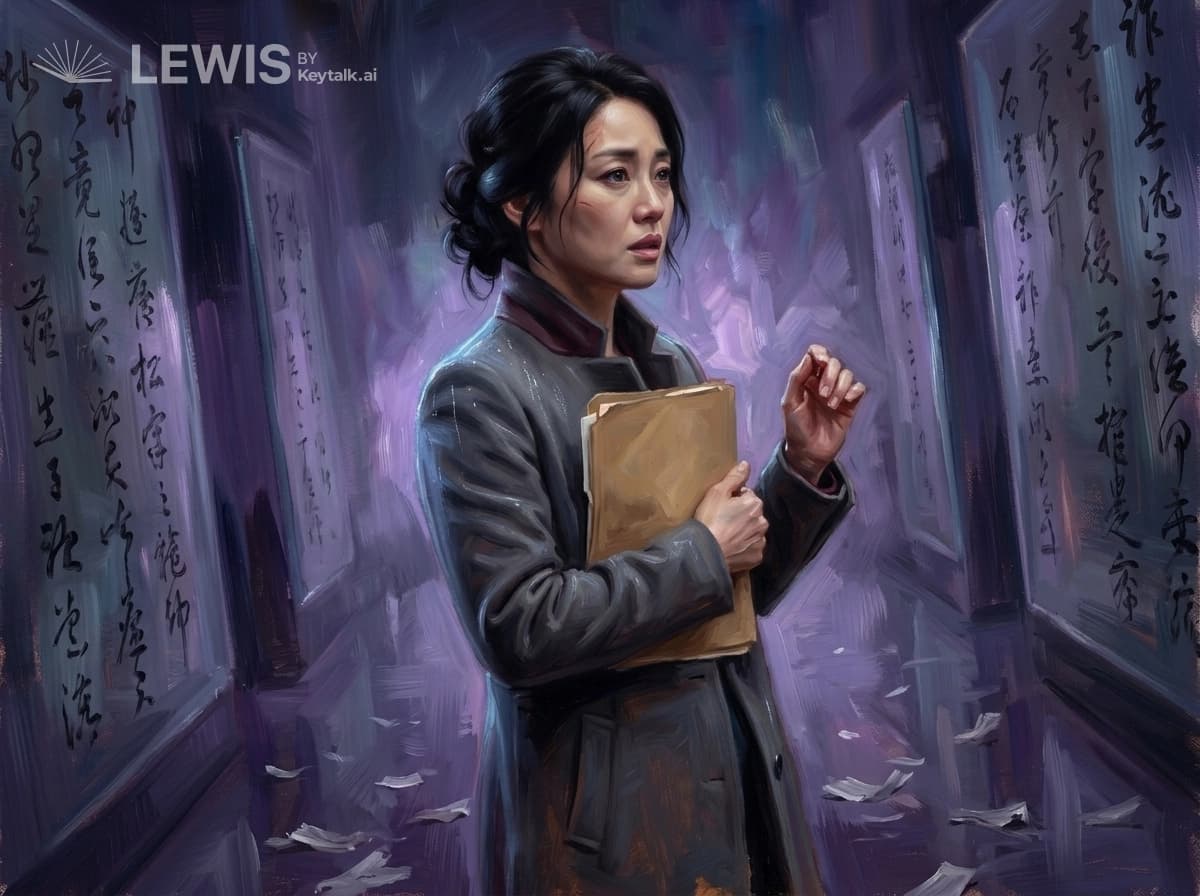
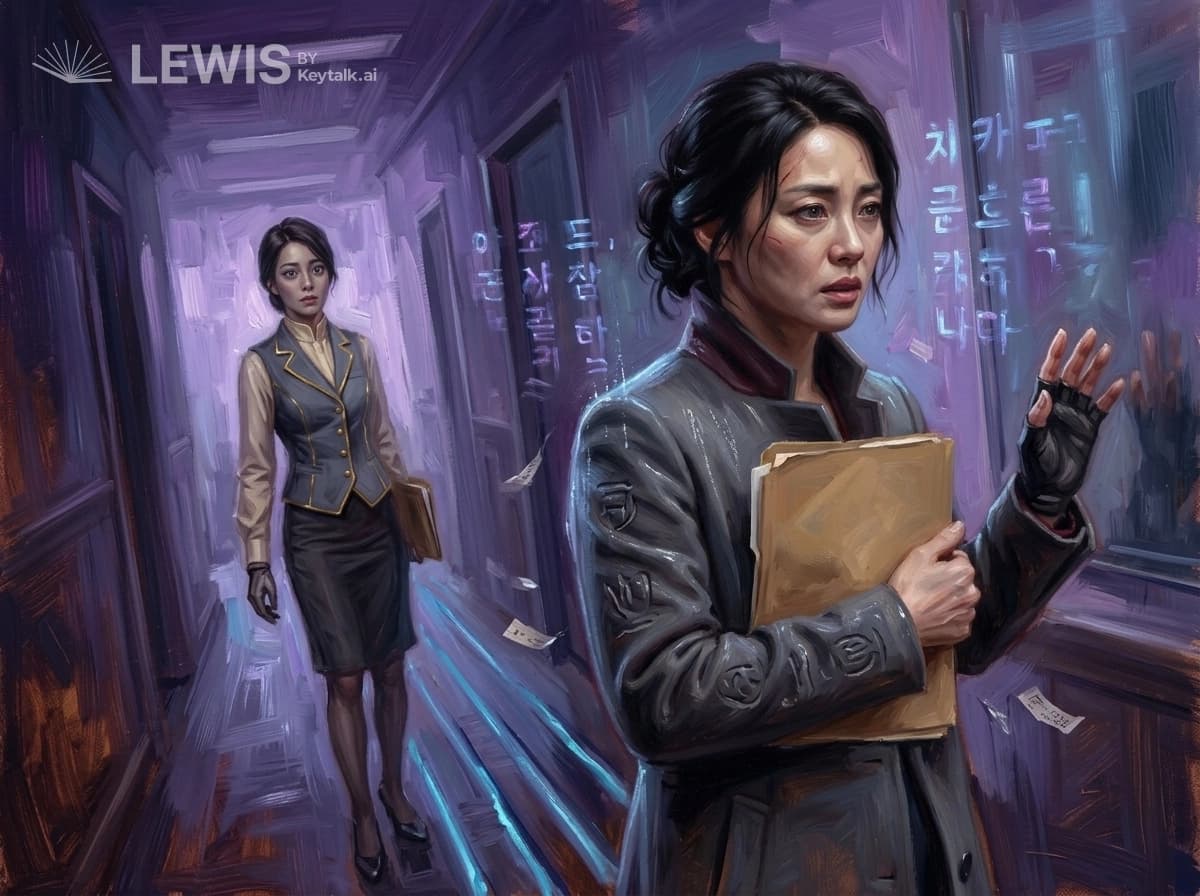
Back in the Archive hallways, where air is dry despite drizzle and the taste of dust and old paper settles in the throat, Choi Yoon-ha appears as the final piece of the trap’s machinery. She is City Archives Liaison for the Bureau of Harmonies, custodian