본문으로 건너뛰기
Jukebox for the Damned cover image

Jukebox for the Damned

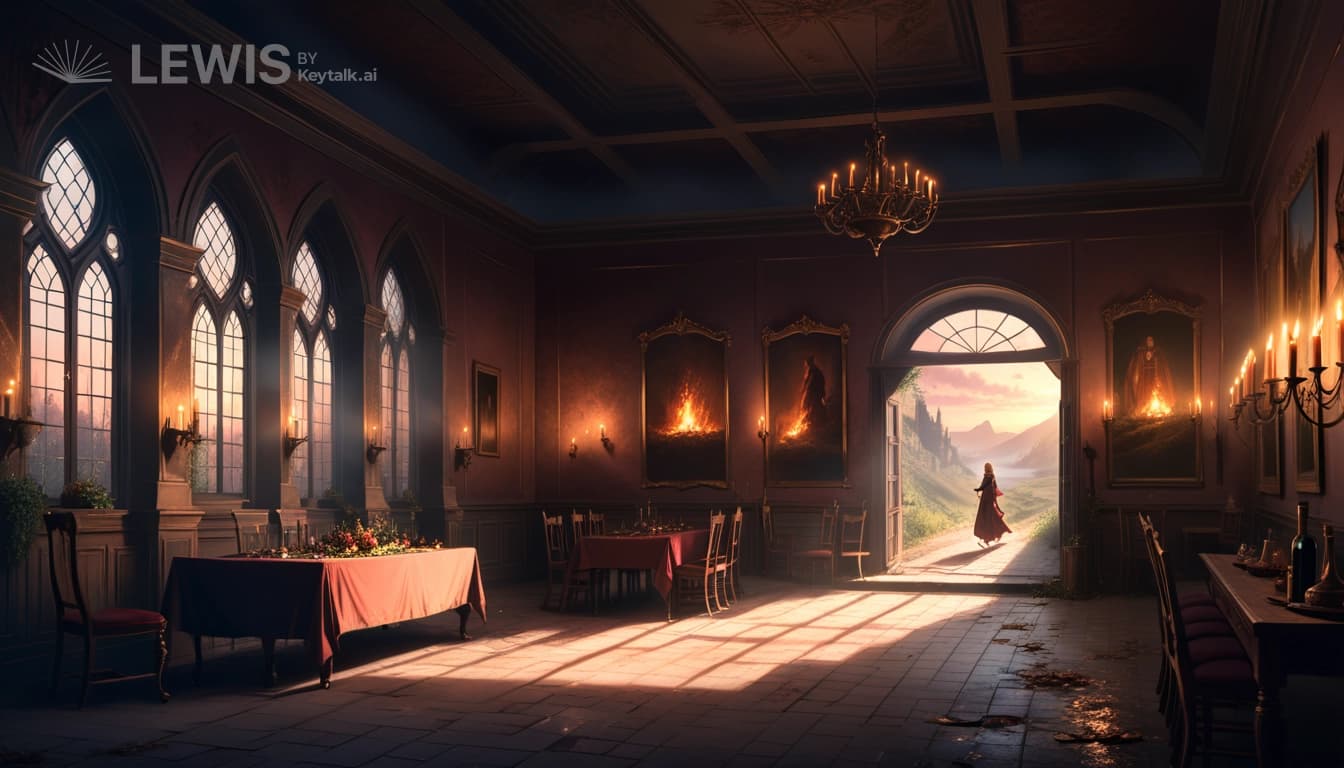
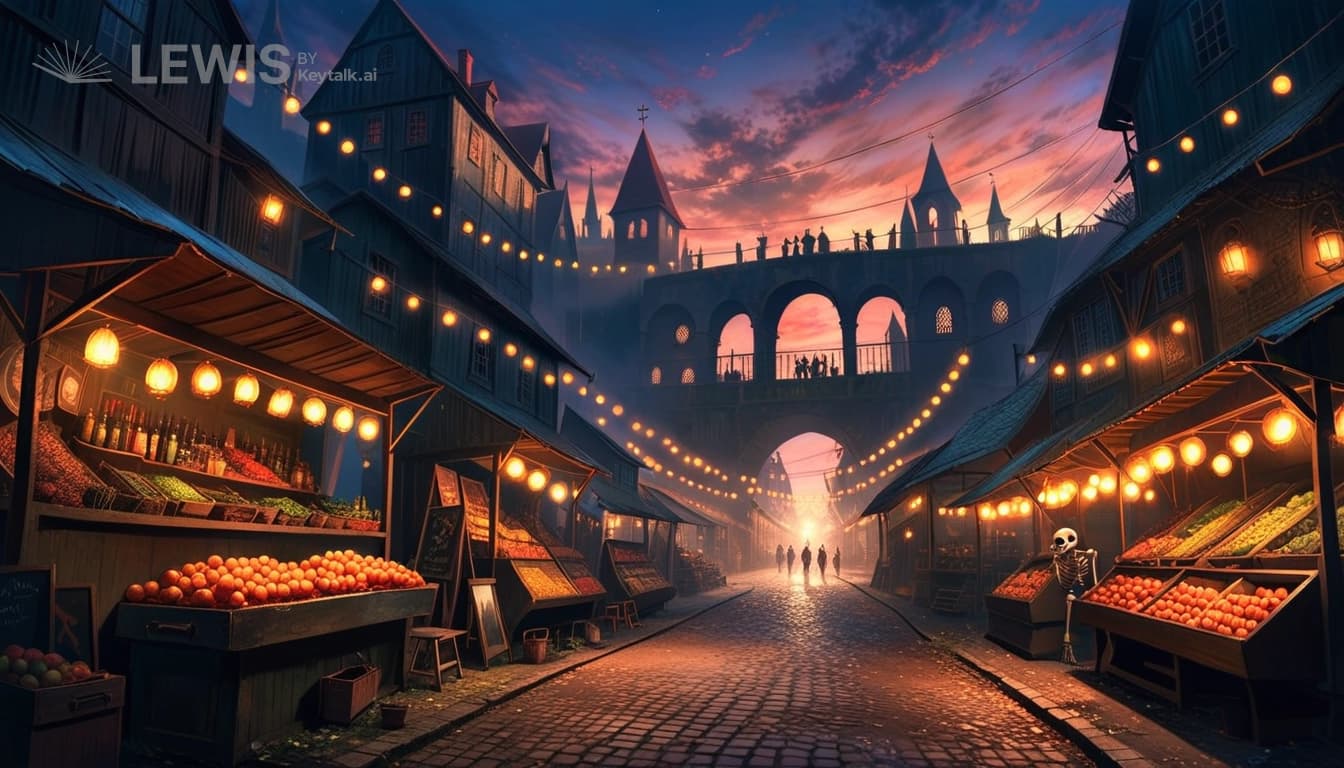
In a fractured frontier town where cultures clash and speakeasies hum with forbidden tunes, three spectral, eternally adolescent fairies—pariahs exiled for violating tribal taboos—set up a jukebox confession shop that only appears at midnight on moonless nights. Each sorrowful soul that enters leaves warped: driven to commit the impossibly daring or fatal, swept up in a supernatural heist of their own morality. When an embittered Native youth stumbles upon the shop while plotting vengeance for his father's stolen heritage, he unearths a labyrinth of twisted desires and colonial tragedy, confronting the chilling truth that every patron—and perhaps the fairies themselves—are being manipulated toward a cataclysmic reckoning with death.

주간 랭킹

rank icon image
#1 Concept
rank icon image
#1 Concept
rank icon image
#1 Concept
스크롤

캐릭터

주인공

Elias Redbird

성별남성
직업Amateur musician and aspiring activist

프로필

Elias Redbird, a 19-year-old of mixed Lakota and Irish descent, carries the contradictions of his lineage in every facet of his being—tall and wiry, with a restless, almost spectral energy that belies his deliberate movements. His skin, a deep bronze, is etched with faint scars from brawls and mishaps, while his angular face is dominated by sharp cheekbones, a pointed chin, and a hawk-like nose inherited from his father. Elias’s eyes—one a stormy gray, the other a dark, earthy brown—reflect both the sorrow and defiance that shape his worldview. His hair, thick and coal-black, hangs in unruly waves to his shoulders, often pulled back with a battered red bandana. He favors threadbare denim, weathered boots, and a worn leather jacket adorned with mismatched tribal beadwork and punk pins—a sartorial protest against assimilation and erasure. Once a promising student, Elias abandoned formal schooling after his father’s land was seized under dubious legal pretenses, choosing instead to haunt the margins of the frontier town’s shadowy underbelly. He ekes out a living playing mournful ballads and furious protest songs on his battered guitar in illegal speakeasies, his playing raw and hypnotic, his voice alternately biting and plaintive, laced with biting humor and simmering rage. Elias’s speech is a volatile blend of reservation dialect, 1920s jazz slang, and sardonic wit; he speaks in clipped, urgent bursts when agitated but slips into poetic, almost incantatory rhythms when recounting stories or memories. Fiercely loyal to his fractured community and aching for justice, Elias’s core motivation is reclaiming his father’s lost legacy and restoring dignity to his people, yet his impulsiveness and mistrust often sabotage alliances. Haunted by a sense of powerlessness amid encroaching colonial violence, he’s drawn to the mystical and the forbidden, possessing an uncanny sensitivity to the unseen and the uncanny—manifesting in vivid dreams and an unsettling tendency to sense presences others ignore. Elias is both a catalyst and a powder keg: a young man shaped by the collision of cultures, whose hunger for agency and belonging drives him into the heart of every secret and sorrow that the midnight jukebox confession shop promises to unearth.
적대자

Father Lucien Ashcroft

성별남성
직업Catholic missionary and secret informant for colonial authorities

프로필

Father Lucien Ashcroft, a wiry Englishman of forty-seven, stands just above average height, his gaunt frame cloaked in immaculate, somber vestments that betray little of the restless energy beneath. His sharp, aquiline nose and pale, deep-set eyes—ice-blue and unflinching—impart a chilling severity, while his thinning dark hair, streaked with premature silver, is always slicked precisely back, revealing a high, furrowed brow. Lucien’s long, deft fingers are perpetually ink-stained, and a single silver ring—bearing the insignia of an obscure Jesuit order—graces his right hand, a subtle signal to those who know. Raised among the crumbling cathedrals of post-industrial Liverpool, he was forged in the crucible of spiritual rigor and colonial ambition, and his speech—measured, formal, yet laced with biting irony—bears the faint trace of a northern English accent, carefully modulated to project both authority and feigned humility. Lucien’s role as the town’s Catholic missionary masks his clandestine work as an informant, manipulating both colonial officials and indigenous leaders with calculated charm and theological rhetoric. His worldview is rigidly dualistic, shaped by a conviction that civilization must subdue chaos at any cost, yet haunted by a flicker of doubt that he ruthlessly suppresses. He is known for his unyielding discipline and rhetorical brilliance, yet his inability to empathize with those he deems “fallen” leaves him isolated, secretly craving true communion. Lucien’s ambition is both practical and spiritual: to purge the town of what he calls “superstition”—including the spectral fairies—and secure his own legacy as a civilizing force, even as he struggles with the growing realization that the boundaries between sin and salvation, colonizer and colonized, are perilously thin. He keeps a meticulous diary in Latin, and his nocturnal walks—ostensibly for prayer—mask his habit of eavesdropping at the edges of the speakeasies, collecting secrets like rosary beads. Driven by both genuine faith and a desperate need for control, Lucien is a master at reading confessions—though his own heart remains a locked reliquary, its contents growing ever darker as the town’s nocturnal mysteries begin to corrode his certainty.
조연

Mireille Baptiste

성별여성
직업Métis herbalist and underground jazz singer

프로필

Mireille Baptiste stands at five foot seven, her lithe frame and dusky, freckled skin a testament to her Métis heritage—a living bridge between Cree and French bloodlines. Her eyes, a piercing wolf-gray, flicker with a wary intelligence and the weariness of someone who’s learned to read danger in every shadow. Her features are sharp yet softened by a perpetual, enigmatic half-smile; high cheekbones, a strong jaw, and a nose broken once in a backroom brawl. A cascade of wild, ink-black curls frames her face, pinned with scattered bone and silver charms that rattle softly when she moves. Mireille’s hands—nimble, callused, and ink-stained—betray years spent foraging in the wilderness and mixing tinctures by candlelight, while her voice, low and smoky, weaves sorrow and rebellion through forbidden jazz standards in the town’s secret speakeasies. Her clothing is an artful chaos: patched velvet jackets, leather boots, and homespun skirts dyed in indigo and ochre, always layered with faded scarves that conceal a pouch of herbs or a stiletto blade. She is fiercely independent, guided by a code of pragmatic compassion, though her trust is hard-won and easily shattered. Mireille’s upbringing among nomadic healers and outlaw musicians shaped her into a woman who navigates the razor’s edge between worlds—respected by the marginalized, distrusted by the powerful, and always keeping secrets close. She acts as a sharp counterpoint to Elias Redbird’s raw idealism, grounding him with earthy cynicism and a streetwise grasp of compromise, yet her own restlessness and thirst for meaning drive her to risk more than she admits. Her rivalry with Father Lucien Ashcroft is laced with mutual recognition—each understands the cost of survival, but where he wields faith as a weapon, Mireille clings to memory, ritual, and song as acts of resistance. Haunted by dreams she cannot shake and a hunger for belonging she denies, Mireille’s motivations are as tangled as her melodies: she aids those in need not from blind loyalty but from an unspoken hope that, by mending the wounds of others, she might someday heal her own. Her speech, tinged with the lilt of prairie French and the clipped rhythm of the North, is quick, sly, and laced with dark humor, her laughter a mask for the ache beneath. Mireille’s presence unsettles the town’s fragile order—her knowledge of both human and otherworldly poison, her refusal to be owned or silenced, and her uncanny ability to coax confessions from the guilty make her an unpredictable ally and a dangerous adversary. As the story’s dusk falls, she stands at the crossroads of resistance and temptation, her every choice a test of where her loyalties—and her soul—truly lie.

줄거리

Elias Redbird prowls the edge of the fractured frontier town, both invisible and impossible to ignore. Night after night, he plays his guitar in the smoke-hazed speakeasies where settlers, outlaws, and the dispossessed mingle uneasily, the bitter notes of his protest songs striking sparks in the dark. He’s haunted—by the memory of his father’s land stolen under false pretenses, by the weight of a heritage split clean down the middle, and by a gnawing hunger to reclaim what was lost. Rumors swirl of a place that appears only on moonless midnights, a jukebox confession shop where the desperate trade their secrets for something unnamed. Elias, drawn by a dream he cannot shake—three ghostly children with teeth like knives, whispering in a language older than the hills—finds himself stalking the alleyways long after the last jazz tune dies.

Mireille Baptiste is the first to see the faint glow flicker behind the boarded-up apothecary. Her sharp eyes spot Elias slinking past, guitar slung low, face set in that familiar scowl. She shadows him, curiosity piqued, her own motives tangled: half the town owes her for tinctures and hush-money, but Mireille’s true allegiance is to the stories and scars stitched into her own skin. When Elias stumbles through the warped doorway of the midnight shop, Mireille slips in after. They find themselves inside a place that shouldn’t exist—a cramped room pulsing with spectral light, walls lined with strange vinyl records, and at its heart, a neon-lit jukebox tended by three adolescent fairies: gossamer-winged, eternally young, eyes burning with exile and vengeance.

The fairies—Ardith, Mabon, and Sable—invite confessions. Each visitor feeds a sorrow to the jukebox in exchange for a song, but the cost is never clear. When Elias, raw and trembling, pours out his rage at the theft of his father’s land, the jukebox spins a dirge that floods his veins with icy resolve. He leaves, suddenly possessed by the certainty that only violence will restore his family’s dignity—a conviction that terrifies even him. Mireille, wary, refuses to confess, instead observing the fairies’ cryptic exchanges and the twisted euphoria on the faces of other patrons. She recognizes something deeply wrong: people leave changed, driven to acts of wild courage or self-destruction. The confession shop is not salvation—it’s a crucible, and the fairies its merciless alchemists.

Meanwhile, Father Lucien Ashcroft patrols the night, tracking rumors of “heathen sorcery” infecting his parish. He senses the town slipping from his grasp: settlers seduced by jazz and gin, indigenous traditions rising in secret, and now, whispers of a supernatural contagion. Lucien’s faith is absolute, but his certainty is crumbling; he sees the confession shop as both threat and opportunity—a chance to cleanse the town and cement his legacy. He stalks Elias and Mireille, cataloguing their movements, and soon discovers the shop’s entrance. When he finally enters, he’s greeted by the fairies’ mocking smiles. Lucien’s confession—his unspoken longing for true communion, his terror of irrelevance—unleashes a vision of apocalyptic fire: the town consumed by violence, churches razed, the line between savior and destroyer erased. He staggers out, shaken, more determined than ever to annihilate the shop and its keepers.

The narrative tightens as each character’s choices ripple outward. Elias, inflamed by the jukebox’s magic, rallies a band of the dispossessed to reclaim his father’s land, planning a daring raid on the colonial records office. Mireille tries to temper his recklessness, fearing the fairies’ influence, but her loyalty to Elias—and her own craving for meaning—pulls her deeper into the plot. Lucien, wielding the threat of excommunication and military force, orchestrates a witch-hunt against the shop, stoking settler paranoia and indigenous resentment alike. All the while, the fairies manipulate from the shadows, binding each soul tighter to the midnight cycle, feeding on the town’s collective agony. Their exile was punishment for breaking ancient taboos—sowing chaos among mortals—but in this liminal place, they seek not redemption, but release: a final reckoning that will shatter every boundary between life and death.

On the night of the heist, the entire town teeters on the brink. Elias and Mireille infiltrate the records office as violence erupts between settlers and indigenous families, Lucien’s sermons ringing out like war drums. But when Elias holds the deed to his father’s land in his hands, he’s seized by a terrible vision—courtesy of

장면

1
scene 1 image
Ash and Whiskey: Elias Redbird’s Last Song Before Midnight
[Place] – Smoke-choked speakeasy on the ragged edge of the frontier town, its walls sweating moonshine and secrets
[Time] – Late night, less than an hour before midnight, on a night heavy with storm clouds but no moonlight

[Action]
Elias Redbird arrives at the speakeasy, blending in with the restless crowd—dispossessed settlers, sharp-eyed outlaws, and those who have nowhere else to go. He takes the battered stage, guitar slung across his body like a shield, and launches into a raw, defiant song that thrums with the ache of stolen land and broken promises. The audience is uneasy, both drawn to and wary of Elias’s bitter charisma; some are moved, others glance away, afraid of what his words might stir up. As he plays, flashes of memory haunt him: his father’s voice, the barren fields, the legal papers that meant nothing. Mireille Baptiste watches from the shadows, her interest flickering between professional curiosity—how Elias’s music stirs up debts and desires—and something more personal.

Beneath the music’s surface, tensions simmer: Elias’s rage is close to boiling over, and Mireille senses he’s searching for more than an audience—he’s hunting for a sign, or perhaps an escape. After the set, there’s a silent, loaded moment as Elias lingers, refusing to accept the applause or the offers for another drink. Mireille’s sharp gaze meets his across the smoke, an unspoken challenge passing between them. Outside, the night pulses with possibility and danger; rumors circulate about the mysterious jukebox shop, and a few patrons whisper invitations or warnings. As Elias leaves, guitar case in hand, Mireille slips from her corner, resolved to follow. The scene ends with the two of them, separately but inevitably, drawn toward the alleyways and the strange glow behind the boarded-up pharmacy.

[Impact on the story]
This scene establishes Elias’s restless, haunted nature and the personal stakes that drive him: the loss of his father’s land, his fractured identity, and the simmering anger that music barely contains. Mireille is introduced as both observer and potential ally, her motives complex and her connection to Elias ambiguous but undeniable. The speakeasy setting grounds the story in its gritty, liminal world, while the rumors of the jukebox confession shop plant the seeds of supernatural intrigue. The emotional tension between Elias and Mireille and the atmosphere of imminent change set the stage for their joint plunge into the unknown.

[Description]
Elias’s protest song in the midnight speakeasy draws the attention of Mireille and sows unease among the crowd. Both characters are propelled toward the mysterious confession shop, driven by personal hunger and curiosity. The scene establishes their motivations, the fractured mood of the town, and the supernatural lure just beyond the next alley.
2
scene 2 image
[Mireille Baptiste’s Ledger: Debts, Desires, and a Glimpse of Ghostlight]
[Place] – The deserted alleyway behind the boarded-up apothecary, scattered with broken glass and the lingering scent of old herbs, just out of sight from the midnight crowd
[Time] – Minutes after Elias’s set, nearing midnight; the air is thick with anticipation and the threat of rain

[Action]
Elias, restless and still vibrating with the aftermath of his performance, stalks the labyrinthine backstreets, driven by a mix of frustration and longing. He’s searching for the rumored confession shop, compelled by the fragments of dream and the hush-voiced warnings he overheard in the speakeasy. Mireille shadows him at a careful distance, her steps light, her mind racing through her mental ledger of the town’s secrets—debts owed, favors traded, and the dangerous allure of the unknown. She weighs the risk of following Elias against her own hunger for answers and the chance to collect on old promises.

As Elias approaches the apothecary’s warped doorway, he hesitates, sensing a change in the air: an unnatural glow leaks from the cracks, and the silence here is electric, expectant. Mireille watches him pause, her own breath catching as she recalls half-forgotten superstitions and the stories her grandmother whispered about places that existed only on the thin edge of night. She steps from the shadows, confronting Elias with a mixture of challenge and concern, and for a heartbeat, their shared isolation is palpable—both outsiders, both unwilling to turn back.

Together, they make a tacit, wordless pact to see what lies beyond. Mireille’s motives are layered: she’s driven by curiosity, a sense of responsibility to the town, and a complicated loyalty to Elias that she won’t yet admit to herself. The atmosphere is charged as they cross the threshold, the world outside slipping away.

Inside, the pair are momentarily stunned by the impossible scene: spectral light, the soft hum of vinyl, and the trio of adolescent fairies tending the neon-lit jukebox. Elias is both wary and enthralled, his anger momentarily forgotten as he’s drawn toward the heart of the shop. Mireille, more cautious, immediately begins cataloguing details—faces, exits, the strange currency of sorrow. Both sense that nothing about this place is safe or simple, and that crossing this threshold will cost them more than they know.

[Impact on the story]
This scene forges an uneasy alliance between Elias and Mireille, deepening their connection and establishing their shared outsider status. Mireille’s practical, skeptical perspective contrasts with Elias’s raw need, setting up internal tensions and foreshadowing future conflict. The moment they cross into the confession shop marks a point of no return, both for their personal journeys and for the fate of the town. This is where the supernatural truly enters the narrative, raising the stakes and setting up the next wave of transformations.

[Description]
Elias and Mireille, each haunted by their own history, follow the whispered trail to the apothecary’s hidden door and step into the otherworldly confession shop together. Their alliance is tentative and fraught, underscoring their outsider roles and the risks ahead. The scene marks their first direct encounter with the fairies’ world, irrevocably altering the trajectory of their lives and the town’s fate.
3
scene 3 image
[Title]
The Jukebox Confession Shop: Three Fairies, Three Rules, No Exits

[Place]
Inside the confession shop—a cramped, windowless room pulsing with spectral neon and the soft, hypnotic hum of spinning vinyl. The walls are lined with warped records, and the centerpiece is a glowing jukebox, watched over by the three adolescent fairies: Ardith, Mabon, and Sable.

[Time]
Just past midnight, moments after Elias and Mireille cross the threshold from the alleyway. The world outside feels impossibly distant, as if sealed away by the shop’s magic.

[Action]
Upon entering, Elias is immediately drawn to the jukebox, his anger and longing shifting into awe and suspicion. The fairies greet the newcomers with sly, knowing smiles, their eyes reflecting both promise and threat. Ardith, the most brazen, explains the shop’s rules—every visitor must confess a secret sorrow in exchange for a song, though the price is never what they expect. Elias’s hands shake as he considers what to reveal, the memory of his father’s land burning in his chest, while Mireille hangs back, scanning the room and the other patrons for clues, trying to decipher the true purpose of this place.

Other townsfolk are present—some familiar faces from the speakeasy, their expressions rapt and haunted as they take turns at the jukebox. Sable, the youngest fairy, flits between patrons, collecting whispered secrets with a predatory grace, while Mabon keeps a cold watch over the proceedings, ensuring no one tries to leave before their confession is made. A subtle, charged tension grows between Elias and Mireille: he’s tempted to surrender his pain, desperate for agency, while she’s fiercely protective, warning him with a look not to trust the fairies’ bargains.

Mireille subtly probes the fairies, masking her fear behind sharp questions, and observes how the shop’s magic twists each confession, warping the patrons’ emotions into strange, euphoric fervor or crushing despair. The fairies’ true nature is glimpsed in flickers—wings shimmering, teeth too sharp, voices echoing with old wounds. The sense of being trapped intensifies when the door vanishes, replaced by a wall of cold, humming vinyl. The fairies press for confessions, hinting at both peril and possibility. Elias’s resolve builds toward a breaking point, while Mireille weighs her own secrets and the risk of refusing to play along.

[Impact on the story]
This scene crystallizes the supernatural threat and allure of the confession shop, forcing Elias and Mireille into active confrontation with forces beyond their understanding. Elias’s internal conflict intensifies as he edges closer to confessing, setting up the emotional stakes for his later transformation. Mireille’s skepticism and protective instincts heighten the tension, while her keen observations lay groundwork for unraveling the shop’s true purpose. Their dynamic shifts under pressure, deepening their alliance but also foreshadowing future rifts. The fairies’ manipulations are made explicit, raising the stakes for everyone who enters the shop and tying the fate of the town to the confessions traded here.

[Description]
Elias and Mireille, trapped inside the confession shop, face the three fairies’ demand for secrets in exchange for songs with unpredictable consequences. The supernatural stakes and emotional dangers become clear, deepening the pair’s uneasy alliance and setting the stage for transformative choices that will ripple through the town. This scene marks the point where the magical and the mortal fully collide, with no way back.
4
scene 4 image
[Title]
Songs for Suffering: What the Fairies Demand and What Elias Cannot Refuse

[Place]
Still inside the confession shop, but now focused around the glowing jukebox at the heart of the cramped, spectral room. The air hums with a sharper, more urgent energy as the fairies close in, isolating Elias and Mireille from the other haunted patrons.

[Time]
Minutes after the last scene—midnight deepening, the world outside forgotten, as if time itself is suspended by the shop’s magic.

[Action]
The fairies intensify their pressure on Elias, circling him with a predatory anticipation. Ardith, emboldened by the crackling tension, insists that every sorrow must be spoken, her words weaving a nearly hypnotic compulsion. Elias’s grip tightens on his guitar, sweat beading at his brow; he tries to resist, but the weight of his father’s loss and his own powerlessness surges up, too raw to deny. Mireille, sensing the shop’s sinister hunger, tries to intervene—her voice sharp, her presence a grounding force—but the fairies silence her with mocking smiles and subtle, supernatural force. Other patrons watch with a mix of envy and dread, their own confessions having left them transformed, either elated or hollowed out.

Elias finally yields. He confesses the depth of his rage and shame: the humiliation of his family’s dispossession, the guilt at his inability to fight back, the corrosive longing to reclaim what was stolen. The jukebox responds with a dirge—music that’s not just heard, but felt, invasive and electric. Elias is seized by a vision: flames licking at the edge of his old home, a parade of masked men, and the ghostly children from his dreams urging him to take back what’s his, no matter the cost. The music floods him with cold resolve, transforming his pain into a dangerous clarity. Mireille, horrified, recognizes the pattern in the fairies’ manipulations and tries to comfort Elias as the song ends, but he pulls away, newly distant, his eyes shining with something fierce and unyielding.

Meanwhile, the fairies turn their attention to Mireille, pushing her to confess, but she deflects, refusing to play their game. She tries to observe the mechanics of the bargain, piecing together the relationship between confession and consequence, even as the fairies grow impatient. The room’s magic pulses—threatening, seductive—promising both release and ruin. Mireille’s refusal sets her apart from the other patrons, making her a target for the fairies’ ire, but also marking her as a possible disruptor of their cruel cycle.

[Impact on the story]
This scene marks Elias’s pivotal transformation from wounded outsider to determined avenger, driven by the supernatural influence of the confession shop. His emotional vulnerability is weaponized, setting him on a path toward violence and rebellion. Mireille’s refusal to confess deepens her role as both protector and investigator, sharpening her suspicions about the fairies’ true motives and foreshadowing her struggle to rescue Elias—and perhaps the town itself—from the shop’s grip. The fairies’ power and cruelty become unmistakable, heightening the story’s sense of danger and moral ambiguity.

[Description]
Elias succumbs to the fairies’ demand and confesses his deepest pain, triggering a magical vision and a dangerous new resolve. Mireille, refusing to confess, begins to unravel the true cost of the bargains being made. The confession shop’s influence tightens around them both, setting in motion consequences that will threaten the entire town.
5
scene 5 image
[Title]
Mireille’s Bargain: Shadows, Spies, and the Price of Not Confessing

[Place]
Still within the neon-lit confession shop, but now shifting toward the shadowy corners and the threshold of the warped doorway—between the pulsing heart of the jukebox and the liminal space just outside, where the night air presses thin and expectant.

[Time]
The hour after Elias’s confession, with the magic inside the shop at its most volatile—midnight bleeding toward the uneasy promise of dawn, though no hint of sunlight creeps through the boarded windows.

[Action]
Mireille, rattled by the aftermath of Elias’s confession and his sudden, icy resolve, quietly slips away from the epicenter of the shop and begins to observe. She moves among the other patrons, noting the varied effects of their bargains: one woman shakes with euphoric laughter; a man weeps, eyes empty, clutching a faded photograph. Mireille takes mental notes, determined to piece together the true mechanics of the fairies’ deals. The fairies, especially Sable, shadow her movements with growing irritation, their patience wearing thin. They try to lure her back into the light of the jukebox, their voices syrupy but edged with threat, promising release from her burdens if she’ll only confess. Mireille resists, drawing on her knowledge of old folk protections and quietly invoking them under her breath—her subtle defiance both a shield and a provocation.

Elias, meanwhile, sits apart, the dirge still echoing in his veins, his demeanor altered: colder, more calculating, barely acknowledging Mireille’s attempts to reach him. Mireille’s worry for Elias deepens, but she’s torn between trying to pull him back and needing to understand the fairies’ game before it’s too late. She notices that the shop’s magic seems to bend toward those willing to bargain, but recoils from those who resist—making her both a threat and a curiosity to the fairies.

As the tension builds, Mireille spots another figure lurking at the threshold: Father Lucien, his face shadowed but intent, watching the shop’s rituals with a mixture of horror and fascination. Mireille realizes the stakes have escalated—the shop’s secrets are no longer contained, and outside forces are closing in. She weighs her options: confess and risk losing herself, or hold out and become a fulcrum for the coming conflict. The scene ends with Mireille making a quiet but momentous choice to bargain—not with the fairies, but with her own sense of loyalty and cunning. She resolves to play a longer game, using what she’s learned to undermine the fairies’ hold, even as she fears what her resistance may cost.

[Impact on the story]
This scene shifts Mireille from passive observer to active disruptor, solidifying her role as the only main character resisting the fairies’ manipulations. Her refusal to confess—and her growing understanding of the shop’s mechanics—sets her apart and marks her as a genuine threat to the fairies’ power. Elias’s transformation becomes more pronounced, driving a wedge between him and Mireille, while Lucien’s arrival introduces a new axis of danger and potential alliance. The emotional stakes rise as Mireille’s choice to resist becomes both an act of self-preservation and a gamble for Elias’s soul.

[Description]
Mireille navigates the confession shop’s dangers, refusing the fairies’ demands and investigating the true cost of their bargains. As Elias slips further under the shop’s spell and Lucien arrives on the scene, Mireille resolves to undermine the fairies from within—even as her resistance puts her in greater peril. The scene cements Mireille’s pivotal role in the battle for the town’s future.
6
scene 6 image
[Title]
Father Lucien’s Midnight Sermon: Faith Fractured, Townsfolk Torn

[Place]
Within the warped, spectral interior of the confession shop, centering on the threshold and bleeding outward to the silent, tense streets just beyond—where the echoes of the shop’s magic threaten to spill into the wider town.

[Time]
The hour after Mireille’s defiant resistance—deep, restless midnight, as the shop’s enchantment swells and the air outside thickens with anticipation. The town slumbers uneasily, but a pulse of unrest beats beneath the hush.

[Action]
Father Lucien, heart pounding with both dread and conviction, finally steps over the threshold into the forbidden shop. Shadows shiver as the door seals behind him, and the fairies—Ardith, Mabon, and Sable—turn their full attention on him, their expressions somewhere between mockery and hunger. The room is thick with the aftermath of Elias’s and others’ bargains; Lucien senses the weight of supernatural residue pressing against his will.

He scans the crowd, registering the changed, haunted faces, and locks eyes with Mireille. A brief, wordless exchange passes between them: a flicker of warning, recognition, rivalry. Mireille, tense but resolute, holds her ground, refusing to be drawn into Lucien’s orbit. Lucien, meanwhile, steels himself—this is his crucible, the moment his faith will be tested against something raw and ancient.

The fairies circle him, probing for weakness. Lucien, both terrified and entranced, tries to assert his spiritual authority, invoking scripture and denouncing the shop as heresy. But the fairies mock him, twisting his words, dredging up his secret doubts—his longing to be truly seen by his flock, his terror that his faith is hollow at its core. The shop’s magic seeps into him, teasing out a confession he’s never dared voice: his fear that the world is leaving him behind.

As Lucien’s defenses crumble, the jukebox flickers to life, unleashing a hellish vision: the town engulfed in fire, congregation scattering, his own hands stained with destruction. He staggers, shaken to the bone, and flees the shop, stumbling into the night air. The fairies watch with satisfaction, while Mireille, having witnessed the ordeal, feels a surge of dread—Lucien’s resolve is now fused with supernatural fury.

Outside, Lucien regains his composure and begins to marshal his next move. He silently vows to eradicate the confession shop and all its corrupting influence, even if it means inciting open conflict among the townsfolk. Meanwhile, inside the shop, Mireille realizes that the lines between savior and destroyer have blurred, and that Lucien is now a wild card—one whose actions could tip the entire town into chaos.

[Impact on the story]
This scene marks Lucien’s transformation from conflicted priest to a man possessed by a dangerous sense of purpose, his faith now weaponized by the fairies’ manipulations. Mireille becomes more isolated as the only one resisting both the fairies and Lucien’s crusade, raising the emotional stakes and sharpening the conflict between personal loyalty, collective survival, and supernatural influence. The town’s fate teeters, with Lucien’s actions foreshadowing a coming storm.

[Description]
Lucien enters the confession shop and undergoes a harrowing, supernatural reckoning, leaving determined to destroy the fairies at any cost. Mireille, witnessing his ordeal, recognizes the escalating threat to the town and her own precarious position. The scene cements Lucien as both adversary and catalyst, propelling the story toward explosive confrontation.
7
scene 7 image
[Title]
The Gathering Storm: Elias’s Band of Outcasts and Mireille’s Growing Doubt

[Place]
The battered back room of a half-abandoned boarding house on the edge of town, its cracked windows lit by the flicker of lanterns and restless shadows. Outside, the streets are tense—settlers’ doors slammed shut, indigenous families gathering quietly in alleyways, the air thick with rumor and anticipation.

[Time]
The evening after Lucien’s traumatic visit to the confession shop—just before midnight, with storm clouds rolling in and the town holding its breath, caught between ordinary unrest and the promise of upheaval.

[Action]
Elias assembles a ragtag group of the town’s dispossessed: former laborers, outlaws with debts to settle, and a handful of indigenous youth haunted by their own ancestral losses. The mood is electric but uneasy—each person drawn by Elias’s newfound intensity, the cold conviction left by the jukebox’s spell. Elias outlines his plan: a bold midnight raid on the colonial records office to seize his father’s stolen deed, framing it not just as personal vengeance but as a blow for all those wronged by the settlers’ false justice. His voice rings with a passion that borders on fanaticism, mesmerizing some and unsettling others.

Mireille hovers at the edge of the group, torn between loyalty to Elias and dread of what the confession shop has awakened in him. She tries to reason with him in private, urging caution and warning of the fairies’ manipulations, but Elias is unreachable—his hunger for restitution has overtaken his fear. Mireille’s doubts deepen as she observes the group’s mood: their courage is tinged with something darker, reckless and unnatural. She catches snippets of conversation—some speak of justice, others of blood.

Meanwhile, word of unrest spreads through the town, fanned by Lucien’s whispered sermons and the fairies’ invisible influence. Settlers arm themselves, old feuds flare, and the fragile peace teeters on the edge. Mireille contemplates a desperate choice: whether to sabotage Elias’s plan to save him from himself, or to stand by him no matter the cost. The fairies, unseen but ever-present, watch from the shadows, feeding on the gathering turmoil.

[Impact on the story]
This scene forges Elias’s band of outcasts, setting the stage for the raid and escalating the conflict between the town’s factions. Elias’s transformation into a near-messianic leader heightens the stakes, while Mireille’s growing doubt and isolation introduce a painful moral dilemma. The sense of impending violence intensifies, with the fairies’ unseen hand accelerating the town’s descent into chaos.

[Description]
Elias, galvanized by the fairies’ magic, rallies a desperate crew for a high-stakes raid, while Mireille struggles with her loyalty and the gnawing fear that their courage is not entirely their own. The town braces for upheaval as alliances fracture and the line between justice and vengeance blurs. This scene propels the narrative toward confrontation, with all sides poised for a night of reckoning.
8
scene 8 image
[Title]
Witch-Hunt and Riot: The Night the Town Turns on Itself

[Place]
The heart of the frontier town—streets and alleys thick with tension, the colonial records office barricaded, the confession shop’s neon ghostlight pulsing in the distance. Settler homes bristle with armed men, while the church steps become a rallying ground for Lucien’s followers; indigenous families cluster in the shadows, watching and waiting.

[Time]
Midnight, as thunder splits the sky and rain begins to pelt the dusty streets, washing away any pretense of calm. The raid is moments away, and the town’s divisions have reached a breaking point.

[Action]
The scene opens with Elias and his crew slipping through the storm-soaked streets, nerves raw and adrenaline high. Mireille trails close, her mind spinning with doubt and guilt—she’s secretly left a coded warning for the town council, torn between protecting Elias and averting disaster. The group reaches the records office just as settlers, spurred by Lucien’s fearmongering, pour into the streets, torches and rifles in hand. Lucien, robed and wild-eyed, delivers a frenzied sermon from the church steps, urging the crowd to purge the town of supernatural taint and “traitors within.”

Inside the records office, Elias and his team break in, racing to find the deed. Outside, chaos erupts: settlers clash with indigenous families, old wounds and resentments spilling into open violence. The fairies, unseen but everywhere, stoke the frenzy—windows shatter, flames lick the edges of buildings, and the confession shop’s glow pulses brighter with every scream. Mireille, torn by the consequences of her warning, tries to keep Elias focused, but he’s overcome by a vision: ghostly children whispering, blood on their hands, the land itself crying out.

As the riot intensifies, Lucien and his followers storm toward the confession shop, intent on destroying it. The fairies prepare their own defense, their magic warping reality—some townsfolk fall into trance, others flee in terror. Mireille is forced to make a split-second decision: stand with Elias as he grasps the deed, or flee to warn others of the fairies’ true power. The boundaries between friend and enemy, sacred and profane, blur in the storm-lit chaos.

[Impact on the story]
This scene marks the town’s complete unraveling—violence explodes, alliances shatter, and every character’s true nature is revealed under pressure. Mireille’s internal conflict comes to a head, Lucien’s crusade tips into fanaticism, and Elias’s quest reaches the brink of triumph or tragedy. The fairies’ influence is fully unleashed, turning the town into a crucible for transformation or destruction. The emotional stakes skyrocket as every choice now carries irrevocable consequences.

[Description]
The town descends into riot as Elias’s raid collides with Lucien’s witch-hunt, Mireille’s divided loyalties, and the fairies’ chaotic magic. Violence, revelation, and betrayal erupt under the midnight storm, propelling every character toward a point of no return. The scene is a turning point—raw, relentless, and charged with the promise of either ruin or redemption.
9
scene 9 image
[Title]
The Deed, the Dirge, and the Doorway Home: Elias’s Vision and the Fairies’ Endgame

[Place]
Inside the ransacked colonial records office, its shelves toppled and papers strewn, with rain and riot echoing outside. Shadows flicker as the fairies’ magic distorts the boundaries between this room and the pulsing, otherworldly glow of the confession shop.

[Time]
Minutes before dawn, as the storm’s fury wanes and the town’s violence reaches its fever pitch.

[Action]
Elias stands at the center of the devastated records office, the deed to his father’s land clutched in trembling hands. Mireille is beside him, bloodied and breathless from the chaos outside, torn between relief and dread. As Elias gazes at the parchment, the room warps—walls dissolve into midnight fog, and the ghostly children from his dreams appear, their eyes ancient and hungry. The fairies’ voices echo, urging him to claim vengeance, to let the land drink its due. Elias is wracked by visions: the land restored, but stained with blood; himself celebrated as a hero, then reviled as a destroyer. Mireille sees his torment and intervenes, risking the fairies’ wrath to break through his trance—she pleads for mercy, for a future not written in violence. The confession shop’s doorway opens inside the records office, the fairies beckoning both Elias and Mireille for a final reckoning. Outside, Lucien’s mob closes in, fire and gunshots drawing nearer. Mireille must choose: drag Elias back from the brink, or let him walk through the fairies’ door, sealing his fate. The scene ends with Elias making his choice—either to cling to the deed and the violence it demands, or to step into the unknown with Mireille, leaving vengeance behind.

[Impact on the story]
This scene crystallizes the central conflict for Elias—vengeance versus redemption—and forces Mireille to risk everything for his soul. The fairies’ true motives are revealed as they try to claim Elias and the town’s pain for themselves, testing both characters’ courage and loyalty. The outcome sets the stage for the story’s resolution: either the cycle of violence is broken, or the fairies’ chaos claims another victim. Emotional intensity peaks as Elias faces the cost of his quest and Mireille lays bare her heart.

[Description]
Elias and Mireille confront the consequences of their actions amidst the ruins of the records office, with the fairies manipulating reality for a final reckoning. The choice between vengeance and hope defines their fates, as the confession shop’s magic threatens to consume them both. This climactic scene determines whether the midnight cycle of pain and power will finally end or spiral into oblivion.
10
scene 10 image
[Title]
The Deed, the Dirge, and the Doorway Home: Elias’s Vision and the Fairies’ Endgame

[Place]
Inside the ransacked colonial records office—shelves toppled, land deeds trampled, moonlight and riot-fires leaking through shattered windows. The room flickers between reality and the spectral twilight of the confession shop, boundaries warped by magic and fear.

[Time]
Minutes before dawn, as the storm outside subsides and the final crescendo of violence shakes the town to its core.

[Action]
Elias stands at the center of the destruction, gripping the deed to his father’s land as if it might anchor him to reality. Mireille is at his side—bloodied, exhausted, her faith in Elias and herself on the verge of collapse. The air thickens, the world tilting as the fairies’ influence seeps in, reality and dream overlapping. The ghostly children from Elias’s nightmares manifest, their presence both alluring and terrifying. Elias is swept into a vision: he sees himself leading the dispossessed in a triumphant reclamation, but the land itself is thirsty, demanding a sacrifice that grows more grotesque with every heartbeat. The fairies, their adolescent faces twisted with hunger and longing, prod him toward violence, promising justice but delivering only ruin. Mireille, recognizing the trap, fights to pull Elias back—she tries to remind him of who he is beyond rage and loss, confessing her own fears and the tangled love she feels for him. As the fairies’ power peaks, the confession shop’s neon-lit doorway yawns open in the office, the fairies beckoning Elias to cross over and seal his fate. Outside, the mob led by Lucien closes in; their shouts and gunfire echo like a ticking clock. Mireille must act—she has seconds to either shatter the fairies’ spell or lose Elias to their world forever. In a final moment of clarity, Elias faces the choice: vengeance, with its seductive certainty, or the terrifying freedom of letting go and stepping into the unknown with Mireille. The scene climaxes with his decision, the fairies’ reaction, and the first light of dawn breaking through the chaos.

[Impact on the story]
This scene is the emotional and narrative apex—Elias’s internal battle between vengeance and redemption is laid bare, and Mireille’s loyalty and vulnerability finally come to the fore. The fairies’ manipulation is exposed, revealing their true desperation and the cost of their exile. The outcome will either break the supernatural cycle binding the town or condemn another generation to its violence, fundamentally altering Elias, Mireille, and the fate of the community.

[Description]
In the haunted wreck of the records office, Elias and Mireille are forced to choose between vengeance and hope, with the fairies’ magic threatening to consume them. Their actions decide whether the cycle of suffering is broken or deepens, bringing the story’s themes of grief, power, and redemption to a wrenching conclusion.
'Jukebox for the Damned'스토리 챗

이 스토리 속 캐릭터들과 대화하고 싶다면?

'Jukebox for the Damned'스토리 챗

이 스토리 속 캐릭터들과 대화하고 싶다면?

story image
story image
story image

이런 이야기는 어때요?

댓글0

테마 음악