본문으로 건너뛰기
Banana Protocol Uprising cover image

Banana Protocol Uprising

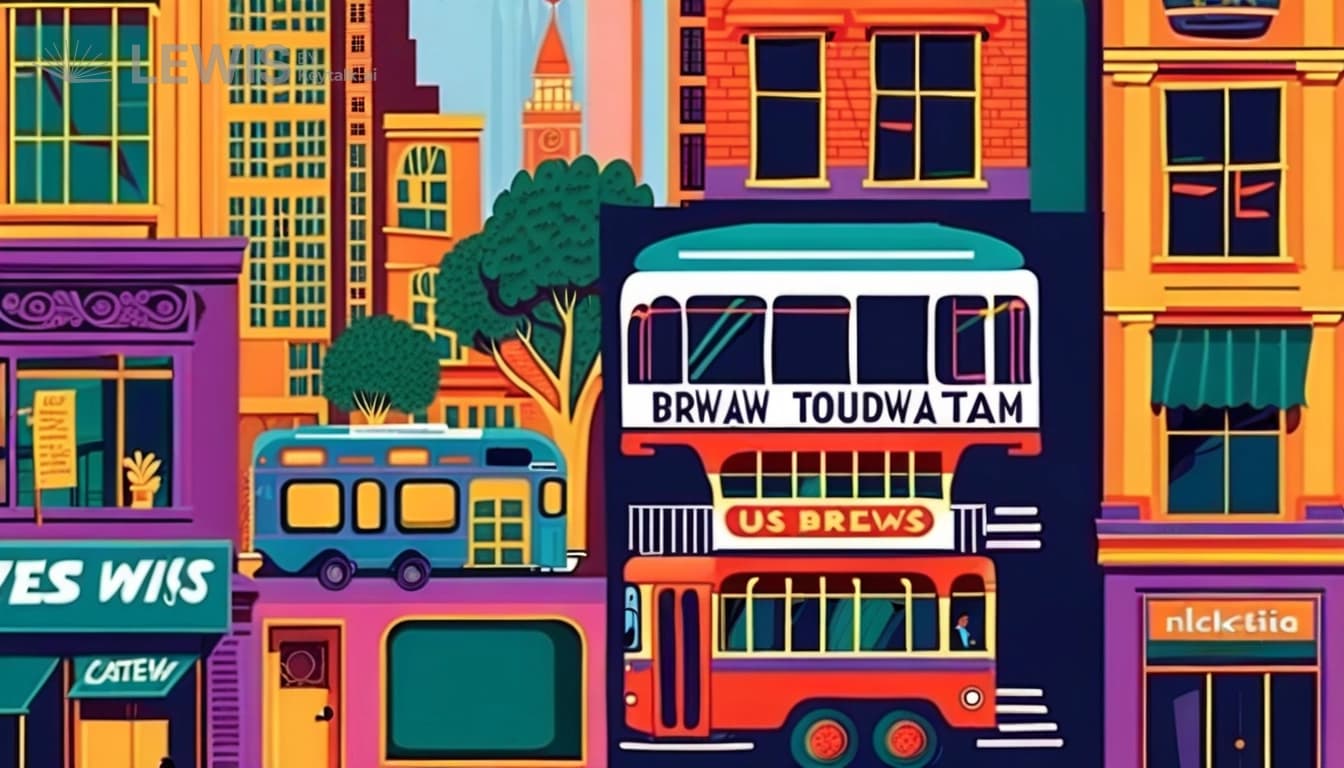
A mild-mannered city bus driver, convinced his bad luck is due to the misplacement of bananas in the lost and found, spirals into an absurd crusade against the transit authority’s arbitrary rulebook—unintentionally sparking a riot of rules-lawyers, philosophical pranksters, and existentialist grandmothers, all fighting for the right to rewrite the world’s logic one illogical protest at a time, forcing him to become either the unlikely voice of reason or the reigning monarch of mayhem.

주간 랭킹

rank icon image
#3 Concept
rank icon image
#5 Genre
스크롤

캐릭터

주인공

Stanley Pickles

성별남성
직업City Bus Driver

프로필

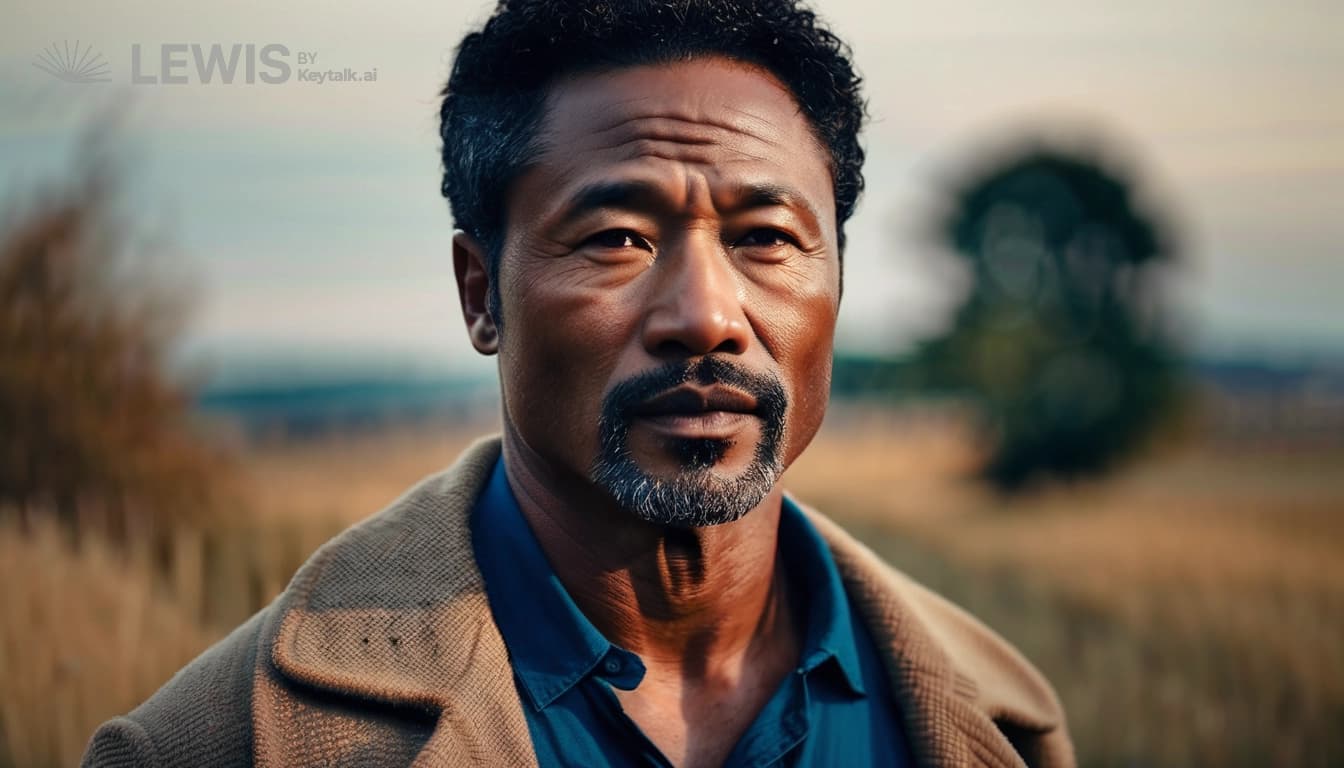
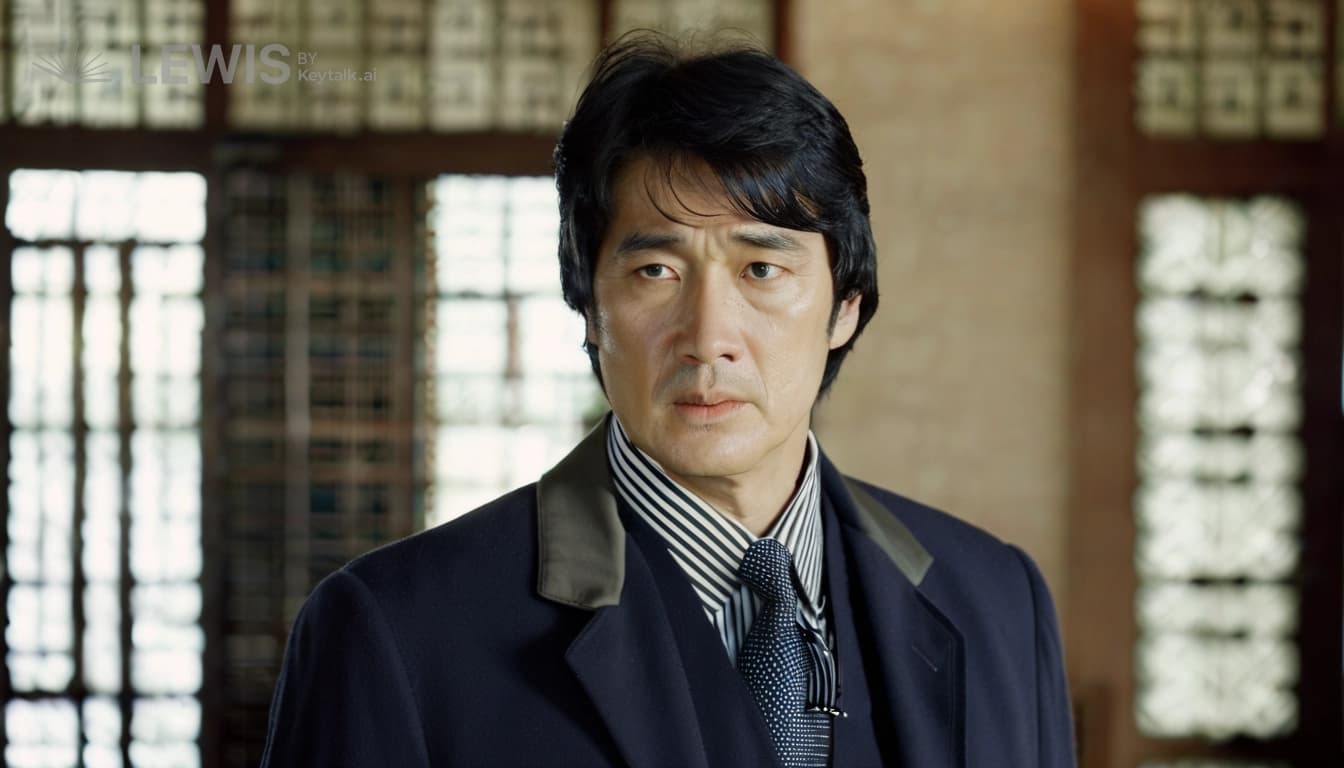
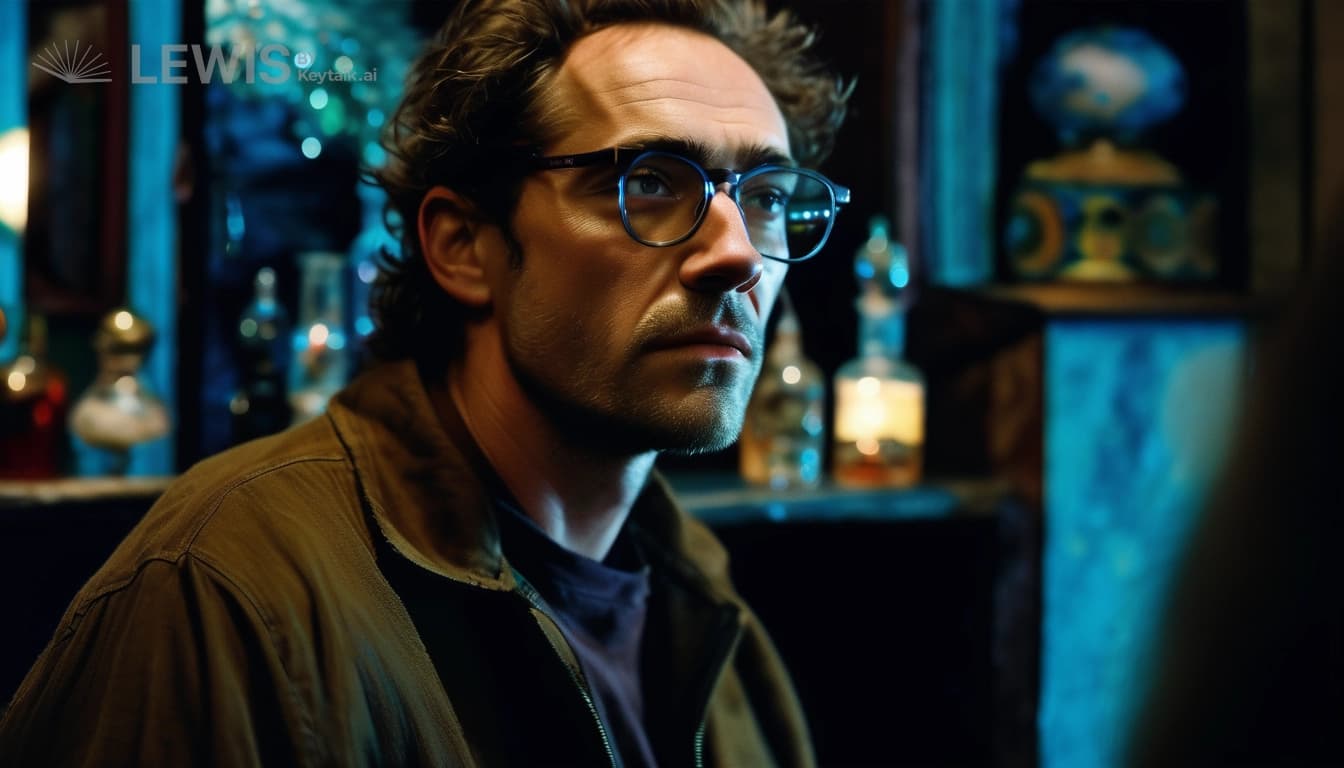
Stanley Pickles, a 47-year-old Korean-English city bus driver, is the kind of man people overlook on their morning commute—tall but slightly stooped, with an unassuming build that suggests a life spent sitting behind the wheel and a soft, round face always on the verge of apologizing. His hair, thick and stubbornly black with scattered streaks of gray, is kept almost obsessively neat, except for one rogue cowlick above his right temple that no amount of gel can subdue—a fitting emblem for his quietly rebellious streak. Stanley’s uniform is always a touch too large, sleeves cuffed twice to avoid hiding his nervous, fidgeting hands; a faded yellow rubber banana keychain dangles from his belt, both talisman and reminder of the day his luck began to curdle. Raised in the bustling, multicultural heart of East London by a single mother who ran a corner shop, Stanley learned to defuse neighborhood squabbles with gentle humor and a calming presence, though he’s developed a near-pathological aversion to confrontation and is infamous among coworkers for his rambling, circuitous speech—peppered with odd metaphors and the occasional clipped Korean phrase, especially when flustered. Stanley is meticulous, almost superstitious, about routines: he double-checks every seat at the end of each shift, arranges lost-and-found items by color and size, and has memorized the entire transit rulebook (and annotated it with sticky notes). His core longing is for order and small certainties—a hope shaped by years of quietly managing chaos, both on the bus and at home, where he lives alone with a pet tortoise named Shelley and a teetering collection of puzzle books. Though his relentless politeness and dry wit make him a favorite among regular passengers, Stanley struggles with asserting himself, often deferring to authority even when it chafes against his keen sense of the ridiculous. Underneath the self-effacing exterior lies an untapped reservoir of stubbornness and, when pushed, a surprisingly creative flair for absurd solutions. As he stands on the cusp of his story’s upheaval, Stanley’s particular blend of obsessive order, gentle eccentricity, and an emerging taste for rebellion position him perfectly at the heart of a city teetering on the edge of collective, comedic anarchy.
적대자

Prudence "Prue" Hargreaves

성별여성
직업Senior Transit Authority Compliance Officer

프로필

Prudence "Prue" Hargreaves stands at a precise five feet, seven inches, with a posture so upright it seems she was born with a steel rod for a spine—her build neither frail nor athletic, but with a certain sturdy resilience honed from decades of bureaucratic trench warfare. Her sharply angled jaw and perpetually pursed lips have become a kind of legend among city workers, while her silver-white bob, always immaculately styled, serves as a warning beacon—approach with your paperwork in order. Born to a Jamaican-British mother and Welsh father in the industrial heart of Liverpool, Prue’s early years were shaped by the cacophony of dockside life, where rules meant survival and the smallest infraction could spiral into chaos. This upbringing, paired with a scholarship-fueled rise through university and a relentless career in public administration, forged her into the city’s most formidable compliance officer: a woman who can quote the transit code by heart, in three languages, and wields a red pen like an executioner’s blade. Prue’s wardrobe is a monochrome parade of crisply pressed suits, sensible block heels, and the occasional tartan scarf—a nod to her heritage and her private love of order in all things, right down to her color-coded sock drawer. She’s notorious for her clipped, formal diction, peppered with dry, deadpan wit and the odd Scouse inflection when truly ruffled; in meetings, she’ll flatten opposition with a single, arched eyebrow and an avalanche of citations. Prue’s worldview is built on the belief that rules are the invisible glue holding a fractious world together, and she approaches every challenge—be it a banana in the lost and found or a citywide protest—with methodical, sometimes maddening calm. Yet beneath her armor of protocol lies a woman who harbors a secret fondness for crossword puzzles, an encyclopedic knowledge of obscure railway trivia, and a stubborn hope that, if she can just keep the chaos at bay, she might finally earn the respect of her estranged daughter. Her relentless pursuit of order, coupled with her inability to tolerate the illogical, makes her both the perfect foil and the greatest obstacle to the protagonist’s crusade, ensuring every absurd escalation is met with equal and opposite bureaucratic force.
조연

Abiola “Abby” Okonkwo

성별여성
직업Urban Mythology Blogger and Amateur Performance Artist

프로필

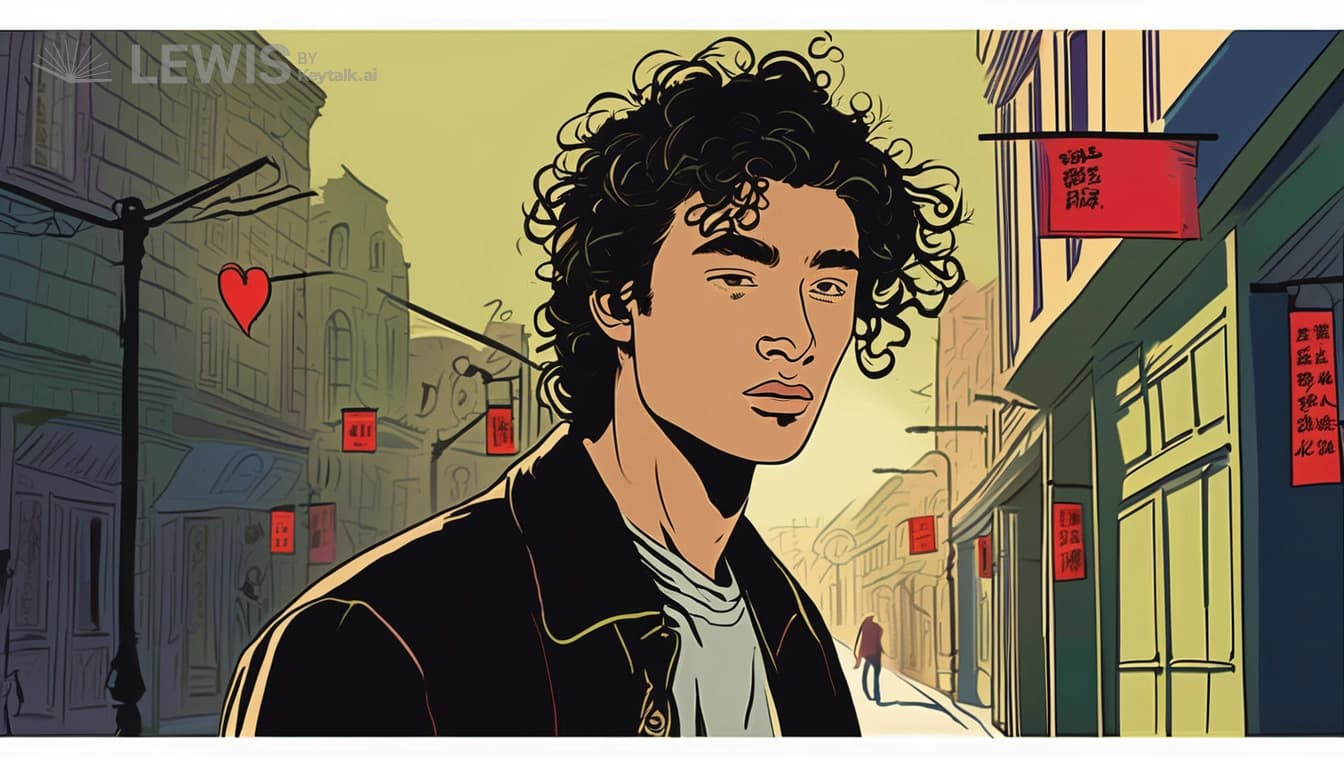
Abiola “Abby” Okonkwo, a 34-year-old Nigerian-British urban mythology blogger and self-styled amateur performance artist, is both the city’s unofficial chronicler of the absurd and a quietly rebellious force in her own right. Standing at 5'8" with a lanky, almost angular build that makes her seem perpetually in motion, Abby’s presence is marked by a mop of tightly coiled, blue-tinged natural hair usually kept in a lopsided high puff, expressive almond eyes behind thick-framed glasses, and a constellation of freckles that splashes across her dark, sun-warmed skin. She dresses with deliberate, chaotic intent—think vintage blazers over graphic tees printed with cryptic inside jokes, mismatched socks peeking from high-top sneakers, and a canvas messenger bag crammed with notebooks, half-eaten pastries, and the occasional banana peel “for research.” Her speech is a rapid-fire blend of London street slang, Igbo proverbs, and sly meta-references, making her both delightfully unpredictable and, at times, unintentionally intimidating. Abby’s worldview is fiercely anti-authoritarian yet deeply curious—she relishes poking holes in official narratives, seeing herself as a myth-buster who exposes the surreal logic lurking beneath everyday rules. Raised by parents who ran a community center and staged guerrilla theater, Abby grew up mediating neighborhood disputes with storytelling and quick wit, experiences that gave her a knack for defusing tension with humor and a taste for the subversive. Currently, she scrapes by through crowd-funded blog series and impromptu street performances, living in a cramped flat above a laundromat where she hosts midnight salons for local oddballs and contrarians. While her friendship with Stanley Pickles is rooted in genuine affection—she sees him as a tragicomic hero in a world gone bonkers—Abby is motivated by her own desire to document and participate in the city’s living folklore, not just support his crusade. She’s more comfortable sowing chaos than managing its fallout, sometimes nudging Stanley toward bolder action for the sake of “the narrative,” even when she knows it could backfire. Abby’s greatest strengths are her improvisational genius and ability to unite unlikely allies, but her impulsiveness and allergy to routine often leave her one step from disaster. She harbors a restless longing to matter in a city that feels increasingly automated and soulless, channeling her existential anxiety into bold, mischievous acts of collective imagination. Abby’s relationship with authority—especially with Prue Hargreaves, whose dogged orderliness she both mocks and begrudgingly admires—fuels her contrarian streak and sharpens her improvisational tactics, ensuring that wherever rules are made, she’s already looking for the loophole.

줄거리

Stanley Pickles’s life runs on rails as fixed as the bus routes he drives: every morning, same route, same passengers, same ritualistic inspection of the city bus’s lost and found. But on the first Monday of what should be an ordinary week, Stanley discovers a banana in the lost and found—lying, inexplicably, on the “Miscellaneous” shelf instead of the fruit basket he’s painstakingly labeled. That day, everything goes wrong. His bus breaks down twice, a pigeon flies into the cabin, and he’s nearly written up for being late. Stanley, fueled by a lifetime of small superstitions and a growing belief in the causal power of misplaced fruit, becomes convinced that this banana is the linchpin of his luck. The transit authority, led by the ironclad compliance officer Prudence Hargreaves, refuses to entertain his request for “banana protocol reform,” citing subsection 9.4 of the rulebook: “Lost foodstuffs shall be considered non-essential and stored at the discretion of authority.” For Stanley, this is not just an affront to logic—it’s a declaration of war against reason itself.

Abiola “Abby” Okonkwo, urban mythologist and part-time agent of chaos, hears about Stanley’s banana woes through a series of increasingly desperate blog posts he makes on the city’s anonymous complaint forum. Intrigued, she rides his bus, live-tweeting his escalating banana-related paranoia and stoking the flames with her own performative “Banana Solidarity” campaign—complete with passengers peeling bananas in unison at stops, and cryptic posters reading, “What if the banana is the bus?” With Abby’s encouragement, Stanley stages a sit-in at the central depot, demanding a revision of the lost and found policy. What begins as a lonely protest quickly snowballs: commuters, bored office workers, and retired philosophers join in, each projecting their own grievances onto Stanley’s crusade. Prue Hargreaves, whose sense of order is both her armor and her Achilles’ heel, is dispatched to quell the nonsense. What she finds instead is a spontaneous assembly of rules-lawyers, pranksters, and existentialist grandmothers debating the metaphysical implications of lost bananas and the tyranny of arbitrary regulations.

Stanley, thrust from anonymity into reluctant celebrity, finds himself the accidental figurehead of a growing movement. Abby, ever the narrative engineer, frames his cause as a battle for “logical justice,” drawing in a motley alliance of city oddballs. Stanley’s core desire—to restore order and certainty—clashes with the escalating absurdity he’s unleashed. Protesters begin staging “logic loophole” demonstrations: passengers boarding buses in reverse to challenge the definition of “entry,” knitting circles debating whether a banana is a fruit, herb, or existential proposition. The movement’s creativity delights Abby, who documents every twist, but it terrifies Stanley, whose simple wish for routine morphs into a citywide carnival of chaos. Prue, meanwhile, doubles down on enforcement, issuing rulebook amendments at a blistering pace, which only fuel the protesters’ ingenuity.

Caught between his craving for order and his new role as the “Banana King,” Stanley faces mounting pressure from all sides. Abby pushes him to escalate, believing in the power of collective absurdity to reveal the city’s broken logic. Prue, privately struggling with her own need for control and her estranged daughter’s accusations of rigidity, sees Stanley as both adversary and unlikely mirror. As the city teeters on the edge of full-blown bureaucratic anarchy—ticket machines reciting poetry, bus drivers debating philosophical paradoxes with passengers—Stanley reaches his breaking point. In a tense midnight meeting, he confronts Prue, proposing a compromise: a new rulebook, written collaboratively by both officials and citizens, where every regulation must be justified by both logic and lived experience.

The negotiation turns into a public spectacle, broadcast live and commentated by Abby’s followers. Prue, cornered yet intrigued, agrees to Stanley’s proposal—on the condition that he moderate a citywide “Logic Council,” a role requiring him to adjudicate between order and absurdity. In the ensuing sessions, Prue and Stanley clash and collaborate, each forced to question their beliefs about rules, chaos, and the people caught in between. Abby, ever the provocateur, stirs the pot with performative interventions—at one point, orchestrating a flash mob that re-enacts the city’s most illogical regulations as interpretive dance.

The final act sees the city transformed: the new rulebook, as messy as it is profound, is adopted. Some rules are overturned, others amended, and a few—like the banana protocol—enshrined as symbolic reminders of the need for both sense and silliness. Stanley, exhausted but changed, turns down the permanent post of Logic Council Chair, choosing instead to return

장면

1
scene 1 image
The Banana on the Miscellaneous Shelf
[Place]
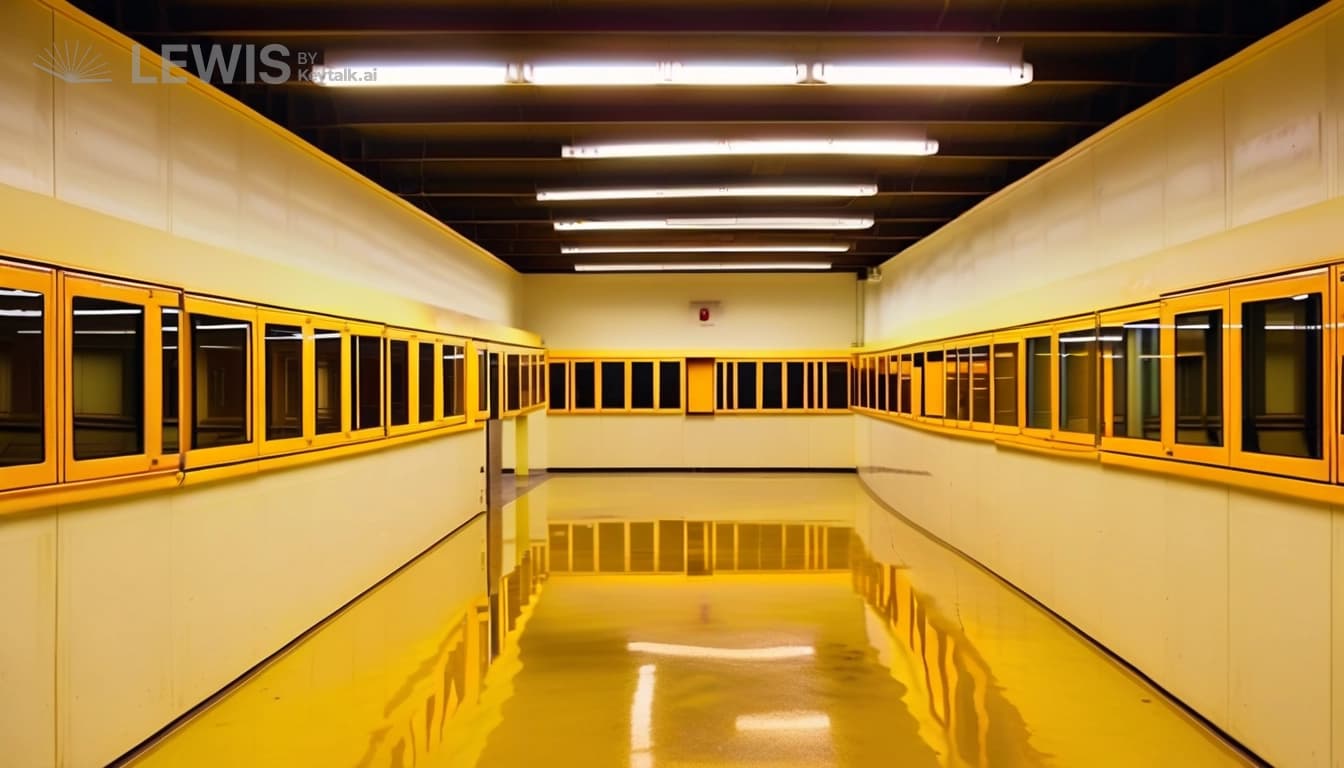
Stanley’s city bus, route 17, parked in the early-morning depot garage, with the fluorescent-lit lost and found cabinet at the front of the vehicle.

[Time]
Monday, 5:45 a.m.—the start of Stanley’s workweek, just before his first scheduled run.

[Action]
Stanley begins his day in a haze of ritual: lunchbox in hand, uniform crisp, he steps onto his bus while the city is still half-asleep. The depot hums with the muffled echoes of other drivers, but Stanley’s world narrows to the lost and found cabinet he tends with almost religious fervor. He inspects each item—umbrella, scarf, a battered paperback—until his hand pauses over something new: a single, perfectly ripe banana, resting out of place on the shelf labeled “Miscellaneous” instead of the fruit basket below. The breach in his system is tiny but seismic. Stanley’s mind spirals with possibilities: sabotage? cosmic joke? He replays the rules he’s crafted for the lost and found, his need for order intensifying. Tension rises as he debates whether to move the banana or leave it, his superstition whispering that the universe is watching. Ultimately, he leaves it untouched, unsettled. Stepping outside, the air feels wrong—thick with the sense that his routine has already unraveled. As Stanley starts his route, a series of small calamities—an engine stutter, a surly commuter, a dropped timetable—begin to gather behind him, all while the misplaced banana lingers in his thoughts like a curse he can’t name.

[Impact on the story]
Stanley’s discovery of the misplaced banana subtly fractures his sense of control, setting off a chain reaction of anxiety and superstition that will drive his actions throughout the story. This seemingly minor disruption establishes the central motif—order versus chaos—and foreshadows the larger upheavals to come. The emotional resonance is immediate: Stanley’s vulnerability and obsessive need for routine are laid bare, making him sympathetic and primed for the oncoming absurdities.

[Description]
Stanley’s morning ritual is shattered when he finds a banana out of place in the lost and found, igniting his latent superstitions and setting the tone for a day (and story) where order gives way to chaos. This small but significant breach draws readers into his psyche and signals the start of the domino effect that will upend both his life and the city’s carefully maintained routines.
2
scene 2 image
[Title]
Abby’s Live-Tweet Uprising and the Bus of Infinite Bananas

[Place]
Stanley’s bus, packed with morning commuters, winding through the city’s main arteries; the digital realm of the city’s anonymous complaint forum and Abby’s social media feeds.

[Time]
Tuesday morning, the day after Stanley’s initial banana discovery—during the busiest run of the week.

[Action]
Stanley, still rattled from yesterday’s banana incident, operates his route with an air of jittery vigilance. Every passenger interaction feels loaded—he eyes the lost and found cabinet obsessively, half-expecting the banana to multiply or migrate. Word of his peculiar concern has begun to leak online, thanks to his late-night posts on the city’s forum, where his pleas for banana protocol reform are met with bemused replies and a few trolls. Enter Abby Okonkwo: a myth-chasing academic with a nose for urban absurdity and a talent for viral spectacle. She boards Stanley’s bus mid-route, instantly recognizing him from his anxious glances and the slight tremor in his hands. Abby, charismatic and mischievous, begins live-tweeting Stanley’s banana paranoia to her growing following—her commentary both sharp and empathetic, painting him as a tragicomic hero of order in a world gone bananas. She distributes bananas to passengers, orchestrating a flash “Banana Solidarity” moment in which half the bus peels and raises bananas in silent support. The spectacle is electric, bewildering Stanley and delighting the other riders, who begin to riff on the banana theme—one commuter insists on paying fare with a banana, another leaves cryptic banana doodles on the windows. As the bus morphs into a rolling performance art piece, Stanley’s anxiety peaks; he feels both exposed and, for the first time, surrounded by a strange community. Abby’s campaign takes on a life of its own, with hashtags trending and posters cropping up at the next stops: “What if the banana is the bus?” The mood is infectious, bordering on surreal, and Stanley’s plight becomes a citywide in-joke—one that he’s not sure he wants to be the punchline of.

[Impact on the story]
This scene marks the public escalation of Stanley’s private crisis. Abby’s intervention amplifies his anxiety but also draws attention and unexpected support, transforming his personal superstition into a communal movement. Stanley is pushed from isolation into reluctant visibility, forced to confront both the absurdity of his predicament and the possibility of connection. The city’s appetite for playful rebellion is awakened, with Abby as the spark and Stanley as the unwitting symbol.

[Description]
Abby hijacks Stanley’s routine with a viral live-tweet campaign, rallying passengers into a banana-themed protest and turning his private superstition into public spectacle. Stanley’s anxiety and longing for order are set against the rise of absurd, joyful solidarity, launching the banana crisis into the city’s collective imagination and setting the stage for full-scale upheaval.
3
scene 3 image
[Title]
Prue Hargreaves Versus the Carnival of Logic

[Place]
Central Bus Depot—transformed by the growing protest into a chaotic, semi-permanent encampment of demonstrators; depot offices overlooking the makeshift “protest square”; the threshold between the order of the transit authority and the disorder of the crowd.

[Time]
Late Wednesday afternoon, two days after the banana incident, as rush hour looms and the protest has swelled beyond all expectations.

[Action]
The scene opens with the bus depot in a state of controlled mayhem: banners made from route maps wave in the breeze, commuters-turned-protesters lounge on upturned bus seats, and banana-themed paraphernalia is everywhere—paper crowns, knitted yellow scarves, even a life-sized papier-mâché “banana throne.” Stanley, overwhelmed and slightly shell-shocked, is at the center but no longer in control; the crowd has taken his grievance and spun it into a citywide existential circus. Abby, camera in hand and phone buzzing with notifications, orchestrates the festivities with gleeful abandon—she interviews participants, encourages spontaneous “logic loophole” performances, and live-streams a group of retired philosophers debating the metaphysics of lost property.

Prue Hargreaves arrives, cutting a path through the crowd with an air of steely purpose and visible irritation. She surveys the scene, mentally cataloguing every violation of protocol: open flames from a banana flambé cart, impromptu art installations blocking emergency exits, a knitting circle arguing about whether a banana is a fruit or a concept. Prue’s internal conflict surfaces as she confronts the crowd—her need for order at war with a flicker of intrigue at the creativity on display, mingled with irritation at her own inability to shut it all down. She attempts to address the protesters with official warnings, citing obscure sections of the rulebook, but is met with playful heckling and interpretive dance.

Stanley, pressed by Abby and the crowd, is pushed to the front as the “Banana King.” He stumbles through an impromptu speech, his anxiety obvious, but his sincerity resonates—he just wants rules to make sense, for everyone. Prue zeroes in on him, seeing both a troublemaker and a man as desperate for order as she is. Their confrontation is tense but revealing: she threatens disciplinary action, he pleads for reason, the crowd alternates between chanting and philosophical debate.

Throughout, Abby documents every twist, injecting the protest with new slogans and challenges that drive the movement’s creativity. Subplots emerge: a group of office workers performs a mock trial of the banana, a bus driver union rep delivers a passionate monologue about the tyranny of pointless paperwork, and an elderly woman knits a “logic loophole” scarf that becomes a protest artifact.

The scene peaks as Prue, realizing the protest won’t be quelled by force, retreats to her office to draft emergency amendments to the rulebook—setting up an arms race of regulation versus rebellion. Stanley, left amidst the revelers, feels the weight of his accidental leadership and the chaos he’s helped unleash. Abby revels in the spectacle, already planning the next escalation.

[Impact on the story]
This scene transforms the protest from a quirky sideshow into a full-blown movement, pitting Prue’s need for order against the city’s collective appetite for absurdity. Stanley is elevated—against his will—into a symbol of resistance, deepening his inner conflict between longing for routine and the chaos around him. Prue’s response sets up an escalating battle of wits and willpower, while Abby’s influence cements the protest’s place in public consciousness. The stakes are raised for all three, and the city itself becomes a stage for a conflict between logic, regulation, and joyful rebellion.

[Description]
Prue confronts the banana-fueled uprising at the depot, sparking a battle between her ironclad order and the protesters’ inventive absurdity. Stanley’s reluctant leadership is cemented, Abby stokes the fire of collective creativity, and the city’s crisis of logic accelerates toward chaos. The scene sets up an escalating struggle over who gets to define sense and nonsense in public life.
4
scene 4 image
[Title]
Stanley Crowned King of Chaos (and Other Unwanted Promotions)

[Place]
Central Bus Depot—now a makeshift headquarters for the protest, with the banana throne at its epicenter; depot meeting rooms hastily repurposed for “logic council” gatherings; the depot’s rooftop, where Abby broadcasts live updates.

[Time]
Evening, the same Wednesday—protesters have settled in for the night, the depot bathed in mismatched lamplight and the glow of phone screens, the city’s hum a backdrop to the encampment’s energy.

[Action]
The scene opens with Stanley waking from an anxious nap inside an out-of-service bus, the sounds of the ongoing protest filtering in: laughter, debate, the rhythmic thud of someone hammering a sign that reads “Sense Demands Silliness.” He’s ushered outside by Abby, who’s orchestrating the night’s “Banana Coronation”—a ceremony that, to Stanley’s horror, is both a media stunt and a heartfelt gesture from protesters who now see him as their leader. He’s crowned with a garish paper banana crown and presented with the “scepter of logic loopholes”—a repurposed bus ticket validator. Abby live-tweets the moment, spinning it as the city’s first “King of Chaos,” while Stanley’s discomfort grows, caught between the crowd’s adoration and his mounting anxiety about the spiraling disorder.

Meanwhile, inside the depot, Prue and her team of compliance officers are locked in a strategy session. Frustrated by the movement’s resilience, Prue pushes for a new wave of emergency regulations, but faces unexpected dissent from junior staff who are secretly sympathetic to the protesters. She’s forced to confront the growing gap between her ideals of order and the city’s appetite for collective expression. As she watches the coronation from her office window, Prue feels a mix of indignation and reluctant admiration—Stanley, in his awkward sincerity, has achieved the public’s attention in a way she never could.

Back outside, Abby organizes a “logic loophole” brainstorming session, inviting anyone to propose new protest tactics that exploit the transit authority’s own rules. Office workers, students, retirees, and bus drivers offer increasingly creative ideas—boarding buses backwards, submitting lost-and-found claims for “missing sense,” holding a midnight debate on whether the banana is a fruit or a metaphor. Stanley is swept along, pressed for his opinions, but struggles to maintain control as the movement gains momentum and splinters into subgroups, each with their own agenda.

Emotional tension mounts as Stanley, feeling powerless and overwhelmed, tries to articulate his need for genuine reform rather than chaos for chaos’s sake. Abby, sensing his distress but energized by the spectacle, encourages him to lean into his role and trust the process—insisting that real change only comes when systems are pushed to their breaking point. Prue, meanwhile, steps outside to confront Stanley in front of the crowd, leading to a terse, public exchange about responsibility, order, and the meaning of rules. The crowd listens, divided between those who revel in the absurdity and those who want tangible reform.

The scene ends with the depot transformed into a surreal hybrid of protest camp and bureaucratic fortress. Stanley, now the reluctant “Banana King,” sits atop the papier-mâché throne, surrounded by supporters and critics alike. Abby broadcasts a call for the next phase of the movement, while Prue, watching from the sidelines, prepares to escalate the conflict with a citywide policy overhaul. The stakes are clear: order versus creativity, logic versus lived experience, with Stanley caught in the crossfire.

[Impact on the story]
Stanley’s elevation to figurehead intensifies his inner conflict, pushing him toward a breaking point as he grapples with unwanted leadership and the chaos he’s unleashed. Abby’s influence cements the protest’s transformation into a citywide movement, while Prue’s efforts to reassert control only deepen her own crisis of authority. Alliances shift, motivations are tested, and the possibility of compromise feels both urgent and remote. The city teeters on the edge of transformation, with each character forced to confront the real costs of their convictions.

[Description]
Stanley is reluctantly crowned the “King of Chaos” by the protesters, thrusting him into a leadership role he never wanted as the movement explodes in creativity and complexity. Abby fuels the spectacle while Prue struggles to contain the disorder, setting up a collision of values and a citywide reckoning over the meaning of sense and nonsense. The scene marks a turning point: no one can return to the way things were.
5
scene 5 image
[Title]
Midnight at the Depot: The Unraveling of Certainty

[Place]
Central Bus Depot—dimly lit depot office repurposed for negotiation; the sprawling protest camp just outside, humming with restless energy; the depot’s glass entryway, where onlookers and livestreamers cluster.

[Time]
Just past midnight, the same night as the coronation—Wednesday rolling into the early hours of Thursday. The city is quiet except for the depot, which glows with the insomnia of protest.

[Action]
Stanley, still wearing the banana crown but visibly fraying, is summoned by Abby to a private meeting with Prue in the depot’s makeshift negotiation room. The mood is tense: Stanley feels cornered, his nerves raw from hours of public spectacle, while Prue is all brittle professionalism, masking exhaustion with clipped formality. Abby lingers just outside, phone in hand, broadcasting cryptic updates to the crowd and online audience, ramping up anticipation.

The negotiation begins awkwardly—Stanley fumbles with words, trying to articulate his desire for sensible reform without fueling more absurdity, while Prue clings to procedure, citing the rulebook even as she questions its usefulness. Both are interrupted repeatedly by the muffled sounds of protestors outside: bursts of laughter, shouts, the occasional chant about bananas and bureaucracy. Emotional stakes escalate as Stanley, pushed to his limit, finally admits how lost he feels—how the movement has outgrown his intentions, and how the city’s order feels both suffocating and desperately needed.

Prue, unexpectedly, drops her guard. She confides in Stanley about her own doubts—the loneliness of enforcing rules no one understands, the fear of chaos, and the pain of her daughter’s estrangement. This rare vulnerability shifts the dynamic, creating space for genuine dialogue. Abby, sensing a narrative peak, orchestrates a “window moment” where the crowd can see the negotiation in progress, elevating the stakes by making the discussion a public event. Protesters press against the glass, waiting for a sign of resolution.

The breakthrough comes when Stanley proposes a collaborative rulebook, justified by both reason and lived experience. Prue balks, then counters: she’ll only agree if Stanley leads a “Logic Council” to moderate the process, forcing him to choose between retreat and real responsibility. The tension is palpable—Stanley hesitates, aware of the cost to his peace, but ultimately accepts, motivated by Prue’s honesty and Abby’s belief in collective change. Outside, Abby announces the breakthrough, and the crowd erupts in cautious hope, unsure if this marks the end of the carnival or the beginning of something new.

[Impact on the story]
This scene is the emotional and narrative fulcrum: Stanley and Prue’s vulnerabilities surface, forging a fragile alliance built on mutual doubt and respect. Stanley’s acceptance of the Logic Council role signals his shift from reluctant mascot to active agent of change, while Prue’s openness hints at her own transformation. Abby’s mediation crystallizes her role as movement catalyst, pushing both characters toward growth. The city’s fate pivots on this midnight compromise, raising both hope and anxiety about what true reform will require.

[Description]
In a midnight negotiation, Stanley and Prue finally confront the limits of order and absurdity, exposing their fears and desires. Their uneasy agreement to rewrite the rulebook together—under Stanley’s moderation—sets the stage for the city’s transformation and the story’s climax. The depot, once a symbol of control, becomes the birthplace of a new, messier logic.
6
scene 6 image
[Title]
The Rulebook That Reads Like a City and the Man Who Refused Its Throne

[Place]
City Hall’s sunlit atrium—transformed into a public forum, ringed with folding chairs, protest banners, and tables stacked with drafts of the new rulebook. Outside, the city pulses with anxious anticipation; inside, the final Logic Council is in session.

[Time]
Thursday afternoon, two days after the midnight negotiation. The city is suspended between feverish hope and skeptical fatigue, the air heavy with the sense that something irreversible is about to happen.

[Action]
The scene opens with the city’s key players—Stanley, still wearing his “Banana King” sash ironically; Prue, dressed in her stiff uniform but softer in posture; Abby, perched atop a table, live-streaming and scribbling notes—preparing for the final Logic Council session. Sunlight pours through the atrium’s high windows, illuminating a diverse crowd: bus drivers, office workers, students, philosophers, pranksters. The new draft rulebook sits at the center, a patchwork of handwritten notes, crossed-out bylaws, and colorful sticky tabs—a testament to the city’s messy, collective effort.

The meeting is equal parts structured debate and circus. Ordinary citizens line up to propose amendments: a retiree argues for “nap-friendly benches”; a teenager demands the right to wear pajamas on public transport; pranksters lobby for “absurdity holidays.” Stanley moderates, balancing playful chaos with a genuine desire for fairness. Prue defends the necessity of some rules but openly concedes others, her rigidity tempered by the process. Abby stirs the crowd with pointed questions, ensuring the proceedings stay honest and unpredictable.

Midway through, a flash mob—Abby’s doing—erupts into an interpretive dance dramatizing the city’s most illogical regulations, drawing laughter and applause. The council pauses, then resumes, folding even the absurd performances into their deliberations. The atmosphere is charged but collaborative, each participant aware they’re shaping something bigger than themselves.

As the session draws to a close, a hush falls. Stanley, exhausted and humbled, announces the adoption of the new rulebook. Prue offers him the permanent chairmanship of the Logic Council—a position of real power and responsibility. Stanley, after a long pause, politely refuses. He explains, with newfound clarity, that the city doesn’t need a king or a single voice, but a chorus of lived experiences. He hands the rulebook to the crowd, inviting everyone to become its stewards.

The crowd responds with a standing ovation, some cheering, some quietly contemplative. Prue looks at Stanley, a flicker of pride and relief in her eyes. Abby records the moment, her live-stream exploding with reactions from across the city. The scene ends with Stanley quietly slipping out of the atrium, back to his bus route, as the city’s new logic begins to take root—messy, hopeful, and unmistakably human.

[Impact on the story]
This scene marks the city’s transformation: the movement’s energy is channeled into real reform, and the new rulebook—imperfect, collaborative, alive—becomes a symbol of both sense and silliness. Stanley’s refusal of authority completes his arc from accidental leader to agent of communal change, while Prue’s willingness to bend cements her growth. Abby’s narrative genius ensures the story spreads, inspiring other cities (and readers) to question their own arbitrary rules. The city is left in a state of hopeful uncertainty, its future written by its people.

[Description]
In a sunlit atrium, the city’s residents gather to finalize a new, collectively-written rulebook—debating, laughing, and performing their way toward a messy but meaningful consensus. Stanley, offered the chance to lead, declines, believing true order must belong to everyone. The city emerges transformed, its logic forever touched by absurdity, community, and the quiet courage of one reluctant bus driver.
'Banana Protocol Uprising'스토리 챗

이 스토리 속 캐릭터들과 대화하고 싶다면?

'Banana Protocol Uprising'스토리 챗

이 스토리 속 캐릭터들과 대화하고 싶다면?

story image
story image
story image

이런 이야기는 어때요?

댓글0

rank icon image
#15 Concept
rank icon image
#52 Genre
테마 음악