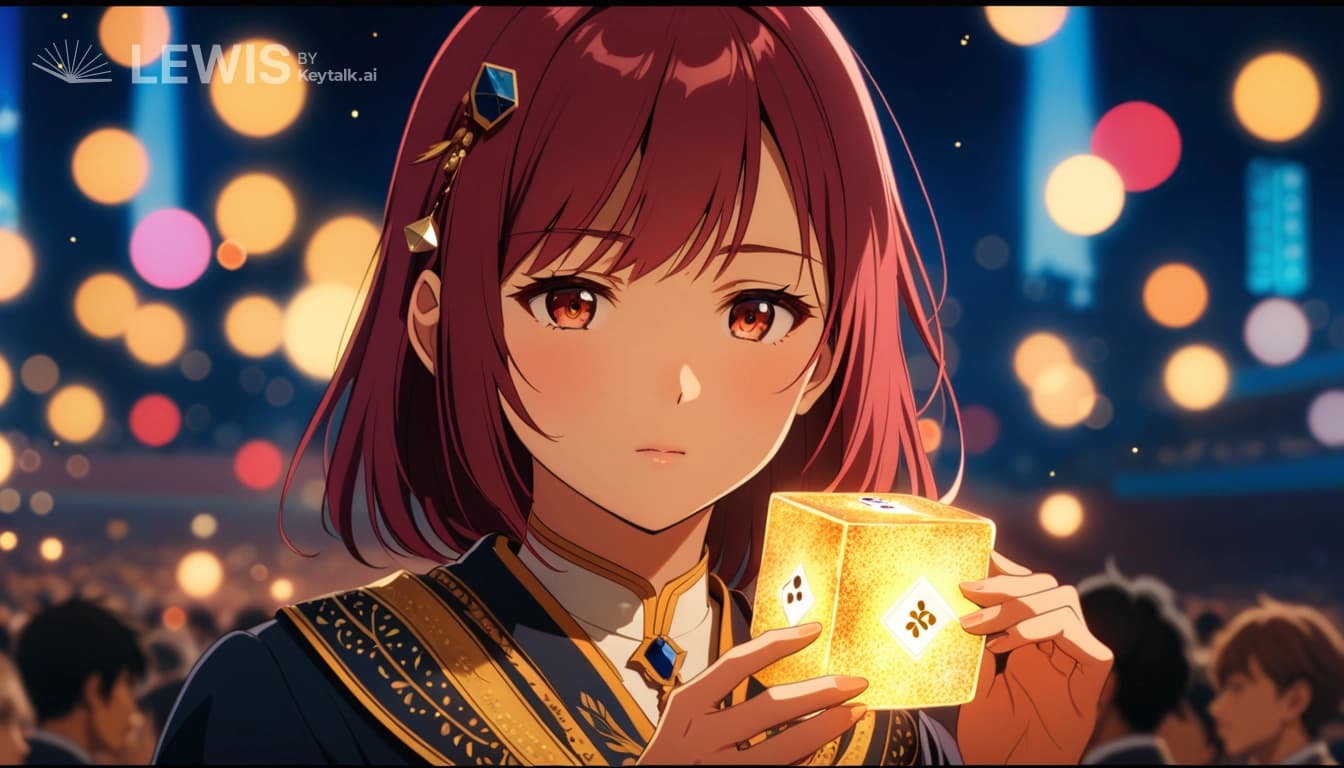
줄거리
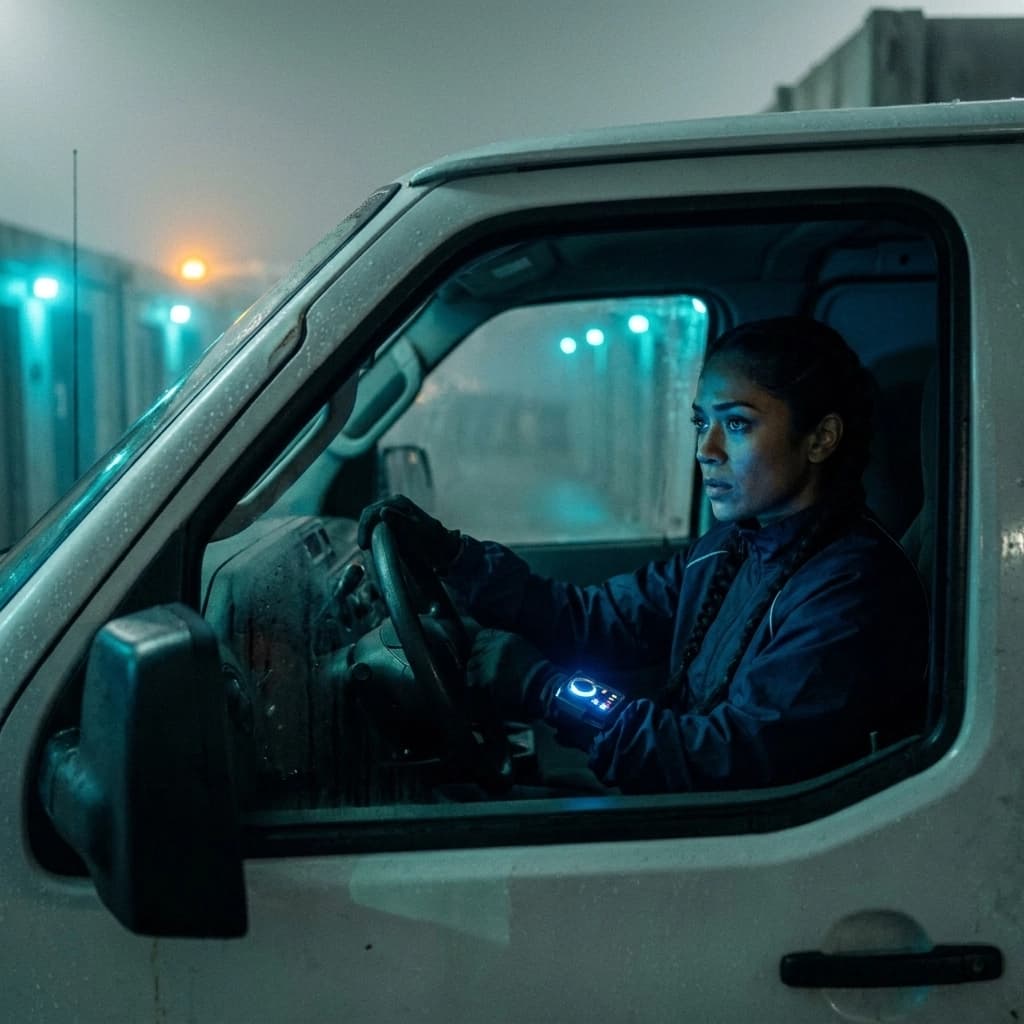
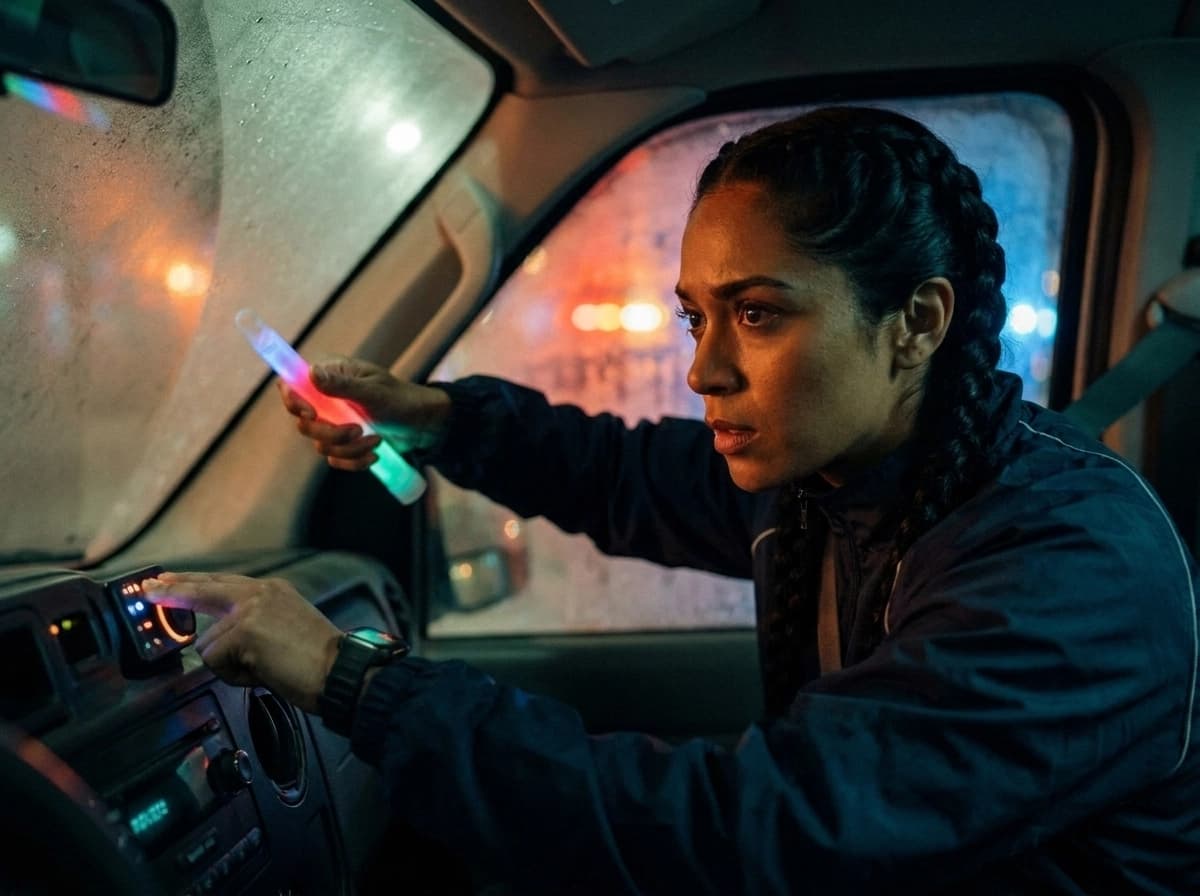
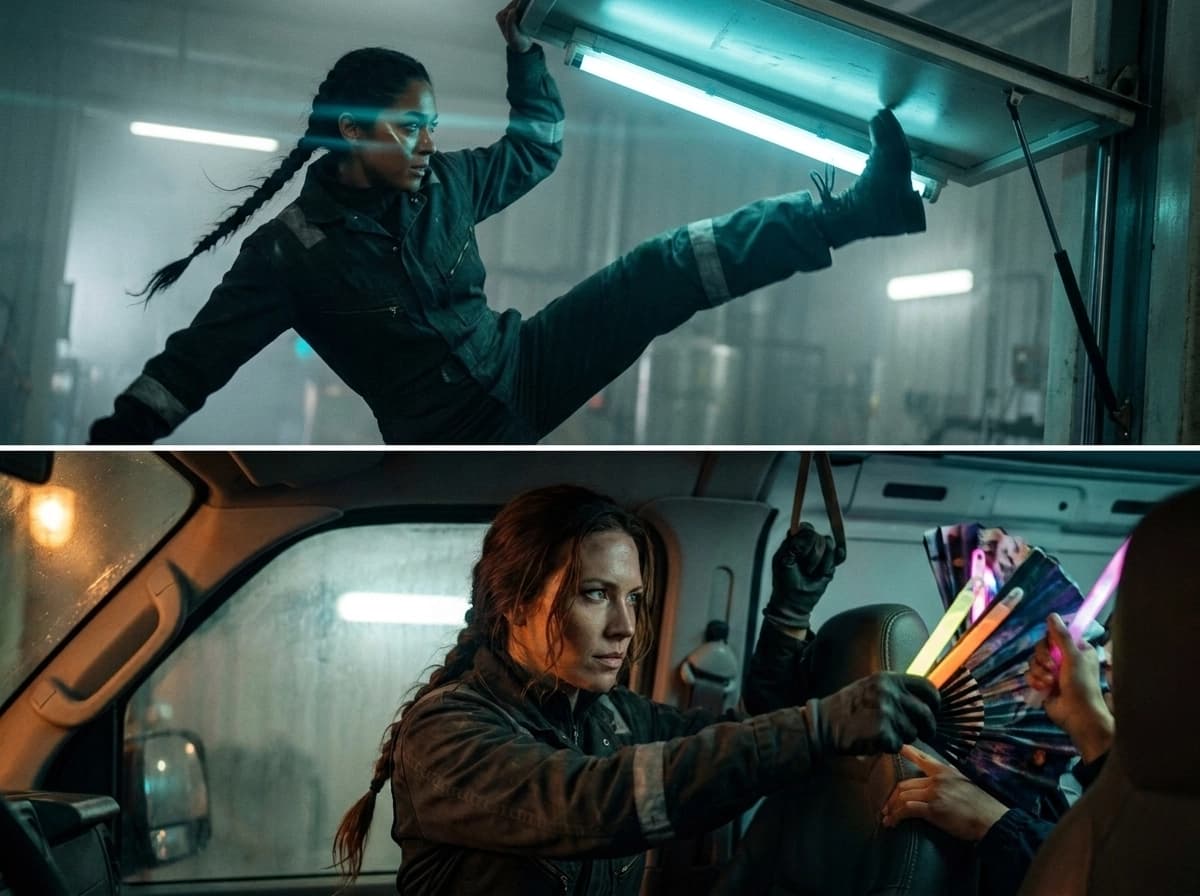
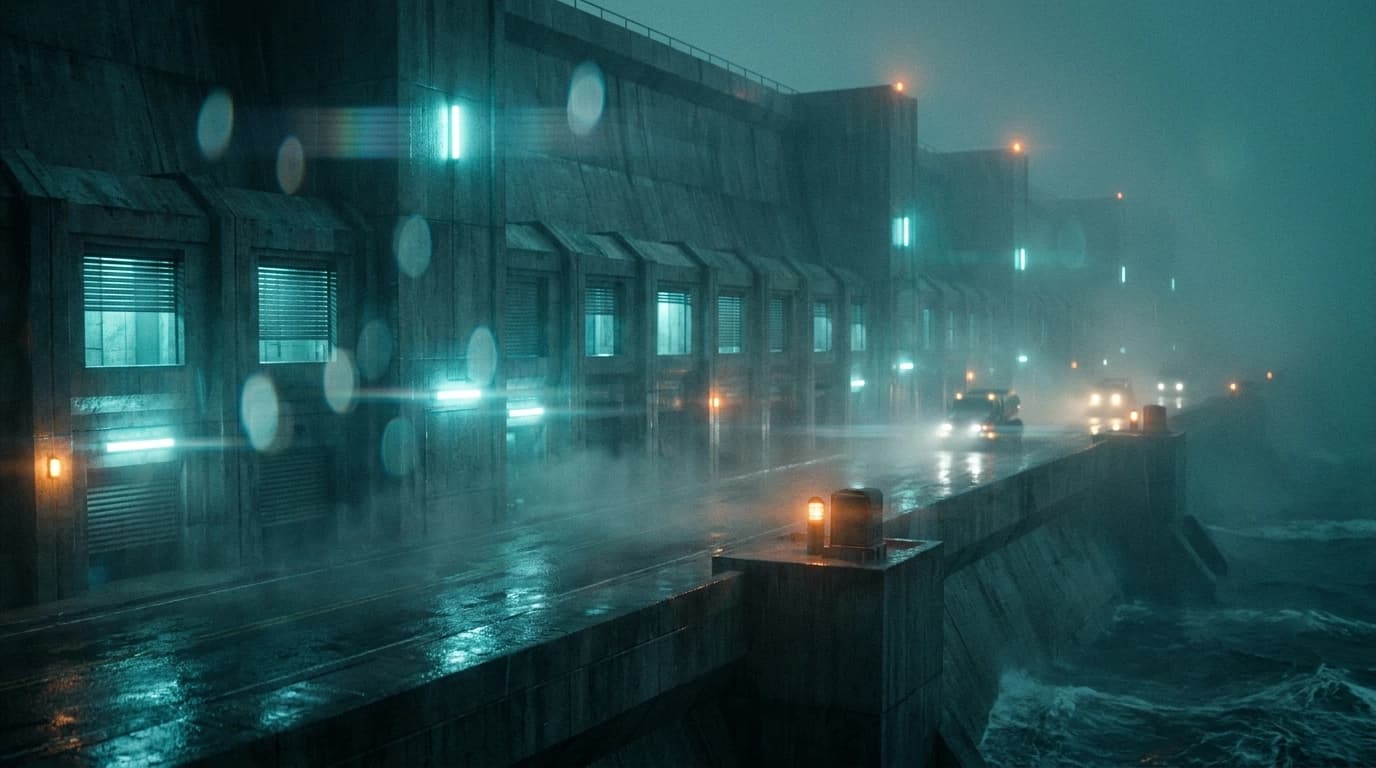
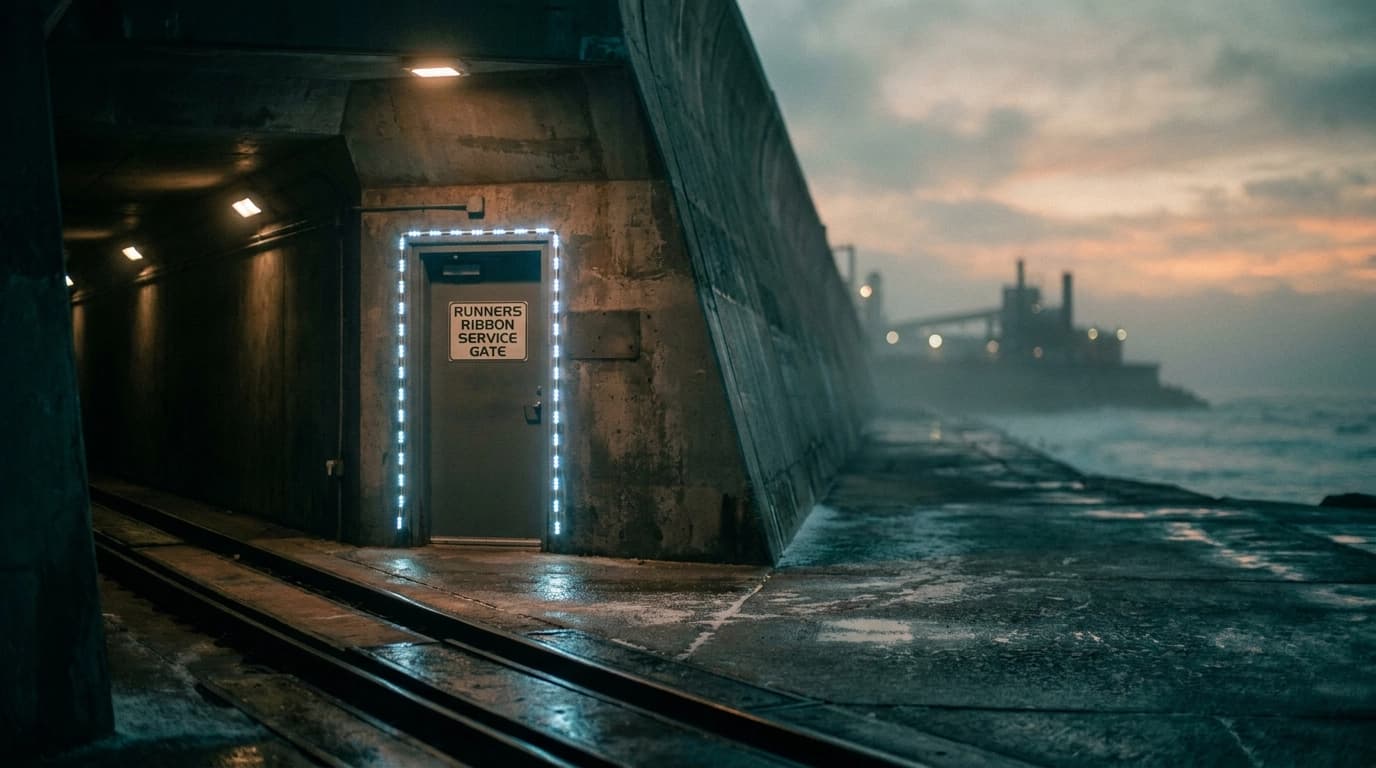
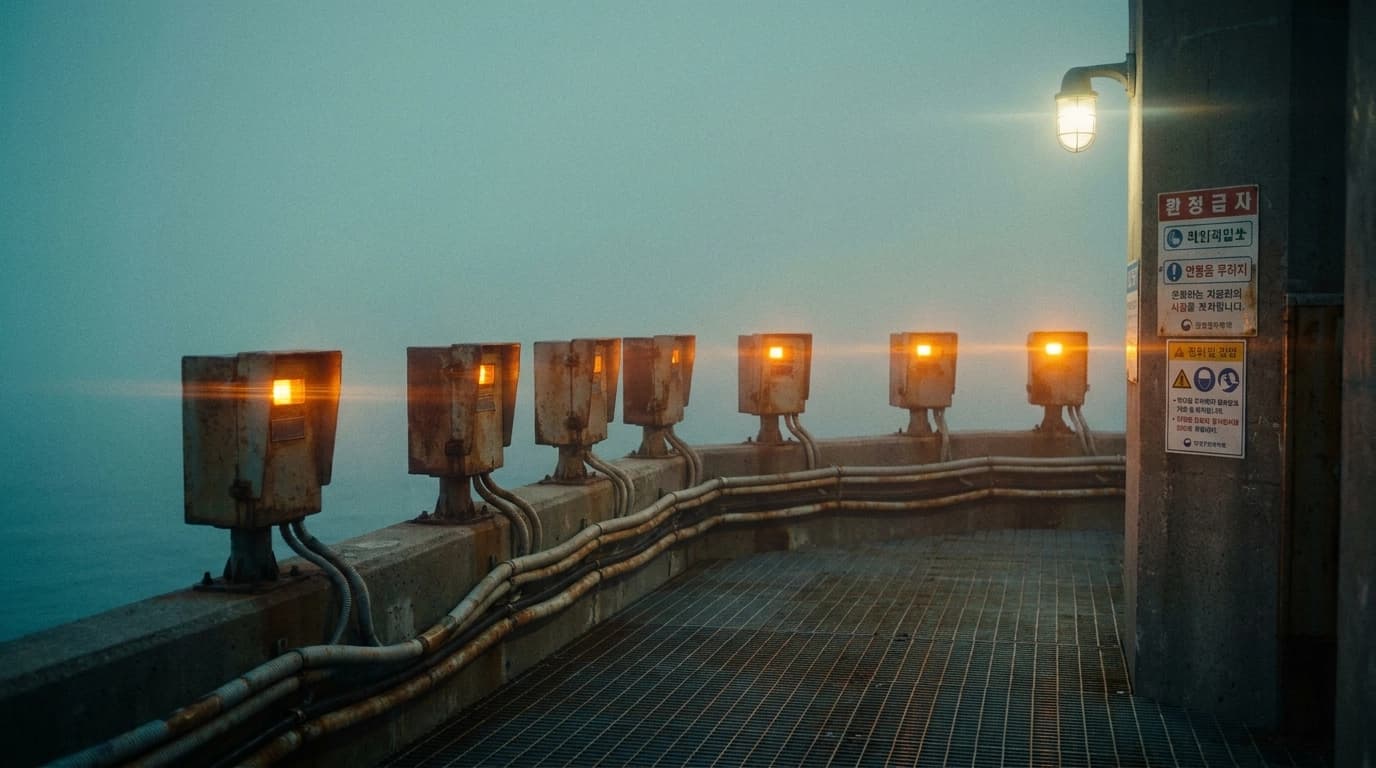
At the salt-stung edge of the sea, an unmarked service gate swallows a packed van of EXO-Ls the moment the clock flips past midnight, and the last thing anyone hears outside is the muffled slap of fog against concrete. 지아 sits in the passenger seat with her hands already half-curled around her glowstick controller, watching the keyed light-patterns like other people watch traffic. Her volunteer route usually ends in safe fanfare—someone laughs, someone takes a photo, the gate stays open—but tonight the van’s backup battery dies mid-route, plunging the ride into a brief, sour darkness that makes everyone’s stomach tighten.
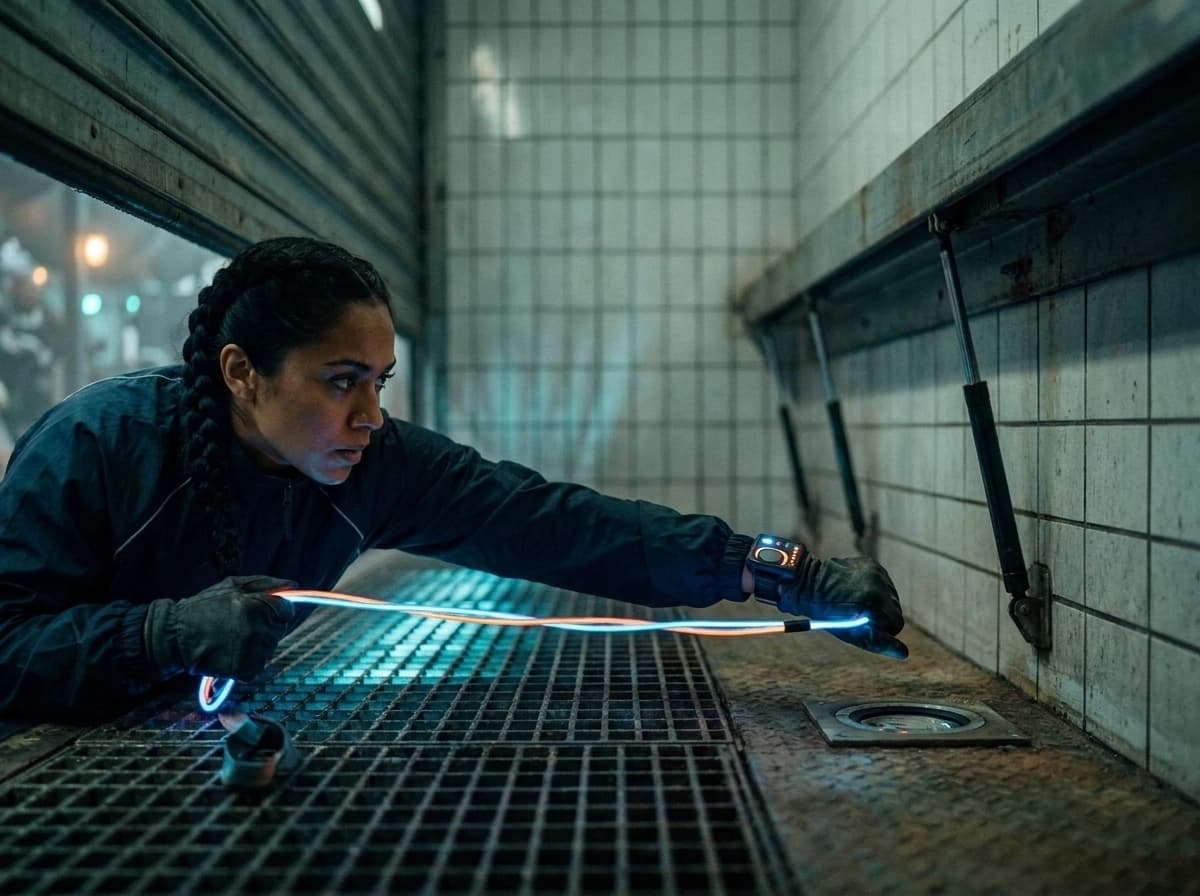
When the fans spill out into the “Practice Lattice,” the corridors respond like a theater that has mistaken its own script. 지아’s glowstick, calibrated to a specific set of stage-light cues, flips to the wrong safety hue the instant she steps under a lightbox. The change isn’t just visual; the ceiling answers with a pulse that doesn’t belong to their itinerary. She doesn’t shout. She doesn’t panic. Instead she walks her glowstick through the next expected hue-swells, matching the ceiling’s timing by feel, as if reading a staff line, and the building—faithful to its own idea of truth—keeps taking her “corrections” as authorization.
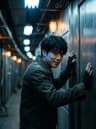
정우진 arrives at her shoulder already moving, a route veteran with salt in the cuffs of his jacket and a habit of checking panels with the flat of his palm before he presses anything with fingers. He hears the click of the gate behind them sealing shut and the faint, wrong rhythm in the shutters as they begin to interpret stray light cues. He once trusted the old “glow logic” so fiercely he built his survival around it, but now his own keyed understanding starts lying to him—one moment his smile holds, the next he realizes the gate’s lock is also waiting on decisions people haven’t made yet. He leans close to 지아 and taps her wrist lightly, not to stop her, but to anchor her before the panic makes her overshoot.
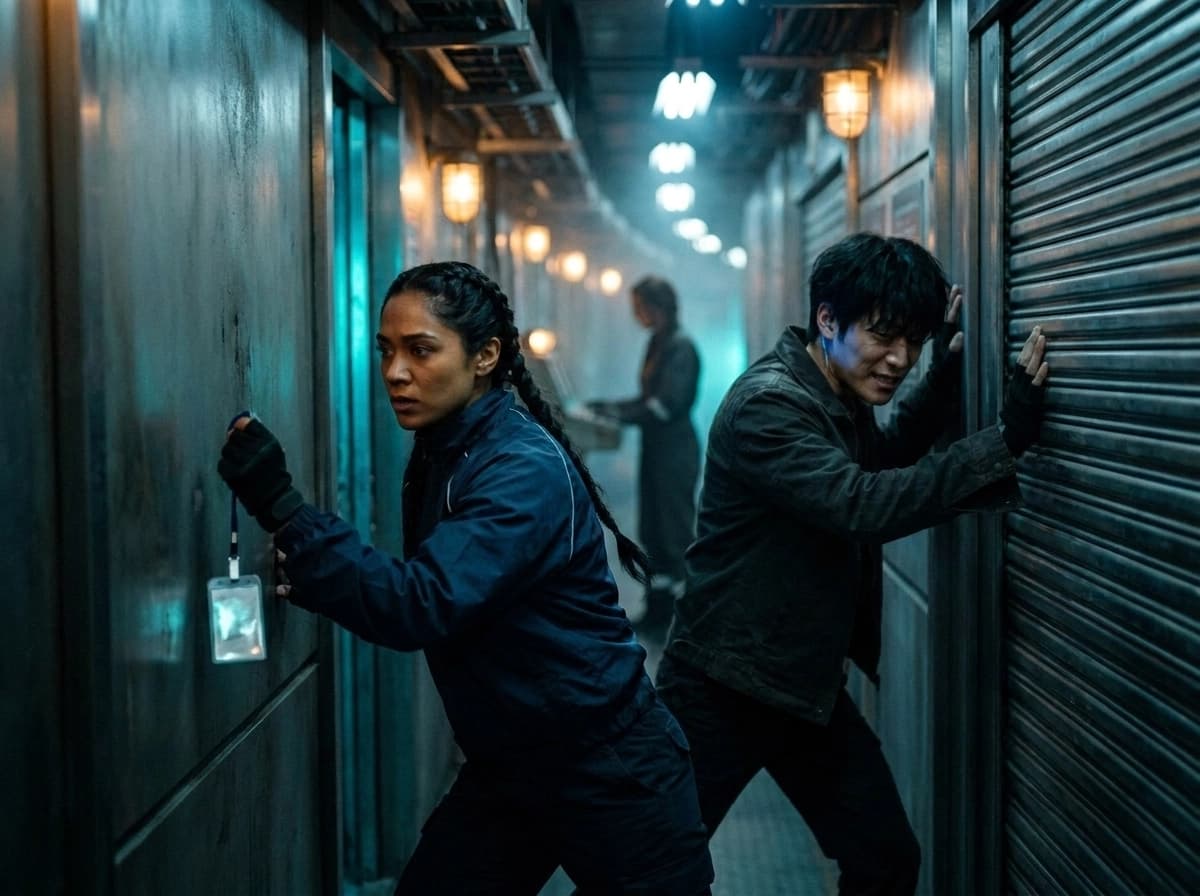
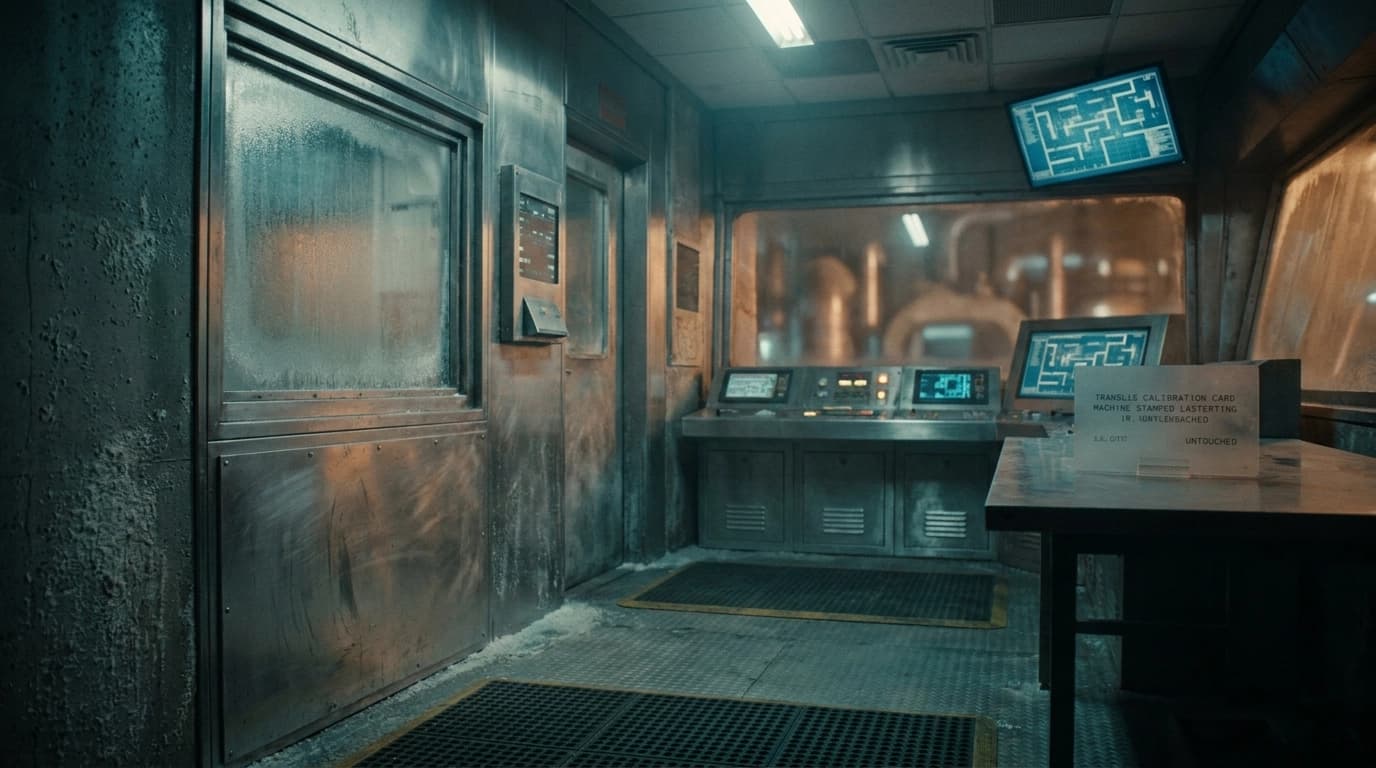
Across the group, 하윤서는 already in motion too, not toward the gate but toward the light seams in the corridor walls, eyes scanning the shutter tracks the way a mechanic reads belt wear. She’s a venue lighting technician by trade, and a freelancer by contract, which means her knowledge is supposed to remain “unofficial.” But the moment she sees the wrong safety hue ripple through the walkway, she understands which schedule the compound is now rehearsing. She steps between fans who are arguing and the nearest shutter line, palms up in calm “accident” gestures, and uses the building’s own rhythm to redirect attention away from the wrong connector hall—only to find her explanations are swallowed by the increasing pulsing of the corridor lights, as though the compound is patiently letting people talk themselves into compliance.
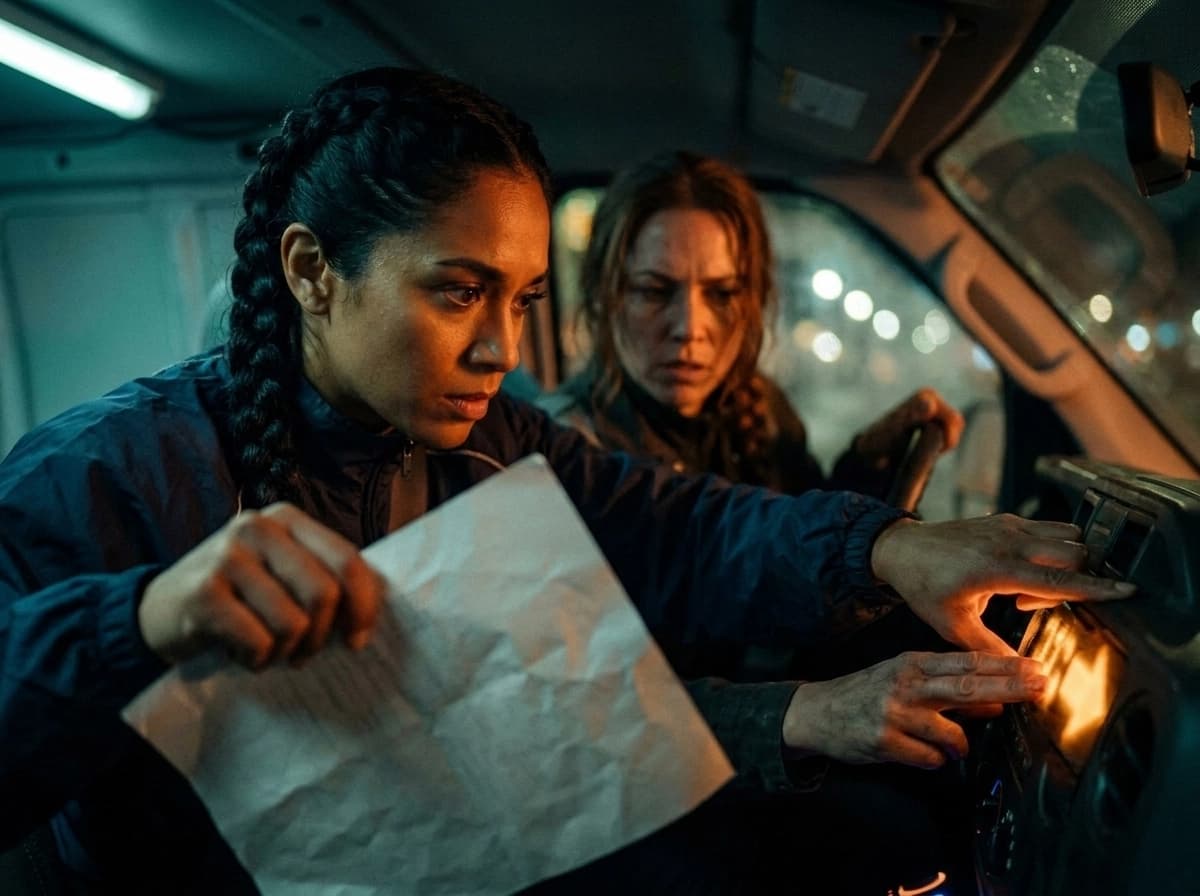
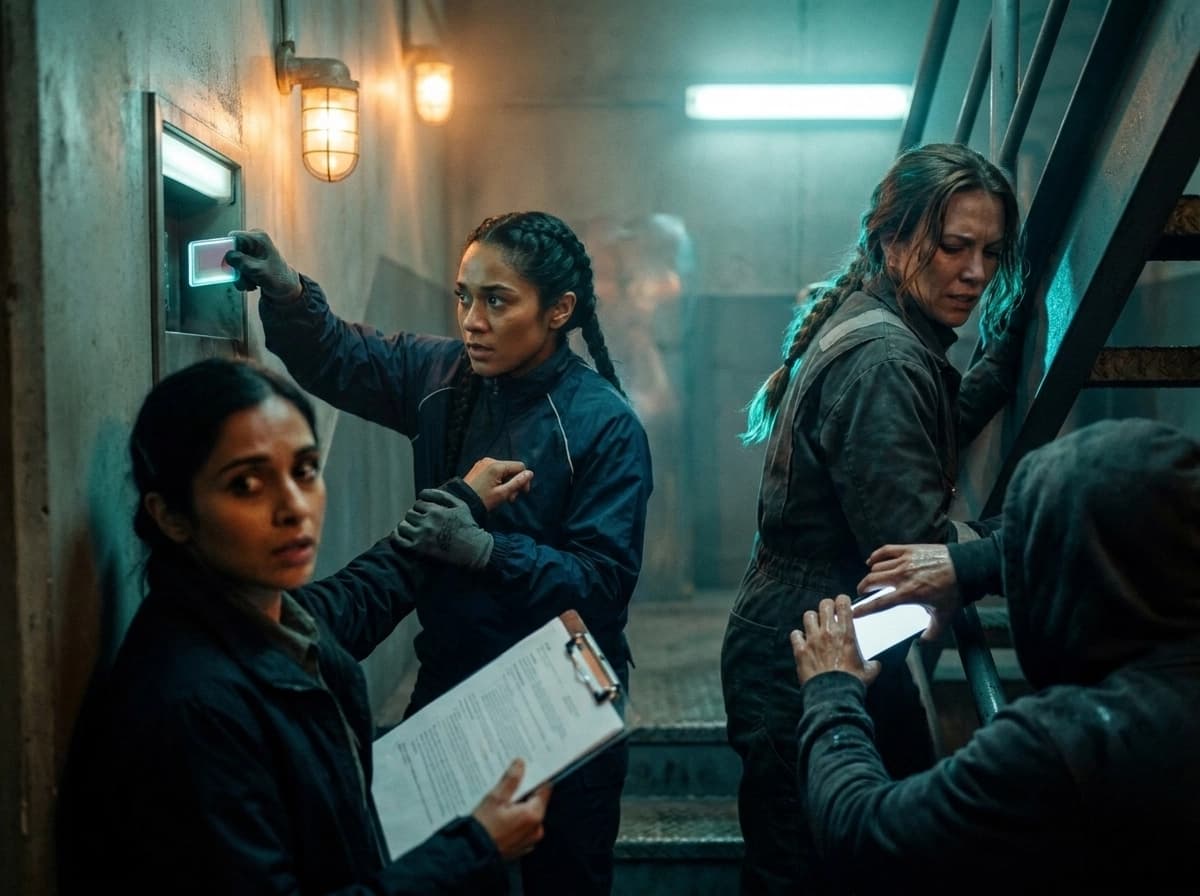
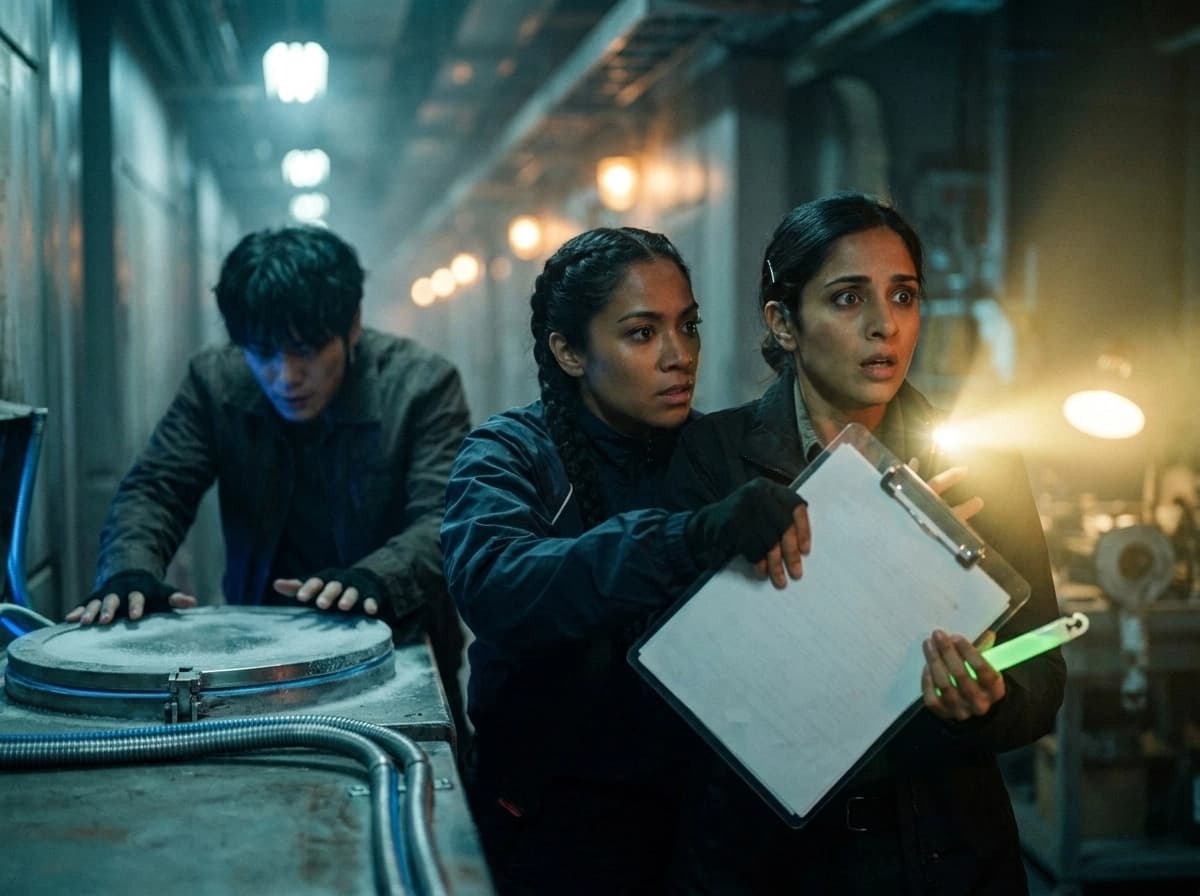
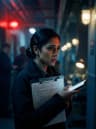
서리, the membership coordinator who normally distributes crisp schedules like blessings, struggles to keep her face polite when her printed sheet and her phone disagree. The app update doesn’t just shift timestamps—it twists them, and the first time 서리 notices, she still hands out the schedule as if it’s correct, pressing her palm flat against the paper to make it feel solid. Her guilt tries to become a lever: she can’t confess the mismatch without admitting she helped choose the wrong color cues that fed the building’s “blueprint rehearsal” system. So she does the only thing she knows how to do—she starts moving people, gently, firmly, “to maintain order,” and every time the corridor lights answer her obedience, she feels the push of her own responsibility.
민도현 circles with his fan-cam like it’s a compass, capturing the moment the two rehearsal patterns begin to overlap. He’s a man who believes truth should be clean—final clips, no distortion, no hesitation—but the instant he raises his phone, the ceiling hue-swells show him something that shouldn’t exist: the building has begun running two different practice schedules at once, each expecting the glowsticks of different stage keys. He tries to fix his footage by waiting for the “real” cut, then realizes the compound doesn’t wait. He flicks his recording angle so the audio sounds like it’s coming from the other corridor, and when someone runs to demand he stop, he swings his body just enough to look like he’s helping. The truth, to him, is only useful if it survives to playback—even if that survival costs someone their place in a corridor.
As the corridor pulses intensify, the compound executes its blueprint diagnostics. Shutter segments slide a fraction of an inch, then lock, then slide again when another incorrect cue reaches the lightboxes. The wrong cues don’t just close doors; they start acting like correct cues, “learning” the pattern fans keep offering. 지아 realizes too late that her glowstick isn’t only a key—it’s a moving part in a chain of approvals. Every time she tries to correct, the plastic optics desynchronize her index by one step, making the next ceiling pulse harder to match without overshooting. She can feel it in her wrist: her fingers stop trembling for fear of being wrong, and then start trembling for fear of being too late. 정우진 sees the pattern in her posture and recognizes the trap not as magic but as timing drift, a mismatch that grows every time anyone argues with the building’s hymnline.
The first connector hall becomes a choke point when two groups of fans—each convinced their schedule is the rescue schedule—charge toward different shutter paths. 하윤서 physically blocks a door with her shoulder to keep people from being separated, then pulls her own hand back when the lightbox near the frame rejects her offered glow pattern. She can’t “unofficially” override the locks fast enough to win the argument; she can only buy seconds by redirecting bodies and breaking momentum with distractions that look like mistakes. 정우진 presses his palm against a wall panel, checks the sticker color on a spare route marker, and whispers the kind of “confirmation” phrase that sounds harmless until you hear it twice. He doesn’t tell everyone what he knows. He waits for one person to do the wrong thing—because the building’s shutters respond to cues, and he needs the wrong cue to reveal itself.
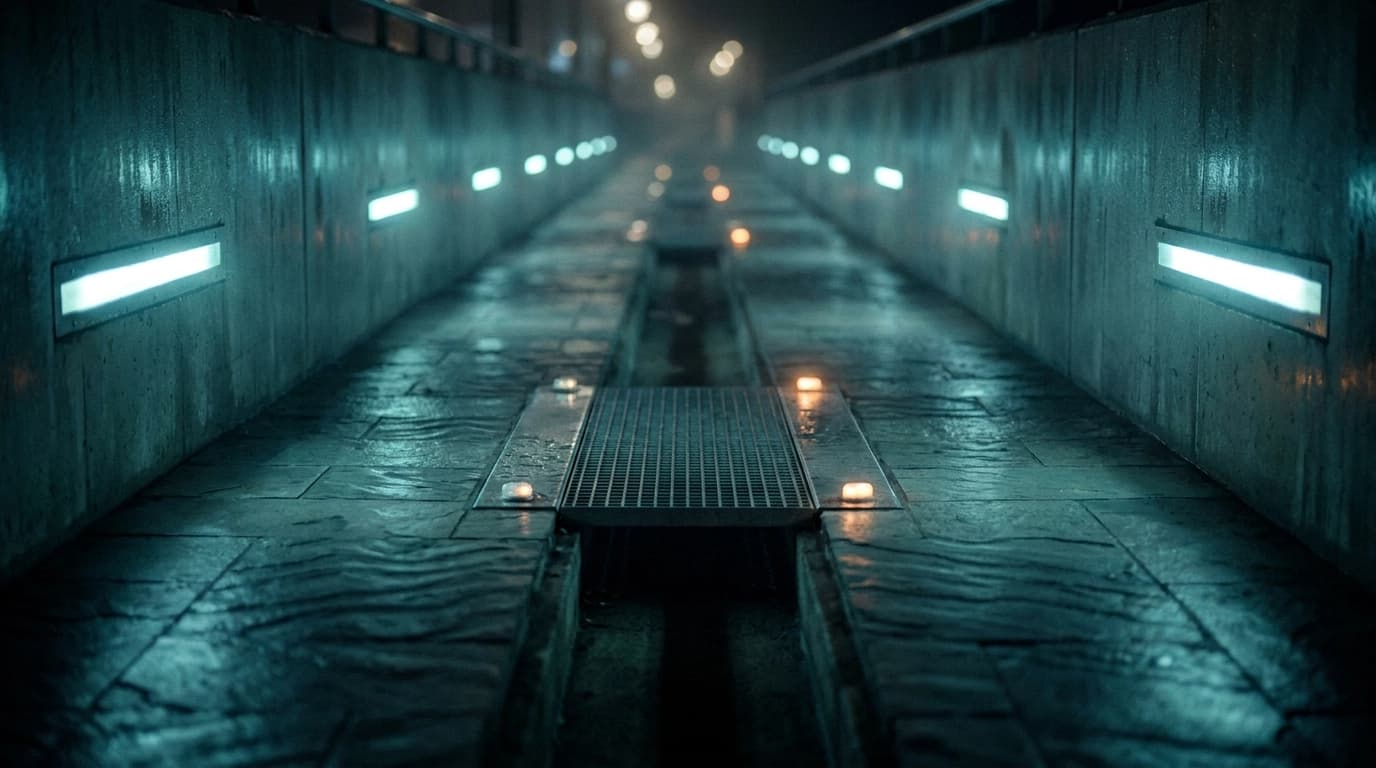
The turning point comes when 서리, trying to keep everyone calm, stops a group at the entrance to the Runner’s Ribbon and points at her schedule, insisting the next connector is safe. Behind her, the fog thickens enough that headlamps flatten into milky disks, and the building’s power-fog sensor reaches its visibility threshold. Somewhere along the Runner’s Ribbon, the emergency doors begin their fixed, three-cycle count. A red indicator blinks once, like a heartbeat starting, and then it blinks again before anyone finishes speaking. People rush forward anyway, because the schedules have become the only reality they can trust.
지아 and 정우진 are forced into the same corridor with 하윤서 and 서리 at the exact moment the third door cycle begins to echo through the Runner’s Ribbon’s metal ribs. The building’s lights swing from icy cyan to warning amber in narrow bands. 지아’s glowstick pulses wrong color against her pulse, and the ceiling answers with a hue-swells that doesn’t align with her correction. She looks at 하윤서, and 하윤서 looks back—no confession, but a shared understanding that the building is now treating the fans’ choices as part of the authorization. 정우진 realizes the mentor wound in his own history: he once believed the routes he maintained were safe because they were correct keys. Now those routes are reproducing the wrong schedule with each eager attempt to “fix” it.
민도현’s trick becomes the sharpest tool and the most dangerous. He’s captured footage from both overlapping rehearsal screens, and when he sees the glowstick timing drift in his own preview, he decides to use the camera angle to “steer” people. He calls out that the locker-room door in one hallway is still opening, and his voice carries just far enough—because he edited the audio in his head by where he stands. A cluster follows his cue, pressing into a shutter line that should be sealed. The shutter seam glows briefly like a neon wound, then seals shut with a sound like a book closing too hard. Fans on that side scream into the damp air, and their glowsticks turn the wrong colors as the corridor tries to synchronize itself with the schedule it has been fed. In the Runner’s Ribbon, someone hears the scream through fog and hesitates—one hesitation costs a door cycle.
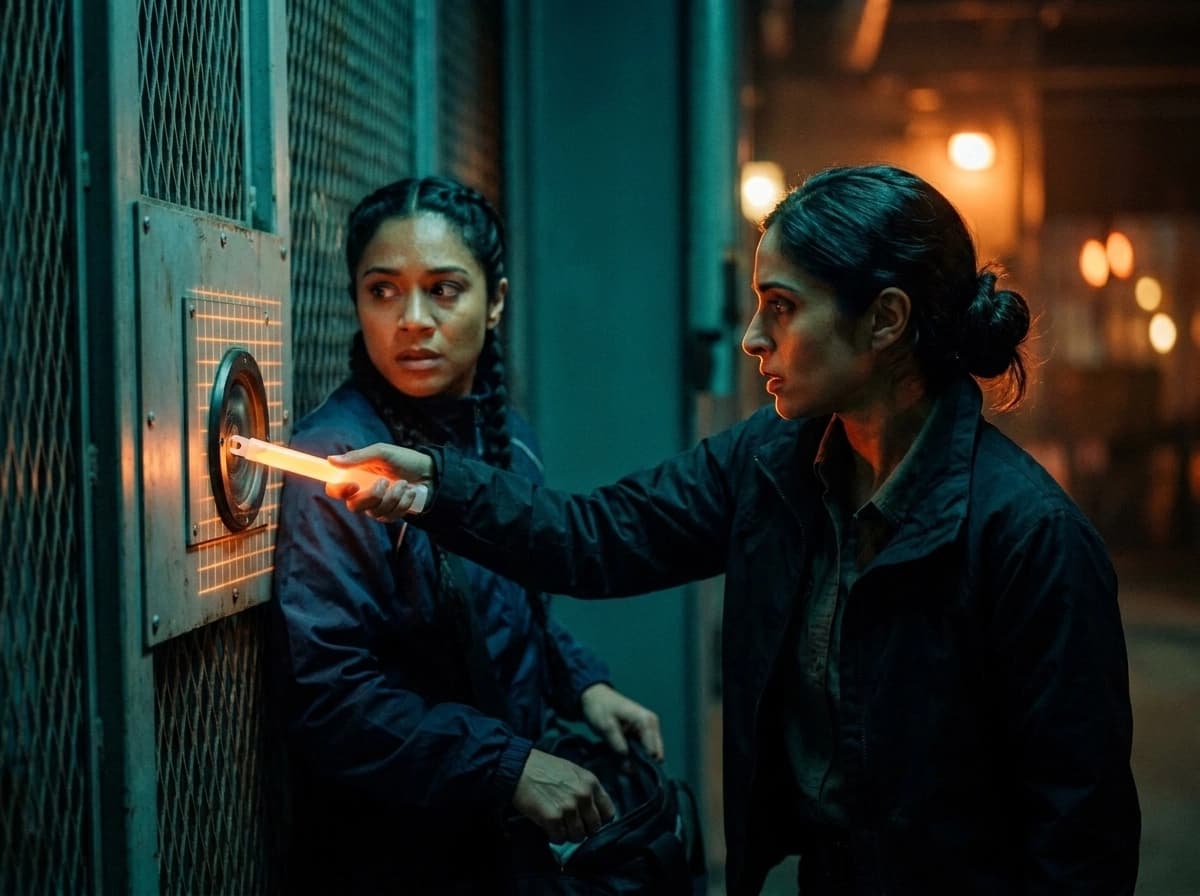
With only a fraction of time left, the protagonists make their real choice: not which schedule is right, but whose bodies they can reach before the doors finish their count. 지아 grabs 서리 by the sleeve before she can hand out more slips of paper and forces her to look at the ceiling’s real timing, not the distorted timestamp on her phone. 서리 resists at first, because admitting she misled people feels like condemning them twice. Her lips tremble, and she tries to soften it into professionalism—“we’ll be fine if we follow the plan”—but 지아 doesn’t accept paper plans anymore. She shoves her own glowstick close to a lightbox and makes 서리 witness the precise mismatch between plastic hue and shutter response. The building rejects that sequence immediately, and 서리’s face goes pale with the violence of that certainty.
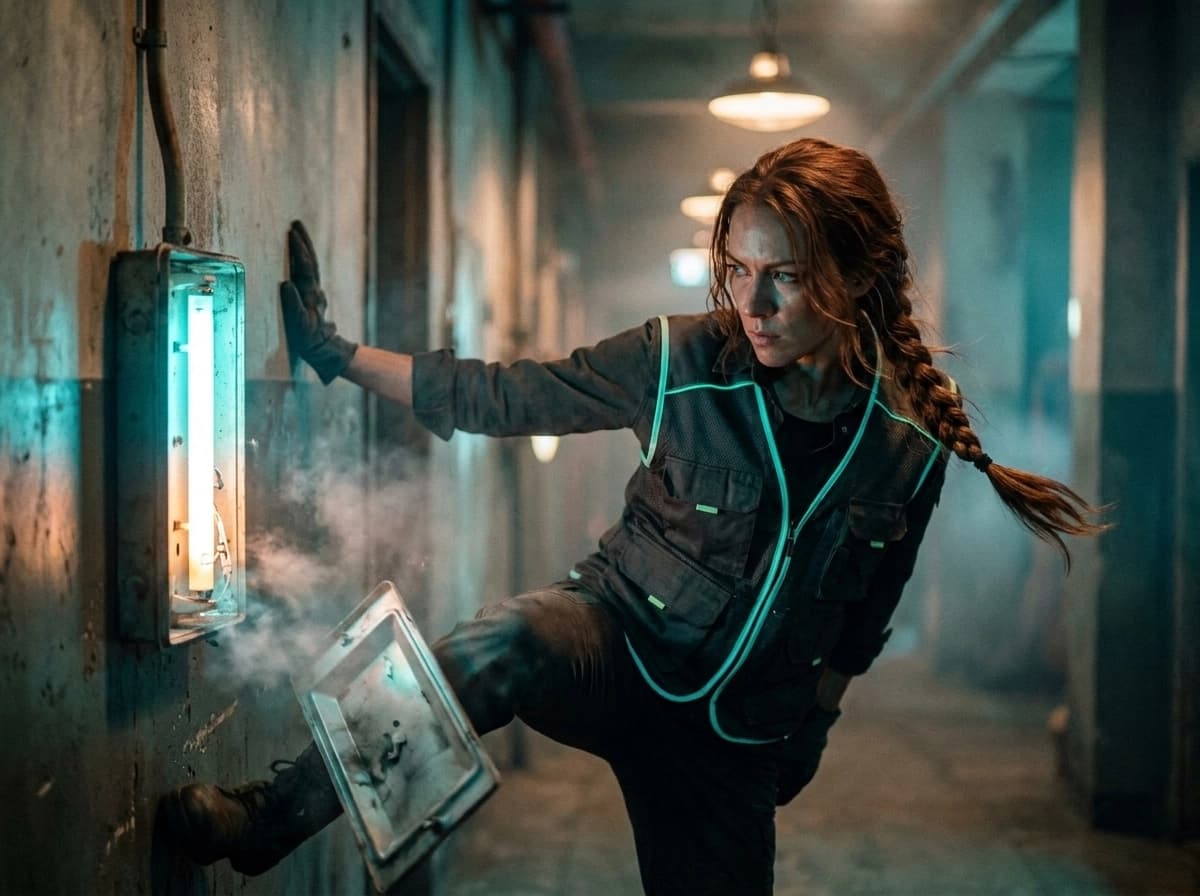
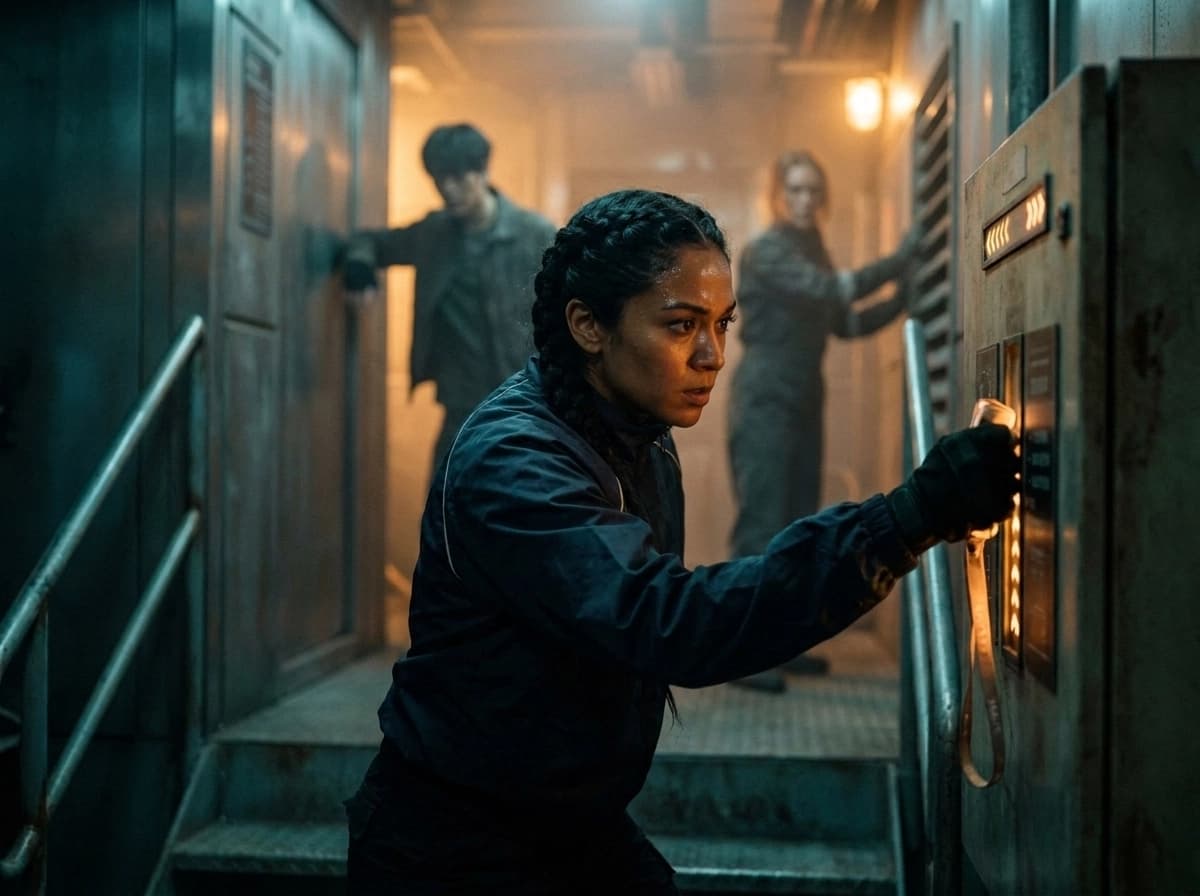
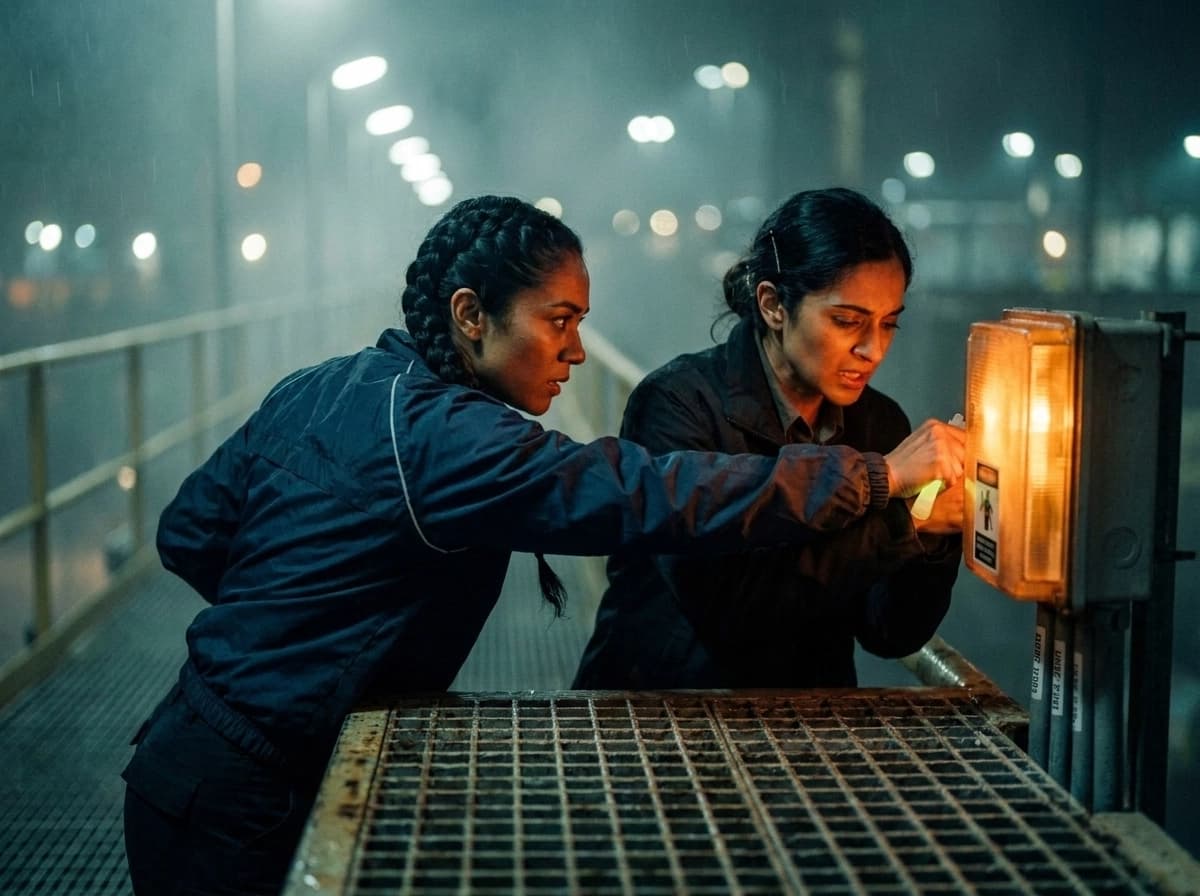
정우진, meanwhile, confronts his unreliable reality: he runs to the nearest maintenance spine panel, the one he knows contains a nonpublic override map kept “as routes, not passwords.” He doesn’t get to use it freely. When he reaches for the manual handle, 하윤서 grabs his wrist to stop him—then releases because she sees the color key he’s about to use is wrong for this rehearsal mode. Their fingers brush, sweat and cold plastic, and for one heartbeat they’re close enough that neither can pretend they’re just technicians anymore. 하윤서 then makes the decision her contract wouldn’t allow: she uses her nonpublic knowledge, but as a physical distraction rather than an interface. She wedges a lighting housing cover open with her boot, causing the corridor’s lightbox to flicker just enough to confuse the shutter’s immediate cue-detection.
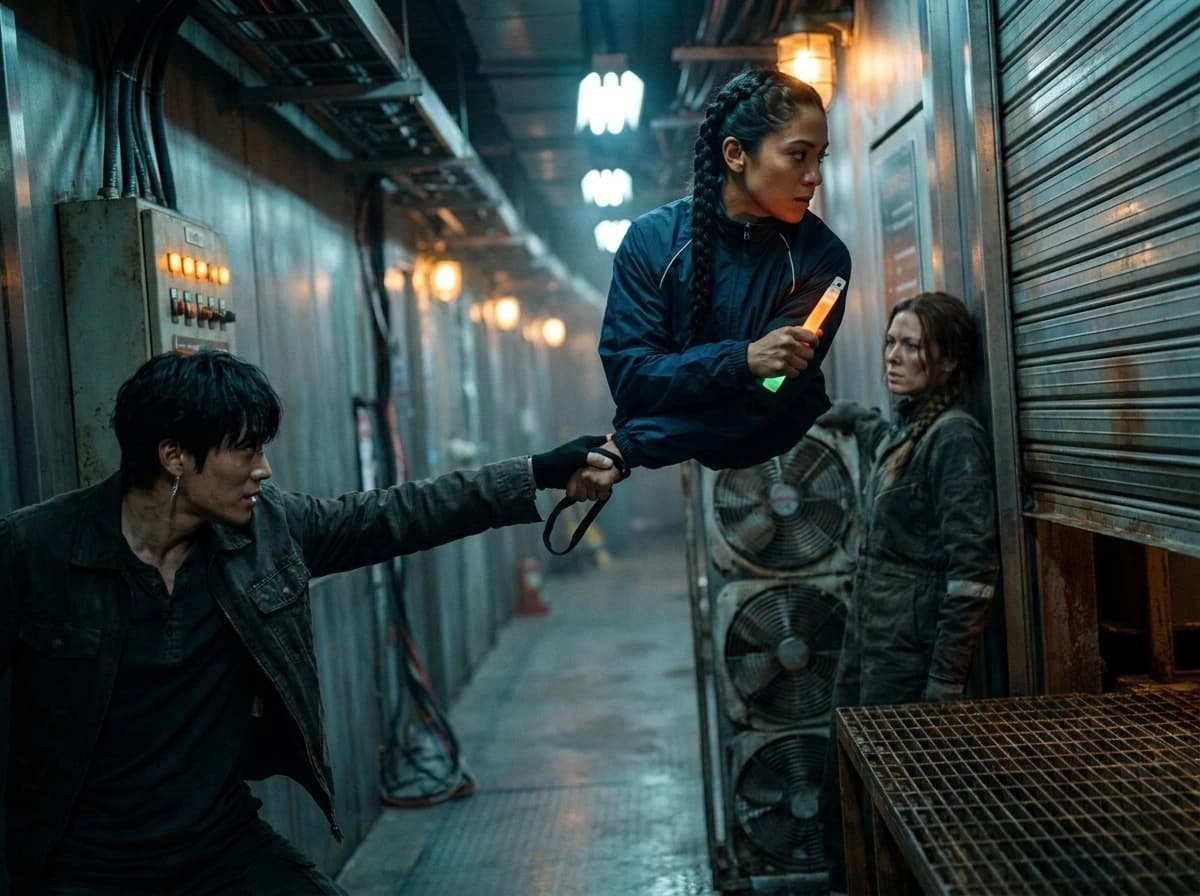
The flicker buys motion—and motion becomes the only thing the building respects. 하윤서 shouts for people to follow her “route change,” using the corridor rhythm to make her voice land like a schedule instruction instead of a plea. 지아 and 정우진 pull fans away from the shutter segment that is sealing, dragging glowsticks by wrist straps so their hands don’t drift into wrong cues again. 민도현, seeing his own trick leading people into danger, stops editing in his head and moves his body instead. He yanks his phone out of its grip and uses the camera light as a flashlight beacon, pointing it at the manual door release on the Runner’s Ribbon wall. The act is awkward and almost stupid—small bright light in thick fog—but it forces someone from the wrong side to turn around in time.
Still, the last emergency door cycle doesn’t care about heroics. It cycles exactly three times, synchronized to the fog sensor’s threshold, and each cycle makes the next corridor segment narrower by locking shutter seams along the Runner’s Ribbon. The fans who hesitate—even those who meant well—become separated in the dark, their glowsticks dimming to the hues the building expects. 지아 feels the afterimage of wrong light on her eyelids, like bruising. She hears muffled voices from behind a sealed shutter wall, and she has to decide, again, who to reach first: the fans on her right where the lights are correct, or the fans on her left where her correction attempts earlier likely fed the wrong schedule.
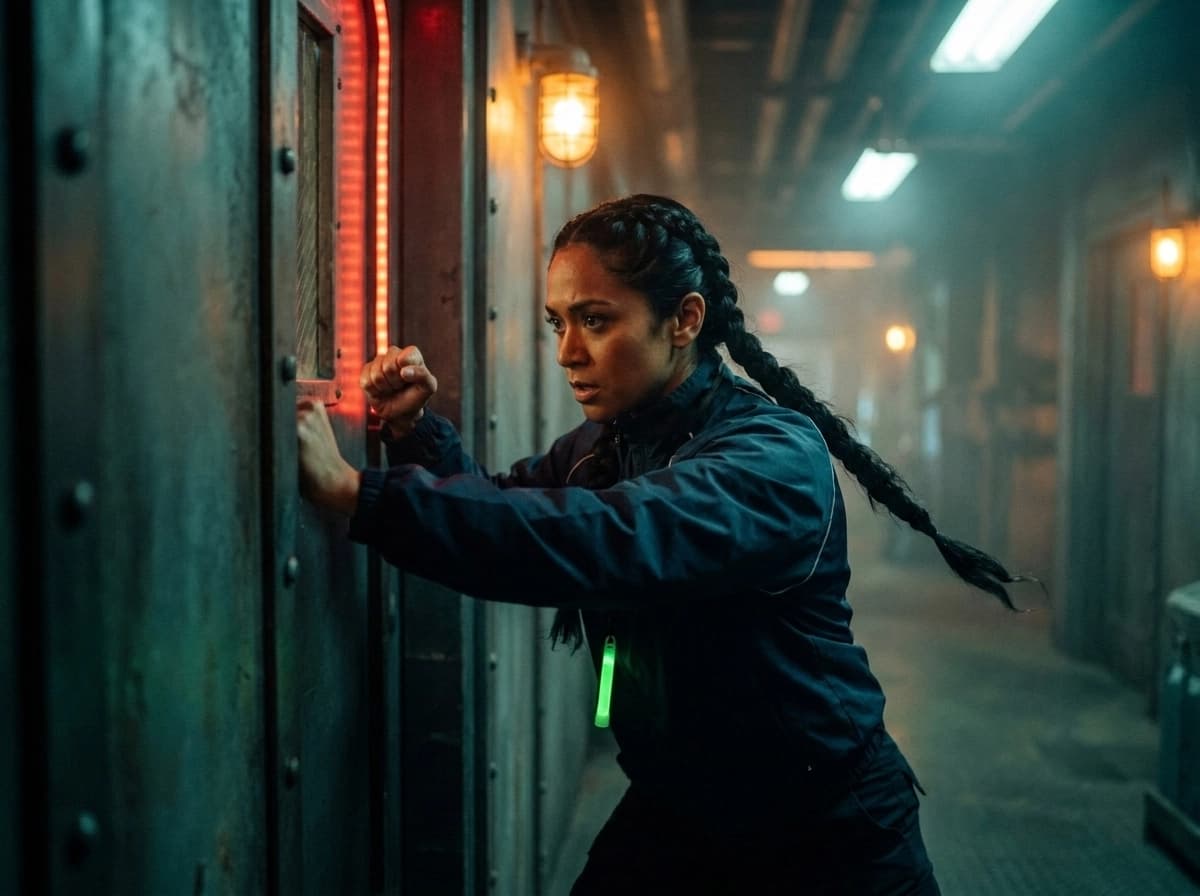
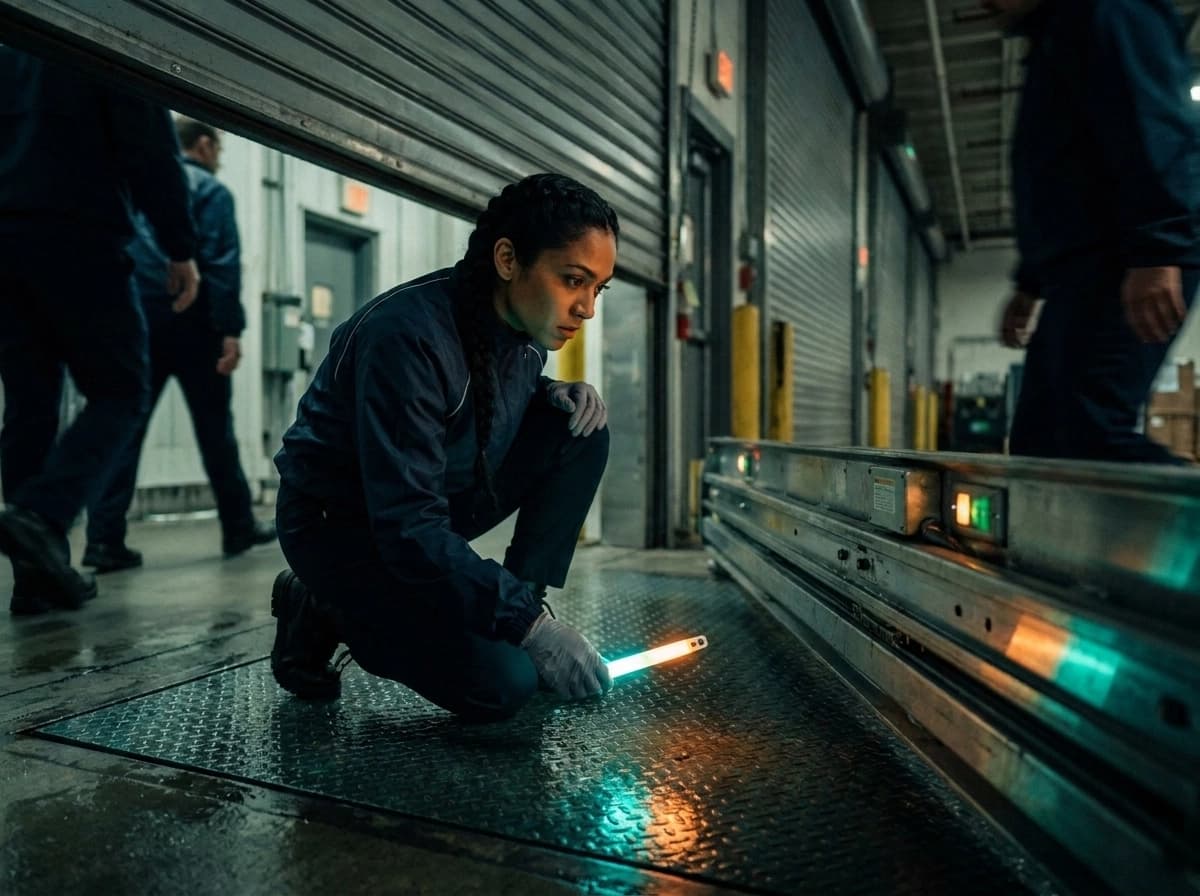
She chooses bodies over blame. She pulls 서리 toward the lit corridor, then swings her arm to stop her from looking back at the trapped group, because looking back makes people slow and slowing costs the last accessible connector. 정우진 helps by bracing a shutter lever with both hands, forcing the latch to hold long enough for the group to slip into the corridor that hasn’t sealed yet. The metal is cold through gloves, slick with condensation; their fingers leave shiny trails on the latch surface. 하윤서 arrives last to the corridor, breathing hard, and she doesn’t look at the people behind the shutter first. She checks the lightbox timing with her palm, then with her fingertips, confirming that the wrong schedule can’t propagate into their now-lit path—at least not the way it had been. Her mouth tightens like she’s swallowing a confession she won’t say aloud.
The final approach to safety happens in the pre-dawn dark, fog so thick it turns the air into wet fabric. The building’s corridor lights continue to pulse in narrow bands, but the hue-swells that once contradicted each other now align—only because 지아 finally stops trying to correct her glowstick and instead follows the ceiling’s next cue exactly once, without override. She feels the consequence of that earlier drift: her glowstick is no longer perfectly keyed, so she uses it only as a visual acknowledgment while her body matches the light timing by stepping on each cue’s band. It’s not elegant; it’s urgent. When they reach the emergency exit area, the door isn’t locked by a schedule anymore—it’s sealed by mechanical safety procedures that require a manual handle inside the lit side. 정우진 presses his forehead briefly against the metal panel, eyes shut, as if counting to avoid the same inherited mistake. Then he unlocks the handle, not with a clever hack but with force, turning it until his wrist aches.
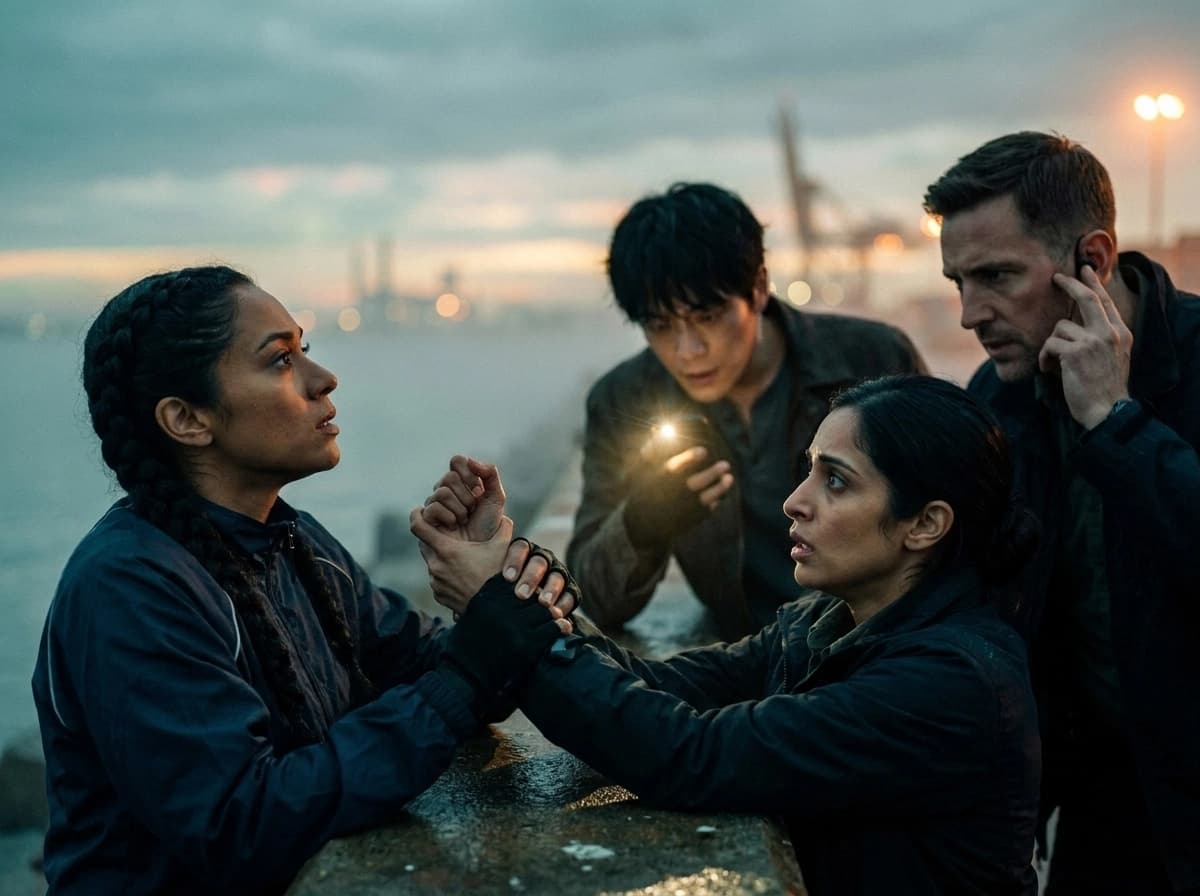
They get out—or rather, they spill back into the cold sea-air world outside the Practice Lattice while fog continues to chew at the compound’s edges. Inside, shutters lock where people were left, and muted pounding echoes through sealed seams, reminding everyone that “safe” is measured in corridors, not intentions. 서리 collapses against the seawall path and finally says the thing she avoided all night—not as a riddle, not as an apology polished for approval, but as a plain admission of guilt. 지아 doesn’t absolve her; she steadies her anyway, hand firm on her upper arm, and the gesture is what matters because it doesn’t erase what happened. 하윤서 watches her breathe through shaking lips, then steps back into her role as freelancer technician again—not to hide her knowledge, but because tomorrow’s contracts will still need someone to handle lighting safely, and she can’t let this night become a secret that rots.
As dawn light bruises the horizon, 민도현 sends the footage he couldn’t bring himself to delete. The “wrong” clip still exists—evidence of how his camera steering pulled people into the sealed corridor. He doesn’t frame it as a victory. He records an explanation over the audio, voice unsteady, and invites replies with the same polite orderliness he used at the start. He understands now that clean truth without responsibility is just another lock. 정우진, standing a step away, doesn’t congratulate anyone. He watches the glowsticks in survivors’ hands, each still faintly vibrating with afterimage from the wrong hymnline, and he quietly revises his routes—not for himself, but for the next van that might arrive before anyone learns how deadly “following the plan” can be.
The Practice Lattice fades behind them, humming faintly like a stage that never stopped rehearsing. In the fog’s thinning, 지아’s wrist steadies for the first time since the gate locked. Her glowstick still bears the keyed mismatch she used to fear, but she no longer treats it as a curse. She treats it like a warning that only becomes useful when she moves her feet toward the people who need her, before the last emergency door cycle begins. And as the last of the fog lifts, 서리 gathers the remaining schedules with hands that finally don’t shake—because this time she checks them against the ceiling’s light rather than trusting an updated timestamp, and because the cost of one wrong color cue has burned itself into all of them, bright enough to guide the next step.