본문으로 건너뛰기
The Kennedy Failsafe cover image

The Kennedy Failsafe

After their parents' sudden disappearance, six estranged siblings uncover a temporal bunker beneath the family's roadside diner, revealing a desperate mission left unfinished: a one-way trip to 1960 to prevent the JFK assassination. Armed with their parents' cryptic notes and facing a ticking clock in two different eras, they must navigate the treacherous political landscape of the past, battling shadowy forces determined to preserve the timeline, all while confronting the bitter resentments that tore their own family apart.

주간 랭킹

rank icon image
#10 Genre
rank icon image
#11 Genre
rank icon image
#13 Genre
스크롤

캐릭터

주인공

Elias Thorne

성별남성
직업History Professor (specializing in 20th Century American Politics)

프로필

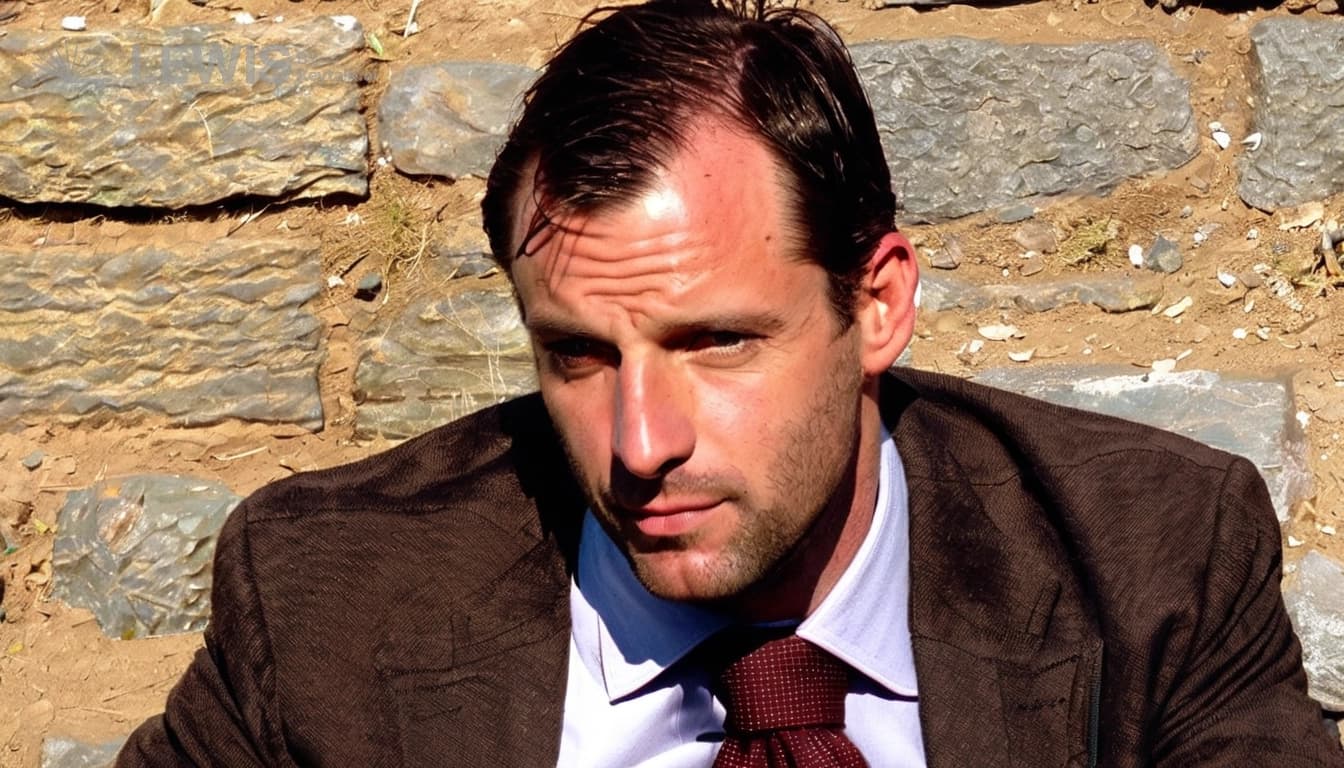
Elias Thorne, the eldest of the six Thorne siblings at thirty-eight, has spent his entire adult life meticulously curating a world as far removed from the greasy-spoon chaos of his family's roadside diner as possible. As a tenured history professor specializing in 20th-century American politics, he finds comfort in the intellectual certainty of peer-reviewed papers and the hushed reverence of university archives, a stark contrast to the loud, messy unpredictability of his family. Standing at an even six feet, Elias has a lean, almost ascetic build, the kind that comes from forgetting meals in favor of chasing down a historical footnote. His face is sharp and angular, dominated by a strong jaw and a nose that was broken once in a teenage brawl with his brother, leaving a slight, almost imperceptible crook. His dark brown hair is already threaded with distinguished silver at the temples, usually styled with a precision that borders on obsessive. He favors the academic's uniform: tweed blazers with worn leather elbow patches, crisp button-down shirts, and well-polished Oxfords, a sartorial armor against the world's untidiness. Elias’s defining feature is his eyes—a deep, penetrating grey that seem to analyze rather than simply see, constantly assessing and categorizing. He speaks in carefully constructed, articulate sentences, his voice a calm baritone that carries the weight of academic authority, though it can quickly take on a condescending edge when his patience is tested, which, around his siblings, is often. Haunted by the memory of their mother's quiet desperation and their father's booming, unfulfilled ambitions, Elias has always seen himself as the responsible one, the intellectual anchor in a sea of emotional impulsivity. His core motivation is a desperate need for control and order, a belief that if he can just understand the past perfectly, he can protect himself from the painful uncertainties of the present, a conviction that is about to be tested in the most profound way imaginable.
적대자

Julian Rook

성별남성
직업CIA Section Chief (Domestic Counterintelligence)

프로필

Julian Rook is the kind of man who looks like he was carved from the same cold, unforgiving marble as the government buildings he haunts. At forty-six, the CIA Section Chief for Domestic Counterintelligence has cultivated an aura of quiet, unassailable authority that precedes him into any room. Standing a solid six-foot-one, he has the dense, compact build of a former college wrestler who never let himself go, a physique he maintains with a discipline that borders on the monastic. His salt-and-pepper hair is cut short, severe, and ruthlessly neat, mirroring the stark lines of his face—a strong jaw, a nose that was broken once and set with military precision, and thin lips that rarely curve into a genuine smile. His eyes, a pale, washed-out blue, are his most unsettling feature; they seem to register everything and reveal nothing, a perfect reflection of his life’s work. He dresses in bespoke but unassuming charcoal and navy suits, the kind that cost a fortune but are designed to be forgotten, a uniform for the man who orchestrates history from the shadows. Born into the East Coast establishment, the son of a diplomat, Julian was groomed for a life of service to a very specific, ruthless vision of American exceptionalism. He sees the world not in terms of right and wrong, but as a complex system of assets, threats, and acceptable losses. His defining belief, forged in the crucible of Cold War paranoia and post-9/11 expediency, is that the timeline—the established, recorded history of the United States—is not merely a record, but a sacred text to be defended at any cost. To him, altering the past isn't a moral question; it's an existential threat to the very foundation of the nation he has sworn to protect, a catastrophic unraveling he is uniquely positioned and willing to prevent, no matter who he has to erase to do it. He speaks in a calm, measured cadence, a low baritone that never needs to be raised, each word chosen with the precision of a surgeon making an incision, leaving his subordinates with no doubt about his intentions or the consequences of failure. His only indulgence is a vintage Patek Philippe watch, a gift from his father, which he compulsively checks not for the time, but as a grounding tic—a reminder that for him, every second is a battleground.
조연

Siobhan "Shiv" Thorne

성별여성
직업Emergency Room Nurse

프로필

Siobhan “Shiv” Thorne, at twenty-nine, moves through the world with the controlled urgency of an emergency room nurse accustomed to navigating chaos. She’s the second youngest of the Thorne siblings, a position that has perpetually left her feeling like she’s either cleaning up someone else’s mess or trying to prevent one from happening. Her pragmatic, often cynical worldview is a direct counterbalance to her older brother Elias’s academic idealism; where he sees historical patterns and grand theories, she sees blood, bone, and the immediate, visceral consequences of action and inaction. Standing at a practical five-foot-five, Shiv has a compact, athletic build honed by long shifts on her feet and a nervous energy she burns off with late-night runs. Her face, framed by a perpetually messy bun of dark auburn hair that she’s constantly re-securing with a pen, is sharp and intelligent, with watchful green eyes that miss nothing and a mouth that defaults to a thin, unimpressed line. A faint, silvery scar cuts through her left eyebrow, a memento from a childhood misadventure with Elias that she never lets him forget. Her style is purely functional—scrubs or, on her rare days off, worn-in jeans, soft band t-shirts, and a beat-up leather jacket that was once their mother’s. Shiv speaks in clipped, direct sentences, a byproduct of years spent delivering critical information under pressure, and she possesses a gallows humor that can be jarring to those unaccustomed to it. While she projects an aura of tough self-sufficiency, beneath it lies a fierce, almost suffocating loyalty to the fractured idea of her family and a deep-seated fear of failure that fuels her meticulous, almost obsessive need for control. Her medical knowledge is her armor and her weapon, a tangible skill set in a family of dreamers and academics, and she approaches every problem—from a compound fracture to a temporal paradox—like a diagnosis, methodically assessing symptoms, ruling out possibilities, and executing a plan with cold, clinical precision.

줄거리

The sudden, silent disappearance of Eleanor and Richard Thorne leaves their six estranged children with nothing but the lingering smell of stale coffee and burnt toast in the family's failing roadside diner. Elias, the eldest and a stuffy history professor, arrives first, his condescending disapproval a familiar armor against the messy reality of his roots. He's soon followed by the others: the pragmatic ER nurse Siobhan "Shiv"; the hot-headed mechanic twins, Leo and Marco; the free-spirited artist, Chloe; and the youngest, a tech-savvy college dropout named Finn. The reunion is a tense symphony of old resentments and bitter accusations, primarily aimed at Elias for his long absence. It's Finn, while trying to fix the diner's ancient, flickering fuse box in the basement, who discovers the truth. Behind a false wall of cinder blocks lies not a root cellar, but a gleaming, chrome-and-steel bunker humming with a strange energy—a temporal displacement unit. Scattered across a central console are their parents' frantic, handwritten notes, detailing a desperate, lifelong obsession: a plan to travel to 1960 and prevent the JFK assassination, a single event they believed was the "original sin" that fractured the American century and, somehow, their own family's future. The final, chilling entry reveals they’ve already gone, leaving a one-way return portal timed to their exact departure point, a countdown clock showing they have only three weeks before the portal collapses forever, stranding them in the past.

The siblings' shock quickly curdles into a familiar pattern of dysfunction. Elias, horrified by the historical sacrilege and the sheer insanity of it all, argues for dismantling the machine and alerting the authorities, viewing his parents' mission as the ultimate act of hubris. Shiv, ever the pragmatist, sees only a rescue mission; their parents are lost, and her medical expertise will be essential. Leo and Marco, fueled by a reckless sense of adventure and a deep-seated anger at their father for abandoning them, are eager to jump in headfirst, viewing it as the ultimate joyride. The decision is made for them when Finn, deciphering the machine's logs, discovers a secondary protocol—a "failsafe" their parents initiated. The machine is rigged to overload and detonate if the return portal isn't activated from the 1960 side within the three-week window, an explosion powerful enough to wipe the diner and a five-mile radius off the map. Trapped by their parents' desperate gamble, the six siblings, armed with a box of period-appropriate clothes, a briefcase of cash, and their parents' cryptic research on Lee Harvey Oswald and key political figures, have no choice. With Elias reluctantly leading, they step through the shimmering portal, emerging into the crisp autumn air of 1960 Dallas, their family's chaos now a national security threat.

Their arrival in the past is immediately complicated. They secure a modest apartment, but their 21st-century sensibilities and speech patterns make them conspicuous, drawing unwanted attention. Elias, using his academic knowledge, attempts to orchestrate a subtle intervention, focusing on their parents' notes about a shadowy cabal of anti-Castro hardliners and mob figures. Meanwhile, Shiv, using a fake nursing license, gets a job at Parkland Hospital, hoping to gain intel or be in a position to help if things go wrong. The real danger, however, isn't from the past but from their own time. In the present, the temporal energy spike from their departure did not go unnoticed. It triggers an alert at a black-site facility run by Julian Rook, the ruthless Section Chief of a clandestine CIA unit dedicated to timeline security. Rook, a man who views history as a sacred, immutable text, immediately identifies the Thorne family as an existential threat. Using advanced quantum-entanglement tracking, he pinpoints their destination and initiates "The Erasure Protocol." He dispatches a team of elite, chronologically-shielded agents—operatives who can move through time without causing paradoxes—with a single, chilling directive: eliminate the Thornes and their parents, and ensure history unfolds exactly as it was recorded, at any cost.

The siblings’ mission splinters under the pressure. Elias’s attempts to subtly influence events are clumsy and ineffective, leading to a tense encounter with a young, ambitious Jack Ruby that nearly gets Marco killed. The first of Rook's agents arrives, a cold, efficient killer who ambushes Leo, nearly succeeding before Shiv intervenes, using her medical knowledge to incapacitate him with a makeshift sedative. The attack shatters their naivete; they are not just fighting history, they are being actively hunted. This forces a change in strategy. Elias, swallowing his pride, finally admits his academic theories are useless and begins to truly listen to Shiv's practical, life-or-death assessments. They realize their parents’ notes aren't just about Oswald; they point to a secondary shooter, a rogue CIA asset their parents were trying to identify. The siblings split up, following different leads, their individual skills finally becoming assets rather than sources of conflict. They also find their parents, not as the heroic figures they imagined, but as broken, paranoid people living in squalor, their initial optimism eroded by three years of failure and the constant threat of being discovered. Richard and Eleanor reveal the terrible truth: their mission was never just about JFK. Their own family was ruined by the fallout of a secret their grandfather, a low-level government official, uncovered about the plot, a secret that led to his "accidental" death and their family's subsequent decline, a cycle of misfortune the Thornes believed they could break by saving the President.

The final days before November 22, 1963, become a desperate, three-way race in the streets of Dallas. The Thorne siblings, now reunited with their disillusioned parents, work to identify and stop the second shooter. Rook's agents, led by the man himself who has now traveled back for a hands-on approach, close in, using their knowledge of the future to set lethal traps. And the historical conspirators, oblivious to the temporal war erupting around them, move to finalize their own deadly plans. The climax unfolds in and around Dealey Plaza. Elias, using a combination of his historical knowledge and a newfound willingness to improvise, creates a diversion that draws away one of Rook's teams. Shiv, positioned near the grassy knoll, identifies the second shooter—not a known conspirator, but one of Rook’s own agents, sent back to ensure the "correct" number of shots were fired from the "correct" locations to perfectly preserve the historical record. The true conspiracy, they realize, wasn't just to kill Kennedy, but to ensure he died in the exact manner history remembers, a plot orchestrated from the future by Rook's organization to maintain timeline integrity.

In the final, chaotic moments as the presidential motorcade approaches, a brutal choice must be made. Stopping the assassination is impossible without causing a paradox that Rook's team will "correct" by slaughtering them all. Their parents, seeing the futility and the danger they've put their children in, make the ultimate sacrifice, creating a public disturbance that draws the attention of both the historical plotters and Rook's agents, effectively painting themselves as the primary threat. In the ensuing chaos, they are killed, their deaths dismissed as two more casualties in a day of tragedy. As gunshots ring out over the plaza, Elias realizes the only way to win is to save his family. He shoves his siblings toward the extraction point—a new portal Finn has managed to jury-rig using their parents’ scavenged tech. Julian Rook corners Elias, his face a mask of cold fury, ready to "erase" the final loose end. But Shiv, doubling back, injects Rook with a massive dose of a fast-acting paralytic, knowing his own agency's protocol: compromised agents are to be abandoned. As his team retreats and the portal begins to collapse, Elias and Shiv leap through, leaving Rook trapped, a living ghost in 1963. The five surviving siblings tumble back into the diner's basement, the portal vanishing behind them, the countdown clock at zero. They are exhausted, grieving, and forever changed, the diner no longer a symbol of their fractured past but a monument to the family they chose to become. The world outside is unchanged, JFK is still dead, but the Thorne family, finally united in their shared trauma and sacrifice, is free from the ghosts of their history, left to build a new future on their own terms.

장면

1
scene 1 image
[Title]
The Diner’s Last Breakfast: Six Thornes and a Table of Ghosts

[Place]
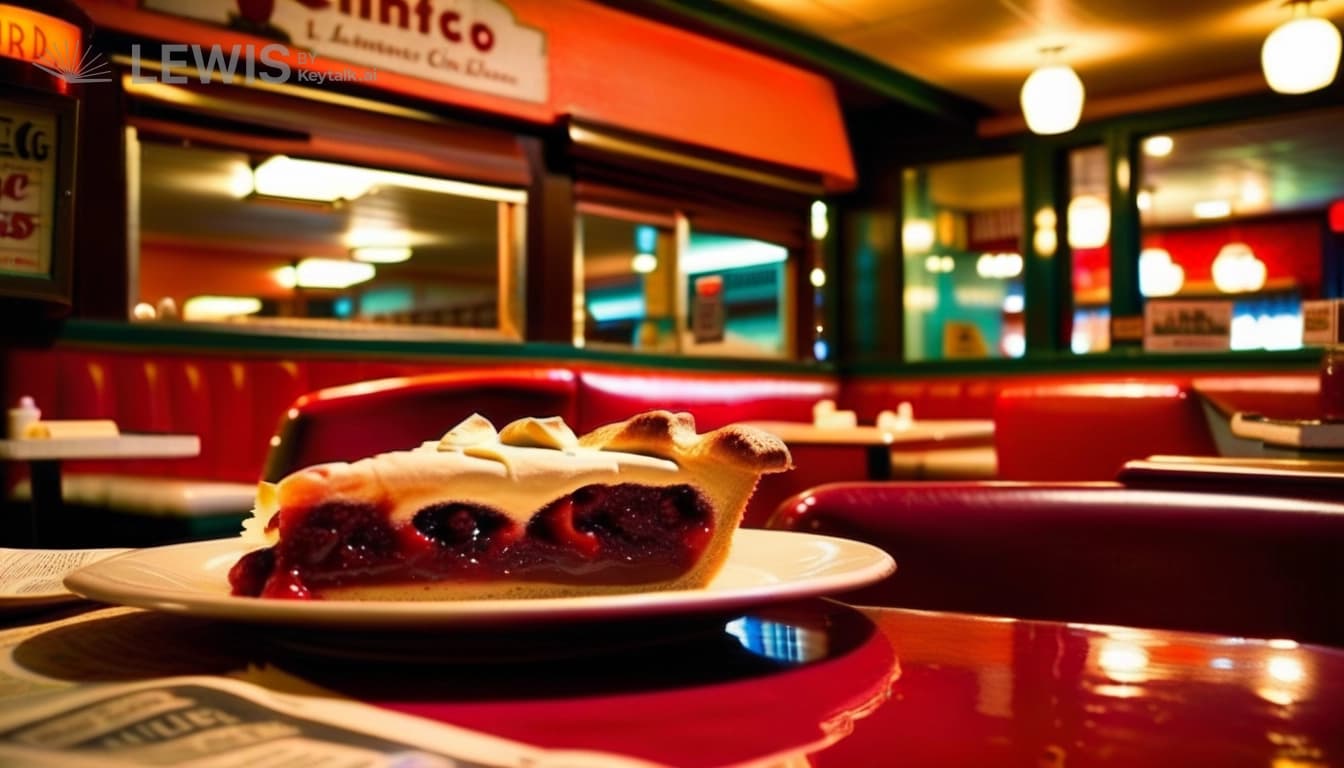
Thorne’s Roadside Diner—an aging, threadbare establishment off a forgotten stretch of highway.

[Time]
Early morning, present day—shortly after Eleanor and Richard Thorne’s unexplained disappearance.

[Action]
The scene opens with Elias arriving alone, his crisp dress shirt and rigid posture starkly out of place amidst the diner's greasy griddle smells and cracked vinyl booths. He surveys the emptiness with thinly veiled disgust, lingering on the half-drunk mugs and the burned remains of breakfast—small, haunting traces of their parents’ sudden absence. The bell above the door chimes, and one by one, the rest of the siblings trickle in: Shiv, all weary competence and tightly coiled patience; Leo and Marco, their entrance announced by a loud argument about the truck’s engine; Chloe, trailing art supplies and a palpable sense of unease; and Finn, clutching a battered laptop and avoiding eye contact.

Old resentments flare almost immediately. The siblings circle each other in the cramped space, their interactions laced with sarcasm, barbed jokes, and the kind of pointed silence only family can wield. Accusations fly—especially at Elias for his long absence and perceived abandonment—while blame for the diner’s failure and their parents’ state is passed around in a bitter loop. The tension is thick, but undercut by the unspoken fear that something truly terrible has happened. Each sibling processes the loss in their own way: Shiv tries to impose order by searching for clues; Leo and Marco distract themselves by tinkering with the coffee machine; Chloe sketches the scene as if drawing will make sense of the chaos; Finn, desperate to be useful, volunteers to check the ancient fuse box when the lights flicker.

Throughout, the scene is haunted by the ghostly presence of their parents—through photos, old notes, and the familiar rituals of breakfast now broken. The air is heavy with the past: childhood memories clash with adult grievances, and the diner becomes a crucible, forcing each sibling to confront both the family they've lost and the roles they've been cast in. The scene ends with Finn disappearing into the basement, the others continuing their argument above, oblivious to the secret he’s about to uncover.

[Impact on the story]
This scene reestablishes the fractured dynamic of the Thorne siblings, laying bare old wounds and unresolved tensions. It grounds the narrative in emotional reality, ensuring every character’s motivation and pain are visible before the sci-fi twist erupts. Their bitterness and fear set the tone for the high-stakes choices ahead, making it clear that the family’s dysfunction is both obstacle and fuel for the journey to come.

[Description]
The Thorne siblings reunite in their parents’ deserted diner, their grief and anger simmering beneath the surface as they scramble for answers. Old grievances resurface, alliances shift, and the family’s emotional fractures are exposed—setting the stage for the extraordinary revelation lurking just beneath their feet.
2
scene 2 image
[Title]
Finn’s Flickering Fuse: Secrets Beneath the Basement

[Place]
Thorne’s Roadside Diner—basement, fuse box, and the hidden bunker behind the false wall

[Time]
Late morning, immediately after the siblings’ tense breakfast reunion

[Action]
Finn descends into the diner’s dim, cluttered basement, driven by a mix of anxiety, guilt, and a need to prove himself useful to his siblings. He fumbles with the ancient fuse box, uncovering flickers of unstable electricity and odd humming sounds that suggest something more than faulty wiring. As he investigates, Finn’s curiosity turns into obsession—he notices strange scorch marks, a patch of cinder blocks that doesn’t match the rest of the wall, and a faint metallic vibration beneath his fingertips. Driven by intuition and his knack for technology, Finn pries open the false wall, revealing the bunker: a sleek, otherworldly chamber pulsing with cold blue light.

Inside, Finn discovers the temporal displacement unit—a machine far beyond anything he’s seen, surrounded by frantic, handwritten notes from their parents. The notes detail a timeline, calculations, and cryptic references to JFK, Oswald, and a “failsafe.” As Finn processes the enormity of what he’s found, his siblings’ voices echo from above, still locked in their bitter debate. He’s torn between racing upstairs to share the revelation and trying to decode the logs himself, desperate to understand his parents’ motive and the looming threat. The emotional tension rises as Finn realizes the bunker is not just a secret—it’s a ticking time bomb, with a countdown clock tied to the portal’s stability.

The scene culminates when Finn calls the siblings down, forcing them to confront the bunker and its implications together. Their shock is immediate and visceral: Elias is horrified, Shiv jumps into practical assessment, Leo and Marco are enthralled by the sci-fi spectacle, Chloe is overwhelmed, and Finn is both vindicated and terrified by his discovery. The family must now shift from emotional chaos to collective action, with the bunker’s deadly countdown forcing them to make decisions that will define their future and survival.

[Impact on the story]
This scene is the turning point where the family’s dysfunction collides with an existential threat. Finn’s discovery forces the siblings out of their emotional loops and into a new crisis, setting up the sci-fi stakes and making their parents’ absence a matter of life and death. The bunker’s existence binds them together in a shared secret and propels the plot forward, transforming their grief into urgent purpose.

[Description]
Finn’s investigation of the basement fuse box leads to the shocking discovery of a hidden temporal bunker and their parents’ desperate plan. The siblings are forced to confront the reality of time travel, a deadly countdown, and the necessity to act together—shifting the story from family drama to high-stakes thriller.
3
scene 3 image
[Title]
Arrival in Autumn: Outsiders in 1960 Dallas

[Place]
Dallas, Texas—alley behind the portal’s exit point, bustling city streets, a cramped, modest apartment, and scattered locations as the siblings attempt to blend in

[Time]
Early afternoon, moments after the siblings step through the portal from the diner’s basement

[Action]
The siblings emerge from the portal into a chilly, sunlit Dallas alley, the world instantly sharper and unfamiliar—old cars, pressed suits, and the scent of gasoline and tobacco saturating the air. They’re disoriented, their hands clutching the box of period clothes, cash, and their parents’ notes as reality crashes in: they’re truly in 1960. Immediate tension erupts over who should take charge—Elias insists on caution, Shiv pushes for swift action, while Leo and Marco can barely contain their excitement, drawing stares with their loud whispers and modern slang. Chloe is awash with sensory overload, sketchbook clutched like a lifeline, and Finn alternates between awe and panic at the tech he left behind.

Forced to move quickly, they duck into a nearby diner, awkwardly mimicking the locals while Elias and Shiv scan for risks. The group struggles through their first culture shock—outdated menus, suspicious glances, and the stark social norms of the era. Elias attempts to coach them on period-appropriate speech and behavior, leading to frustration and laughter that quickly sours into bickering. Shiv, relying on her forged documents, leaves to secure work at Parkland Hospital, recognizing the need for inside information. Leo and Marco, restless, scope out the streets for vehicles and possible contacts, while Chloe and Finn handle logistics—locating a cheap apartment, managing their cash, and deciphering their parents’ cryptic notes.

The siblings regroup in their new, claustrophobic apartment. The emotional strain of their situation surfaces—fear of being caught, anxiety about their parents’ fate, and the suffocating weight of pretending to be people they’re not. The first signs of paranoia appear: a neighbor’s curious gaze, a newspaper headline, the distant echo of police sirens. Finn obsesses over the return portal’s time limit, Chloe tries to keep the peace, and Elias, reluctantly in command, feels the burden of every misstep. Their unity fractures under the stress, each sibling lashing out in old, familiar ways just as they need to come together. The scene ends with the siblings realizing that the past is not only a puzzle but a trap, and their family dysfunction could be their undoing if they don’t adapt—fast.

[Impact on the story]
This scene transforms theoretical danger into immediate, lived reality, heightening the stakes and forcing the siblings to confront their vulnerability as outsiders in a hostile era. The emotional distance between them is both a liability and a source of raw, authentic tension. Their attempts to adapt and blend in highlight their individual weaknesses and strengths, setting up both future conflict and the necessity for growth. The scene also seeds the first hints of surveillance and the threat from Rook’s agency, though the siblings remain unaware, ramping up suspense.

[Description]
The Thorne siblings arrive in 1960 Dallas, struggling to blend in and secure the essentials for survival while their fractured dynamic threatens to unravel them. The past becomes a minefield of culture shock, suspicion, and emotional strain, solidifying their predicament and setting the stage for the battles—internal and external—to come.
4
scene 4 image
[Title]
Jack Ruby’s Shadow: Conspiracies, Close Calls, and Colliding Pasts

[Place]
Dallas—grimy back rooms of a nightclub, the siblings’ apartment, Parkland Hospital, and shadowy city streets near Dealey Plaza

[Time]
Evening, several days after the siblings arrive in 1960

[Action]
The siblings, pressured by mounting paranoia and the ticking portal countdown, begin actively investigating their parents’ notes. Elias, driven by a mix of academic pride and guilt, insists on following clues about local power brokers and mob ties, drawing Marco and Leo with him into Dallas’s underbelly. Their search leads them to a smoky nightclub owned by Jack Ruby, whose charisma and volatility quickly pull Marco into a dangerous confrontation—he’s mistaken for a rival’s spy, and only Elias’s quick thinking prevents disaster. The encounter leaves the group shaken, their cover nearly blown, and fractures the brothers further as Leo blames Elias for the near-fatal mistake.

Meanwhile, Shiv juggles her nursing job at Parkland, using her proximity to political figures and law enforcement to gather intel, but finds herself under subtle scrutiny by hospital staff and a mysterious visitor asking probing questions. Chloe and Finn, tasked with research, uncover coded references in their parents’ notes that hint at a CIA connection to a second shooter, but their efforts are hampered by Finn’s anxiety and Chloe’s struggle to keep the siblings focused amid rising tempers.

The siblings regroup in their apartment, exhausted and volatile. Arguments erupt—Elias is forced to admit his academic theories aren’t enough; Shiv pushes for practical solutions; Leo and Marco want direct action; Chloe tries to mediate; Finn warns them about the portal’s failing stability. Their emotional wounds—resentment, fear, unresolved grief—surface as they confront the reality of being hunted. Suddenly, Leo is ambushed in the street by a cold, clinical stranger—one of Rook’s agents. Shiv, drawn by the commotion, uses her medical knowledge to incapacitate the agent with improvised sedatives. The attack is a wake-up call: the siblings are not just meddling with history, they are targets in a lethal game.

Shaken, they realize their parents’ notes point to a second shooter, a rogue CIA asset. Elias finally listens to Shiv’s advice, and the group agrees to split up, each leveraging their own skills to follow leads. They resolve to find their parents, now understanding the mission is not just about JFK, but survival against enemies from both past and future.

[Impact on the story]
This scene deepens the siblings’ emotional scars and forces them to confront their inadequacy as a fractured team. Elias’s failure and Shiv’s decisive action shift the group’s power dynamics, pushing them from theory to survival. The attack by Rook’s agent transforms their mission from abstract risk to immediate peril, catalyzing their transformation from dysfunctional siblings to a desperate, unified force. The realization of the true conspiracy reframes their quest, intensifying both the stakes and their sense of urgency.

[Description]
The Thornes stumble into Dallas’s criminal and political shadows, nearly losing Marco to Jack Ruby’s paranoia and surviving a deadly ambush by a future agent. Their internal fractures are exposed, but Shiv’s actions and Elias’s humility begin forging them into a team. They now understand the stakes: they’re not just changing history, they’re fighting for their lives against enemies from both eras.
5
scene 5 image
[Title]
Broken Parents, Buried Truths: The Thornes’ Family Curse

[Place]
A run-down, hidden apartment on the outskirts of Dallas; cluttered, claustrophobic, filled with newspaper clippings, empty bottles, and scribbled timelines covering the walls.

[Time]
Late night, a week before November 22, 1963—just days after the failed ambush and the group’s decision to split up.

[Action]
The siblings, following the trail of coded clues and desperate contacts, finally locate Richard and Eleanor in their decrepit hideout. Their parents are nearly unrecognizable: gaunt, paranoid, and broken by years of fruitless scheming and constant fear. The initial reunion is raw and chaotic—shouts, tears, accusations, and an overwhelming sense of betrayal. Elias demands answers, torn between anger and a child’s longing for reassurance; Shiv tries to bridge the gap, but her pragmatism collides with Eleanor’s manic devotion to the mission. Leo and Marco, nursing old wounds, confront Richard about the family’s ruined past, while Chloe quietly absorbs the trauma, sketching furiously as if trying to capture the family’s unraveling in real time. Finn, overwhelmed by the emotional storm and the pressure of the collapsing portal, retreats into the technical mess of their parents’ equipment, desperate to find solutions.

Amid the chaos, Richard and Eleanor finally reveal the family secret—a generational curse tied not just to JFK, but to a hidden government plot their grandfather stumbled upon, the cover-up leading to his death and the Thornes’ slow decline. The parents’ obsession is laid bare: they believed changing history could save the family, but the mission only deepened their isolation and madness. As the siblings absorb this revelation, the emotional temperature shifts. Elias, humbled, admits his own failures and accepts Shiv’s leadership. Leo and Marco, fueled by rage and grief, vow to break the cycle, while Chloe and Finn rally to support the team, their fractured unity reforged by shared trauma. The group realizes the stakes are not just historical but deeply personal—they’re fighting to reclaim their family’s future, not just rewrite America’s past.

[Impact on the story]
This scene forces the siblings to confront the true depth of their family’s dysfunction and the futility of their parents’ obsession. The painful reunion catalyzes emotional honesty, driving the siblings to abandon old roles and grudges, and unite with purpose. The revelation of the family curse reframes the mission as a fight for self-identity, not just a historical intervention, raising the emotional stakes for the climax to come.

[Description]
The siblings find their parents in hiding, exposed as shattered people haunted by obsession and regret. The family’s secret curse is revealed, shifting the group from fractured survivors to a unified force determined to break their cycle of tragedy and reclaim their future together.
6
scene 6 image
[Title]
Dealey Plaza Reckoning: Sacrifice, Survival, and the Price of History

[Place]
Dealey Plaza, Dallas—amidst the crowds lining the motorcade route, nearby rooftops, the grassy knoll, and a hidden alley behind a book depository; then, a frantic dash to a makeshift extraction point in a derelict warehouse basement.

[Time]
November 22, 1963, late morning into early afternoon—the final hour before and during the assassination.

[Action]
The Thornes move as a coordinated unit for the first time, each sibling assuming a role that aligns with both their skills and the painful growth earned from their fractured journey. Tension is electric: Elias coordinates, splitting the group to cover key locations based on both the historical record and their parents’ cryptic intelligence. Shiv and Finn position themselves near the knoll, blending with the crowd, while Leo and Marco shadow suspicious figures in the chaos, fists clenched and adrenaline high. Chloe, haunted but resolute, documents the unfolding day in sketches, acting as both lookout and silent witness. Their parents, gaunt but fiercely lucid, insist on accompanying them, desperate to finish what they started or at least shield their children from the worst.

As the motorcade approaches, the siblings spot Rook and his agents, their cold efficiency a chilling contrast to the raw fear and desperation of the Thornes. The realization that one of Rook’s operatives is the true “second shooter” detonates among the group, upending their strategy and sending them scrambling to intercept. Elias orchestrates a dangerous diversion, intentionally drawing attention to himself and Marco to force one of Rook’s teams away from the kill zone. Shiv, recognizing the critical moment, acts on instinct—using her cover as a nurse to get close enough to the grassy knoll shooter, she incapacitates the agent with a surreptitious injection, though the chaos leaves her exposed.

The assassination unfolds, gunshots echoing through the plaza—history, relentless and unmoved, takes its course. As the crowd erupts in panic, Richard and Eleanor make their final choice, creating a scene that draws both the historical conspirators and Rook’s remaining agents. In the confusion, the parents are gunned down, their sacrifice both a tragic end and a calculated act that gives the siblings a fleeting window to escape.

Finn, working with trembling hands, activates the improvised extraction portal as gunfire and sirens converge. The siblings, shattered by grief but propelled by survival, sprint through the maze of panicked crowds and collapsing plans. Rook corners Elias in the warehouse, a confrontation that crackles with the weight of every choice made. Shiv, risking everything, doubles back and incapacitates Rook with a paralytic, ensuring his own agency’s protocols will leave him stranded in the past. The siblings, battered and breathless, leap through the portal just as it collapses, leaving Rook behind and the plaza echoing with loss.

[Impact on the story]
This scene is the emotional and narrative crescendo: the siblings, forged by trauma into something stronger, are forced to let go of their parents and their old wounds. The family’s sacrifice crystallizes the cost of obsession, while the siblings’ escape marks the beginning of a new chapter—one defined not by inherited curses but by the bonds they chose to preserve. The world outside remains unchanged, but the Thornes have reclaimed agency over their own story, united by shared pain and hard-won hope.

[Description]
The siblings, at last united, face the inevitability of history and the lethal threat of Rook’s agents in a breathless race through Dealey Plaza. Their parents’ sacrifice allows the Thornes to escape, returning to their own time forever changed. The mission fails, JFK still dies, but the family curse is broken, setting the siblings free to build a future on their own terms.
'The Kennedy Failsafe'스토리 챗

이 스토리 속 캐릭터들과 대화하고 싶다면?

'The Kennedy Failsafe'스토리 챗

이 스토리 속 캐릭터들과 대화하고 싶다면?

story image
story image
story image

이런 이야기는 어때요?

댓글0

rank icon image
#25 Genre
rank icon image
#62 Genre
rank icon image
#79 Genre
테마 음악