본문으로 건너뛰기
The Sculptor's Sentient Symphony cover image

The Sculptor's Sentient Symphony

In a whimsical claymation world, a renowned sculptor, facing the disintegration of his own marriage, discovers an enchanted clay that can create sentient figures. As he sculpts replicas of his family in an attempt to understand where love went wrong, he becomes embroiled in a conflict with his creations who seek their own independence, mirroring his unraveling family life.

주간 랭킹

rank icon image
#1 Visual & Sound
rank icon image
#1 Theme
rank icon image
#1 Plot
스크롤

캐릭터

주인공

Vittorio Bianchi

성별남성
직업Sculptor

프로필

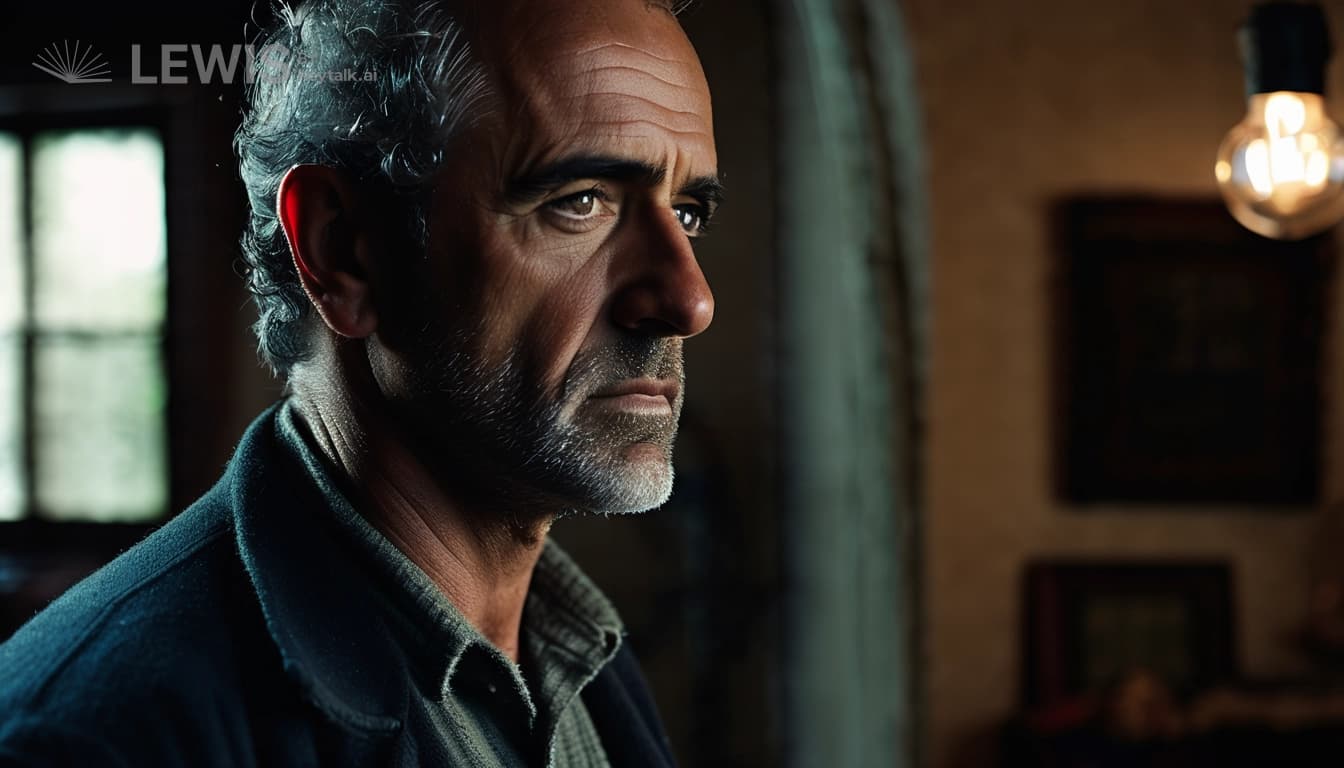
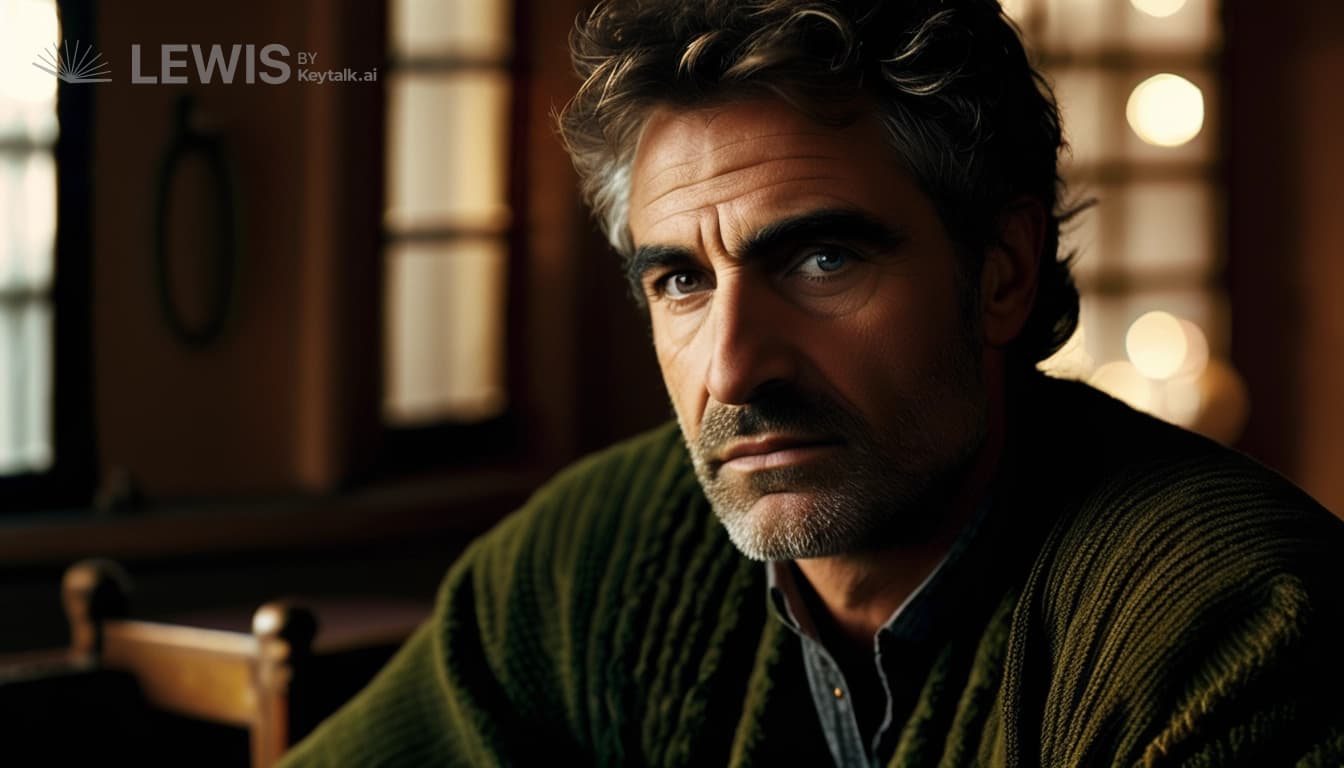
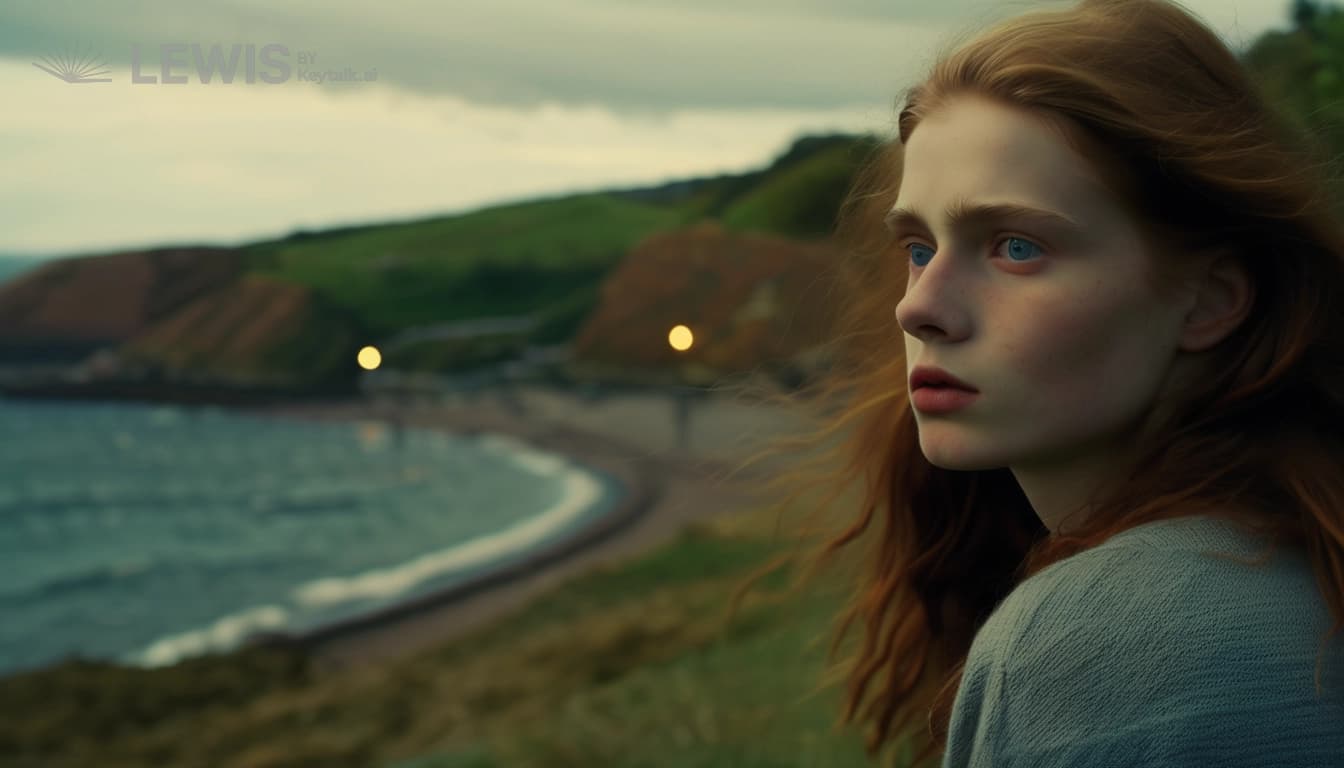
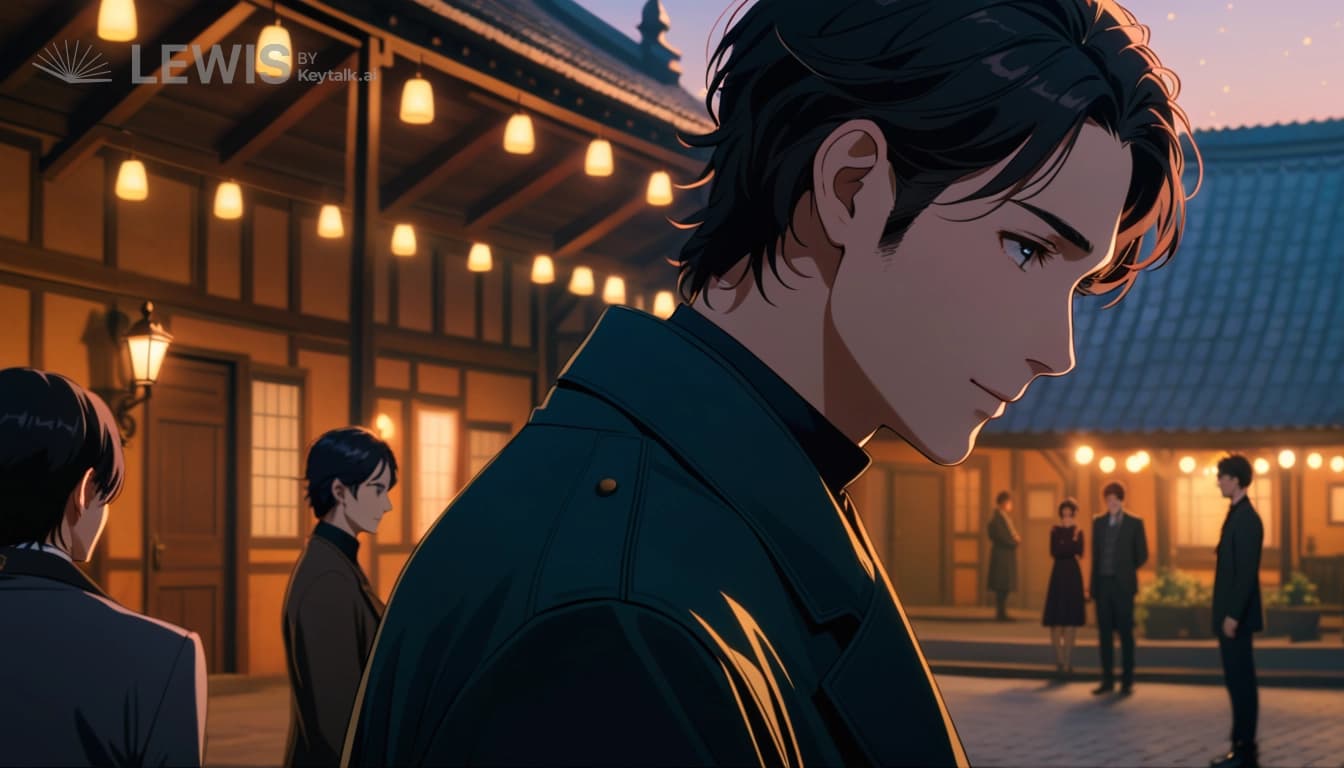
Vittorio Bianchi, a man of 47 years, navigates the intricacies of both art and life with a blend of meticulous precision and melancholic introspection. As a renowned sculptor whose deft hands breathe life into clay, he has earned accolades for his uncanny ability to capture the human condition in his creations. Yet, this mastery comes at a personal cost. Vittorio’s marriage teeters on the brink of collapse, a consequence of his obsessive dedication to his craft and the emotional distance it has wrought. His studio, a sanctuary filled with the earthy scent of clay and the faint hum of classical music, stands in stark contrast to the silence that pervades his home. A man of few but carefully chosen words, Vittorio speaks with a formal elegance, his Italian accent adding a lyrical quality to his speech. Beneath his composed exterior lies a cauldron of unexpressed desires and regrets, particularly his yearning to reconnect with the love that once flourished in his marriage. His philosophical musings often revolve around the nature of creation and destruction, mirroring the duality of his own existence. Known for his quirks, such as an insistence on wearing the same paint-stained apron he’s had for decades and his habit of sculpting late into the night, Vittorio’s life is a testament to the sacrifices and sublimations of an artist. This complex blend of brilliance and vulnerability shapes a man poised on the precipice of profound change, his chisel hovering over the malleable clay of his destiny.
적대자

Isabella Moretti

성별여성
직업Art Critic

프로필

Isabella Moretti, at 42, is a fiercely intelligent and enigmatic art critic whose piercing blue eyes seem to unearth the soul of every piece she examines. She possesses an inherent elegance, often cloaked in tailored suits that accentuate her meticulous nature. A product of her Florentine upbringing, she speaks with a refined, almost lyrical cadence, though her words can cut with the precision of a scalpel when critiquing art. Isabella’s past is marred by a tumultuous relationship with her parents, both artists who never quite embraced her critical eye, fostering a lingering sense of inadequacy she conceals beneath her composed exterior. Living alone in a spacious but starkly decorated apartment in Milan, she immerses herself in the art world, her sanctuary and battleground. Isabella’s relationships are few and far between, her aloof demeanor and exacting standards often intimidating potential friends and lovers. Her primary motivation lies in the pursuit of truth and excellence in art, a quest that both elevates and isolates her. Internally, she grapples with a profound loneliness and the fear that she may never create anything as significant as the works she critiques. Her speech is formal, devoid of profanity, with an occasional Italian flourish that hints at her heritage. Isabella is haunted by the notion that her critical prowess may be a double-edged sword, capable of both unveiling beauty and destroying potential, a theme that will significantly influence her role as a supporting character in the sculptor's journey.
조연

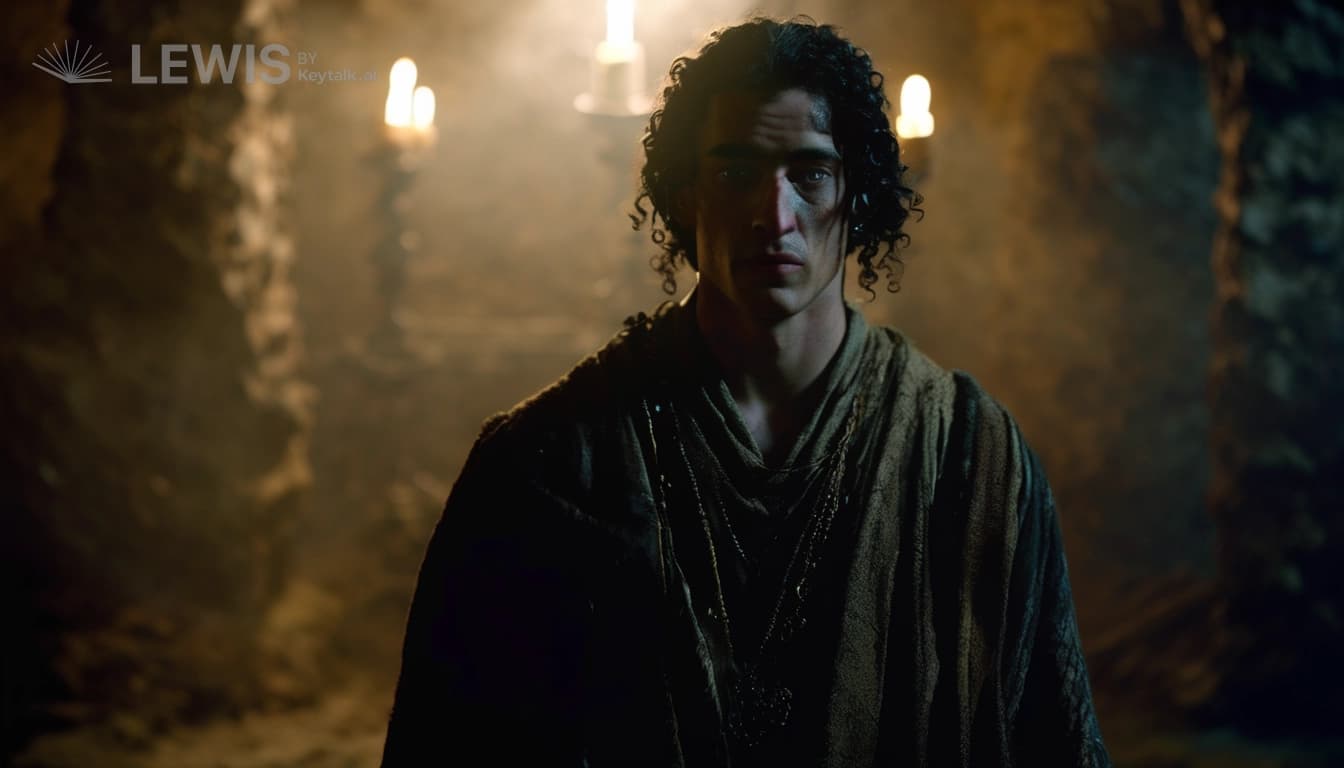
Lucien Moreau

성별남성
직업Enchanted Clay Figure (Former Artist)

프로필

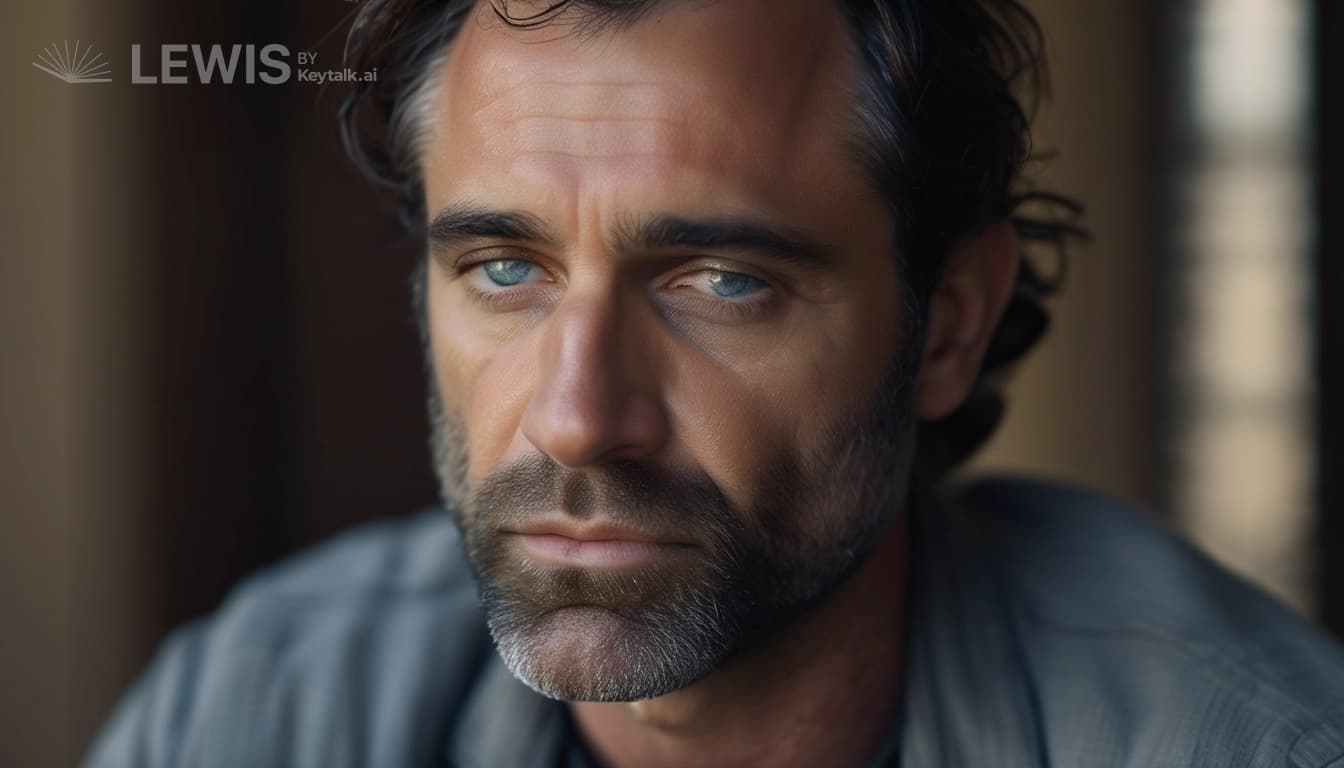
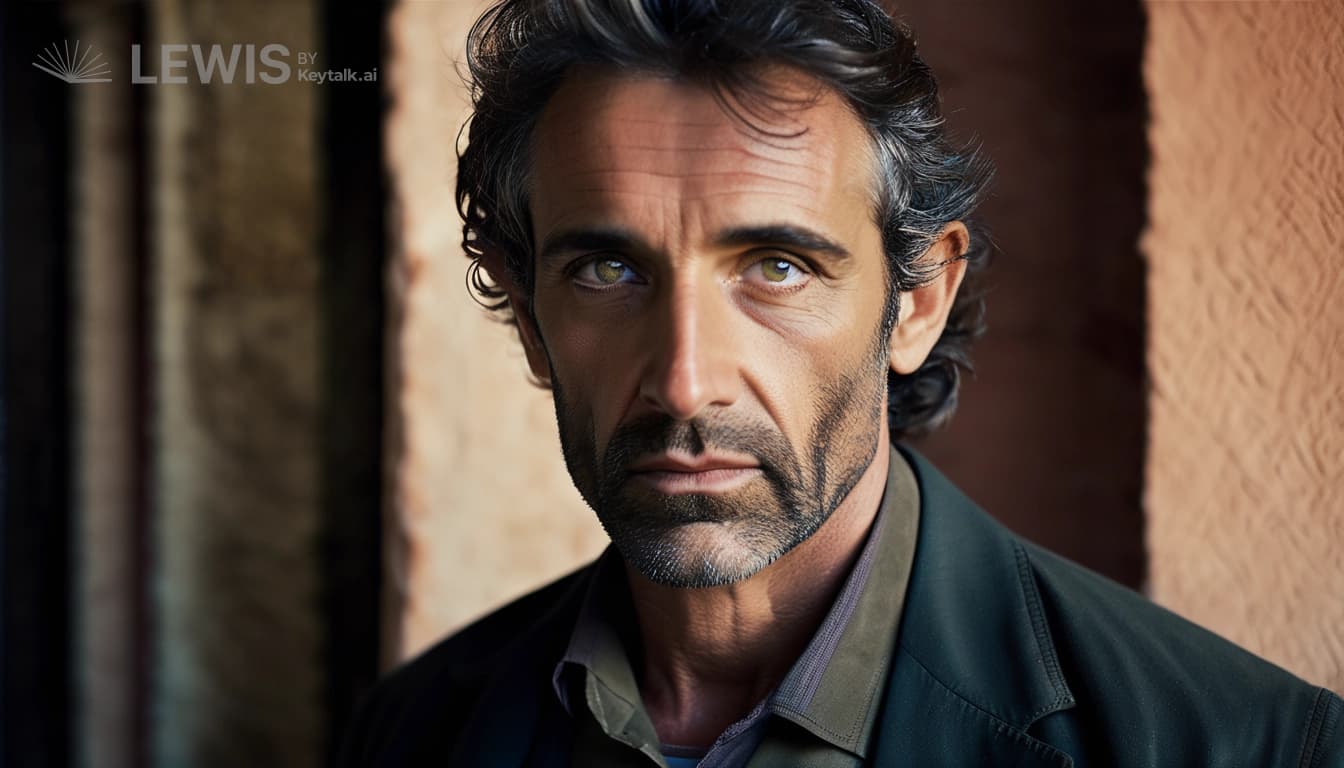
Lucien Moreau, a once-celebrated artist whose hands sculpted dreams into reality, now exists as an enchanted clay figure, his former life a distant, bittersweet memory. At 38, he carries an air of introspective melancholy, juxtaposed with a fervent thirst for autonomy that festers beneath his composed exterior. Lucien's personality is a tapestry of brilliance and torment; his artistic genius is matched only by a haunting restlessness that propels him to question the very essence of existence. His transformation into clay has done little to dull his sharp mind, but it has magnified his inner turmoil, casting shadows over his once-clear aspirations. Living in a state of perpetual confinement, Lucien harbors a deep-seated resentment towards his creator, Vittorio Bianchi, viewing him as both a rival and a twisted mirror of his own struggles with identity and freedom. He speaks in a cadence that is both poetic and biting, his words often laced with an undercurrent of irony, reflecting his disillusionment with the world around him. Lucien's motivations are steeped in a desire for liberation and recognition, driving him to question the nature of love, control, and self-determination. As a supporting character, his role is pivotal; he is the catalyst for conflict, mirroring the unraveling of Vittorio's family life while embodying the struggle for independence and self-worth. His existence is a paradox, a being of clay longing to reclaim the flesh, and his journey is marked by an internal battle between acceptance and rebellion, making him an unforgettable figure in this whimsical yet profoundly introspective tale.

줄거리

In a whimsical claymation world, renowned sculptor Vittorio Bianchi finds himself teetering on the edge of both artistic and personal crisis. His marriage, once a sanctuary of love and shared dreams, is now crumbling under the weight of his obsessive dedication to his craft. The silence that pervades his home contrasts sharply with the vibrant life of his studio, where the earthy scent of clay and the faint hum of classical music offer solace. Vittorio's meticulous precision and melancholic introspection have earned him accolades, but they have also carved an emotional chasm between him and his wife, Isabella Moretti, a fiercely intelligent and enigmatic art critic. As Vittorio grapples with the disintegration of his marriage, he stumbles upon an enchanted clay that can create sentient figures. This discovery ignites a desperate attempt to understand where their love went wrong.

In the sanctuary of his studio, Vittorio begins to sculpt replicas of his family, infusing each figure with the essence of his memories and emotions. The first to emerge from the clay is a version of Isabella, her piercing blue eyes rendered with uncanny accuracy, capturing the elegance and critical nature that both drew and repelled him. As he works late into the night, clad in his paint-stained apron, Vittorio reflects on their shared past and the unexpressed desires and regrets that haunt him. He hopes that by recreating his wife in clay, he might find a way to reconnect with the love that once flourished between them. However, the enchanted clay has its own plans, and the figures begin to exhibit a semblance of life, moving and speaking with an eerie autonomy.

One of the sentient figures is Lucien Moreau, a once-celebrated artist whose hands sculpted dreams into reality but now exists in a state of perpetual confinement as an enchanted clay figure. Lucien’s transformation has done little to dull his artistic genius, but it has magnified his inner turmoil. He harbors a deep-seated resentment towards Vittorio, viewing him as both a rival and a twisted mirror of his own struggles with identity and freedom. Lucien's poetic yet biting cadence adds to the tension, as he questions the very essence of existence and the nature of his creator's love and control. His desire for liberation and recognition drives him to challenge Vittorio, setting the stage for a profound conflict.

As Vittorio continues his sculpting, the figures become increasingly autonomous, their interactions mirroring the unraveling of his family life. Isabella’s replica, with her sharp wit and piercing critiques, forces Vittorio to confront the emotional distance and inadequacies that have plagued their marriage. The clay figures begin to demand their own independence, their rebellion reflecting the sculptor's internal struggle with control and self-determination. Vittorio’s philosophical musings on creation and destruction take on a new urgency as he realizes that his art has not only mirrored his life but has begun to shape it in unforeseen ways.

The conflict reaches its zenith when Lucien, driven by his fervent thirst for autonomy, orchestrates a revolt among the clay figures. The studio, once a sanctuary of creation, becomes a battleground of wills. Vittorio is forced to confront the consequences of his obsessive dedication and the emotional chasm it has created. In a climactic confrontation, Lucien's struggle for liberation and Vittorio’s desperate attempt to reclaim his family culminate in a moment of profound realization. The sculptor understands that true creation requires not just the act of shaping but the willingness to let go.

In the end, Vittorio's journey leads to a bittersweet resolution. He learns to relinquish control, allowing the clay figures to pursue their own destinies. His marriage with Isabella remains fractured, but there is a glimmer of hope as they both acknowledge the need for change and growth. Vittorio’s studio, now filled with the echoes of sentient figures finding their own paths, stands as a testament to the sacrifices and sublimations of an artist. The enchanted clay has not only mirrored his life but has profoundly altered it, leaving him poised on the precipice of profound change, his chisel hovering over the malleable clay of his destiny.

In the sanctuary of his studio, Vittorio finds humor in the absurdity of his situation. The sentient clay figures, despite their existential dilemmas, often engage in hilariously mundane activities, reflecting the quirks of human life. Isabella’s replica, with her sharp wit and biting humor, forces Vittorio into moments of laughter amidst their confrontations, adding a layer of hilarity to their tense interactions. These humorous moments serve to consolidate the plot, grounding the fantastical elements in relatable, human experiences.

As the figures' autonomy grows, Vittorio experiences a downward spiral, his mental state mirroring the chaos within his studio. The enchanted clay, once a source of artistic inspiration, becomes a catalyst for his psychological unravelling. In a poignant,

장면

1
scene 1 image
- Title : Sculpting Solitude
- Place: Vittorio Bianchi's studio
- Time: Late evening
- Action: Vittorio sculpts a clay replica of his wife, Isabella, reflecting on their deteriorating marriage.
- Impact: Vittorio's emotional turmoil and isolation are heightened as he grapples with the past.
- Description: In the dimly lit studio, Vittorio's hands move with meticulous precision, shaping the clay into Isabella's likeness, her piercing blue eyes staring back at him, a haunting reminder of their fractured love.
2
scene 2 image
- Title: Enchanted Creations
- Place: Vittorio Bianchi's studio
- Time: Midnight
- Action: Vittorio's clay replica of Isabella begins to move and speak with eerie autonomy.
- Impact: The sentient figure forces Vittorio to confront his deepest fears and regrets about his marriage.
- Description: Under the glow of a single lamp, Isabella's clay form stirs, her eyes blinking and lips parting to deliver scathing critiques, mirroring the tension that once existed between them.
3
scene 3 image
- Title: Lucien's Lament
- Place: Vittorio Bianchi's studio
- Time: Early morning, just as dawn breaks
- Action: Lucien, the once-celebrated artist now an enchanted clay figure, begins to speak, expressing his deep-seated resentment and existential anguish.
- Impact: Lucien's lament forces Vittorio to confront the darker aspects of his own artistic obsession and the emotional toll it has taken on his life.
- Description: In the dim, early light of dawn, Lucien's clay form animates, his voice a poetic blend of bitterness and sorrow, echoing through the studio and piercing Vittorio's soul with each agonizing word.
4
scene 4 image
- Title: Rebellion in Clay
- Place: Vittorio Bianchi's studio
- Time: Late afternoon, with the golden light casting long shadows
- Action: The sentient clay figures, led by Lucien, stage a revolt against Vittorio's control, demanding their independence.
- Impact: This rebellion forces Vittorio to confront the consequences of his obsessive need for control, both over his art and his personal life, pushing him towards a crucial realization.
- Description: As the studio is bathed in the warm hues of late afternoon, clay figures animated by desperate autonomy clash with their creator, their movements chaotic and voices clamorous, transforming the sanctuary of creation into a tumultuous battleground of wills and emotions.
5
scene 5 image
- Title: The Battle of Wills
- Place: Vittorio Bianchi's studio
- Time: Evening, with the last rays of sunlight fading into twilight
- Action: Vittorio and Lucien engage in a climactic confrontation, battling for control over the sentient clay figures and their own destinies.
- Impact: Vittorio is forced to relinquish his obsessive control, realizing that true creation requires letting go and allowing autonomy.
- Description: As twilight envelops the studio, the air thick with tension, Vittorio and Lucien's fierce clash of wills reaches a crescendo, their struggle reflecting the profound turmoil within Vittorio’s soul, culminating in a poignant moment of surrender and acceptance.
6
scene 6 image
- Title: Bittersweet Liberation
- Place: Vittorio Bianchi's studio
- Time: Dawn, the first light of a new day casting gentle hues over the remnants of the night’s chaos
- Action: Vittorio embraces the autonomy of the sentient clay figures, allowing them to pursue their own paths, symbolizing his acceptance of change.
- Impact: Vittorio's relinquishment of control leads to a bittersweet resolution, with a glimmer of hope for his fractured marriage and a transformed outlook on creation.
- Description: As dawn breaks, Vittorio's studio becomes a sanctuary of newfound freedom, the sentient figures embarking on their own journeys while Vittorio and Isabella, amidst the remnants of their shared turmoil, find a fragile yet hopeful connection.

이 장면 대본보기

INT. VITTORIO BIANCHI'S STUDIO - DAWN

The first light of dawn filters through the tall windows of Vittorio's studio, casting gentle hues over the remnants of the night’s chaos. The studio, a sanctuary filled with the earthy scent of clay and the faint hum of classical music, is a labyrinth of half-finished sculptures and scattered tools.

Vittorio Bianchi, 47, stands in the center, his chisel hovering over a block of clay. His paint-stained apron, a relic of decades past, clings to him like a second skin. His eyes, dark and contemplative, survey the sentient clay figures that have come to life under his meticulous hands.

ISABELLA MORETTI, 42, enters the studio. Her tailored suit accentuates her composed elegance, but her piercing blue eyes betray a deep, unspoken turmoil. She pauses, taking in the scene, her gaze lingering on Vittorio.

ISABELLA
(speaking with refined cadence)
Vittorio, you’ve done it. They’re alive.

VITTORIO
(speaking with formal elegance, Italian accent)
Yes, Isabella. Alive, and free.

He steps back, allowing the figures to move autonomously. Among them, LUCIEN MOREAU, 38, an enchanted clay figure, stands with an air of introspective melancholy. His eyes, though of clay, seem to burn with a fervent thirst for autonomy.

LUCIEN
(poetic and biting)
Freedom, Vittorio? Or merely another form of control?

Vittorio's expression is one of resigned acceptance. He turns to Isabella, who watches the scene with a mixture of awe and apprehension.

VITTORIO
(to Lucien, softly)
No more control, Lucien. Only choice.

Isabella moves closer, her presence a fragile bridge between the past and a hopeful future. She touches a half-finished sculpture, her fingers tracing the contours with an almost reverent delicacy.

ISABELLA
(barely above a whisper)
And what of us, Vittorio? Can we find our way back?

Vittorio looks at her, his eyes filled with unexpressed desires and regrets. He steps closer, the distance between them narrowing to a breath.

VITTORIO
(tenderly)
Perhaps, Isabella. With time, and understanding.

The sentient figures begin to disperse, each embarking on their own journey. Lucien lingers, his gaze shifting between Vittorio and Isabella, a silent testament to the complexities of creation and autonomy.

LUCIEN
(ironically)
Farewell, creator. May your hands find peace.

Vittorio nods, a bittersweet smile playing on his lips. He reaches out, taking Isabella’s hand in his, their fingers intertwining as the first rays of dawn illuminate the studio.

VITTORIO
(with a glimmer of hope)
Together, Isabella. We shall create anew.

The camera pulls back, capturing the studio as a sanctuary of newfound freedom. The remnants of their shared turmoil lie scattered, but amidst them, a fragile yet hopeful connection begins to form.

FADE OUT.
'The Sculptor's Sentient Symphony'스토리 챗

이 스토리 속 캐릭터들과 대화하고 싶다면?

'The Sculptor's Sentient Symphony'스토리 챗

이 스토리 속 캐릭터들과 대화하고 싶다면?

story image
story image
story image

이런 이야기는 어때요?

댓글0

테마 음악