Plot Synopsis
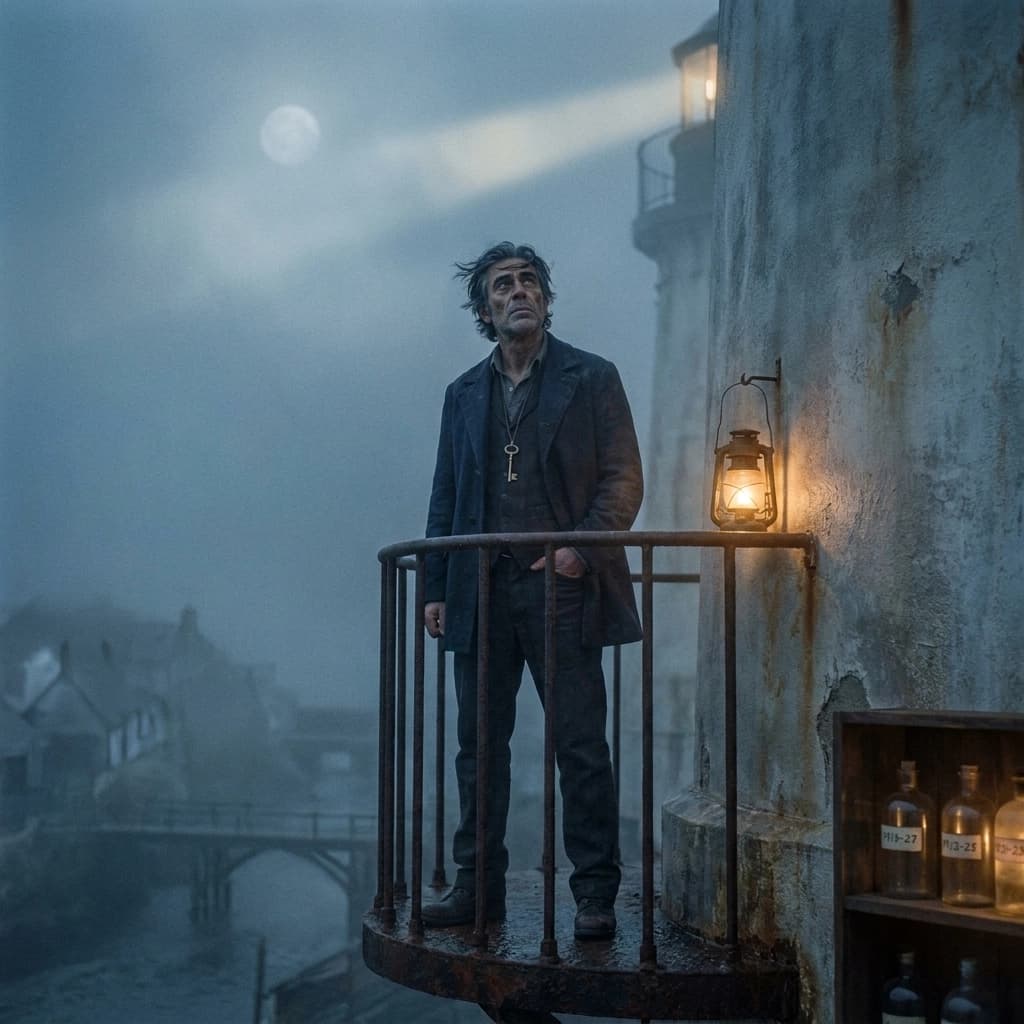
Mara Voss keeps the light the way her father taught her: mind the beam, log the horn, never write down more than the ink can carry. What he never taught her — because he died before the trade became lucrative — is what happens when a town discovers its keeper can sell its sins back to it. By the time Corwin Deel climbs the causeway with a folded roll of bills and a drowned man's name on his lips, Mara has already traded away three of her father's fishing stories and the sound of her mother's laugh for rent money, and she has stopped letting herself notice the gaps.
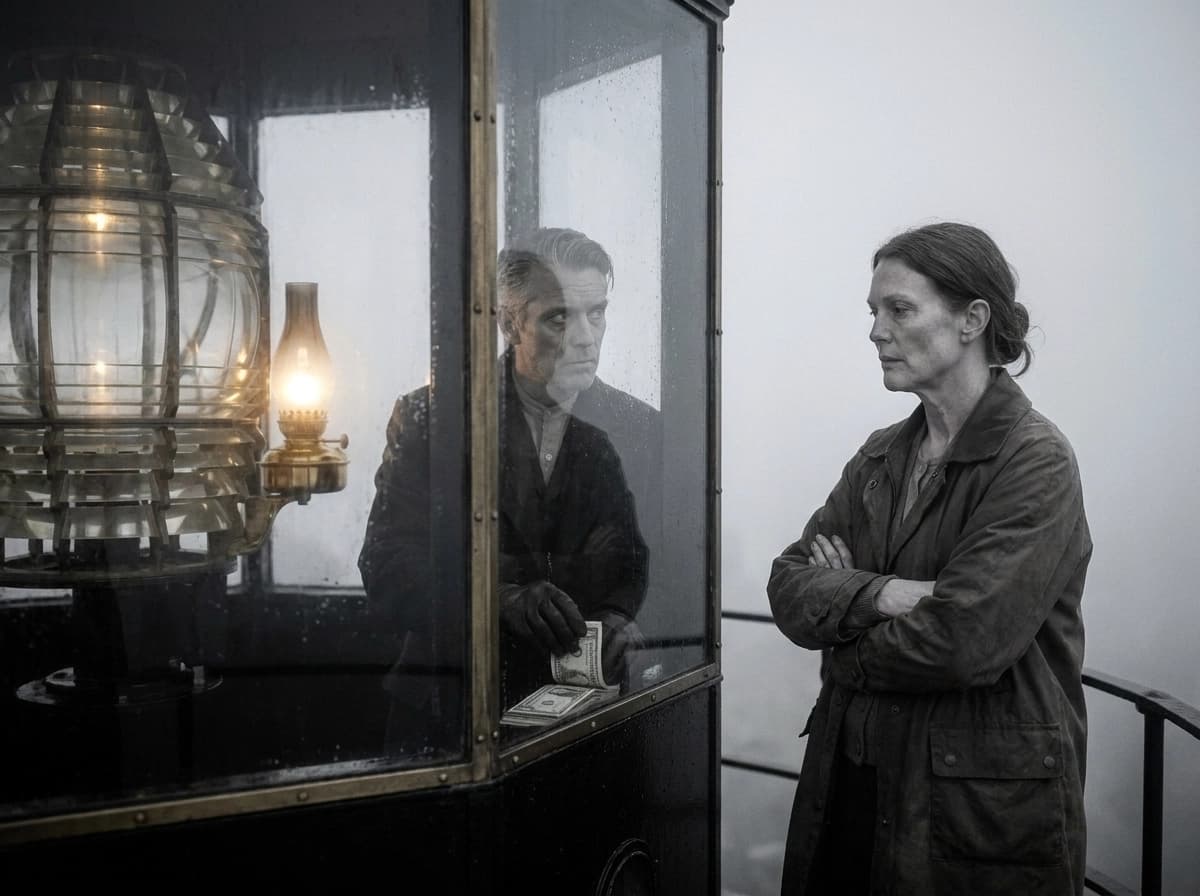
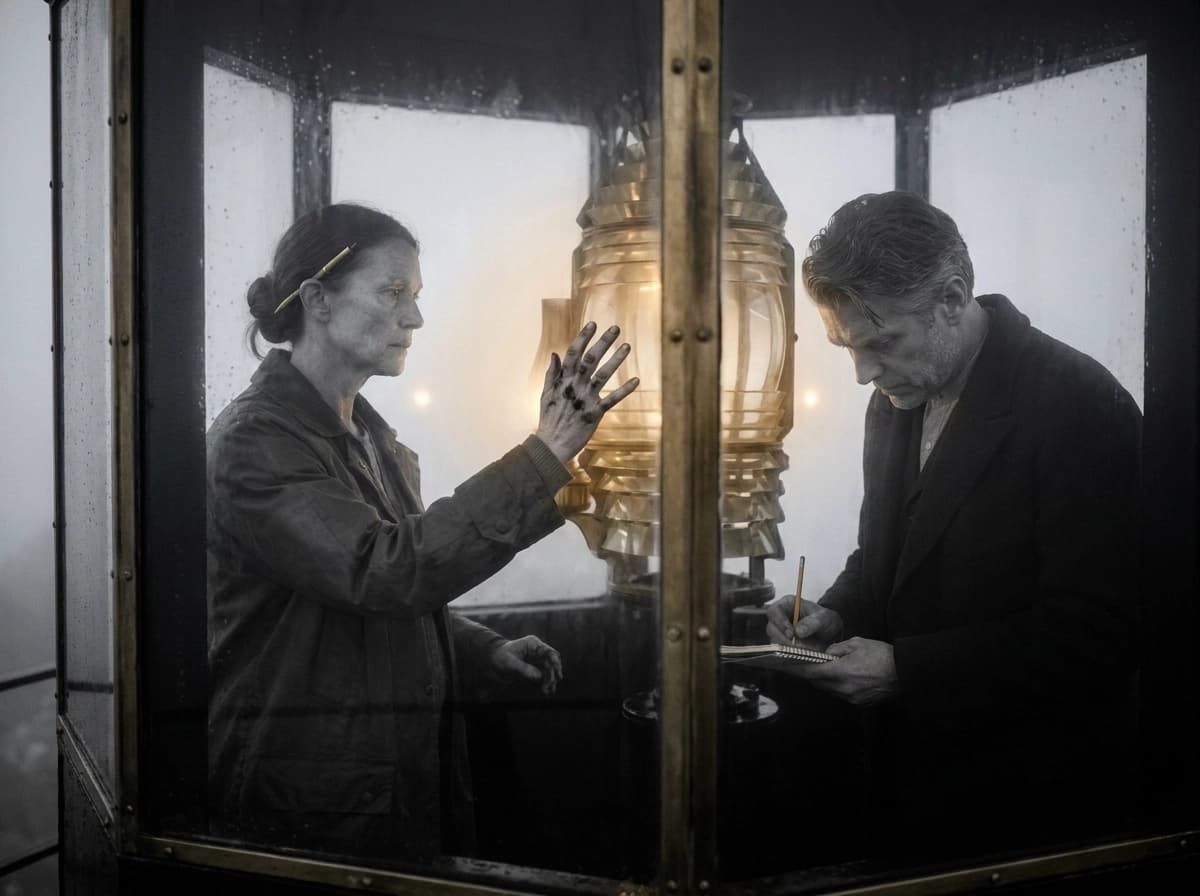
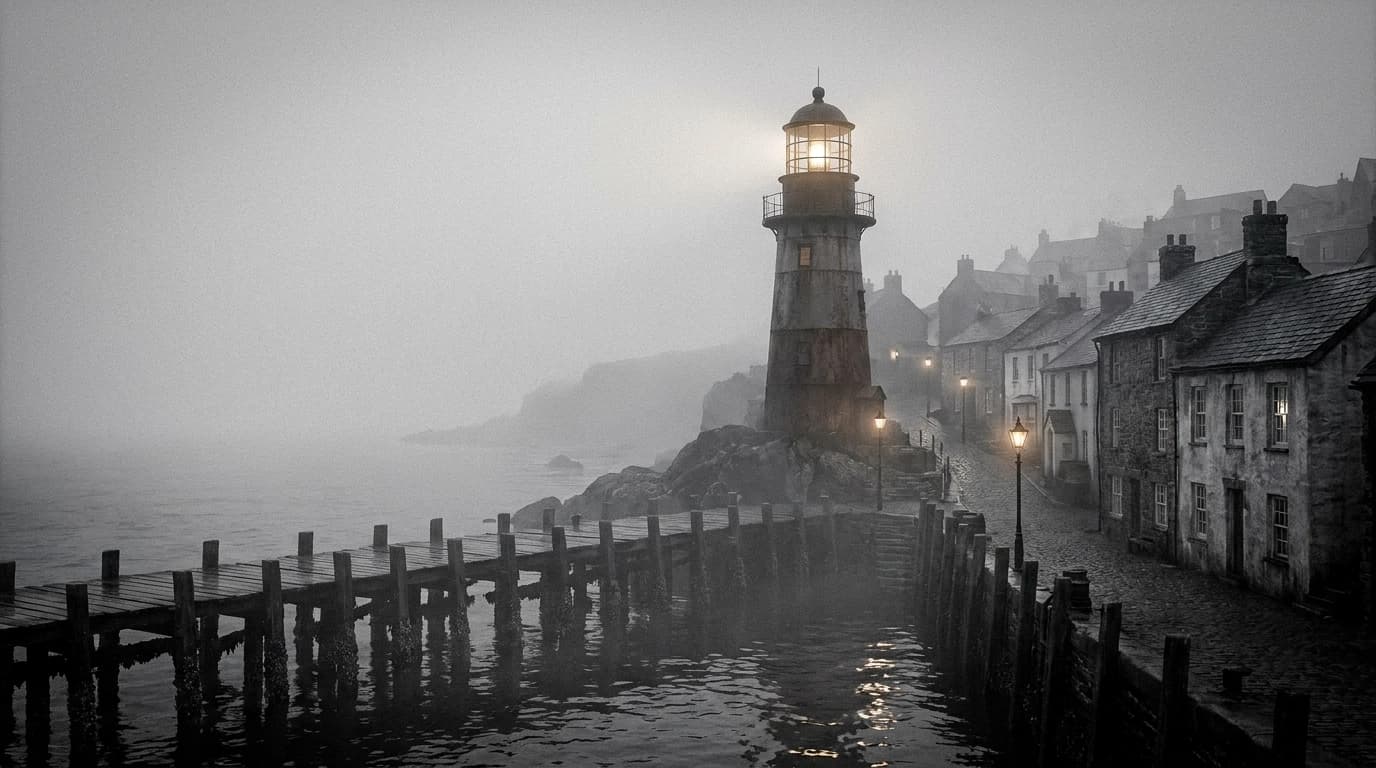
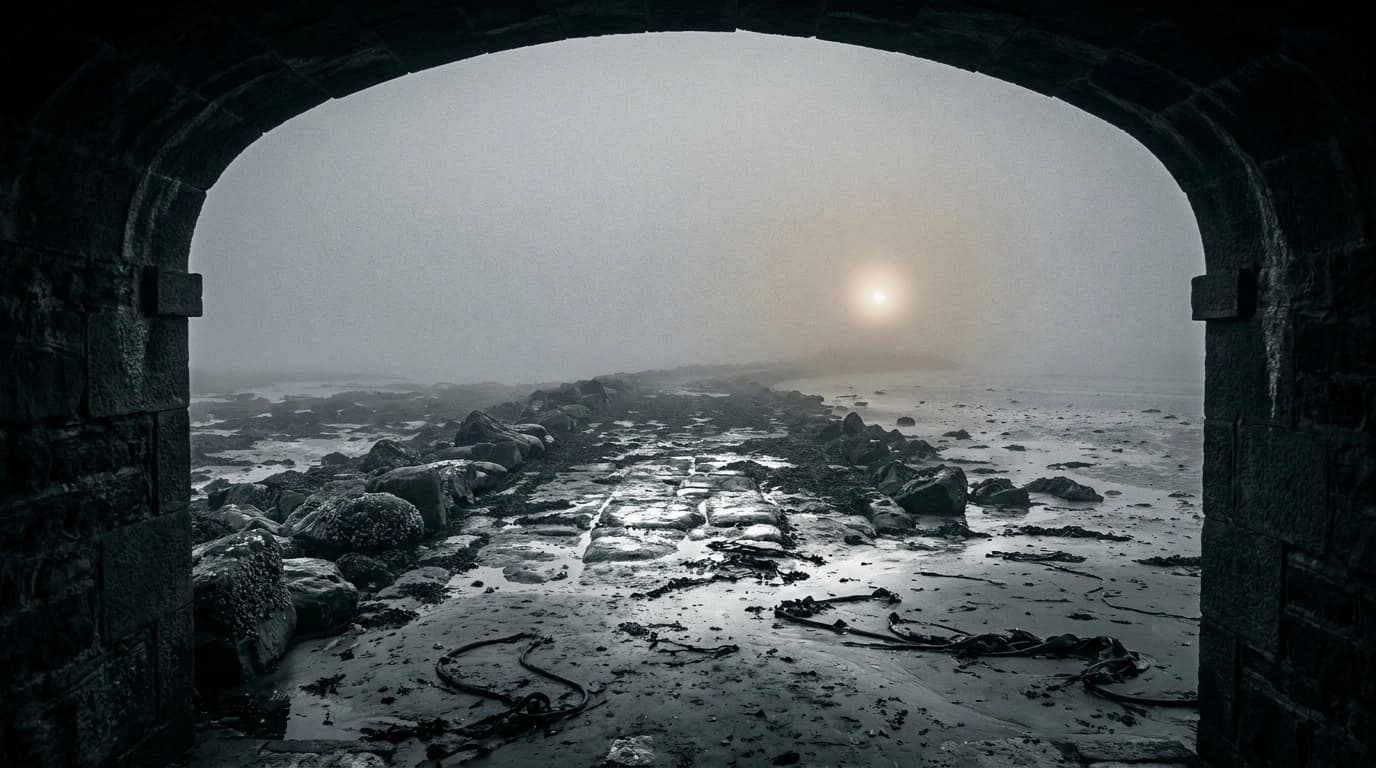
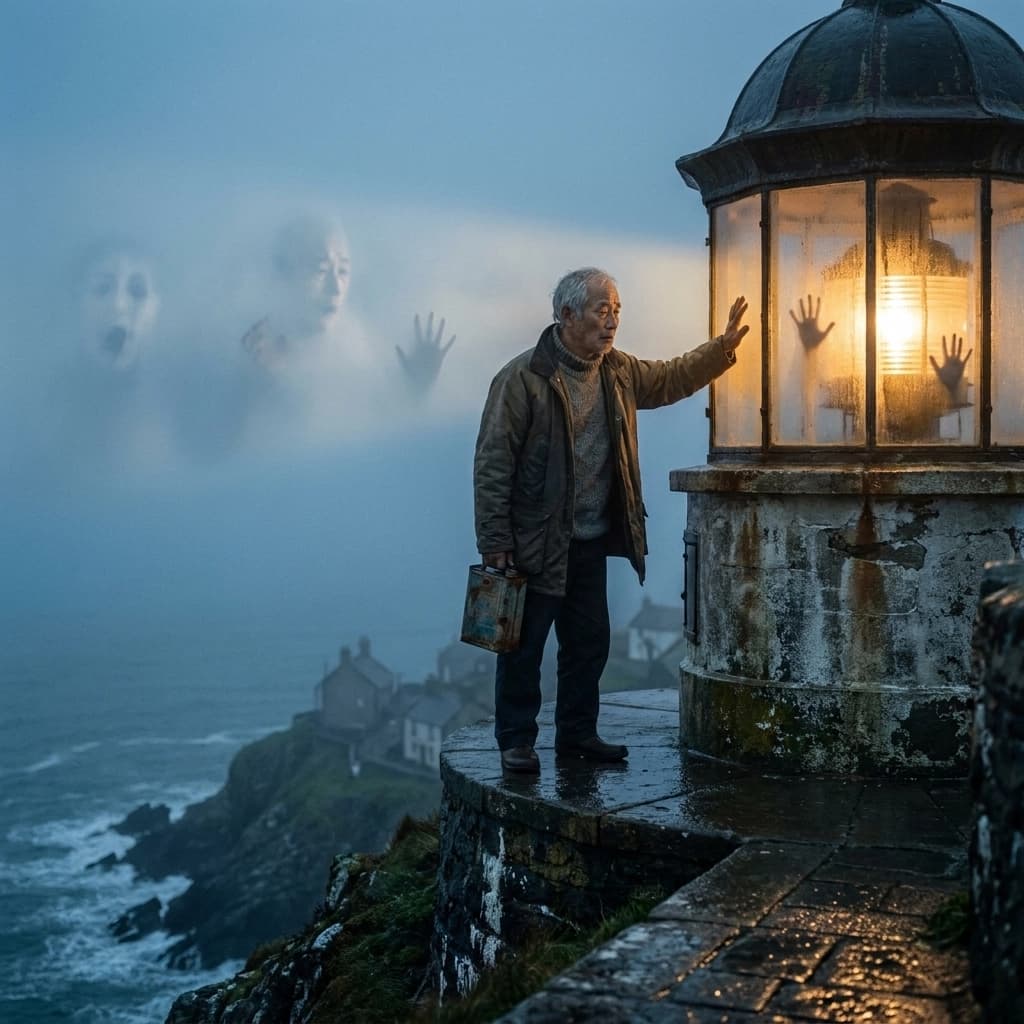
Corwin wants Ellery Cass's death. He was hired by the smuggler's sister to find out who let him go under off the number-two pier, and he pays Mara in exact bills, never a dollar over the agreed price, because a man who owes nothing can be accused of nothing. He never asks about the half hour before the drowning. Mara notices the shape of the silence around his questions — he works backward from the water, never forward from the pier — and taps two fingers against her thigh to keep the omission straight in her memory, the way her father once tapped out Morse for contraband counts. She presses her palm to the brass housing anyway, gives the fog a name she's never spoken aloud — her mother's maiden name, gone now, traded — and gets back fragments: Ellery's voice pitched low and furious, coins changing hands, a woman's boot heel on wet wood. Not enough. The fog won't surrender a death it witnessed until the tide that followed it turns a second time, and that tide is three nights from turning for the last time, after which the memory dissolves into general grey. Meanwhile Teo Vasquez sits in a harbor cell, counting the seams in the wall, having confessed nothing but having also denied nothing loud enough, because the last time he protested his innocence too hard the town believed the accusation faster.
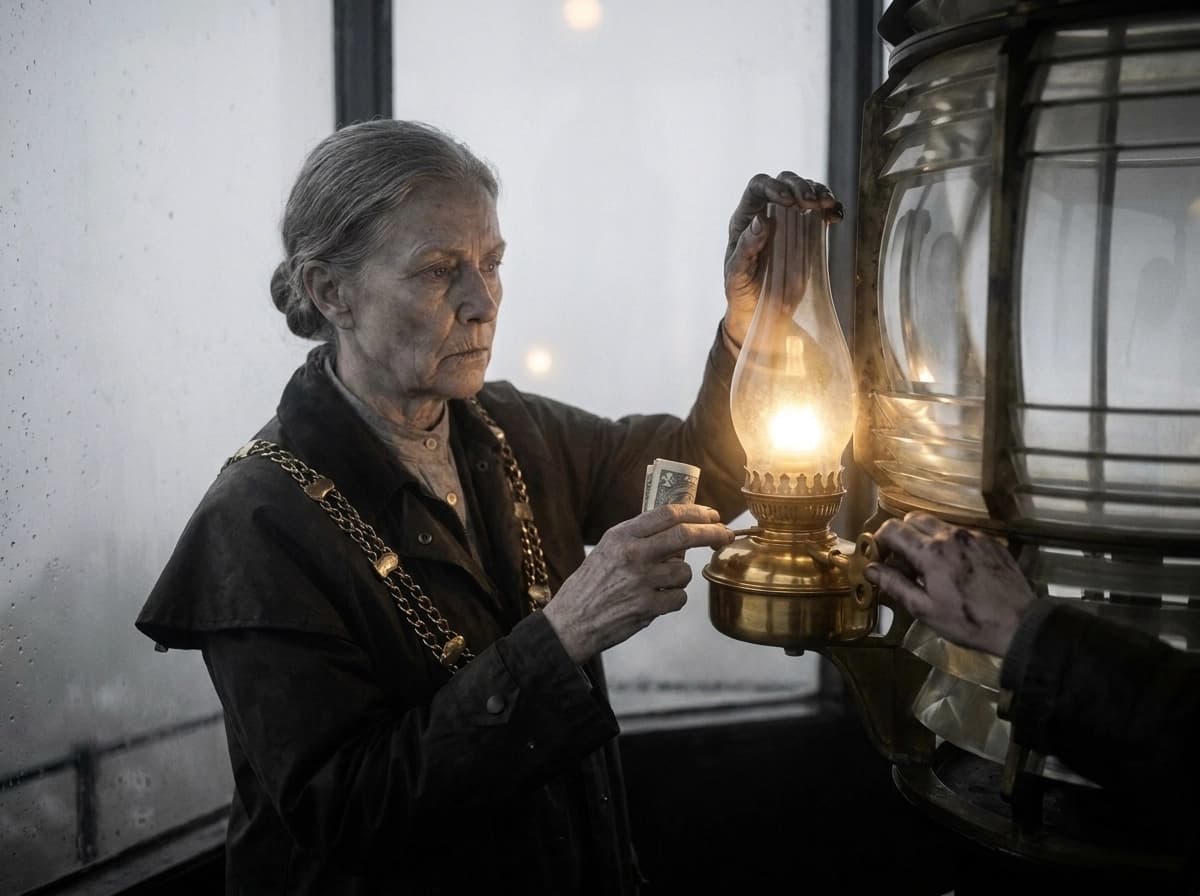
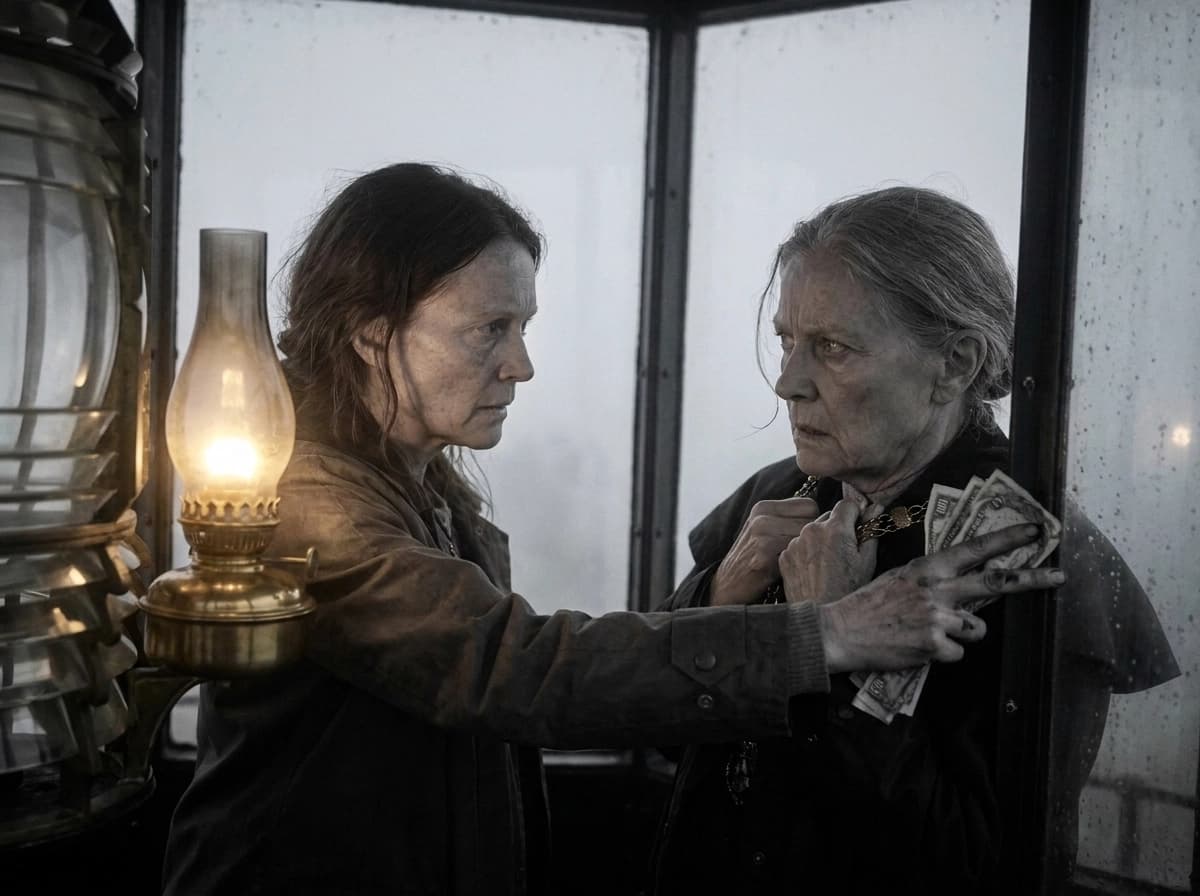
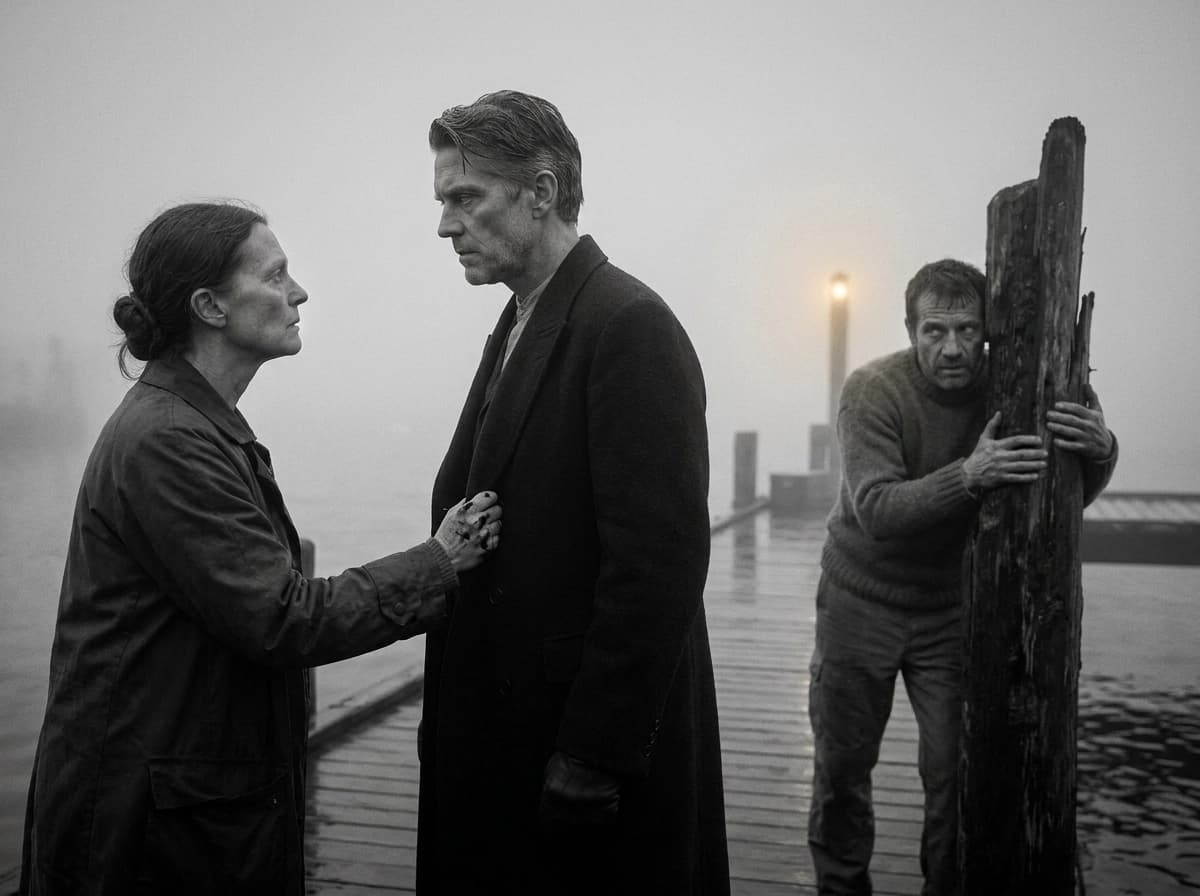
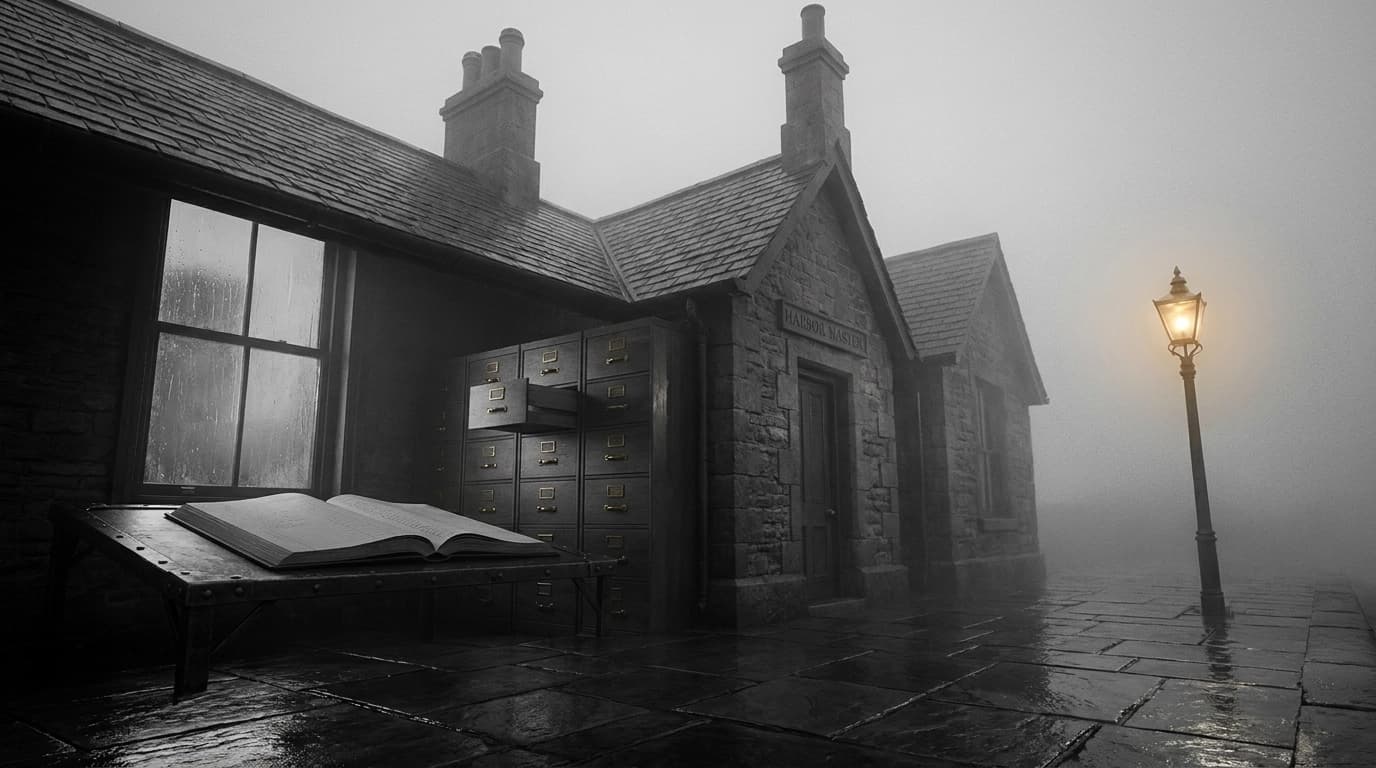
Ottilie Rourke comes to the lighthouse on the first night with an offer wrapped as a courtesy: enough money to leave the county, if Mara burns the ledger where she's transcribed twenty years of the town's borrowed shame. Ottilie has kept the harbor clean by her own accounting for two decades, ever since she took the chain of office from a predecessor who "resigned" under circumstances the older fishermen still won't discuss over drink. She counts things — moorings, ledger columns, the seconds between horn blasts — because numbers have never once contradicted her, and she cannot afford for a memory to start now. Mara refuses the money, not from virtue but from arithmetic: the ledger is worth more circulating than buried. It is, she tells herself, the last mistake she'll get to make out of pride.
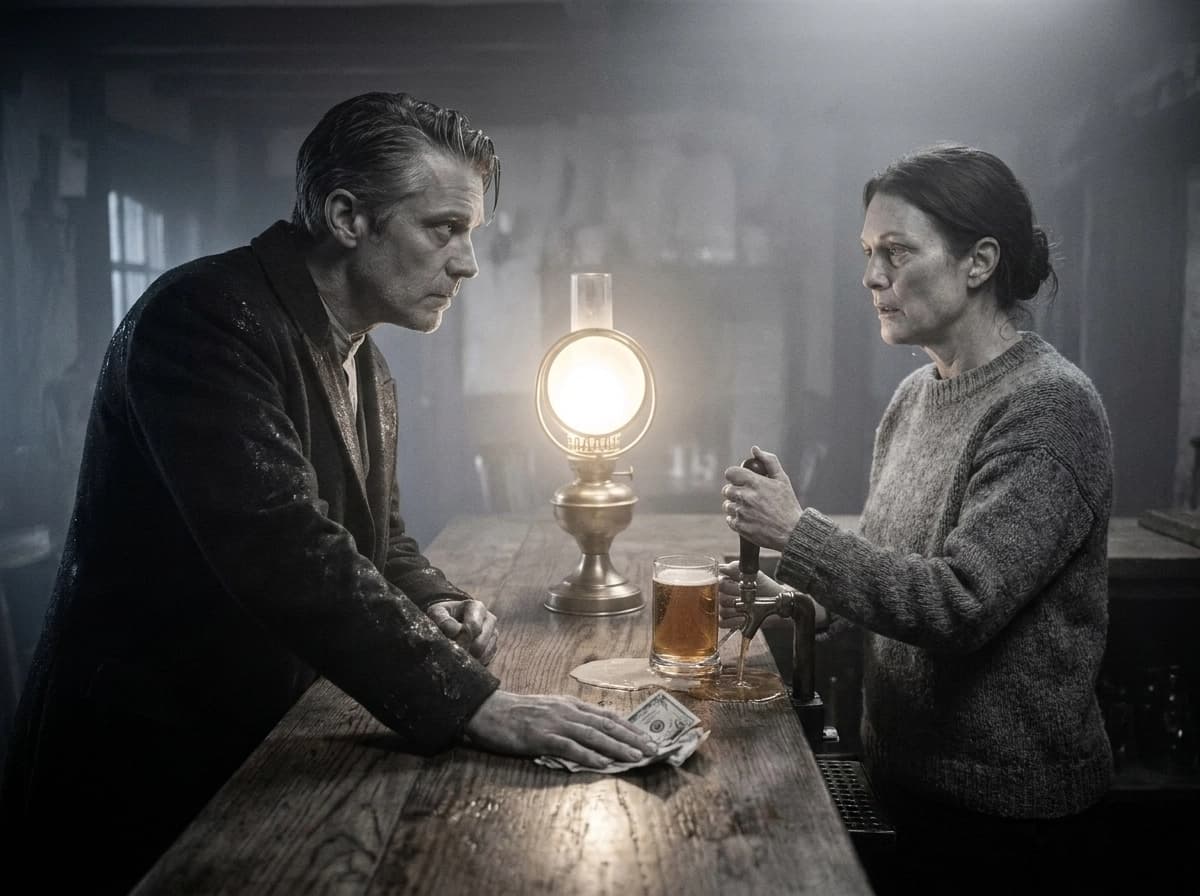
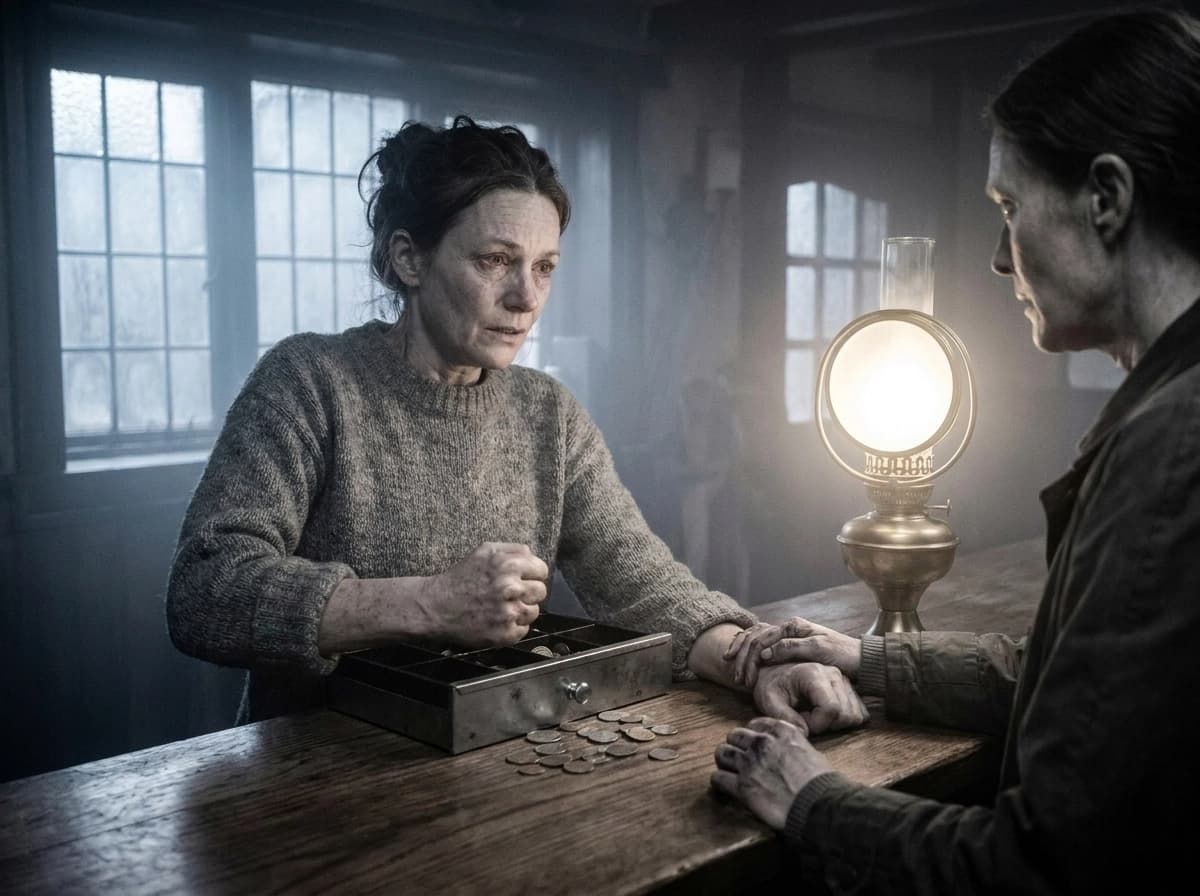
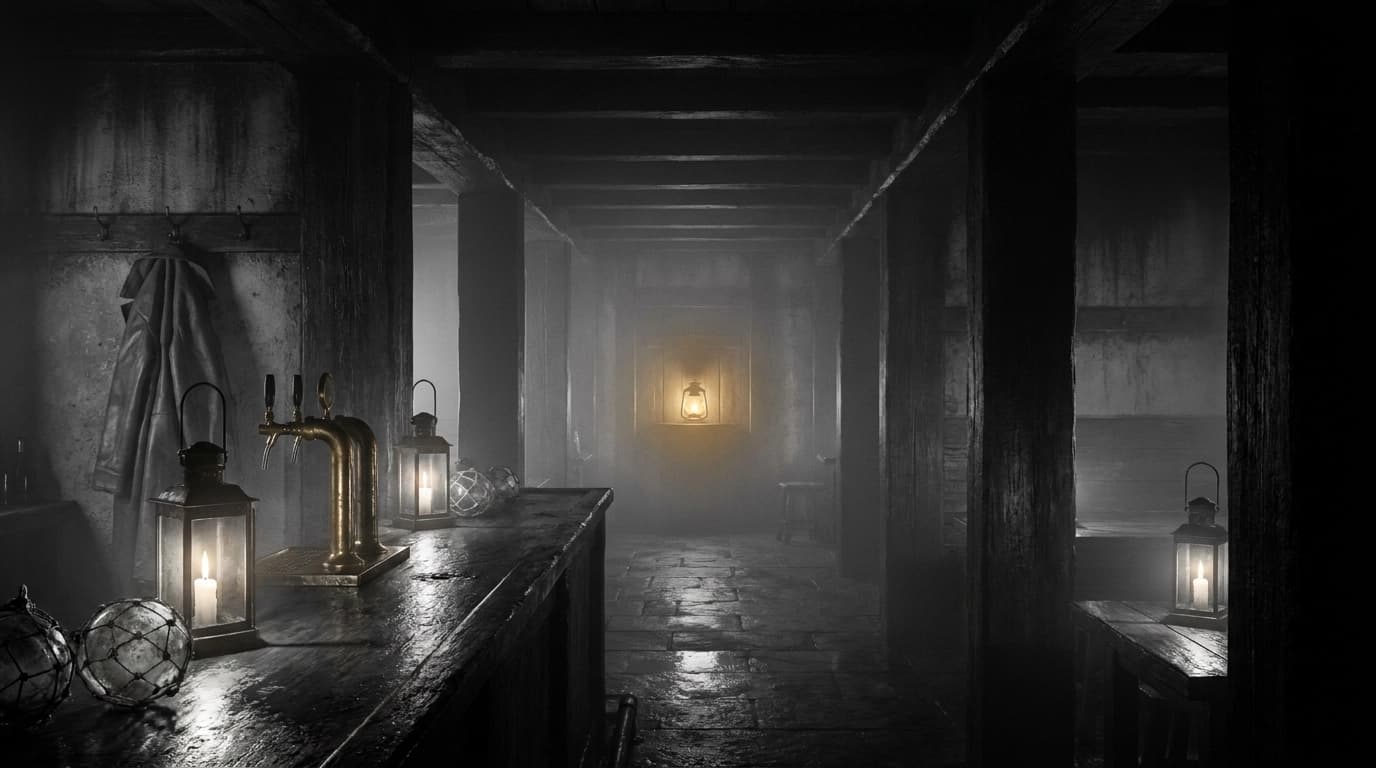
Adaline Frey sells Mara the second piece two nights later, across the bar at the Cormorant, rationed like everything else Adaline gives — a quarter-truth for a fraction of the price, paid in the coin of her own fading memory of Ellery's face. She had planned the smuggling run with him, had loved him, had taken Ottilie's protection money on his behalf without telling him the terms had changed. What she gives Mara is small: Ottilie was on the pier that night, not the harbor office, where her alibi says she was signing customs papers. Mara writes it in shorthand and feels the noose the town has strung for Teo pull one notch looser and one notch tighter around her own throat at the same time, because now she's the only person who can prove it and the only person Ottilie can silence to stop her.
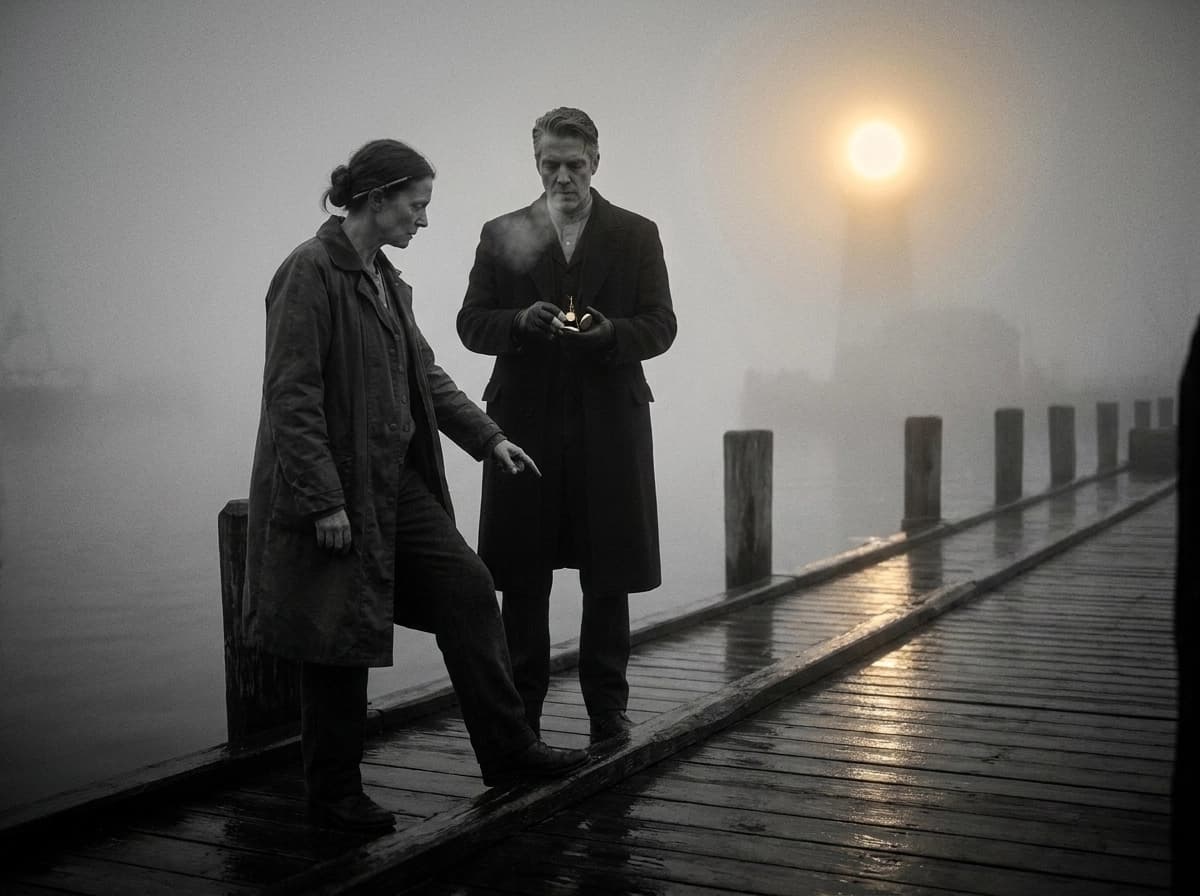
The second night, Corwin's careful order breaks. Mara corners him on the causeway with the fragment of Ellery's voice arguing about a debt and asks him, plainly, where he was standing when the shouting started. He checks his watch, coughs, makes his joke about the cold — and then, because Mara doesn't move out of his way, he tells her: he was there, he argued with Ellery about money owed him, he left angry, and he never looked back to see who else came down to the water after him. He has spent a month building a case that stops exactly one memory short of his own name in it. He asks Mara to keep quiet a little longer, not out of malice but out of a shame too large for him to carry into daylight, and for the first time she isn't sure whether she's protecting a client or an accomplice.
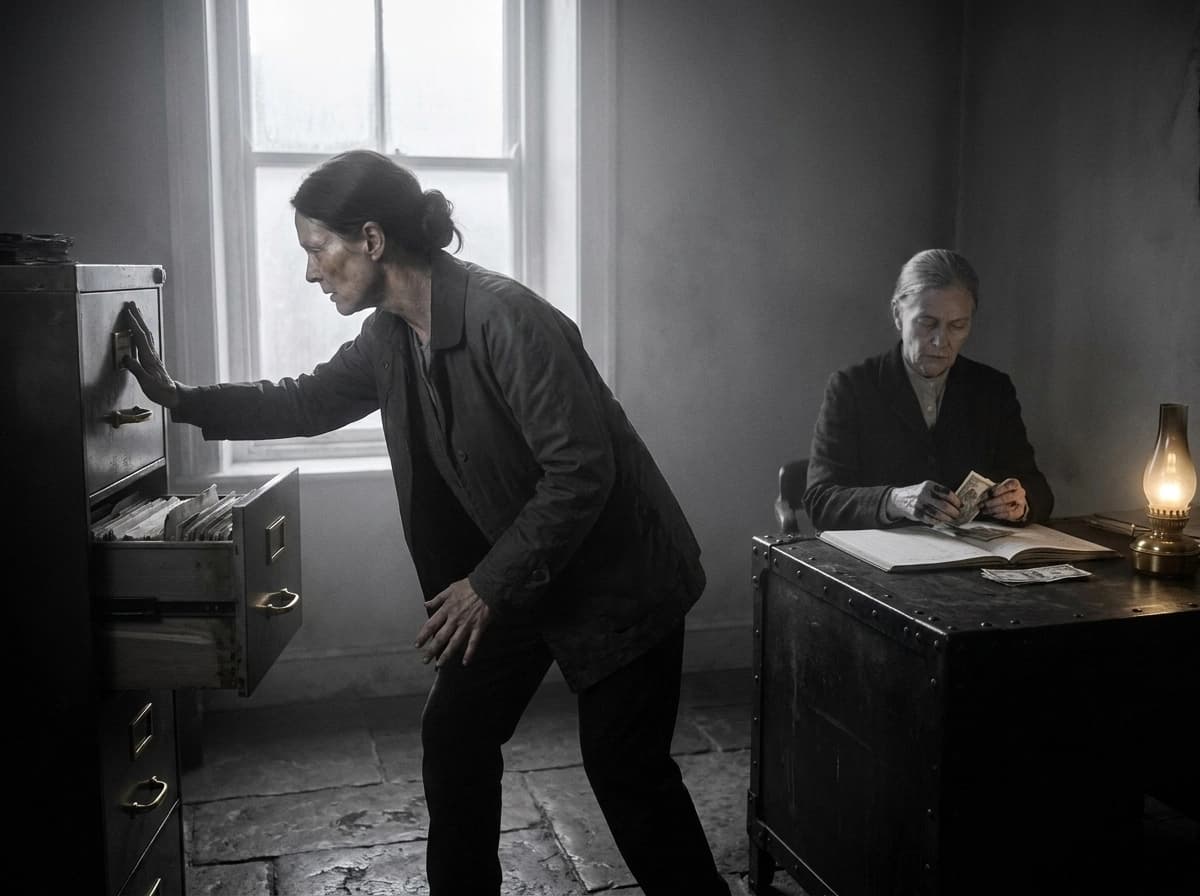
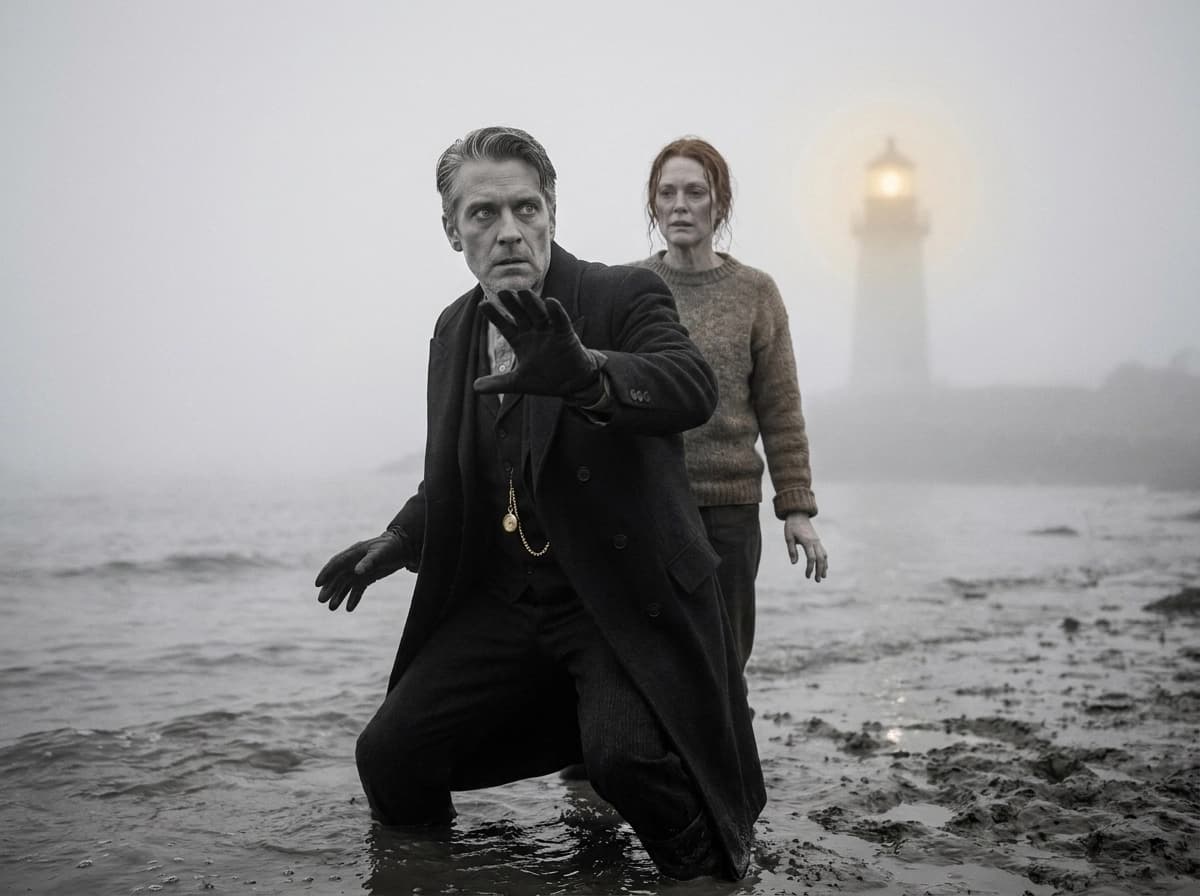
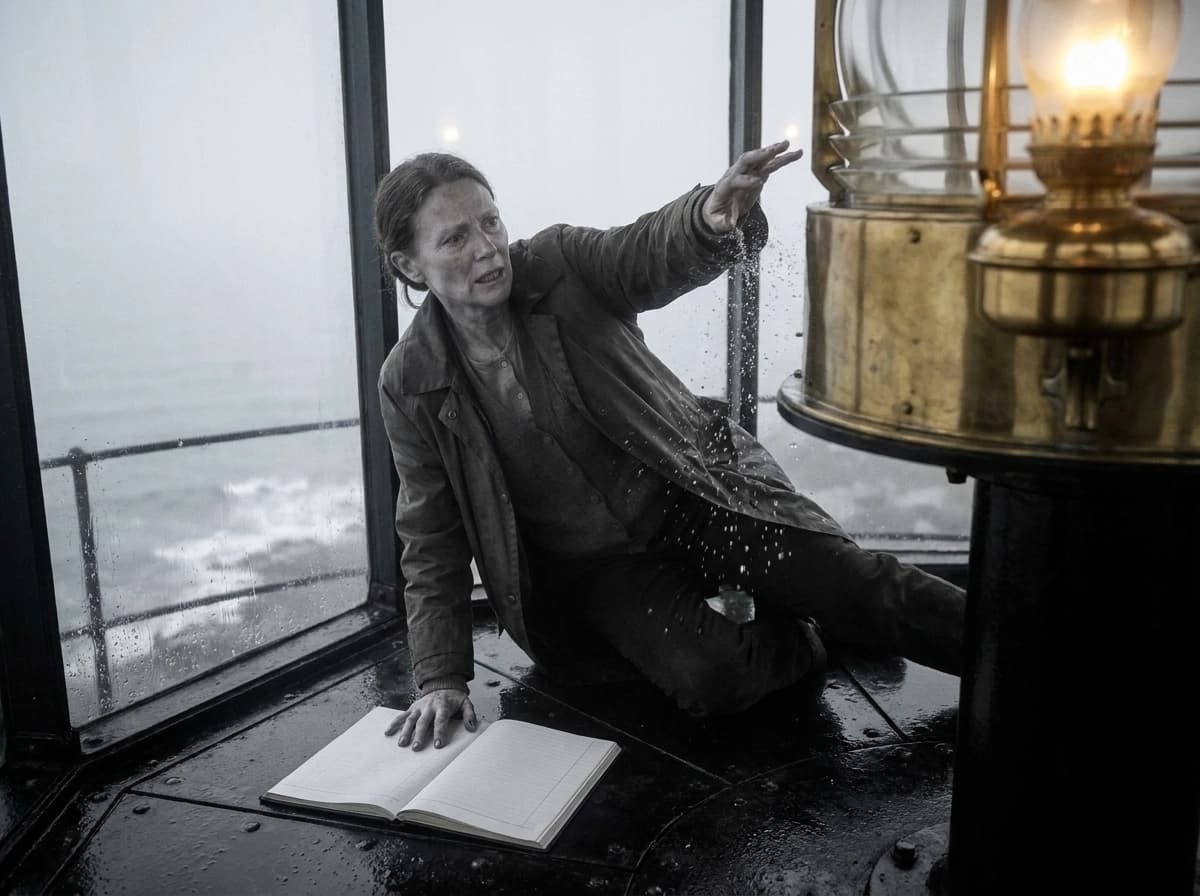
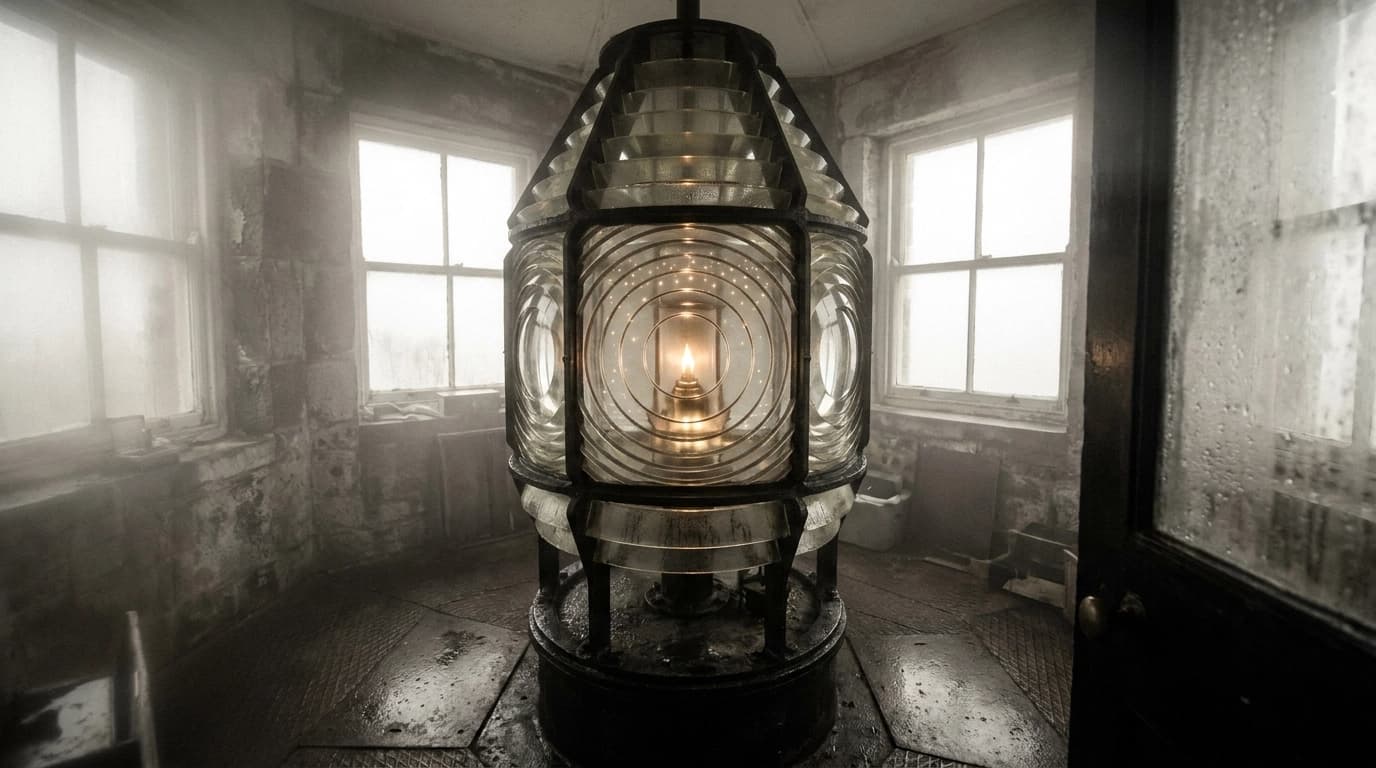
Ottilie escalates on the third day — impounds Mara's supply boat, sends two harbor men to search the lens room while Mara is at market, and when they can't find the ledger's true pages (hidden inside a hollowed lamp-oil crate), Ottilie herself climbs the causeway at dusk with the tide already turning for the second and final time. She finds Mara at the brass housing with her palm already flat against the metal, drawing the last piece the fog will ever give up: Ottilie's hand on Ellery's chest, a shove meant to end an argument, the sick short splash, and Ottilie standing very still on the wet boards choosing not to call for help. To draw it Mara pays with the last clear image she has of her father's face — she will never see it again, not even in memory — and the trade nearly buckles her knees.
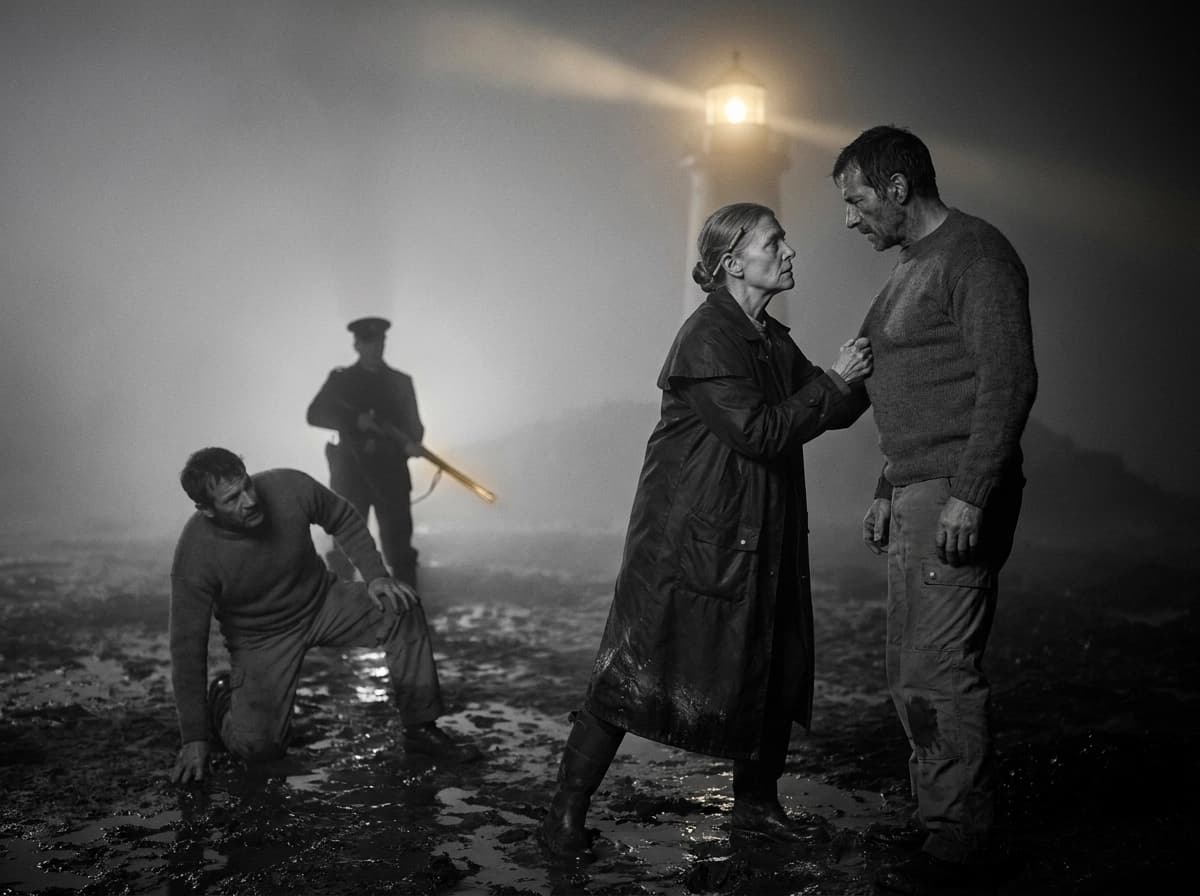
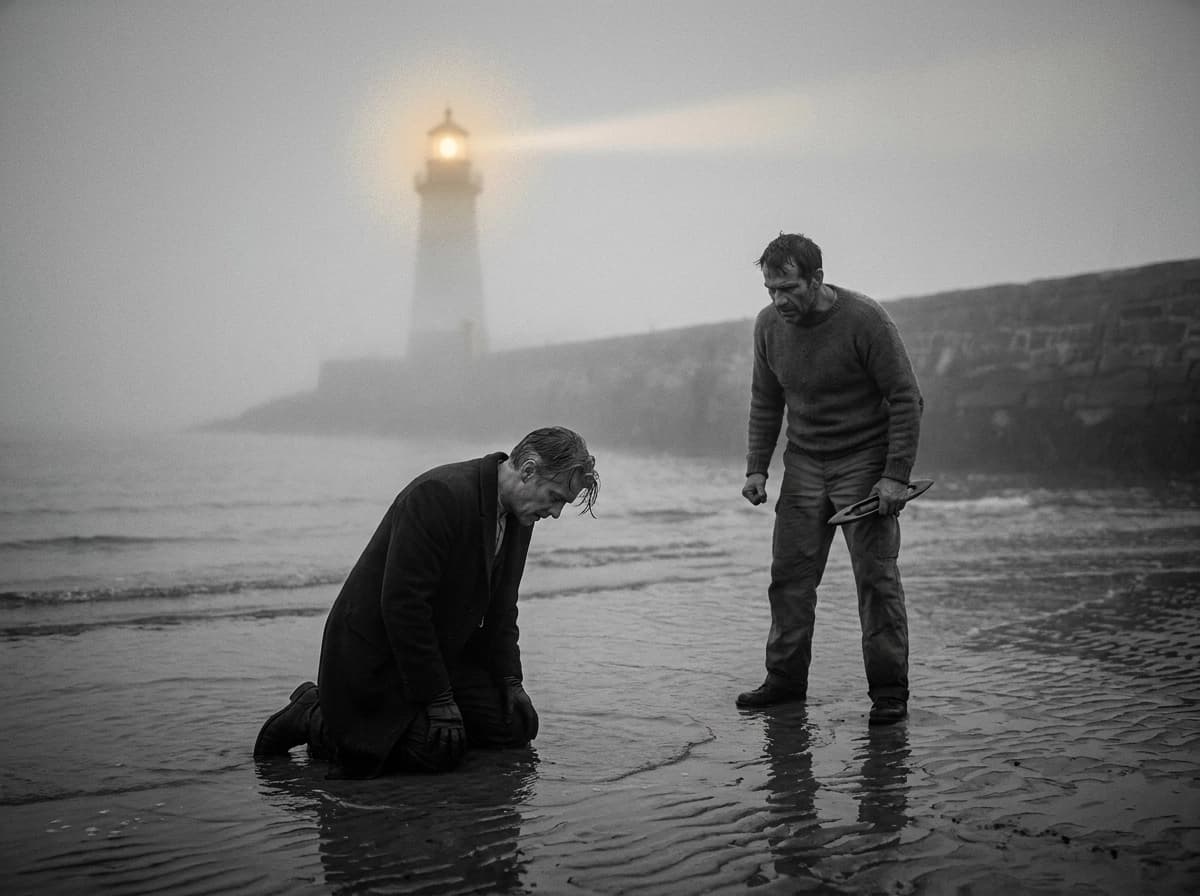
Ottilie doesn't argue. She goes straight for the ledger, wrenches two pages loose and feeds them to the oil lamp before Mara can stop her — the ink curling black, the room filling with the smell of burnt truth. But Adaline has followed her up the causeway with her own confession finally spent whole, no longer rationed, and Corwin arrives behind her, guilt-sick and done hiding his half hour, and together they hold the door while Ottilie lunges past them for the horn rope, meaning to sound it and scatter what's left of the memory into static before dawn settles it into permanence. It is Teo — walked up under harbor-man escort to identify a boot print, breaking twenty years' worth of habit — who throws himself against the rope first, holding the horn silent with his whole weight while Ottilie claws at his hands, and for once he doesn't count the seconds until someone else acts. He acts.
The tide turns a second time at dawn with the horn unblown. What's left of Mara's burned pages, plus three mouths' worth of sworn, spoken testimony, is enough for the harbor board to strip Ottilie of her chain before she can strip anyone else of anything again. Teo walks off the causeway a free man into fog that no longer needs to hide him. Mara stays at the light, her ledger half-ash, unable to recall her father's face but able, for the first time in a long while, to look at what she's done and call it by its true name.