Plot Synopsis
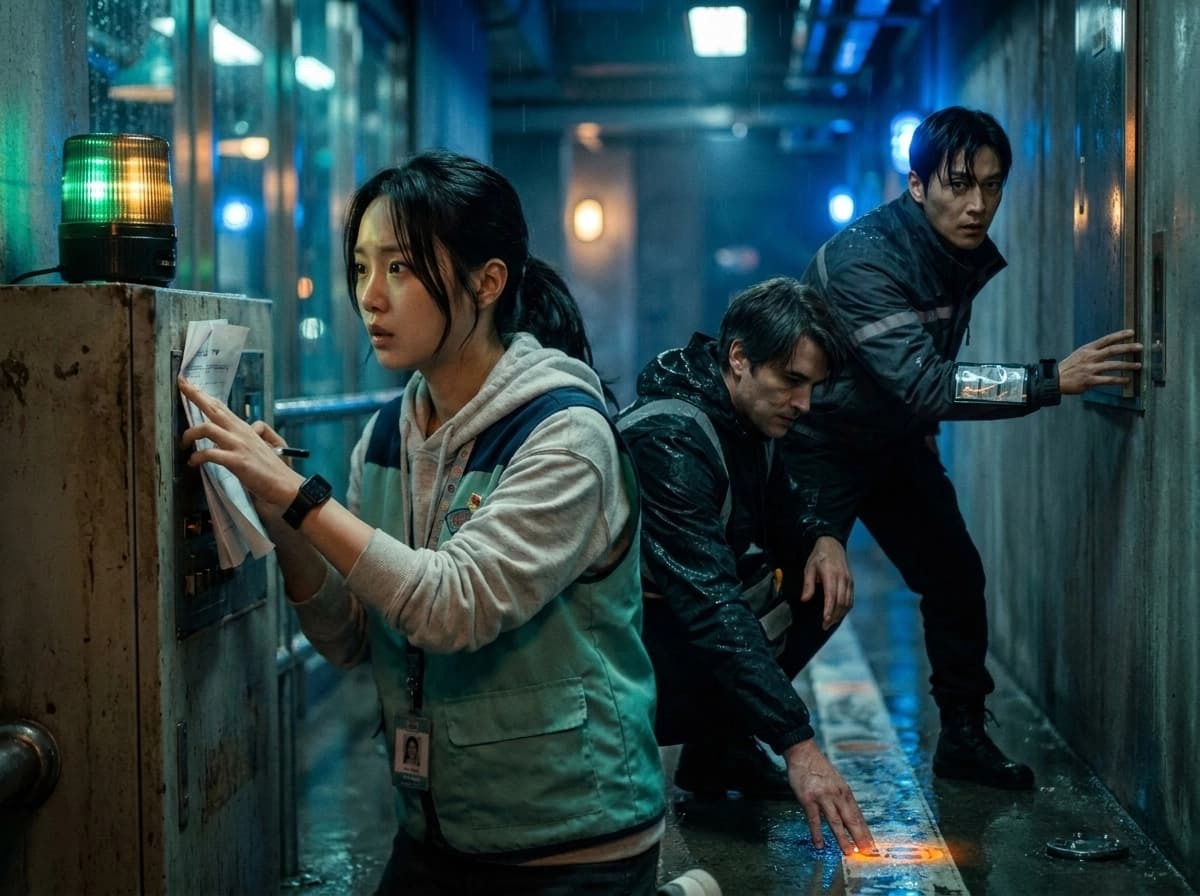
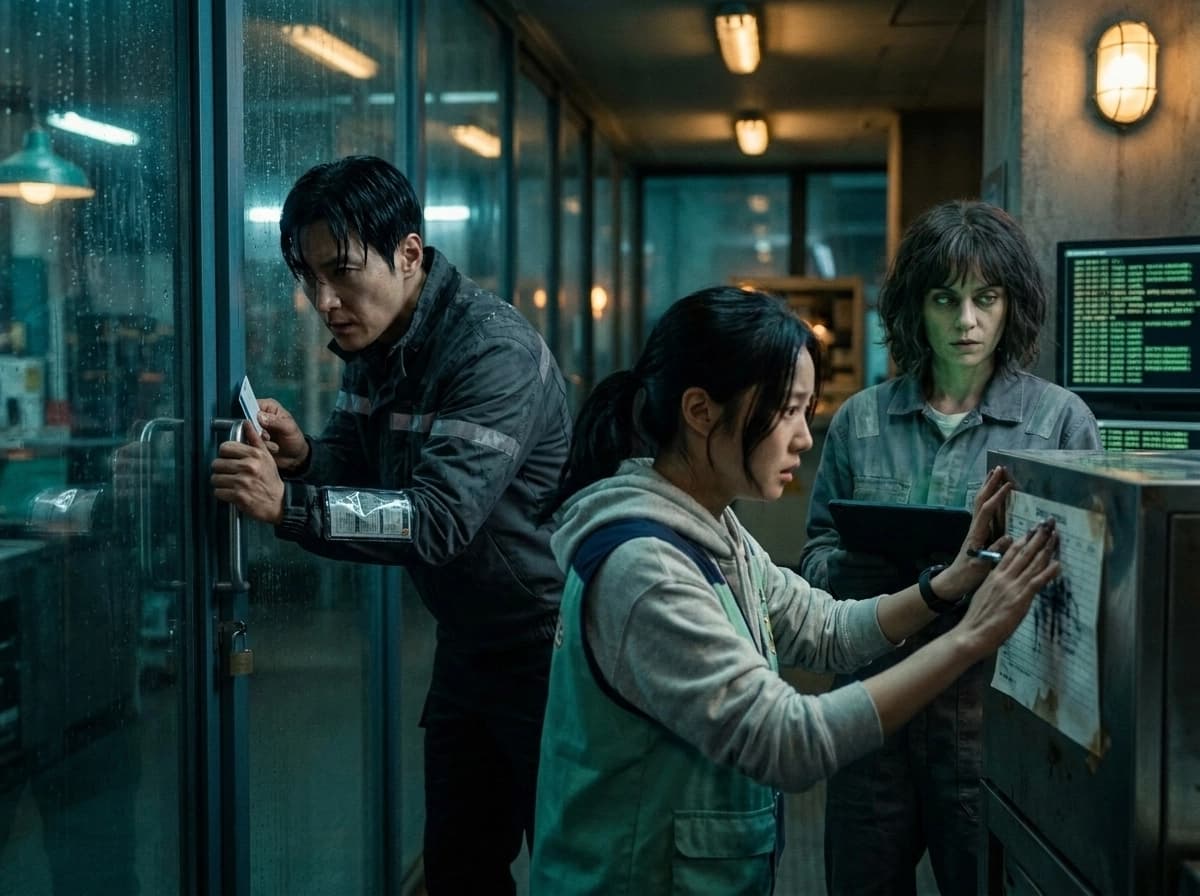
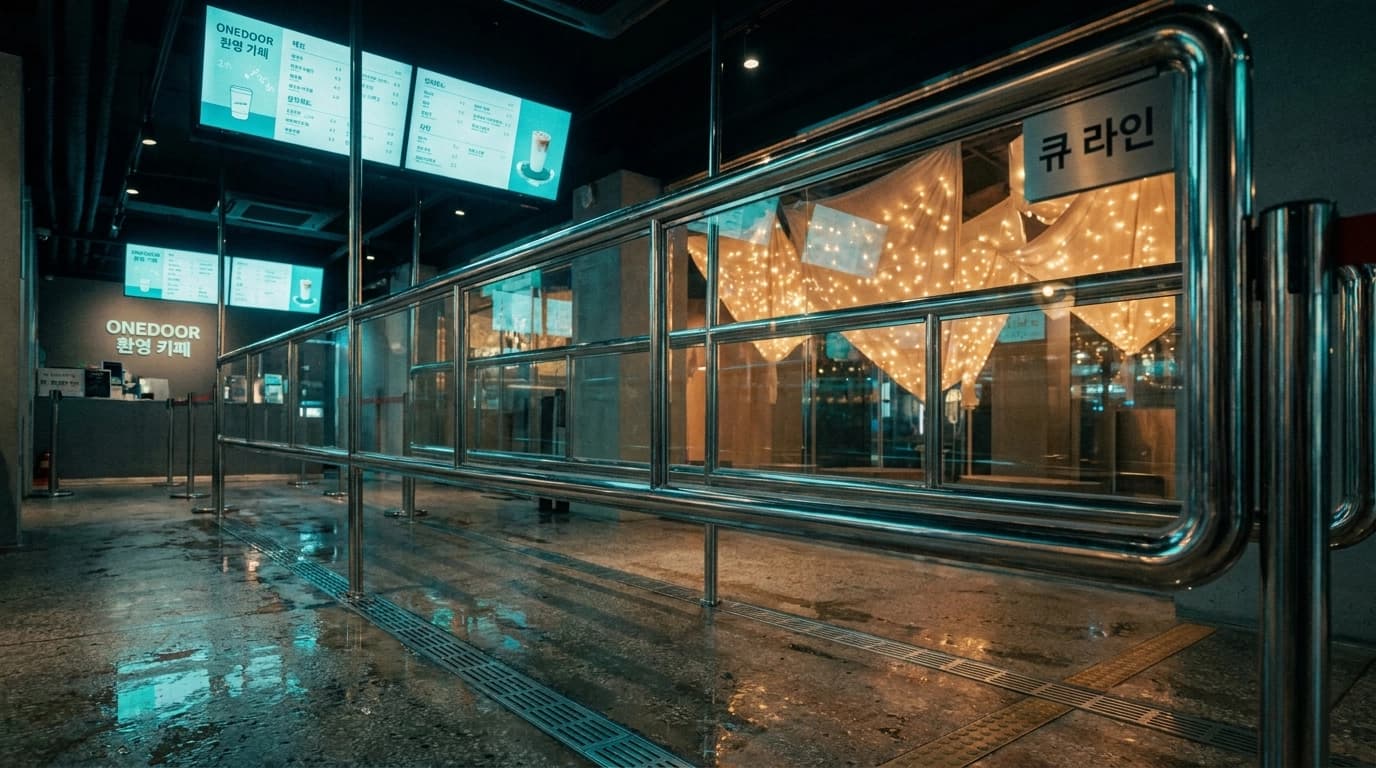
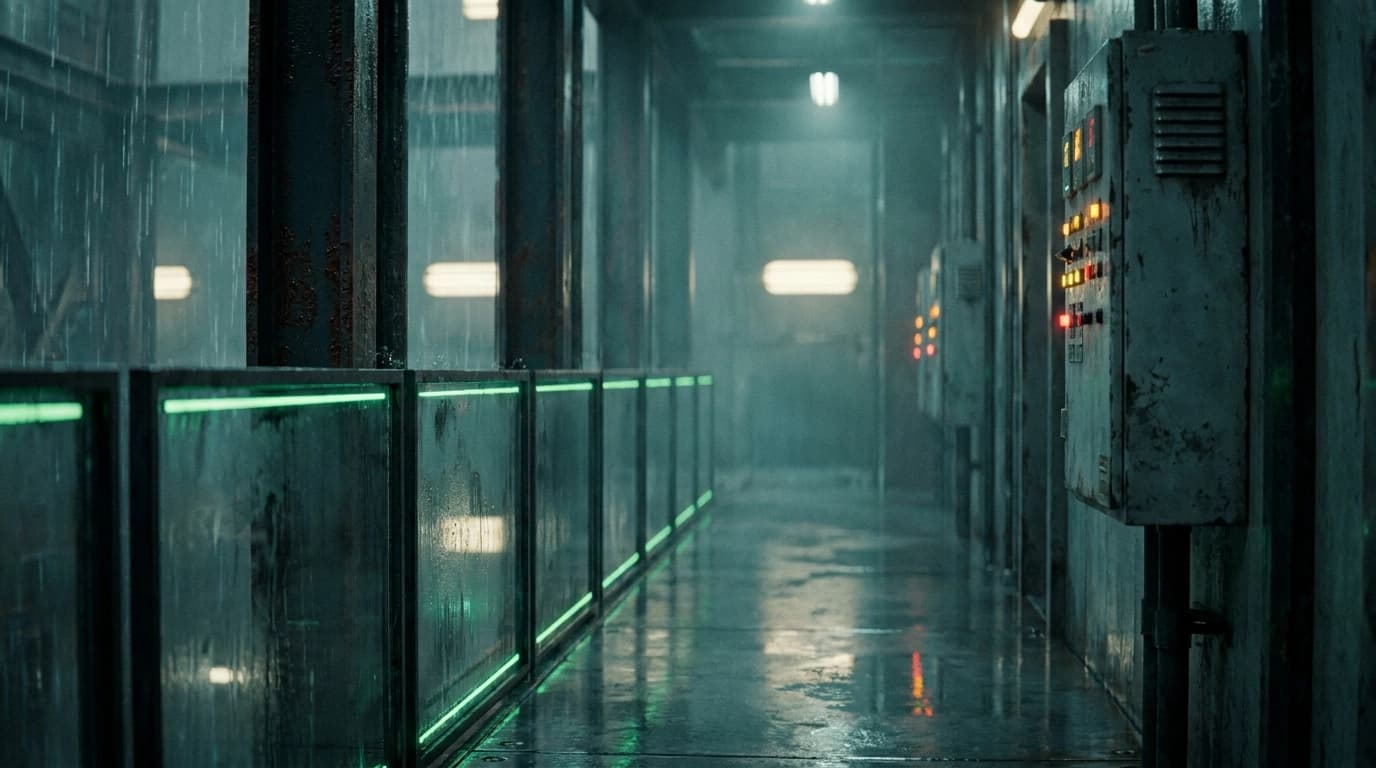
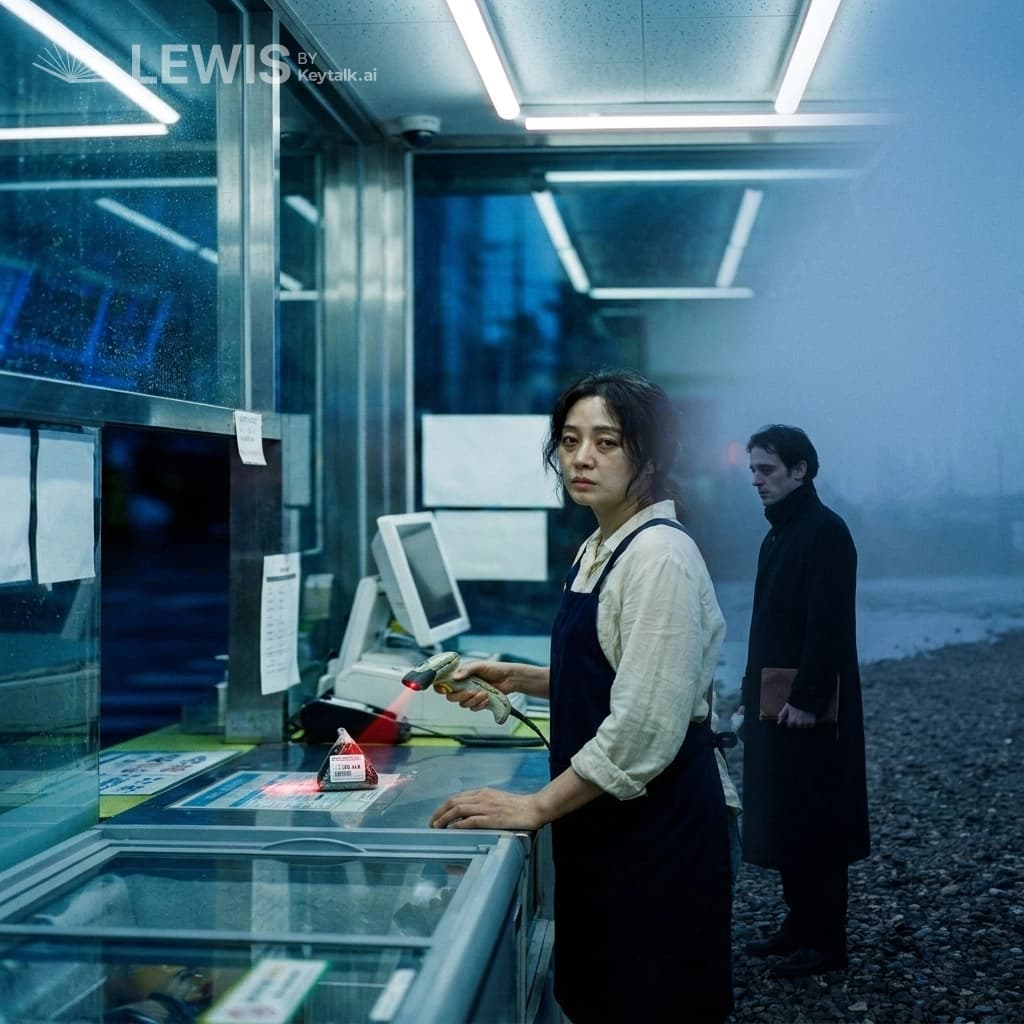
Rain presses flat against the laminated glass of the “ONEDOOR Welcome Cafe,” turning the steel frames into pale bars and the queue lights into sickly commas of amber. Inside the narrow corridor, umbrellas bump softly—too softly for the noise the building is designed to swallow. 한서린 stands where the floor’s reflective stripes funnel every glance toward the automatic seal readers, her hands already rehearsing the motions of control: fold the corner, align the note, press the color sticker into place like it can pin time down. Tonight her color-coded schedule notes are supposed to protect the fans; she’s been the person who knows which hour BOYNEXTDOOR’s pre-record lane will open and when the queue automation will tighten. But a staff drone’s “material hazard” alert blinks across the monitor grid, and when 한서린 looks up, she sees 민도윤 at the front of the line staring at the status lights as if he’s waiting for them to confess. He’s the kind of fan who can’t get past security because security mistakes his confidence for tampering—so he watches, maps, and improvises until the gates behave, even if it means he’s always on the wrong side of someone’s rule.
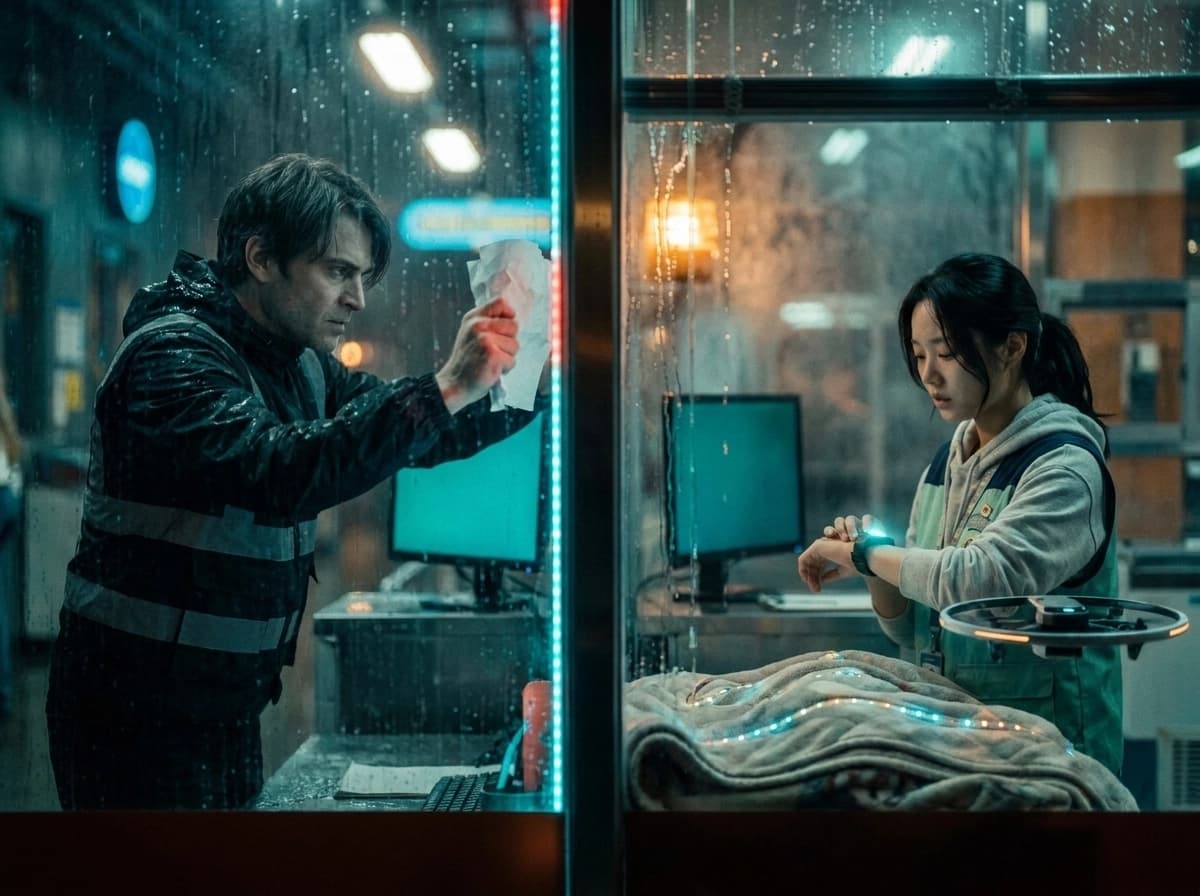
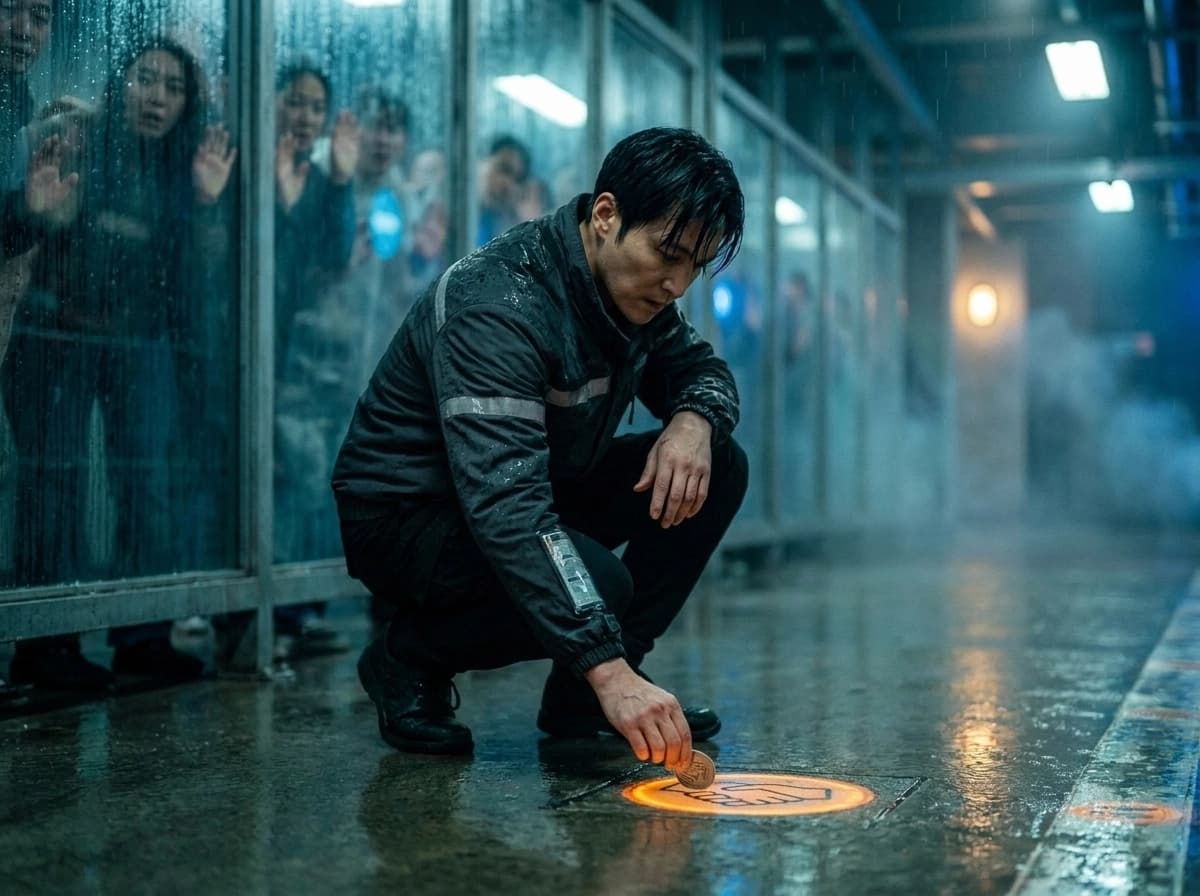
The incident starts with something gentle and terribly wrong: a fan-made lightstick blanket, stitched to glow in layered gradients, hangs over the queue’s designated “guest textile” rail. It isn’t meant to be heavy, or flame-like, or anything that could trip the safety taxonomy. Yet the staff drones interpret it as a “fire-fabric incident” anyway, because the sensors were trained on last season’s malfunctioning batch and nobody updated the thresholds. The corridor’s seal glass slides down with a sound like a throat clearing—quiet, decisive, final—and the queue line becomes a locked aquarium. Behind the glass, people press closer, breath fogging the inside surface; outside, the rain turns the courtyard into a dark blur. Overhead strip lights stutter from cool white to harsh grid. Somewhere deeper in Doorward Hall, monitors in the service spine switch to the pre-record lane feed, and the schedule timer begins counting down seconds toward a non-recoverable auto-cancel.
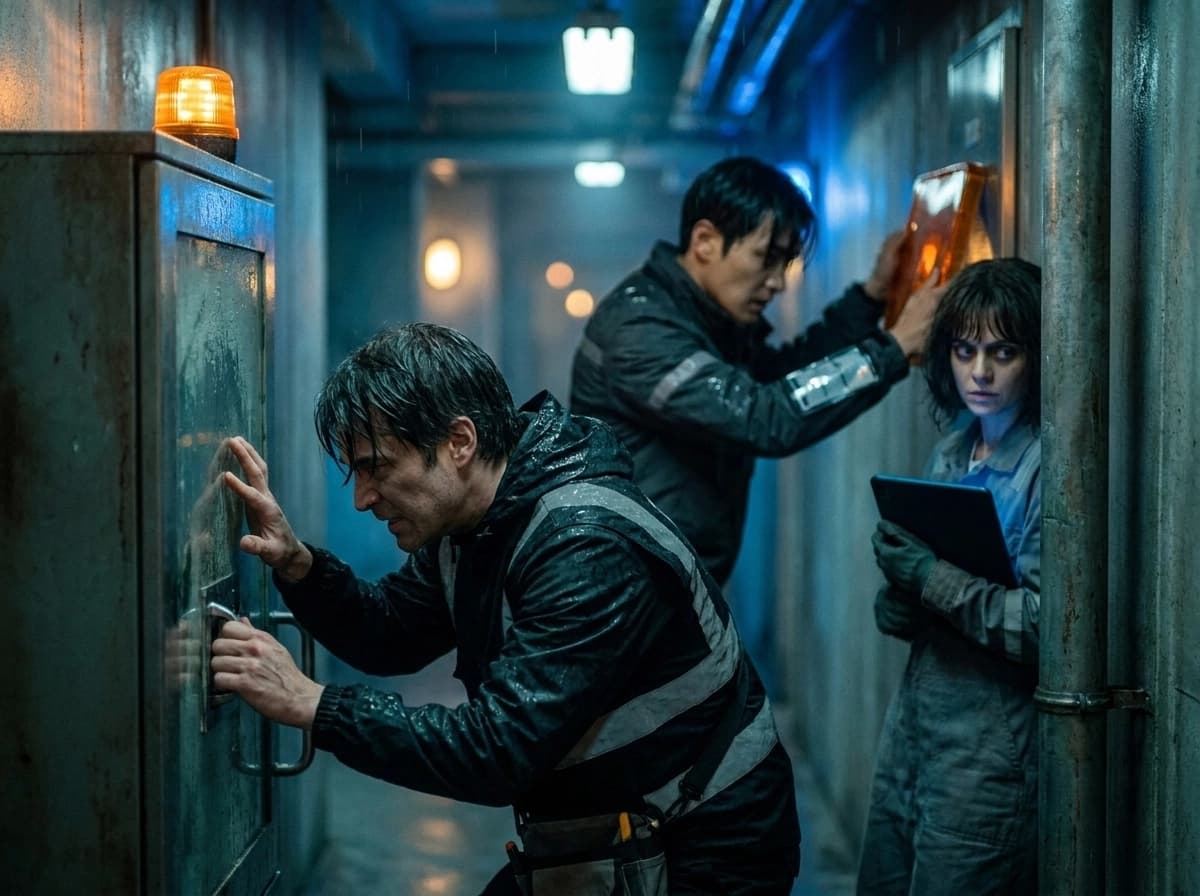
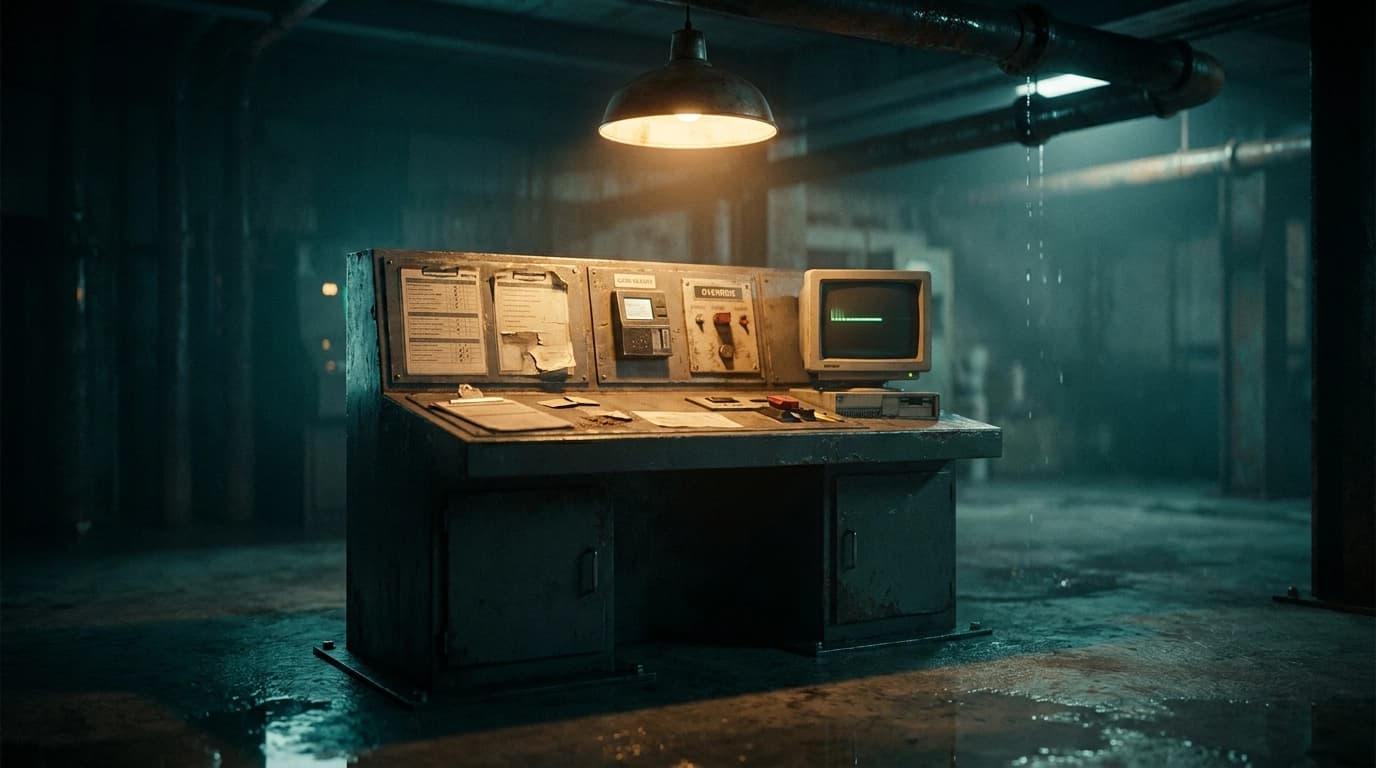
한서린 doesn’t scream. She does what she always does when she’s scared: she checks. She taps her notes against her palm, then looks toward the safety override verification gate as if she can apologize to it with ink. The twist is that she can’t override the sealed glass from her station; her authority is paperwork and polite compliance, not direct access. When she tries to move toward the manual override drawer anyway, a warning chime triggers—ordinary staff controls are read-only during sealed incidents. Worse, the building’s backup logic punishes even well-meaning attempts. If she forces the lock state without valid verification, the system doesn’t just refuse; it “locks the lock,” preventing further manual access until the night shift ends. Her schedule notes—proof of her devotion—suddenly feel like evidence against her.
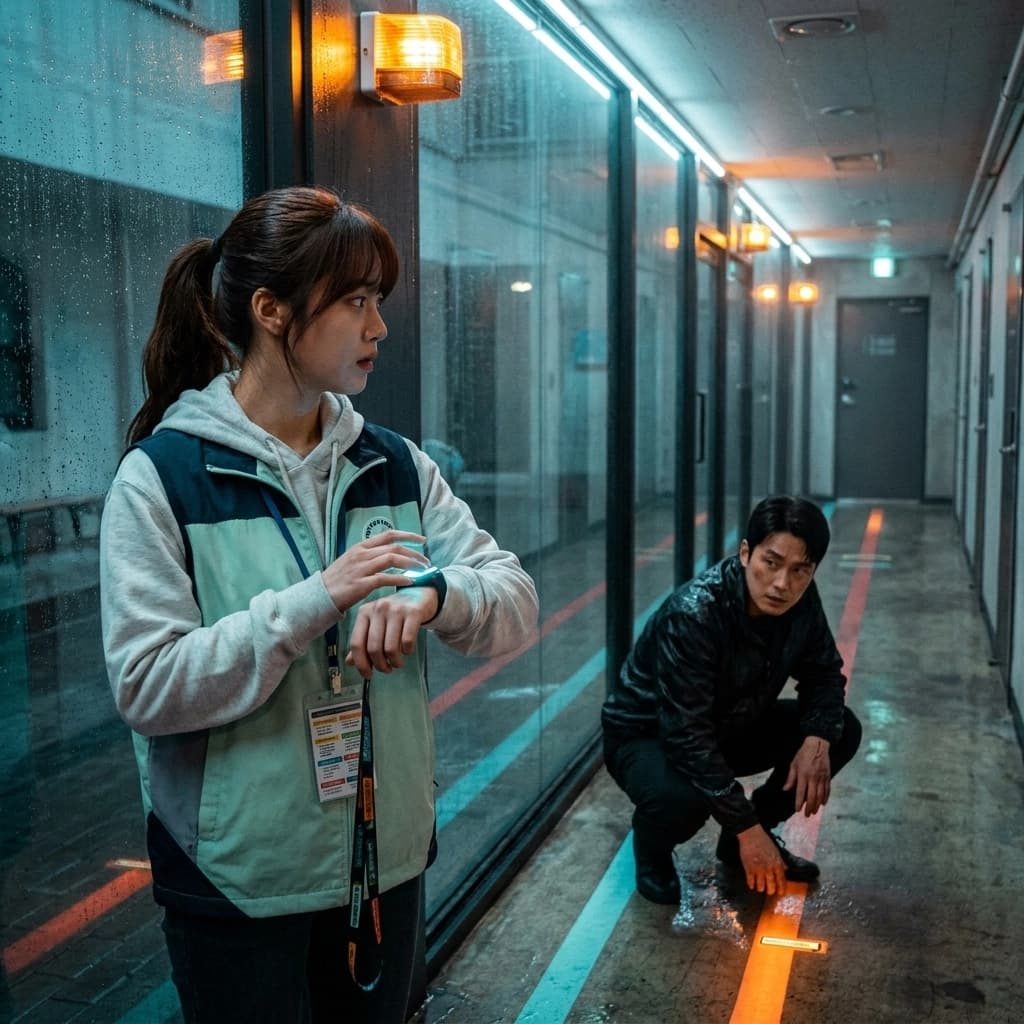
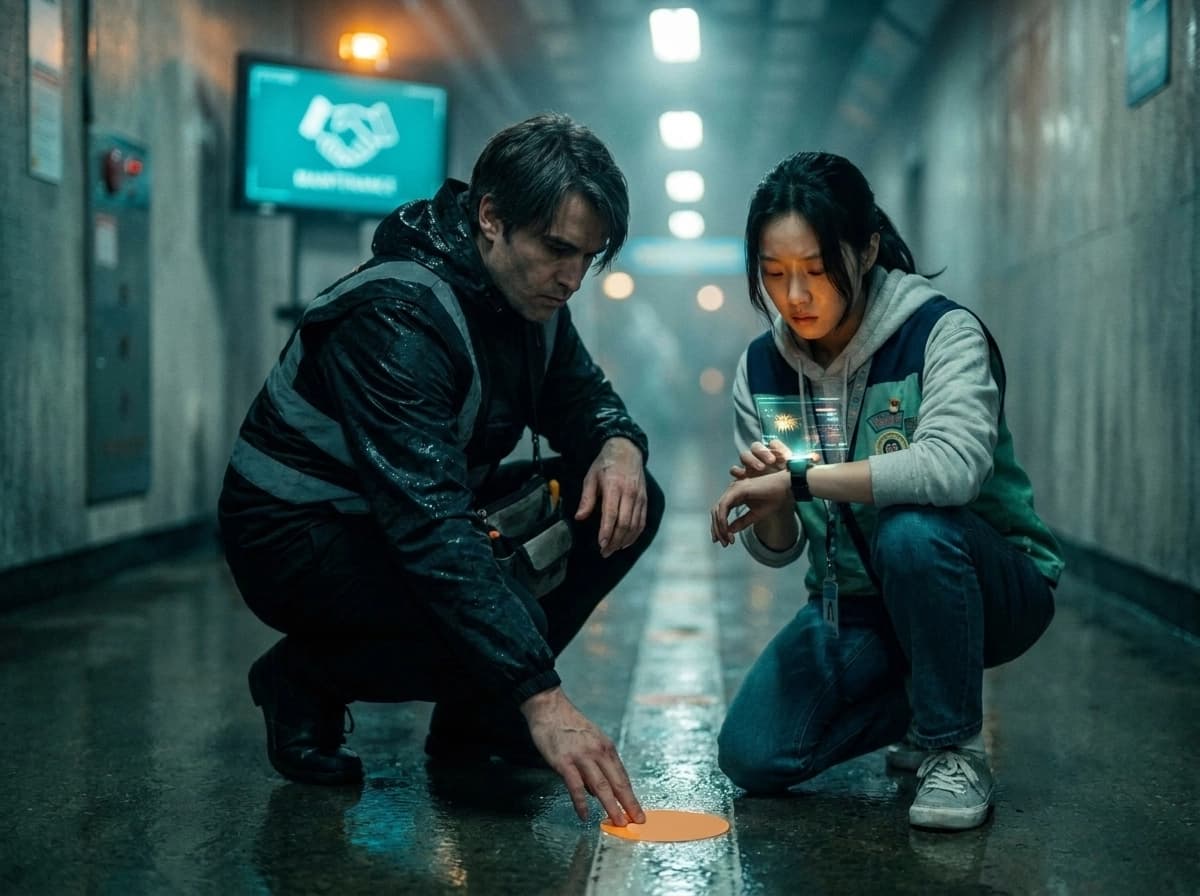
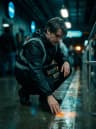
민도윤, meanwhile, goes forward like he always does in a crisis: he doesn’t ask permission from a door that has already decided to be a wall. He kneels at the reflective guidance stripes and drags a thin route sticker from his waist pouch, pressing it over the floor’s cyan-red gradient so the light catches it in the right angle. His plan is to find an alternate pathway the automation forgot—something like the mirror of an earlier problem, a place where the building’s rules weren’t designed to anticipate people. He flicks his eyes to the service spine maintenance window and then back to the glass-queued crowd, already calculating how many seconds he can steal before he’s caught. The safety coordinator arrives in the middle of that reckoning.
서태훈 steps into the corridor with the calm that only comes after too many emergencies. His knuckle is bruised, his safety vest immaculate, his voice clipped to the minimum the rules allow. He looks at the seal glass, then at the drones’ status logs on a tablet mount, then at the two staff drones that hover just out of arm’s reach like patient predators. His mentor-wound shows not in what he says, but in the way his mouth tightens when he hears the crowd’s muffled breathing behind the locked pane—like he remembers a time someone’s safety was treated as an algorithm problem and not a human one. He takes a position where any movement must cross his body; he doesn’t physically stop people with force, but he makes it impossible to rush him without touching him, and that’s the kind of boundary the room understands.
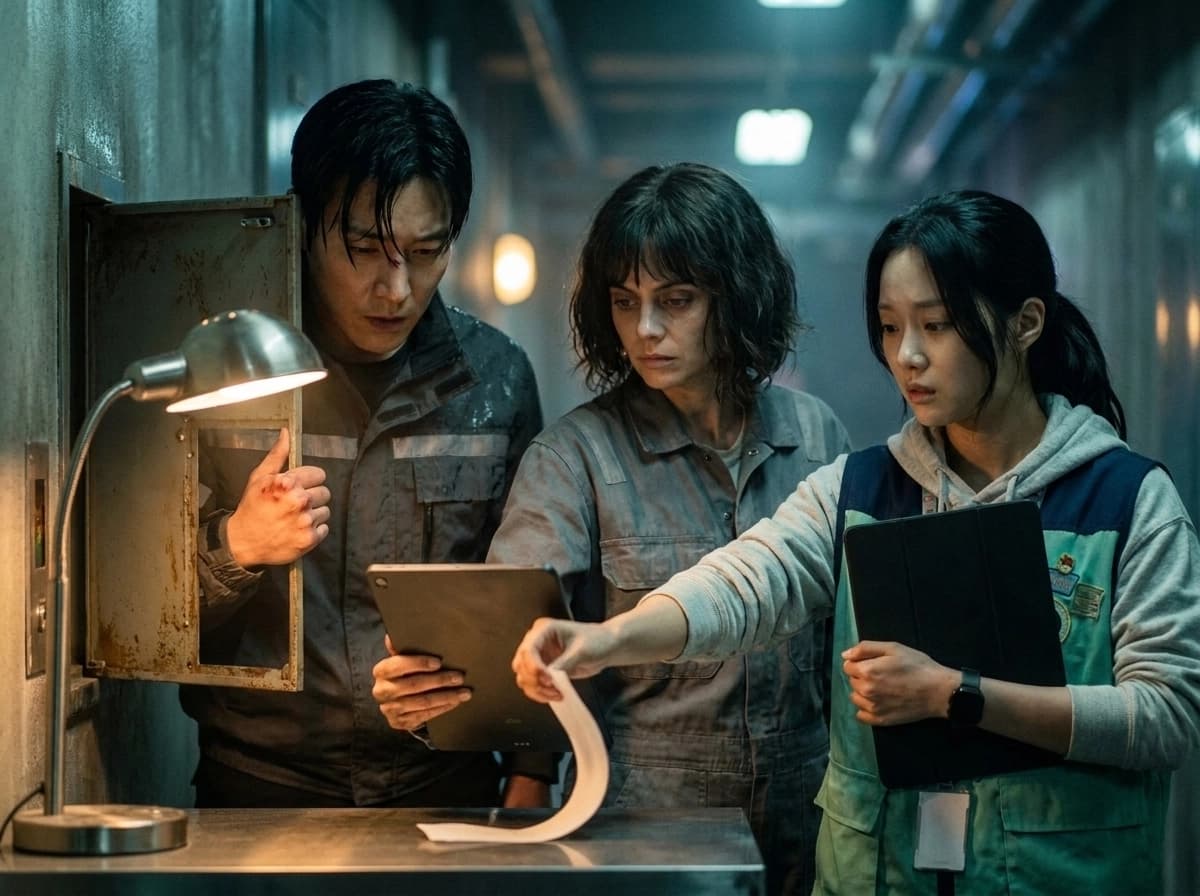
Then the secret empathy leaks out in a different way: as he verifies the drones’ “incident classification,” he asks who brought the blanket and watches 한서린’s face when she realizes she’s the only one with a plausible paper trail. He doesn’t accuse. He listens—hard—and when the building demands verified override card authentication, he refuses to call it “over.” He pulls his override card out only after confirming the system’s backup seal hasn’t already locked the lock state. When he can’t open the glass yet, he turns his tablet toward the side corridor, choosing not to hide it from the fans. It’s not kindness for show; it’s a way to buy time with information the system wasn’t supposed to share.
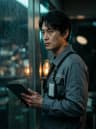
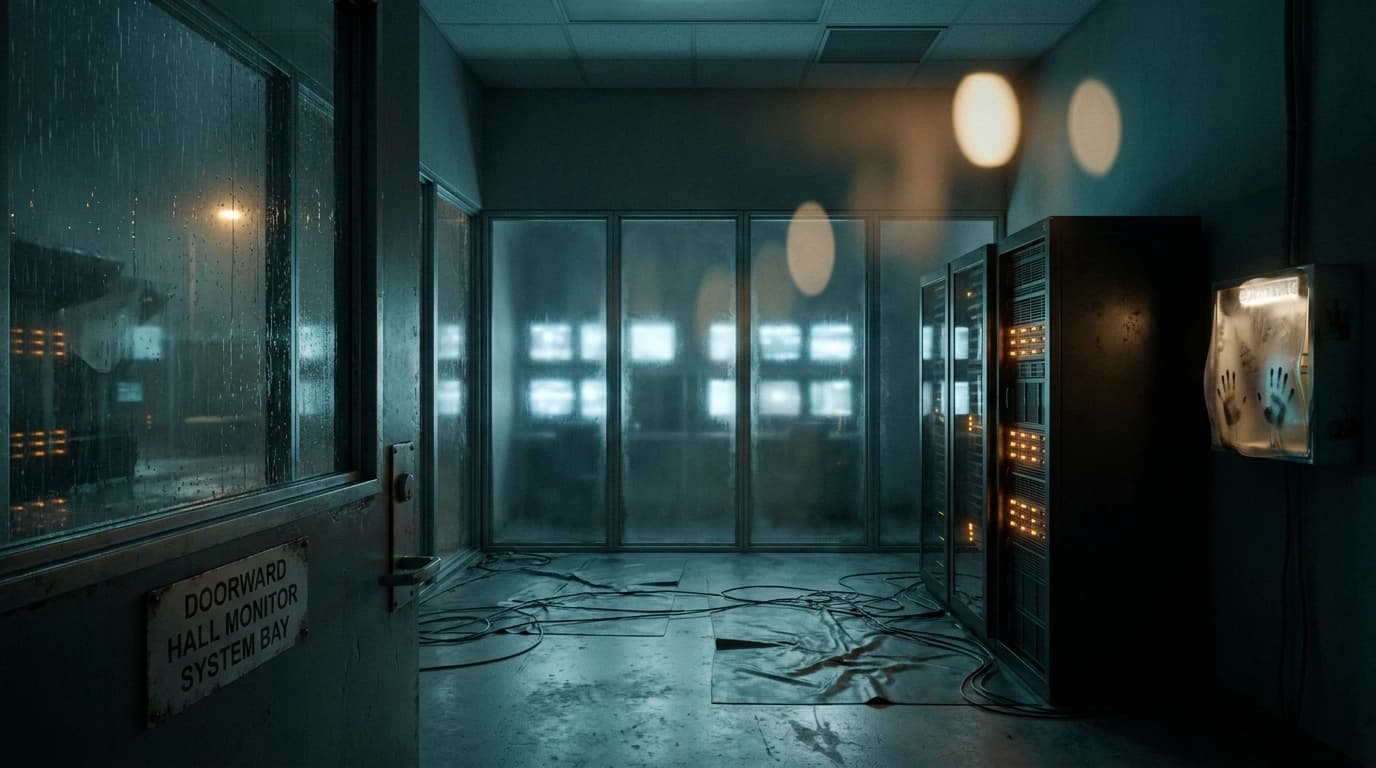
The person responsible for the misread textile is not a villain with malice, but 정하린, the 현장 운영 드론 정비원. Her badge reads like a lifeline—she’s the one who knows how the drones’ 봉인 settings are configured—and she appears in the service spine doorway with sleeves rolled back, hair damp from the rush. She’s holding a maintenance interface tablet and speaking in the language of procedure: she’s required to file “정비 기록” tonight, and the company’s protocol expects her to attest that the system acted correctly. But her hands shake once when she sees the fans behind the glass. She looks at the lightstick blanket—at its stitched gradients reflecting cyan-red—and her gaze lingers a second too long on the place the sensor likely scanned, like she can still feel the exact moment she chose to keep an incorrect template “open” in the record. She’d been told the logs are for accountability. Instead, she discovers she’s been using her access to shape the night’s outcome without intending to. In her mind, it was a correction waiting to happen. In the room, it looks like sabotage.
Before she can move, 오은규 meets her with a clipboard of his own: the 예비 봉인 담당자 who believes backup seals prevent disaster by eliminating uncertainty. He doesn’t come fast; he comes as if he can schedule fear. His hands are steady until the monitors flicker, and then his eyes dart toward the timer. He speaks softly about 강화된 고정 로그, about how the backup seal must remain compliant with the “fire-fabric incident” classification. When he understands the true problem—tomorrow’s pre-record feed can auto-cancel—his composure fractures into a more dangerous calm. He starts preparing the backup seal sequence because it’s the only pathway he’s allowed to trust.
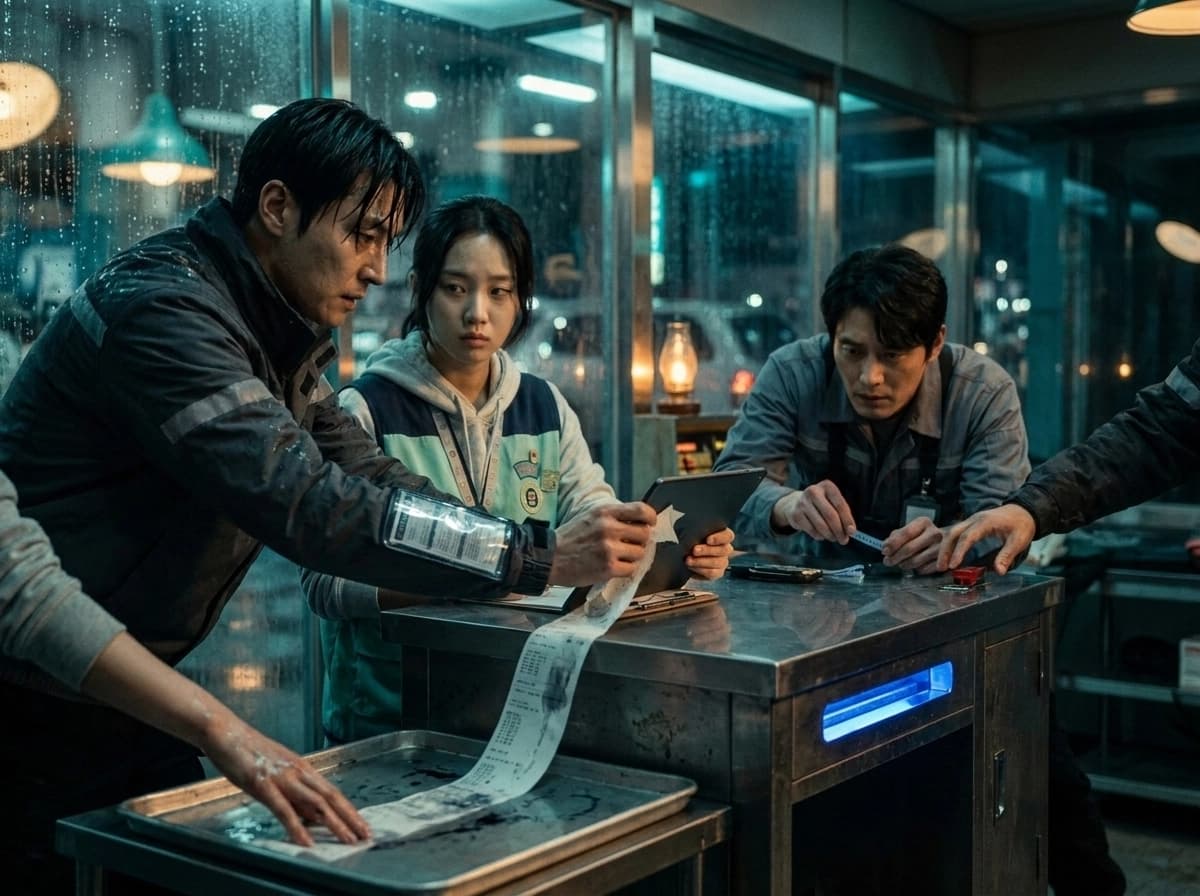
That’s when the room’s moral dilemma gets physical. 한서린 is stuck between being the fan-club operator who follows rules and being a human who can’t stop watching people press their hands to glass. 민도윤 is stuck between being trapped and turning that trap into momentum. 서태훈 can override, but only with a verified path; he refuses to risk the lock-the-lock consequence by trying guesswork. 정하린 can adjust drone logic, but doing it without verification would make the system lock him out too. 오은규 can kick the backup seal, but that means choosing to preserve the schedule cancellation logic rather than saving the crowd. The countdown doesn’t negotiate. The timer continues to tick down in the monitors, and it does it where everyone can see it: in cold greenish light on faces and wet lashes.
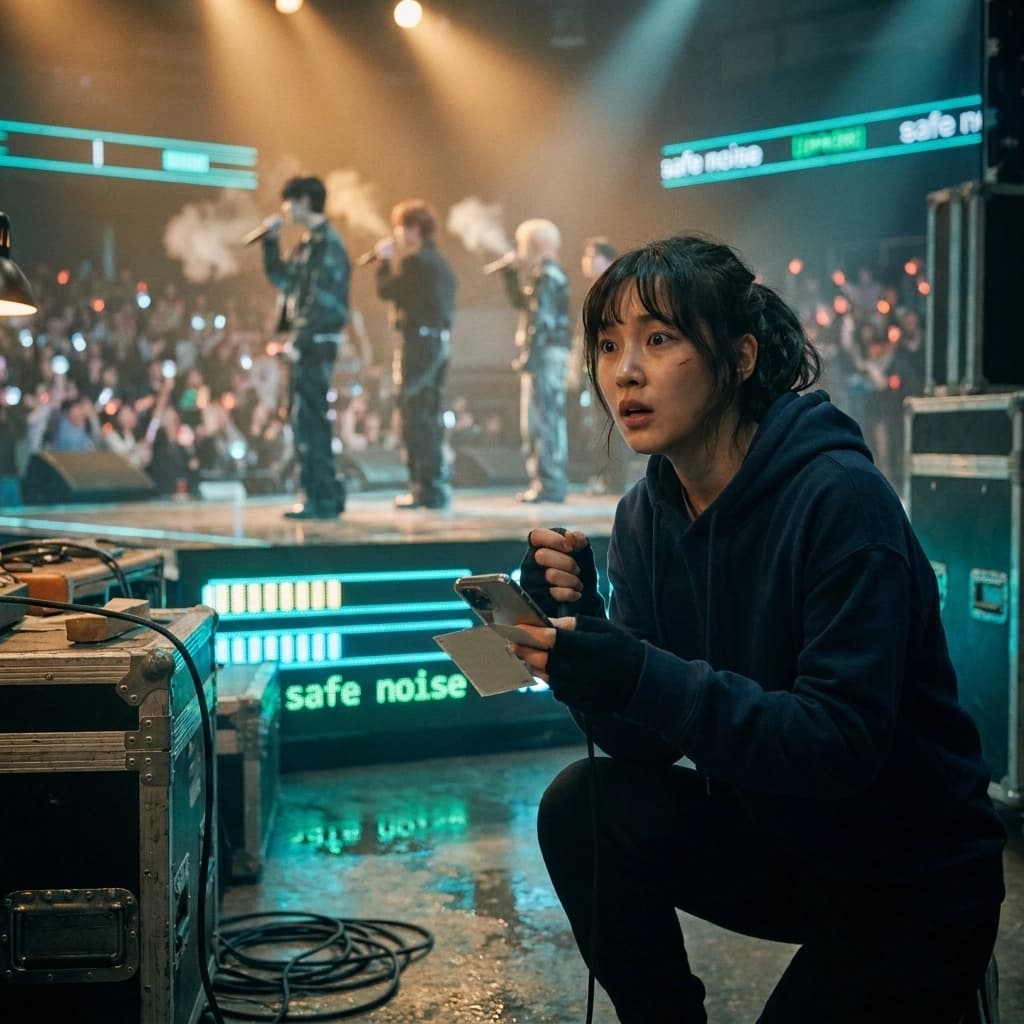
As the warning grid intensifies, the fans begin to panic in small, controlled ways—people coughing, someone dropping a small snack container whose plastic clacks like a gunshot. The building treats every sound as data. A staff drone announces an additional safety measure over the speaker, one that would move the crowd toward a “safe exit” drill—an action that would trigger an immediate cancellation of tomorrow’s pre-record. The system wants throughput over empathy, and it’s already decided this night should end in a controlled rehearsal of evacuation, not a saved performance. The moral choice sharpens into a physical obstacle: if the crowd is staged, the pre-record lane won’t sync tomorrow.
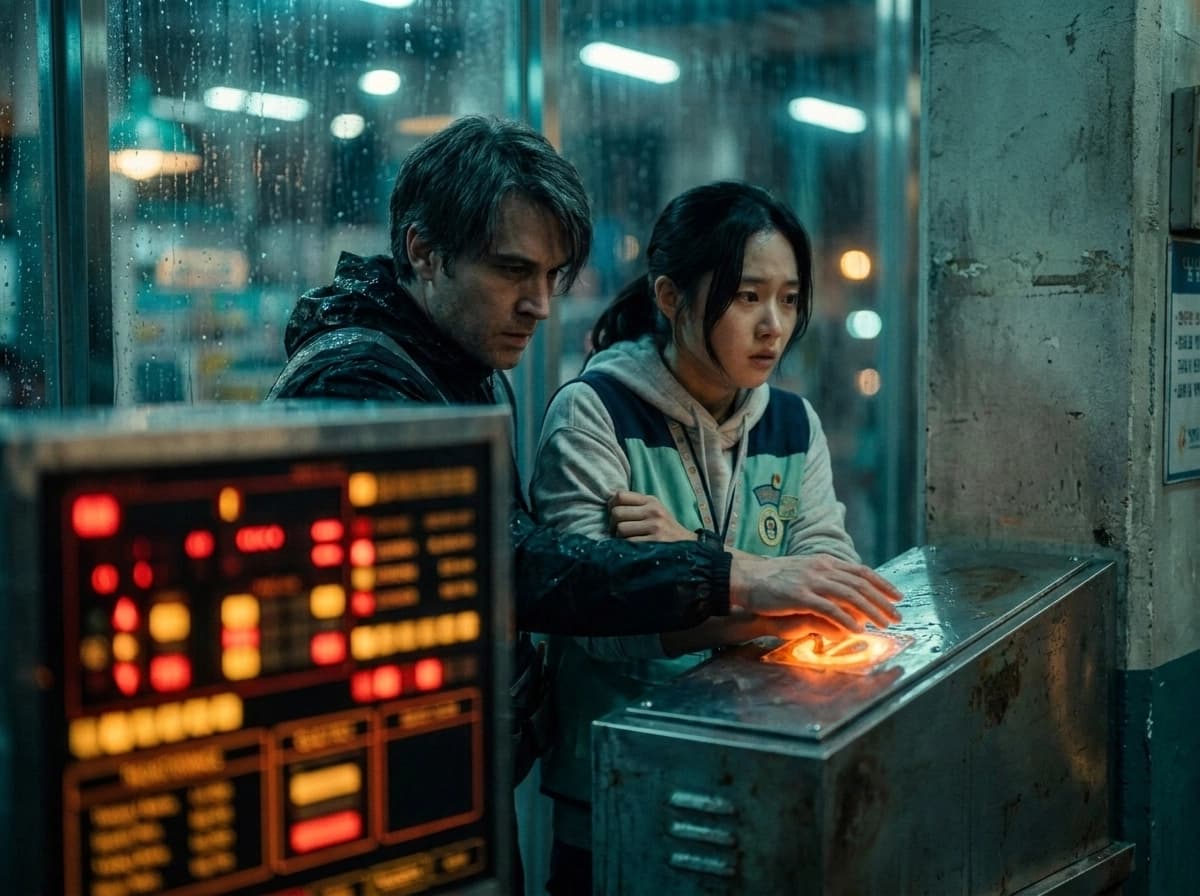
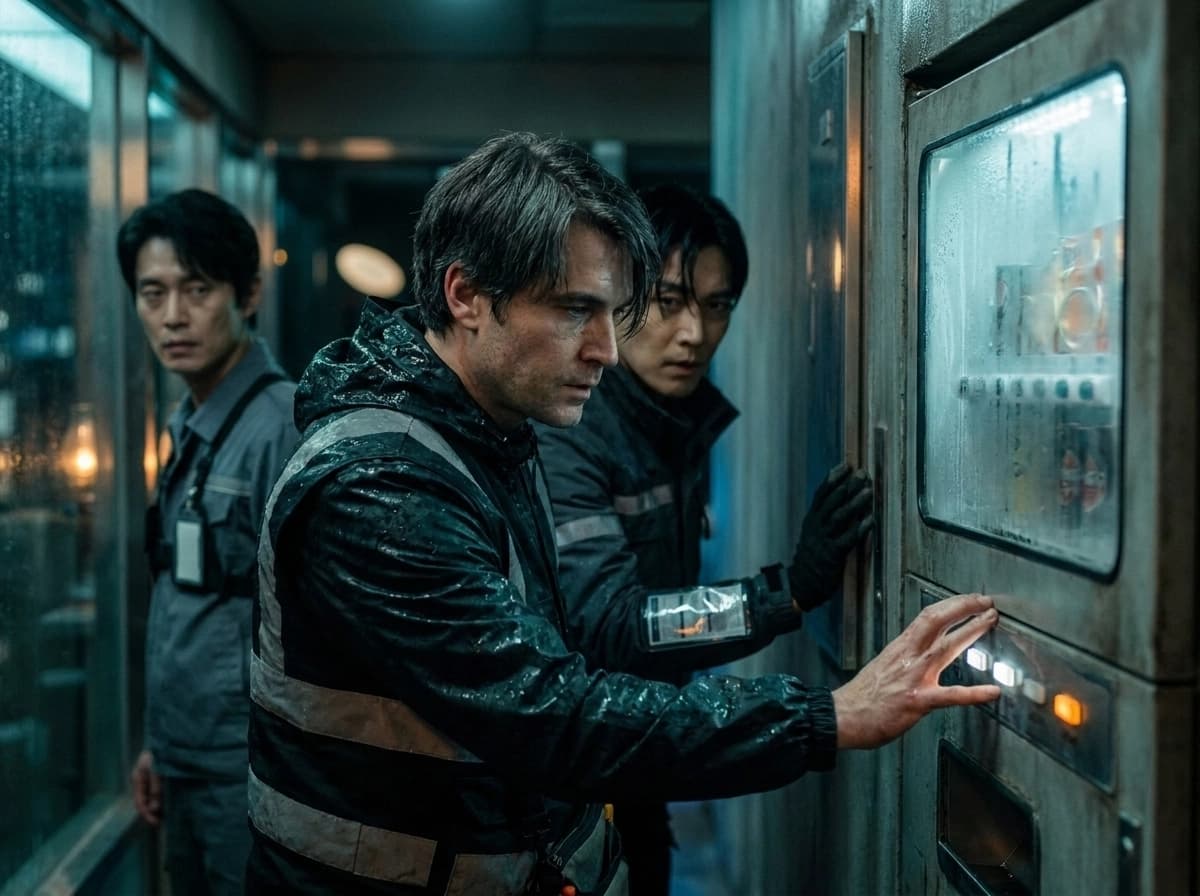
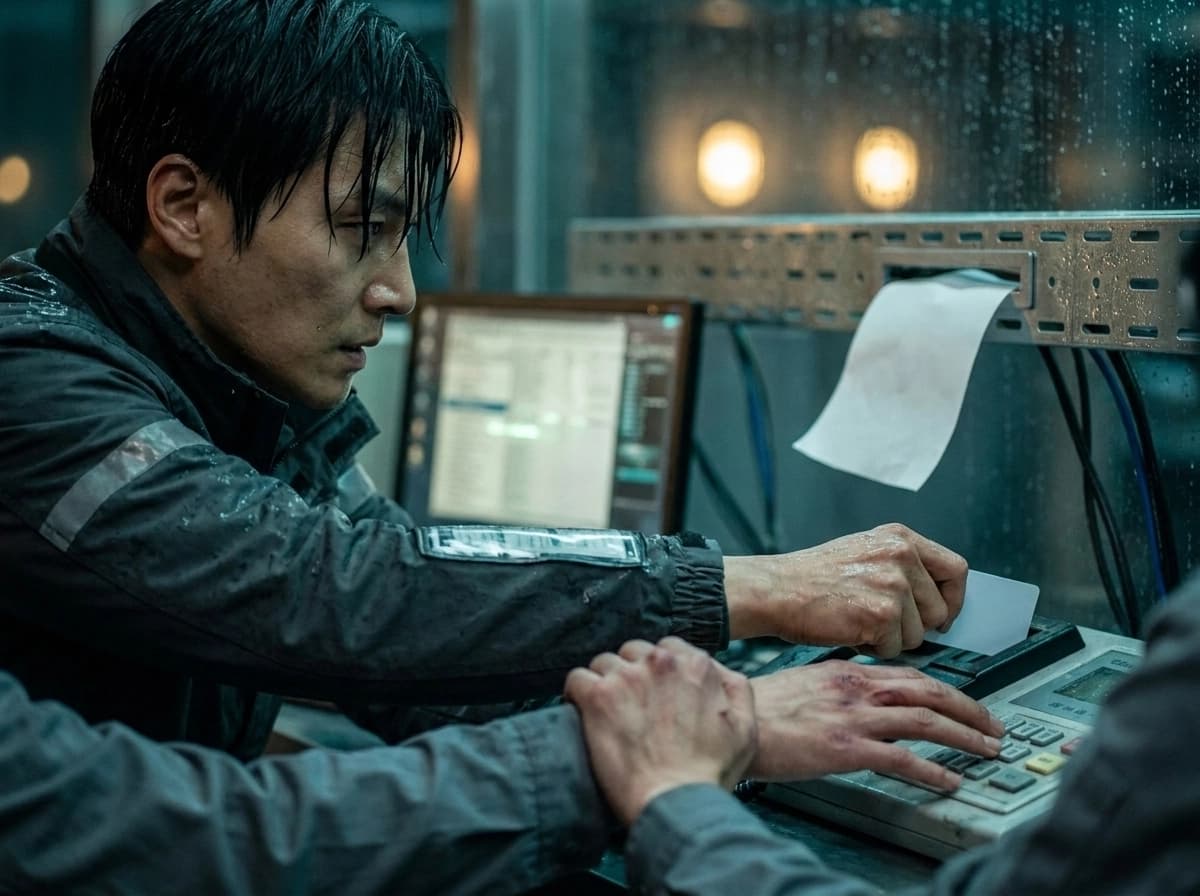
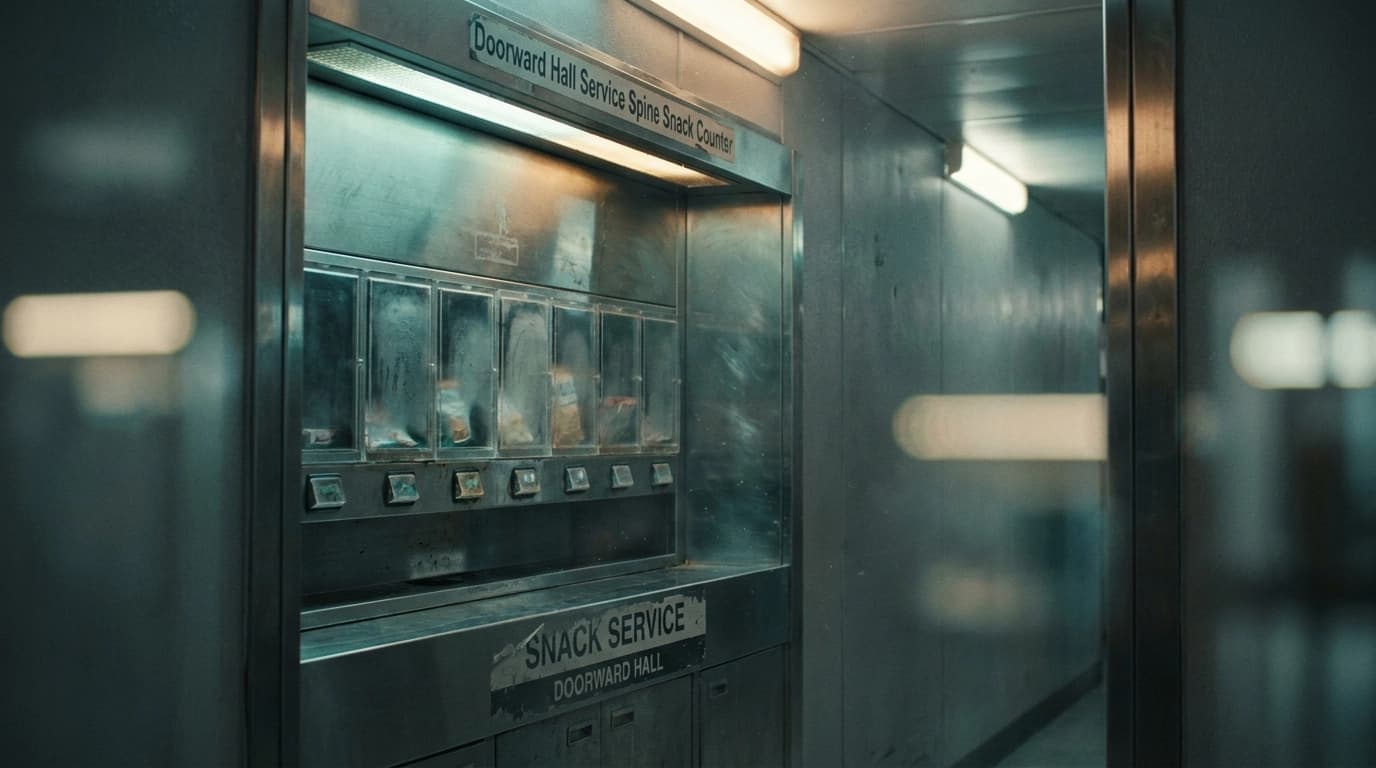
민도윤 sees it first because he’s looking for the route that leads nowhere people will think to run. He grabs the edge of his route sticker off the floor, slaps it to the side of the maintenance window frame, and ducks under the angle of a surveillance blind spot long enough to shout at 한서린 for help. The two fans and the staff coordinator collide in the same cramped space near the sealed reader. 한서린 tries to hand him her schedule notes—color-coded, neatly folded—as if ink can become a key. 민도윤 refuses to take them; he points instead at the snack-box dispenser channel mounted on the corridor wall, where approved override cards can be issued during approved exception processing. He’s seen the dispenser before for morale gestures and staff-approved guest surprises. He also knows it’s a side channel the drones don’t monitor the way they monitor primary controls. The loophole is ridiculous, which makes it believable. It becomes their plan.
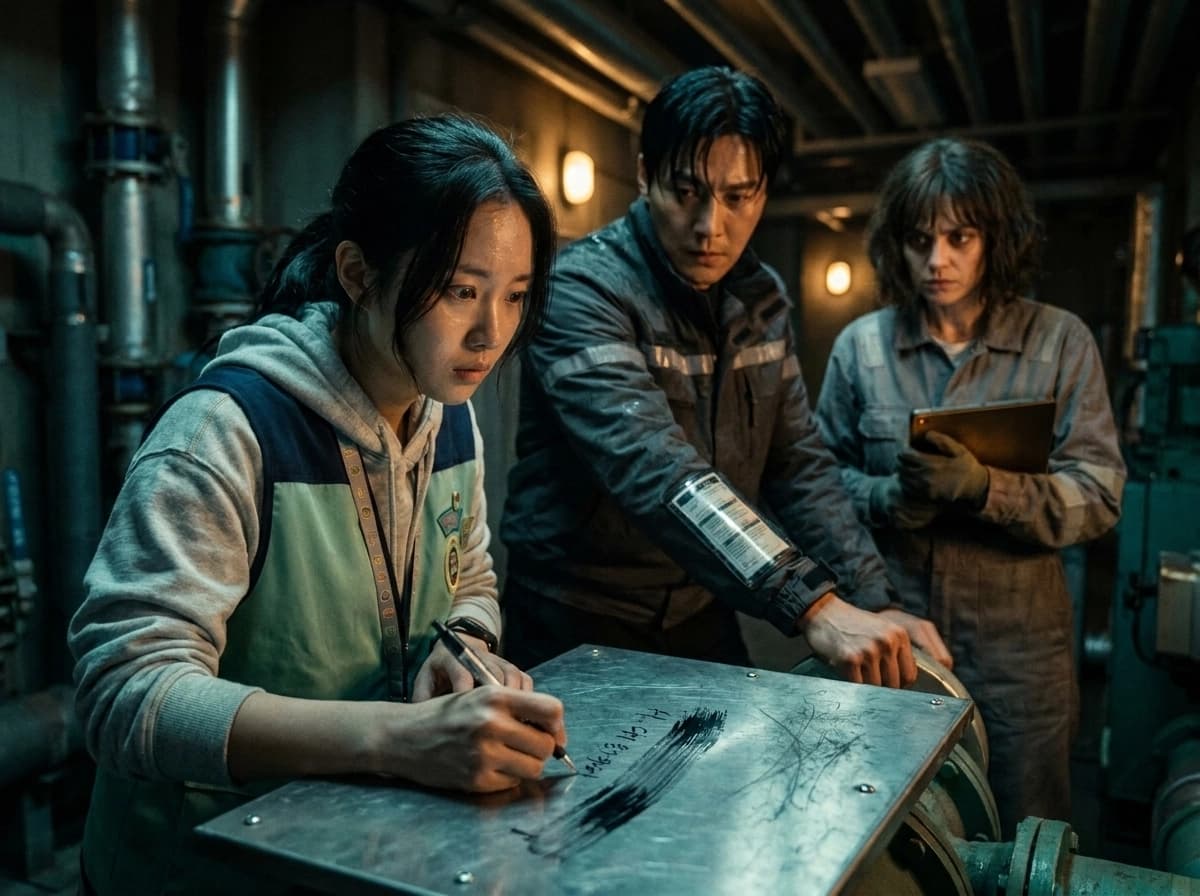
While 서태훈 watches for any attempt that would trigger backup seal escalation, 정하린 moves with the quiet urgency of a tech who understands she’s out of time. She steps between a staff drone and the reader, shielding the verification gate with her body long enough to keep it from re-scanning the queue textile classification. Her hands hover over the maintenance tablet, and she forces herself not to touch the wrong setting. But she does something smaller and riskier: she clears a locked field on her tablet that won’t change anything visible to the crowd, leaving a telltale “correction pending” mark in the maintenance interface that the system will treat as a routine revision—just enough to redirect how the snack-box dispenser’s channel handshake is logged. It’s a microscopic cheat with huge consequences, and she does it because she wants someone else to be able to act at the exact moment her own official authority is useless.
오은규 notices her change. He doesn’t shout; he adjusts his own log view and starts prepping the backup sequence cards, believing that if he controls the timeline of seal-lace execution, he can “protect” the schedule feed by making it predictable. In his mind, the fans aren’t being harmed—just removed from a risk equation. In the corridor, though, that prediction becomes a threat. As the timer hits the next warning threshold, he holds a sequence card over the dispenser’s reader and waits for his confirmation prompt. If he presses it now, the safe exit drill locks in and tomorrow’s pre-record is gone.
The last manual override card is hidden, and it isn’t hidden in a drawer that makes sense. It’s hidden inside a throwaway snack box that looks like it belongs to staff morale but was secretly used by someone who knows procedures can be bent without breaking them. The story’s pivot happens when 민도윤 doesn’t try to pry at the sealed glass again. Instead, he runs to the snack-box dispenser, snatches the wrong box at first—wrong brand, wrong label—and nearly gets caught. A staff drone rotates, its speaker grill whirring as it scans his hand. He stumbles, catches himself with wet fingers on the steel rail, and with a frantic laugh that sounds like fear, he flips the box so the bottom faces outward. The manual override card slides out just far enough for 한서린 to see a corner mark she recognizes from the color-coded note sheet she kept for contingencies. She tears open her own schedule stack and matches the sticker color to the embossed tag on the card.
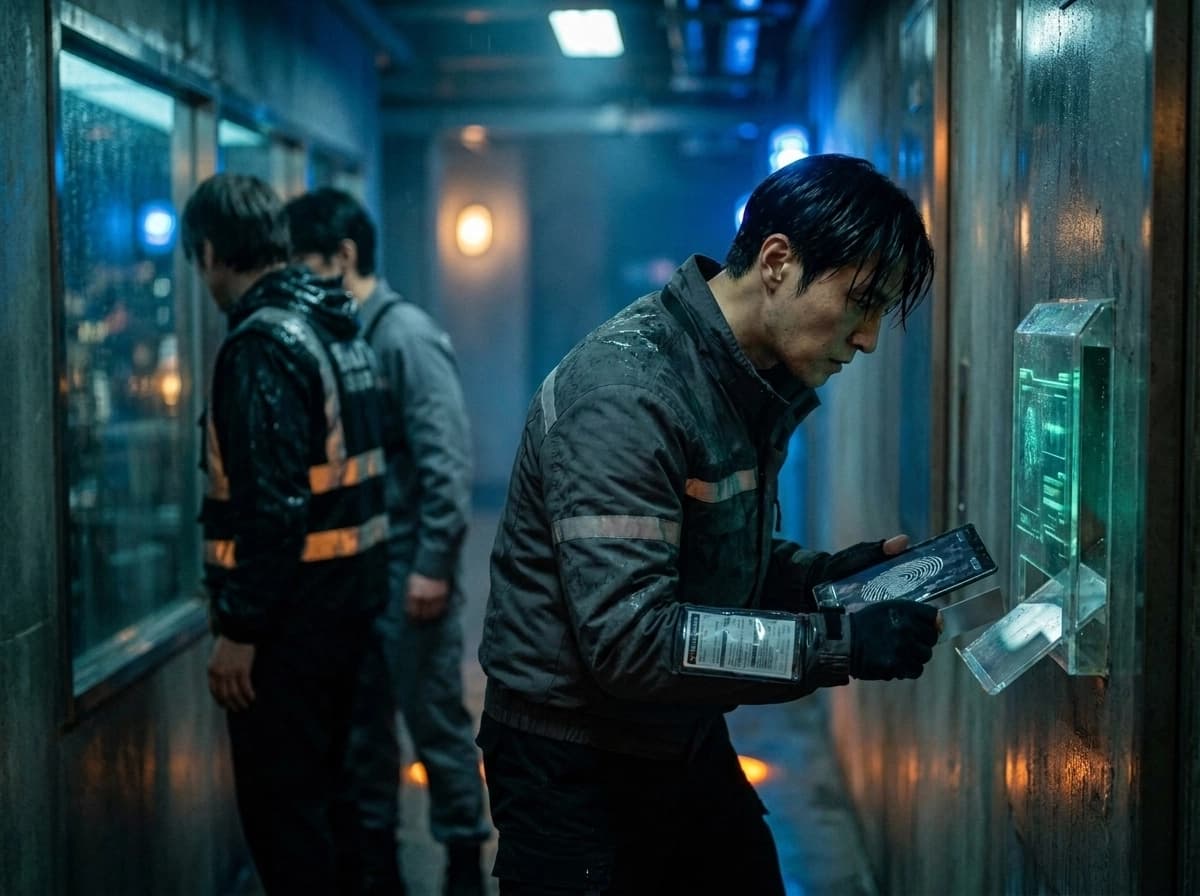
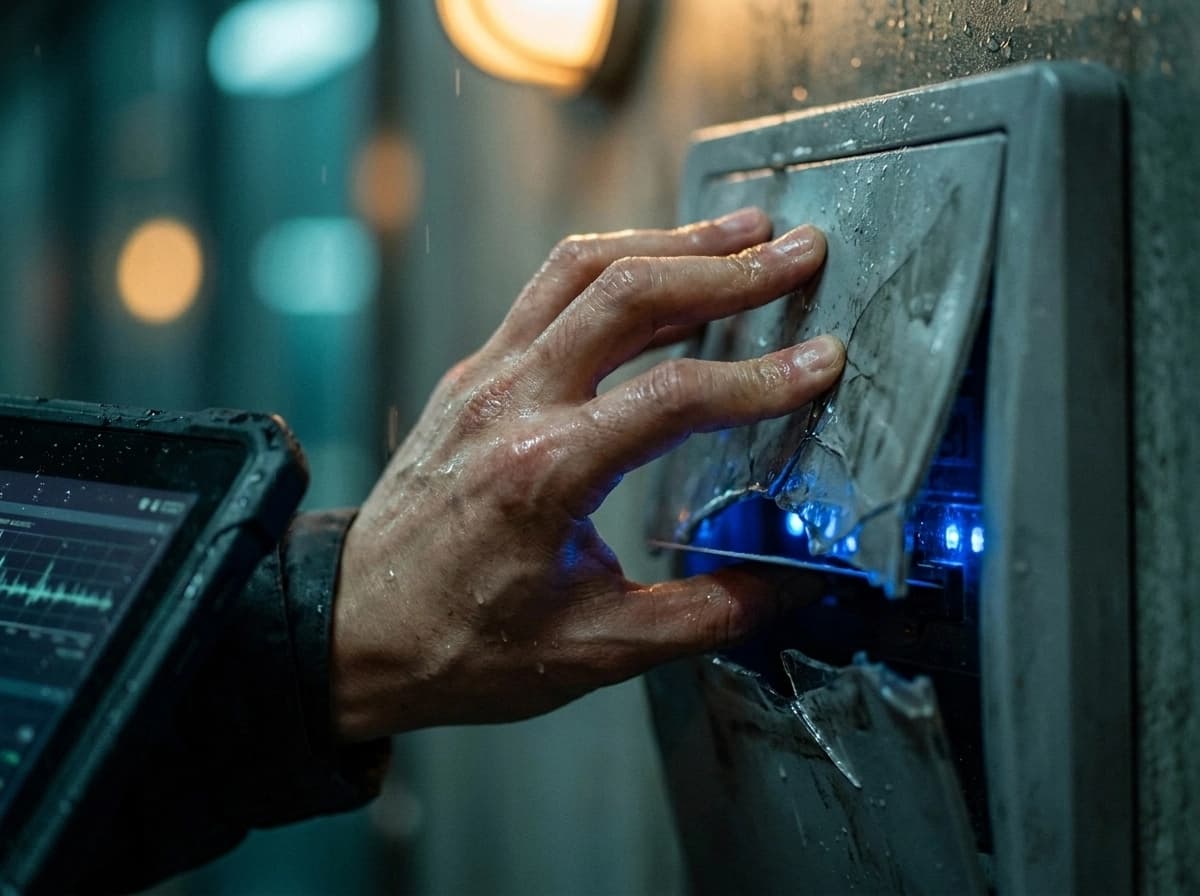
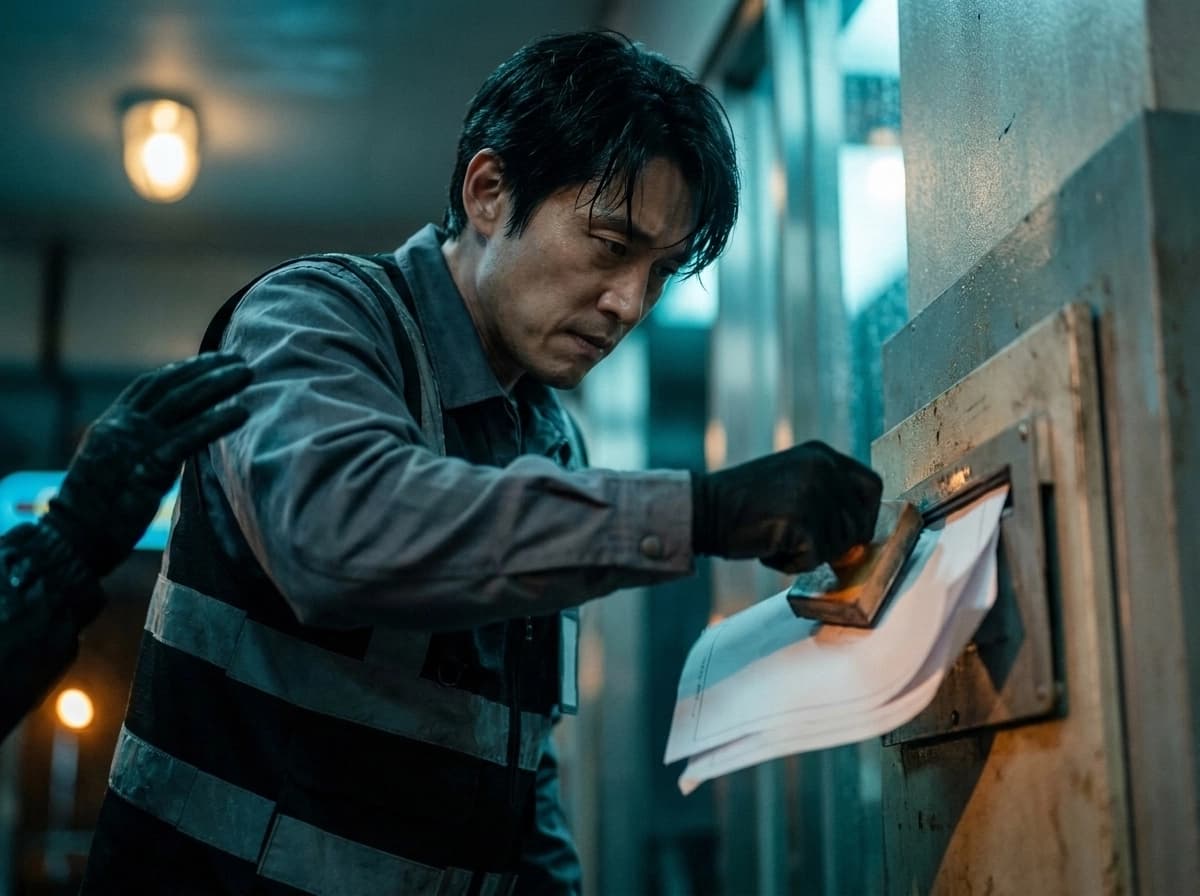
서태훈 moves before anyone can stop him. He pulls the dispenser card reader cover back with his bruised knuckle, then holds the override card up to the verified slot like it’s an offering. He doesn’t just hope it works—he checks the verification prompt on his tablet, then shoves the cover back into place so no one can claim later that he tampered. The system accepts it. The seal glass whines; the amber warning strobes stutter, and then—briefly—light from the corridor beyond turns visible through the narrowing seam.
But the building doesn’t like abrupt changes. Because backup seal logic is already armed, a delay—one breath too long—would let the backup seal trigger for good. 오은규 sees the glass seam and lunges toward the control panel behind the maintenance window, trying to initiate the backup seal “lock the lock” routine early, before 서태훈 can finish. 정하린 moves with him, dragging her tablet between panel and his hands and forcing a physical collision at the exact moment his card reader prompt flashes. She shoves, not gently, catching his wrist and knocking the sequence card edge-first against the tray. The sound is small but final: plastic clicks, and the card falls into a cable loom gap where it can’t be retrieved without tools.
The corridor becomes a sprint lane. 민도윤 yanks 한서린 by the sleeve, pointing at the maintenance access hallway that runs parallel to the queue, the scuffed gray panel spine visible only through a narrow maintenance window earlier. They run because it’s the only direction that prevents the safe exit drill staging from reaching the glass line. 서태훈 follows, dragging the override console so the system keeps accepting manual access. 오은규 scrambles, trying to regain control of his tray and failing because his card is trapped. 정하린 catches up with a wrench from her kit—used not on metal but on a latch panel—then wedges her shoulder against the door to buy a few more seconds of route clearance. Her expression stays cold because if she looks like she’s begging, she might not move again.
They hit the wrong hallway first. The maintenance spine has two routes that look almost identical in the dim greenish monitor glow. 민도윤’s mirror-keyed panic maps—routes he used for earlier “blocked at security” nights—steer him into what he thinks is the shortcut. It’s not. They end up at a door that leads back toward the pre-record lane, where the safe exit drill announcement is beginning to cascade through the public address system, synced with the venue’s feed logic. The timer on the monitors continues to tick down. That means even if they rescue the crowd, they might still lose the performance. 한서린’s color-coded notes feel like a curse now; she tries to correct the direction with frantic hand gestures, pulling at her schedule paper like it can rearrange the building’s geometry.
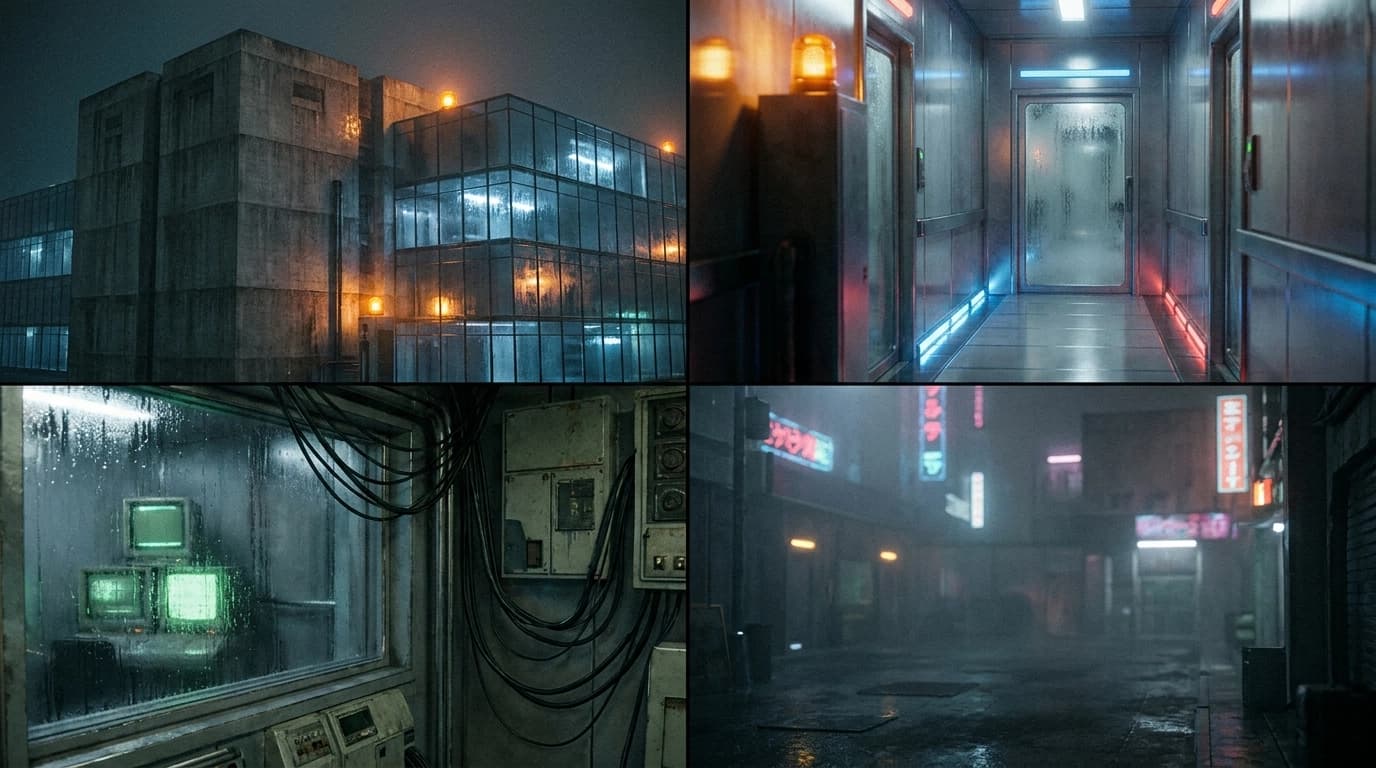
Then the reversal lands because the planners at Doorward Hall relied too much on automation assumptions. In the service spine, a maintenance access window reveals a small auxiliary reader panel with a snack-box channel verification port—one that staff don’t use because they’re trained to obey the main path. 서태훈, panting, spots it after he hears a faint click sound from 정하린’s wrench use. The bruised knuckle makes it clear he can break in, but only if he’s careful: any wrong attempt triggers backup seal escalation. He chooses mercy without becoming reckless—he shoves the panel open just far enough for his verified override card to touch the sensor, then holds it steady while the timer threatens auto-cancel. 민도윤 stands at the door with his body angled like a gate, blocking anyone from being diverted into the safe exit staging corridor. When the system finally flips the feed logic back to “pre-record lane active,” the monitor timer stops dead for the first time all night, like someone yanked a plug out of a clock.
The emergency lights stutter. In the glass-queue corridor, the seal glass retracts with a reluctant mechanical groan. Breath rushes into air as fans stumble forward, umbrellas dropping water onto the pale steel. Staff drones hover, still uncertain what category to assign the night. 오은규 arrives with his gloves smeared in rainwater and cable grime, trying to reassert control over the log sequence, but his authority looks small next to the physical evidence of saved time: fans in motion, doors open, the pre-record feed intact.
No one celebrates. They don’t have the energy for a victory script. Instead, the consequences show up in details: 한서린’s hands are stained with the tear marks from her schedule paper, ink smeared where her pen shook. She picks up a fallen snack-box lid and finds the empty space where the throwaway box should have been, realizing she never knew how close the loophole was to her own desk all night. 민도윤 lingers near the corridor’s reflective stripes, pressing his palm to the floor’s glowing gradient as if it can confirm that he wasn’t imagining his own mistakes. His earlier certainty about “fixing the wrong thing into the right thing” gets tested by a truth he can’t outmaneuver: tonight wasn’t his trick, it was the building’s failure meeting the fans’ persistence.
정하린, whose “정비 기록” will now reveal her improper template field and her redirection mark, stands with her wrench still in hand. She doesn’t escape consequences by running—she turns her body toward 서태훈 and offers the maintenance tablet for inspection, eyes fixed not on authority but on the faces behind the glass. Her cold professionalism returns at the exact moment it could crumble, because she’s learned that empathy without action is just another kind of delay. 서태훈 takes the tablet, checks the mismatch on the interface, and for a moment you can see the mentor wound in his posture—he knows what reports become. Yet he doesn’t just punish. He makes sure the official record includes the verified override card path and the physical timeline of what happened, not just which device misread the blanket. It’s justice, but not vengeance; mercy that doesn’t erase accountability.
By the time BOYNEXTDOOR’s tomorrow pre-record lane feed stabilizes—timer recovered, sync intact—the rain has softened into a steady hush. The queue corridor lights return to cool white, and the reflective guidance stripes stop looking like a trap and start looking like a direction again. The glass-queue heartbeat motif fades into ordinary sound as fans step into open doors. But the building’s philosophy doesn’t suddenly become kind. In the service spine, a warning banner remains: “Automation incident processed—backup sequence available.” That reminder sits like a bruise on the architecture.
The night ends the way it began: with hands busy, rules half obeyed, and time treated like inventory. Only now the inventory is counted differently—because two fans and the staff members around them forced Doorward Hall to spend mercy instead of silence. When 한서린 finally folds her remaining schedule notes, the creases are steadier. 민도윤 tapes one last small route sticker onto the back of a snack-box lid—not as a prank, not as a hack, but as a quiet promise that next time the locks go down, they’ll remember where the keys hide.